
Classic Men's Haircuts
Classic haircuts for men are the cuts that were standard in barbershops long before fades took over, and that still get asked for every day. Most share one idea: short, tidy back and sides, more length on top, and a shape that grows out gracefully. Below are the eleven worth knowing, how they differ, and how to ask for each without a photo.
11 styles in this collection







5 £ Rabatt auf Ihre erste Lieferung
A fresh cut looks sharpest with a clean neckline and tidy sideburns. A sharp blade keeps them that way between visits without the razor burn.
5 £ Rabatt auf Ihr erstes Abonnement oder Ihre erste VIP-Bestellung – einmal pro Kunde, Abmeldung mit einem Klick
What makes a haircut classic
There is no official list, but the classic men's hairstyles have a few things in common.
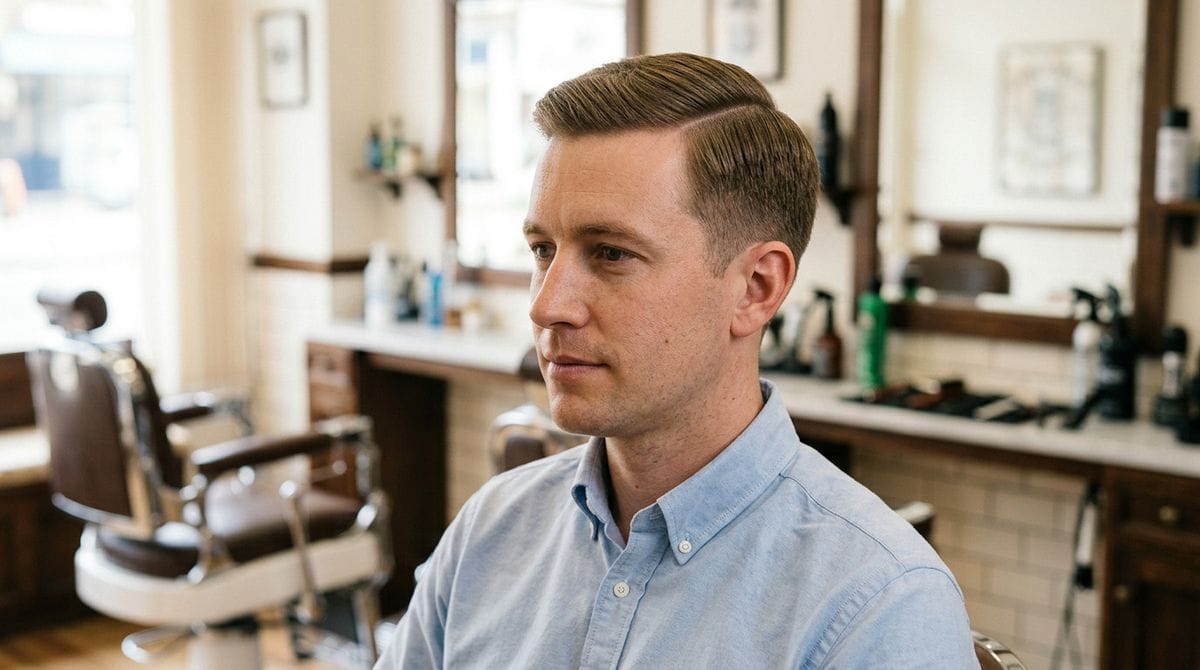
The sides are short but rarely down to skin. Most are cut with a grade 2 to 4 (6mm to 12mm) or scissor over comb, and the neckline is tapered into the neck rather than squared off. That is why they look acceptable at three weeks and still respectable at six.
The top carries the style. A centimetre or two gives you a crew cut, five or six gives you a side part, and ten or more gives you a pompadour. Same back and sides, very different haircut.
They also suit almost every workplace. If you want a cut nobody will comment on in an interview, a wedding or a funeral, you will find it on this page. For the newer styles too, the full men's hairstyles directory covers everything else.
The short end
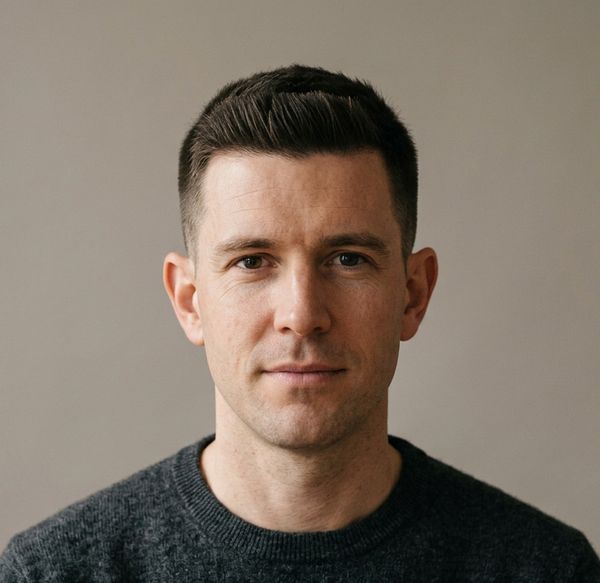
Short back and sides
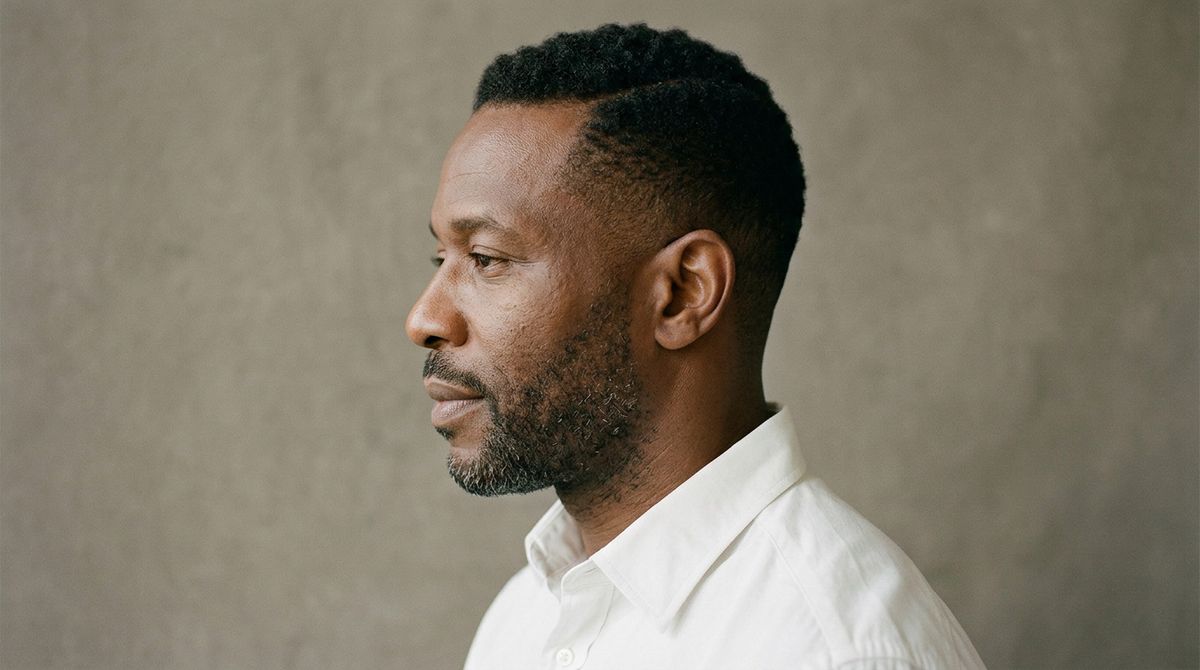
Die short back and sides is the traditional British barbershop cut and the base most of the others are built on. Grade 2 to 4 on the sides, 3 to 6cm on top, worn with a parting or combed into place. If you are unsure what to ask for, start here.
Crew cut
Die Militärhaarschnitt is shorter on top, about 1 to 3cm, and graded so the front is the longest part. It needs almost no styling and suits fine hair well, because short lengths make thin hair look fuller.
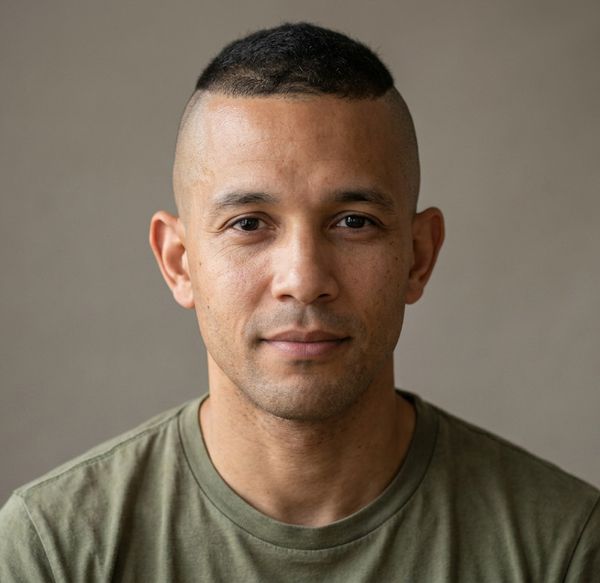
High and tight
Die high and tight takes the sides very short, often down to a grade 0 or skin, and runs them high up the head, leaving a small patch of short hair on top. It has military roots and looks it. It is the most severe cut here and needs the most frequent visits.
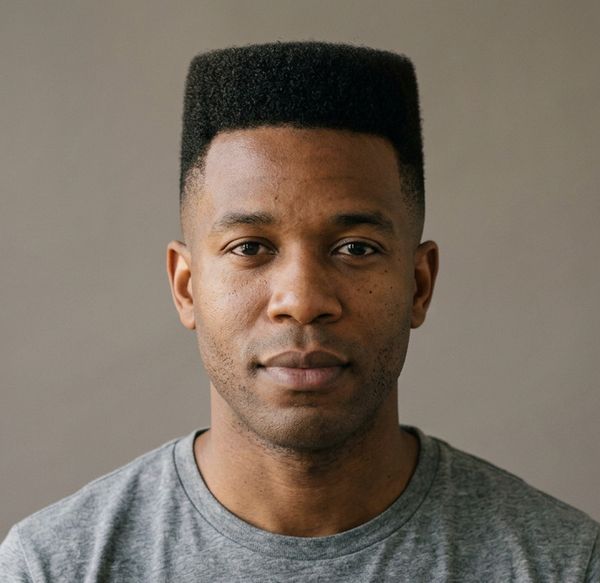
Flat top
Die flat top stands the hair on top straight up and cuts it level, like a deck. It needs thick, coarse hair that will stand on its own, and a barber who can cut a level surface with clippers over a comb. Fewer barbers do it well than claim to.
Cäsar
Die Caesar haircut is short all over with a short, straight fringe brushed forward. It hides a receding hairline better than anything else on this list and takes seconds to style.
The longer end
Ivy League
Die Ivy League is a crew cut left long enough on top, usually 3 to 5cm at the front, to take a side parting. It is the smart, slightly dressier version of the same shape, and where a crew cut ends up if you let the top grow.
Side part
Die side part is any cut worn with the hair divided on one side and combed across. Most of the classics can be worn this way. The page covers how to find your natural parting and whether to have a hard line shaved in.
Comb over
The modern comb over is a side-parted cut with more length on top, swept firmly to one side, usually over short or faded sides. It has nothing to do with covering a bald patch, which does not work, and the Frisuren für Männer mit schütterem Haar page has the cuts that do.
Taper haircut
Die taper haircut is the old way of finishing the sides, with scissors or longer clipper grades that get gradually shorter towards the neck and ears, with no skin and no fade line. It is the softest finish on this page and grows out the best. If you want a closer finish at the edges, that is a Kegelfading.
Slick back
Die slick back combs the whole top straight back with little height, held with a shine or matte product. It needs at least 7cm on top and suits straight or wavy hair best.
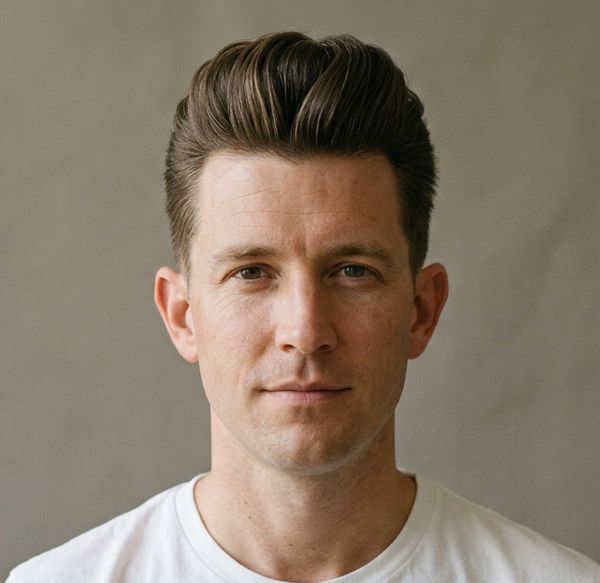
Pompadour
Die pompadour is the tallest classic: all of the top swept back with real volume at the front. It needs the most length, a hair dryer and a firm product. It is often confused with the quiff, which lifts only the front and lets the rest lie flatter.
The classics side by side
| Cut | Beilagen | Top length | How often to cut | Am besten geeignet für |
|---|---|---|---|---|
| Short back and sides | Grade 2 to 4 or scissors | 3 to 6cm | Every 4 to 6 weeks | Anyone wanting a safe, tidy cut |
| Crew cut | Grade 1 to 3 | 1 to 3cm | Alle 3 bis 4 Wochen | Fine hair, no styling |
| High and tight | Grade 0 or skin, high | Up to 2cm | Every 1 to 2 weeks | A very short, sharp look |
| Flat top | Grade 1 tapered, or a high fade | 2 to 5cm, cut level | Every 1 to 2 weeks | Thick, coarse hair |
| Cäsar | Grade 1 to 3, or faded | 1 to 3cm, forward fringe | Alle 3 bis 4 Wochen | Receding hairlines |
| Ivy League | Grade 2 to 3 | 3 to 5cm at the front | Alle 3 bis 4 Wochen | Offices, a smart parting |
| Side part | Grade 2 to 3 or scissors | 4 to 7cm | Alle 3 bis 4 Wochen | Straight or wavy hair |
| Comb over | Mid or skin fade | 5 to 8cm | Alle 2 bis 3 Wochen | Thick hair, a sharper look |
| Taper haircut | Scissors or grade 3 to 4, down to a grade 2 | 4 to 8cm | Every 3 to 6 weeks | Growing out gracefully |
| Slick back | Grade 2 to 4 or faded | 7cm or more | Every 4 to 6 weeks | Straight or wavy hair |
| Pompadour | Grade 2 to 3 or a low fade | 8 to 12cm at the front | Every 4 to 6 weeks | Thick hair and patience |
The lengths are starting points. Your barber will adjust them to your head and how your hair grows. If faded sides are part of the plan, take a week or two off each cutting interval.
Die Wahl zwischen beiden
Start with the length you actually have. Hair grows roughly a centimetre a month, so going from a crew cut to a pompadour is the best part of a year. The cuts in the short group are available today. The longer ones are something to grow towards.
Then think about your hair. Fine hair looks fuller kept short, so a crew cut, Caesar or Ivy League is the usual answer. Thick hair gives you the full list, and the tall styles need it. Curly hair suits the shorter classics and a soft side part more than a slick back. The hairstyles by hair type page goes into this properly.
If your hairline is receding, avoid anything that lifts the front up and back, which means the pompadour and slick back. A Caesar or a short crew keeps the hair forward and is far kinder.
Last, styling time. A crew cut, Caesar or high and tight needs nothing. A side part needs a comb and a minute. A pompadour needs a hair dryer and five minutes every morning.
How to ask a UK barber for a classic cut
Barbers who have been cutting for a while know all of these by name, but the names are used loosely. Give them three things and you will get what you meant.
Die Seiten. Say the grade, or ask for scissor over comb. A grade 3 (9mm) is a sensible default. Say "tapered at the neck, no fade" if you want the traditional finish, because many barbers now fade by default.
Die Spitze. Say how much to take off rather than how long to leave it. "Just a tidy on top" and "take a couple of centimetres off" are both clearer than a number in your head.
The finish. Name the parting side, or say you want it forward, back or standing up. If you want a hard part shaved in, ask for it. If you do not, say so.
A photo of the side and back helps more than one of the front, because the front of most classic cuts looks much the same.
Frequently asked questions
What are the classic men's haircuts?
The short back and sides, crew cut, Ivy League, side part, comb over, Caesar, flat top, high and tight, taper haircut, slick back and pompadour. All of them keep the back and sides short and tidy and put the style into the length on top.
Which classic haircut is best for work?
A short back and sides, Ivy League or side part. They look tidy for weeks between cuts, suit almost any workplace and take a minute to style.
What is the most low-maintenance classic haircut?
The crew cut or the Caesar. Both need no product and no hair dryer. The high and tight needs no styling either, but it needs cutting every week or two to stay sharp.
What is the difference between a classic taper and a fade?
A classic taper gets gradually shorter towards the neck and ears using scissors or longer clipper grades, and never goes to skin. A fade takes the sides down much shorter, usually close to skin at the bottom, and blends that up the side of the head.
Do classic haircuts suit thinning hair?
The shorter ones do. A crew cut, Caesar or short Ivy League makes thinning hair look fuller and keeps attention off the hairline. Styles that sweep the front up and back, like the pompadour and slick back, expose it.
How do I grow out a crew cut into a longer classic style?
Keep the sides cut every four weeks and ask the barber to leave the top alone. After two or three months you will have enough for an Ivy League or a side part, and after six to nine months enough for a slick back.
Weitere Möglichkeiten zur Eingrenzung
Taper Fade Haircuts
Low, mid and high tapers, and how they differ from a full fade.
8 ModelleTypes of Fade Haircut
Where the fade starts, how short it goes, and the shapes in between.
3 stylesBuzz Cut Lengths and Clipper Grades
Grade 1 to grade 4, and the short cuts built on them.
5 ModelleMedium and Long Hairstyles for Men
Cuts that need length on top, at the front or at the back.
7 stylesMen's Hairstyles by Hair Type
Which cuts suit straight, wavy, curly, coily, thick and fine hair.
6 stylesHaircuts for Balding and Thinning Hair
Short cuts that make thinning hair look deliberate.