
Moustache styles
Everything above the lip, from a pencil line you could miss to a handlebar that needs wax and a fortnight of training. Moustaches are the fastest way to change a face without growing a beard.
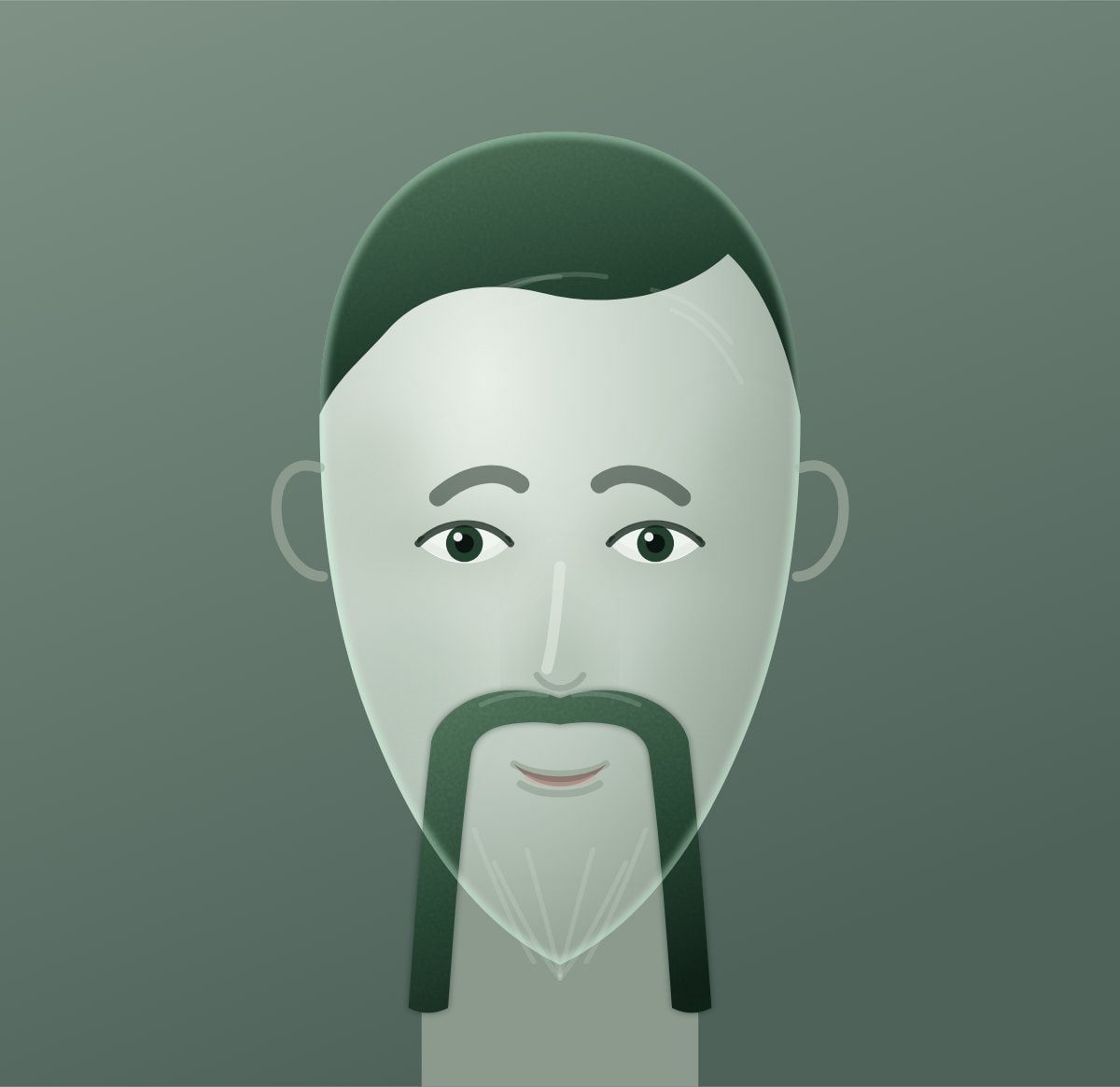
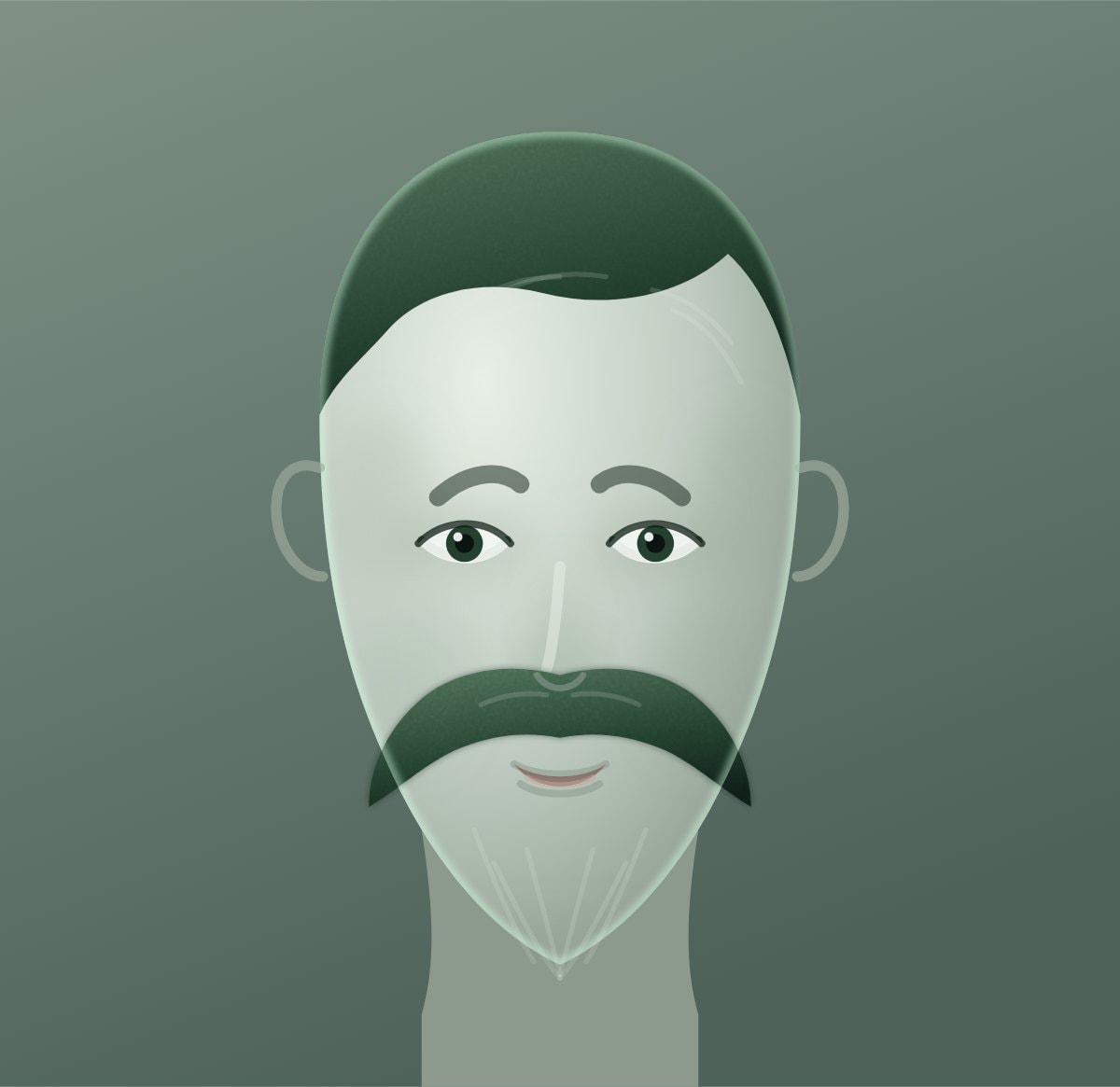
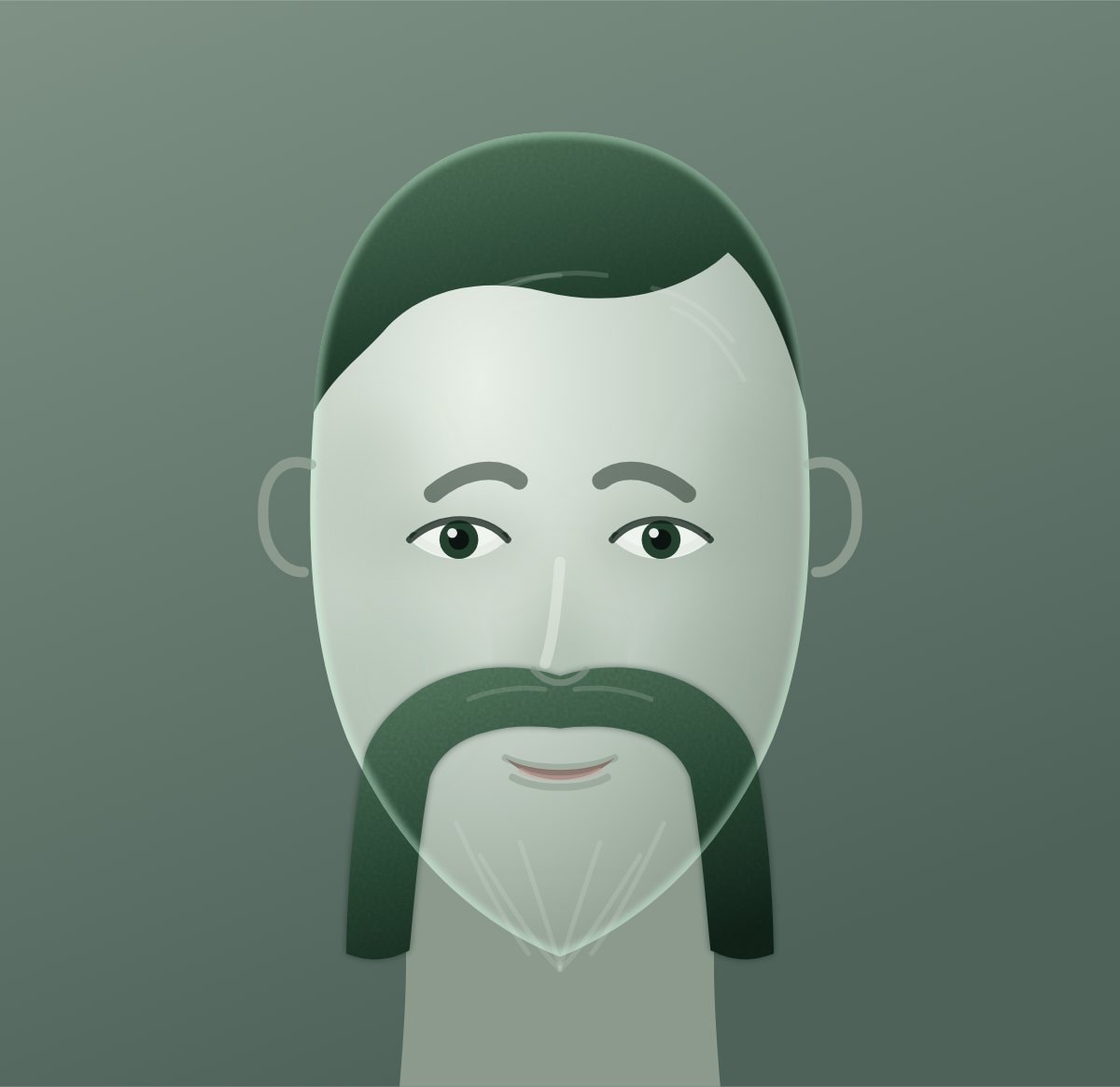
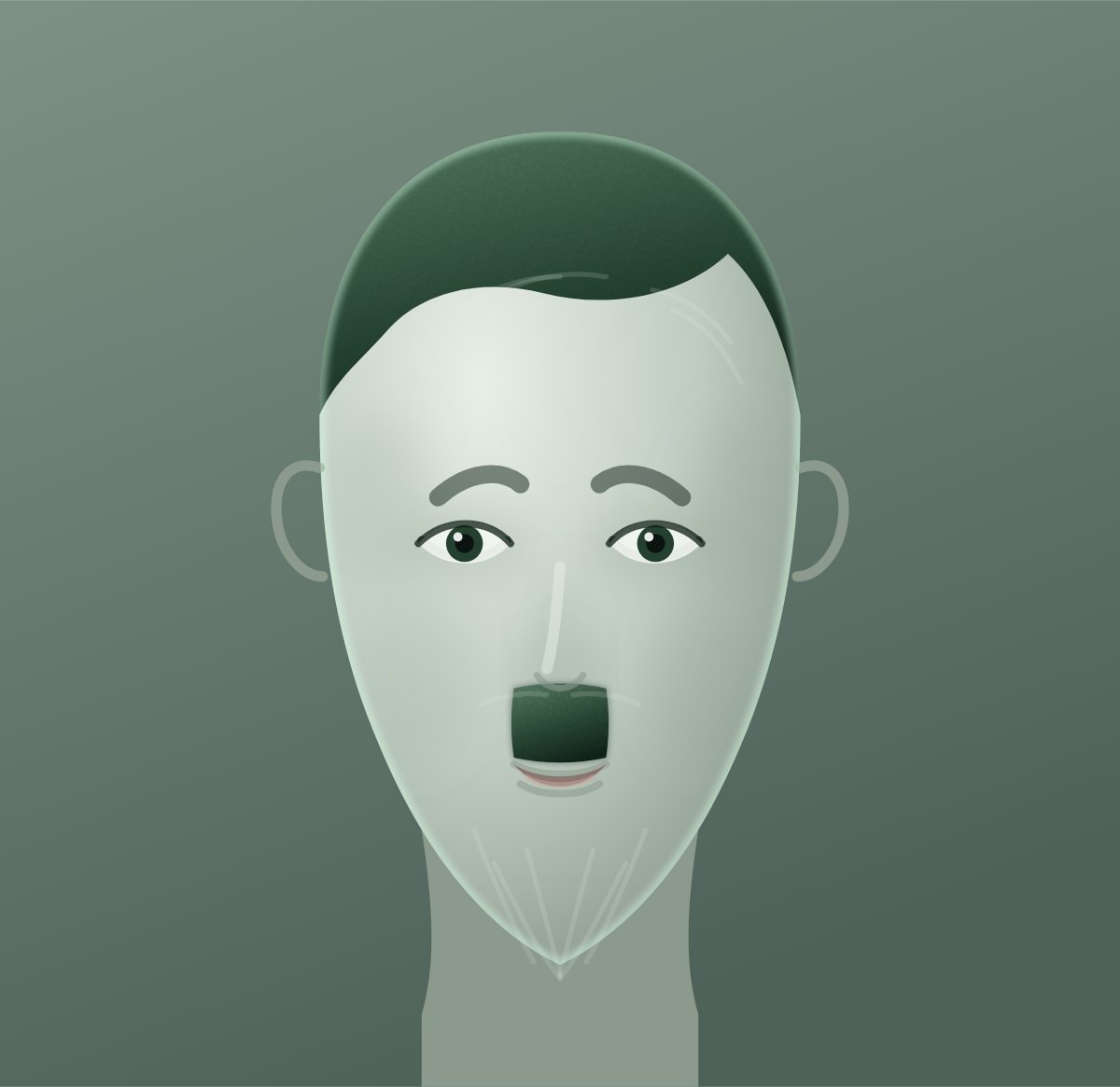
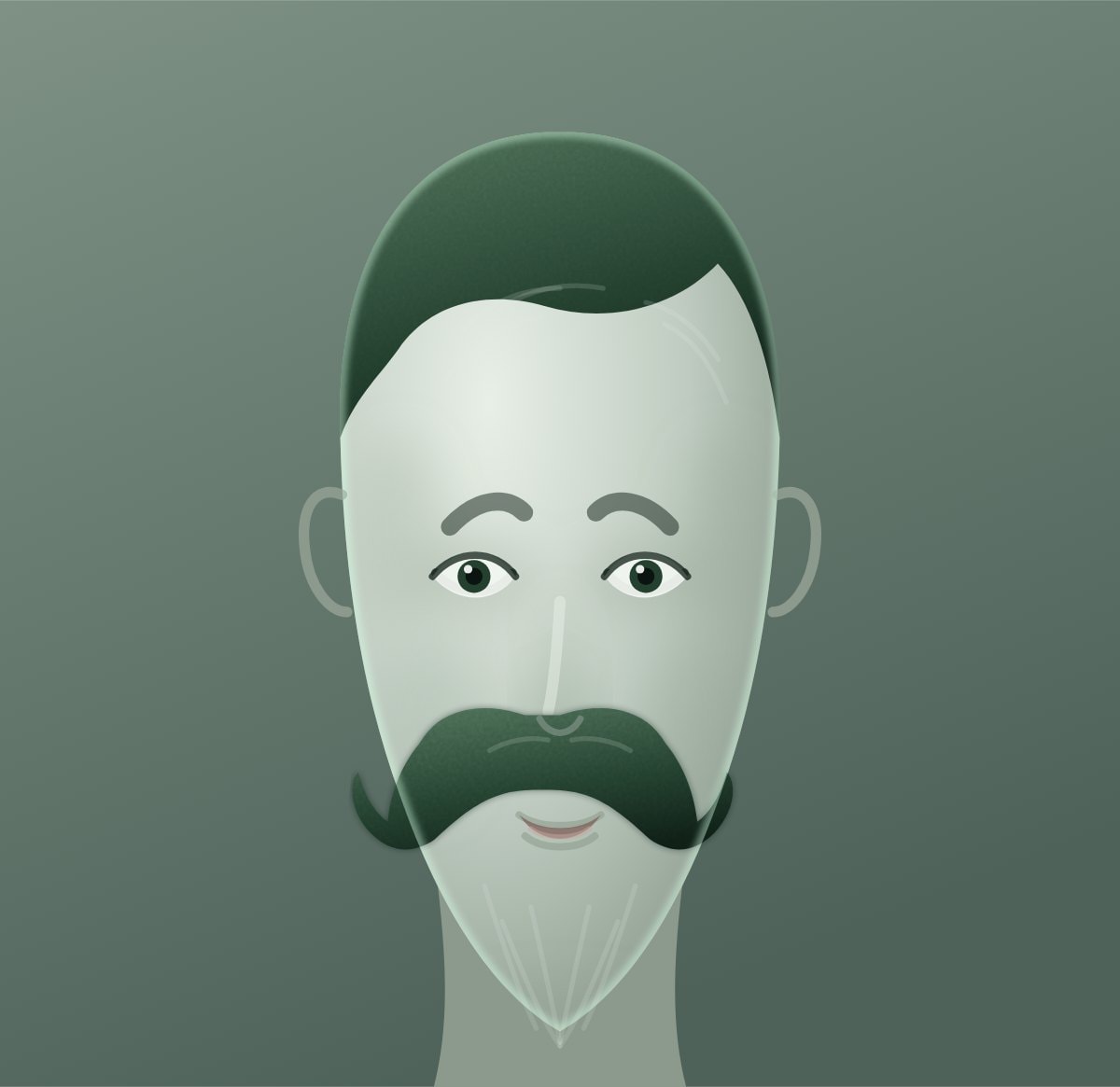
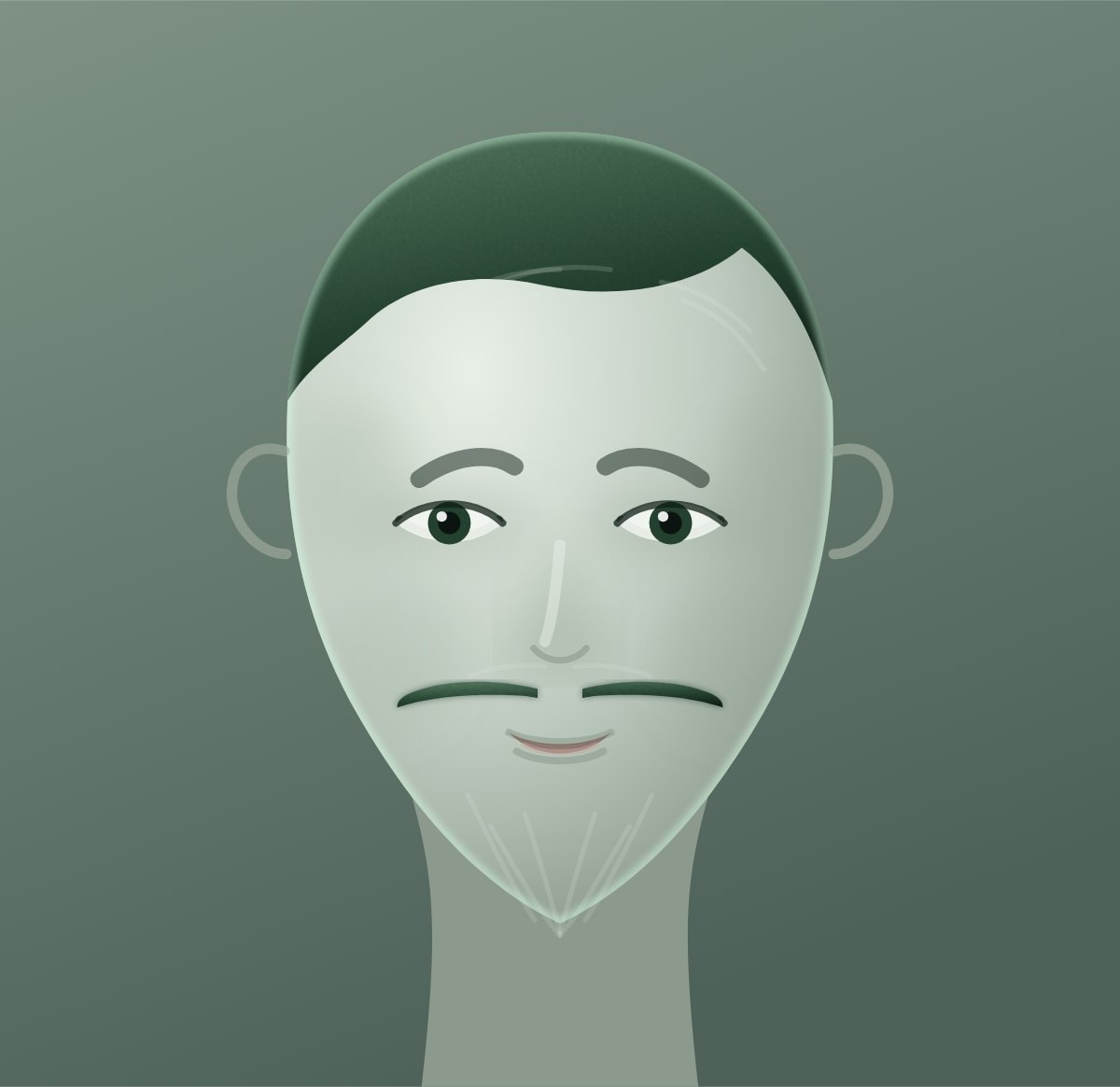
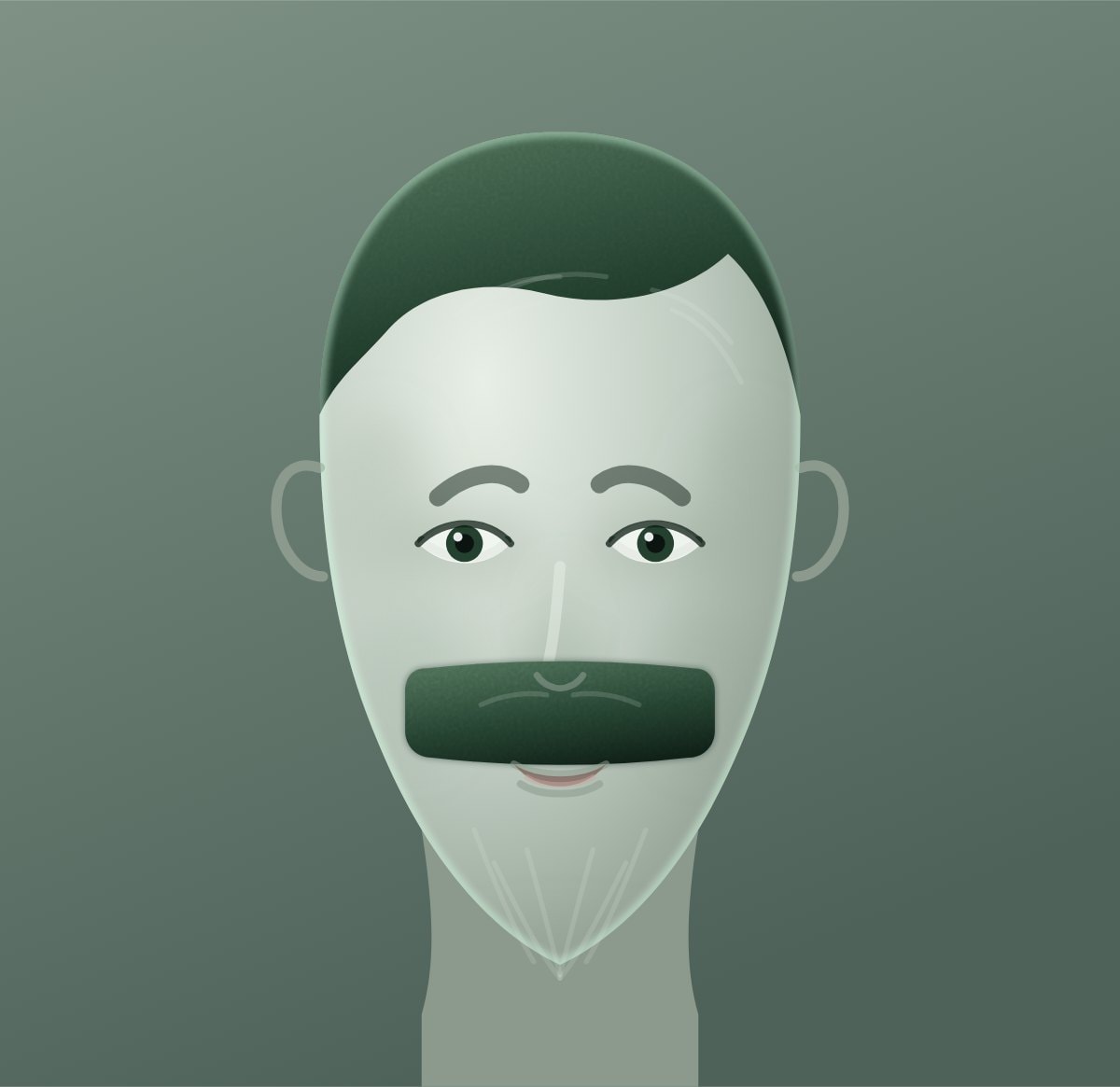
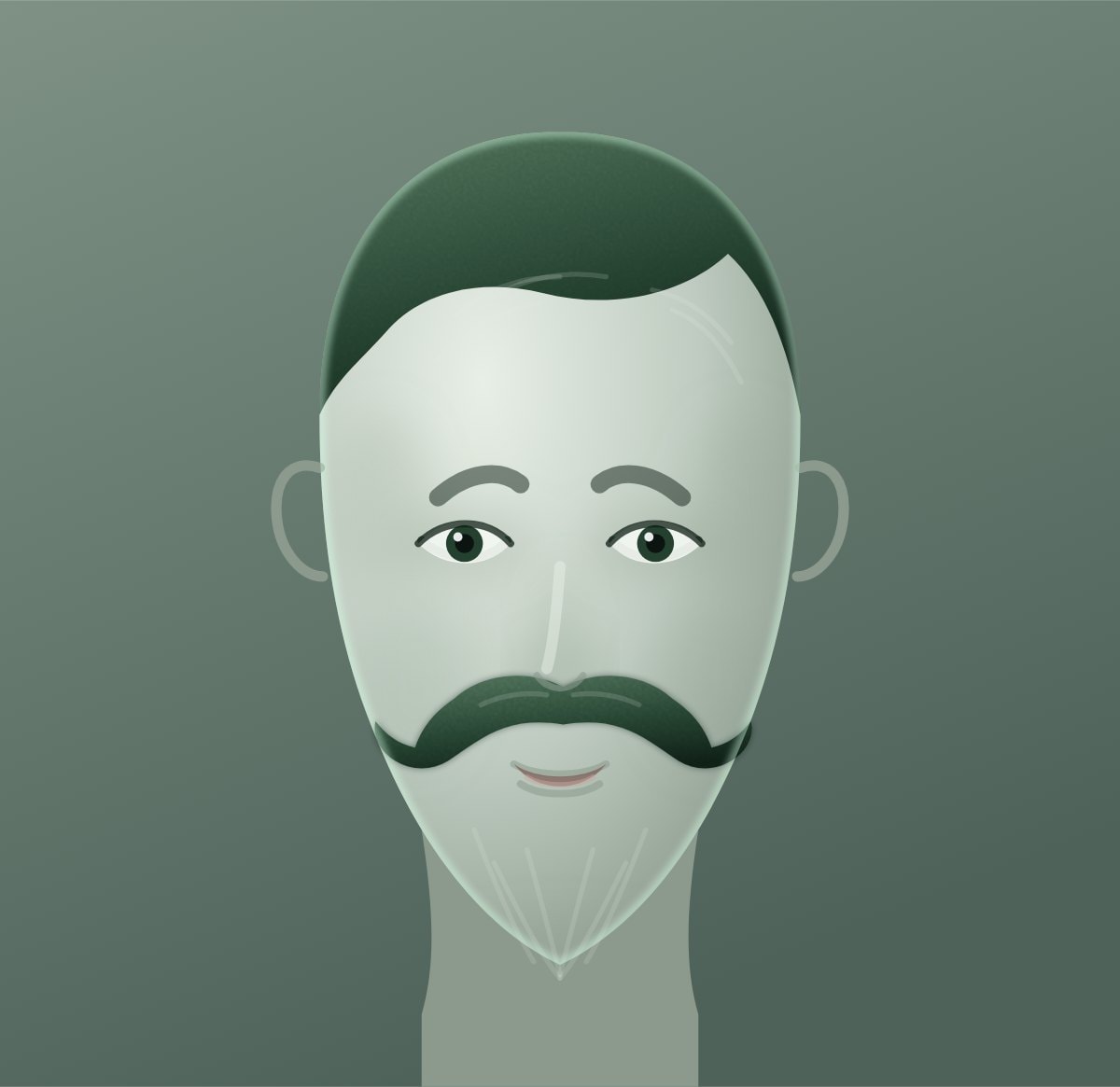
The 18 main types of moustache
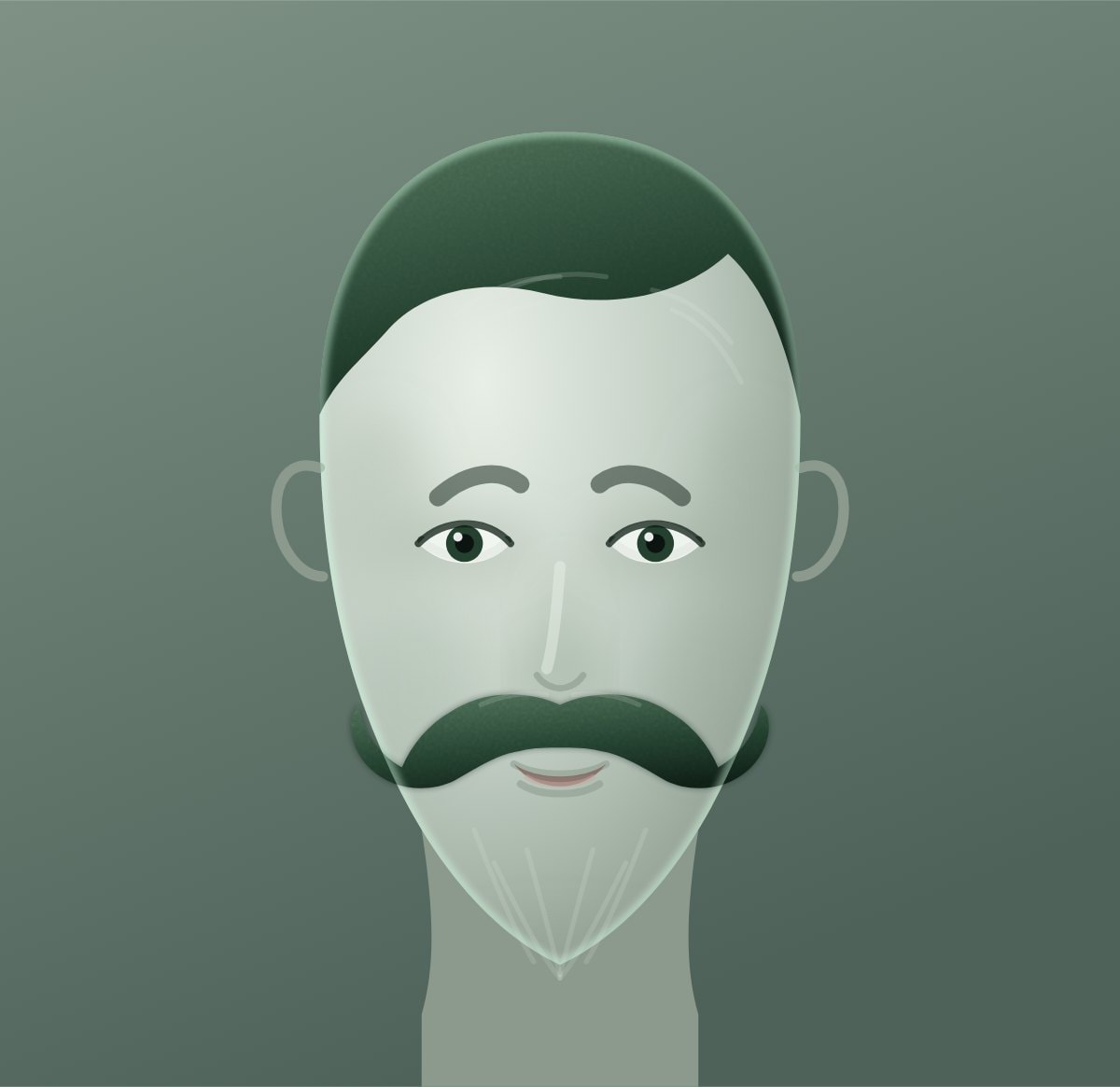
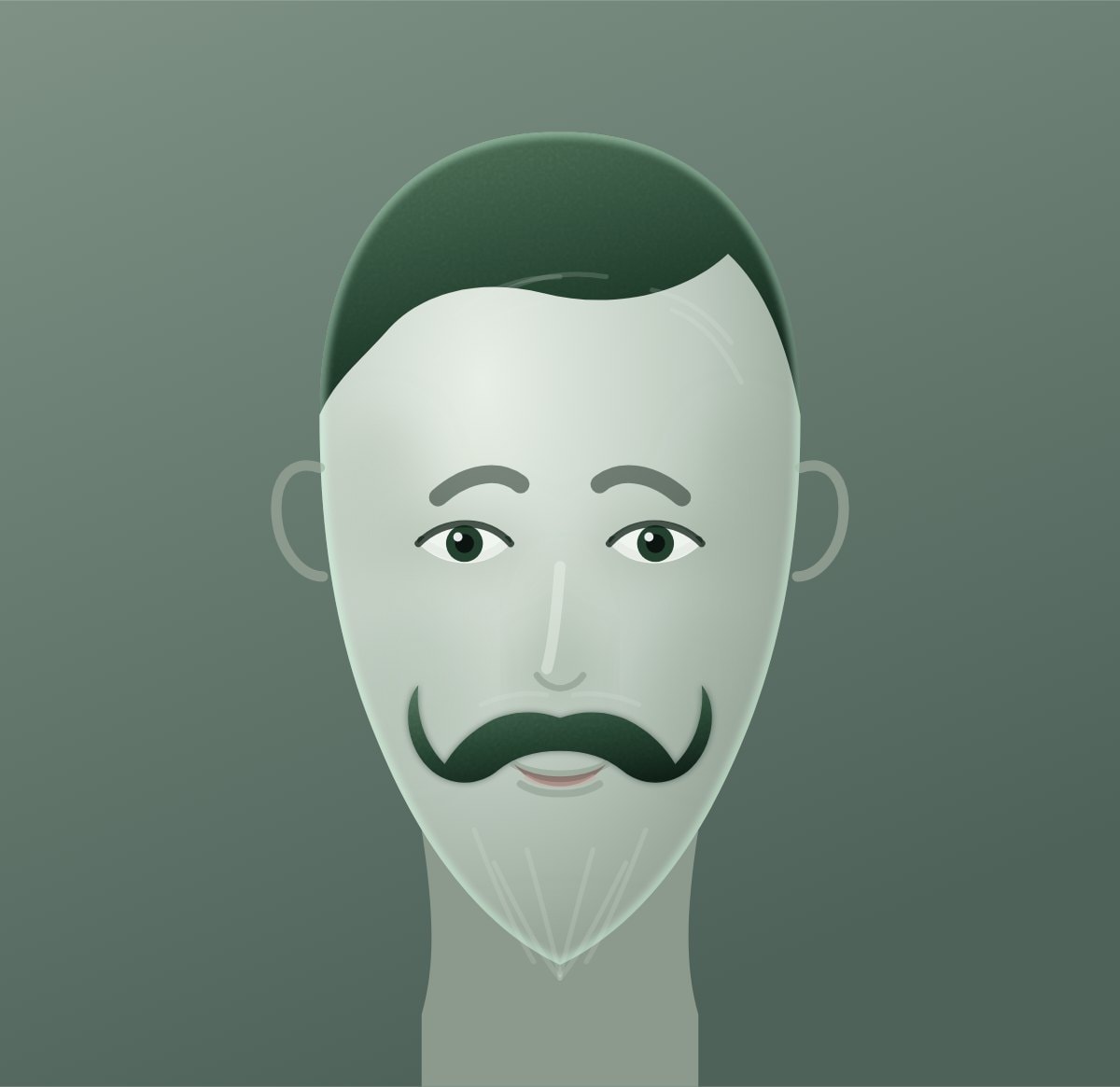
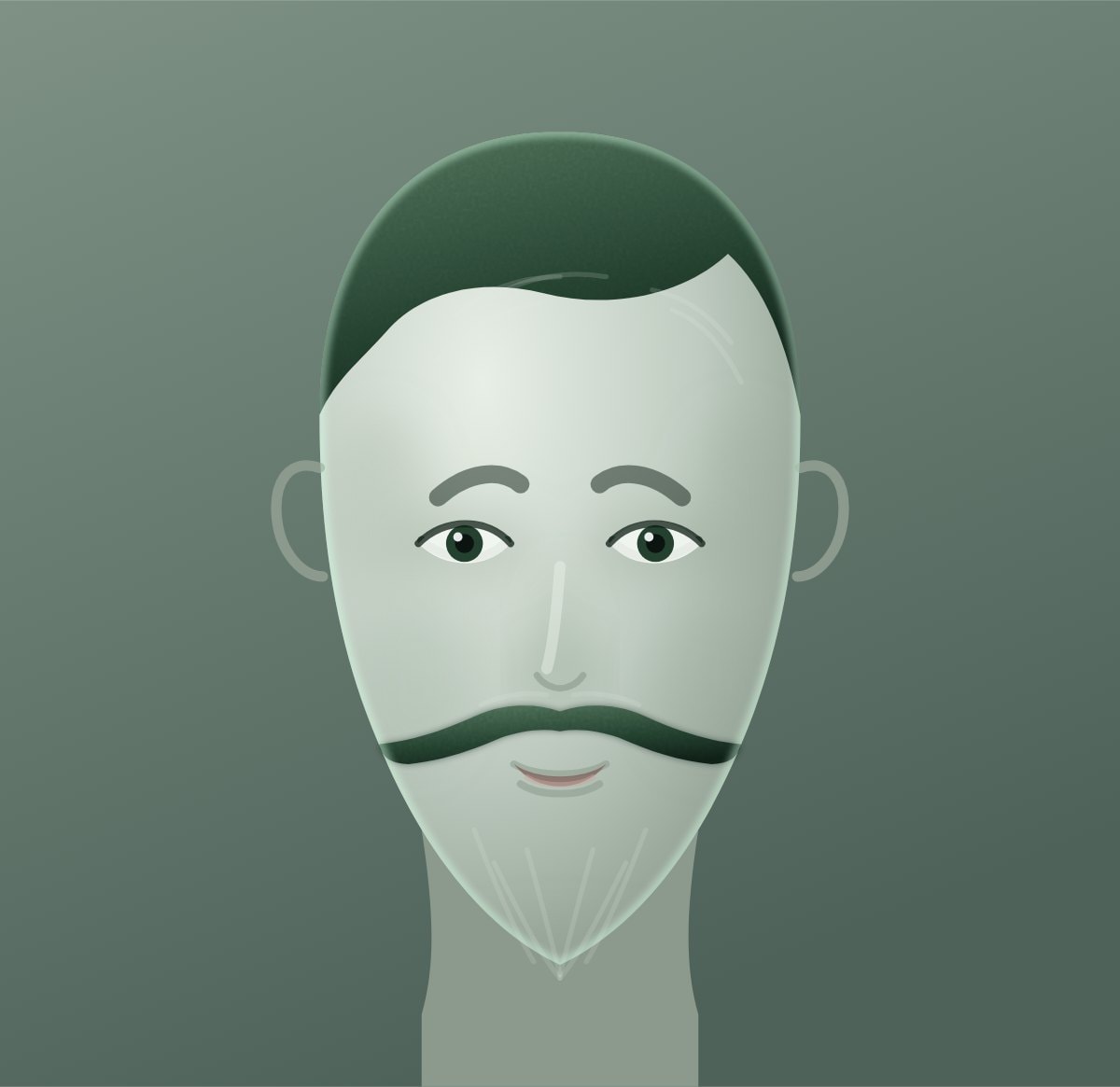
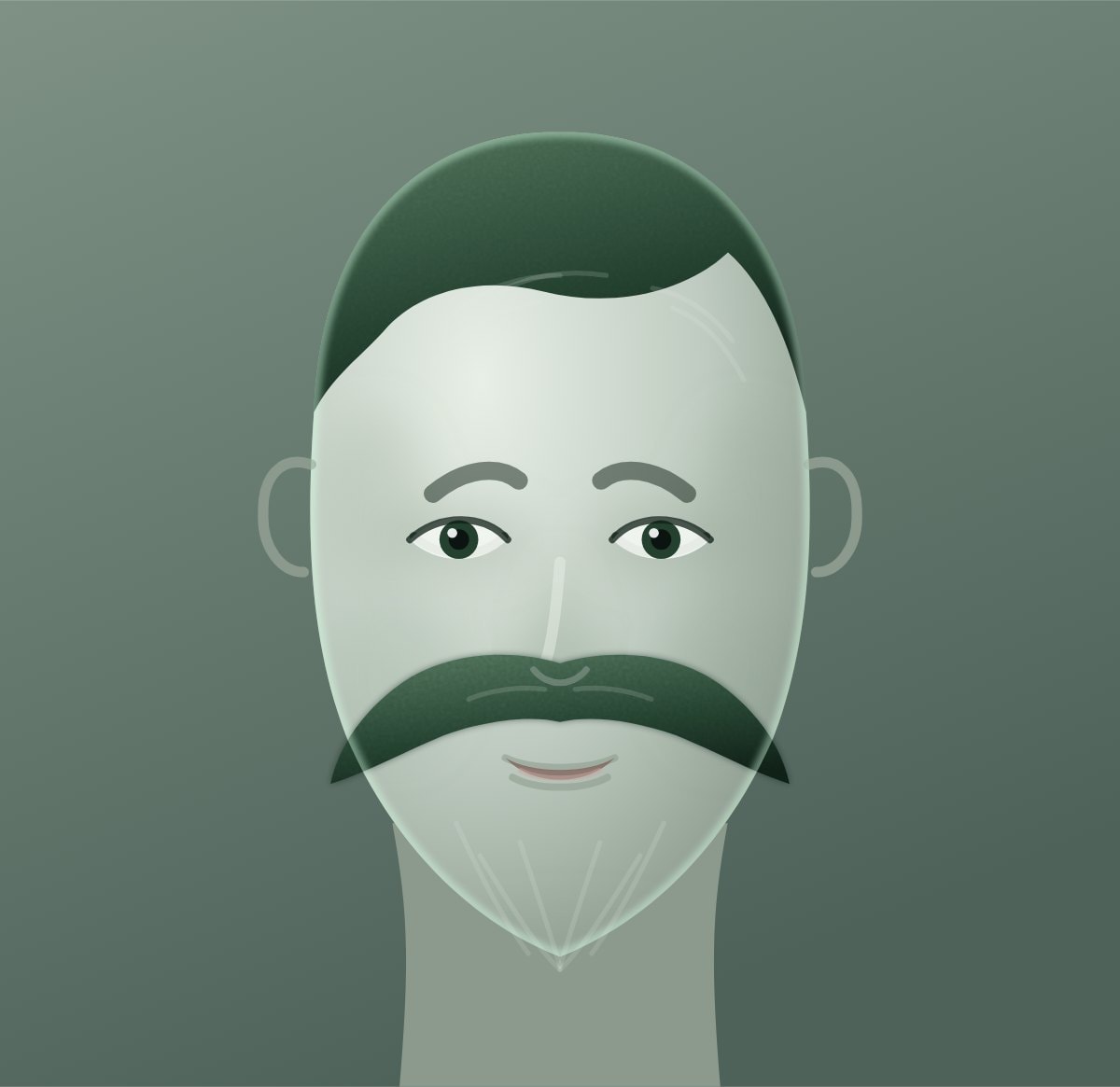
£5 off your first delivery
Every style on this page needs a clean edge somewhere, and a clean edge needs a sharp blade. Blunt blades drag, and dragging is what turns a tidy line into razor burn.
£5 off your first subscription or VIP order - one per customer, unsubscribe with 1 click
Picking one you can actually wear
Three things decide whether a moustache works: how coarse your hair is, how much width you have above the lip, and how many minutes a morning you will really give it.
Coarse, dense hair holds a shape on its own. It suits the styles that need bulk, like the walrus, the chevron and a full handlebar. Fine or sparse hair fights those and wins nothing, because a thin walrus is just an untidy lip. It suits the styles built on a line rather than a mass: the pencil, the English, a smaller handlebar.
Face shape decides direction rather than style. A round face is short through the chin and wide at the cheeks, so anything that draws the eye outward makes it rounder. A pencil line or a handlebar with the ends trained up gives you a horizontal that reads as structure. A square jaw is already doing the work, so a chevron or a walrus softens the angles instead of doubling them.
The upkeep gap between styles is bigger than the look gap. A chevron is a weekly tidy. A handlebar is a comb every morning, wax most days, and a fortnight of training before the ends hold at all. Pick for the routine you have rather than the photograph you like, because a handlebar you cannot be bothered to train just looks like a moustache growing into your mouth.
The last thing worth being honest about is where you work. A pencil or a lampshade goes unremarked anywhere. A Dali is a decision you will be asked about every day, by people who mean it kindly and by people who do not.
Which moustache suits your face shape
The point of matching a style to a face is not that some faces are wrong. It is that every moustache adds weight in one direction, and you want that weight where the face is short of it rather than where it already has plenty.
Measuring is not necessary. Stand in front of a mirror and ask two questions: is my face longer than it is wide, and where is it widest? If it is much longer than wide, you want horizontal weight. If it is widest at the cheeks and narrow at the chin, you want something that does not push wider still.
| Face shape | How to spot it | Works well | Approach with care |
|---|---|---|---|
| Oval | Slightly longer than wide, soft edges, nothing dominant | Almost anything. Chevron, handlebar, beardstache, lampshade | Only the very largest styles, which can swamp finer features |
| Square | Jaw, cheekbones and forehead near enough the same width, hard angles | Chevron, cowboy, walrus, horseshoe | A pencil, which gets lost against a wide jaw |
| Round | About as wide as it is long, soft jaw, full cheeks | Pencil, parted pencil, English | Walrus and anything heavy, which widens the face further |
| Long | Noticeably longer than wide, fairly straight sides | Hungarian, walrus, cowboy, full handlebar | Narrow high styles, which leave space above and below and lengthen the face |
| Diamond | Narrow forehead and jaw, wide cheekbones | Painter's brush, horseshoe, petite handlebar | Wide drooping styles, which sharpen an already pointed chin |
| Triangle | Jaw is the widest part, forehead the narrowest | Handlebar, imperial, chevron over stubble | A pencil, too slight to balance the jaw |
| Heart | Broad forehead, high cheekbones, narrow chin | Pencil, painter's brush, lampshade | Big flared styles, which make the chin look smaller still |
Treat this as a starting point rather than a rule. Plenty of men wear the style the table warns them off and look better for it, usually because they have committed to it properly. A moustache worn with any hesitation looks worse than the wrong moustache worn well.
How long each one takes
The single most common reason a moustache fails is that it was judged, or trimmed, before it had grown. Facial hair puts on roughly a centimetre a month, so a style needing six months of length is genuinely six months away, and nothing you buy shortens that.
| Style | Growing time | Trim how often | Best face shapes |
|---|---|---|---|
| Handlebar moustache | 4 to 6 months or more | Every 1 to 2 days | Any |
| Beardstache | 3 to 4 weeks | Every 3 to 4 days | Oval, Square, Long |
| Pencil moustache | 2 to 4 weeks | Every 1 to 2 days | Any |
| Chevron moustache | 3 to 4 weeks | Every week or two | Any |
| Fu Manchu | 4 to 6 months or more | Every 1 to 2 days | Any |
| Walrus moustache | 4 to 6 months or more | Every 3 to 4 days | Any |
| Horseshoe moustache | 6 to 10 weeks | Every 1 to 2 days | Square |
| Toothbrush moustache | 2 to 4 weeks | Every 1 to 2 days | Any |
| Imperial moustache | 4 to 6 months or more | Every 1 to 2 days | Any |
| Dali moustache | 4 to 6 months or more | Every 1 to 2 days | Any |
| English moustache | 6 to 10 weeks | Every 1 to 2 days | Any |
| Cowboy moustache | 6 to 10 weeks | Every week or two | Square, Long |
| Hungarian moustache | 8 to 12 months | Every 1 to 2 days | Long, Square |
| Parted pencil moustache | 2 to 4 weeks | Every 1 to 2 days | Round, Oval |
| Painter's brush moustache | 3 to 4 weeks | Every 3 to 4 days | Oval, Round |
| Petite handlebar moustache | 2 to 3 months | Every 1 to 2 days | Oval |
| Lampshade moustache | 3 to 4 weeks | Every 3 to 4 days | Any |
| Zappa moustache | 6 to 10 weeks | Every 3 to 4 days | Any |
The growing time is the wait before you can shape it at all. The trim column is what the style costs you afterwards, every week, for as long as you keep it. That second number is the one that decides whether you still have the moustache in a year.
Growing one from nothing
Give it four weeks before you judge it. The first fortnight looks wrong on everyone, and the moustache that eventually suits you is not visible yet at day ten.
Leave the whole area alone while it fills in. Shaping early is the most common way to end up with something narrower than you wanted, because the hair at the corners of the mouth comes through last and you cannot set a width until it has.
Once there is something to work with, the shape comes from two decisions: where it stops at the sides, and whether the bottom edge sits on the lip line or above it. Everything else is length.
There is a second route in, and for most men it is the easier one. Grow a full beard for two or three months, then take the cheeks and chin off in a single sitting and keep the moustache. You skip the awkward weeks entirely, because for all of them you simply had a beard, and you arrive at the moustache with enough length to shape it properly on day one. It also lets you stop halfway and keep a beardstache, which is a good place to find out whether you like your own top lip before you commit to it.
The styles worth knowing
The eighteen above divide into four families, and knowing which family you are in tells you more about the daily reality than the individual name does.
The ones that grow the way your hair wants to
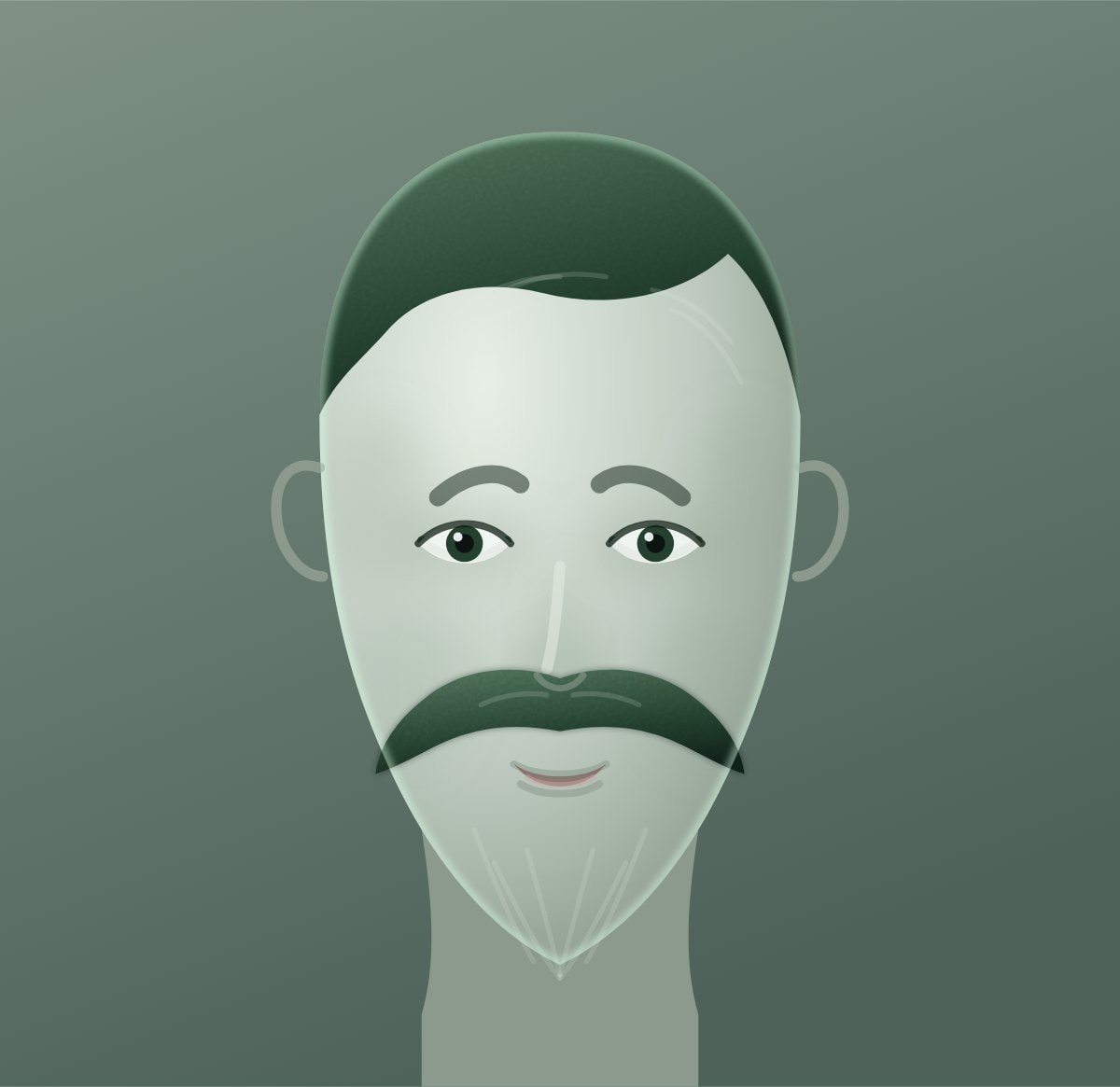
The chevron is the one to start with. It is thick, it covers the top lip, and it needs three or four weeks and a tidy every week or two. Almost nothing about it is technical. Trim along the curve of your own lip, take out anything that reaches your mouth, and stop the sides at the corners or just past them.
The lampshade is the chevron with straighter sides, narrow under the nose and wider toward the mouth. It reads as deliberate in a way the chevron does not, which is why it became the standard for uniformed services and why it goes by the cop stache in America. It takes the same three or four weeks and slightly more attention at the edges.
The walrus is the commitment. Four to six months, often longer, and then almost no cutting at all beyond keeping it out of your mouth. What it does need is combing, because at that length it tangles, and washing, because at that length it catches everything you eat and most of what you drink. It suits big faces and strong noses and it suits people who have made peace with all of the above.
The cowboy, sometimes called the Dallas, is the chevron grown on past the corners of the mouth and left with a bit of weight in it. Six to ten weeks, and then almost no work beyond keeping the lip clear. The whole appeal is that it does not look cut, so trimming it perfectly even is the one way to ruin it.
The painter's brush is the tidiest thing in this family. Same bulk as a chevron, but the bottom edge is cut flat rather than following the curve of your lip, and the sides stop level with the mouth corners rather than running past. It is a good middle ground if a chevron feels shapeless and a pencil feels like too much upkeep.
The ones built on a line
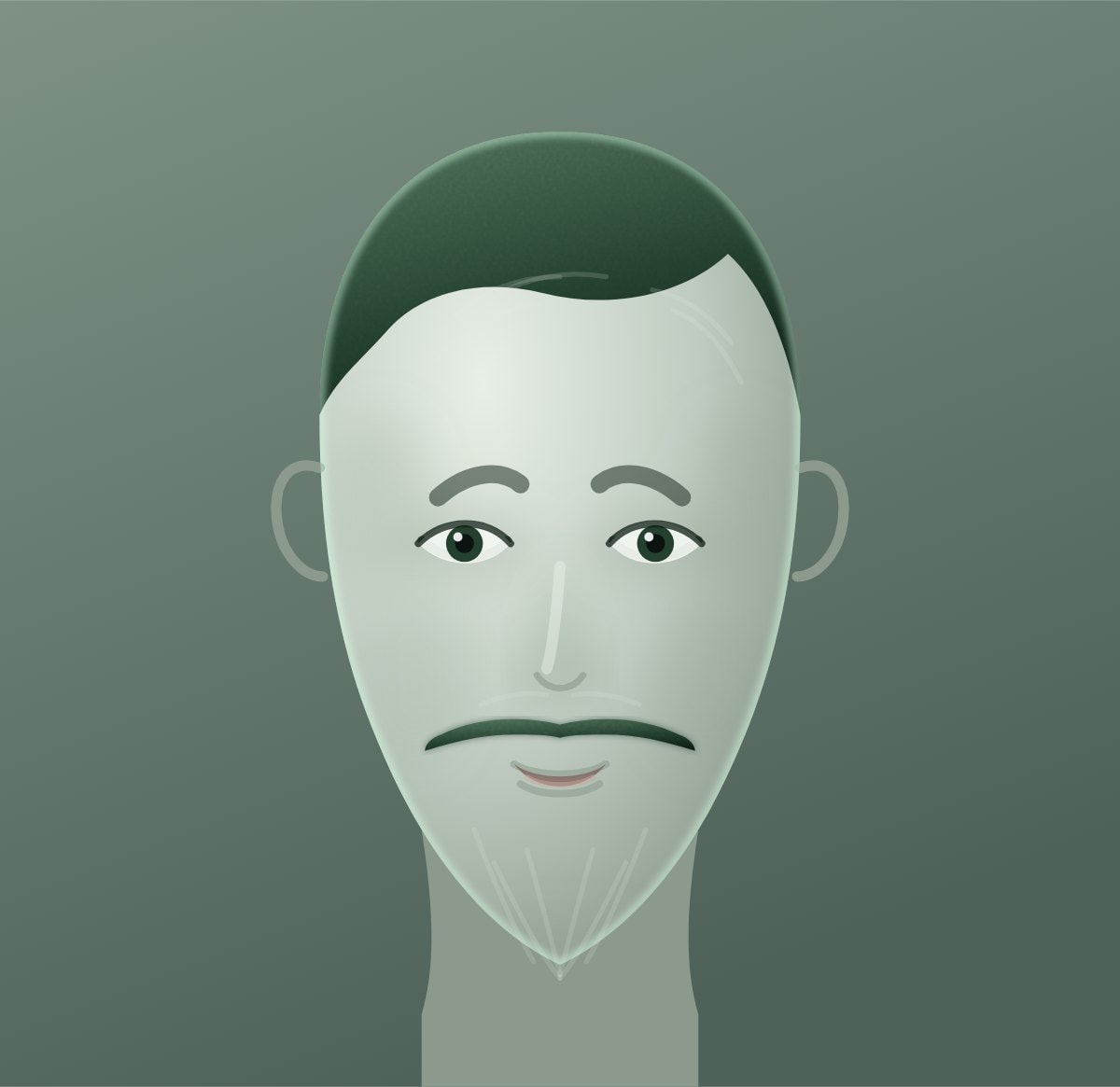
The pencil is a few millimetres of hair sitting just above the lip with clean skin below it. It grows in two to four weeks and then asks for a blade every day or two for the rest of its life, because the whole style is the edge and a soft edge is no style at all. It wants dark hair. On fair hair it reads as something you missed rather than something you chose.
The English takes a narrow moustache, parts it at the centre and trains the two halves straight out to the sides rather than curling them up. It needs six to ten weeks and a medium hold wax. On a long face it is excellent, because the horizontal is doing exactly what the face needs. On a round face it can look severe.
The parted pencil is a pencil with a narrow gap cut under the middle of the nose, so you are wearing two strokes rather than one. Grow the single line first and get it even, because you cannot part something that is not yet symmetrical. The gap wants to be a few millimetres. Any wider and it reads as a patch rather than a decision.
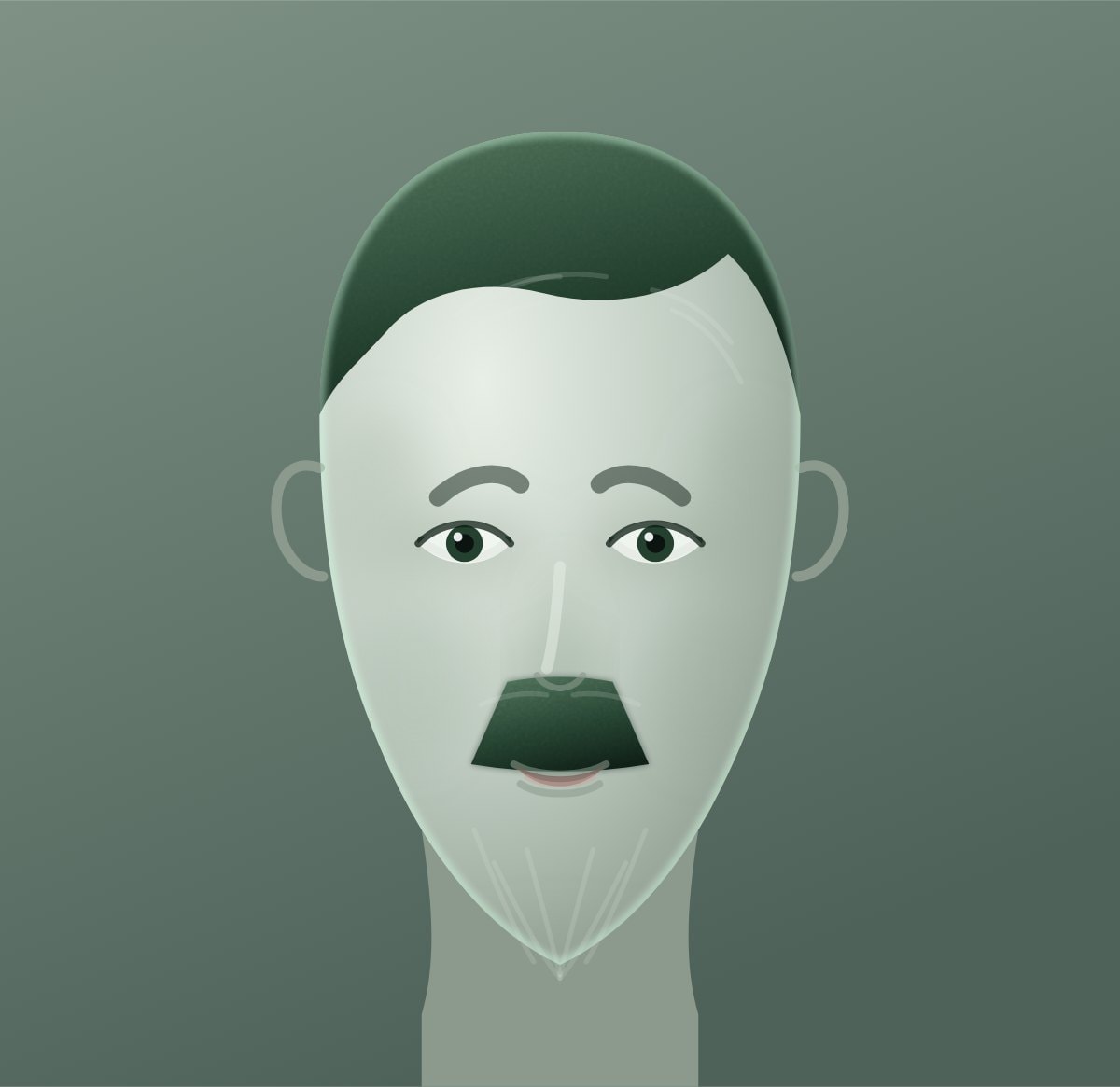
The toothbrush is here because the directory documents styles rather than recommends them. A square patch the width of the nose has one association now and it is not one you can style your way out of.
The ones that need wax
A handlebar is four to six months of growth and then a daily commitment. Do not trim the outer edges at all while it grows, keep only the centre off your lip, and start training the ends long before they are long enough to curl. Warm a trace of wax between your fingers, work outward from the middle, and twist. It holds after a fortnight of doing the same thing every morning and not before.
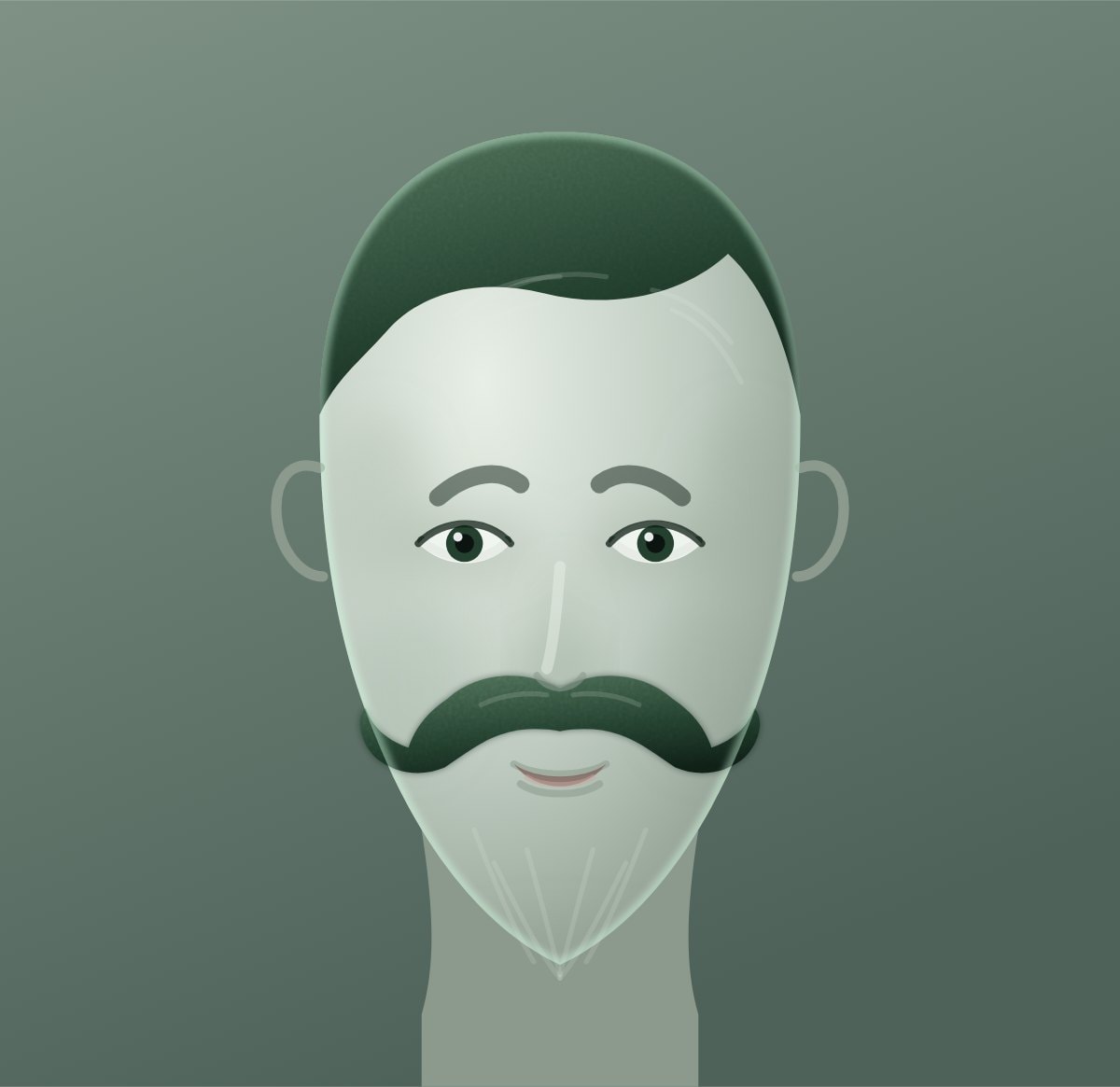
The imperial is the handlebar with more of everything, sweeping up and out toward the cheeks. The Dali is the opposite approach, a thin moustache with two long spikes trained almost vertically. Both need a strong wax and daily attention to stray hairs, and both are closer to a hobby than a haircut.
The Hungarian is the biggest thing on this page. Walrus bulk, but trained outward and slightly up at the ends instead of hanging, which takes eight to twelve months and a comb every single morning of them. It wants a long or a genuinely large face, and it wants you to be certain.
At the other end, the petite handlebar is the handlebar for people who have to go to work. Two to three months rather than six, ends waved up rather than curled into circles, and it stays near the corners of the mouth. It is the only style in this family that will pass without comment in an office.
The Fu Manchu sits with these on effort but not on shape. It is grown long and hangs down past the jaw, connected only at the corners of the mouth, with a clear gap under the nose. People confuse it with the horseshoe constantly. The difference is that a Fu Manchu is grown hair falling downward and a horseshoe is shaved into place.
The ones that borrow from a beard
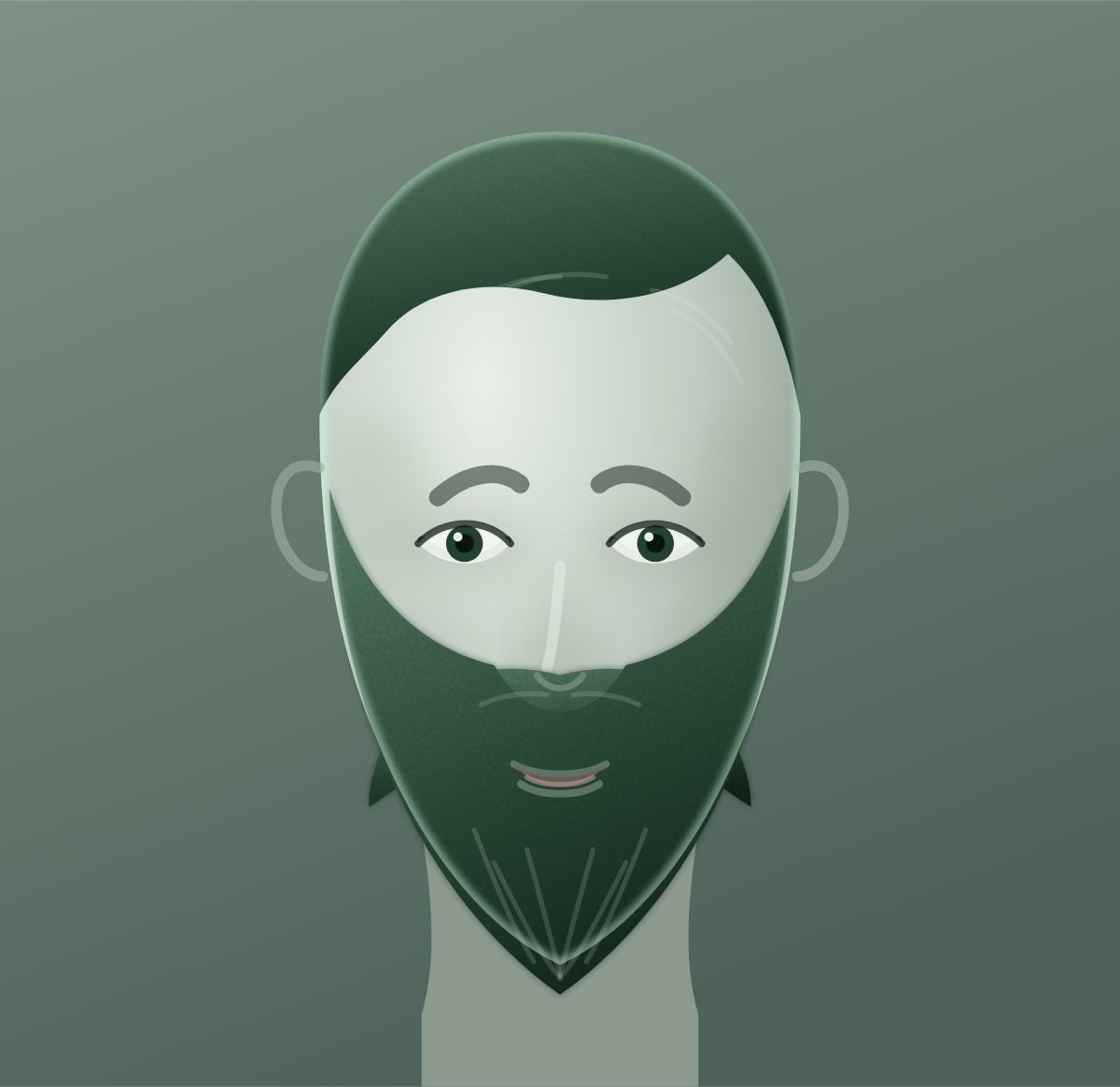
A beardstache is a full moustache over short stubble, which is the softest possible way to arrive at a moustache. Nobody has to notice the transition, and you can back out of it in either direction.
The horseshoe runs two vertical strips from the corners of the mouth down to the jaw, making an upside down U. It is not grown into that shape, it is shaved into it, usually out of a short full beard, so it needs six to ten weeks and then clean lines at the cheeks every couple of days. It lengthens a round face well and can look harsh on a long one.
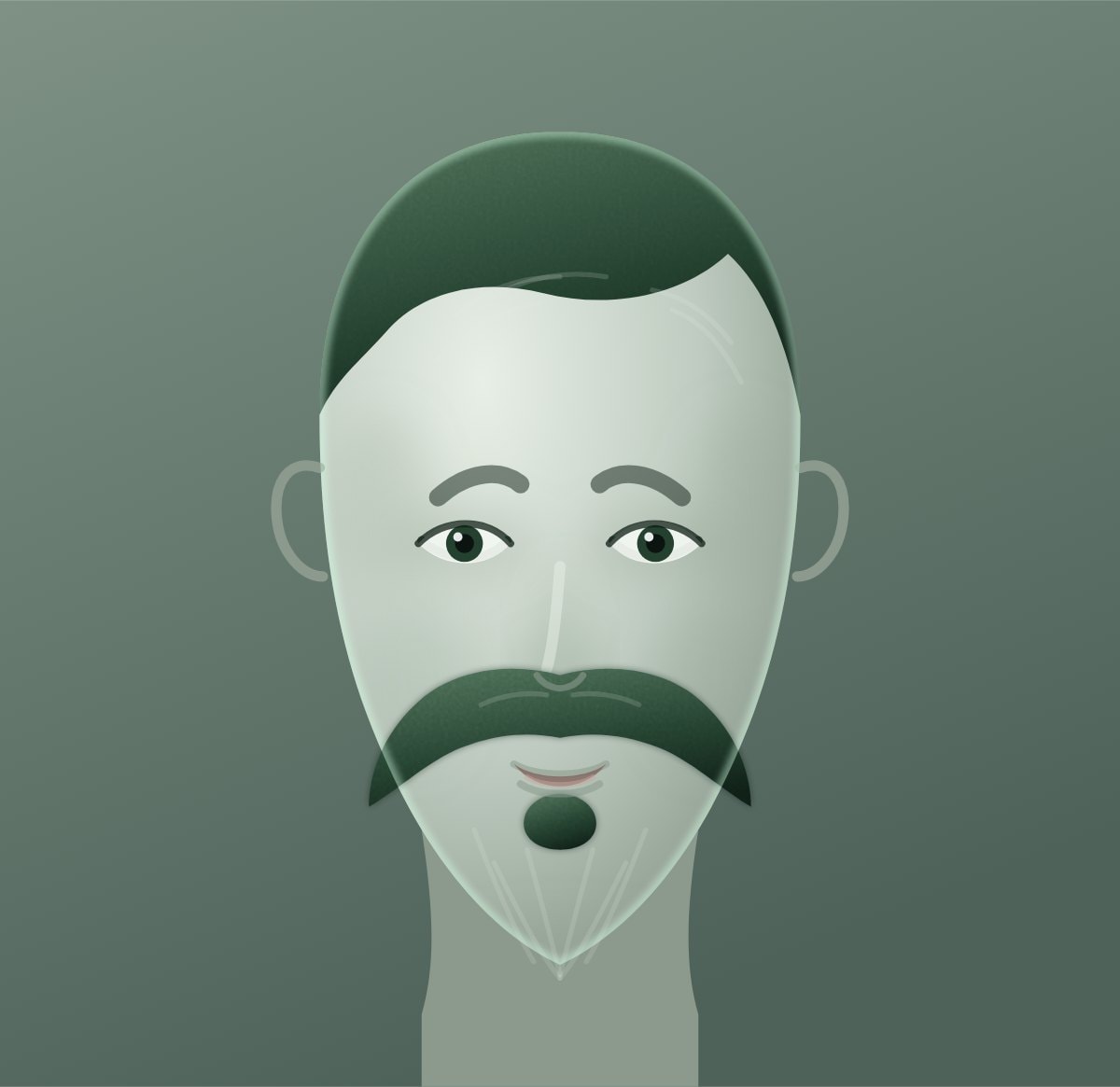
The Zappa pairs a wide moustache with a neat rectangle of hair under the bottom lip. It is two shapes rather than one, so the work is in keeping the gap between them clean.
Training and daily upkeep
Comb it in the direction you want it to go, every morning, while it is still slightly damp. That is the whole technique. Hair takes a set from repetition, not from one heavy application of wax.
Wax holds a shape that is already there. It will not create one, and too much of it turns a moustache into a solid object that catches light and looks like it belongs to somebody else. A trace, warmed between the fingers first, is enough for a handlebar.
Trim the bottom edge with the blade rather than scissors if you want a clean line, working in small passes and checking after each. The lip line is unforgiving and you cannot put back what you take off.
Wash it. A moustache sits directly under your nose and above your mouth, which are the two least hygienic places on your face, and a moustache that is never washed will tell everyone about it eventually. Any mild shampoo two or three times a week is enough.
| Tool | What it is actually for |
|---|---|
| A sharp razor | The clean edge under the lip and the bare skin either side. Nothing else gives a line that crisp |
| Small scissors | Taking length off the hairs that reach your mouth, one or two at a time |
| Fine-tooth comb | Training the direction every morning, and spreading wax evenly |
| Wax | Holding a shape that combing has already put there. Only the styled families need it |
| Trimmer with a guard | Keeping stubble or a beard even underneath, if you are wearing a beardstache or a horseshoe |
That is the whole kit. Most of it you will already own, and the styles in the natural family need only the first three.
Where it goes wrong
Almost every failed moustache is one of five things, and four of them are impatience.
| The mistake | What to do instead |
|---|---|
| Trimming inside the first month | Set a four week rule and keep to it. The corners fill in last and you cannot set a width until they have |
| Letting it grow over the lip | Trim the bottom edge back to the lip line. A moustache in your mouth is the difference between rugged and unkempt |
| Too much wax | Warm a trace between your fingers first. If it looks glossy from across a room, it is too much |
| Cutting it wet | It dries shorter than you cut it. Comb it dry and flat, then cut |
| Ignoring the skin underneath | The skin under a moustache gets dry and flaky and nobody can see it but everybody can see the result. A little oil, rubbed into the skin rather than the hair |
If someone whose opinion you care about hates it, the answer is usually a smaller version rather than a shave. A chevron trimmed back, or a lampshade, keeps the idea and loses the argument.
A short history, since people ask
The moustache has meant roughly the opposite thing in every century it has been through. Victorian and Edwardian officers wore elaborate waxed shapes as a mark of rank. Hollywood in the twenties and thirties made the thin pencil line a signal of polish. The seventies and eighties went thick and unstyled, and then the nineties shaved the lot off and spent a decade pretending it never happened.
What survives is the shorthand. A lampshade still reads as authority. A horseshoe still reads as a motorcycle. A handlebar reads as somebody who makes something with their hands, and a pencil, in a film, still tends to belong to the villain. None of that has to govern your choice, but it is worth knowing what a face is saying before you put it on.
Movember has done more than anything else to make a moustache ordinary again. A month of growing something for charity turns out to be how a lot of men discover they suit one.
Questions we get asked
Which moustache suits a round face?
Something with a horizontal line and length at the sides, like a pencil or a handlebar. Avoid anything that adds width at the cheeks.
Can I have a moustache with a beard?
Yes, and most beard styles include one. The styles in this list are the ones worn on their own, with the cheeks and chin shaved. If you want both, the goatee and circle beard families are where the moustache joins on.
How long before a handlebar holds its shape?
About two months of growth, then a fortnight of combing it the same way each morning. The ends hold before the middle does.
Does a moustache need its own products?
A comb and a small tin of wax cover every style here. Beard oil is for skin underneath a beard and does nothing useful on a moustache.
What if it grows in patchy above the lip?
Wait the four weeks first, because the corners fill in last. If it is still thin after that, the styles built on a line rather than bulk are the ones that work: the pencil, the English, a narrow handlebar.
Can I wear one in an office?
A chevron, a lampshade, a pencil or a beardstache will go entirely unremarked in almost any workplace. The waxed styles are the ones that become a topic, with the petite handlebar the one exception. If you are in a conservative environment and unsure, the beardstache is the safest way in, because it looks like a man who trimmed his beard rather than a man who made an announcement.
How do I stop it getting in my mouth when I eat?
Trim the bottom edge back to the lip line and comb the hairs outward rather than down. On the longer styles a trace of wax holds them off the lip. It stops being a daily problem once the hair has been trained to sit sideways.
How do I go from a full beard to a moustache without it being a shock?
Take it down in two stages. Shave the cheeks and neck first and keep a short beard under the moustache for a fortnight, then take the rest off once people have got used to seeing the top lip emphasised. It also gives you two weeks to change your mind.
Other ways to narrow it down
Short beard styles
Under an inch. Office safe, quick to trim, slow to go wrong.
Medium beard styles
One to three inches. The point where shaping starts to matter.
Long beard styles
Three inches and up. Months of growing, and daily oil.
Beard styles for round faces
Length at the chin, kept tight at the cheeks, to lengthen the face.
Beard styles for square faces
Softer, rounder edges so the jaw is not doubled up.
Beard styles for oval faces
The shape most styles are drawn for. Nearly anything works.