
The Colonel’s Journal / Curiosities
Operation Dynamo: The Manmade Miracle
Last updated on
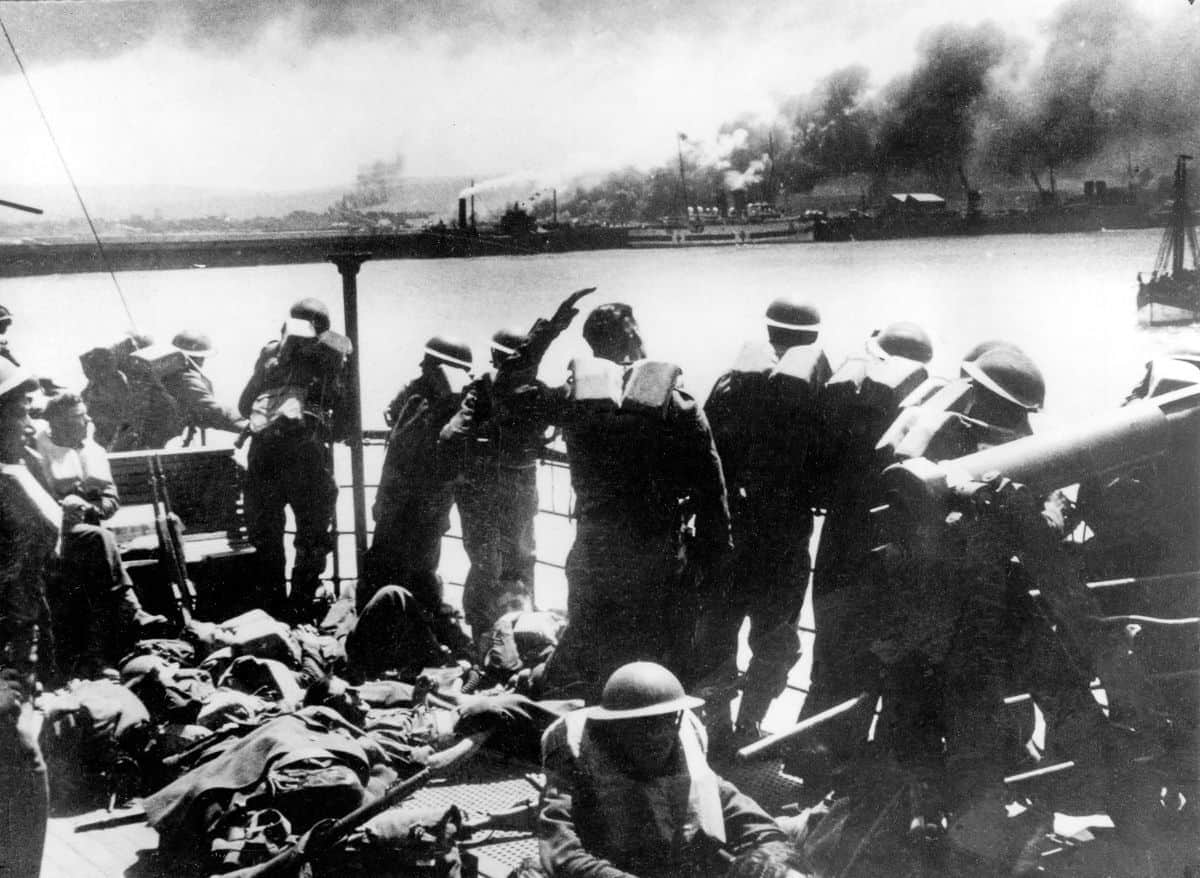
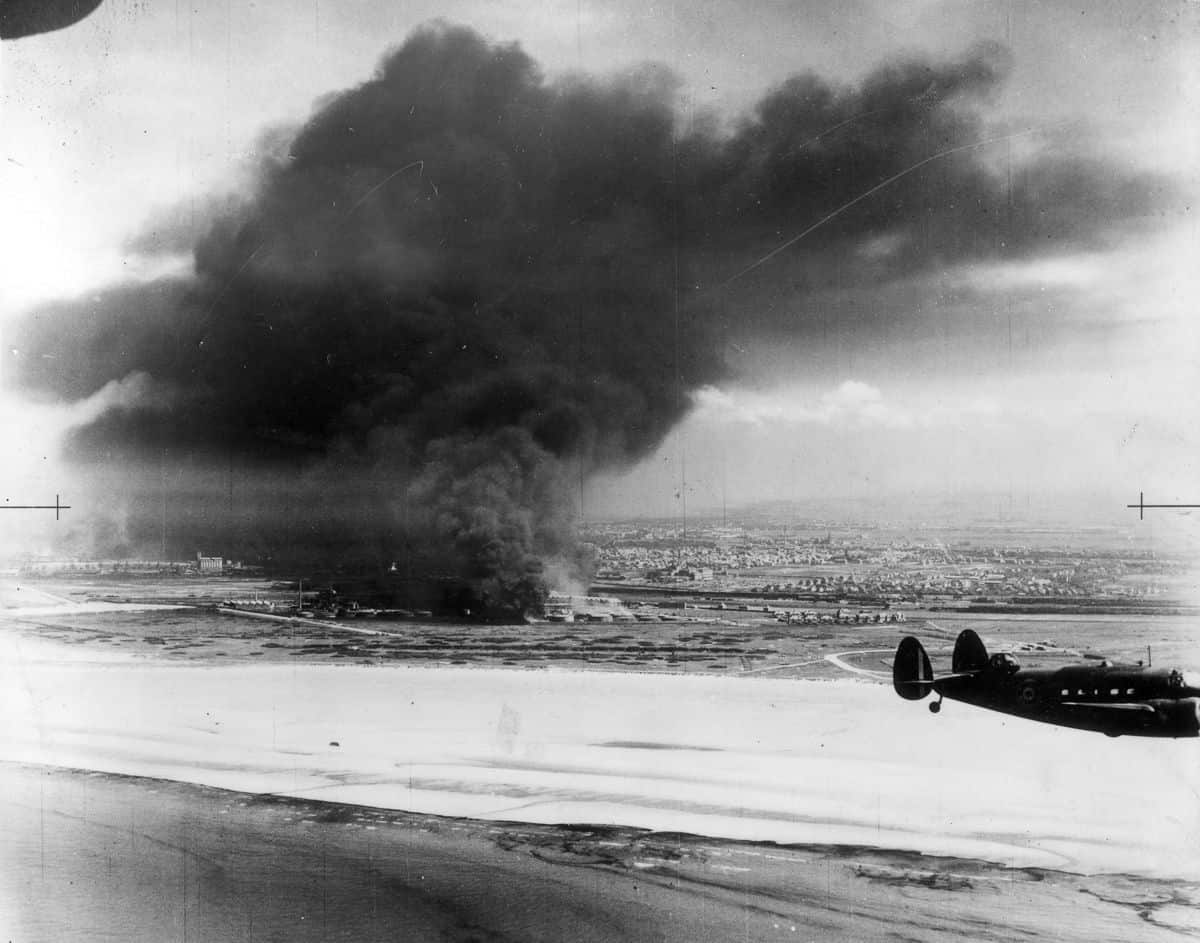
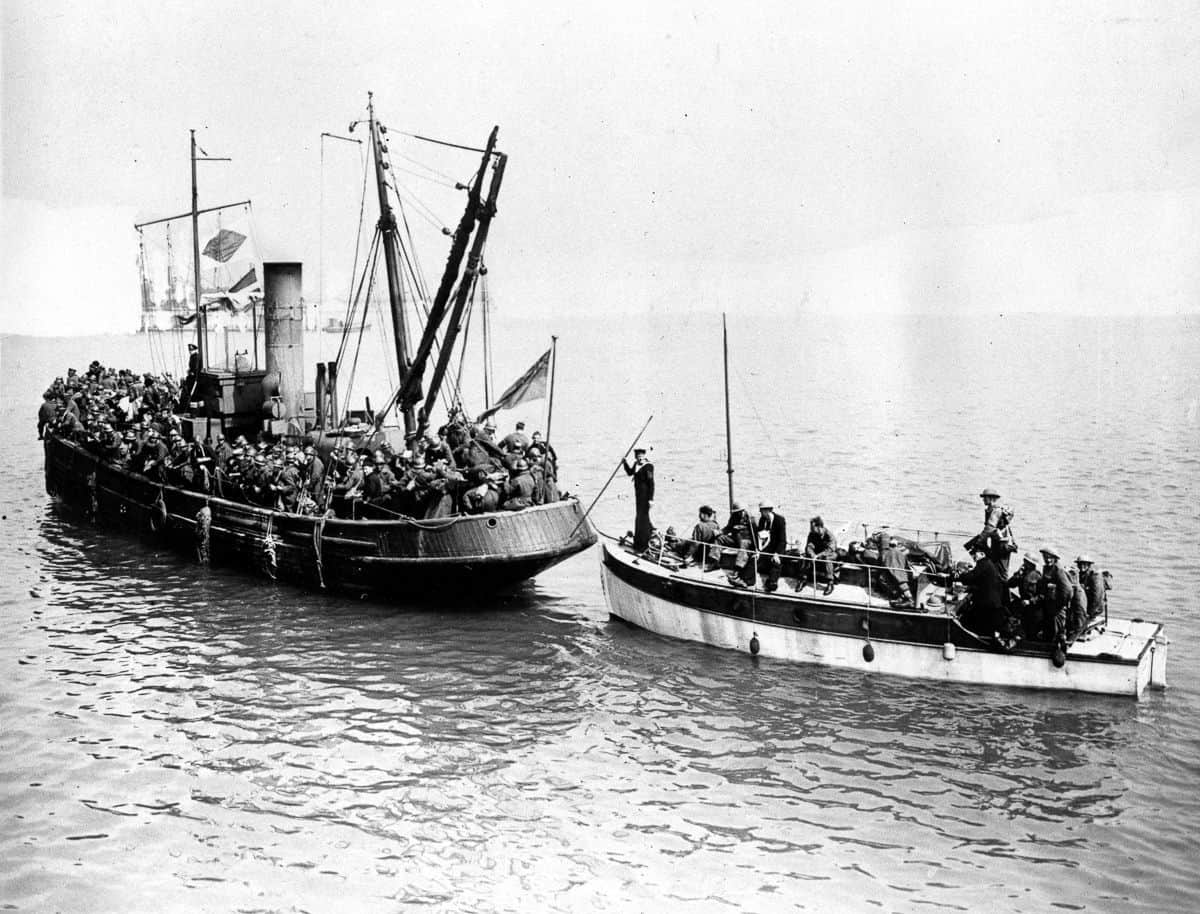
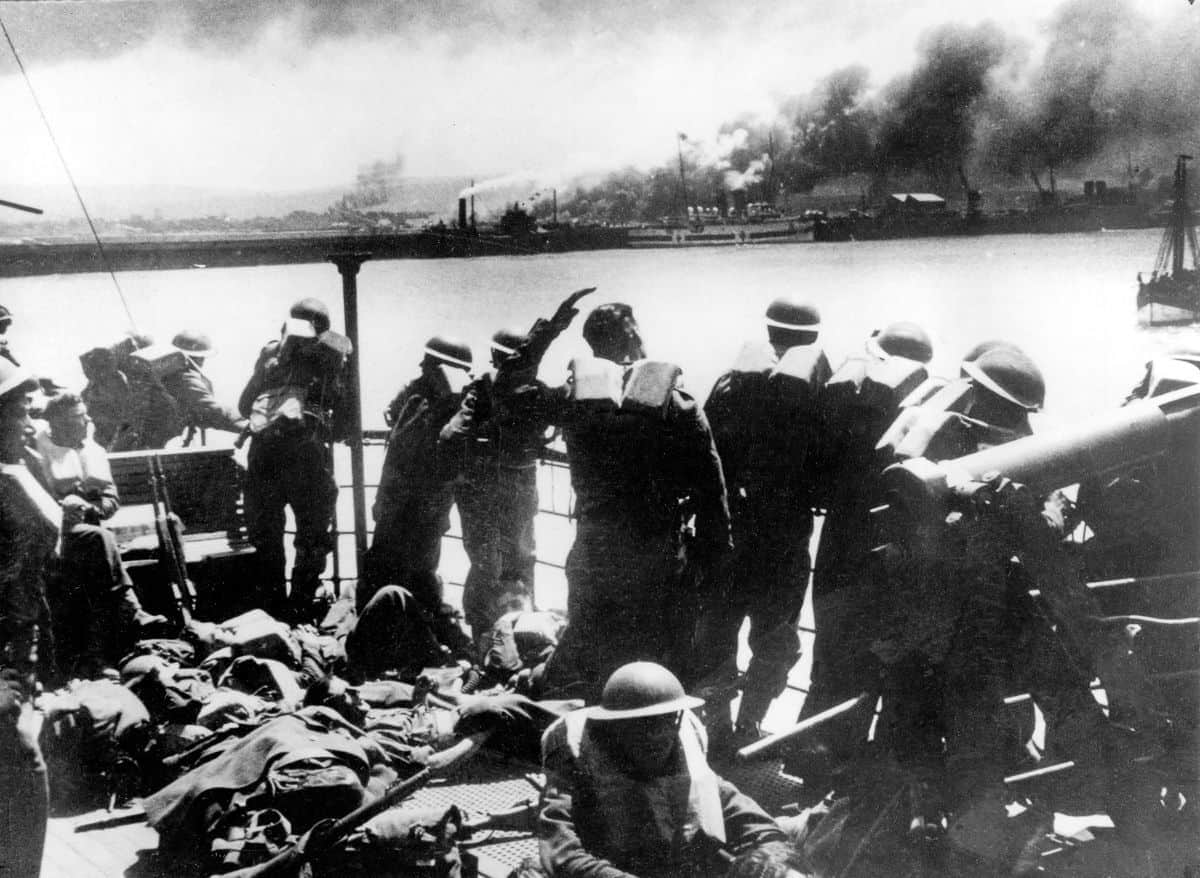
The fleet set sail on May 26th, 1940, crossing the English Channel towards the French town of Dunkirk. It was not led by any one Admiral, guided instead by the smoke and flames above Dunkirk itself. Its mission was to rescue thousands of cornered French, Belgian, and British soldiers from a grim fate at the hand of Hitler and his army. The armada was made up of sloops, ferries, fishing boats, you name it, captained by anyone from a banker to a clerk. This was Operation Dynamo.
Rewind a few days to May 21st, 1940; the Germans have trapped the British Expeditionary Force (BEF), three French armies, and the remnant Belgian forces along the Northern coast of France. The Allied forces concluded their best move would be to retreat to Dunkirk, the closest spot with good port facilities, and cross the Channel to England. The Germans, though, were closing in on them, and the success of the mission wasn’t promising. The Allies hoped to evacuate 45,000 troops, presuming they made it to Dunkirk first.
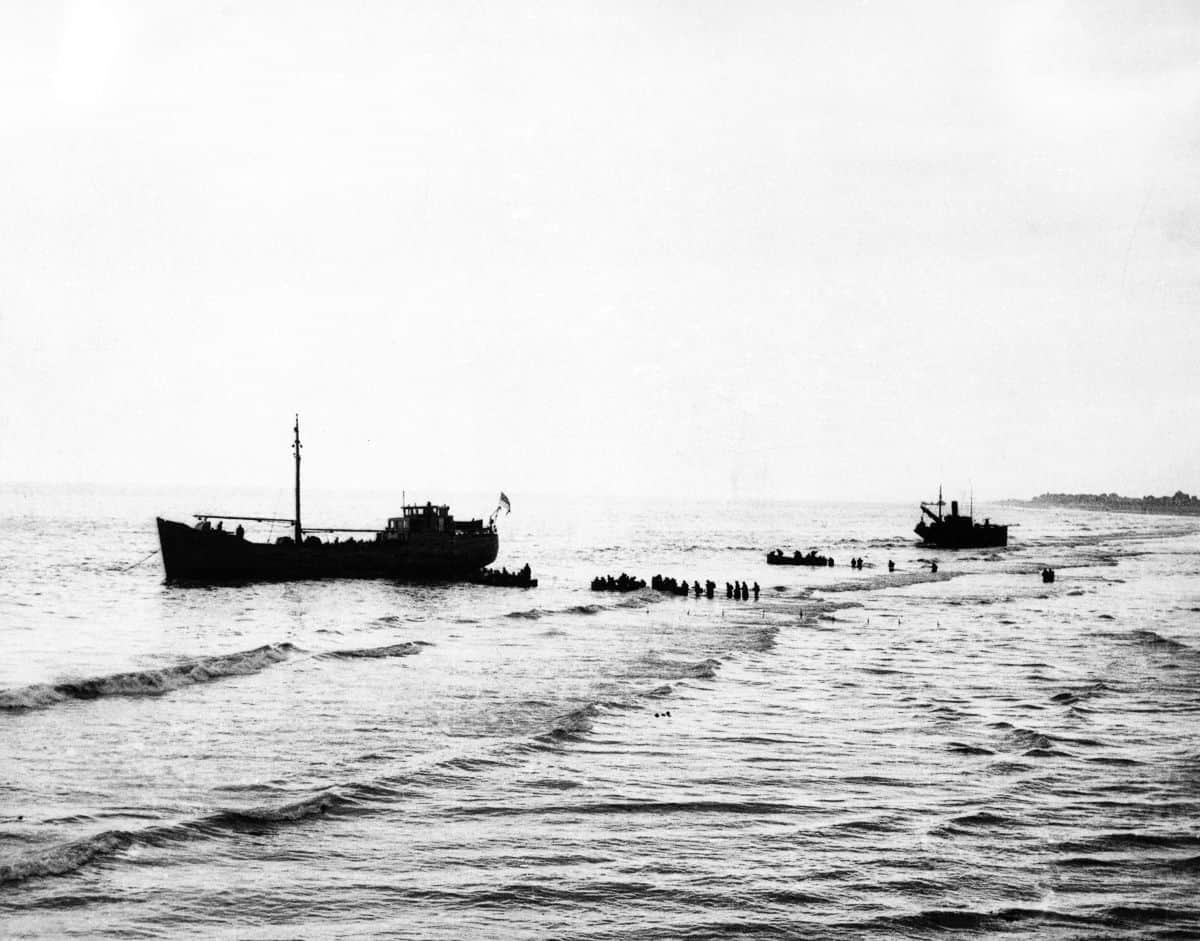
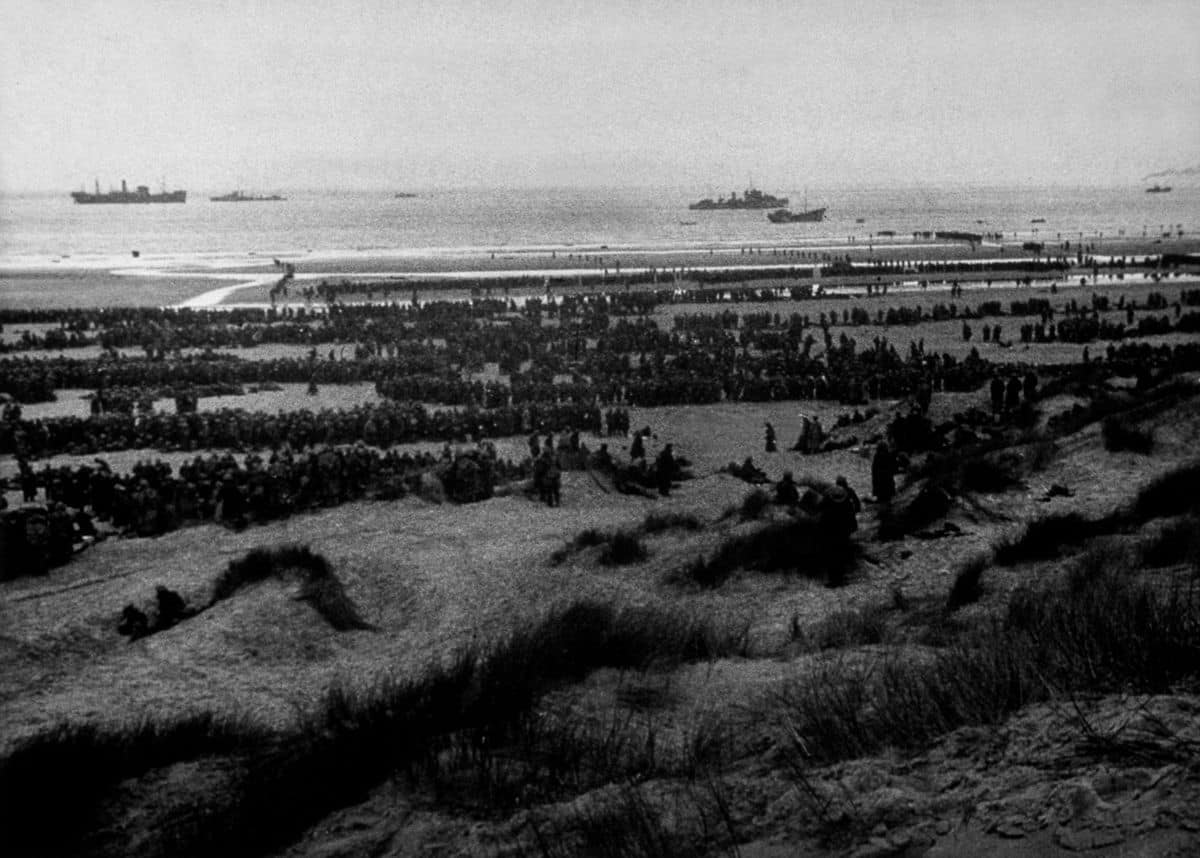
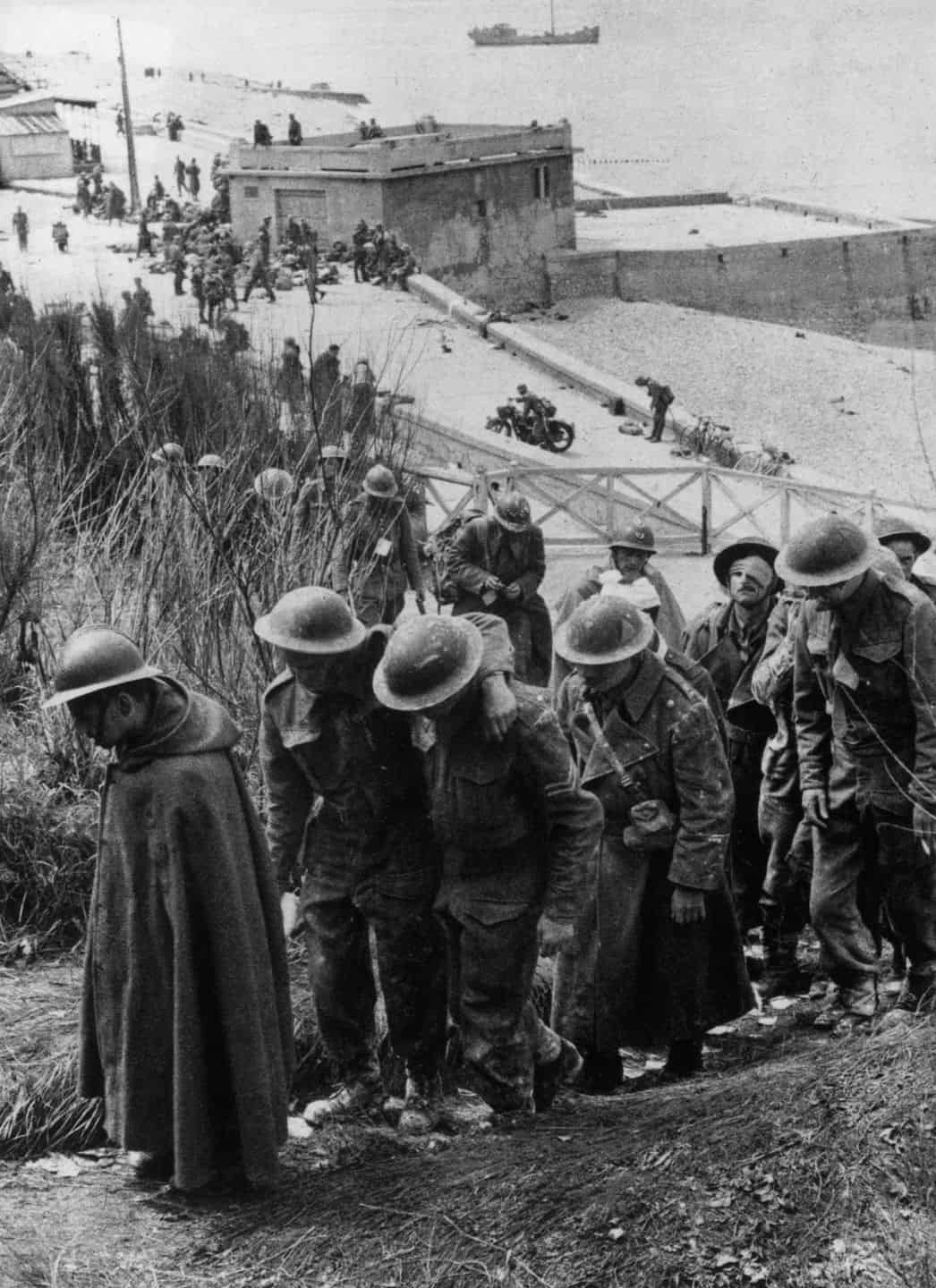
In what would later be deemed one of his most critical mistakes, Hitler approved a halt order on May 24th, worried that Dunkirk’s marshy terrain would be damaging to the German tanks. German troops paused their pursuit of the Allies, giving them invaluable time to reach Dunkirk. And so the soldiers awaited aid, crowding the shores so heavily that they appeared black to anyone who saw them, whether the vantage point be from land, sea, or air.
The black beach was an easy target to spot from above and the Germans continued their advance. The odds of Operation Dynamo succeeding were slim.
News of the soldier’s trouble reached England. May 26th was declared a national day of prayer; the Archbishop of Canterbury led prayers at Westminster Abbey for the “soldiers in dire peril in France.” Similar services were held throughout the United Kingdom. While citizens did not know the degree of jeopardy the Allied troops were in, they understood what these services represented and the gravity of the situation. By the time British Prime Minister Winston Churchill ordered Operation Dynamo to begin at 7:00 pm on May 26th, some 28,000 men had already been brought home.
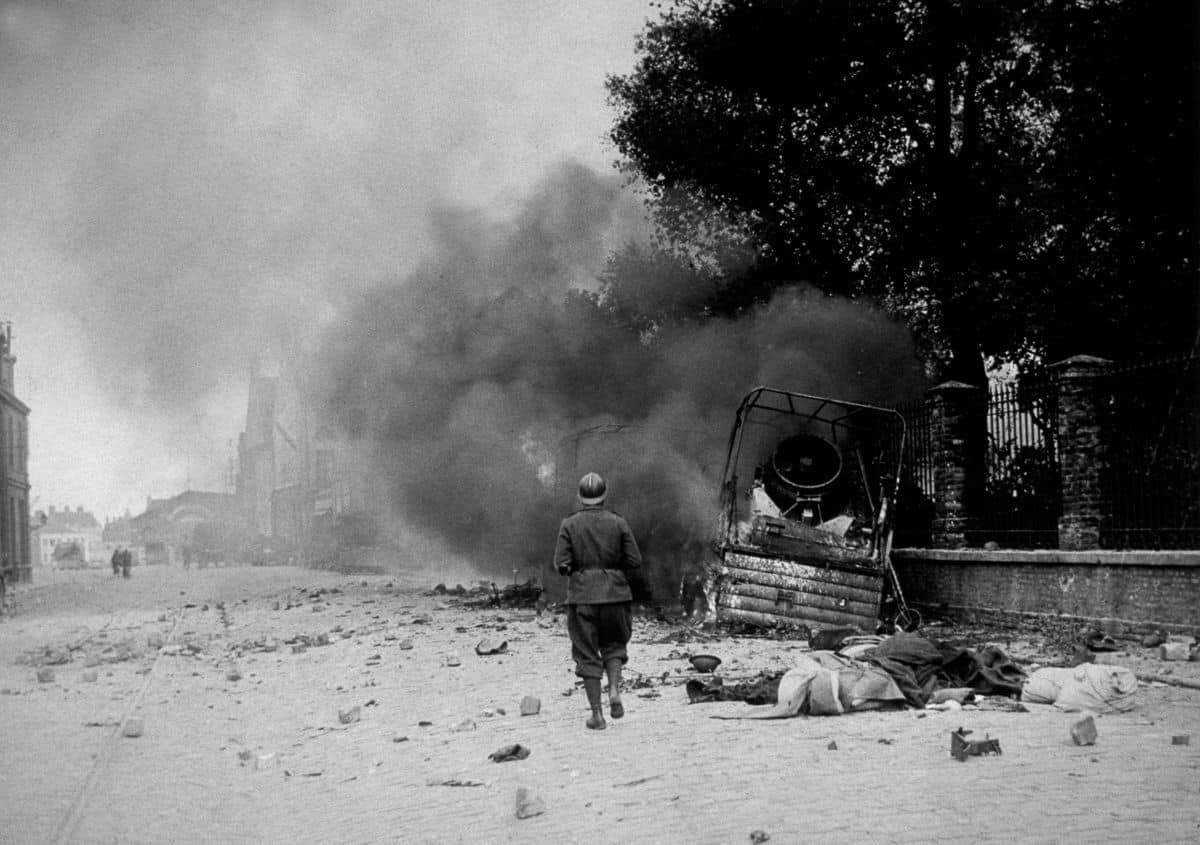
As the first wave of rescue ships made their way to Dunkirk, they were subject to the realities of war, not given any civilian liberties by the German bombers and fighter planes flying overhead. Nearing the shores, the sounds of firing guns and dropped bombs surrounded each boat, destroyers and yachts alike.
“Even before it was fully dark we had picked up the glow of the Dunkirk flames, and now as we drew nearer the sailing got better, for we could steer by them and see silhouetted the shapes of other ships, of boats coming home already loaded, and of low dark shadows that might be enemy motor torpedo boats.”
–Arthur D. Divine, rescue boat civilian
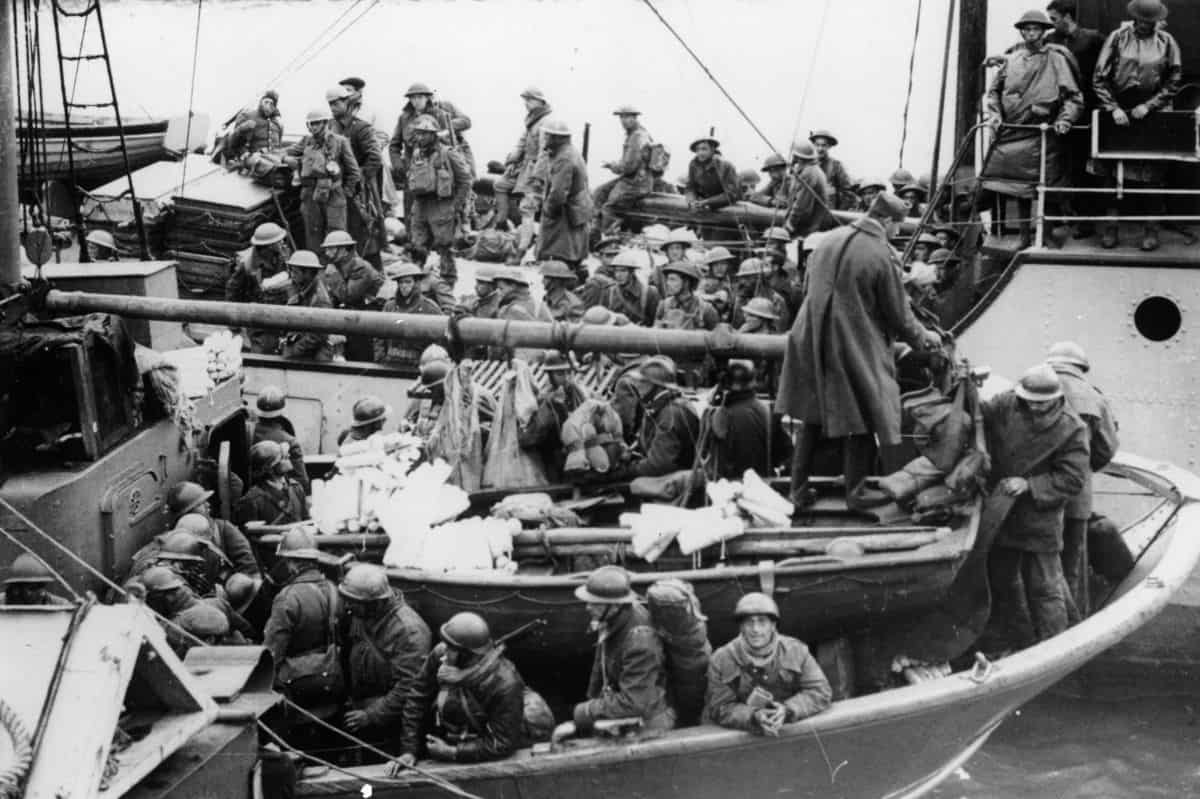
The mission’s aim was to evacuate a hopeful 45,000 troops in two days. On its first full day, May 27th, just one cruiser, eight destroyers, and 26 other craft were working, and a dismal 7,669 men were rescued. However, after an emergency call for help, nearly 400 additional small crafts reached Dunkirk by May 31st.
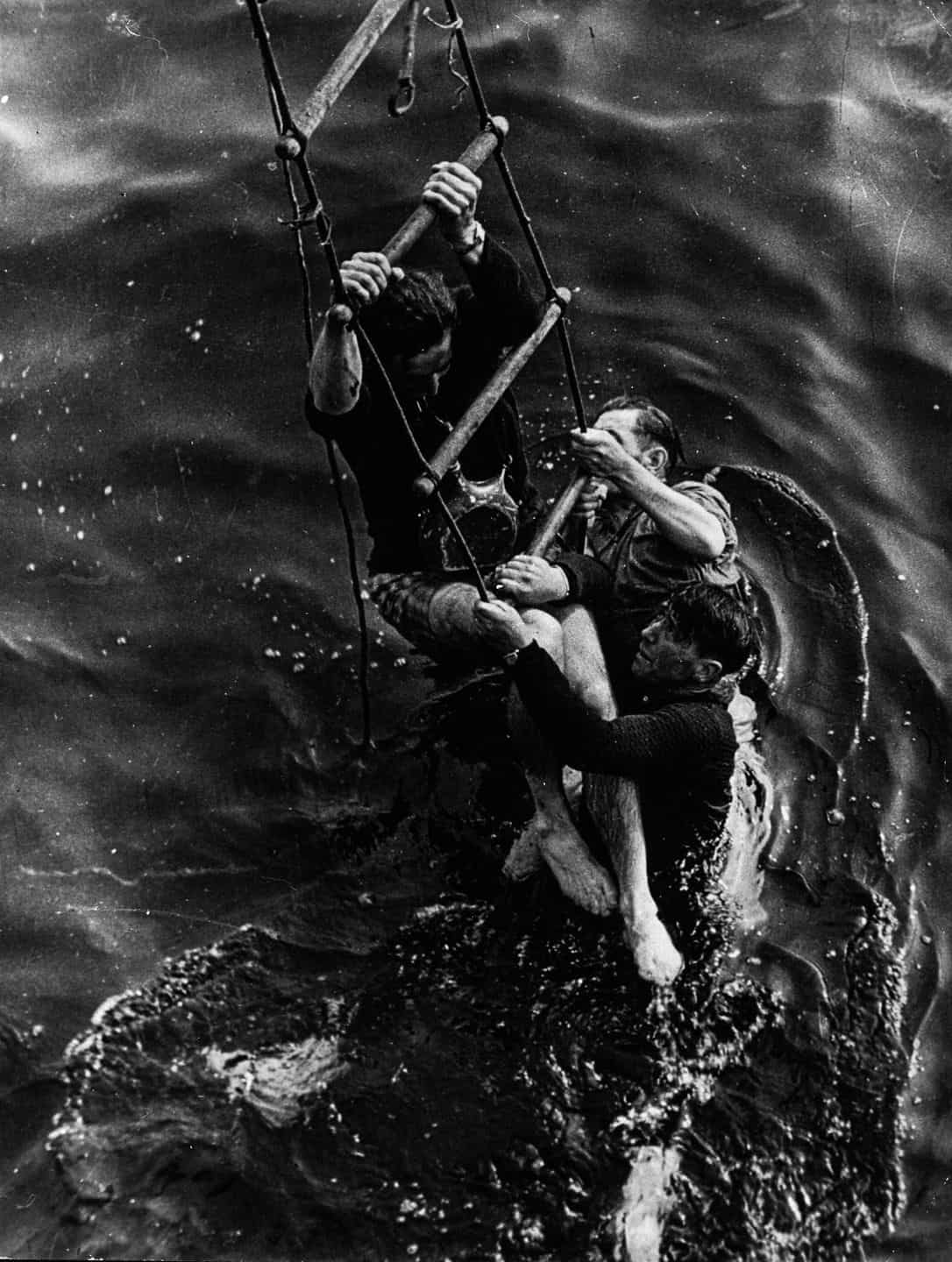
As the boats reached the shores, some soldiers were lucky enough to reach them from the harbor and breakwaters. Not all were so fortunate, though. Nearly 100,000 troops were taken off the open beaches, many wading out to their rescue ketches and motorboats in water as deep as their shoulders.
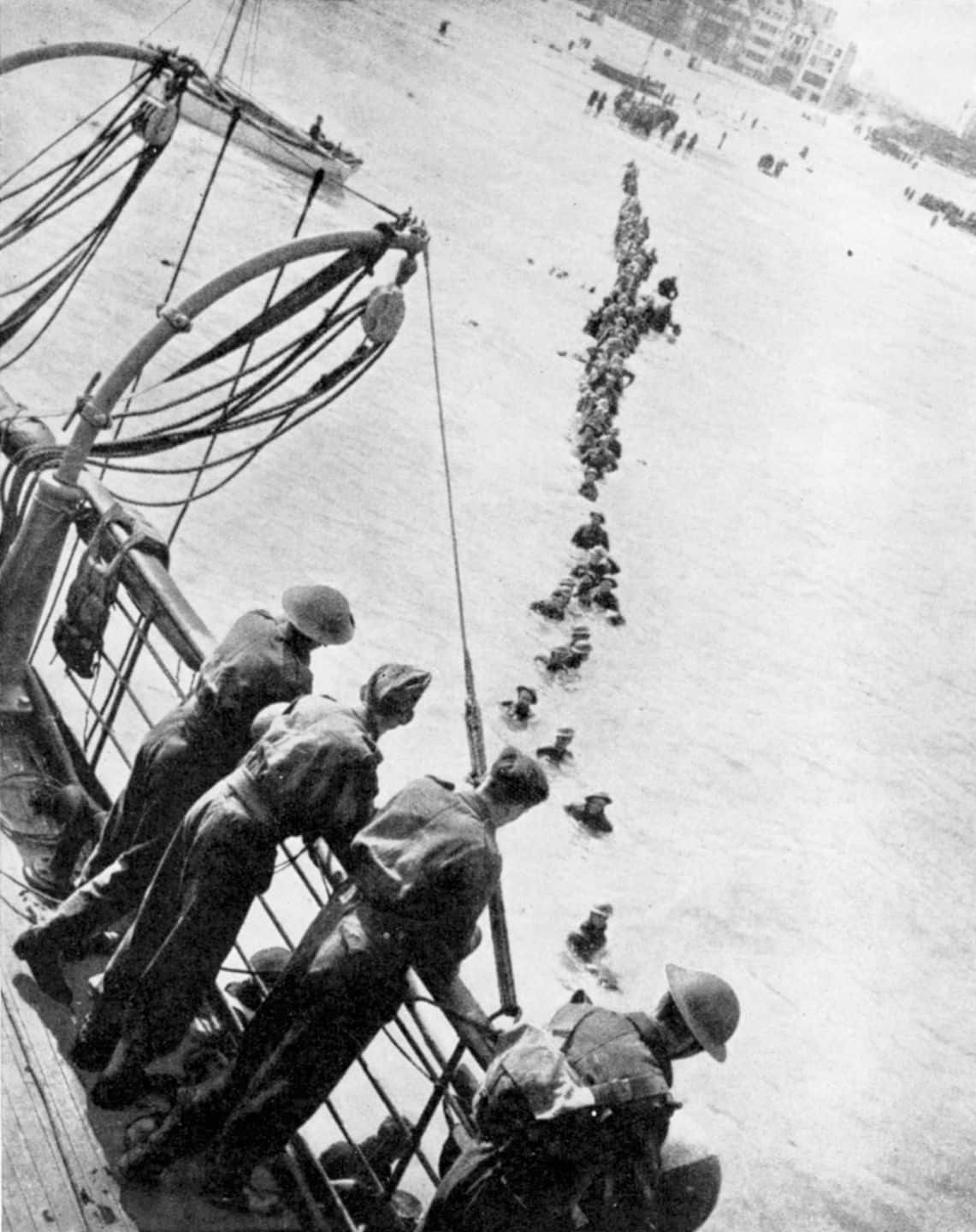
“The picture will always remain sharp-etched in my memory—the lines of men wearily and sleepily staggering across the beach from the dunes to the shallows, falling into little boats, great columns of men thrust out into the water among bomb and shell splashes.”
–Arthur D. Divine, rescue boat civilian
By June 4th, 1940, the ragtag armada of 800 boats rescued 338,226 soldiers, impossibly surpassing their goal of 45,000, largely thanks to sheer camaraderie and support of their brothers at war. And while Winston Churchill may have cautioned the country to be “very careful not to assign to this deliverance the attributes of a victory,” noting “wars are not won by evacuations,” the operation was a major turning point for WWII. The Miracle of Dunkirk had nothing to do with divine intervention. It came from brotherhood and patriotism, and from ordinary people answering the call when their own were in trouble.
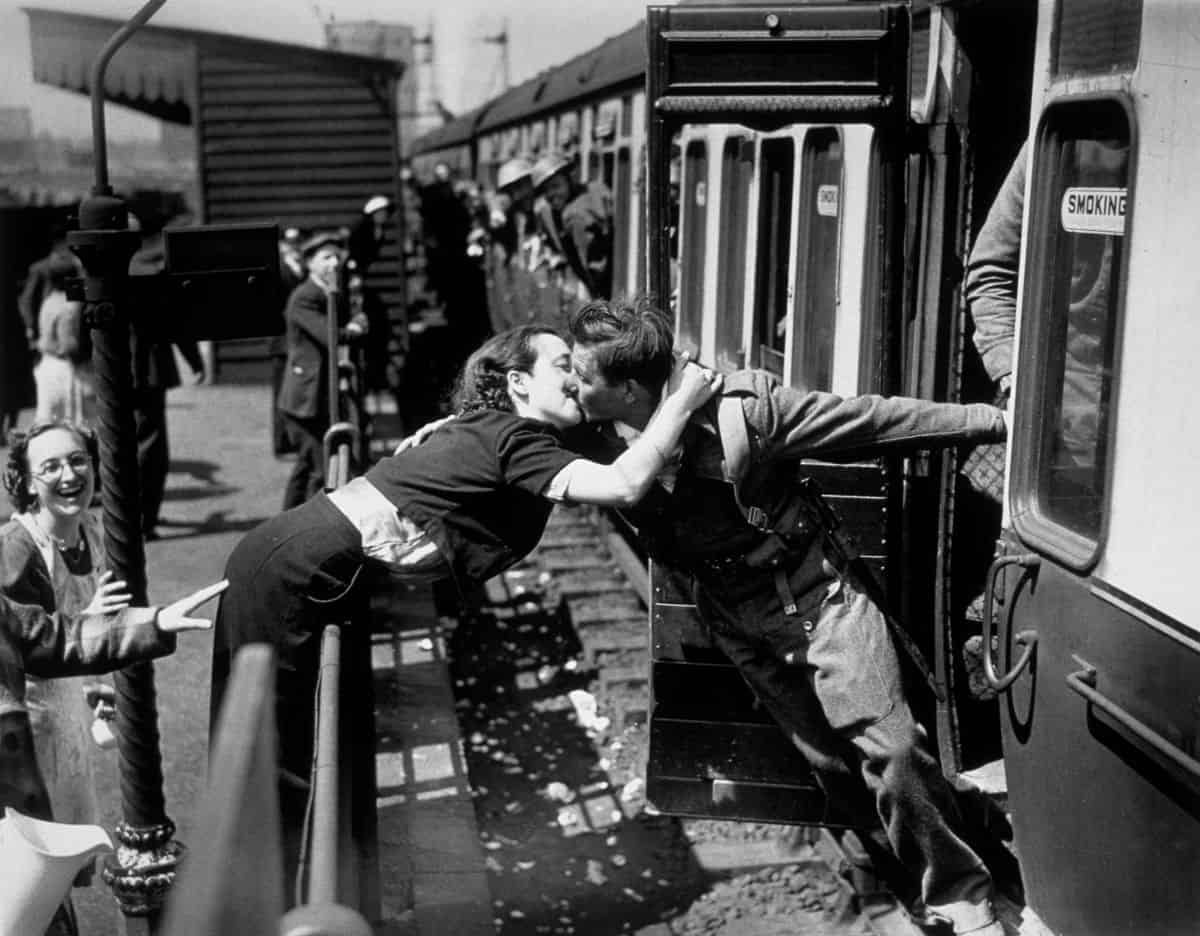
Missed a spot?
More from Curiosities

How To Make Yourself Burp: 8 Methods To Try
Congratulations! In coming here, you’ve taken your first step towards mastering the ancient art of belching on command.

Future predictions from the early 1900s
“Experts” trying to predict what marvels the future will hold is nothing new as these cards from just over 100 years...
A 1952 jet-boat on Loch Ness breaks the speed record, at high cost
The British motorist John Cobb spent the 1930s and 1940s breaking land speed records.