
Slick Back
A long top combed straight back with product, over short sides.
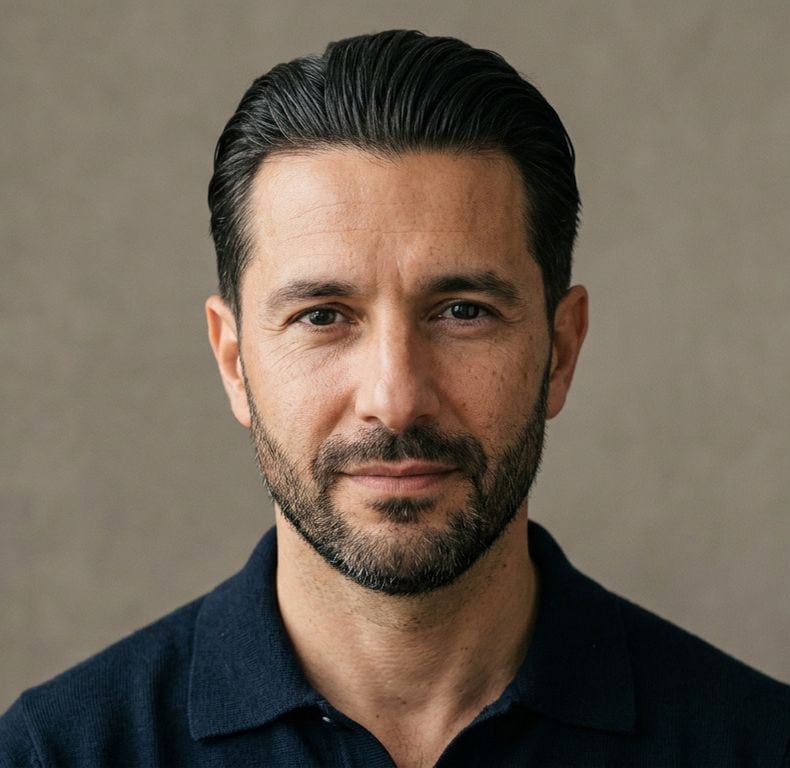
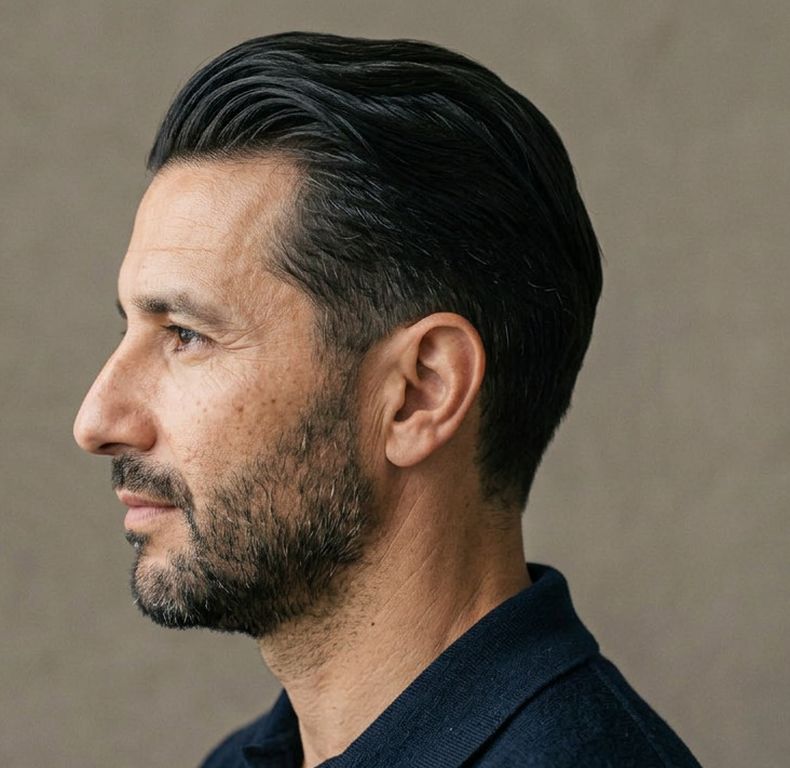
A slick back is a men's hairstyle where the hair on top is combed straight back from the forehead towards the crown and held there with product, over sides that are cut noticeably shorter. There is no parting and no lift at the front to speak of. The hair lies back, close to the head, either glossy and combed or matte and loose. It is the simplest of the longer cuts in the men's hairstyles directory to describe and the most dependent on having enough length.
De un vistazo
- También se conoce como
- Slicked back hair
- Sides
- A grade 3 to 4, scissor cut, or a fade
- Top
- 8 to 15cm
- Finish
- Combed back with pomade or gel
- Mantenimiento
- Every 4 to 6 weeks
- Lo mejor en
- Oval and square faces
- Evítalo si
- Your hair is thinning at the front
- Popularised by
- Michael Douglas (as Gordon Gekko in Wall Street (1987)), Leonardo DiCaprio (his long-running red carpet look), Jude Law (slicked back over a widow's peak)
5 £ de descuento en tu primer envío
A fresh cut looks sharpest with a clean neckline. A sharp blade keeps it that way between visits, without the razor burn a blunt one leaves.
5 £ de descuento en tu primera suscripción o pedido VIP: una oferta por cliente; puedes darte de baja con un solo clic.
How to ask your barber
- Ask for a slick backLong on top, short on the sides.
- Leave the lengthAsk them to trim the top only, so it combs back flat.
- Choose the sidesScissor cut, a grade 3 or 4, a fade or an undercut.
- Ask about productPomade for shine, clay for matte.
Las variaciones
The same cut, worn differently. What changes is the length, where the short part starts and how the top is styled.
Will it work with your hair?
Hair type decides how a cut sits and how fast it loses its shape. The table below is the short version.
| Straight | Ideal | Lies flat easily. |
|---|---|---|
| Wavy | Ideal | Waves add texture when slicked. |
| Curly | Obras | Needs strong product to hold it back. |
| Coily | Evita | Hard to slick back. |
| Grueso | Ideal | Thick hair gives the look body. |
| Fine or thinning | Evita | Slicking back exposes the hairline and crown. |
¿Te quedará bien con tu rostro?
Where a cut adds height and where it takes width away decides how it sits with your face shape. Hair type matters more, but this is the short version.
| Oval | Ideal | Balanced proportions, so the cut itself decides. |
|---|---|---|
| Redondo | Obras | Add a little lift at the front so it does not sit flat and wide. |
| Cuadrado | Ideal | A neat parting suits a defined jaw. |
| Oblongo | Evita | Slicked back hair exposes the forehead and lengthens the face. |
| Corazón | Ideal | A side parting breaks up a broad forehead. |
| Diamante | Obras | A parting with some fullness on top works. |
Beard styles that go with it
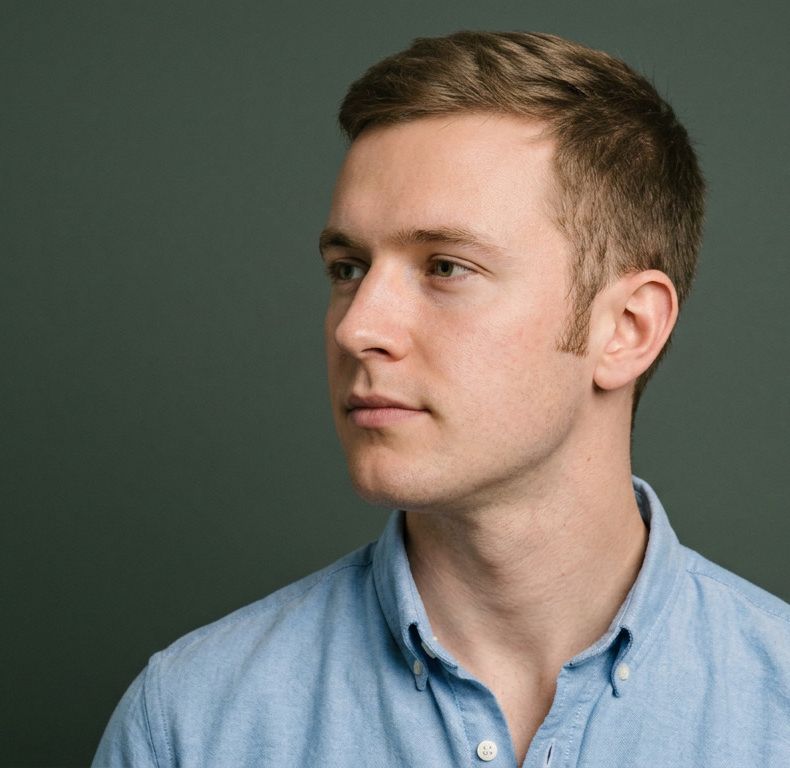
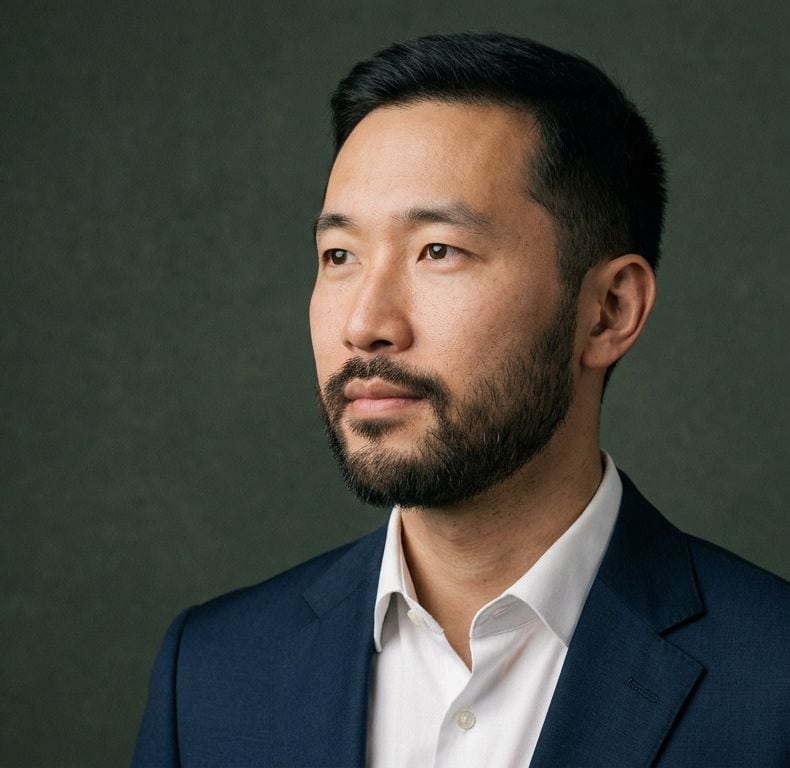
Hair and beard are one outline. These keep the proportions right with this cut.
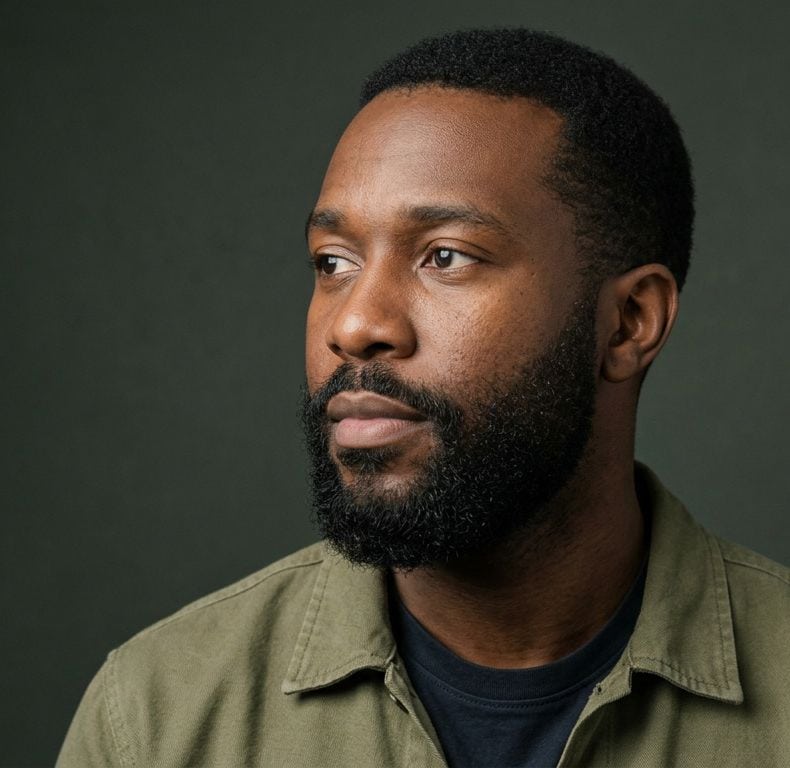
What a slick back actually is
The whole style is one direction. Everything on top goes back, from the hairline to the crown, and stays there. The sides are shorter so the top has something to sit over, and the product is what stops the front falling forward again by lunchtime.
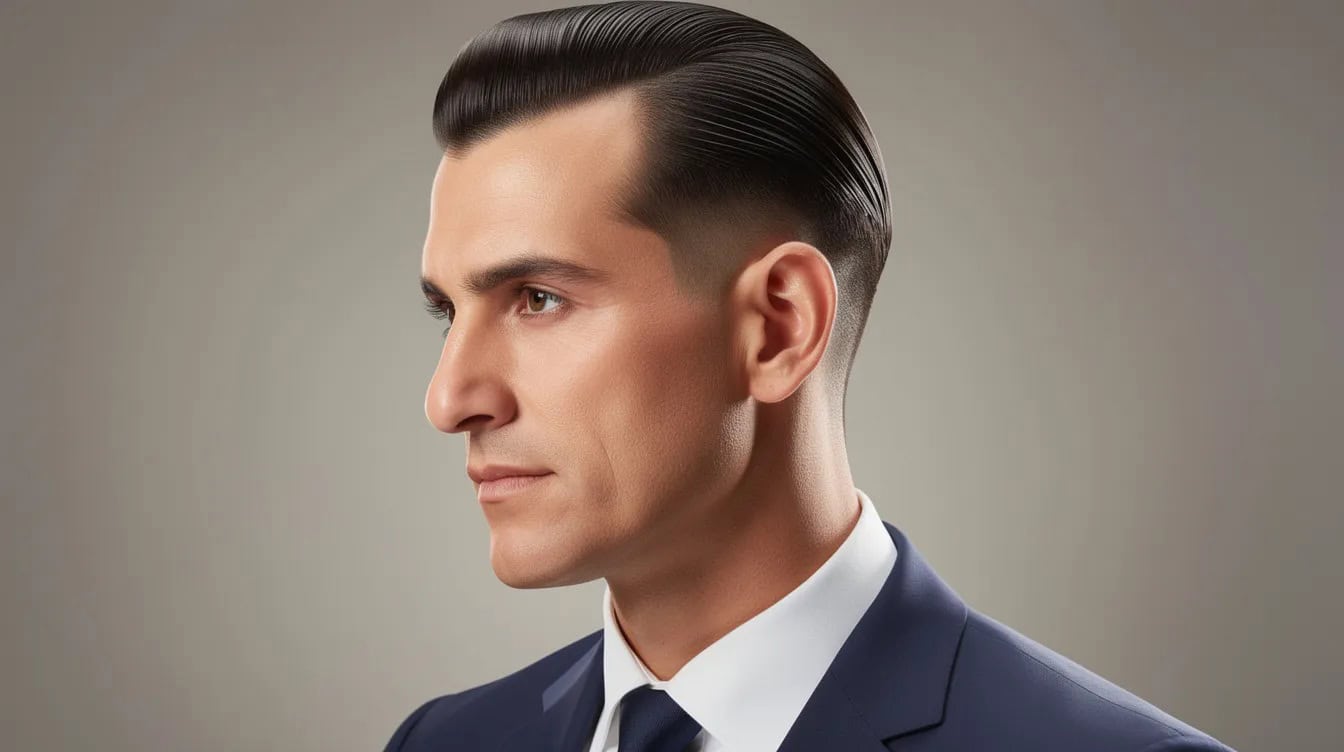
Within that, there are two broad finishes.
En classic slick back is smooth and shiny, combed with a fine-toothed comb so the comb lines show, with the hair lying flat to the head. It is the formal version and looks best with a suit.
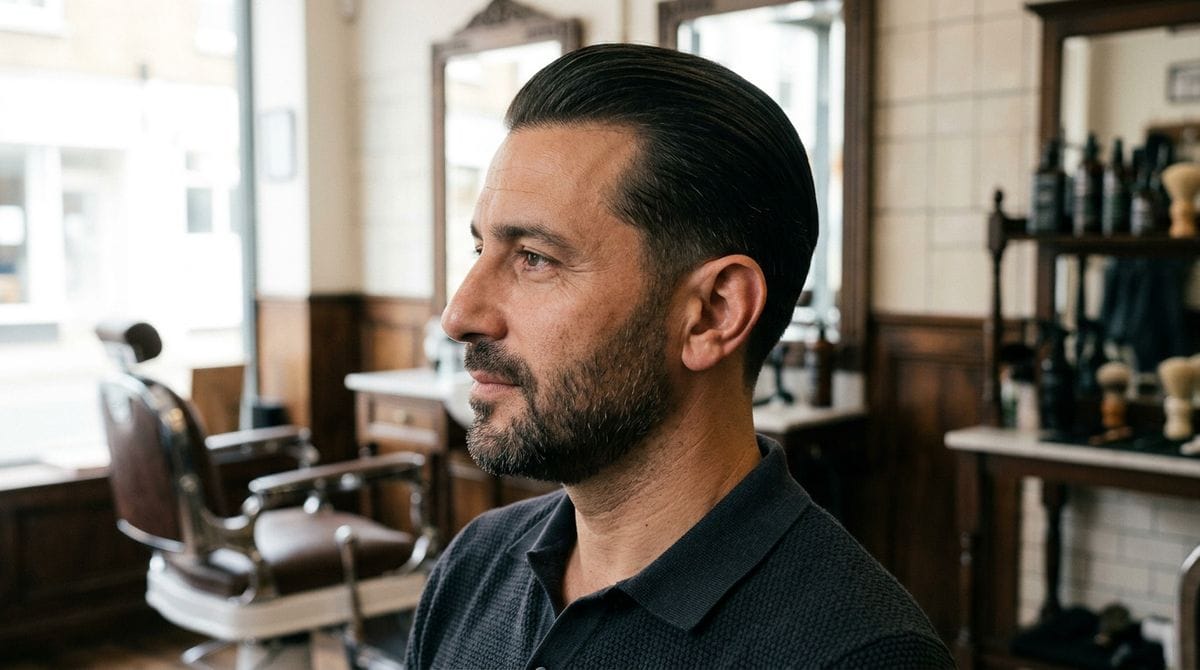
En modern slick back uses a matte or low-shine product, has a little more volume at the roots and is pushed back with the fingers or a wide-toothed comb. It looks lived in rather than set, and suits everyday wear better.
Slick back, quiff and undercut
A quiff uses similar length but lifts the front up before sweeping it back, so it has height at the hairline. A slick back has little or none. A collapsed quiff and a slick back are close cousins.
A pompadour is the halfway house: combed straight back like a slick back, but with a lot of volume built at the front.
En undercut is not an alternative so much as a popular pairing. The slicked back undercut keeps the long top and clippers the sides very short, with a clear disconnected step where they meet instead of a blend. It is sharper and higher contrast than a slick back over scissor-cut or faded sides.
Who a slick back suits
Straight and wavy hair are the easiest. Thick straight hair lies back and stays there with very little encouragement. Wavy hair adds texture to the slicked surface, which suits the matte version especially well.
Curly hair can be slicked back, but it takes a firmer product and more of it, and the curls will always show through. The best results come from accepting that rather than fighting it.
Coily hair is very hard to slick back without heavy products and a lot of daily effort.
Thinning hair is the real limitation. A slick back pulls the hair off the forehead and exposes the hairline and the temples completely, and a glossy finish draws even more attention to them. If you are receding, a matte, slightly looser brush-back is kinder, and the haircuts for balding men page covers other options. The cut also shows thin patches at the crown, where the hair is pulled away from the parting point.
Forma del rostro matters a little. The style exposes the whole forehead, so it suits oval and square faces most easily. A long face looks longer still with no fringe, and is often better with softer sides that keep some width.
How much length you need
At least 8cm on top, and ideally 10 to 15cm at the front, for a proper slick back that stays put. Very straight or springy hair needs the longer end of that. The crown can be a little shorter than the front, but not cropped short, or the back of the shape collapses.
Below about 5cm, you get a brush-back rather than a slick back. The hair points backwards but does not lie down.
Hair grows roughly a centimetre a month. From a crop with 3cm on top, a full slick back is around five to six months away. A sensible route is through a quiff, which works at 6cm and upwards, while the sides are kept short. The medium and long hairstyles page covers growing it out without the awkward stage.
How to ask a UK barber for a slick back
Start with the basics: "Long on top, short on the sides, combed straight back." Then add detail.
- The top. "Just trim the ends, I need the length to comb it back." Ask them not to texturise the top heavily. A slick back needs weight on top, not choppy layers.
- The sides. Choose one. Scissor cut, or a grade 3 or 4 (9mm or 12mm), for the classic look. A desvanecimiento bajo, starting just above the ears, for something cleaner and more modern. An undercut, clippered very short and disconnected from the top, for the highest contrast.
- The weight. If your hair is thick, ask for bulk taken out at the sides and the crown so the shape lies close to the head.
- The style. Ask them to slick it back at the end and watch how much product they use. It will be less than you expected.
If you are not sure whether you want shine or matte, ask the barber to style it matte. It is easier to add shine than to take it away.
Styling a slick back at home
- Start damp. Towel dry until the hair is just damp. Product spreads more evenly and sets better on damp hair.
- Pre-style if needed. On thick or coarse hair, a little styling cream or light gel worked through from front to back gives the direction a head start.
- Blow dry backwards. Brush or comb everything back from the hairline while drying, so the roots are set pointing back. This is the step that stops the front falling forward later.
- Apply product. A pea-sized amount, warmed between your palms. Work it from the back of the head to the front so it does not clump at the hairline.
- Comb it back. Fine-toothed comb for a sleek, classic finish with comb lines. Wide-toothed comb or fingers for a looser, modern finish.
- Tidy the edges. Smooth the sides down and check the front.
Do the same thing every day for a couple of weeks and the hair learns the direction. After that it takes less than five minutes.
Choosing a product: wet look or matte
Shine. A water-based pomade or a firm gel gives the glossy wet look of the classic slick back. Water-based products wash out easily. Oil-based ones hold longer and shine more but take two washes to remove.
Matte. Clay or matte paste gives a natural, low-shine finish that suits everyday wear and makes thin areas less obvious. A lighter cream works on fine hair, which goes greasy and separates under heavy product.
The commonest mistake is too much. Too much product makes the hair look wet all day and stick together in clumps. Start with less than you think and add a little if it is not holding.
Upkeep and how often to cut
Every four to six weeks for the top and the overall shape. The sides need doing more often if they are faded or undercut, every three or four weeks, because a slick back over grown-out sides looks untidy quickly.
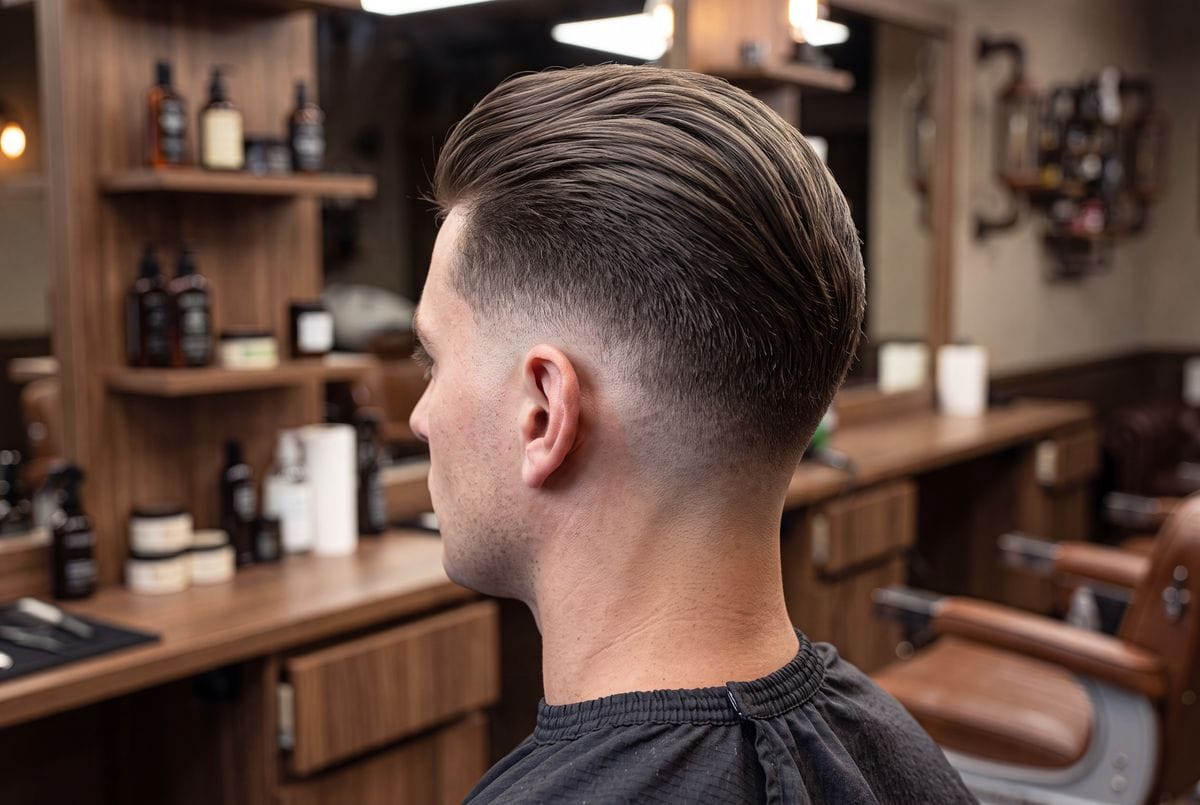
Ask the barber to keep weight out of the crown and sides at each visit. A slick back that has got too thick starts to push outward instead of lying flat.
Wash every day or two with a mild shampoo, especially with oil-based product. Product build-up flattens the hair and makes it harder to style. A slick back on its own does not damage the hairline, but pulling longer hair back very tightly every day, for example into a tight bun, can.
Variations
- Classic slick back. Scissor-cut sides, shiny finish. Polished and formal.
- Slick back with an undercut. Disconnected, very short sides. Sharper contrast.
- Slick back with a fade. Faded sides, often a low fade. Modern and neat.
- Textured slick back. Matte product, finger-combed. Less shine, more movement.
- Long slick back. Past the collar, often tucked behind the ears. Needs firmer hold.
A slick back is easy to step away from. Push the front up and you have a quiff. Part it in the middle and let it fall and you are heading towards curtains. Ask for the top shortened in stages and you are back to a crop.
Preguntas que nos hacen
How long does hair need to be for a slick back?
At least 8cm on top, ideally 10 to 15cm at the front. Below about 5cm the hair will point backwards but will not lie flat, which is a brush-back rather than a slick back.
What do I ask the barber for?
"Long on top, short on the sides, combed straight back," then say how you want the sides: scissor cut or a grade 3 or 4 for a classic look, a low fade for something cleaner, or an undercut for sharp contrast. Ask them to leave the length on top.
Does a slick back work with a receding hairline?
It exposes the hairline completely, so recession is very visible. A matte, slightly looser brush-back with softer sides is kinder. If recession is advanced, a shorter cut is usually the better choice.
Can you slick back curly hair?
Yes, with more length on top and a firmer product, but the curl will always show. The best results come from letting some texture through rather than forcing it flat.
What product is best for slicked back hair?
A water-based pomade or a firm gel for shine, clay or matte paste for a natural finish. Use a pea-sized amount and add more only if it does not hold.
Is slicking your hair back bad for it?
Not on its own. Damage comes from pulling long hair back very tightly every day, heavy heat and leaving product build-up in. Wash it out regularly and do not drag it back hard.
Other classic cuts
Close relatives, and how they differ.
Explora según lo que te interese
El mismo directorio, visto desde otra perspectiva.