
Full beard
How to Grow, Shape and Maintain One
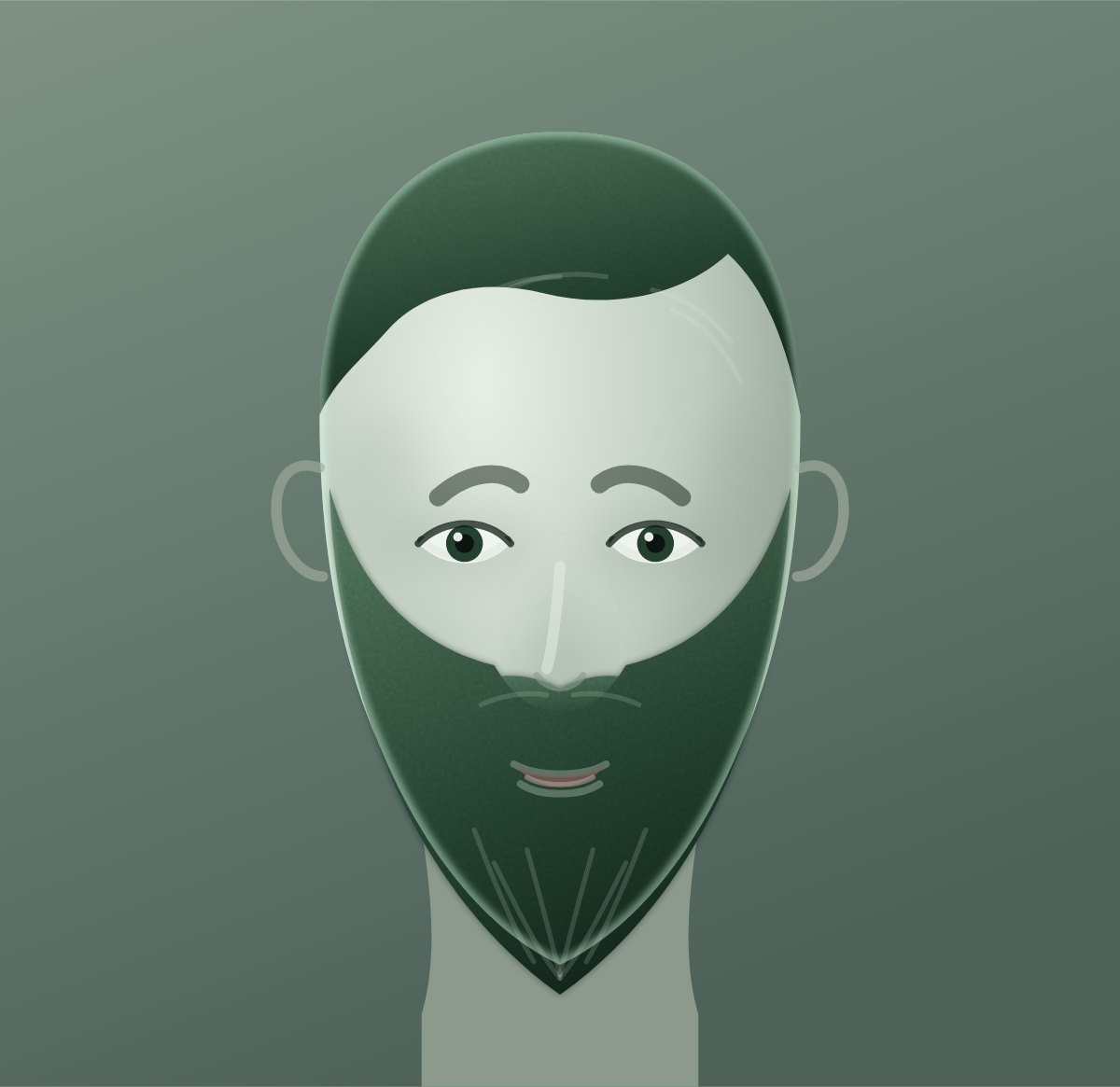
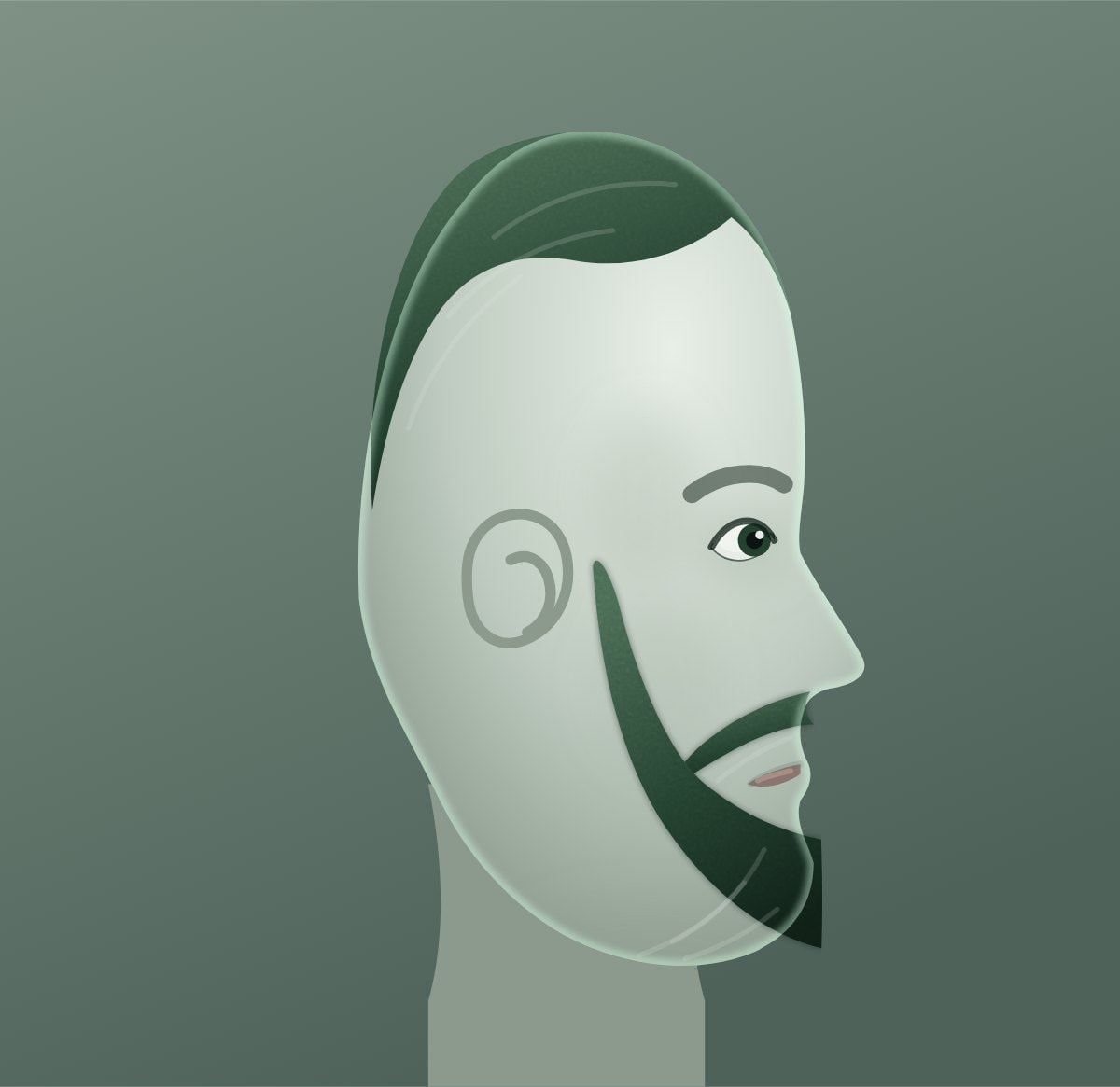
A full beard is hair across the cheeks, jaw, chin and upper lip, all connected. It is the default beard, the one every other style in this directory is cut out of, and the only one that asks for patience more than technique.
At a glance
- Also known as
- natural full beard
- What it is
- Cheeks, jaw, chin and moustache, all connected.
- Length
- Medium, one to three inches
- Growing time
- 6 to 10 weeks
- Trim how often
- Every week or two
- Best face shapes
- Oval, Long, Square
- Moustache
- Yes
£5 off your first delivery
A full beard is less shaving, not none. The neckline is what separates tidy from neglected, and it wants a sharp blade once a week.
£5 off your first subscription or VIP order - one per customer, unsubscribe with 1 click
The variations
The same shape, worn differently. What changes is length, density and how much you take off at the edges.
Will it suit your face?
Where a style puts weight, and where it takes it away, is what decides whether it suits you. The table below is the short version.
| Oval | Ideal | Takes almost any length and shape without fighting the proportions. |
|---|---|---|
| Round | Avoid | Adds width where there is already width. A chin-led style suits better. |
| Square | Works | Round the corners off or it doubles up on a jaw that is already strong. |
| Long | Ideal | Width at the cheeks shortens the face. Keep the chin short, not pointed. |
| Heart | Works | Weight low balances a wide forehead, so long as the cheeks stay tidy. |
| Diamond | Ideal | Fills the narrow jaw and squares off the lower face. |
How to cut one, in four steps
- Grow it out6 to 10 weeks. Cutting into a beard that has not filled in leaves holes you then have to grow out again.
- Set the lengthStart on a longer guard than you think you need and work down. You cannot put it back.
- Set the necklineTwo fingers above the Adam's apple, curving up to behind the jaw. Higher than that and you lose the jawline.
- Tidy the cheeksFollow your natural cheek line rather than inventing a straight one. Take off anything above it.
Full detail, tools and the common mistakes are in the guide below.
What counts as a full beard
Continuous coverage. The moustache joins the cheeks, the cheeks join the sideburns, and the chin joins the jaw. Break any of those connections and you have moved into a different style.
Length is not part of the definition. A full beard can be half an inch or six inches. What makes it full is that nothing is shaved away in the middle, which is why it looks less constructed than a Balbo or an anchor and why it takes less daily attention.
The two lines that still matter are the cheek line and the neckline. Even the most natural full beard has those, and getting them right is most of what separates a good one from an unkempt one.
Full beard styles
Natural full beard. Grown and tidied at the edges, following your own growth pattern. The least work of any beard style here.
Short full beard. Half an inch or less, kept even. Tidy enough for any workplace and the easiest full beard to keep in shape.
Boxed full beard. The same coverage with straight cheek lines and squared corners. More structure, more upkeep.
Long full beard. Three inches and up, shaped only at the neckline and the edges. Months of growing, and it needs daily combing and oil.
Faded full beard. The cheeks graded shorter toward the sideburn rather than cut to a line, so the beard blends into the haircut.
Full beard with a styled moustache. The beard worn plainly with the moustache waxed or shaped separately, which is where a Verdi or a Garibaldi begins.
Which face shapes it suits
A full beard adds width at the cheeks and weight along the jaw, so it shortens and squares the face.
Oval. Takes any length or shape without adjustment.
Long. The best case. Width at the cheeks shortens the face, so keep the sides fuller and the chin shorter.
Square. Good, provided you round the corners a little. A boxed full beard on a square jaw doubles up.
Round. The one to think about. A full beard adds width where there is already width. Keep the sides close and let the length gather at the chin, or choose a ducktail, which tapers.
Heart. Works well, since weight low on the face balances a wider forehead.
What you need
A full beard needs less kit than the shaped styles, but the few things earn their place.
A beard trimmer with guards covering your length range. For a short full beard this does almost everything. For a long one it mostly sits in the drawer.
Scissors for the moustache and for individual stray beard hair. A trimmer takes too much off a moustache.
A razor for the neckline and above the cheek line. A trimmer leaves a shadow, and on a short full beard that shadow blurs the edge you just cut.
A wide-toothed comb. The single most useful item once the beard is past an inch, and the thing that most affects how it looks day to day.
Beard oil, and balm once you are past about three inches. Oil conditions the skin and the beard hair; balm adds hold.
Nothing else is necessary. Beard growth kits and anything sold on a promise to thicken your beard are addressing a problem that only time solves.
Beard growth and what actually affects it
Facial hair growth varies enormously between men, and most of that variation is genetic. Rate is roughly half an inch a month for the majority, which means a three inch beard is about six months of growing.
Two honest points that most beard guides skip.
Patchiness is usually permanent. If your cheeks have not filled in by six months, another six will not change much. Facial hair follicles are laid down early and there is no routine that adds new ones. That is not a reason to give up on a beard, it is a reason to pick a style that suits your growth: a goatee, a ducktail or heavy stubble all work around thin cheeks.
Nothing you apply speeds hair growth up. Beard oils and balms condition the beard hair and the skin underneath, which makes an existing beard look and feel better. They do not affect the rate at which it grows. Anyone telling you otherwise is selling something.
What genuinely helps with beard growth is time, leaving it alone through the awkward stage, and looking after the skin so you are not tempted to shave it off out of irritation. A thick beard at six months is a thin beard at six weeks that nobody interfered with. The twelve weeks that get you there are worth reading before you start rather than in week three.
The stages, and what to expect at each
Weeks one to two. Stubble. Nothing to do but keep the neck tidy.
Weeks three to six. The awkward stage. Uneven, itchy, and long enough to notice without being long enough to look intentional. Everyone goes through it and it is where most attempts end. Keep the neckline cut, use oil on the skin, and do not trim the length.
Weeks six to twelve. The beard starts to look like a beard. First real trim goes here. You can now see your growth pattern honestly, including where it is thin, and choose a shape that suits it.
Three to six months. Length arrives. The beard begins to lie down rather than stand out, which changes how it looks considerably. Combing becomes daily.
Six months and beyond. A long full beard. Shaping is limited to the neckline and the ends. Oil and balm daily, washing two or three times a week.
Knowing which stage you are in helps, because most of the questions men have about their own beard are really questions about being in week four.
Growing it out
Six weeks before the first real trim, and three months before you know what you have.
Weeks one to two are easy. Weeks three to six are the difficult part: long enough to look scruffy, short enough that the shape has not arrived. This is where most attempts end, and the two things that get you through are keeping the neckline cut and using something on the skin when the itch arrives.
The itch is skin, not beard. It comes from the skin underneath drying out as the hair grows through, and beard oil worked into the skin rather than the hair fixes it in a day or two.
Do not trim the length before six weeks. Beard growth is uneven, and the slow areas need the time. Trimming to even it up simply resets everything to the length of your thinnest patch.
Shaping it
Dry beard, combed downward, good light.
Set the length. Guarded trimmer across the whole beard, one guard longer than you think on the first pass.
Find the cheek line. Where your growth naturally thins is the reference. Cut just below it, or leave it natural if your growth is tidy. High cheek lines look drawn on.
Set the neckline. Two fingers above the Adam's apple at the centre, curving up toward the back of the jaw. Not along the jawbone, which removes the shadow that gives a jaw definition.
Trim the moustache clear of the lip line with scissors.
Check in profile. Both cheek lines will look level from the front and can be visibly different from the side.
Looking after it
A short full beard needs a trim every week or two. A long one needs less shaping and more care.
Wash it two or three times a week rather than daily. Beard hair dries out faster than the hair on your head, and daily washing strips it.
Beard oil daily once there is length, worked into the skin as well as the hair. Balm instead once you are past about three inches, since it has more hold.
Comb it downward daily. This does more for how a full beard looks than any product.
Re-cut the neckline every week or two whatever the length. It is the line that stops mattering visually as the beard gets longer and starts mattering more from the side.
Fixing the common problems
A patchy beard on the cheeks. Grow it longer so the surrounding hair lies over the gap, or pick a style that does not use the cheeks. Heavy stubble hides patchiness better than any length of full beard.
Two sides growing at different rates. Normal. Trim to the shorter side only once you are past three months, not before.
A beard that sticks out rather than hanging down. Usually beard hair that has never been trained. Comb it downward daily, or use a beard brush, which is better than a comb for training direction on a thick beard. It settles within a few weeks.
Itching. Skin, not beard. Oil into the skin, not the hair, and it clears in a couple of days.
Split ends on a long beard. Take half an inch off the bottom twice a year. It looks thicker afterwards rather than shorter.
A beard that has become shapeless. Almost always the cheek line and neckline rather than the length. Re-cut both before touching the length.
Moving to another style
A full beard is the starting point for most of this directory, which is worth knowing if you are not sure what you want.
From a full beard you can cut directly to a boxed beard by adding straight lines, a ducktail by tapering the sides, a circle beard by shaving the cheeks and jaw, or a goatee by taking it further still. Each of those is a subtraction, so the order only runs one way.
That is a good argument for growing a full beard first even if you want something else. It gives you the material to cut any of the other beard styles out of, and it shows you where your growth actually is before you commit.
What goes wrong
It gets trimmed too early. Cutting at three weeks to tidy it up resets the whole beard to the length of its thinnest area.
The neckline sits on the jaw. The most common shaping error, and it makes the jaw look softer rather than sharper.
The cheek line creeps up. Each trim takes a fraction more until it is halfway up the cheek.
Daily washing. Leaves the beard hair dry and brittle.
The itch wins. It is skin dryness and it is fixable. Most men who shave off a growing beard do it in week four for this reason.
Questions we get asked
How long does it take to grow a full beard?
Six weeks to have something worth shaping, three months for a proper beard, and six months for real length. Facial hair growth averages about half an inch a month.
Why is my beard patchy and will it fill in?
Patchiness is mostly genetic and mostly permanent. Give it six months before deciding, but if the cheeks have not filled by then they probably will not. A goatee, ducktail or heavy stubble all work with that rather than against it.
Does beard oil make your beard grow faster?
No. It conditions the beard hair and the skin underneath, which makes an existing beard look better and stops the itch. It does not change how fast hair grows.
Where should the neckline go on a full beard?
Two fingers above the Adam's apple, curving up toward the back corner of the jaw. Never along the jawbone itself.
How often should you trim a full beard?
Every week or two for a short one. A long full beard needs less shaping but more daily combing and oil.
Does shaving make a beard grow back thicker?
No. Shaving cuts the hair at its widest point so the regrowth feels coarser, but the thickness and rate of the hair itself are unchanged.
Which face shape suits a full beard best?
Long and oblong faces get most from it, because width at the cheeks shortens the face. Round faces get least, and usually do better with a tapered style.
Other full beards
Same shape, different length or moustache.
If this one is too much work
Same idea, less of your morning.
Browse by what matters to you
The same directory, cut a different way.