
Types of Fade Haircut
A fade haircut is any cut where the sides and back get gradually shorter towards the bottom, blended so there is no visible step between lengths. That is the whole idea. The different types of fade come from two further choices. One is where the fade starts. The other is how short it goes at the bottom.
The 8 main types of fade
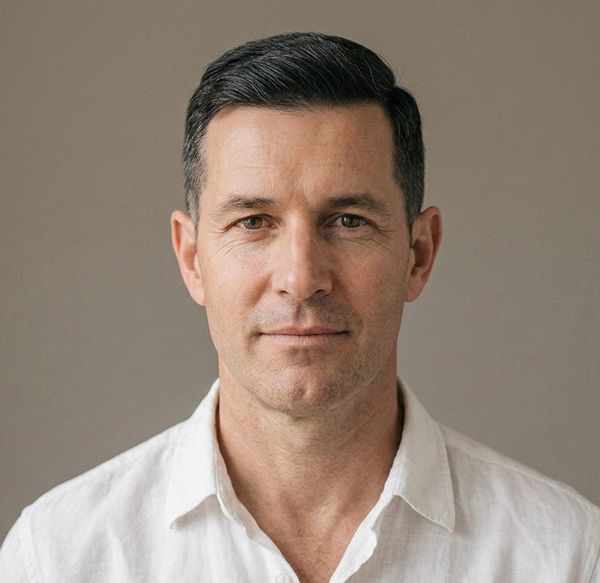
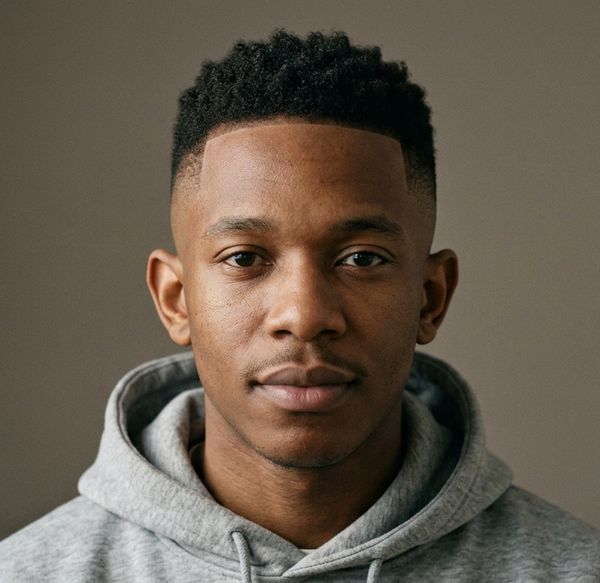
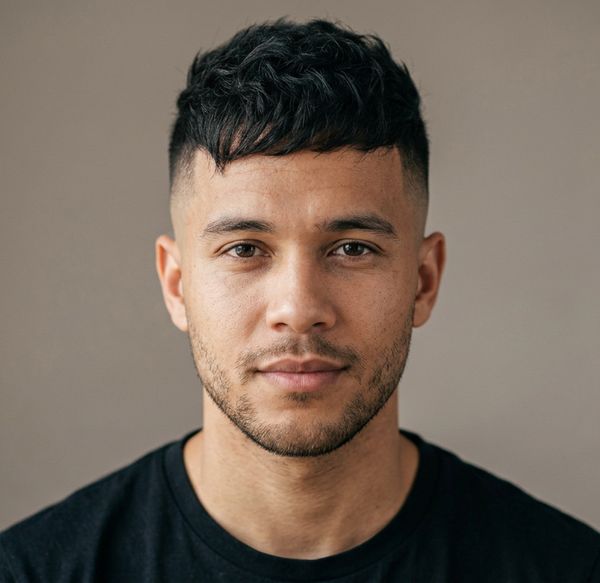


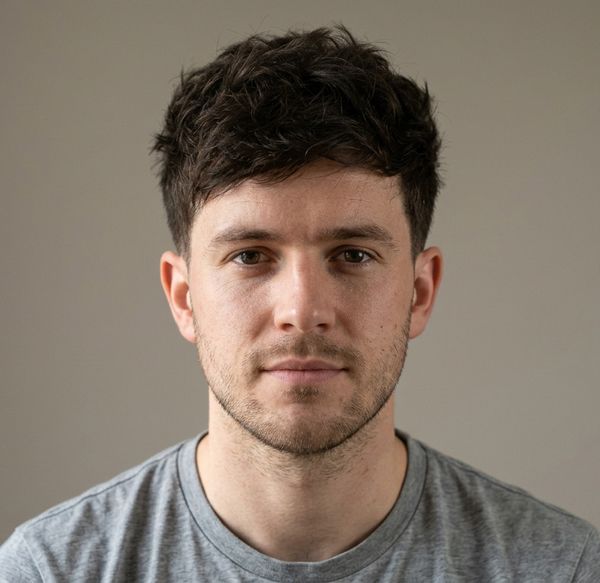

5 £ de descuento en tu primer envío
A fresh cut looks sharpest with a clean neckline and tidy sideburns. A sharp blade keeps them that way between visits without the razor burn.
5 £ de descuento en tu primera suscripción o pedido VIP: una oferta por cliente; puedes darte de baja con un solo clic.
Height and depth
Every fade can be described with two words, and once you know them the names stop being confusing.
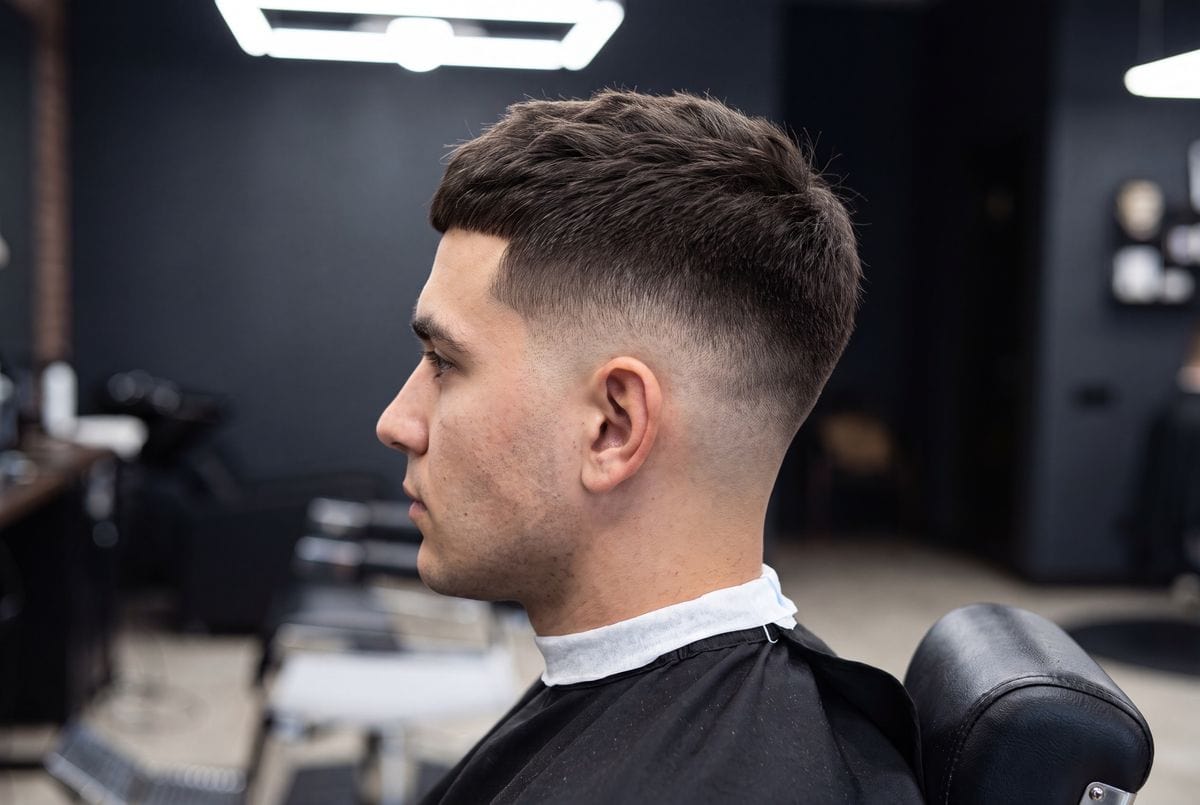
Height is where the blend starts. A low fade starts just above the ear. A mid fade starts around the temple. A high fade starts up near the corner of the head, where the side turns into the top.
Depth is how short the bottom goes. A standard fade usually finishes at a grade 0 or a half grade. A skin fade goes right down to bare skin with a foil shaver or a razor.
So a "high skin fade" is a fade that starts high and finishes on skin. A "low fade" with nothing else said will usually finish at a grade 0 or half. The shape of the line, curving round the ear or dropping behind it, gives you the burst and the drop.
The types of fade
Desvanecimiento leve
En desvanecimiento bajo starts just above the ear and keeps the shortest part close to the neck and ears. It is the most understated fade, it grows out the slowest and it leaves enough length on the sides to carry a longer top.
Fade medio
The mid fade starts around the middle of the side, level with the temple. It is the middle ground, with clear contrast from the front but nothing dramatic, and it is the one most barbers default to if you just ask for "a fade". It is covered alongside the low fade on that page, because the two are mostly a matter of a couple of centimetres.
High fade
En high fade starts near the top of the side and takes almost everything below it down short. It gives the most contrast against the top and shows the shape of the head clearly. It suits thick hair, short tops and anyone who is happy to be back in the chair every fortnight.
Desvanecimiento de la piel
A skin fade, also called a bald fade, can start at any height. What defines it is the finish. The bottom goes to bare skin, which gives the sharpest contrast of any fade and the shortest life, as stubble starts to show within a few days.
Burst fade
En burst fade curves in a semicircle around the ear and leaves the hair at the back of the neck longer. It is the fade for curly tops, a strip of length down the middle or a modern mullet, where you want the sides tight and the back kept.
Drop fade
En drop fade follows the line of the head. It starts higher at the temple and drops down behind the ear towards the nape, in an arc. It follows the natural curve of the skull instead of cutting a level line round it, which suits a lot of head shapes better than a straight fade.
Taper
The taper only shortens the hair at the edges of the hairline, the sideburns and the nape, and leaves the rest of the sides with some length. It is the gentlest member of the family. The desvanecimiento cónico page covers it and its own low, mid and high versions.
Where each fade starts
| Fade | Where it starts | Bottom length | Contrast | Back in the chair |
|---|---|---|---|---|
| Taper | Sideburns and nape only | Grade 0 to 1 | Bajo | Every 3 to 4 weeks |
| Desvanecimiento leve | Just above the ear | Grade 0 or half | De baja a media | Cada 2 o 3 semanas |
| Fade medio | Around the temple | Grade 0 or half | Medio | Cada 2 o 3 semanas |
| High fade | Near the top of the side | Grade 0 or skin | Alto | Every 2 weeks |
| Desvanecimiento de la piel | Any height | Bare skin | Más alto | Cada 1 o 2 semanas |
| Burst fade | An arc around the ear | Grade 0 or skin | Medium to high | Cada 2 o 3 semanas |
| Drop fade | Temple, dropping behind the ear | Grade 0 or skin | Medium to high | Cada 2 o 3 semanas |
Treat the intervals as a guide. The closer to skin and the higher the start, the faster it shows growth.
Fade vs taper vs undercut
These three get mixed up more than anything else in a barber's shop, and the difference matters because the results are nothing alike.
A fade takes the whole of the sides and back down gradually, blended from short at the bottom to longer higher up. There is no visible line anywhere.
A taper does the same thing on a much smaller area, at the edges of the hairline only. The rest of the sides keep length, so it looks more traditional and grows out more gently.
Un undercut has no blend at all. The sides are clipped to one short length and the top is left long, with a clear line where they meet. The undercut page goes into it. It is often confused with a high fade because both leave the sides very short, but an undercut looks like two haircuts sitting on top of each other, and a fade looks like one.
The simplest test is to look at the side of the head from a metre away. If you can see a line, it is an undercut. If you cannot see where the short hair ends, it is a fade. If the sides look normal until you get to the ear, it is a taper.
Picking one
Start with how often you will go back. A skin fade cut every four weeks spends three of them looking grown out. A low fade on the same schedule looks fine throughout.
Then think about your hair. Fine straight hair shows the blend clearly, which looks great when fresh and patchy when rushed, so pick a good barber over a quick one. Thick, curly and coily hair hides the blend well and tends to suit the higher fades, because they stop the sides growing out wide. The hairstyles by hair type page has more on that.
If you are thinning at the temples, a high fade takes away the hair that was hiding it. Keep it low, or look at the haircuts for balding men page first.
And if you only want a fade because you want short sides, a short back and sides by scissor over comb might be what you are actually after. You can see how it compares with the rest in the men's hairstyles directory.
Asking for a fade
Tell the barber three things. The height, low, mid or high. The depth, a grade 0, half or skin. And what you want on top, in terms of how much to take off.
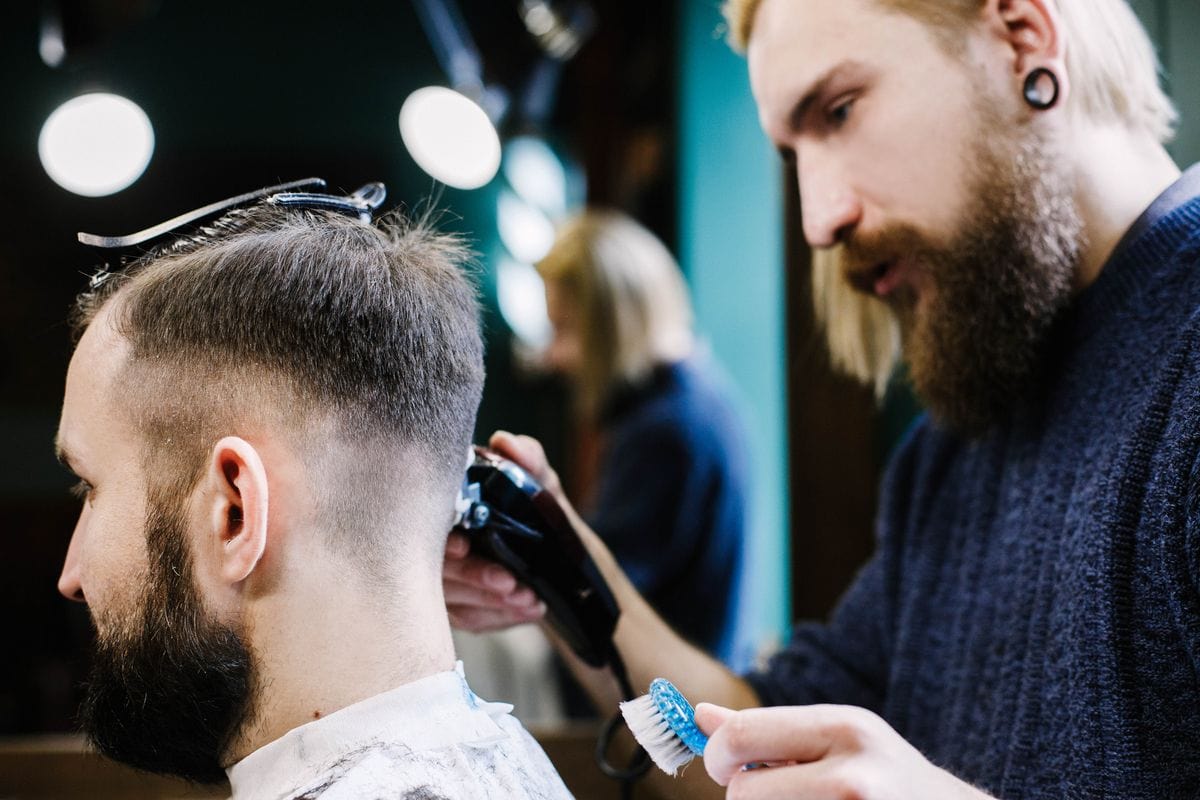
Say how you want the neckline finished, tapered or squared, and if you want a line-up at the front or the natural hairline left as it is. A photo of the side and back helps more than any amount of description.
Frequently asked questions
What are the different types of fade?
The main types are the low, mid and high fade, which describe where the blend starts, and the skin fade, which describes how short it goes. The burst and drop fades describe the shape of the line around the ear. The taper is a gentler cousin that only shortens the edges.
What is the difference between a fade and a taper?
A fade shortens the whole of the sides and back. A taper only shortens the hair at the edges of the hairline, around the ears and the neck, so the sides keep their length and the cut looks more traditional.
What is the difference between a skin fade and a normal fade?
The bottom length. A normal fade finishes at a grade 0 or a half grade, which leaves a shadow of hair. A skin fade is taken down to bare skin with a foil shaver or razor.
Which fade lasts the longest?
The low fade and the taper. They start low and keep the shortest hair to a small area, so new growth takes longer to show. A high skin fade looks grown out first.
Is a mid fade the same as a medium fade?
Yes. Barbers use mid and medium for the same thing, a fade that starts around the temple, between a low and a high fade.
Otras formas de acotar la búsqueda
Taper Fade Haircuts
Low, mid and high tapers, and how they differ from a full fade.
3 stylesBuzz Cut Lengths and Clipper Grades
Grade 1 to grade 4, and the short cuts built on them.
5 estilosMedium and Long Hairstyles for Men
Cuts that need length on top, at the front or at the back.
7 stylesMen's Hairstyles by Hair Type
Which cuts suit straight, wavy, curly, coily, thick and fine hair.
11 stylesClassic Men's Haircuts
Barbershop standards that have outlasted every trend.
6 stylesHaircuts for Balding and Thinning Hair
Short cuts that make thinning hair look deliberate.