
Undercut
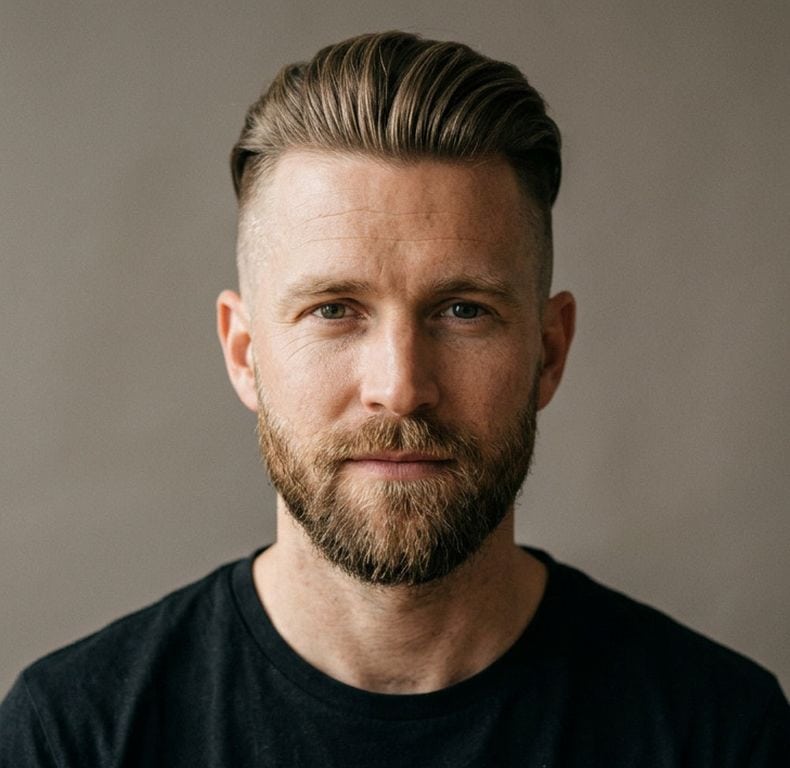
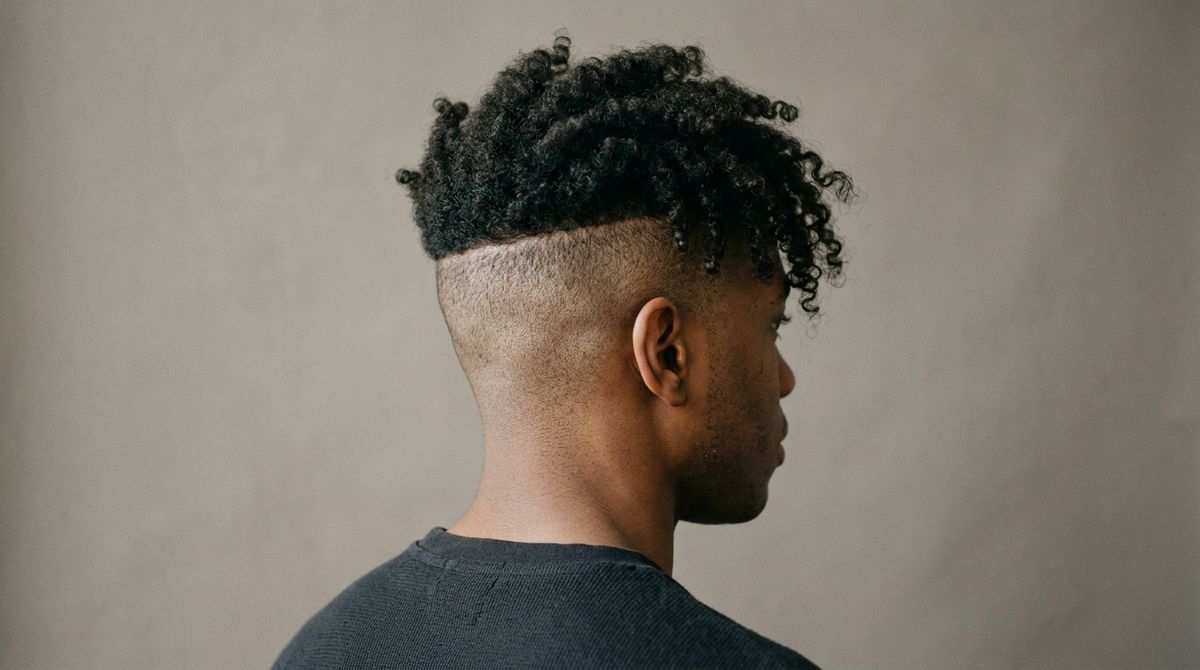
Short sides with a hard line where they stop, and a long top that sits over them.
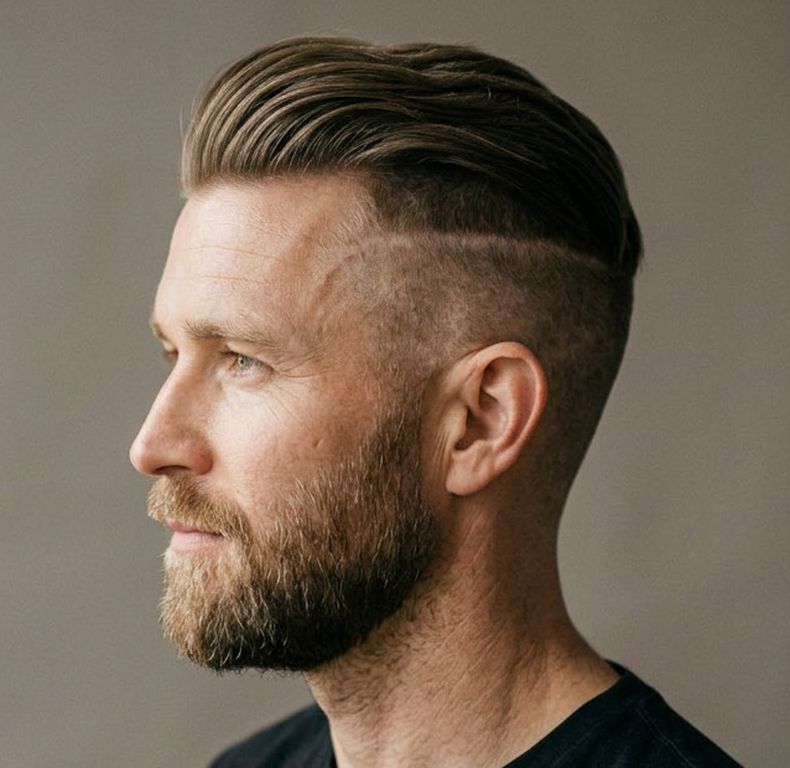
An undercut is a haircut with short sides and back, usually clipped to a single grade, that stop at a hard line with a much longer top falling over them. There is no blend between the two. The step from short to long is the whole look, and it is what separates an undercut from a fade. It is one of the longer-topped cuts in the men's hairstyles directory.
De un vistazo
- También se conoce como
- Disconnected undercut
- Sides
- One short grade, often a grade 1 to 2, up to a hard line
- Top
- 8 to 15cm, swept back or to the side
- Where it starts
- A disconnected line at the top of the sides, with no blend
- Mantenimiento
- Sides every 2 to 3 weeks; top much less often
- Lo mejor en
- Oval and square faces, thick hair
- Evítalo si
- You want a cut that grows out gracefully
- Popularised by
- Cillian Murphy (as Tommy Shelby in the early series of Peaky Blinders), Brad Pitt (as Wardaddy in Fury (2014))
5 £ de descuento en tu primer envío
A fresh cut looks sharpest with a clean neckline. A sharp blade keeps it that way between visits, without the razor burn a blunt one leaves.
5 £ de descuento en tu primera suscripción o pedido VIP: una oferta por cliente; puedes darte de baja con un solo clic.
How to ask your barber
- Ask for an undercutSay disconnected: one short length on the sides with no blend into the top.
- Give the side gradeA grade 1 or 2 is common.
- Show where the line goesUsually the top of the sides. Point to it.
- Leave the topAsk for the top trimmed only, and say how you wear it.
Las variaciones
The same cut, worn differently. What changes is the length, where the short part starts and how the top is styled.
Will it work with your hair?
Hair type decides how a cut sits and how fast it loses its shape. The table below is the short version.
| Straight | Ideal | The long top falls cleanly over the line. |
|---|---|---|
| Wavy | Ideal | Waves add texture to the top. |
| Curly | Obras | Curls on top need length to fall over the line. |
| Coily | Obras | Works with length on top. Ask for a crisp line. |
| Grueso | Ideal | Takes the weight off the sides. |
| Fine or thinning | Evita | Short sides and a heavy top show thin areas. |
¿Te quedará bien con tu rostro?
Where a cut adds height and where it takes width away decides how it sits with your face shape. Hair type matters more, but this is the short version.
| Oval | Ideal | Balanced proportions, so the cut itself decides. |
|---|---|---|
| Redondo | Obras | Add a little lift at the front so it does not sit flat and wide. |
| Cuadrado | Ideal | A neat parting suits a defined jaw. |
| Oblongo | Obras | Wear the top swept to the side rather than lifted. |
| Corazón | Ideal | A side parting breaks up a broad forehead. |
| Diamante | Obras | A parting with some fullness on top works. |
Beard styles that go with it
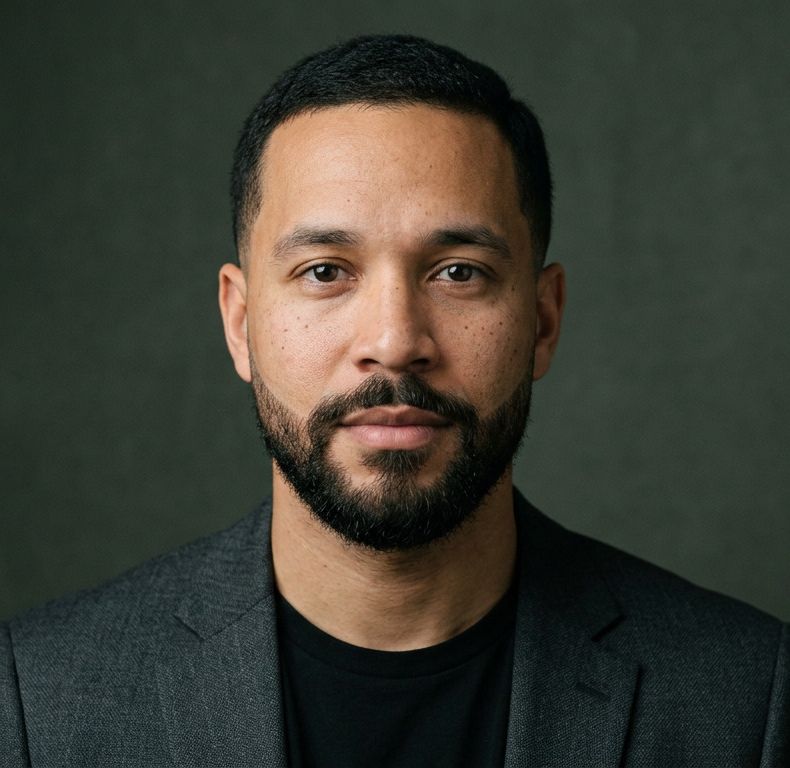
Hair and beard are one outline. These keep the proportions right with this cut.


What an undercut is
The sides and back are clipped short, often a grade 1 or 2 (3 to 6mm), all the way up to roughly where the side of the head turns into the top. Then they stop. Everything above that line is left long, typically 8cm or more, and sits over the short hair like a lid.
That hard line is called a disconnect, which is why the cut is often called a disconnected undercut. Strictly, a classic undercut is always disconnected. The longer name just makes the point clearly when you are in the chair.
Lift the top and you can see the line. Let it fall and the long hair covers it, so from some angles an undercut looks like a long cut with tidy sides. Comb the top back or to one side and the contrast shows.
Undercut vs fade
This is the question most people need answered, and the difference is simple.
A fade blends. The sides get gradually shorter towards the bottom, with no visible step anywhere, and the top of the fade merges into the top of the head.
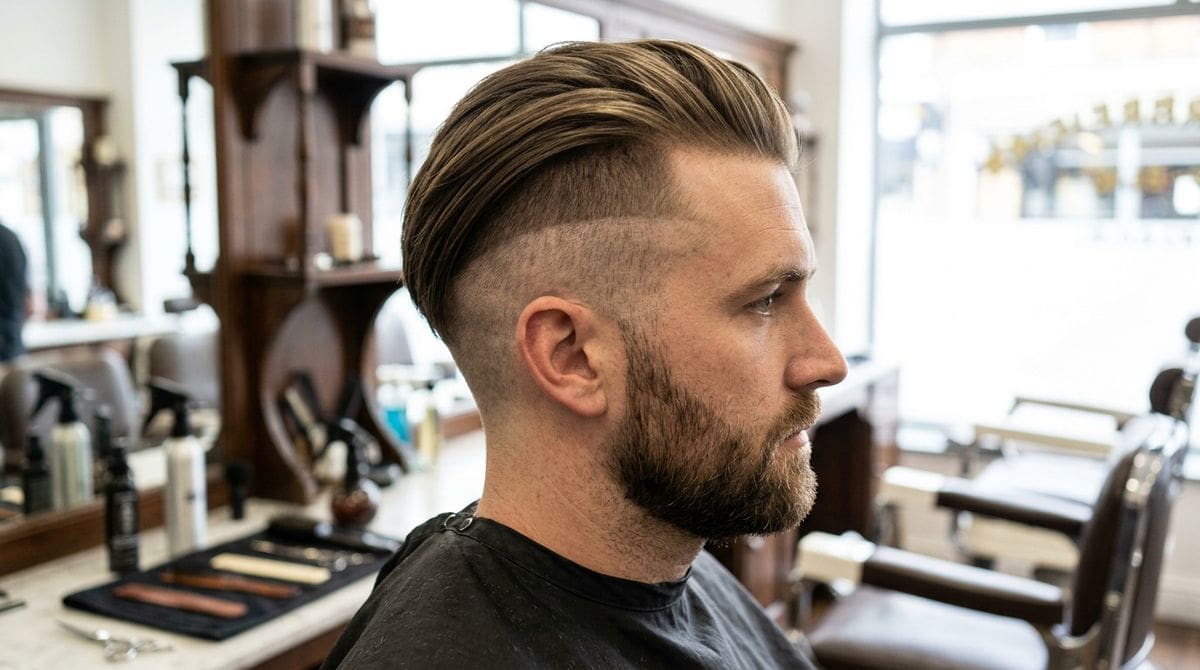
An undercut does not blend. The sides are one length, and there is a clear step where they meet the top.
Some barbers now cut a faded undercut, where the sides are faded from short at the bottom to longer at the top, and then still stop at a hard line under a long top. It looks less stark. It is still an undercut, because the disconnect is still there. If you want a cut with no step at all, you want a fade, and the types of fade page explains the options.
The practical difference shows when it grows out. A fade softens gradually. An undercut grows out into a shelf, because the sides are trying to catch up with a top that is many times longer.
Who an undercut suits
Hair type. Thick hair is the natural fit. The undercut takes the weight off the sides, which is where thick hair causes the most trouble, and leaves plenty on top to style. Straight hair falls cleanly over the line. Wavy hair adds texture to the top. Curly and coily hair work if the top is long enough to fall over the line rather than sit up off it, and a crisp edge helps.
Fine or thinning hair. Usually the wrong choice. Short sides under a long, heavy top draw attention to any thin areas on top, and a long top separates and shows the scalp. A shorter cut serves better, and haircuts for balding men covers the options.
Face shape. Oval and square faces carry it most easily. On a round face, combing the top up and back adds height and helps. On a long face, wearing the top swept to the side rather than straight up avoids adding more length.
Work. Combed neatly, a classic undercut with grade 2 sides passes in most offices. A very short skin-close version with a high contrast is louder. A grade 3 on the sides softens the whole thing.
Avoid it if you want a cut that grows out gracefully. It does not.
How long the top needs to be
This decides what you can do with it.
Short undercut, around 5cm. Enough for a textured top pushed forward or a small quiff. Quick, and the contrast is modest.
Classic undercut, 8 to 15cm. The usual length. Long enough to slick back, sweep to the side or push up into a pompadour. This is the version most people mean.
Long undercut, 15cm and over. Long enough to tie up into a knot at the crown. The sides stay short under it. Growing to this length from scratch takes well over a year, because hair grows about 1cm a month. For longer cuts generally, see medium and long hairstyles.
How to ask a UK barber for an undercut
- Ask for an undercut, and say disconnected. "A disconnected undercut, one length on the sides, no blending into the top." This stops a barber helpfully fading it.
- Give the side grade. A grade 1 (3mm) or grade 2 (6mm) is common. A grade 0 (no guard, about 0.5 to 1mm) is harsher. A grade 3 (9mm) is softer and more office-friendly. If you want a faded undercut, say so, and give the bottom and top grades.
- Show where the line goes. Usually the top of the sides, where the head starts to curve over. Point to it. Too low and the top will not cover it, too high and the top looks like it is perched on.
- Say what to do with the top. If you are keeping the length, ask for the top trimmed only and say how you wear it, back, to the side or up. A barber cuts a top differently depending on which way it will sit.
Also decide on the back. The undercut can run all the way round, or stop at the crown so there is more length at the back. And say whether you want a natural or squared neckline.
Styling an undercut
An undercut needs styling. The sides look after themselves, but a long top left alone just hangs.
Slicked back. Work a cream or light pomade through damp hair, comb it straight back, and blow-dry it in place for hold. The classic version. Full method on the slick back página.
Side swept. Part it on one side and comb it over. Softer, and better on a long face.
Pompadour. Blow-dry the front up and back with a round brush, then set it with a stronger clay or paste. Takes the longest. The quiff is the shorter, easier cousin.
Textured. Matte clay rubbed through dry hair with your fingers, left slightly messy. Best on wavy hair.
Curly. Curl cream on damp hair, scrunch, and let it dry. Do not brush it once dry.
Most undercut styles take two to five minutes. Start with less product than you think you need.
Upkeep and how often to cut an undercut
Two different timetables.
Sides every two to three weeks. Regrowth on short sides softens the line, and the line is the point. Some barbers will do a sides-only tidy between full cuts.
Top every six to eight weeks, or less often if you are growing it. A trim to take the ends off and keep the shape.
Between cuts, a clipper tidy on the neckline at home buys a few extra days. The line itself is best left to the barber.
Variations and growing it out
- Slicked back. Long top combed back. The classic.
- Side swept. Top swept to one side. Softer.
- Faded undercut. Sides faded rather than one grade, still disconnected at the top. Less stark.
- Undercut with a knot. Top long enough to tie. Sides stay short.
- Hard part undercut. A parting shaved in with a razor or trimmer for a sharper line.
Growing out an undercut is the hard part. With grade 1 sides and a 10cm top, the sides need the best part of a year to catch up. The middle stage is the awkward one, when the sides stick out under the top like a shelf.
The way through is gradual. Let the sides grow, and at each visit ask the barber to blend the bottom of the top into the sides so the step gets smaller. A few months in, it starts to look like an ordinary longer cut.
Preguntas que nos hacen
What is the difference between an undercut and a fade?
A fade blends the sides from short to long with no visible step. An undercut keeps the sides at one short length and stops at a hard line, with a long top over it. If you can see a clear step between the sides and the top, it is an undercut.
What are the downsides of an undercut?
It grows out badly, because the sides take months to catch up with the top. It needs daily styling, since a long top left alone just hangs. And the sides need cutting every two to three weeks to keep the line clean.
How long does your hair need to be for an undercut?
At least 5cm on top for a short version, and 8 to 15cm for a classic undercut you can slick back or sweep to the side. The sides can be cut short on the day, so it is only the top you need to grow.
What grade is an undercut?
Most undercuts use a grade 1 (3mm) or grade 2 (6mm) on the sides. A grade 0 is harsher and a grade 3 (9mm) is softer. The top is usually scissor cut and left long.
How long does it take to grow out an undercut?
Months. Hair grows roughly 1cm a month, so short sides need many months to reach the length of a long top. Ask the barber to reduce the step a little at each visit and the awkward stage passes sooner.
Does an undercut work on curly hair?
Yes, if the top is long enough to fall over the line rather than spring up off it. Ask for a crisp edge on the sides, use curl cream on damp hair, and keep heavy product off the roots.
Other classic cuts
Close relatives, and how they differ.