
The Colonel’s Journal / Hair and skin
How Fast Does Hair Grow? (and How To Make It Grow Faster)
Last updated on

Hair grows about half an inch a month on average, but diet, stress, genetics and more all affect how fast yours grows. Here’s what speeds it up, what slows it down, and what you can do about it.
Key Takeaways
- On average, hair grows about half an inch (approximately 0.01 inch per day) each month, but this rate varies depending on genetics, age, hair type, and environmental factors.
- The hair growth cycle consists of three phases: anagen (growth phase), catagen (transition phase), and telogen (resting phase), which collectively influence overall hair health and growth rate.
- A well-balanced diet rich in essential nutrients like biotin, vitamin D, iron, and enough protein helps healthy hair growth and prevents nutritional deficiencies that can cause hair shedding.
- Stress and hormonal changes can shift hair follicles into the resting (telogen) phase prematurely, leading to increased hair loss and slower hair growth.
- Regular scalp care, including cleansing to remove product buildup and using a conditioner, keeps your scalp healthy and your hair less prone to breakage.
- Avoiding excessive heat tools and protecting hair with heat protectants can prevent breakage and damage to the hair shaft.
- While genetics largely determine hair growth rate and length, adopting healthy hair care practices and managing lifestyle factors can help your hair grow as well as it can.
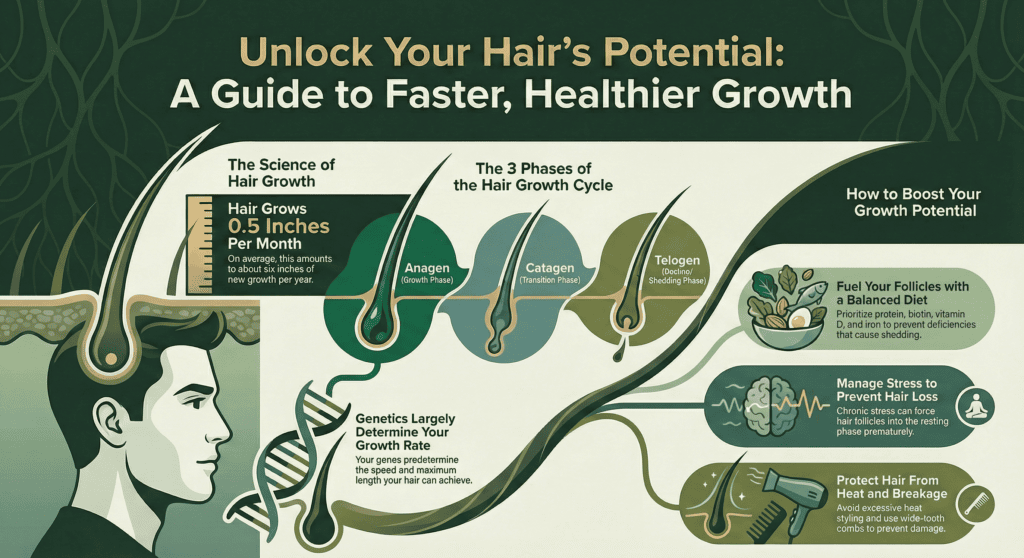
What factors affect hair growth and how fast your hair grows?
How does diet impact hair growth rate?
Your diet affects how fast your hair grows. Consuming a balanced diet rich in vitamins, minerals, and proteins is essential for healthy hair growth. Nutrients like biotin, vitamin D, iron, and omega-3 fatty acids support each hair follicle, which affects how fast your hair grows. Deficiencies in these essential nutrients can result in slow hair growth and even hair shedding. So eating well is one of the best things you can do for your hair.
Can stress affect hair growth?
Yes, stress can slow your hair growth. When you are stressed, the body goes into survival mode, prioritising essential bodily functions over hair growth. Chronic stress can lead to conditions like telogen effluvium, where more hair follicles enter the telogen phase earlier than normal, resulting in increased hair shedding and slower hair growth. Managing stress can promote healthy hair growth by keeping more hair follicles in the growth phase.
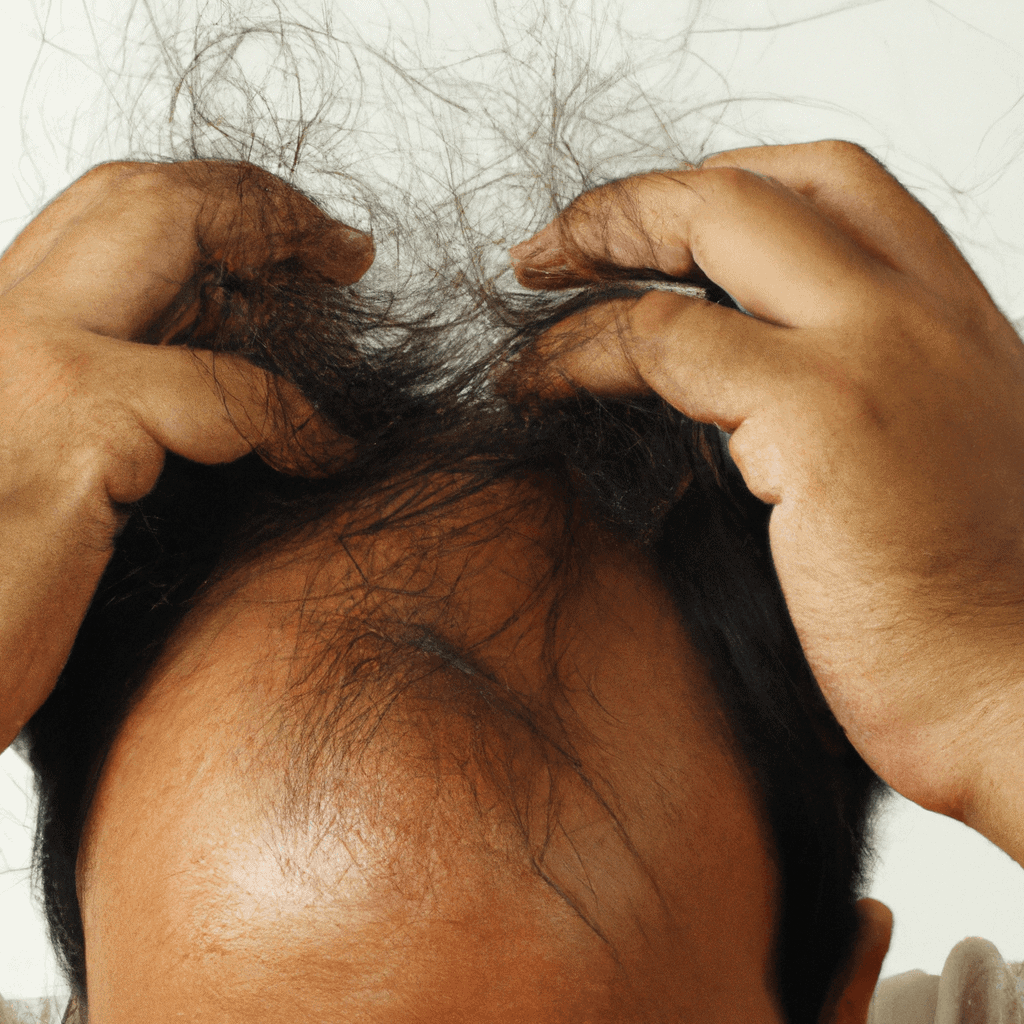
Are genetics a factor in how fast your hair grows?
Genetics largely decide how fast and how long your hair can grow. The hair growth cycle, including the anagen and telogen phases, is genetically predetermined, dictating how long and fast your hair grows. As people age, their hair follicles begin producing thinner hair at a slower pace. While you can’t change your genetics, knowing how much they matter can help you set realistic expectations and focus on factors within your control, such as diet and stress management.
How much does hair grow in a month?
What is the average hair growth rate per month?
The average hair growth rate per month is generally about half an inch, which translates to approximately 0.01 inch per day. However, this can vary based on several factors, including age, health, and genetic makeup. Different types of hair tend to grow at different rates, so individual experiences may vary.
How can you measure your hair growth?
You can use a ruler or tape measure to note the length of a specific section of hair at the beginning of a month and compare it at the end. For more precision, consider marking the hair shaft to identify exact growth. Regularly measuring your hair growth rate can also help you determine if particular treatments or lifestyle changes affect hair growth positively.
Are there any techniques to make hair grow faster within a month?
Honestly, not much will change your growth rate in a month. Scalp massage is worth a go: one small study of nine men found four minutes a day made hair slightly thicker after 12 to 24 weeks, but that is a tiny study. Be wary of shampoos that promise faster growth, as there is little evidence behind them. What does help is avoiding heat-styling tools and chemical treatments, which cuts breakage so you keep more of the length you grow.

How long does hair grow in a year?
What is the typical yearly hair growth rate?
Over the course of a year, hair typically grows about six inches. This can vary with your age, health and genetics. For optimal yearly hair growth, frequent trimming to get rid of split ends and maintaining a healthy scalp and hair care regimen are recommended.
Are there seasonal variations in hair growth throughout the year?
Possibly, but the effect is small. Some research has found more hairs in the growing phase in spring and summer and a bit more shedding in autumn. Why that happens isn’t clear, and it is not something you would notice day to day.
How can you maintain healthy hair growth over a year?
Maintaining healthy hair growth over a year involves a combination of proper hair care practices and a balanced lifestyle. Regularly trimming your hair to remove split ends, avoiding excessive heat and chemical treatments, and ensuring your diet includes nutrients essential for healthy hair all help. A good conditioner helps too, and a regular scalp massage won’t do any harm.
What are the phases of the hair growth cycle?
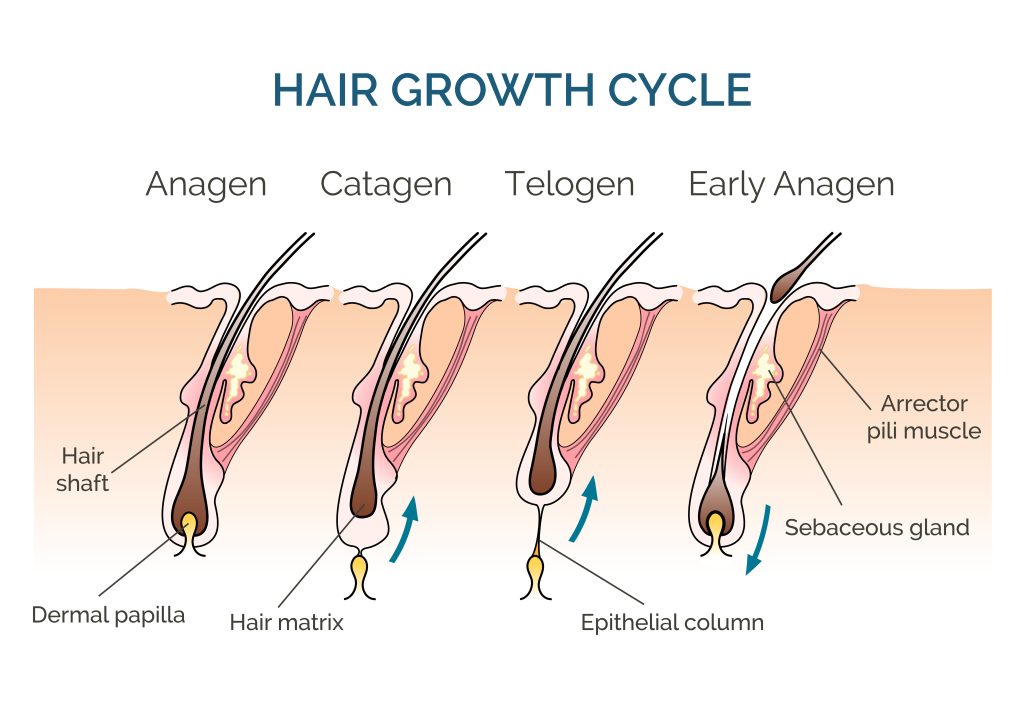
What happens during the anagen phase?
The anagen phase is the growth phase in the hair growth cycle, lasting between two to seven years. Most hair growth occurs during this phase, as hair cells in the root divide rapidly, leading to continued hair growth. The length of this phase varies among individuals and determines how long hair can grow. A longer anagen phase results in longer hair, which matters if you want to grow your hair long.
What is the telogen phase and its impact on hair shedding?
The telogen phase is the resting phase in the hair growth cycle, lasting about three months. During this phase, hair follicles stop producing new hair, and the hair roots rest. This phase ends in hair shedding, making way for new hair growth to begin. An extended telogen phase can result in more significant hair shedding, affecting overall hair density.
How does the hair growth cycle affect overall hair health?
The hair growth cycle, comprising the anagen, catagen, and telogen phases, shapes your overall hair health. Understanding it helps you spot what is behind hair thinning, breakage, or loss.
How can you promote healthy hair growth and prevent hair loss?
What are the best practices for a healthy scalp?
A healthy scalp is essential for promoting hair growth and preventing hair loss. Regularly cleansing with a gentle shampoo ensures that your scalp remains free from build-up and clogged follicles. Keeping your scalp moisturised can prevent flaky, dry skin, which could impede hair growth.
How does biotin contribute to hair thickness and growth?
Biotin, also known as vitamin B7, is essential for healthy hair. Your body uses it to make keratin, the protein hair is made of. If you are genuinely low on biotin, fixing that can help your hair, but most people get enough from food, and there is little evidence extra supplements help if you aren’t deficient.
Can specific shampoos help in promoting hair growth?
Not really. Shampoos with biotin, keratin or essential oils can leave hair feeling stronger and may reduce breakage, but there is little good evidence they make hair grow faster. A gentle shampoo that keeps your scalp clean is what matters. If you are losing hair, a GP or pharmacist can tell you about treatments that do have evidence behind them.
Tips for preventing hair breakage and thinning
Preventing hair breakage and thinning requires adopting several good practices. Avoiding excessive use of heat-styling tools and chemical treatments helps reduce brittleness. Using a wide-tooth comb to detangle wet hair minimises the risk of breakage. Incorporating a balanced diet rich in essential nutrients can also strengthen hair from the inside out, while regular trims remove damaged ends.
Missed a spot?
More from Hair and skin

How to Get Rid of Ingrown Hairs (and Get One Out Safely)
An ingrown hair is a hair that has curled back or grown sideways into the skin instead of coming straight out of the hair...

Strawberry Legs: What Causes Them and How to Get Rid of Them
Strawberry legs are the tiny dark dots that show up across your shins and thighs, usually most obvious a day or so after you...

Razor Burn: What It Is and How to Get Rid of It
Razor burn is the hot, stinging redness that turns up within minutes of a shave.