
The Colonel’s Journal / Hair and skin
Different Hair Types For Men: The Ultimate Guide
Last updated on

Knowing your hair type makes it far easier to manage and style what you’ve got. Straight, wavy, curly and coily hair each need their own care and styling to look their best. Here are the hair types from Type 1 to Type 4c, the science behind them, and practical tips for styling and care, so you can make the most of what nature gave you.
Key Takeaways
- Hair types for men are categorised into four main groups: straight (Type 1), wavy (Type 2), curly (Type 3), and coily (Type 4), each with unique curl patterns and care needs.
- The shape of the hair follicle and hair porosity, which refers to the hair’s ability to absorb and retain moisture, are key factors determining hair type and health.
- Understanding your specific hair subtype (e.g., 2c, 3b, 4a) helps you tailor your hair care routine and styling.
- Straight hair tends to be oily and may require more frequent washing, while wavy hair benefits from hydration and frizz control.
- Curly and coily hair types are typically drier, more prone to breakage, and need regular deep conditioning and protective styling to maintain healthy hair.
- Using the right products designed for your hair type and minimising heat styling can preserve hair health and enhance natural texture.
- Hair texture and type can change over time due to factors like ageing, environment, and hair damage, so reassess your hair care routine every so often.
What Does Hair Type Mean for Men?
Exploring the Science Behind Hair Typing
The concept of hair typing is rooted in the science of the hair strand, hair shaft, hair follicle shape, and the curl pattern of an individual’s hair. A person’s hair type is determined by the shape of the hair follicle and how the hair strands grow from the scalp.
Straight hair types have round follicles, while curly and coily types tend to have more oval or asymmetrical follicles. Hair porosity, which refers to the hair’s ability to absorb and retain moisture, also affects how you should care for it.
Decoding the Chart: From Type 1 to Type 4c
The hair type chart categorises hair into four main types: Type 1 for straight hair, Type 2 for wavy hair, Type 3 for curly hair, and Type 4 for coily or afro-textured hair. Within these categories, there are subtypes (e.g., 2c, 3b, 4a) that further define the curl pattern, hair density, and strand thickness.
Type 2 hair can range from loose waves to defined curls. Identifying whether your hair is, for instance, type 2c with strands that are prone to frizz, or type 4c with tight coils that are prone to dryness, changes how you care for and style your hair. Type 3 hair includes various curl patterns, such as loose curls and bouncy curls.
How Knowing Your Hair Type Can Transform Your Style
Once you know your hair type and subtype, you can pick the right hair products, from shampoos and conditioners to styling agents, designed for your hair’s unique needs.
You’ll avoid common hair care mistakes, such as over-washing type 4 hair or under-moisturising type 2 hair, and embrace techniques that enhance your natural curl pattern, volume, and hair health.
Go easy on heat styling tools too, as they damage hair and dull its shine.

From Straight to Coily: Navigating Through Four Types of Hair
The Essentials of Hair Type 1 and Straight Hair Care
Type 1 hair, or straight hair, is characterised by its sleek and oily nature. Daily or frequent washing might be necessary to prevent the oily look, but choose a shampoo that doesn’t strip natural oils.
Straight hair is typically soft and easy to comb or brush but can also be prone to oiliness and flatness. For men with straight hair, lightweight conditioners and occasional use of hair oils can maintain the hair’s natural shine without weighing it down.
Wavy Hair – Type 2 Hair
Type 2 hair, or wavy hair, sits between straight and curly, so it’s versatile to style. Embracing the natural waves involves using hair products that enhance the curl pattern without causing frizz.
Hydrating shampoos and conditioners, along with mousse or lightweight styling creams, can help manage and define wavy hair.

Curly Hair (Type 3) vs. Coily Hair (Type 4)
The defining feature of curly (Type 3) and coily (Type 4) hair types is the tightness of their curl patterns. Kinky hair, which falls under the coily hair spectrum, is characterised by tight, springy curls that require ample moisture to maintain definition and prevent breakage, frizz, and tangling.
Curly hair is typically thicker than straight or wavy hair and tends to be drier. These hair types often struggle with moisture retention and are prone to dryness and hair damage. Deep conditioning treatments, heavier creams, and oils are often necessary to maintain hair health.
Protective styles can also prevent hair damage and promote growth. Understanding the specific needs of your curly or coily hair will help in choosing the right products and styles that suit your hair texture.

Curly, Wavy, or Coily: How to Find Your True Hair Type
Visual Guide and Chart for Identifying Your Hair Type
Identifying your hair type is the first step in understanding how to properly care for and style your hair. Visual guides and detailed charts that take into account curl patterns, strand width, and overall hair density can help you pinpoint your hair type.
These resources often include comparisons and images that provide a visual frame of reference, from the subtle waves of 2a hair to the tight coils of 4c hair.
Why Knowing Your Subtype (e.g., 2c, 3b, 4a) Matters
While general hair types provide a broad understanding, the subtypes let you fine-tune your hair care and styling.
Each subtype has its own traits. For instance, 3c curls are tighter and thicker than 3b curls, so they may need different products or routines to stay healthy and look good.
Curly hair should not be combed or brushed when dry to prevent breakage. Knowing your subtype allows for a personalised hair care plan that targets your specific needs.
Common Misconceptions and Mistakes in Hair Typing
One common mistake in hair typing is assuming that a person’s hair falls into a single category. Many men find that their hair exhibits characteristics from different types or subtypes, leading to a mixed hair type that may require a combination of care and styling techniques.
Hair texture can change over time due to factors like hair damage, diet, or ageing, making it important to periodically reassess your hair type and adapt your hair care regimen accordingly.
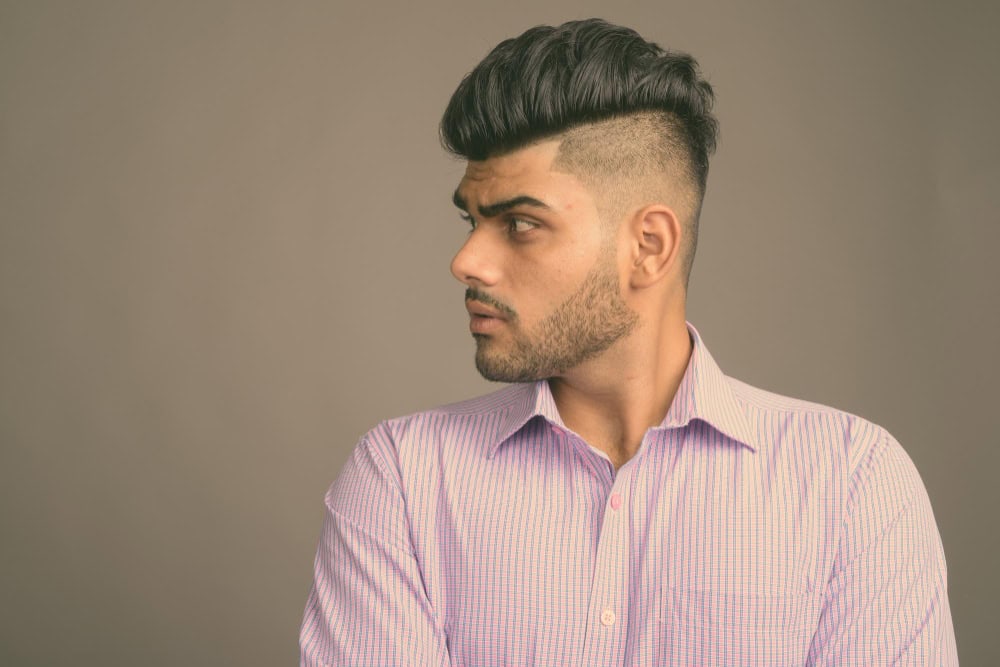
Managing and Styling Hair: Tips for Every Hair Type
Daily Routines for Healthy Hair: Type 1 to Type 4
A daily hair care routine tailored to your hair type can improve its health and appearance. For type 1 hair, limiting washes and using light products can prevent oil buildup. Type 2 and 3 hair types benefit from regular hydration and the use of defining products.
Type 4 hair needs deep conditioning treatments and protective styling. Whatever your hair type, minimising heat styling and chemical treatments can prevent unnecessary damage.
Choosing the Right Products: From Shampoos to Conditioners
Look for shampoos, conditioners, and styling products that cater to your specific hair type’s needs. For example, sulfate-free shampoos are ideal for curly and coily hair types to prevent dryness, while volumising products are better suited for those with straight or fine hair.
Reading product labels and understanding the ingredients can help you make informed decisions about what to use on your hair.
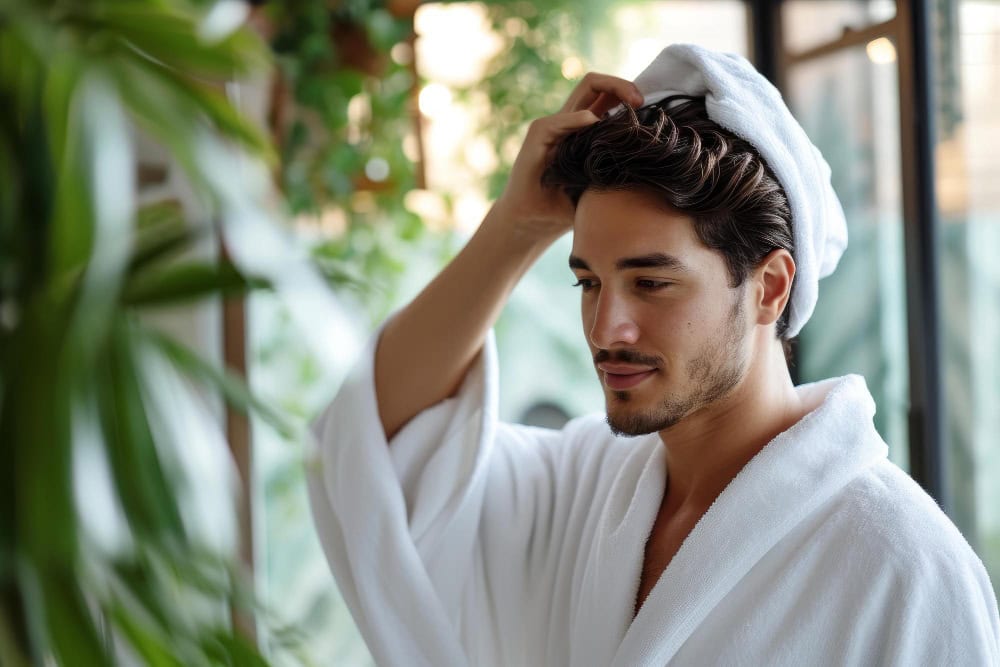
Styling Tips: Making the Most of Your Natural Hair Type
Styling your hair should enhance its natural texture and health. Men with straight hair may opt for minimal styling products to maintain hair’s natural movement.
For those with wavy or curly hair, products that define curls and control frizz, such as curl creams or sea salt sprays, can bring out your hair’s natural texture.
Twists and braids protect coily hair and give you plenty of styling options. Experiment with different styles and products to discover what works best for your hair.
Dealing with Hair Challenges: Hair Loss to Dryness Across Hair Types
Preventing and Addressing Hair Loss for All Hair Types
Hair loss is a common concern for men across all hair types. Factors such as genetics, stress, and improper hair care can contribute to thinning hair.
Using gentle, fortifying shampoos, avoiding tight hairstyles that pull on the hair, and incorporating scalp massages into your routine can promote hair health and minimise hair loss. In some cases, consulting with a dermatologist may provide additional insight and treatment options.
Combating Dryness: Special Care for Curly and Coily Types
Curly and coily hair types are especially prone to dryness due to their structure, which hampers the scalp’s natural oils from coating the entire hair strand. Coily hair is characterised by a tight, springy curl pattern and is the most prone to breakage of all hair types.
Intensive hydrating treatments, such as weekly deep conditioning sessions and the use of leave-in conditioners, can help lock in moisture. Sealing hair with light oils after washing can maintain hydration and protect against environmental damage.
Treating Oily Hair Without Stripping Natural Oils
Men with oily hair may struggle with maintaining a fresh look without over-washing, which can strip hair of its natural oils and lead to increased oil production.
Balancing wash frequency and using clarifying shampoos sparingly can help manage oiliness. Lightweight, water-based styling products will keep hair looking styled without adding to the greasiness.
With the right knowledge and tools, every man can achieve healthy, stylish hair that reflects his individuality and confidence.
Frequently Asked Questions (FAQ)
What are the basic hair types for men?
The basic hair types for men are straight (Type 1), wavy (Type 2), curly (Type 3), and coily or tightly coiled hair (Type 4). Each type has unique characteristics and care needs.
How can I identify my hair type?
To identify your hair type, wash your hair and let it air dry without using any styling products. Observe the natural curl pattern, hair thickness, and texture. You can also examine the shape of your hair strands and follicle patterns to determine if your hair is straight, wavy, curly, or coily.
Does hair porosity affect how I should care for my hair?
Yes, hair porosity refers to your hair’s ability to absorb and retain moisture. High-porosity hair absorbs moisture quickly but loses it just as fast, requiring more hydration and gentle handling.
Hair strands can be tested for porosity via a water test, where floating indicates low porosity and sinking indicates high porosity.
Low-porosity hair absorbs moisture slowly and may benefit from lighter products and occasional deep conditioning.
Can I change my natural hair type?
Your natural hair type is determined by genetics and the shape of your hair follicles, so it cannot be permanently changed. However, you can temporarily alter your hair’s appearance using styling techniques or chemical treatments, but these may affect hair health.
What hair care products are best for curly and coily hair?
Curly and coily hair types typically need more moisture and protection. Using sulfate-free shampoos, deep conditioners, leave-in conditioners, and hair oils can help maintain hydration and reduce breakage. Protective hairstyles and minimising heat styling also contribute to healthy hair.
How often should I wash my hair based on my hair type?
People with straighter hair tend to have oilier scalps and may need to wash their hair more frequently, sometimes daily. Those with wavy, curly, or coily hair often benefit from less frequent washing to preserve natural oils and moisture.
Are hair extensions suitable for all hair types?
Hair extensions can be used on many hair types but require gentle handling, especially on curly and coily hair, to prevent damage. Choose extensions and installation methods that complement your natural hair texture and maintain scalp health.
How does hair thickness affect styling?
Hair thickness, or the diameter of individual hair strands, influences how hair holds styles and responds to products. Thick hair is typically more voluminous and may require heavier products, while thin hair benefits from lightweight, volumising products for better manageability.
Can ageing change my hair type?
Yes, hair texture and type can change over time due to ageing, hormonal changes, or environmental factors. For example, some people may notice their hair becoming finer, straighter, or more brittle as they age.
What are some tips for maintaining healthy hair growth?
Maintaining healthy hair growth involves a balanced diet, gentle hair care routines, avoiding excessive heat styling, using essential oils or scalp massages to stimulate circulation, and protecting hair from damage through proper hydration and care.
Missed a spot?
More from Hair and skin
Buzz Cut Styles for Men: The Looks Worth Trying
A buzz cut is a short, low-maintenance hairstyle made with clippers, where the hair is clipped very short using a guard to...
Top Essential Oils for Sensitive Skin Care
If you have sensitive skin, you might be wondering whether essential oils are safe for you. The honest answer is: carefully.

Taper Fade: Top Styles for Every Hair Type and Texture
The taper fade remains one of the most popular styles for men’s haircuts around the world. What is a taper fade?