
Dyddiadur y Cyrnol / Trefnu a Chanllawiau
Y Treth Binc: Mae Menywod Hefyd yn Talu Mwy na Dynion
Diweddarwyd ddiwethaf ar
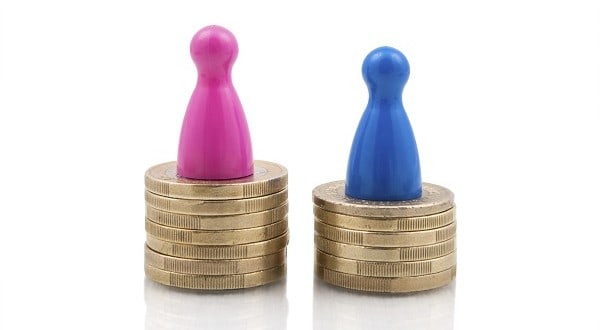
Nid treth llythrennol ar bethau pinc yw'r dreth binc; gall y realiti fod yn waeth. Yn hytrach, mae cynhyrchion sydd wedi'u hanelu at fenywod yn aml yn gwerthu am gymaint â dwywaith pris eu cymheiriaid gwrywaidd (hyd yn oed pan nad oes dim wedi newid heblaw am ychydig o liw pinc).
Dydych chi ddim yn ein credu ni? Canfu ymchwiliad yn 2016 gan The Times fod menywod yn talu 37% yn fwy ar gyfartaledd am gynhyrchion tebyg.
Prif Bwyntiau
- Mae'r 'treth binc' yn cyfeirio at wahaniaethu ar sail pris yn ôl rhyw, lle mae menywod yn talu prisiau uwch am gynhyrchion a gwasanaethau sy'n sylweddol debyg i'r rhai a farchnatair i ddynion.
- Mae astudiaethau wedi canfod bod menywod yn talu mwy am eitemau bob dydd tebyg, o raseli a diaroglydd i deganau plant.
- Yn aml, mae cwmnïau'n cyfiawnhau prisiau uwch am gynhyrchion i fenywod drwy nodi costau cynhyrchu gwahanol neu nodweddion y cynnyrch, ond mae ymchwil yn dangos nad yw'r gwahaniaethau hyn yn esbonio'r anghydraddoldebau prisiau'n llawn.
- Ychwanegodd treth tamponau (TAW ar gynhyrchion misglwyf) at y baich yn y DU nes iddi gael ei dileu ym mis Ionawr 2021, ac mae'n dal i fod yn berthnasol mewn rhai gwledydd eraill.
- Mae gan y DU gynhyrchion misglwyf ar gyfradd sero ac mae'r Alban bellach yn eu darparu am ddim i unrhyw un sydd eu hangen, tra yn yr Unol Daleithiau mae Deddf Diddymu'r Treth Binc wedi'i chynnig yn y Gyngres.
- Gall dewis cynhyrchion rhywedd niwtral neu fersiynau i ddynion o eitemau gofal personol helpu defnyddwyr i arbed arian ac osgoi talu'r 'treth binc'.
- Mae marchnata rhyweddol a rhagfarn yn parhau i ysgogi anghydraddoldebau prisiau, gan atgyfnerthu materion ehangach o anghydraddoldeb rhywiol a anfantais economaidd i fenywod.
- Mae ymwybyddiaeth a dewisiadau defnyddwyr gwybodus yn hanfodol i herio'r 'treth binc' a hyrwyddo mwy o gydraddoldeb economaidd yn y farchnad.
Dolenni Cyflym
O raselau i ddadaroglydd a hyd yn oed teganau plant! Mae golchydd corff a dadaroglydd merched hefyd yn enghreifftiau o gynhyrchion gofal personol lle mae marchnata ar sail rhywedd yn arwain at wahanol brisiau ar gyfer fersiynau i ddynion a merched.
Mae raselau, eitemau gofal personol a theganau yn enghreifftiau cyffredin o'r 'treth binc', lle mae eitemau tebyg yn wahanol o ran lliw neu becynnu yn unig.
Bydd rhai o'r brandiau mawr (fel rhai cwmnïau rasel penodol) yn honni mai oherwydd Trywsinau i fenywod yn wahanol, yn fwy cymhleth, ac yn ddrutach i'w cynhyrchu. Mae cwmnïau'n aml yn defnyddio marchnata ar sail rhywedd i gyfiawnhau codi pris uwch ar fenywod, hyd yn oed pan fo cynhyrchion cyfatebol ar gyfer gwahanol rywiau bron yn union yr un fath.
Gallai hynny ymddangos yn gredadwy ar y dechrau; wedi'r cyfan, pâr o Mae gan goesau lawer mwy o arwynebedd. na wyneb, felly yn sicr bydd rhaid iddyn nhw wneud y llafnau'n galetach, onid e?
Naci, mae hynny'n anghywir. Mae raseli i ddynion ac i fenywod wedi'u hadeiladu ar yr un dechnoleg. Yn y ddau achos, y nod yw creu set o lafnau sy'n llym iawn ac sydd ag oes mor hir â phosibl. Yn aml, y prif wahaniaeth yw lliw'r plastig yn y ddolen.
Penderfynon ni roi hyn ar brawf.
Mae gennym ni rasel gwych a chlwb gyda miloedd o ddynion yn canu ein clod; os ydyn nhw'n hapus, siŵr o fod menywod hefyd? Fe wnaethon ni roi ein raseli i ddynion a menywod fel ei gilydd ac yna aros i weld beth fydden nhw'n ei ddweud. Yn ddigon sicr, roedden nhw wrth eu boddau!
Ac wrth gwrs, byddent, mae llafnau o ansawdd uchel yn llafnau o ansawdd uchel, boed i'w defnyddio ar gyfer eillio'r coesau neu'r wyneb!
Gall prisio ar sail rhywedd effeithio ar ddynion hefyd, a elwir weithiau'n ‘dreth las’, er bod y 'dreth binc' yn fwy cyffredin.
Os ydych chi wedi blino cael eich codi 37% yn fwy, Rhowch gip arnon ni. Byddwch yn derbyn tun braf gyda'ch dosbarthiad cyntaf y gallwch storio'r raseli ynddo (dim casetiau plastig gwastraffus). Mae'r raseli bob amser yn ffitio drwy'ch blwch llythyrau felly byddwch bob amser yn eu derbyn. Hefyd, gyda'r bonws ychwanegol o ddanfoniadau rheolaidd, does dim angen poeni am anghofio prynu rhai newydd; bydd gennych lafnau ffres bob amser, ac am hynny bydd eich coesau'n diolch i chi!
Mae rhai cwmnïau'n dechrau mynd i'r afael â'r 'treth binc' drwy gynnig cynhyrchion niwtral o ran rhywedd neu am brisiau teg, ond mae llawer yn dal i godi prisiau gwahanol am eitemau tebyg sy'n cael eu marchnata at wahanol rywiau.
Cyflwyniad i Brisio ar Sail Rhywedd
Mae prisio ar sail rhywedd, a elwir yn aml yn dreth binc, yn ffurf o wahaniaethu o ran pris ar sail rhywedd lle codir mwy o arian ar fenywod am gynhyrchion a gwasanaethau defnyddwyr sy'n sylweddol debyg i'r rhai a farchnatair i ddynion.
Mae'n golygu bod menywod yn talu mwy am bethau hanfodol bob dydd ac eitemau gofal personol oherwydd pwy mae'r farchnata'n targedu.
O gynhyrchion gofal personol i nwyddau defnyddwyr sylfaenol, mae menywod yn aml yn wynebu prisiau uwch am eitemau sydd bron yn union yr un fath â'r rhai a werthir i ddynion, ac eithrio gwahaniaethau bach fel lliw neu becynnu.
Yn yr Unol Daleithiau, byddai Deddf Ddirymu'r Treth Binc arfaethedig (a ailgyflwynwyd i'r Gyngres yn 2021) yn gwahardd cwmnïau rhag prisio cynhyrchion a gwasanaethau sy'n sylweddol debyg yn wahanol yn seiliedig ar ryw. Nid oes gan y DU ddeddf cyfatebol. Er gwaethaf ymwybyddiaeth gynyddol, mae gwahaniaethu ar sail pris yn parhau, gan effeithio ar waledau menywod ac atgyfnerthu anghydraddoldeb rhywedd yn y farchnad.
Gwahaniaeth yn y gost rhwng cynhyrchion i ddynion a menywod
Mae'r gwahaniaeth yn y gost rhwng cynhyrchion i ddynion a menywod yn effeithio ar fenywod bob tro maen nhw'n siopa, ac mae'n fwyaf amlwg o ran nwyddau ymolchi a gofal personol.
Mae cwmnïau'n honni bod costau cynhyrchu gwahanol, fel ychwanegu lliwiau neu ddyluniadau unigryw i gynhyrchion a farchnata i fenywod, yn cyfiawnhau'r prisiau uwch hyn.
Fodd bynnag, nid yw'r gwahaniaethau bach hyn yn esbonio maint y bwlch prisiau.
Ychwanegwch y bwlch cyflog rhwng y rhywiau ar ben hynny (mae ffigurau'r ONS yn dal i ddangos bod menywod yn ennill llai na dynion yr awr, ar gyfartaledd) ac mae'r 'treth binc' yn brathu'n galetach.
Breuder Rhyngwladol a Threth Tamponau
Mae gwahaniaethu ar sail rhywedd o ran prisiau yn digwydd ledled y byd. Yn y DU, mae ymchwil yn dangos bod menywod a merched yn talu ar gyfartaledd 37% yn fwy am deganau, cosmetigau, a dillad na bechgyn a dynion. Mae'r hyn a elwir yn dreth tampons, sef treth ar gynhyrchion mislif, yn amlygu'r anghydraddoldeb hwn ymhellach.
Er bod llawer o wledydd, gan gynnwys y DU, wedi diddymu'r 'treth tampon' i leihau anghydraddoldebau ym mhrisiau a gwella mynediad at gynhyrchion mislif, mae rhai taleithiau yn yr Unol Daleithiau yn dal i osod y gost ychwanegol hon, gan wneud eitemau hanfodol yn llai fforddiadwy i fenywod.
Canfu astudiaeth yn 2015 gan Adran Materion Defnyddwyr Dinas Efrog Newydd fod cynhyrchion i fenywod yn costio 7% yn fwy ar gyfartaledd na chynhyrchion cyfatebol i ddynion, ac mai nhw oedd yr opsiwn drutach 42% o'r amser.
Canfuwyd y gwahaniaeth pris mwyaf yn y categori gofal personol, lle'r oedd cynhyrchion a farchnatawyd i fenywod yn costio 13% yn fwy ar gyfartaledd.
Cynhyrchion Misglwyf a Phrisio
Mae cynhyrchion misglwyf fel tampons a badiau yn eitemau hanfodol ar gyfer iechyd menywod a hylendid mislif, ac eto mewn llawer o wledydd maent yn dal i gael eu trethu fel eitemau nad ydynt yn hanfodol, ac mae'r dreth honno'n cronni dros oes menyw.
Yn y DU, cafodd treth tamponau (TAW ar gynhyrchion misglwyf) ei dileu ym mis Ionawr 2021. Mae'r Alban wedi mynd ymhellach ac erbyn hyn mae'n ei gwneud yn ofynnol i awdurdodau lleol, ysgolion, colegau a phrifysgolion ddarparu cynhyrchion misglwyf am ddim i unrhyw un sydd eu hangen.
Gall cwmnïau hefyd chwarae rhan drwy gynnig cynhyrchion hylendid mislif am ddim i weithwyr, gan helpu i leihau'r arian ychwanegol y mae'n rhaid i fenywod ei wario ar nwyddau hanfodol. I'r rhai sy'n dymuno arbed arian, gall dewis cynhyrchion niwtral o ran rhywedd neu hyd yn oed fersiynau i ddynion o eitemau gofal personol fod yn ffordd glyfar o osgoi talu mwy am gynhyrchion sy'n sylweddol debyg.
Pam Mae'n Digwydd a Sut i'w Osgoi
Mae'r 'treth binc' wedi'i gwreiddio mewn rhagfarn ar sail rhywedd a marchnata rhyweddol, sy'n gwthio prisiau i fyny ar gyfer cynhyrchion a gwasanaethau a farchnatair i fenywod. Mae'r math hwn o wahaniaethu ar sail rhywedd yn golygu bod defnyddwyr benywaidd yn aml yn talu mwy am eitemau gofal personol, cynhyrchion harddwch, a chynhyrchion defnyddwyr eraill, hyd yn oed pan fo'r eitemau'n gymaradwy â'r rhai a werthir i ddynion.
Yn aml, mae cwmnïau'n nodi costau cynhyrchu uwch neu nodweddion arbennig fel rhesymau dros y bwlch prisiau, ond anaml y mae'r honiadau hyn yn cyfiawnhau'r patrwm cyson o brisiau uwch i fenywod.
I osgoi ei dalu, chwiliwch am gynhyrchion niwtral o ran rhywedd, cymharwch brisiau, a gwyliwch rhag marchnata rhyweddol.
Wedi methu sbot?
Mwy gan Trefnu a Chanllawiau
A ddylai dynion eillio eu breichiau? Beth sy'n digwydd, a sut i'w wneud yn iawn
Dydy'r rhan fwyaf o ddynion byth yn meddwl am eu blew braich nes bod rhywbeth yn gwneud iddyn nhw. Tatŵ newydd rwyt ti eisiau i bobl ei weld.
Troeon vs Cwyrio vs Hufen Tynnu Gwallt: Y Manteision a'r Anfanteision Onest
Mae eillio, gwyr a hufen tynnu blew i gyd yn cael gwared ar flew diangen, ac mae pob un yn ateb cywir i rywun.

A ddylen nhw eillio cyn neu ar ôl cawod?
Mae'r rhan fwyaf ohonom yn dilyn ein trefn foreol ar awtobeilot, ac fel arfer mae trefn y cawod a'r eillio'n union yr un fath â'r hyn a wnaethom yn ein harddegau.