
Men's hairstyles
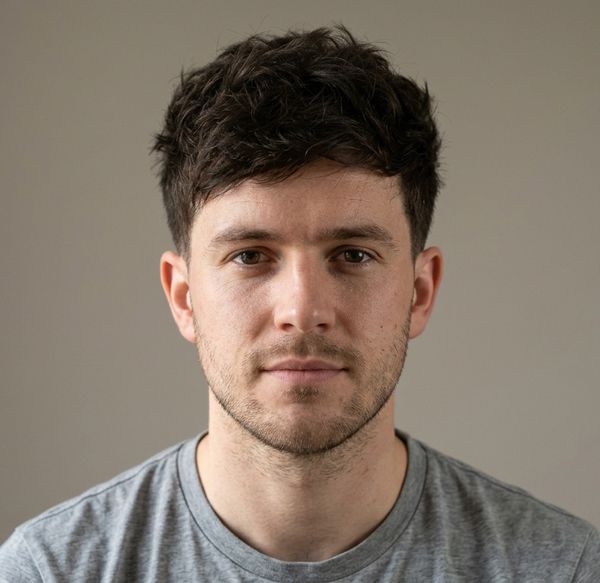
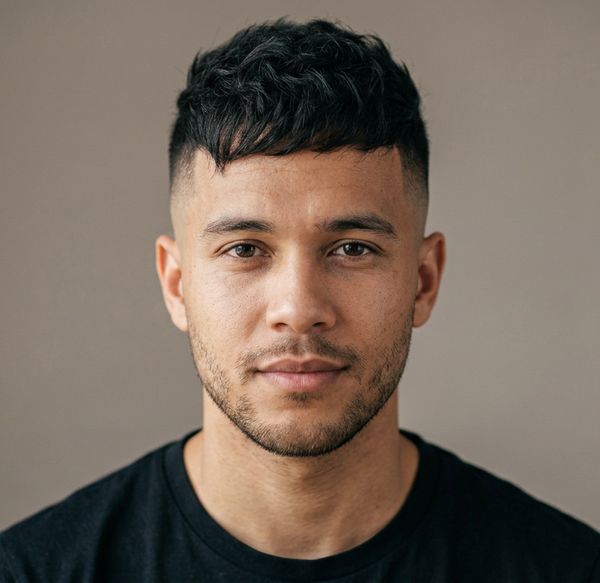
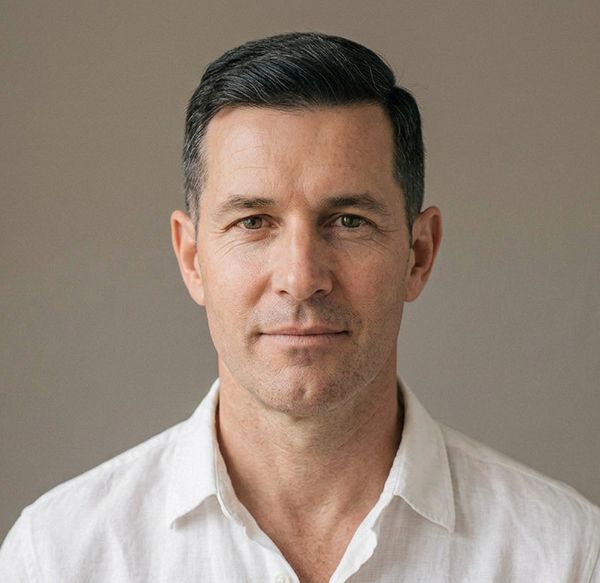
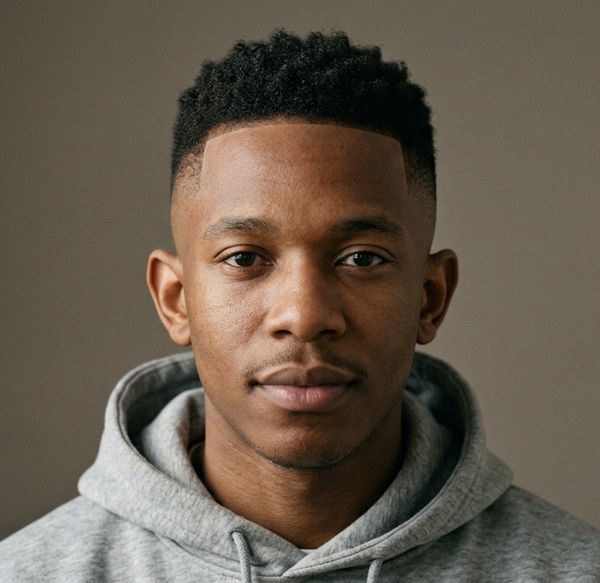
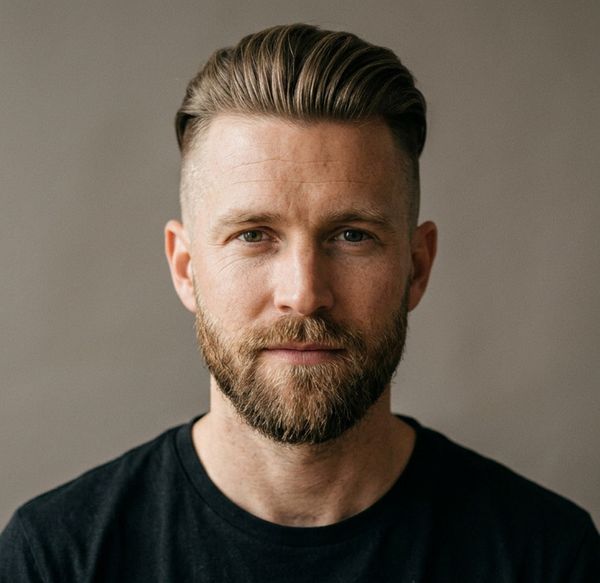
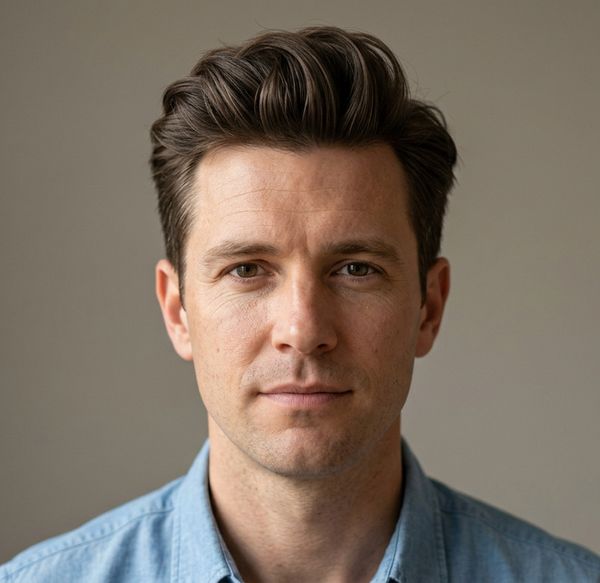
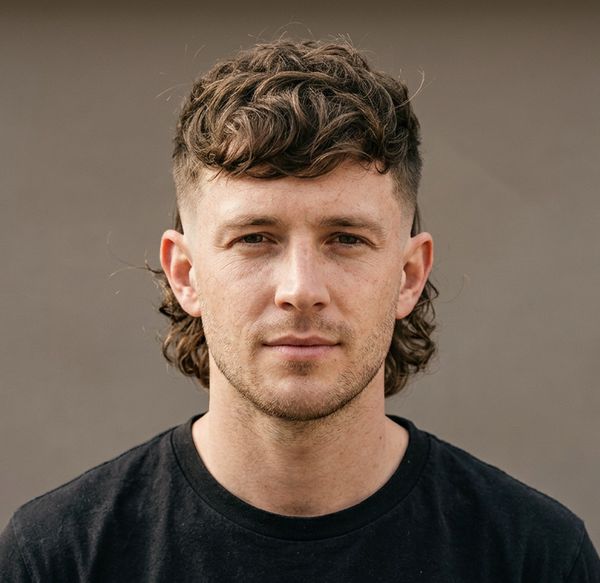
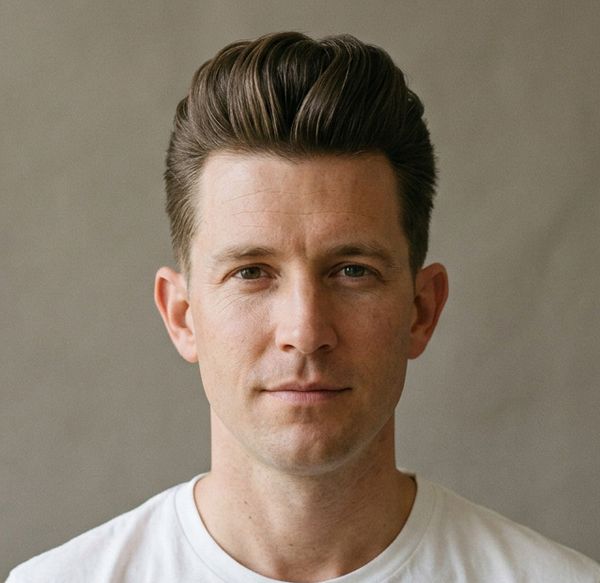
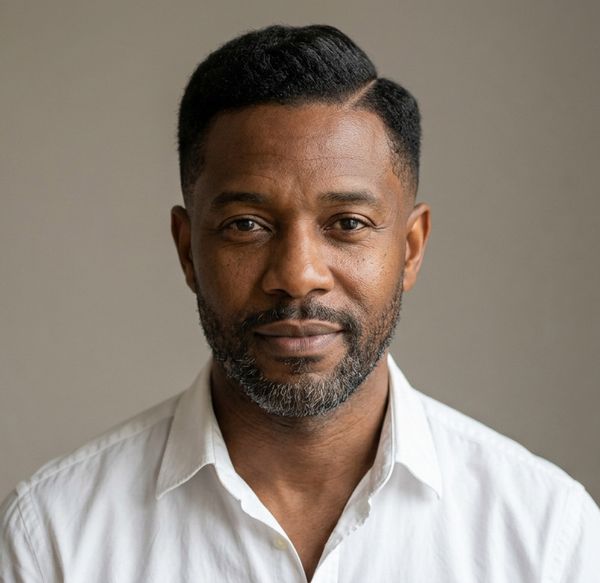
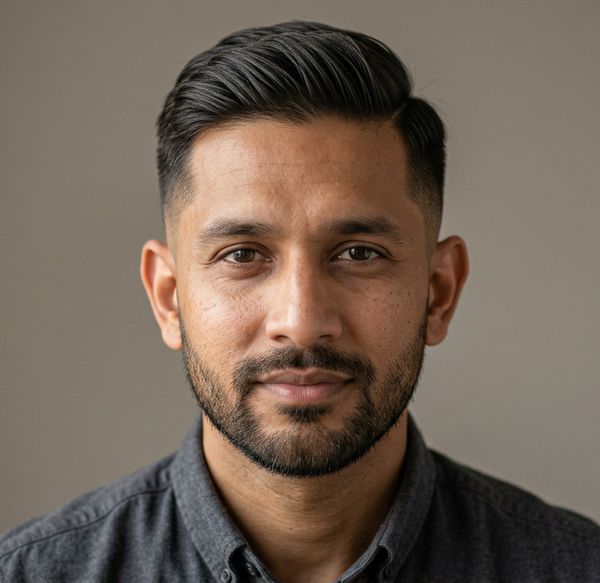
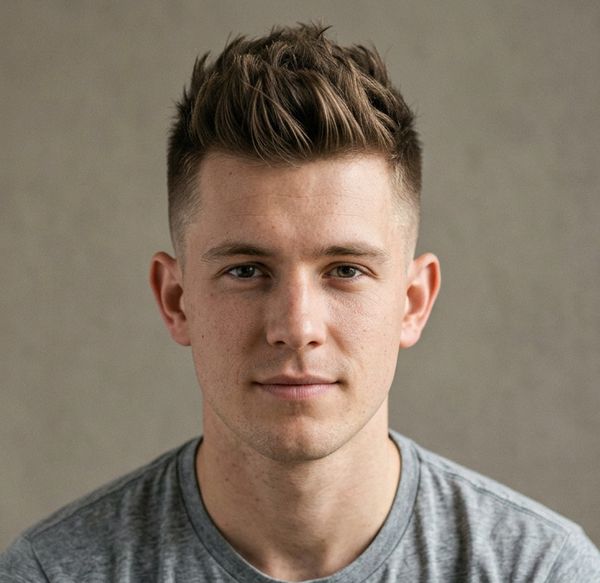
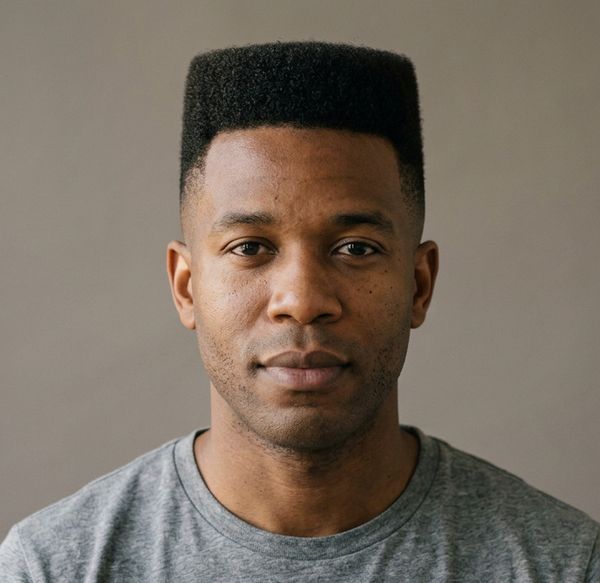
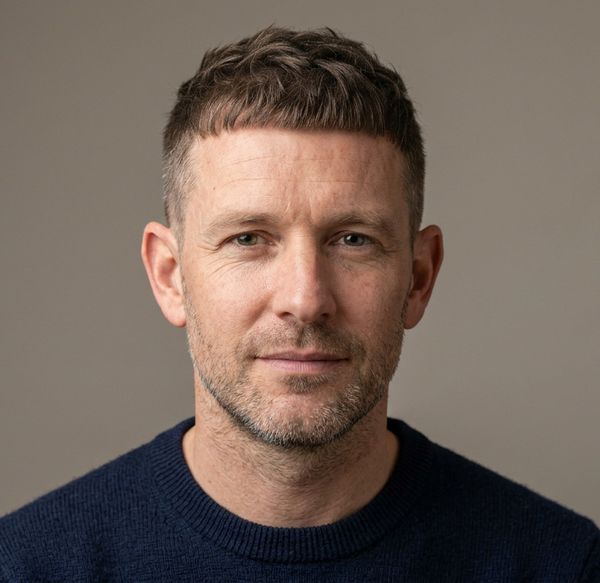
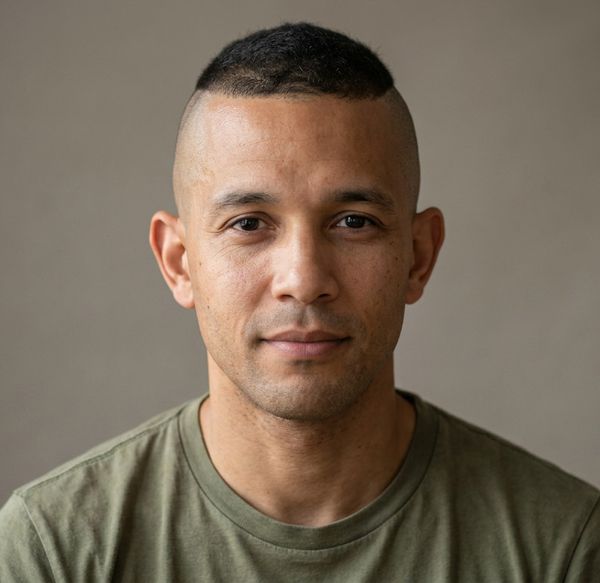
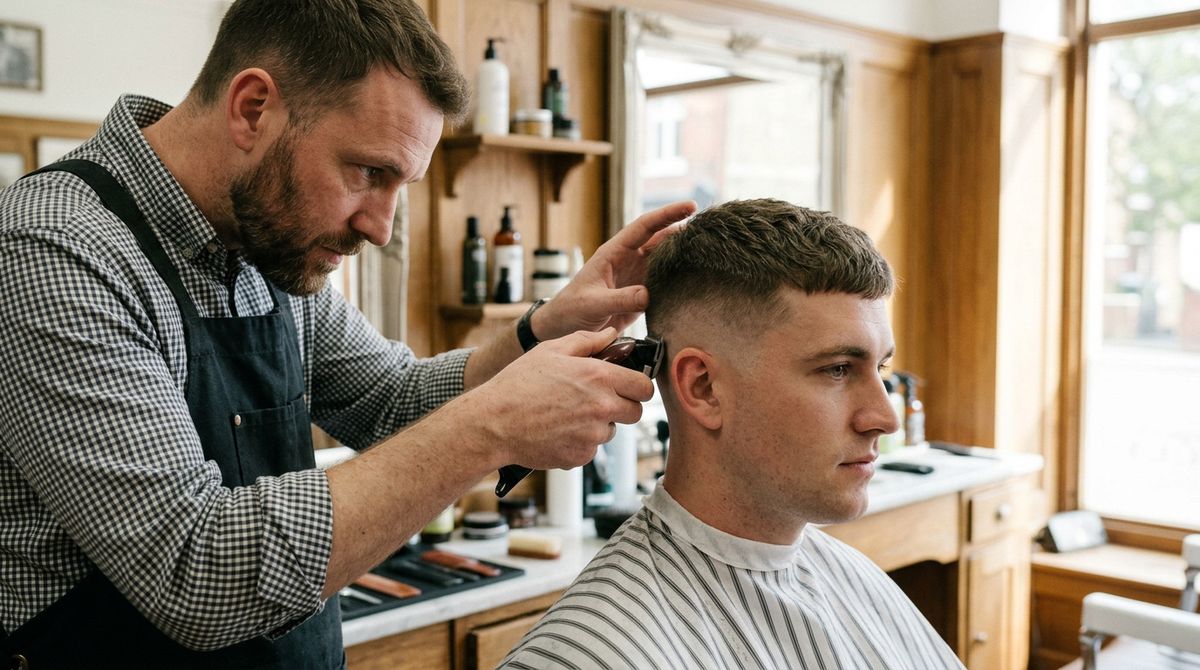
The haircuts men actually ask for, photographed from the front and in profile so you can see where the fade starts and how much is left on top.
29 styles. Filter by type, length, face shape, hair type or upkeep, or start with one of the collections further down. Each style has its own page with what to ask your barber, how often it needs cutting and which hair types it suits.



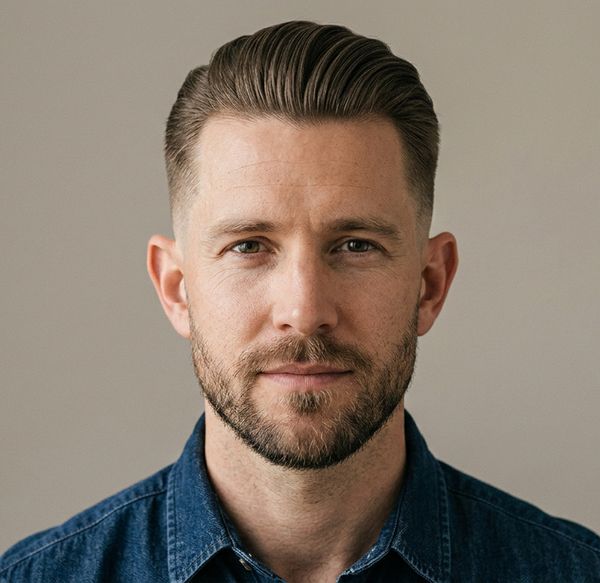

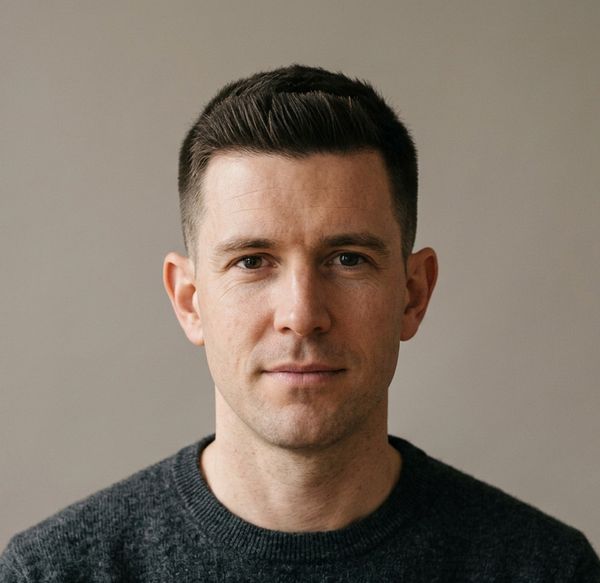

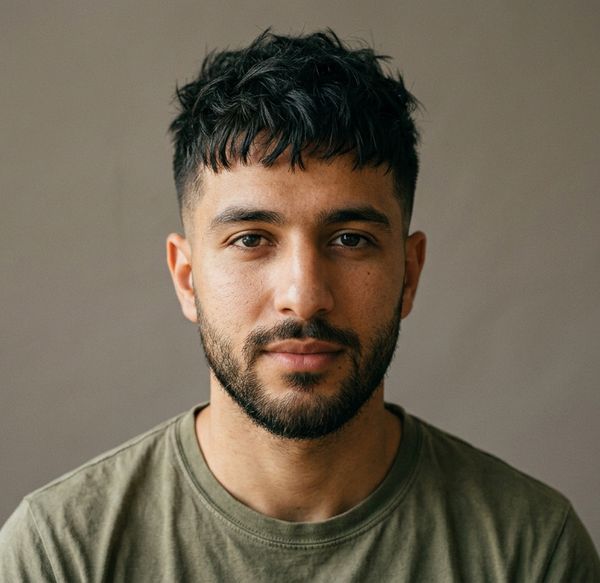
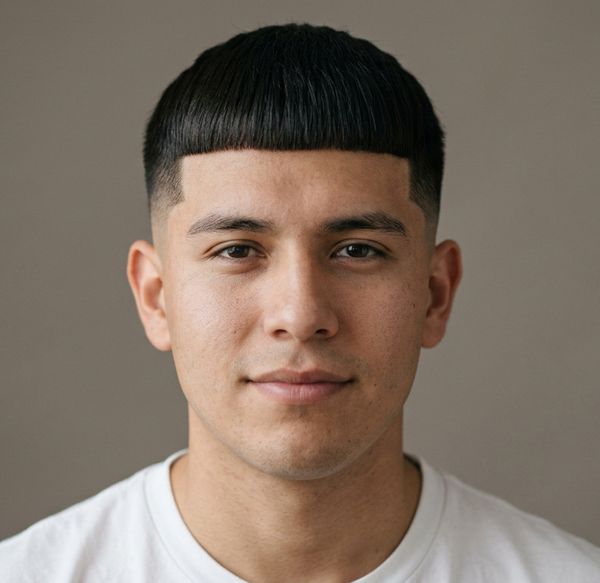






Nothing matches all of those. Set one of the rows back to "Any".
£5 off your first delivery
A fresh cut looks sharpest with a clean neckline and tidy sideburns. A sharp blade keeps them that way between visits without the razor burn.
£5 off your first subscription or VIP order - one per customer, unsubscribe with 1 click
Choose by hair first, then time, then face
Most men's haircuts are chosen from a photograph and regretted within a fortnight, because the man in the photograph had different hair. Three questions do the real choosing, and they go in this order.
What your hair does on its own. Straight, wavy, curly or coily, thick or fine, and whether it is thinning anywhere. This decides more than anything else, because a cut that fights your hair will lose every morning. A quiff needs hair that holds height. Curtains need hair that falls from a parting. Coily hair will do neither without a fight, and fine hair at length goes flat. The hairstyles by hair type page sorts every style here by what it needs.
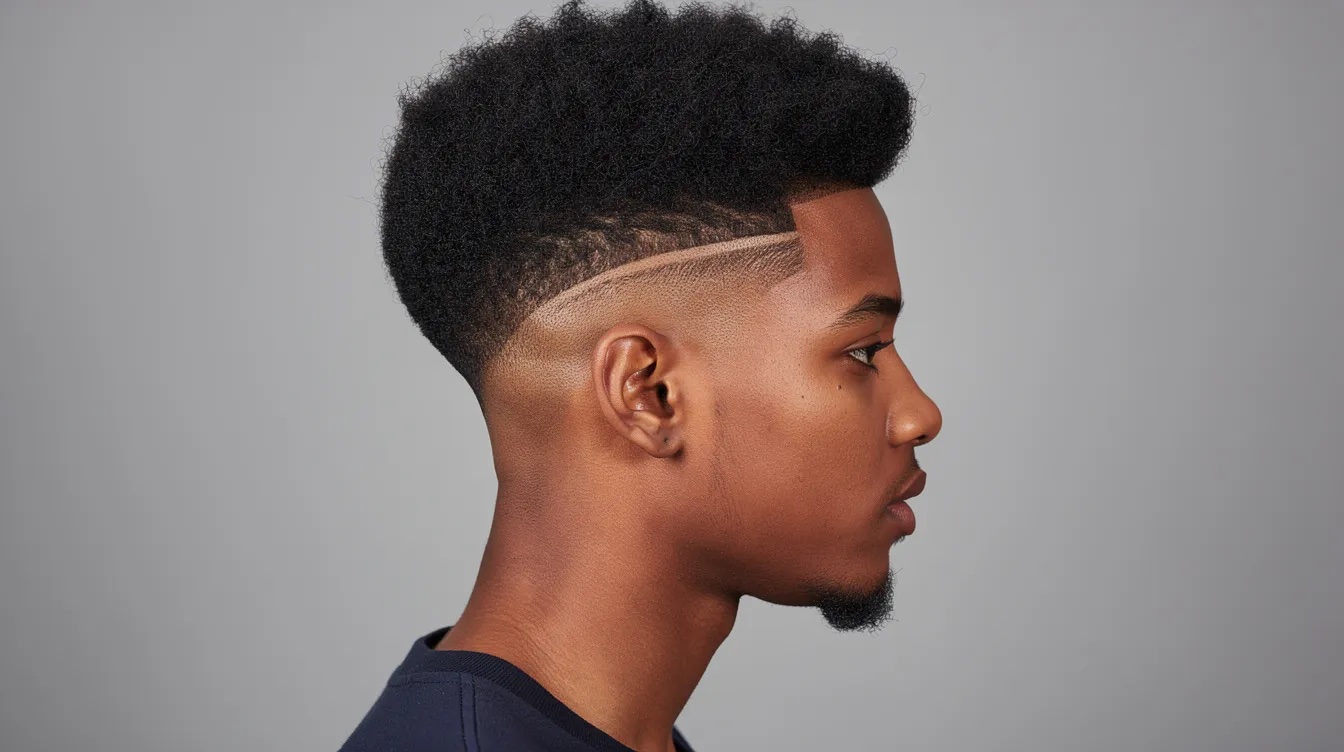
How much time you will genuinely give it. Two kinds of time, and people only think about one. There is the morning, where a buzz cut takes nothing, a slick back takes a comb and product, a quiff takes a hair dryer. And there is the barber, where a skin fade looks grown out in two weeks, a scissor-cut short back and sides lasts six. Be honest about both.
Face shape, last. It matters less than most guides suggest, and mainly for styles that add height or width. Height at the front lengthens a face, which helps a round one and does a long one no favours. Width at the sides does the opposite. Beyond that, choose on hair and time.
The five families
Nineteen styles sounds like a lot. Almost all of them are variations on five ideas, and knowing which family you are in tells you more about the upkeep than the name does.
Tapers and fades. Short sides that blend down towards the neck, with the top left at any length. A taper only shortens the edges around the ears and neckline. A fade takes the whole side down, sometimes to skin. The height it starts at changes everything, from a low taper fade that is barely there to a skin fade or a burst fade that is the whole point of the cut. The taper fade and types of fade pages explain the differences. Push the top into a ridge down the middle over faded sides and you have a faux hawk. Expect the barber every two to four weeks.
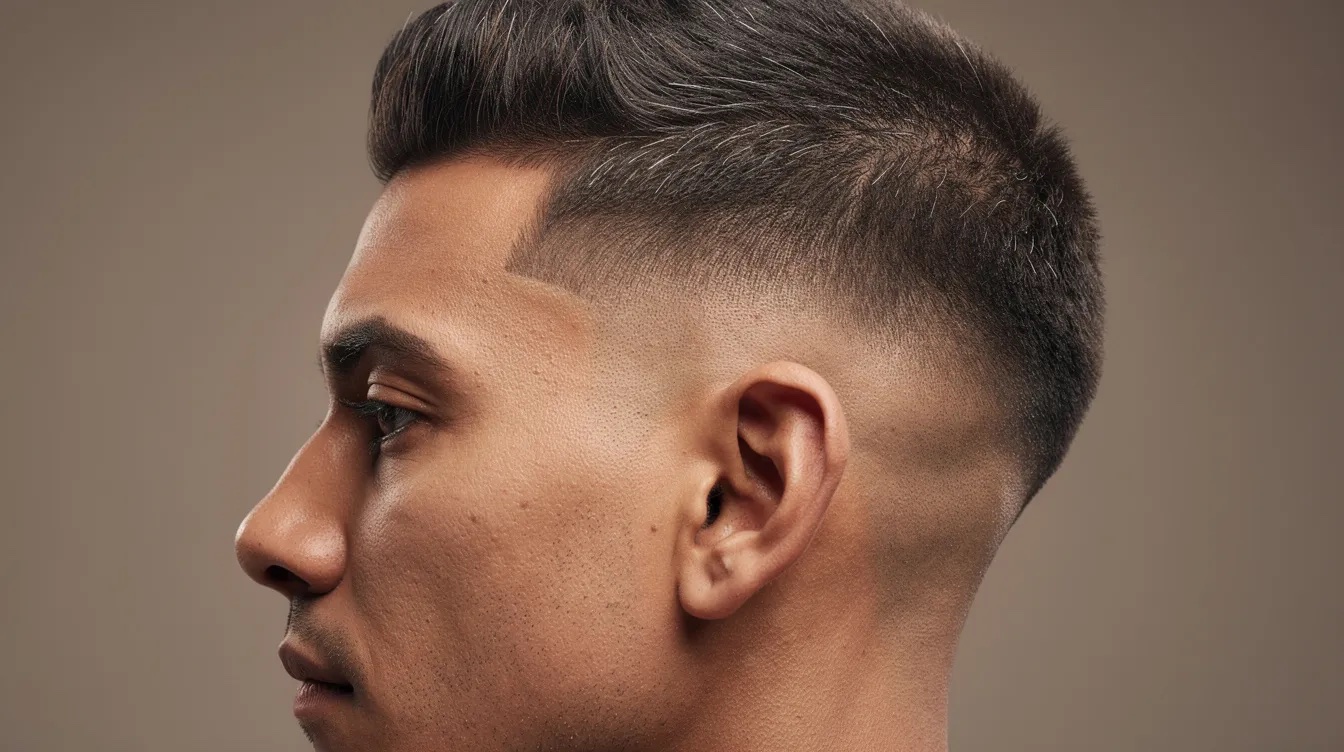
Buzz and crew cuts. Clippers all over, or nearly. A buzz cut is one length everywhere, and the grade is the whole decision. A crew cut leaves a little more on top and grades the sides shorter. The flat top stands that top up and cuts it level. Nothing in the morning, a trim every three or four weeks, and nowhere to hide. The buzz cut lengths page has every grade.
Crops. A short textured top pushed forward, over short or faded sides. The French crop has a blunt fringe; the textured crop is choppier, and a longer, looser fringe is where both end up if you let the front grow. Both take two minutes with a bit of matte product, and both hide a thinning hairline better than almost anything else, which is why they turn up throughout the haircuts for balding men page.
Longer styles. Anything where the hair is long enough to fall, part or be combed back. Curtains, the modern mullet and the slick back all live here. They need months of growing, fewer barber visits once you arrive, and more of your own time each morning. The medium and long hairstyles page covers getting there without the awkward stage.
Classic cuts. The ones every British barber has done ten thousand times. Short back and sides, the plain taper haircut, the side part, the pompadour, the quiff and the undercut. Scissors more than clippers, a little product, and they grow out gracefully, which is why they never quite go away. The classic haircuts page puts them side by side.
How to talk to a UK barber
Barbers here speak in clipper grades. The grade is the guard on the clippers, and each one leaves a set length of hair.
| Grade | Length left | What it looks like |
|---|---|---|
| 0 | About 0.5 to 1mm (no guard) | Scalp clearly visible |
| 0.5 | About 1.5mm | Fade territory |
| 1 | 3mm | Very short, scalp shows through |
| 2 | 6mm | A short buzz cut |
| 3 | 9mm | Short, scalp hidden on most hair |
| 4 | 12mm | The usual short back and sides |
| 5 | 16mm | Soft and short |
| 6 | 19mm | Getting close to scissor length |
| 7 | 22mm | Rarely asked for |
| 8 | 25mm | The longest standard guard |
A skin fade goes below a grade 0, finished with a foil shaver or a razor. Anything above a grade 8 is cut with scissors.
Beyond the grade, a good request has three parts: the length of the sides, where any fade or taper starts, and how much to leave on top in centimetres. Then bring a photo of someone with hair like yours, taken from the side as well as the front. The profile shows the fade height and the shape of the top, which is what the barber needs.
If you wear a beard, say so in the same breath. The sideburns are where the haircut and the beard meet, and a barber who knows about both can blend one into the other. The beard styles directory is the place to choose the other half of the look.
Frequently asked questions
What is the most popular hairstyle for men?
By search, fades and tapers by a distance, with the low taper fade and the buzz cut the two most looked-up individual cuts. In the barber's chair, a short back and sides with something slightly longer on top is still the commonest thing asked for.
How do I choose a hairstyle that suits me?
Start with your hair type, then how much time you will spend on it in the morning and at the barber, and only then your face shape. A style that suits your face but not your hair will not look like the photograph.
What haircut is lowest maintenance?
For daily effort, a buzz cut, which needs no product and no styling. For barber visits, a scissor-cut short back and sides, which grows out evenly and looks fine for six weeks. Skin fades are the opposite, quick in the morning but grown out within a fortnight.
What is the difference between a taper and a fade?
A taper shortens only the edges, around the ears and the neckline, and leaves the sides mostly at length. A fade takes the whole side down gradually, often close to skin. A taper fade combines the two, with the close finish kept to the edges.
How long does it take to grow hair out?
Hair grows roughly a centimetre a month. From a short back and sides, a quiff is three or four months away, curtains or a slick back five to eight, and properly long hair a year or more.
How often should men get a haircut?
Every two to three weeks for a skin fade or a high fade, three to four for most tapers, crops and buzz cuts, and six to eight for longer, scissor-cut styles.
Collections
The same cuts grouped by what you are trying to decide: which fade, how short, how much length, or what suits your hair.
Taper Fade Haircuts
Low, mid and high tapers, and how they differ from a full fade.
8 stylesTypes of Fade Haircut
Where the fade starts, how short it goes, and the shapes in between.
3 stylesBuzz Cut Lengths and Clipper Grades
Grade 1 to grade 4, and the short cuts built on them.
5 stylesMedium and Long Hairstyles for Men
Cuts that need length on top, at the front or at the back.
7 stylesMen's Hairstyles by Hair Type
Which cuts suit straight, wavy, curly, coily, thick and fine hair.
11 stylesClassic Men's Haircuts
Barbershop standards that have outlasted every trend.
6 stylesHaircuts for Balding and Thinning Hair
Short cuts that make thinning hair look deliberate.
Beards and face shapes
A cut and a beard work as a pair. The beard directory covers the other half, and the face shapes guide explains how to tell which shape you have.