
The Colonel’s Journal / Grooming & Guides
Electric Shaver vs Wet Shave: Which Is Better for You?
Last updated on
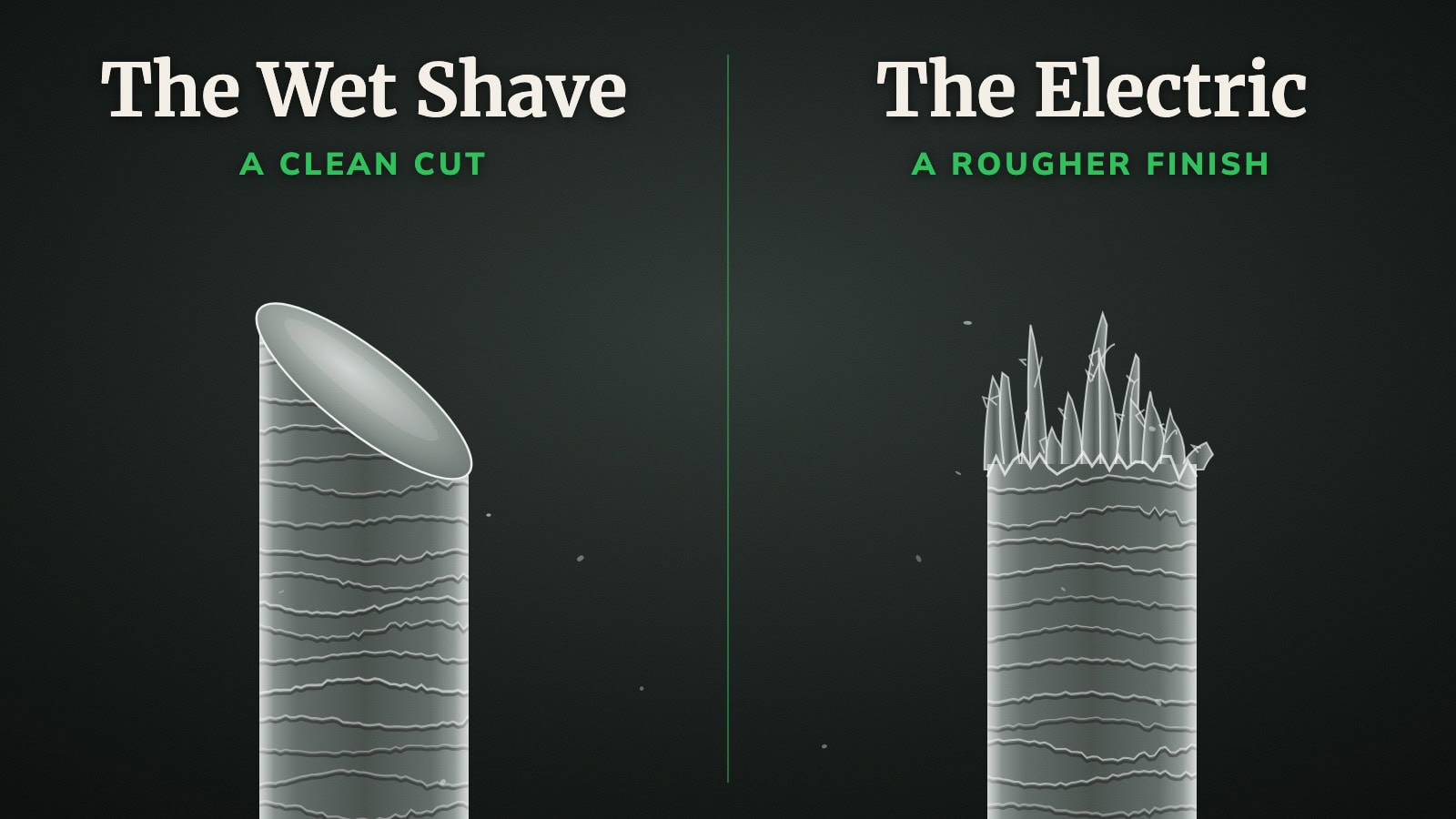
A wet shave with a sharp razor gets closer and lasts longer. An electric shaver is quicker, easier to take anywhere, and better at leaving a bit of stubble. Neither is better for everyone, so this guide goes through closeness, speed, skin, cost and convenience, and ends with who each one suits.
On this page
Key takeaways
- Closest shave: a wet shave. A blade cuts at skin level. An electric shaver cuts just above it, behind a guard.
- Fastest: an electric shaver. No water, no cream, no rinsing.
- Sensitive skin: it depends. A good electric razor is gentler for some people, but a sharp blade, a proper cream and the right shaving technique suit most skin just as well.
- Cost: an electric costs more up front, then needs new heads every year or so. A wet shave costs little up front, then needs fresh razor blades regularly.
- Wet electric shavers can be used with water or cream in the shower, but only if they are marked wet and dry.
The short answer
The best shaving method depends on you. If you want the smoothest finish and do not mind spending a few extra minutes, wet shave. If you shave every day in a hurry, want to keep some stubble, or travel a lot, an electric shaver makes sense. Plenty of people own both and use each shaving method on different days. It mostly comes down to personal preference.
A wet shave only beats an electric when the blade is sharp. The Bearded Colonel posts fresh five-blade refills through your letterbox on the schedule you choose, from £10 for four.
See the plansWhat is an electric shaver?
An electric shaver (or electric razor) is a powered shaving tool that cuts facial hair through a thin guard rather than running a bare blade over your skin. The hairs poke through tiny holes in the guard and are cut by blades moving behind it. Most are cordless and rechargeable, and many can be used for dry shaving or wet with cream.
What is a wet shave?
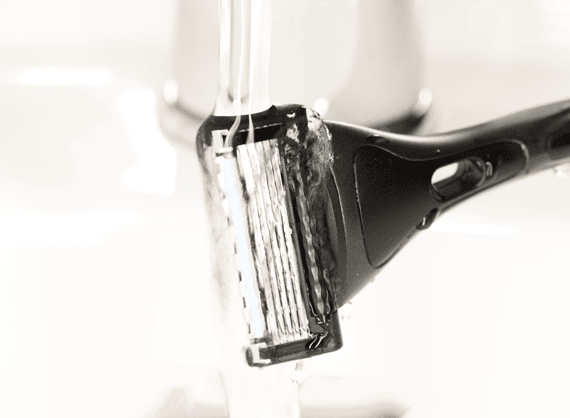
Traditional wet shaving means softening the beard with hot water, building a lather with shaving cream, shaving foam or soap, and drawing a manual razor across the skin. Most people use a cartridge razor with several blades. The water and lather soften the hair and give the lubrication that lets the blade glide, which is what makes wet shaving give such a close shave.
Electric shaver vs wet shave at a glance
The table below sums up the main differences. The sections after it go into each one.
| Wet shave | Electric shaver | |
|---|---|---|
| Closeness | Closest, at skin level | Close, but leaves a little behind |
| Time | Five to ten minutes | Two to five minutes |
| Needs water and cream | Yes | No (unless it is wet and dry) |
| Leaving stubble | Hard | Easy, with a trimmer setting |
| Risk of nicks | Higher, especially while learning | Low, the blades sit behind a guard |
| Up-front cost | Low | Higher |
| Ongoing cost | Fresh blades regularly | Replacement heads every year or so |
| Travel | Easy, cartridge razors can go in hand luggage | Easy, needs charging |
Most people find their answer in the first two rows: how close you want it, and how much time you have in the morning. If travel matters, our guide to taking a razor on a plane has the current rules.
How close does each one shave?
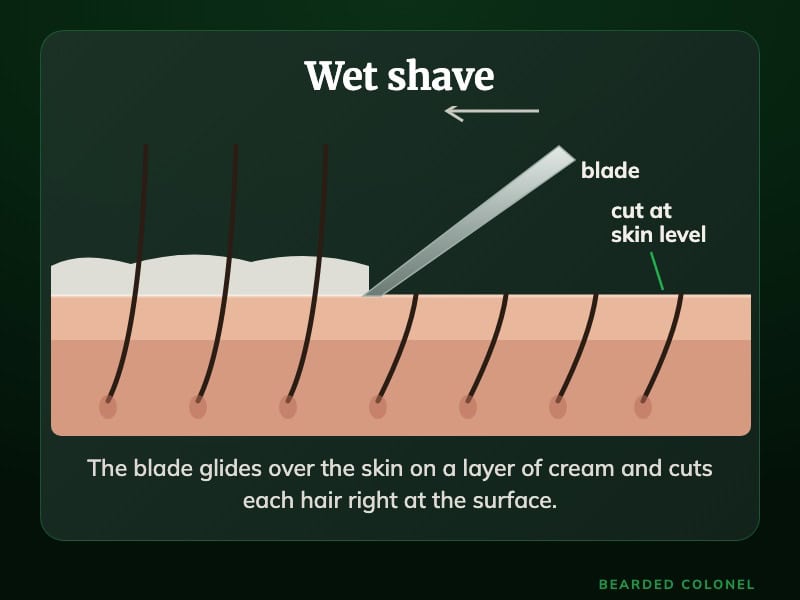
Wet shaving cuts each hair right at the surface of the skin. Done in the direction of hair growth with a sharp blade, that leaves the face smooth to the touch, and you get a very close shave that lasts most of the day.
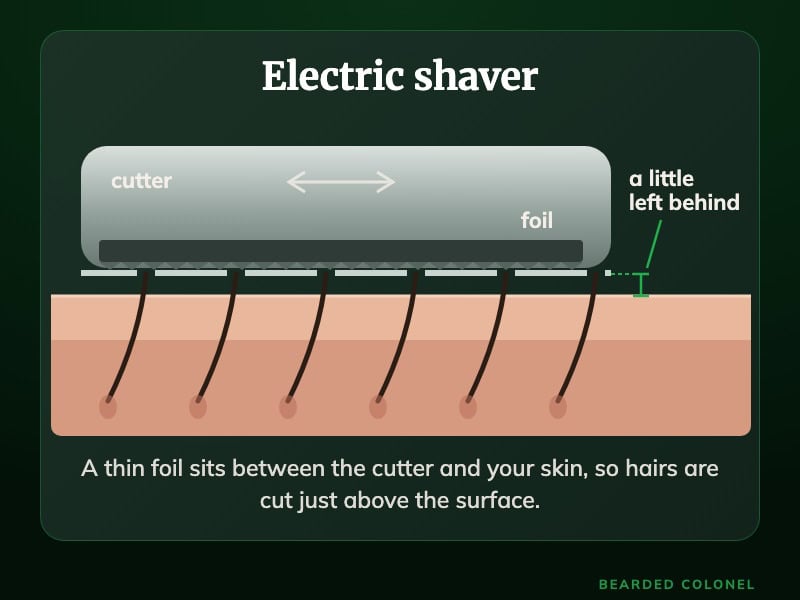
An electric shave works differently. A thin metal foil or a set of rotating heads sits between the cutters and your skin, so the hairs are caught and cut just above the surface. That guard is what makes electric shavers hard to cut yourself with, but it also means they cannot get quite as close. By the evening you will usually feel more stubble than after a wet shave, especially on the chin and neck where the beard grows at awkward angles.
Shaving technique matters with both. A careful electric shave with a good shaver can beat a rushed wet shave with a blunt blade.
Speed and convenience
This is where electric shavers win. There is no water to run, no lather to work up and no sink to rinse afterwards. You can shave in a couple of minutes, even in a hotel room or at your desk before a video call.
Wet shaving takes extra time and can feel time consuming at first, but not by much once it is a habit, and plenty of people like having those few minutes to themselves in the morning.
Which is easier to learn?
An electric shaver is the more forgiving of the two. The main things to learn are light pressure and the right direction for each part of your face, and most people get there in a few days.
Traditional wet shaving takes a bit more practice: the right angle, which way your hair grows on each part of your face, how much pressure, and when to stop. Start with a single pass with the grain, and add a second pass across the grain once you are comfortable. If you are new to it, our guide to your first shave goes through it step by step.
Which is better for sensitive skin?
It depends on what your skin reacts to.
An electric shaver can be gentler, with less irritation, if you get a lot of ingrown hairs, especially with curly or coarse hair, because it does not cut as close and the hairs are less likely to grow back into the skin. It is also easier to use around spots.
A wet shave can be just as kind to most skin, as long as you get the basics right: a sharp blade, a proper shaving cream, light pressure and shaving with the grain. Most of the irritation and razor burn people blame on wet shaving comes from a blunt blade or skipping the prep, not from the razor itself. The American Academy of Dermatology’s shaving tips say much the same. Our guide to razor bumps and shaving rash covers how to stop both.
A cheap or worn-out electric shaver can cause irritation too. When the foil gets thin or the cutters get dull, they start to pull at the hairs instead of cutting them, and dry shaving on sensitive skin can leave it red. A foil shaver with fresh parts usually gives less irritation than a worn one.
Cost over time
An electric shaver costs more up front. Prices range widely, from cheap models to ones costing well over a hundred pounds, and the cheapest tend to tug on a thick beard and wear out quickly. Most manufacturers recommend replacing the foil and cutters every year or so, and those replacement parts are not cheap either.
A wet razor costs very little to start with, and then you need fresh blades. How much that costs depends almost entirely on where you buy them. Branded razor blades in the shops are expensive, which is exactly why we started posting our own: our five-blade refills come through your letterbox for £10 for four, on whatever schedule suits you.
Can you use an electric shaver wet?
Yes, if it is a wet and dry shaver. These are sealed so they can be used in the shower or with shaving foam or cream, which gives a smoother shave and a slightly closer, more comfortable result than dry shaving.
Check before you try it:
- Only use it wet if it is marked wet and dry, or waterproof. A shaver that is only for dry use can be damaged by water.
- Never use a shaver that is plugged into the mains anywhere near water. Wet and dry shavers are cordless for that reason.
- Rinse it clean afterwards, and let it dry with the head off so the cutters do not stay damp.
If you like the idea of shaving in the shower with cream, though, a wet razor does that job with a closer result.
Foil or rotary?
If you do go electric, there are two main kinds. A foil shaver has a straight head with thin foil over oscillating blades. Foil shavers suit straight-line shaving and finer hair, are often gentler on sensitive skin, and are good for clean edges. Rotary shavers have round, rotating heads that follow the contours of the face. They suit thicker or longer growth and people who shave less often.
Neither is better overall. It mostly comes down to your hair and how you like to shave.
Which should you choose?
- Choose a wet shave if you want the closest, longest-lasting finish, if you like the routine, or if you want the lowest up-front cost.
- Choose an electric shaver if you are shaving daily in a rush, want to keep a stubble look, or get a lot of razor bumps however carefully you wet shave.
- Use both if you want the best of each: an electric for quick weekday tidies, a wet shave when you want to look sharp.
Whichever you pick, give it two or three weeks before you judge it. Your skin and your technique both take a little while to adjust.
If you go for a wet shave
We would say this, because it is our own range, but this is what we would use.
From the Colonel’s shelf
What we would use for a wet shave
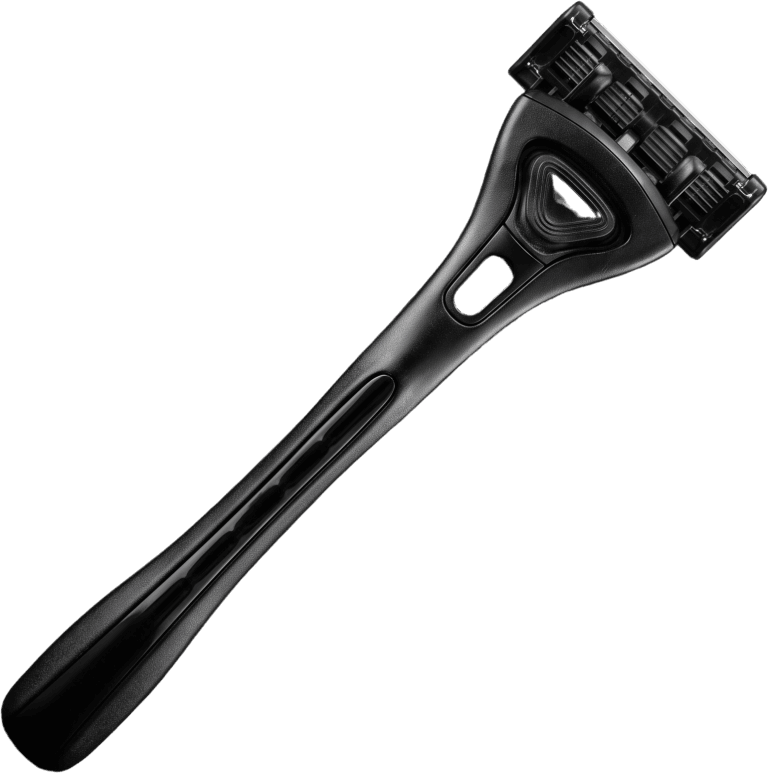
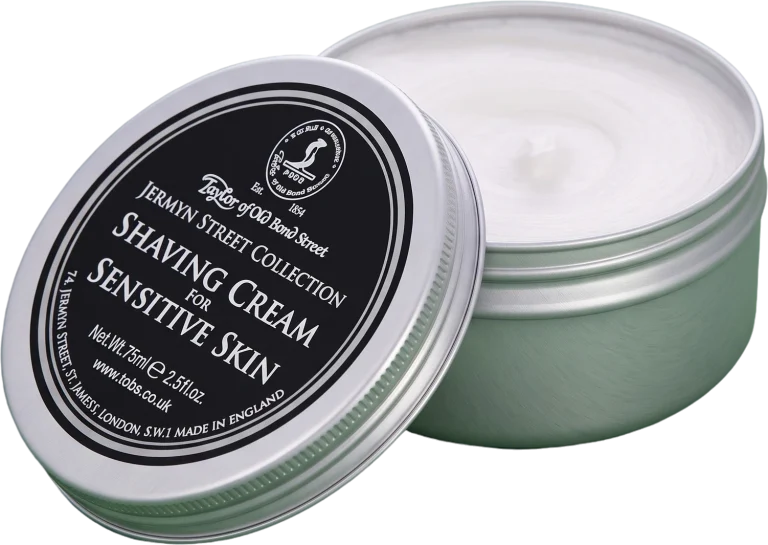
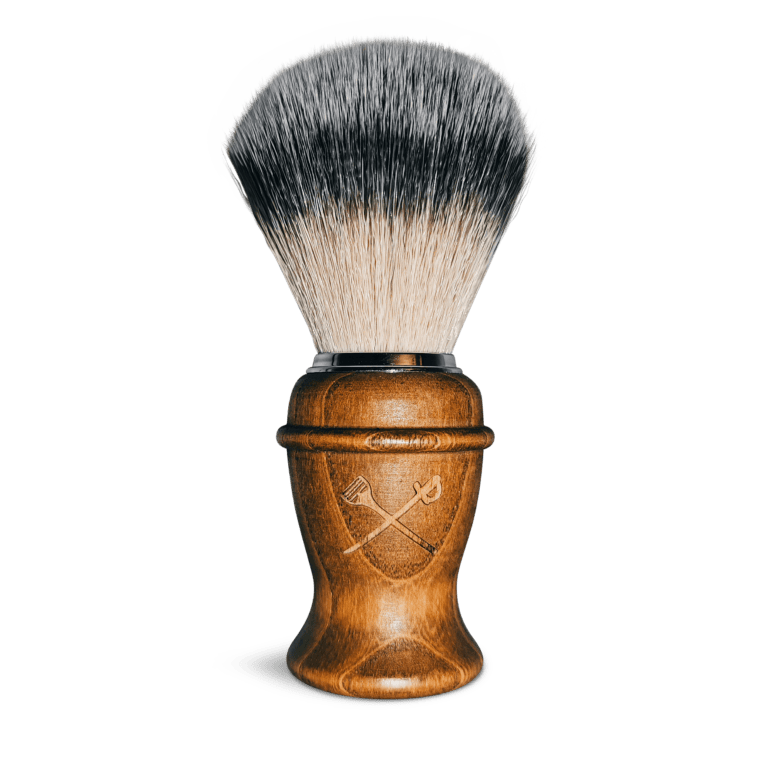
Every first Classic or VIP order comes with 30 days money back. Shave with it for a month, and if it is not for you, we refund it in full with nothing to send back.
The blade makes the biggest difference. A wet shave only beats an electric when the blade is sharp, and the easiest way to make sure it always is, is having fresh blades come through your letterbox before the old one starts to drag.
Questions people ask
Is an electric shaver better than a razor?
Not better, just different. A razor gives a closer shave that lasts longer. An electric shaver is faster, easier and better for keeping stubble. Which suits you depends on how close you want it and how much time you have.
Does an electric shaver shave as close as a razor?
No. The foil or guard on an electric shaver keeps the cutters just above the skin, so it leaves a little more behind than a blade. Using a wet and dry shaver with shaving foam or cream gets closer than dry shaving.
Is electric shaving better for your skin?
For some people, yes, especially those who get a lot of ingrown hairs or razor bumps on the beard line. For most people, a sharp blade with a proper shaving cream and good technique is just as comfortable.
Can I use shaving cream with an electric shaver?
Only with a wet and dry shaver. A dry-only shaver can be damaged by water and cream, and will not work properly through it.
Is wet shaving cheaper than an electric shaver?
Usually, yes, at the start. Over time it depends on what you pay for blades. Branded blades in the shops add up quickly, while blades posted direct cost much less.
Can I switch between an electric shaver and a razor?
Yes. Plenty of people use an electric on busy days and a razor when they want a closer finish. Your skin may take a shave or two to adjust when you switch.
Is an expensive electric shaver worth it?
If you shave every day with a thick beard, a mid-range or better shaver is worth it. Cheap ones often have weaker motors that tug on coarse hair and irritate the skin. For a light beard or the odd tidy-up, a budget model will do.
Missed a spot?
More from Grooming & Guides
Should Men Shave Their Arms? What Happens, and How to Do It Properly
Most men never think about their arm hair until something makes them. A new tattoo you want people to see.

Shaving vs Waxing vs Hair Removal Cream: The Honest Pros and Cons
Shaving, waxing and hair removal cream all get rid of unwanted hair, and each one is the right answer for somebody.

Should You Shave Before or After a Shower?
Most of us run the morning routine on autopilot, and the order of shower and shave is usually whatever we did as teenagers.