
The Colonel’s Journal / Grooming & Guides
Will Shaving Make Hair Thicker? Debunking the Myth
Last updated on

Will shaving make hair thicker? The short answer is no. Shaving does not affect the thickness, colour, or growth rate of your hair. Here is why, and where the myths come from.
Key Takeaways
- Shaving cuts hair at the skin’s surface without changing its thickness, colour, or growth rate.
- The appearance of thicker or darker hair after shaving is a visual effect caused by the blunt tips of freshly cut hair.
- Hair growth speed is controlled by genetics and hormones, not by shaving; common beliefs suggesting otherwise are myths.
Understanding Hair Growth
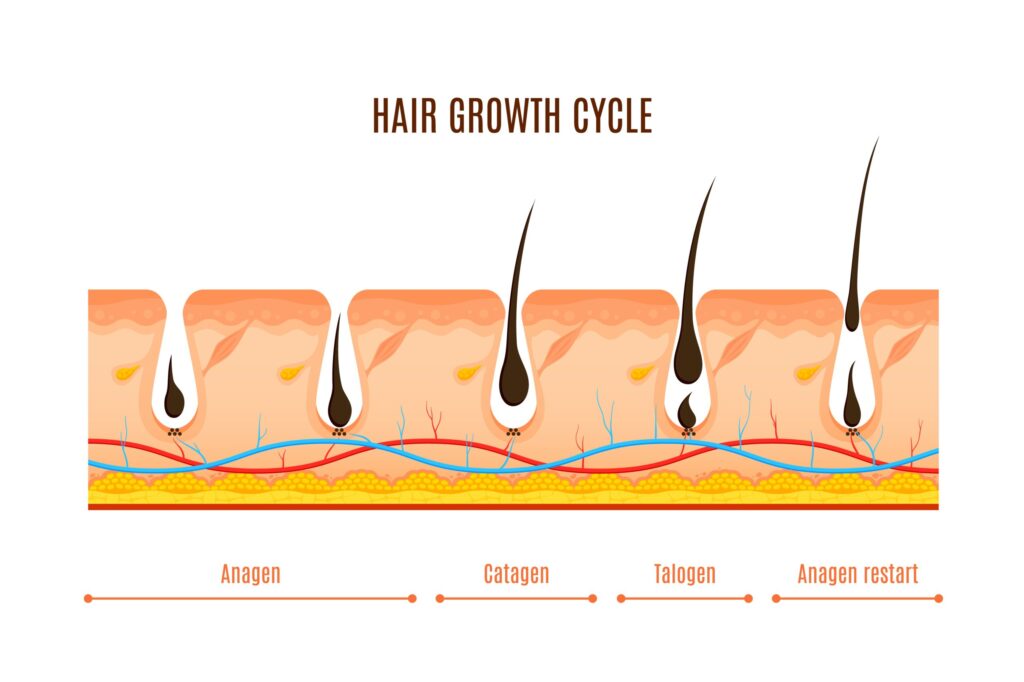
Hair growth involves various phases and biological structures. At the heart of this process are hair follicles, which are embedded in the skin and responsible for producing hair. Knowing how hair develops from these follicles helps clarify myths about shaving and hair regrowth.
A closer look at the hair growth cycle reveals that hair grows in stages, each with distinct characteristics. These stages include:
- Anagen (growth)
- Catagen (regression)
- Telogen (rest)
- Shedding
The Hair Growth Cycle
Here is what happens at each stage:
- Anagen: Hair actively grows from the hair follicle, with cells multiplying rapidly and producing the hair shaft. This phase can last several years, contributing to the length of the hair.
- Catagen: growth slows and the follicle shrinks. This short transition lasts a few weeks.
- Telogen: the hair stops growing and rests, usually for a few months.
- Shedding: the old hair falls out and the follicle starts a new one, back in anagen.
Hair growth is a cycle driven by internal factors, and external actions like shaving don’t change it.
Role of Hair Follicles
Hair follicles are where hair is produced. Each follicle contains a bulb where hair shaft formation occurs, and stem cells that are vital for hair regeneration during the hair cycle. An individual has over five million hair follicles throughout their body, with roots and a significant concentration on the scalp.
These follicles have the ability to regenerate, which means hair can grow back even after damage. Hormones such as oestrogens are crucial for maintaining hair follicle health, especially in females, and stress hormones like cortisol can disrupt hair growth cycles, potentially leading to hair loss. Shaving touches none of this.
Does Shaving Make Hair Thicker?
The notion that shaving makes hair grow back thicker is a widespread myth. Shaving does not affect the hair’s thickness, colour, or growth rate. When you shave, you are merely cutting the hair at the surface level, without altering the root or the hair follicle itself. This means that the hair will grow back with the same thickness and texture as before. The same myth follows facial hair around, which is why shaving repeatedly in the hope of a fuller result gets men nowhere, and why growing a beard comes down to time rather than technique.
The perception that shaved hair appears thicker is due to the blunt angle at which the hair is cut, giving it a coarser feel. However, once the hair grows out, it returns to its original texture and appearance.
Why Shaved Hair Feels Coarser
The sensation of coarser hair after shaving is purely a tactile illusion. When hair is shaved, it is cut off at the shaft, leaving a blunt tip. This blunt end can feel rougher and thicker as it begins to grow out, but it does not indicate any actual change in the hair’s diameter or structure.
Moreover, because the hair is cut at the surface of the skin, it has not had the time to taper naturally, which contributes to the coarse feeling. The hair feels different, but its thickness hasn’t changed.
The Illusion of Thicker Hair
The illusion of thicker hair after shaving can be attributed to the blunt tips created by the razor. These blunt tips can cast a shadow or appear darker against the skin, giving the impression of thicker hair. However, this is merely a visual effect and does not reflect any actual increase in hair thickness.
Cut hair shafts may also appear more noticeable due to their straight edge, creating the false perception of increased density.
Does Shaving Affect Hair Growth Speed?
The belief that shaving affects hair growth speed is another common misconception. Shaving does not influence the rate at which hair grows; this is primarily determined by genetics. Scalp hair typically grows about half an inch (roughly 1.25cm) a month, regardless of shaving. Facial and body hair grow at their own rates. However, after shaving, hair growth rate can vary by individual based on genetics and the location of the hair.
Hair grows back healthy after shaving, but the act of shaving itself does not accelerate or decelerate the growth process.
Genetics and Hair Growth
Genetics play a significant role in determining the speed and pattern of hair growth. The rate at which hair grows and its overall density are largely inherited traits. Factors such as ethnicity, age, and individual genetic makeup all contribute to the variations in hair growth rates.
Since shaving does not alter genetic factors, it cannot change the inherent speed of hair regrowth. Any change in growth speed you think you notice is coincidence, not the result of shaving.
Hormones and Hair Regrowth
Hormones have a big say in hair growth. Androgens, the group of hormones that includes testosterone, are what turn fine, fluffy vellus hair into thicker terminal hair during puberty. That is why beards and body hair fill in through the teenage years, and shaving has nothing to do with it. If that is where you are now, here is how to shave for the first time.
Hormonal changes during different life stages, such as puberty or menopause, can also impact hair growth patterns and density, which is why hair regrowth varies between people and over time.
Alternative Hair Removal Methods
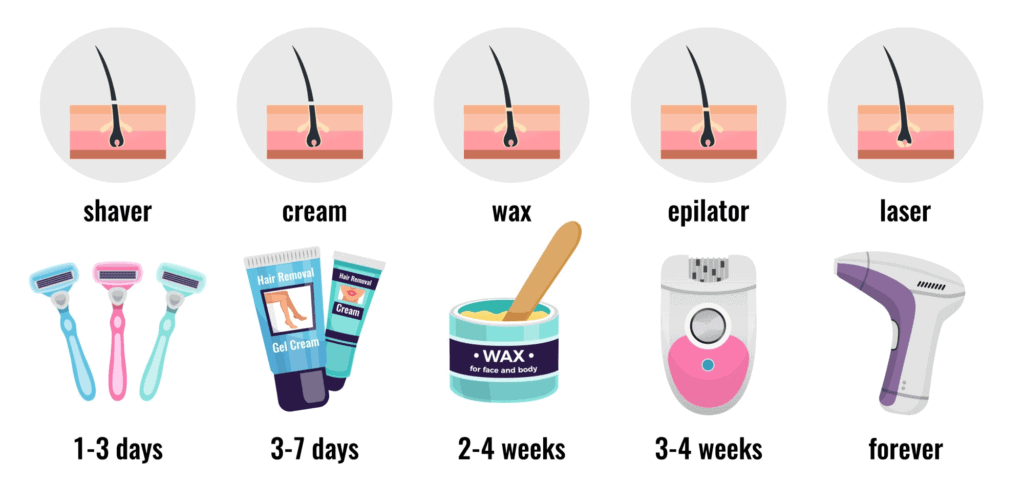
For those looking for alternatives to shaving, several other hair removal methods offer different benefits and longevity. Waxing, laser hair removal, and epilation are among the popular options. Each method targets hair removal in unique ways, providing varying degrees of permanence and smoothness.
Waxing
Waxing is a method that removes hair from the root, resulting in:
- A smoother skin surface for a longer period compared to shaving
- Removal of the entire hair from the follicle, delaying regrowth for several weeks
- Reduced frequency of hair removal sessions, making it a convenient option for those seeking longer-lasting results
However, waxing can be more painful than shaving and may require professional application for best results.
Laser Hair Removal
Laser hair removal is a highly effective method that targets hair follicles with laser energy to inhibit future hair growth and eliminate unwanted body hair. This method provides long-lasting results after multiple sessions and significantly reduces the occurrence of ingrown hairs.
Laser treatment targets and damages hair follicles, gradually reducing hair density and regrowth. While it requires a financial investment and multiple treatments, the long-term benefits make it a popular choice for many. Laser hair removal typically requires five to eight treatments for optimal results.
Epilation
Epilation is another hair removal method that offers longer-lasting results compared to shaving. Epilation removes hair from the root, delaying regrowth and leaving the skin smooth for weeks. Although it can be more painful than shaving, the extended period of smooth skin and reduced frequency of hair removal make it an appealing option for those seeking a more enduring solution.
Various epilation devices are available for home use, providing convenience and effectiveness.
Tips for a Smoother Shave
Achieving a smoother shave involves proper preparation, using quality tools, and practicing good post-shave care. Using a good shaving cream can reduce friction and allow for a closer shave. Moisturising the skin after shaving helps maintain smoothness and prevent irritation. It is recommended to shave in the direction of hair growth to minimise irritation and ingrown hairs. It is best to shave after a shower when the skin is clean and damp.
Following these shaving tips ensures a comfortable and effective shaving experience, minimising the risk of ingrown hairs and skin irritation.
Exfoliate Before Shaving
Exfoliating the skin before shaving is essential for a smoother shave. It helps remove dead skin cells that can accumulate on the skin’s surface, reducing the risk of ingrown hairs. Exfoliating one to two days before shaving ensures that the skin is prepared and allows for a closer shave.
Exfoliation removes dead skin cells, improving shave quality and preventing irritation. This simple step can make a significant difference in achieving a smooth and comfortable shave.
Use Quality Shaving Tools
High-quality shaving tools are essential for the best results. Sharp razors minimise skin irritation and allow for a closer shave, while a suitable shaving cream helps lubricate the skin and hair.
Change your blade as soon as it starts to tug rather than glide (here is how often you should change your razor). If you keep forgetting, a men’s razor subscription sends fresh blades on whatever interval suits you. Investing in quality shaving tools and products enhances the overall shaving experience and ensures smoother results.
Post-Shave Care
Post-shave care is essential for maintaining skin hydration and preventing irritation. A soothing product after shaving can be used to rinse away any residue and maintain skin hydration while preventing razor burn.
Applying after-shave balm helps reduce prickliness and maintain a smooth feel. Proper post-shave care ensures a comfortable shave experience and keeps the skin healthy and hydrated. Moisturising the skin after shaving helps to keep it soft and restore the skin barrier.
Common Myths About Shaving
Common myths about shaving often lead to misunderstandings and unrealistic expectations about hair growth. Shaving does not affect the hair growth speed or its thickness; these characteristics are primarily determined by genetics and hormonal influences.
Shaving Makes Hair Grow Back Darker
The belief that shaving makes hair grow back darker is a persistent myth that has no scientific basis. Shaving does not change the colour of your hair. The hair that grows back after shaving is the same colour as before; it may appear darker due to the blunt tip left by the razor, which can cast a more pronounced shadow against the skin.
This misconception persists because the newly shaved hair is more noticeable when it first starts to grow back. However, as the new hair continues to grow, it becomes visible and regains its natural taper and colour, dispelling the illusion of darker hair.
Shaving Causes Faster Hair Regrowth
Another common myth is that shaving causes hair to grow back faster. This perception is incorrect; shaving does not influence the speed of hair regrowth. The rate at which hair grows back is determined by genetic and hormonal factors, not by shaving.
The illusion of faster hair regrowth is due to the coarser texture of the new growth, which can make hair appear more prominent shortly after shaving. The actual rate of regrowth doesn’t change.
Summary
The myths surrounding shaving and hair regrowth, such as shaving making hair grow back thicker, darker, or faster, have been thoroughly debunked. Shaving simply cuts hair at the surface level, leaving a blunt tip that may feel coarser but does not alter the hair’s thickness, colour, or growth rate. Understanding the hair growth cycle and the role of hair follicles helps clarify why shaving has no lasting impact on hair properties.
For those seeking alternatives to shaving, methods like waxing, laser hair removal, and epilation offer different benefits and longer-lasting results. Each method targets hair removal uniquely, providing varying degrees of permanence and smoothness. By incorporating tips for a smoother shave, such as exfoliating before shaving and using quality shaving tools, you can enhance your shaving experience and maintain healthy, smooth skin.
Frequently Asked Questions
Does shaving make hair grow back thicker?
Shaving does not cause hair to grow back thicker; it merely creates a blunt tip that can appear coarser. The hair’s natural thickness remains unaffected.
Does shaving make hair grow back darker?
Shaving does not make hair grow back darker; it may only appear darker temporarily because of the blunt tip. The hair will return to its natural colour as it grows.
Does shaving affect the speed of hair regrowth?
Shaving does not affect the speed of hair regrowth; it is mainly influenced by genetics and hormonal factors.
What are some alternative hair removal methods to shaving?
Alternative hair removal methods include waxing, laser hair removal, and epilation, each providing longer-lasting results than shaving. Hair removal methods like waxing or laser treatments may prolong the time it takes for hair to regrow compared to shaving. Consider these options based on your needs for effective hair removal.
How can I achieve a smoother shave?
To achieve a smoother shave, it is essential to exfoliate beforehand, use quality shaving tools, and ensure proper post-shave care to minimise irritation and promote skin smoothness.
Missed a spot?
More from Grooming & Guides

What Age Should You Start Shaving? Your First Shave, Start to Finish
There is no set age to start shaving. Most lads start in their early to mid teens, when the hair gets dark enough to notice.
The Perfect Beard Neckline: How to Find It, Trim It and Keep It Clean
Set your beard neckline two finger widths above the Adam's apple, in a soft curve from ear to ear.
Can You Take a Razor on a Plane? The UK Rules for Hand Luggage
Cartridge and disposable razors are fine in UK hand luggage. Loose blades and loaded safety razors are not.