
Dyddiadur y Cyrnol / Trefnu a Chanllawiau
What to Use Instead of Shaving Cream (When You Have Run Out)
Diweddarwyd ddiwethaf ar
You reach for the shaving cream and the tin is empty, or it is still sitting at home and you are in a hotel bathroom. You still want a clean shave, and you can still have one. Plenty of things in a normal bathroom will do the job for a day or two, and some are much better than others. Here is what to use instead of shaving cream, how to shave without it, and what to steer clear of.
Ar y dudalen hon
Prif gasgliadau
- Yes, you can shave without shaving cream, as long as you use something slippery and plenty of warm water. Never shave on dry skin.
- Hair conditioner is the best stand-in most people have to hand. It softens the hair and gives good glide.
- Oils, aloe vera gel and body lotion also work, each with their own catch: slippery floors, blocked pores or a thin cushion.
- Avoid bar soap, washing-up liquid and strongly perfumed products. They dry the skin and make razor burn more likely.
- These are stopgaps. For a daily shave, a proper shaving cream still gives the most cushion and the least irritation.
Allwch chi eillio heb hufen eillio?
Yes. What you cannot do comfortably is shave without any lubrication at all. Without a lubricant there is no protective barrier between the razor blade and your skin. Shaving cream does three jobs: it holds water against the hair so it softens, it lets the razor glide instead of scraping, and it shows you where you have already been. Any shaving cream alternative needs to do at least the first two.
Run out again? Un tocyn i ddau shaving creams come in 75ml travel tins for £8, and one tin lasts three to six months with a brush.
See the creamsShaving bare, dry skin is the one option to rule out. The blade drags and tugs, and dry shaving is one of the main causes of razor burn.[1] It can also leave nicks, redness and ingrown hairs that last for days. Our guide to brech rasel a brech eillio covers how to calm them down.
So whatever you use instead, the basics stay the same:
- Soften the hair with warm water first, ideally at the end of a shower.
- Use a thin, even layer of whatever you are using, on wet skin.
- Shave with the grain, with light pressure and short strokes.
- Rinse the razor every couple of strokes.
- Rinse, pat dry and moisturise afterwards.
Beth alla i ddefnyddio yn lle hufen eillio?
If you run out of shaving cream, here are the common shaving cream alternatives, from best to worst for most people.
| Shaving cream alternative | Glide | Downsides | Gorau ar gyfer |
|---|---|---|---|
| Hair conditioner | Good | Can clog blades, often scented | Face and body |
| Gêl aloe vera | Fair | Thin cushion, can go tacky | Sensitive skin, body |
| Coconut oil, olive oil, baby oil or body oil | Very good | Greasy, slippery floors, can block pores | Legs and body |
| Body lotion | Fair | Can clog blades, often scented | Legs and arms |
| Body wash or shower gel | Poor to fair | Thin lather, can dry the skin | Legs at a push |
| Bar soap | Poor | Dries skin, thin lather | Avoid if you can |
The table is a rough guide. A rich conditioner will beat a thin one, and a plain lotion will beat a heavily scented one.
Cyflyrydd gwallt: a allwch chi eillio gyda chyflyrydd?
Yes. It is a good substitute, and the best everyday stand-in. Hair conditioner is made to soften hair and make it slippery, which is most of what a shaving cream does. It is in almost every bathroom and hotel shower.
How to use it: wet your face or the area you are shaving with warm water. Spread a thin layer of conditioner over it and leave it for a minute so it softens the hair. Shave with the grain using light pressure, and rinse the blade often.
The catch: conditioner gives less cushion than a proper shaving cream, it can gum up the gaps between blades, and many conditioners are strongly scented, which can sting freshly shaved skin. If you have a choice, pick a plain, lightly scented one.
Olewau: olew cnau coco, olew olewydd, olew babanod ac olew corff
A few drops of oil make a very slick surface, and the razor glides well. That is why some men use them as a shaving cream alternative on legs and body.
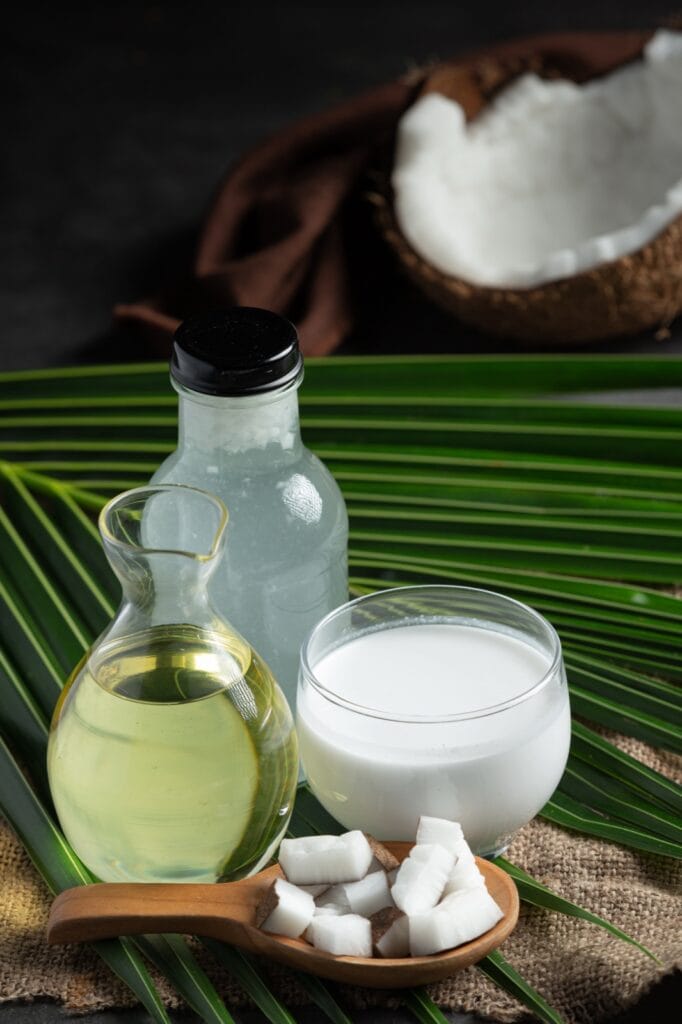
- Olew cnau coco gives excellent glide and leaves skin feeling soft. It is solid at room temperature, so warm it between your palms first. It is a well-known pore clogger, so keep it off your face, and off your chest, back and shoulders if you are prone to spots.[2]
- Olive oil is a kitchen standby that works in a pinch. It is heavy and clings to the razor, so rinse often.
- Baby oil and body oil spread easily and suit hairy legs and chests. Use very little.
- Shea butter, if you have some, works the same way. Warm it between your palms first, and expect it to feel a bit greasy.
Two warnings for all oils. They make the shower floor and bath very slippery, so stand still and wipe up afterwards. And oil does not soften the hair the way water and cream do, so shave straight after a warm shower when the hair is already soft.
Gêl aloe vera
Plain aloe vera gel gives light glide and feels cooling, which makes it a reasonable choice for sensitive skin or skin that has had too much sun. It is non-greasy and rinses off easily.
The downside is a thin cushion. On a thick or coarse beard it may not be enough lubrication, which can leave an uneven shave, and it can turn tacky if you take too long. Apply it on damp skin, shave while it still feels slippery, and add a little more as you go. A thin layer afterwards also makes a soothing post-shave finish.[1]
Llithriad corff a golch corff
Body lotion gives some slip, especially on legs and arms. Keep the layer thin and rinse the blade often, because lotion clogs a razor quickly. Unscented is better.
Body wash or shower gel makes a thin lather that helps a little. Work it up on very wet skin until it is creamy rather than squeaky. Like soap, many body washes strip oils from the skin, so they are better for the odd body shave than for your face.
Beth i beidio â'i ddefnyddio
Some things make a shave worse than no product at all.
- Bar soap. It gives a thin, squeaky lather and dries the skin. DermNet’s shaving advice is to use a moisturising cleanser and never soap.[3] Use it only if there is truly nothing else, and moisturise well afterwards.
- Washing-up liquid and household cleaners. Made to strip grease, and that includes the oils your skin needs.
- Shampoo. Often harsh and drying, and it gives very little glide.
- Anything with scrub beads or strong perfume. Both irritate freshly shaved skin.
- Nothing at all. Dry shaving with a blade is the fastest route to razor burn.
If none of the better options are to hand, it is kinder to your skin to skip the shave for a day, or tidy up with a trimmer, than to scrape away with soap. Our post on electric shavers and wet shaving covers when a dry electric shave makes sense.
Sut i eillio heb hufen eillio, gam wrth gam
These steps work whichever shaving cream alternative you use.
- Soften the hair. Shave at the end of a warm shower, or hold a warm, damp flannel on your face for a couple of minutes. Our guide to the barbershop hot towel shows how.
- Apply a thin, even layer of your stand-in on wet skin. It should feel slippery under your fingers.
- Helyg gyda'r graen, using short strokes and light pressure. Take extra care on the neck and jaw.
- Rinse the razor every couple of strokes. Conditioner, oil and lotion clog blades faster than regular shaving cream, and a clogged disposable razor stops cutting cleanly.
- Re-apply rather than going over a patch dry.
- Rinse well, pat dry and moisturise with something plain and unperfumed to keep skin hydrated and help prevent irritation.
A sharp blade matters even more when you are using a substitute, because the cushion is thinner. If your razor has started to pull, change it before you start. Our guide on pa mor aml i newid eich rasel yn ymdrin â'r arwyddion.
Pam ei bod yn dal yn werth cael hufen eillio priodol
Every shaving cream alternative gives up something. Conditioner and lotion clog the blade. Oils are messy and slippery. Aloe vera is thin. Soap dries the skin. A proper shaving cream lathers into a thick, stable protective layer that holds water against the hair, lets the blade glide smoothly, rinses clean and shows you where you have shaved. The result is a closer shave and smooth skin with less irritation.
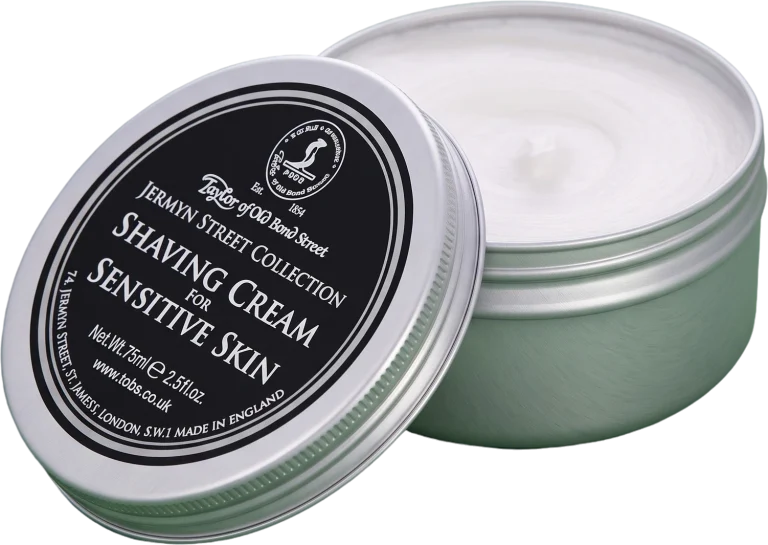
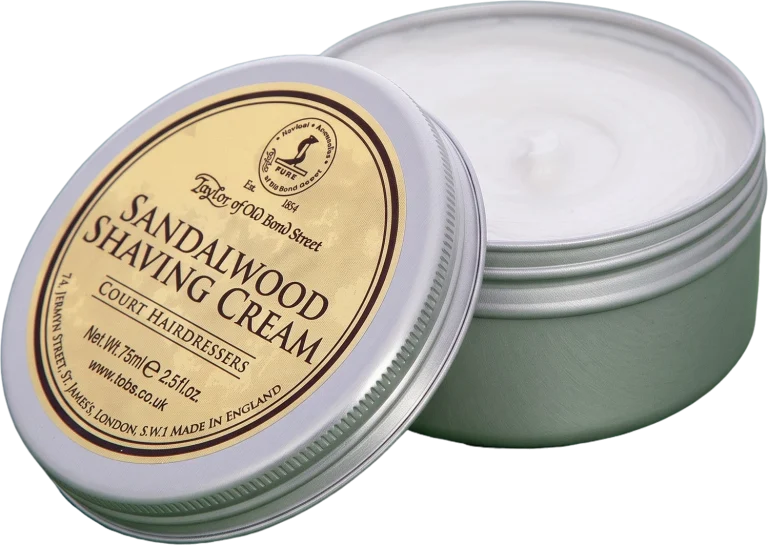
The other answer to running out is to keep a spare. Our shaving creams come in a 75ml travel tin for £8, and lathered with a brush one tin lasts three to six months. A tin that small also fits in any wash bag, so you are not left using hotel conditioner. If you travel a lot, our post on mynd â rasel ar awyren covers what you can pack.
O silff y Cyrnol
Keep a spare tin in the cupboard
Cwestiynau mae pobl yn eu gofyn
Beth alla i ddefnyddio yn lle hufen eillio?
I'r rhan fwyaf o bobl, cyflyrydd gwallt yw'r dewis gorau. Mae olew cnau coco, olew babanod, gel aloe vera a hufen corff hefyd yn gweithio. Osgowch sebon bar, hylif golchi llestri a thorri'r barf ar groen sych.
A allwch chi eillio gyda chyflyrydd?
Ie. Taenwch haen denau ar groen gwlyb, gadewch ef am funud i feddalu'r blew, yna eillwch gyda llinell y blew a rinsiwch y llafn yn aml. Cyflyrydd plaen, ysgafn ei arogl, yw'r mwyaf tyner.
Ydy hi'n ddrwg i eillio heb hufen eillio?
O dro i dro, mae'n iawn defnyddio stand-in gweddol a digon o ddŵr cynnes. Bob dydd, mae'r clustog denau yn gwneud llosg rasel, sychder a brychni'n fwy tebygol.
Alla i ddefnyddio sebon yn lle hufen eillio?
Dim ond os nad oes dim byd arall. Mae sebon bar yn rhoi ewyn tenau ac yn sychu'r croen. Mae golchi corff ychydig yn well. Lleithwch yn dda wedyn.
Ydy olew cnau coco yn dda ar gyfer eillio?
It gives excellent glide and leaves skin soft, so it works well on legs and body. It clogs pores, so it is best kept off your face[2], and it makes the shower floor slippery.
Beth ddylwn i wneud os yw fy nghroen yn ddolurus ar ôl eillio heb hufen?
Rhowch ddiwrnod neu ddau o seibiant rhag eillio, rinsiwch â dŵr oer a defnyddiwch leithydd plaen neu gel aloi vera. Dychwelwch at hufen eillio priodol ar gyfer yr eilliad nesaf. Os na fydd y poen neu'r brech yn setlo, ewch i weld fferyllydd.
Ffynonellau
- Clinig Cleveland, Llosg Llafn: Achosion a Thriniaeth
- Clinig Cleveland, Is Coconut Oil Good For Your Skin?
- DermNet, Eillio
Wedi methu sbot?
Mwy gan Trefnu a Chanllawiau
Sut i Eillio'n Gywir: Canllaw Cam wrth Gam i Eilliad Agos a Glân
Does gan y rhan fwyaf o broblemau eillio ddim i'w wneud â'r rasel. Maen nhw'n deillio o ruthro'r paratoi, gwasgu'n rhy galed, neu fynd dros y...

Ar Ba Oeddydd Dylech Chi Ddechrau Cannu? Eich Cannu Cyntaf, o'r Dechrau i'r Diwedd
Does dim oedran penodol i ddechrau eillio. Mae'r rhan fwyaf o fechgyn yn dechrau yn eu harddegau cynnar i ganol, pan mae'r blew'n tywyllu digon i'w weld.
Y Llinell Wddf Gywir ar gyfer Barf: Sut i'w Darganfod, ei Thocio a'i Chadw'n Lân
Gosodwch linell wddf eich barf ddwy led bys uwchlaw afal Adda, mewn cromlin feddal o glust i glust.