
The Colonel’s Journal / Grooming & Guides
How to Get Rid of Razor Bumps and Shaving Rash Fast (and Stop Them Coming Back)
Last updated on
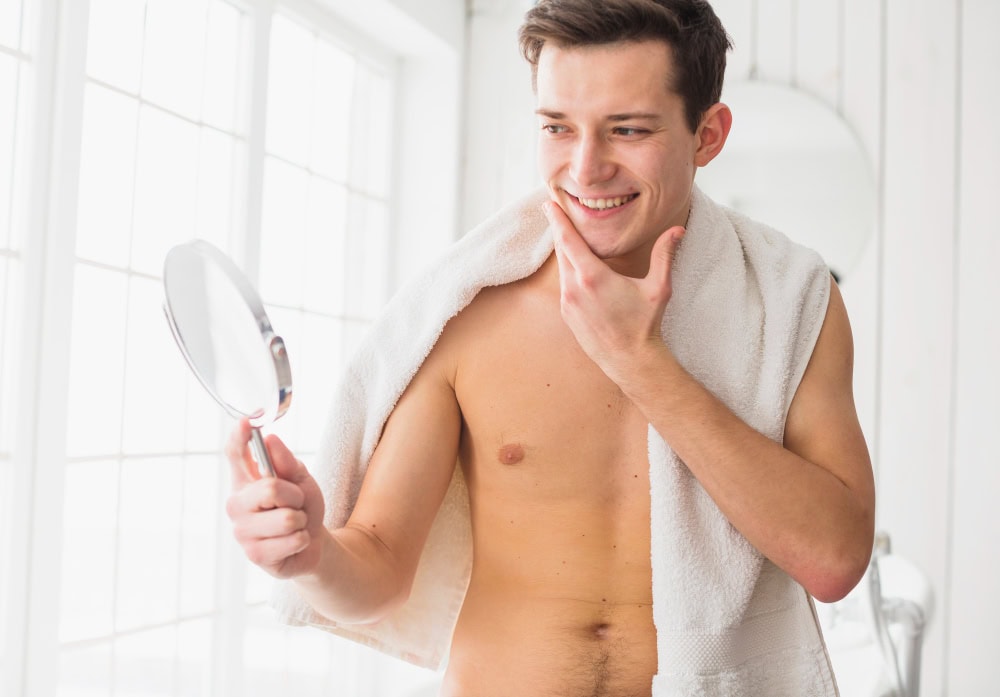
Red bumps, a stinging rash or a crop of spots after you shave usually come down to the same few things: a blunt blade, too much pressure, not enough cream, or shaving against the grain. The good news is that all of them clear up on their own once you stop aggravating the skin, and most never come back once you change how you shave.
On this page
Key takeaways
- Razor bumps are hairs growing back into the skin. Shaving rash and razor burn are irritated skin. They look similar, but they are different problems and heal at different speeds.
- The fastest fix for razor bumps is to stop shaving the area for a few days, use a warm compress, and leave the bumps alone. Do not pick or squeeze them.
- Razor burn usually settles in a day or two. Razor bumps can take one to two weeks, longer if hairs stay trapped.
- To stop them coming back: a sharp blade, a proper shaving cream, light pressure, and shave in the direction of hair growth.
- See a GP or pharmacist if bumps fill with pus, spread, get very sore, or leave dark marks or raised scars.
Razor bumps, shaving rash or razor burn: which have you got?
People use all three names for anything red after a shave, but they are different problems with different fixes. The table below is the quickest way to tell them apart.
| What it looks like | When it shows up | Main cause | |
|---|---|---|---|
| Razor burn | Red, stinging, sometimes itchy skin, no bumps | Straight after shaving | Blunt blade, pressure, dry shaving |
| Shaving rash | A patch of small red dots or a blotchy rash | Within a few hours | Irritation from the blade or a product |
| Razor bumps | Raised red or skin-coloured bumps, sometimes with a hair visible in the middle | A day or two later | Hairs curling back into the skin as they regrow |
If yours appeared straight away and stings, it is razor burn or shaving rash, and it is the skin that needs calming. If it turned up a day or two later as firm, itchy bumps, especially on the neck, those are ingrown hairs, and it is the hair that needs freeing.
Most bumps and rash start with a blade kept going one shave too long. The Bearded Colonel posts fresh five-blade refills through your letterbox on the schedule you choose, so there is always a sharp one in the drawer.
See the plansWhy razor bumps, ingrown hairs and shaving rash happen
A razor blade cuts the hair at the surface and drags across the top layer of skin at the same time. Do that with a blunt edge, with pressure, or without enough cream between the blade and your face, and the skin gets scraped rather than shaved. That skin irritation is razor burn and shaving rash.
Razor bumps are different. The medical name is pseudofolliculitis barbae. When a hair is cut very short and at an angle, the sharp tip can curl back and grow into the skin, or retreat below the surface and push through the side of the hair follicle as it grows. The body treats it like a splinter, and you get a red, sore bump. DermNet’s page on pseudofolliculitis barbae has the clinical detail.
Some people get them far more than others:
- Curly or coarse hair curls back into the skin much more easily. Pseudofolliculitis barbae is very common in men with tightly curled beard hair, which is why it is often seen in men of African and Caribbean heritage.
- The neck is the usual trouble spot, because the hair there grows in different directions and the skin is thinner.
- Shaving against the grain cuts the hair below the surface, which is exactly where it then gets trapped.
- Shaving too often gives the skin no time to recover between shaves. Our guide to how often you should shave goes into this.
- Sensitive skin, or a history of eczema or acne, tends to react to the blade with more skin irritation and more ingrown hairs.
- Tight clothing rubbing over freshly shaved skin keeps the irritation going, especially on the bikini line, the pubic area and under the arms.
How to get rid of razor bumps fast
There is no overnight fix, but these steps clear most bumps in days rather than weeks.
- Stop shaving the affected area for two or three days. Every shave over the affected area re-cuts the hair and scrapes the inflamed skin. This is the single thing that helps most. If the bumps are bad, give it a week or two.
- Cool it down first. If the skin is hot and swollen, a cool compress (a clean flannel run under the cold tap) held on for five to ten minutes helps reduce inflammation and takes the sting out.
- Then use a warm compress. Once the swelling has eased, soak a clean flannel in warm water and hold it on the bumps for a few minutes, two or three times a day. It softens the skin and helps trapped hairs work their way out.
- Leave them alone. Picking and squeezing pushes bacteria deeper and is how bumps turn into infected spots, scars and dark marks.
- If you can see a hair loop at the surface, you can gently lift the end out with clean tweezers. Do not dig for it.
- Use a gentle exfoliant once the soreness eases. A product with salicylic acid or glycolic acid helps remove dead skin cells from the hair follicles so ingrown hairs can break through. Once a day at most, and not on broken skin.
- Calm the redness. Aloe vera gel or a fragrance-free moisturiser soothes the skin. For bumps that are very red and itchy, a pharmacist can advise on a mild over the counter hydrocortisone cream. Most of these are not meant for the face without advice, so ask first.
Some people find a little diluted tea tree oil helps with redness. Never put it on neat, and try it on a small patch first, because it can irritate sensitive skin.
How to calm shaving rash and razor burn
Razor burn and shaving rash are the skin protesting, so the fix is to stop irritating it and let it settle.
- Rinse with cool water and pat dry. Do not rub with a towel.
- Apply aloe vera or a plain hydrating lotion to reduce inflammation and cool the razor burn.
- Moisturise with something plain and fragrance-free, and keep doing it for a couple of days.
- Skip aftershave with alcohol in it. It stings for a reason.
- Give it a day or two before you shave that area again.
Most razor burn has gone in a day or two. If a rash spreads, blisters or keeps coming back however careful you are, a product might be the problem rather than the razor, so swap one thing at a time to find it.
How long do razor bumps last?
Razor burn usually fades within a couple of days. Painful bumps from ingrown hairs take longer: often one to two weeks, as long as you stop re-shaving over them. A hair that stays trapped can keep a bump going for longer, and that is when a warm compress and a gentle exfoliant earn their keep. Any dark marks left behind, which are more common on darker skin tones, can take a few months to fade.
How to prevent razor bumps and razor burn
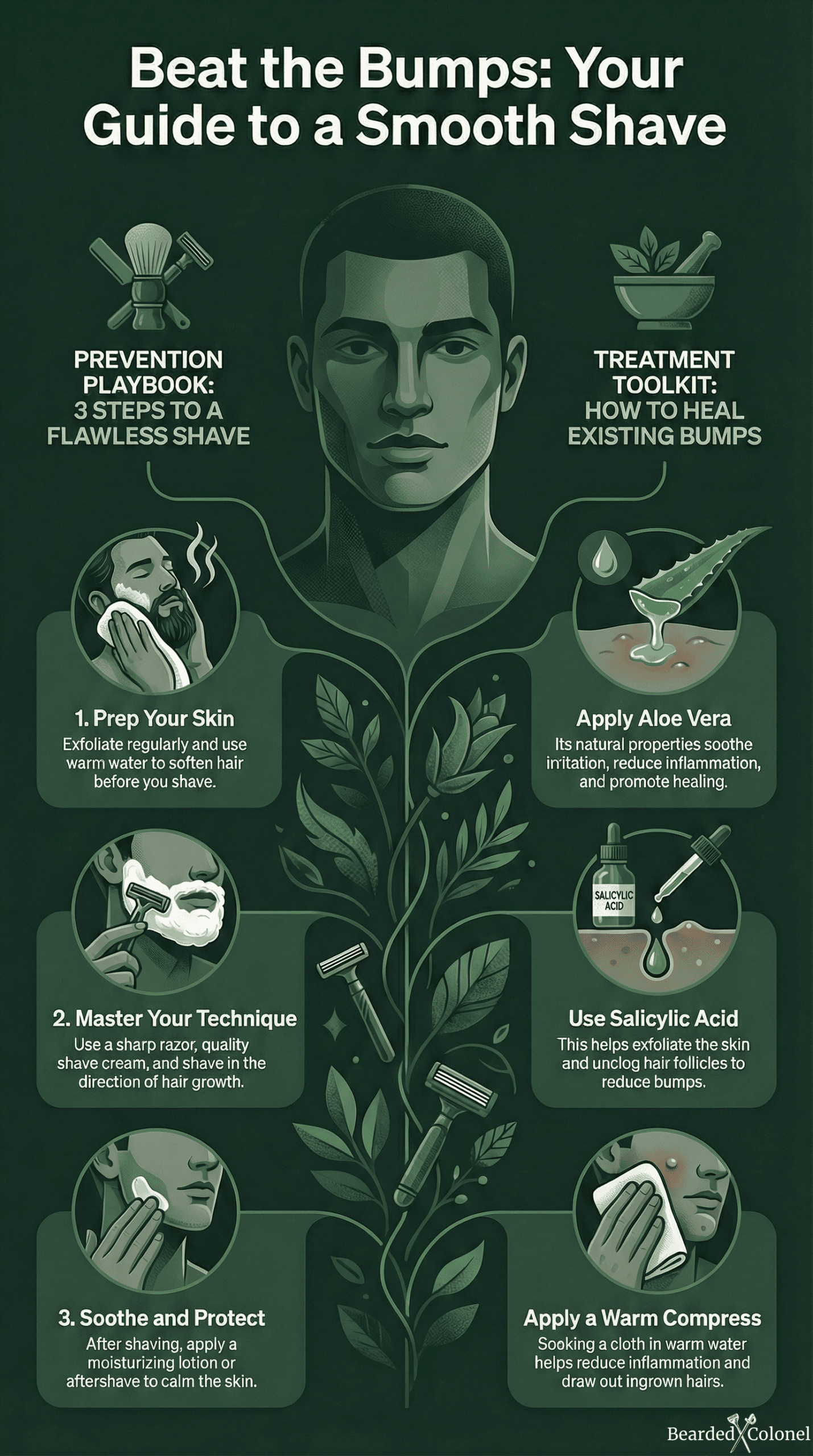
Prevention is mostly shaving technique and a sharp razor. The same steps prevent razor burn, ingrown hairs and new razor bumps, so follow them every time.
- Shave after a warm shower, or hold a hot flannel on your face for a minute. Warm, wet hair cuts cleanly. Dry, cold stubble is a leading cause of razor burn, so avoid dry shaving with a blade.
- Use a proper shaving cream, and work it in well. A shaving brush is worth it here: it lifts the hairs and builds a thicker lather than your fingers can.
- Use a sharp blade. A dull blade tugs instead of cutting, and that tug is what causes skin irritation and razor burn. Change it as soon as it starts to pull, which our guide on how often to change your razor goes into.
- Let the razor glide. Hold it lightly, shave slowly, and let the weight of the handle do the work. Do not stretch the skin tight, which lets the blade cut below the surface.
- Shave in the direction of hair growth. Going against it gives a closer shave and a lot more bumps. Our guide on why you shouldn’t shave against the grain explains why.
- Rinse the razor blades every few strokes so hair and cream do not clog between them. Clogged blades tug.
- Do one pass, then stop. If you want it closer, re-lather and go across the grain rather than against it.
- Rinse with cool water, pat dry and moisturise.
- Keep a clean razor and store it head-up. Resting it on its blades traps water around the edge and dulls it faster.
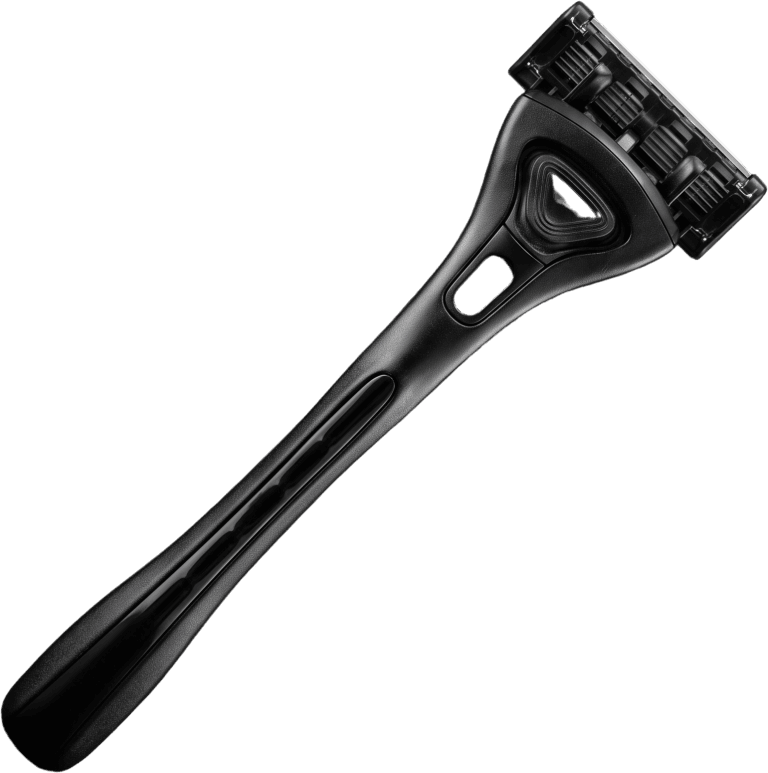
The razor matters too. Most cartridges drag a solid plastic strip through the cream before the blades reach it, pushing the cream out of the way. Ours has a roller on the leading edge that rolls over the cream instead, so more of it stays between the blades and your skin.
Should you exfoliate before shaving?
Yes, but gently, and not every day. Exfoliating two or three times a week removes the dead skin cells that trap regrowing hairs, which is one of the best ways to prevent ingrown hairs. A soft brush or a mild scrub works, and so does a chemical exfoliant with salicylic or glycolic acid on non-shaving days. Doing it hard just before a shave can leave the skin raw. There is more on timing in our guide to whether to exfoliate before or after shaving.
Spots after shaving: bumps or breakouts?
Not every spot after a shave is a razor bump, and not every bump is skin irritation from the blade. If you already get spots, shaving over them can split them open and spread the bacteria, so you get a crop of new ones a day later. The fix is the same as for bumps: shave around spots rather than over them, keep the blade clean and sharp, and do not share razors. A razor that has been used on a spot carries bacteria to the next one.
Razor bumps on the neck, bikini line and body
The neck gets them most, because the hair grows in different directions and the skin is thin. Feel which way the hair lies before you shave, shave the neck less often than your face if it keeps flaring up, and never go against the grain there. If you keep a beard, our guide to getting your beard neckline right shows where to stop shaving.
Legs, chest, armpits, the bikini line and the pubic area follow the same rules. Body hair is often coarser and curlier, so if anything it needs a sharper blade and more cream than your face, and loose cotton clothing afterwards to cut the friction. Our guides to shaving rash on the legs and bikini area, shaving your legs and shaving your chest cover the differences.
Razor bumps on darker skin
On darker skin tones the redness can be harder to see, so bumps often show up as brown or purple marks instead. Pseudofolliculitis barbae is also more common on darker skin, and the marks it leaves (post-inflammatory hyperpigmentation) can last for months after the bump itself has gone, so it pays to deal with bumps early and never pick them.
Go gentle with exfoliation: a low-strength glycolic or lactic acid a couple of times a week is better than harsh scrubs, which can cause more darkening. For marks that linger, a pharmacist or GP can suggest something suitable.
If you keep getting bumps: other hair removal techniques
If you still get razor bumps with a sharp blade and good technique, the problem may be how close you are cutting your facial hair or body hair rather than your shaving technique.
- Trim instead of shaving. A beard trimmer or electric razor leaves the hair just above the skin, so it cannot curl back in. Our guide to electric shavers versus wet shaving compares the two.
- Grow it out. Letting the hair grow for a few weeks gives the skin a proper rest. A short beard is one of the most reliable fixes for bumps on the neck. Our guide to the stages of beard growth covers what to expect.
- Hair removal creams. These dissolve the hair at the surface instead of cutting it, but they can irritate sensitive skin, so always patch test first.
- Laser hair removal. For long-term cases, laser hair removal reduces how much hair grows back over several sessions. If you have darker skin, choose a clinic with a laser suited to your skin tone.
When to see a GP or pharmacist
Most razor bumps and shaving rashes clear up on their own. The NHS guidance on ingrown hairs says the same. Get them looked at if:
- bumps fill with pus, spread, or get very painful or hot, which can be a sign of infection
- you get a fever with them
- they leave dark marks or raised, firm scars, which happens more on darker skin
- they keep coming back every time you shave, however careful you are
A pharmacist is a good first stop for creams. A GP can prescribe stronger treatments if you need them, and can tell you if something else is going on, which matters most for bumps in the pubic area.
What we would use
We would say this, because it is our own range, but these are the three things that make the biggest difference to bumps and rash.
From the Colonel’s shelf
Three things that stop the bumps
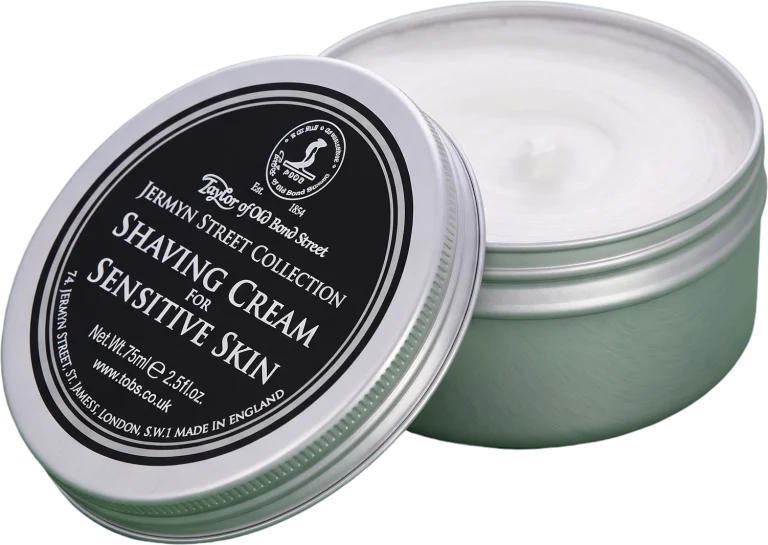
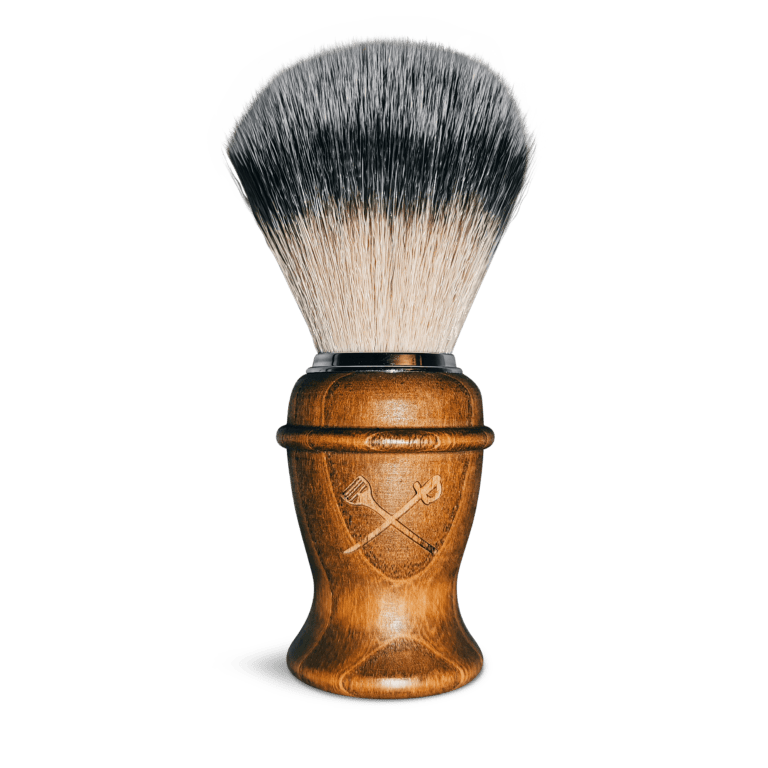
Every first Classic or VIP order comes with 30 days money back. Shave with it for a month, and if it is not for you, we refund it in full with nothing to send back.
The blade is the one that matters most. Most rash and most bumps start with a blade kept going for one shave too many, and that is the whole reason fresh refills coming by post works so well for sensitive skin: a new one is always in the drawer.
Questions people ask
What is the fastest way to get rid of razor bumps?
To treat razor bumps, stop shaving the area for two or three days, hold a warm compress on the bumps a few times a day, and leave them alone. Most clear within a week or two. A gentle salicylic acid product helps once the soreness has gone down.
Are razor bumps the same as razor burn?
No. Razor burn is irritated skin that appears straight after shaving and usually fades in a day or two. Razor bumps are ingrown hairs that show up a day or two later and last longer.
Can I shave over razor bumps?
It is better not to. Shaving over them re-cuts the trapped hairs and scrapes the inflamed skin, which keeps them going. Give the area a few days off, or trim it short with a beard trimmer instead.
Why do I always get bumps on my neck?
The hair on the neck grows in several directions and the skin is thinner, so it is easy to shave against the grain without realising. Feel which way it grows before you shave, use light pressure, and shave the neck less often than your face.
Does aftershave help razor bumps?
Not the alcohol kind. It stings and dries the skin, which makes irritation worse. A fragrance-free moisturiser or a little aloe vera gel does more good.
How often should I change my blade to avoid bumps?
As soon as it starts to tug instead of glide, which the American Academy of Dermatology puts at every five to seven shaves. A blunt blade is the most common cause of both razor burn and bumps.
Are electric razors better for razor bumps?
They can be. An electric razor cuts the hair just above the skin, so it is less likely to grow back in. The trade-off is a less close shave. If you get bumps however carefully you wet shave, it is worth trying one for a few weeks.
How can I tell if a bump is something more serious?
A razor bump is usually small and firm, centred on a hair, and appears a day or two after shaving. Clusters of painful blisters, bumps that spread fast, or bumps with a fever are not razor bumps and need a GP, especially around the genitals.
Missed a spot?
More from Grooming & Guides
Should Men Shave Their Arms? What Happens, and How to Do It Properly
Most men never think about their arm hair until something makes them. A new tattoo you want people to see.
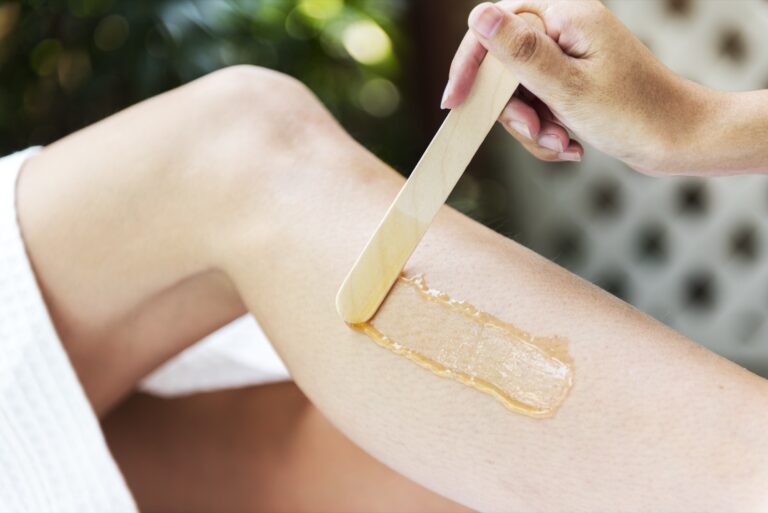
Shaving vs Waxing vs Hair Removal Cream: The Honest Pros and Cons
Shaving, waxing and hair removal cream all get rid of unwanted hair, and each one is the right answer for somebody.

Should You Shave Before or After a Shower?
Most of us run the morning routine on autopilot, and the order of shower and shave is usually whatever we did as teenagers.