
Coupe de cheveux en dégradé
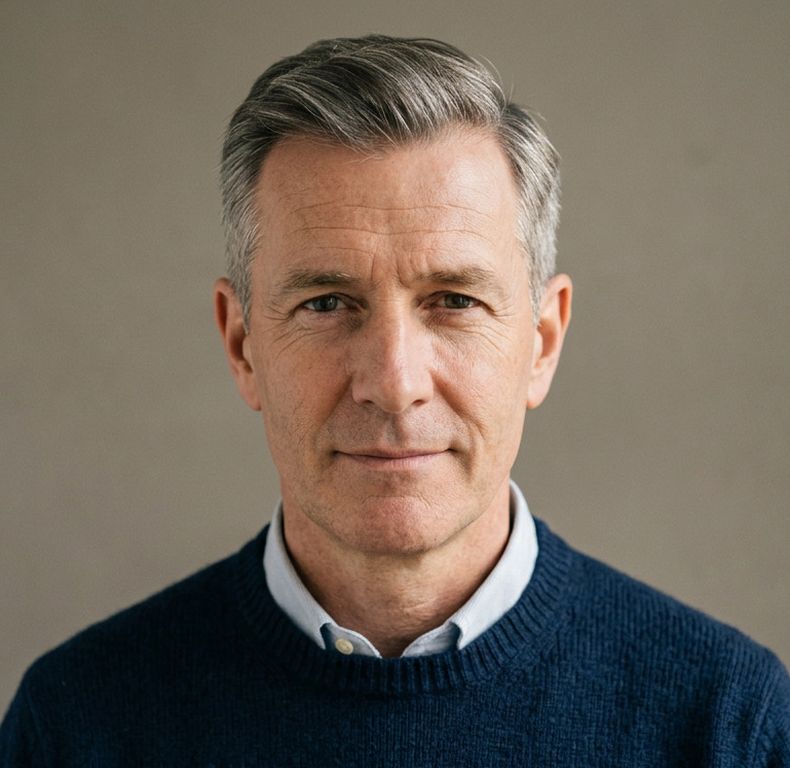
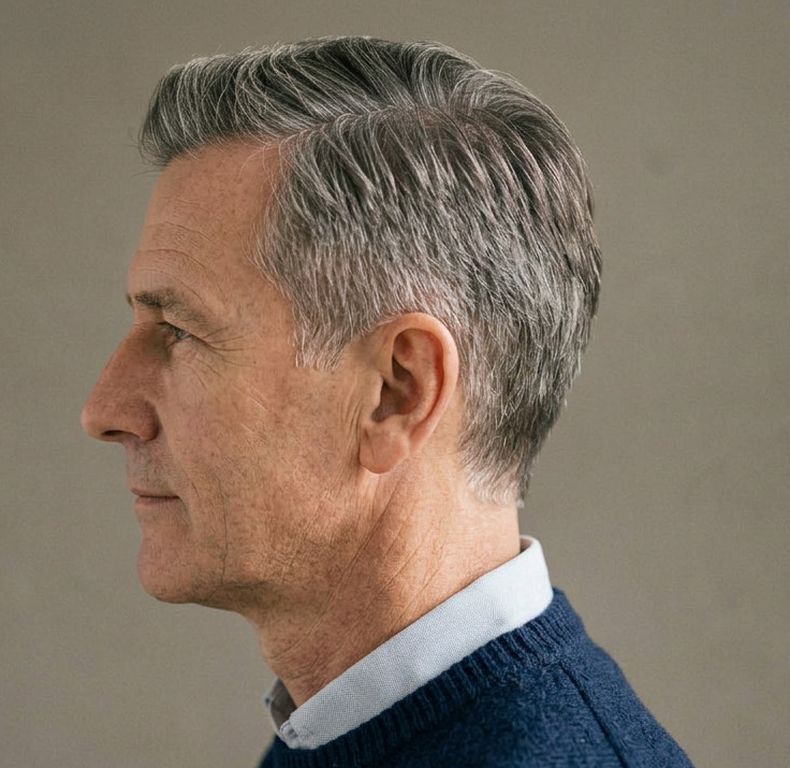
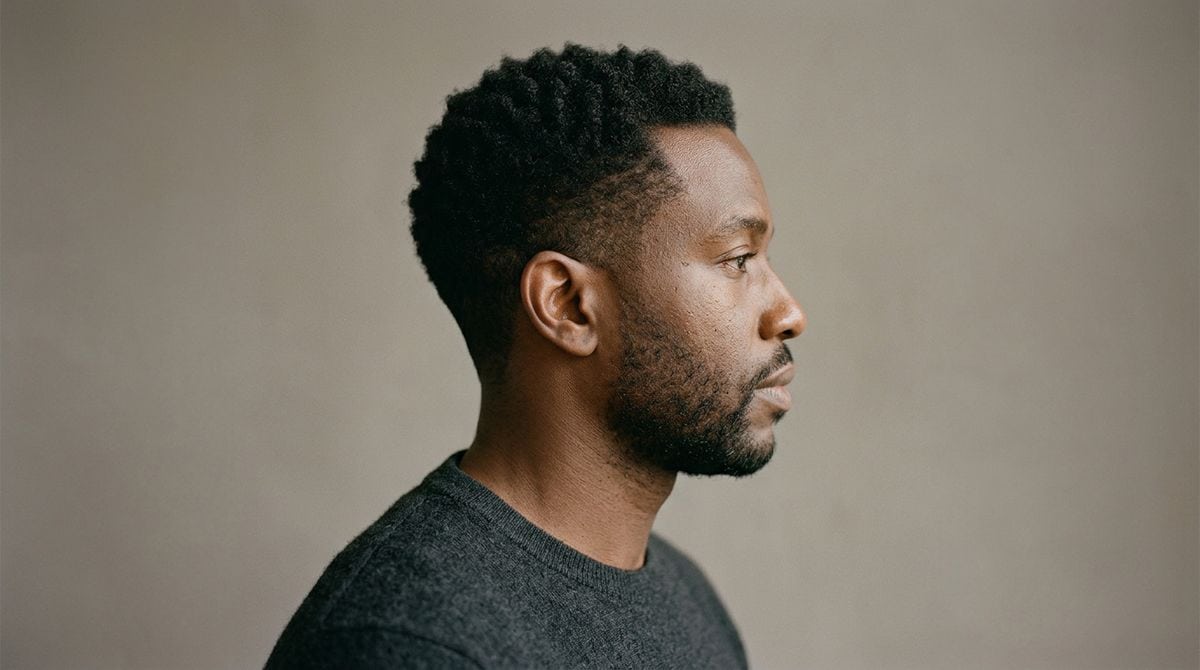
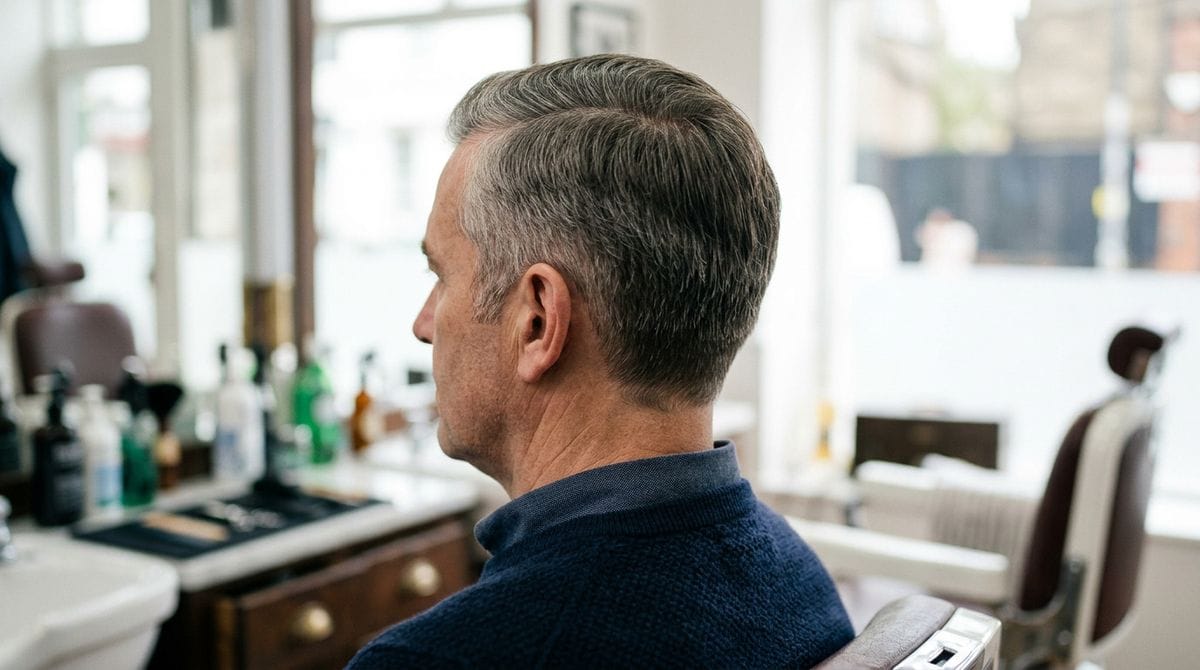
Sides and back graduated gradually shorter with scissors or longer clipper grades, keeping the natural hairline.
A taper haircut is a men's cut where the hair on the sides and back gets gradually shorter towards the ears and neck, but never down to skin, so your natural hairline stays where it is. It is usually done with scissors over comb or longer clipper grades, with more length left on top. It is the quiet, traditional end of every cut in the directory, and the one that looks most like a haircut three weeks later.
En bref
- Également appelé
- Classic taper, scissor taper
- Accompagnements
- Graduated shorter, scissor cut or a grade 3 to 4, down to a grade 2 at the very bottom
- Bottom
- Never to skin; the natural hairline stays
- Haut de la page
- 4 to 8cm, any style
- Entretien
- Every 3 to 4 weeks for a neat grade 2 to 3 taper, 4 to 6 for a scissor taper
- À ne pas manquer sur
- Every face shape
- À éviter si
- You want a sharp, high-contrast look
- Rendu populaire par
- Kit Harington (a classic curly taper, scissor cut at the neck), Steve McQueen (in the 1960s)
5 £ de réduction sur votre première livraison
Une coupe récente est particulièrement mise en valeur par un cou bien rasé. Une lame bien affûtée permet de conserver ce résultat entre deux rendez-vous, sans provoquer les irritations que laisse une lame émoussée.
5 £ de réduction sur votre premier abonnement ou votre première commande VIP – une offre par client, désabonnement en un clic
Comment s'adresser à son coiffeur
- Ask for a classic taperSides and back graduated shorter towards the ears and neck, no fade.
- Say no skinMake clear you want the natural hairline kept and nothing taken to skin.
- Scissors or clippersScissor over comb for the softest finish, or a grade 4 down to 3, with a grade 2 at the very bottom if you want it neater.
- Describe the topThe length and how you wear it.
Les variations
La même coupe, portée différemment. Ce qui change, c'est la longueur, l'endroit où commence la partie courte et la façon dont le haut est coiffé.
Est-ce que ça ira avec vos cheveux ?
Le type de cheveux détermine la façon dont une coupe tient et la rapidité avec laquelle elle perd sa forme. Le tableau ci-dessous en présente un résumé.
| Hétéro | Idéal | Shows a smooth graduation. |
|---|---|---|
| Ondulé | Idéal | Waves sit naturally at the sides. |
| Bouclé | Idéal | Keeps the curls and tidies the outline. |
| Coily | Œuvres | Works, though most coily cuts go shorter at the edges. |
| Épais | Idéal | Ask for the sides thinned as well. |
| Cheveux fins ou clairsemés | Idéal | Soft and subtle, nothing draws the eye. |
Est-ce que ça ira bien avec votre visage ?
C'est la façon dont la coupe ajoute de la hauteur ou enlève de la largeur qui détermine comment elle s'harmonise avec la forme de votre visage. Le type de cheveux a certes plus d'importance, mais voilà en bref.
| Ovale | Idéal | Des proportions équilibrées : c'est la coupe elle-même qui fait la différence. |
|---|---|---|
| Rond | Œuvres | Add a little lift at the front so it does not sit flat and wide. |
| Carré | Idéal | A neat parting suits a defined jaw. |
| Oblong | Œuvres | Keep the top fairly flat rather than lifted. |
| Cœur | Idéal | A side parting breaks up a broad forehead. |
| Diamant | Œuvres | A parting with some fullness on top works. |
Les styles de barbe qui vont bien avec
Les cheveux et la barbe ne forment qu'un seul et même contour. C'est ce qui permet de respecter les proportions de cette coupe.

What a classic taper is
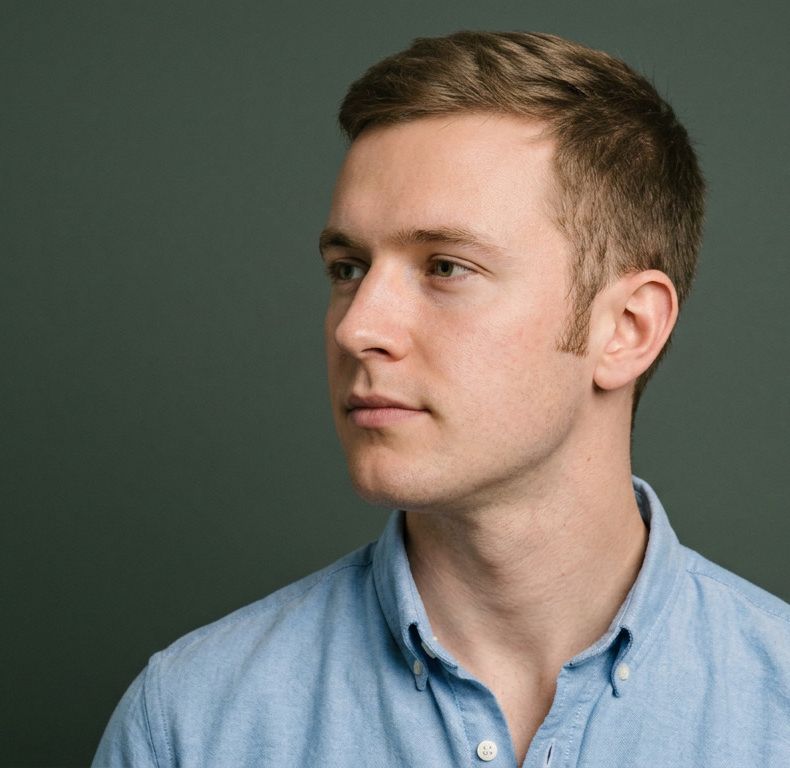
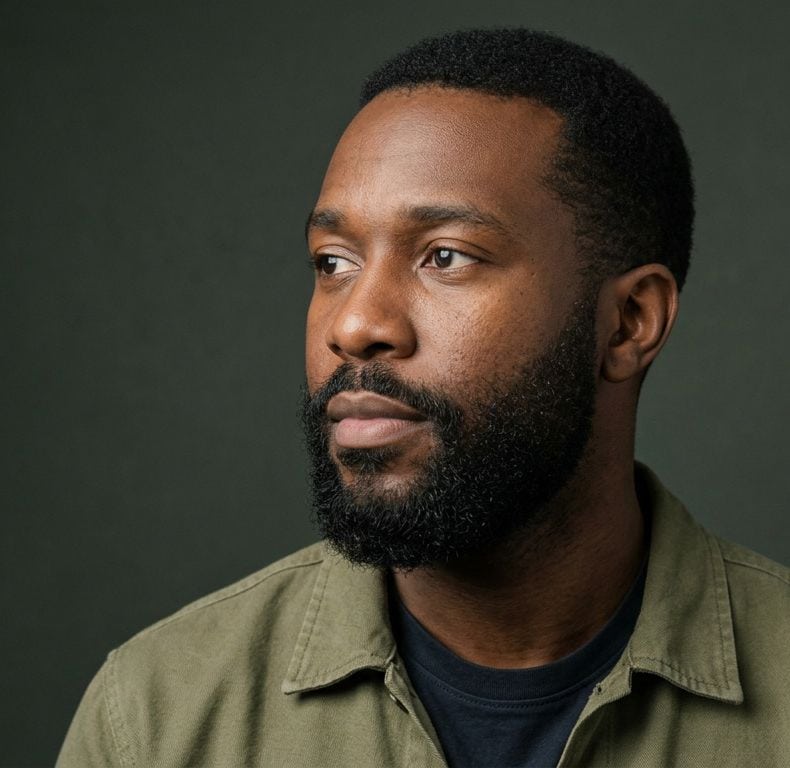
Run your hand up the back of a classic taper and the hair gets longer as you go, smoothly, with no line anywhere. At the bottom, around the ears and at the nape, the hair is short and tidy, but it is still hair. You can see the natural shape of the hairline at the neck rather than a clippered edge or bare skin.
The shortest point is usually somewhere around a grade 2 to 4 (6 to 12mm), or the scissor equivalent. Above that the barber blends upwards into the top, which is left long enough to comb, part or push back, often 4 to 8cm.
Because the change in length is spread over the whole side, the cut follows the shape of the head. Nothing about it shouts. That is its purpose.
Taper haircut vs taper fade
These two get mixed up constantly, and the difference matters in the chair.
A taper haircut shortens the sides gradually but leaves hair everywhere, including the very edge of the hairline. No skin shows.
A fondu enchaîné takes the edges, around the ears and at the neck, right down to skin or nearly so, usually with a foil shaver or a very short clipper setting, and blends up from there. The fondu enchaîné page covers the low, mid and high versions.
The quick test. If you can see scalp at the edges, it is a fade. If there is hair right down to the hairline, it is a taper.
The practical difference is upkeep. A fade shows every day of growth and looks grown out in two or three weeks. A taper grows softly into itself and still looks tidy at four or five.
Taper haircut vs short back and sides. A cheveux courts derrière et sur les côtés is the wider family. A taper is the technique that grades the length down the side, and most good short back and sides cuts use one. If you ask for a classic taper you are asking for that graduation specifically, done smoothly, with the natural neckline kept.
Who a taper haircut suits
Almost everyone, which is why it has been the default in British barbers for so long.
Work and lifestyle. It is the safest cut there is for a conservative office, a uniform, a school or a wedding. It looks deliberate without looking fashionable, and it does not need weekly maintenance.
Type de cheveux. Straight and wavy hair taper beautifully, because the barber can blend it smoothly. Thick hair benefits from having the bulk taken out of the sides without going to skin. Fine hair suits a taper better than a fade, because the sides are not taken so short that the top looks thin by comparison. Curly and coily hair works well with the length kept a little longer at the edges, so the curl sits rather than springs.
Forme du visage. A taper changes the outline of the head less than a fade, so face shape matters less than usual. If your face is round, ask for the sides a little tighter and some height on top. If it is long, keep the sides fuller and the top flatter.
Thinning hair. A gentle taper is kind to thinning on top, because there is no sharp contrast between short, dense sides and a sparser top. The coupes de cheveux pour les hommes qui perdent leurs cheveux page has more on this.
How to ask a UK barber for a taper haircut
The single most useful thing you can say is "no fade". Many barbers hear "taper" and assume taper fade, because that is what they cut all day.
Something like this works:
"Classic taper, no fade, no skin. Grade 3 on the sides going down to a 2 at the neck, scissor over comb to blend into the top. Keep my natural neckline, don't square it off or shave it. About 6cm on top, so I can part it."
Les points à convenir :
- The shortest grade. A grade 2 or 3 at the bottom for a neat taper, a grade 4 or scissors only for a softer, longer one.
- Le décolleté. "Natural" or "tapered" keeps the hairline as it grows. "Blocked" or "squared" means a straight line across, which looks sharp for a week and then grows out badly. Most classic tapers are left natural.
- The sideburns. Say how long you want them, and that you want them kept rather than faded out.
- The top. Give the length in centimetres and how you wear it: parted, pushed back or forward.
If you want a side parting with it, say so; the side part is the most common thing worn on top of a classic taper. Bring a photo if you have one, but still say the words "no fade".
Styling a taper haircut
Most of the work happens in the chair. Styling is mainly about the top.
- Towel dry.
- Take a small amount of product. A light cream for fine hair or a natural finish. A matte paste or clay for thicker hair. A water-based pomade if you want a combed, slightly shiny parting.
- Work it through the top from the back forward, then comb or push it into place, parted, back or to the side.
A hairdryer on low adds some lift on fine hair. The sides need nothing, which is part of the appeal.
Upkeep and how often to cut
Hair grows roughly 1cm a month. On a taper that change is spread across the whole side, so it softens gradually rather than suddenly.
- Neat taper, grade 2 to 3 at the bottom: every three to four weeks.
- Longer scissor taper: every four to six weeks.
Between visits, you can tidy stray hairs at the neck with a trimmer, but leave the taper itself alone. One careless pass takes a step out of the blend that will take weeks to grow back.
Variantes et laisser pousser ses cheveux
- Classic taper. Grade 3 to 2 down the sides, natural neckline, 5 to 8cm on top, parted or pushed back.
- Scissor taper. No clippers on the sides at all, everything done with scissors over comb. Softer and longer, and the most traditional version.
- Tight taper. Grade 1 to 2 at the bottom, still no skin. Neater for a few weeks, closer to a fade in look but grows out more gently.
- Low taper. Only the very bottom of the sides and neck are graduated, the rest is left fuller. Popular on longer hair.
- Taper with a comb over. A strong side parting combed across on top of the taper. One of the smartest cuts going.
To grow a taper out, let the barber leave the bottom a grade longer at each visit. Because there is no line to lose, it never goes through an awkward stage. If you are coming the other way, from a skin fade, it takes two or three cuts for the bottom to fill in before a proper taper can be cut.
Questions qui nous sont fréquemment posées
What is a taper haircut?
A haircut where the sides and back get gradually shorter towards the ears and neck, usually down to around a grade 2 or 3, while the natural hairline is kept and no skin shows. The top is left longer.
What is the difference between a taper and a fade?
A taper shortens the hair gradually but keeps hair right down to the hairline. A fade takes the bottom of the sides down to skin or very close to it. A taper looks softer and grows out more gently. A fade has more contrast and needs cutting more often.
How do I ask for a classic taper?
Say "classic taper, no fade", give the shortest grade you want (usually a 2 or 3), ask for a natural neckline, and say how long you want the top. The words "no fade" matter, because many barbers will otherwise take the edges to skin.
What is a scissor taper?
A taper cut entirely with scissors over comb rather than clippers. It leaves the sides a little longer and softer, and it is the most traditional way to cut one. Ask for it if you want the sides to look natural rather than clippered.
Which lasts longer, a taper or a fade?
A taper. Because the hair at the edges is not taken to skin, regrowth blends in rather than showing as a shadow. Most classic tapers look tidy for three to five weeks; most fades need the barber every two to three.
Is a taper haircut good for work?
It is about the most office-friendly cut there is. It looks neat without being severe, suits almost any dress code, and stays presentable between visits.
Other tapers
Des proches parents, et en quoi ils diffèrent.
Parcourez les contenus en fonction de ce qui vous intéresse
Le même répertoire, vu sous un autre angle.