
Fu Manchu
Hoe je het lange, dunne kapsel kunt laten groeien
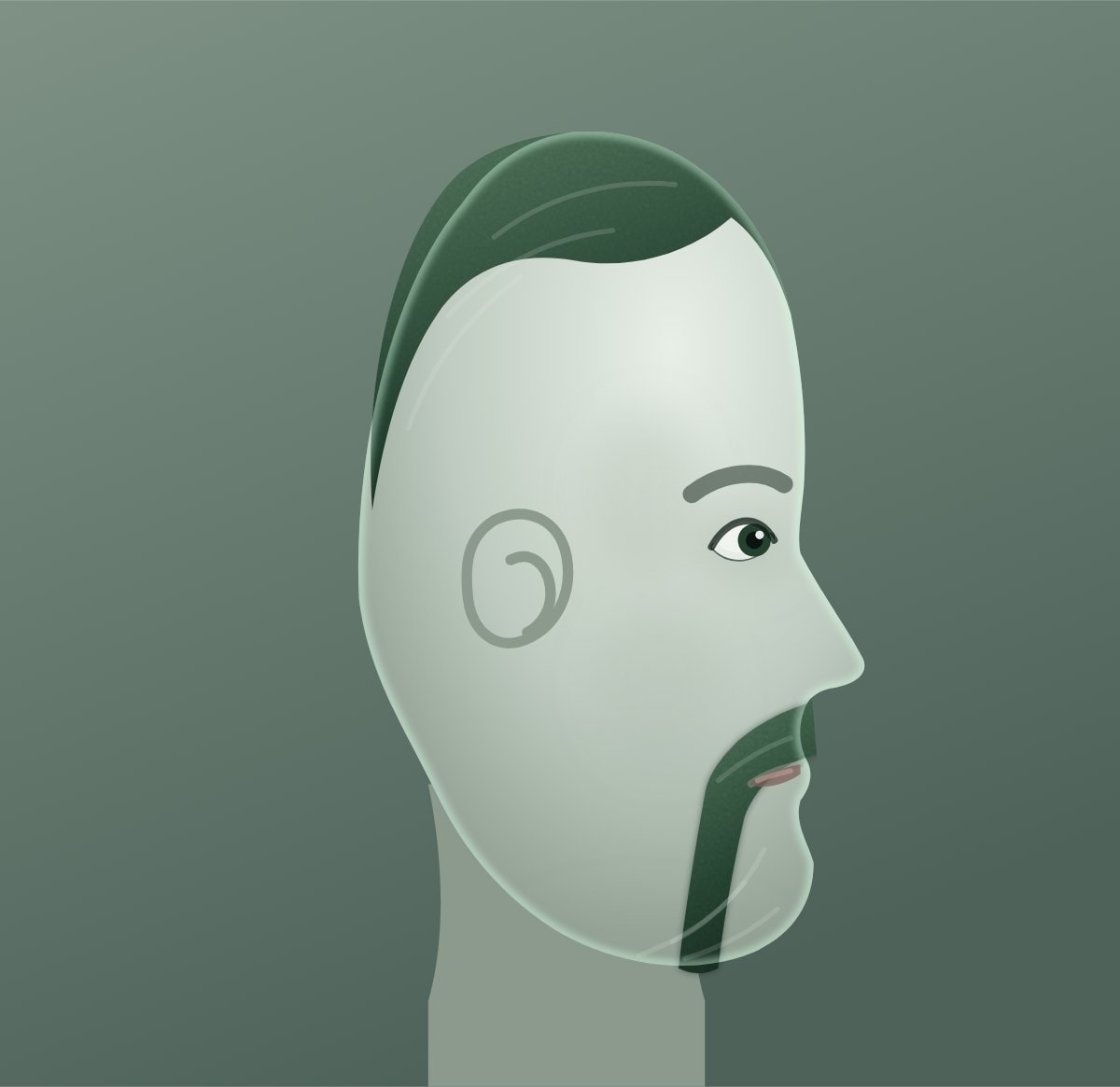
Een Fu Manchu-snor is een smalle snor die zo lang is gegroeid dat de uiteinden ruim onder de kaak hangen, terwijl de wangen en de kin gladgeschoren blijven. De snor loopt nergens in over en de haartjes hangen recht naar beneden in plaats van omhoog te krullen.

In één oogopslag
- Ook bekend als
- Verder niets dat algemeen in gebruik is
- Wat het is
- Een snor die tot ver over de kaak reikt, met gladgeschoren wangen.
- Lengte
- Lang, vanaf drie inch
- Groeitijd
- 4 tot 6 maanden of langer
- Hoe vaak trimmen?
- Om de 1 à 2 dagen
- De mooiste gezichtsvormen
- Elke
- Snor
- Ja
£5 korting op je eerste bestelling
Kale wangen aan weerszijden van een lange, dunne snor. Er is niets dat de aandacht afleidt van een slechte scheerbeurt.
£5 korting op je eerste abonnement of VIP-bestelling – één per klant, uitschrijven met één klik
De variaties
Dezelfde vorm, maar op een andere manier gedragen. Wat verandert, zijn de lengte, de dichtheid en hoeveel je aan de randen wegknipt.
Past het bij je gezicht?
Of een stijl bij je past, hangt af van waar hij de nadruk legt en waar hij juist minder nadruk legt. De onderstaande tabel geeft een beknopt overzicht.
| Ovaal | Ideaal | Er is geen specifieke vorm die moet worden gecorrigeerd, dus alles, van een potlood tot een stuur, past er prima bij. |
|---|---|---|
| Rond | Werken | Kies liever voor een bredere pasvorm dan voor een zwaardere, zodat het geen extra volume toevoegt. |
| Vierkant | Ideaal | Een krachtige kaak kan een zware snor dragen zonder dat het er topzwaar uitziet. |
| Lang | Ideaal | Het horizontale accent over de rand doorbreekt de lengte. |
| Hart | Werken | Leidt de blik vanaf een breed voorhoofd naar beneden. |
| Diamant | Werken | Geeft het gezicht in het midden meer breedte. |
Hoe je er een snijdt, in vier stappen
- Laat het uitgroeien4 tot 6 maanden of langer. In die periode mag je helemaal niets knippen, ook niet de haartjes die over je lip hangen.
- Stel de vorm inKam het haar glad naar beneden en knip het vervolgens volgens je gewenste vorm. Knip het nooit als het nat is, want het krimpt tijdens het drogen.
- Maak de rand vrijKnip langs de bovenrand van de lip af, zodat het niet in je mond terechtkomt. Met een schaar heb je hierbij meer controle dan met een trimmer.
- Waxen en trainenVerwarm de was eerst tussen je vingers, breng hem vanuit het midden naar buiten toe aan en breng vervolgens de uiteinden in vorm.
Alle details, hulpmiddelen en veelgemaakte fouten vind je in de onderstaande handleiding.
Wat maakt het tot een Fu Manchu?
Twee dingen. De snor is eerder smal dan bossig, en de uiteinden zijn lang laten groeien en hangen los.
De rest van het gezicht is kaal. Geen baard, geen kinhaar, geen bakkebaarden die erin overgaan. Juist door die afzondering komt de Fu Manchu-snor zo over als een bewuste keuze: er valt verder niets te zien.
Het wordt vaak verward met de hoefijzer, maar er is wel degelijk een verschil. Een hoefijzer is dik en de armen groeien uit vanuit een volle snor, waardoor de vorm doorlopend en breed is. Een Fu Manchu is over de hele lengte dun, en de hangende delen bestaan uit smalle strengen in plaats van een brede band.
Waar de naam vandaan komt
De snor ontleent zijn naam aan een fictieve schurk die in 1913 in de Britse pulpfictie werd bedacht. Het personage was een grof racistisch stereotype van Chinezen, en de boeken en films die om hem heen waren opgebouwd, speelden daarop in.
De snorstijl die aan de naam is gekoppeld, heeft het personage overleefd, en de meeste mensen die de term tegenwoordig gebruiken, hebben geen idee waar deze vandaan komt. Het is niettemin de moeite waard om dit te weten, en het is een redelijk argument om de stijl een lange, dunne snor te noemen als de naam je niet bevalt.
De stijl zelf heeft geen specifiek verband met het verhaal. Lange, smalle snorren komen in heel veel culturen voor en bestonden al lang voordat het personage waaraan de naam is ontleend, bestond.
Voor wie is dit geschikt?
Een Fu Manchu zorgt voor krachtige verticale lijnen aan weerszijden van de mond, waardoor het gezicht langer en smaller lijkt.
Rond. De perfecte pasvorm. De naar beneden lopende lijnen compenseren de breedte.
Vierkant. Werkt zo dat het een strakke kaaklijn verzacht door de blik naar beneden te leiden.
Ovaal. Werkt zonder afstelling.
Lang of langwerpig. Deze moet je vermijden. Verticale lijnen op een lang gezicht laten het nog langer lijken.
Voor dit kapsel is een snor nodig die redelijk recht groeit. Krullend gezichtshaar zal niet in de strakke lijnen vallen waar de vorm van afhangt, hoewel het na verloop van tijd met olie en kammen in model kan worden gebracht.
De dichtheid speelt een minder grote rol dan normaal, omdat dit model bewust dun is ontworpen. Daardoor is het een van de weinige modellen voor een lange snor die geschikt zijn voor mannen bij wie de haargroei op de bovenlip niet bijzonder dicht is.
Hoe lang het duurt
Vier tot zes maanden, en bijna een jaar om het volledige effect te bereiken.
Gezichtshaar groeit ongeveer een halve inch per maand, dus hangende haarpunten die tot voorbij de kaak reiken, duiden op een behoorlijk lange periode. Dit is de op één na langste groeiperiode in deze map naar het voorbeeld van de Vikingbaard.
De lastige fase loopt van ongeveer de tweede tot de vierde maand, wanneer het snorhaartje over de onderlip hangt en nog lang niet tot aan de kaak reikt. Het enige wat je in die periode moet doen, is de lijn langs de onderlip bijwerken.
Zorg ervoor dat de rest van je gezicht de hele tijd gladgeschoren blijft. Een Fu Manchu die naast stoppels groeit, ziet er onbeslist uit; als je het op een gladgeschoren gezicht laat groeien, lijkt het een bewuste keuze.
Het laten groeien en vormgeven
Laat eerst de hele snor groeien. Probeer de breedte niet al te vroeg te beperken. Je hebt de lengte nodig voordat je de breedte kunt bepalen.
Maak het smaller zodra je de juiste lengte hebt. Trek de snor vanaf de buitenkant naar binnen totdat deze smaller is dan je mond; dat is het verschil tussen een Fu Manchu en een hoefijzer.
Laat de uiteinden loshangen. De hangende delen groeien vanuit de mondhoeken naar beneden. Ze worden niet geknipt of in model gebracht, maar gewoon aan hun lot overgelaten.
Transeer de liplijn. Een schaar, zodat het haar niet in je mond terechtkomt. Dit is de enige regelmatige knipbeurt die dit kapsel nodig heeft.
Scheer al het andere af. Wangen, kin, kaak en hals. De Fu Manchu kan alleen goed tot zijn recht komen als hij wordt omringd door gladgeschoren huid.
Zelfs de uiteinden af en toe, als de plant volgroeid is, zodat beide kanten even lang zijn.
Het bewaren
Kam het haar dagelijks naar beneden, zodat de punten recht hangen en niet in de knoop raken.
Een beetje baardolie over de hele lengte voorkomt dat het haar broos wordt, vooral aan de punten, want dat zijn de oudste haartjes op je gezicht tegen de tijd dat je klaar bent met het stylen.
Scheer de rest van je gezicht om de dag. Het contrast doet het meeste werk, en stoppels op de kin doen het hele effect teniet.
De lipcontour moet om de paar dagen worden verzorgd. De rest laat je met rust.
Wat gaat er mis?
De uiteinden worden bijgesneden. Verloren maanden. Zodra de vorm is gevormd, hoef je ze alleen nog maar gelijk te maken.
Het wordt te breed. Dan is het een hoefijzer. Maak de snor smaller voordat je de uiteinden los laat lopen.
Het gezicht wordt niet geschoren. De stijl wordt net zozeer bepaald door de blote huid eromheen als door het haar.
Na drie maanden wordt het opgegeven. Het middelste stuk is lang en ziet er over de hele lengte vrij saai uit. Dat is normaal.
Veelgestelde vragen
Hoe lang duurt het om een Fu Manchu-snor te laten groeien?
Vier tot zes maanden voor een herkenbare, en ongeveer een jaar voor uiteinden die ruim onder de kaak hangen.
Wat is het verschil tussen een Fu Manchu en een hoefijzervormige snor?
Breedte. Een Fu Manchu is over de hele lengte smal en heeft dunne, hangende uiteinden. Een hoefijzer is dik en de armen vormen een doorlopende, brede band die tot aan de kaak loopt.
Kun je een Fu Manchu kweken met dun gezichtshaar?
Ja, mooier dan de meeste modellen met een lange snor. De vorm is bewust smal gehouden, dus er is minder volheid nodig dan bij een walrus- of chevron-snor.
Wax je een Fu Manchu?
Nee. De punten hangen recht naar beneden en zijn niet in model gebracht. Olie houdt ze in goede conditie; was zou deze look juist tenietdoen.
Past een Fu Manchu bij een rond gezicht?
Ja, dat is een van de betere opties. De verticale lijnen maken een rond gezicht langer en smaller.
Waarom heet het een Fu Manchu?
Vernoemd naar een fictieve schurk uit de Britse pulpliteratuur uit 1913, die een racistische karikatuur van Chinezen was. De stijl zelf is veel ouder en veel wijdverspreider dan het personage; daarom noemen sommige mensen het liever een lange, dunne snor.
Andere snorren
Dezelfde vorm, maar een andere lengte of snor.
Als dit te veel werk is
Hetzelfde idee, maar dan met minder tijd in de ochtend.
Blader op basis van wat voor jou belangrijk is
Dezelfde map, op een andere manier weergegeven.