
Fu Manchu
How to Grow the Long, Thin Style
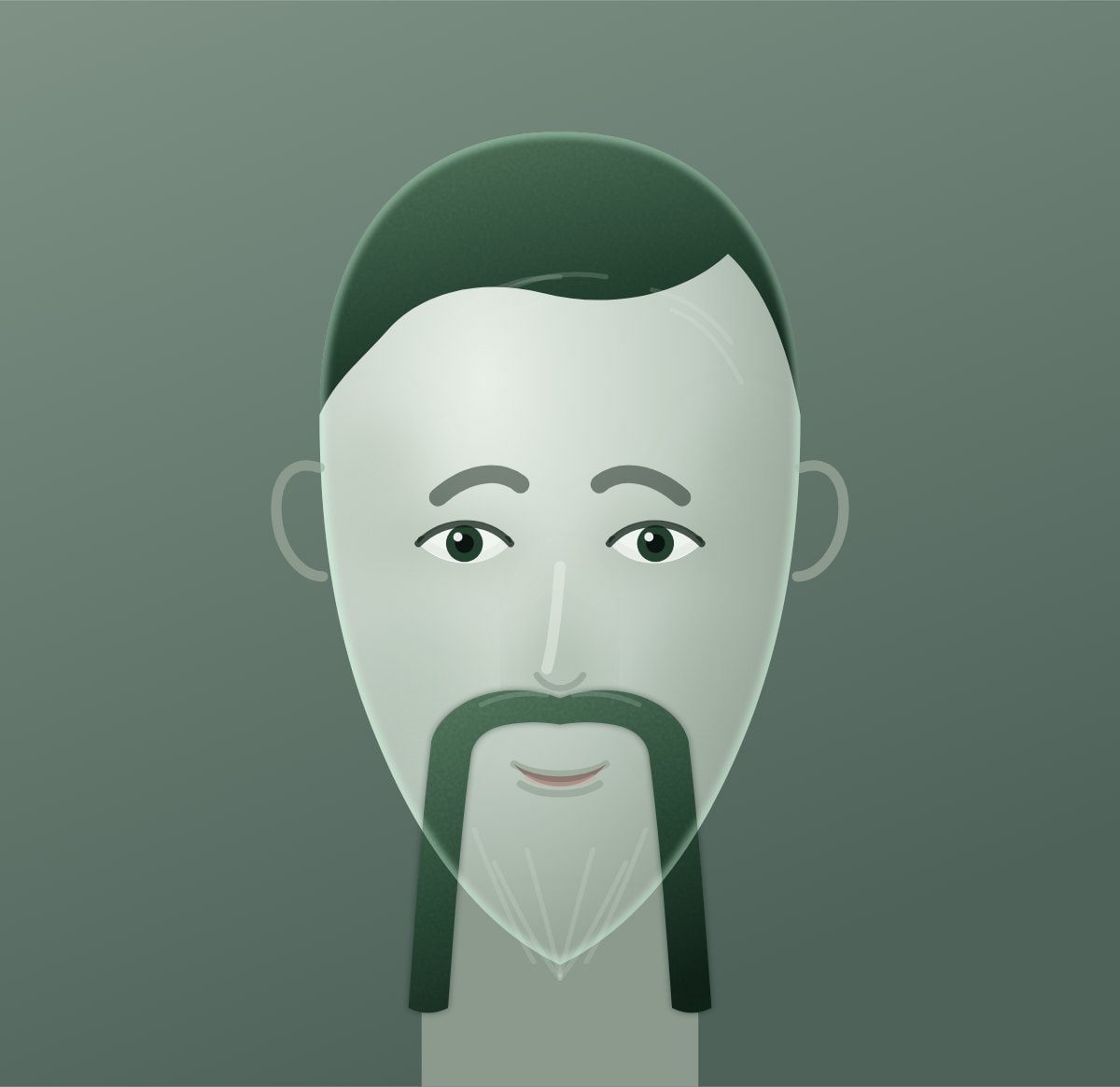
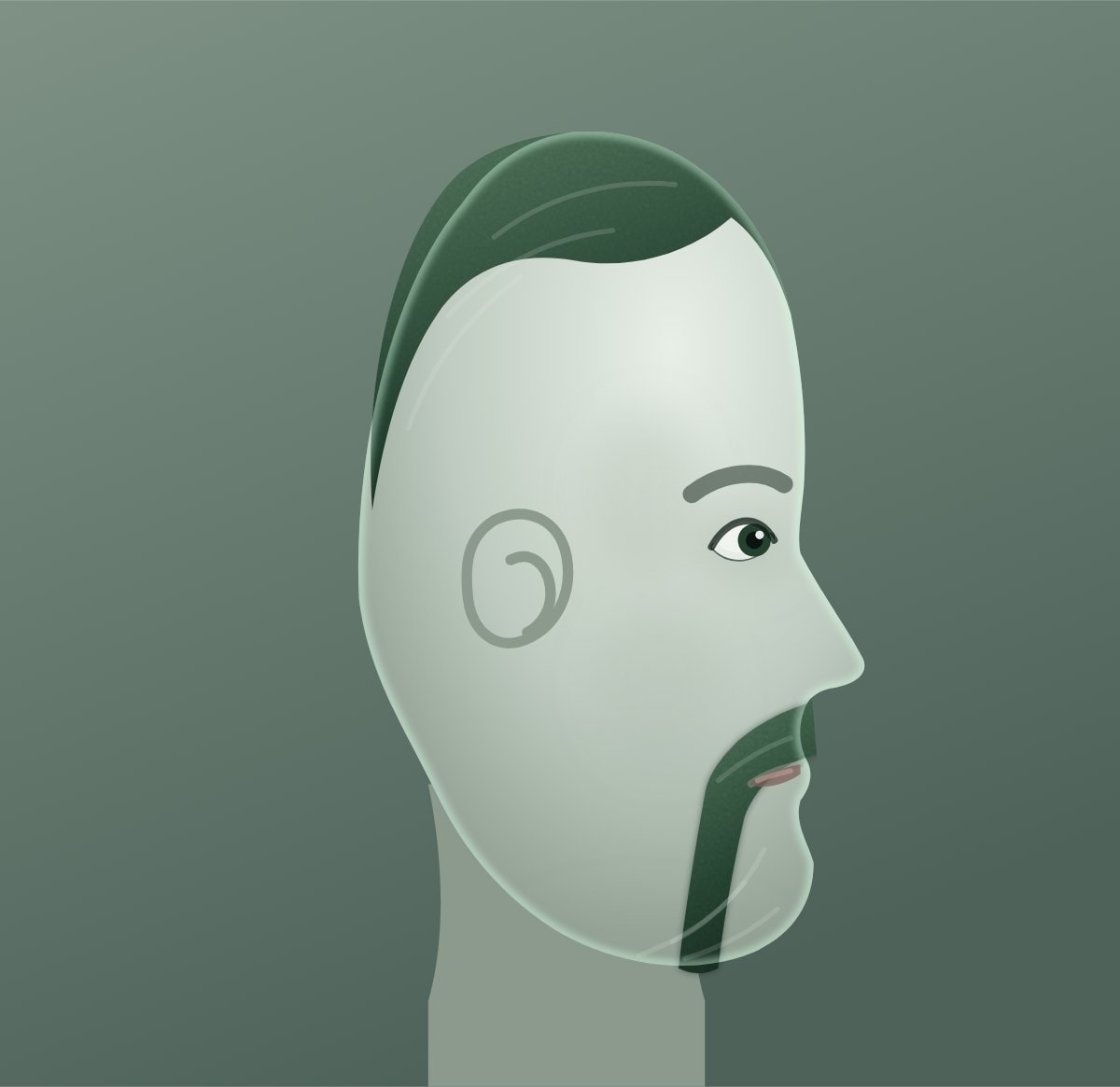
A Fu Manchu moustache is a narrow moustache grown long enough that the ends hang well below the jaw, with the cheeks and chin kept clean shaven. The moustache does not connect to anything, and the length falls straight down rather than curling.
At a glance
- Also known as
- Nothing else in common use
- What it is
- Moustache grown long past the jaw, cheeks bare.
- Length
- Long, three inches and up
- Growing time
- 4 to 6 months or more
- Trim how often
- Every 1 to 2 days
- Best face shapes
- Any
- Moustache
- Yes
£5 off your first delivery
Bare cheeks either side of a long thin moustache. There is nothing to distract from a bad shave.
£5 off your first subscription or VIP order - one per customer, unsubscribe with 1 click
The variations
The same shape, worn differently. What changes is length, density and how much you take off at the edges.
Will it suit your face?
Where a style puts weight, and where it takes it away, is what decides whether it suits you. The table below is the short version.
| Oval | Ideal | No shape to correct, so anything from a pencil to a handlebar sits well. |
|---|---|---|
| Round | Works | Go wider than the mouth rather than heavier, so it does not add bulk. |
| Square | Ideal | A strong jaw carries a heavy moustache without looking top-loaded. |
| Long | Ideal | Horizontal weight across the lip breaks up the length. |
| Heart | Works | Draws the eye down from a broad forehead. |
| Diamond | Works | Adds width across the middle of the face. |
How to cut one, in four steps
- Grow it out4 to 6 months or more. No trimming at all in that time, including the hairs hanging over your lip.
- Set the shapeComb it down and flat, then cut to your outline. Never cut it wet, it dries shorter than you cut it.
- Clear the lipTrim along the top lip line so it does not end up in your mouth. Scissors give more control than a trimmer here.
- Wax and trainWarm the wax between your fingers first, work it in from the centre out, then shape the ends.
Full detail, tools and the common mistakes are in the guide below.
What makes it a Fu Manchu
Two things. The moustache is narrow rather than bushy, and the ends are grown long and left to hang.
Everything else on the face is bare. No beard, no chin hair, no sideburns joining in. That isolation is a large part of why the Fu Manchu moustache reads as such a deliberate choice: there is nothing else to look at.
It is often confused with the horseshoe, and the difference is real. A horseshoe is thick and the arms are grown down from a full moustache, so the shape is continuous and wide. A Fu Manchu is thin throughout, and the hanging sections are narrow strands rather than a broad band.
Where the name comes from
The moustache takes its name from a fictional villain created in British pulp fiction in 1913. The character was a crude racist stereotype of Chinese people, and the books and films built around him traded on that.
The moustache style attached to the name has outlived the character, and most people using the term today have no idea of the origin. It is worth knowing all the same, and it is a reasonable argument for calling the style a long thin moustache if the name sits badly with you.
The style itself has no particular connection to the fiction. Long, narrow moustaches appear across a great many cultures and long predate the character the name comes from.
Who it suits
A Fu Manchu adds strong vertical lines either side of the mouth, which lengthens and narrows the face.
Round. The best fit. The downward lines counteract width.
Square. Works, softening a heavy jaw by drawing the eye downward.
Oval. Works without adjustment.
Long or oblong. The one to avoid. Vertical lines on a long face stretch it further.
The style needs a moustache that grows reasonably straight. Curly facial hair will not hang in the clean lines the shape depends on, though it can be trained with oil and combing over time.
Density matters less than usual, because the style is thin by design. That makes it one of the few long moustache styles available to men whose upper lip growth is not especially thick.
How long it takes
Four to six months, and closer to a year for the full effect.
Facial hair grows at roughly half an inch a month, so hanging ends that reach past the jaw represent a serious stretch of time. This is the second-longest growing commitment in this directory after the Viking beard.
The awkward stage runs from about month two to month four, when the moustache is over the lip and nowhere near the jaw. Trimming the lip line is the only thing you should do through it.
Keep the rest of your face clean shaven throughout. A Fu Manchu growing out alongside stubble looks unresolved; growing out on a bare face looks like a decision.
Growing and shaping it
Grow the whole moustache first. Do not try to narrow it early. You need the length before you decide the width.
Narrow it once you have length. Take the moustache in from the outside until it sits narrower than your mouth, which is what separates a Fu Manchu from a horseshoe.
Let the ends fall. The hanging sections grow from the corners of the mouth downward. They are not cut or shaped, only allowed.
Trim the lip line. Scissors, keeping the hair clear of your mouth. The only regular cut this style needs.
Shave everything else. Cheeks, chin, jaw and neck. The Fu Manchu depends on being surrounded by clean shaven skin.
Even the ends occasionally once fully grown, so both sides hang to the same length.
Keeping it
Comb it daily, downward, so the ends hang straight rather than tangling.
A little beard oil through the length keeps it from going brittle, particularly at the ends, which are the oldest hair on your face by the time the style is finished.
Shave the surrounding face every day or two. The contrast is doing a lot of work, and stubble on the chin undermines the whole thing.
The lip line needs attention every few days. Everything else is left alone.
What goes wrong
The ends get trimmed. Months lost. Once the shape is grown, only even them up.
It gets too wide. Then it is a horseshoe. Narrow the moustache before letting the ends run.
The face is not kept shaved. The style is defined by the bare skin around it as much as by the hair.
It is abandoned at month three. The middle stretch is long and it looks like nothing in particular throughout. That is normal.
Questions we get asked
How long does it take to grow a Fu Manchu moustache?
Four to six months for a recognisable one and around a year for ends that hang well below the jaw.
What is the difference between a Fu Manchu and a horseshoe moustache?
Width. A Fu Manchu is narrow throughout with thin hanging ends. A horseshoe is thick and the arms are a continuous broad band running down to the jaw.
Can you grow a Fu Manchu with thin facial hair?
Yes, better than most long moustache styles. The shape is narrow by design, so it needs less density than a walrus or a chevron.
Do you wax a Fu Manchu?
No. The ends hang straight rather than being shaped. Oil keeps them conditioned; wax would work against the style.
Does a Fu Manchu suit a round face?
Yes, it is one of the better options. The vertical lines lengthen and narrow a round face.
Why is it called a Fu Manchu?
After a fictional villain from British pulp fiction of 1913, who was a racist caricature of Chinese people. The style itself is far older and far more widespread than the character, which is why some people prefer to call it a long thin moustache.
Other moustaches
Same shape, different length or moustache.
If this one is too much work
Same idea, less of your morning.
Browse by what matters to you
The same directory, cut a different way.