
O Diário do Coronel / Cabelo e pele
Os 5 melhores óleos essenciais para uma pele radiante
Última atualização em
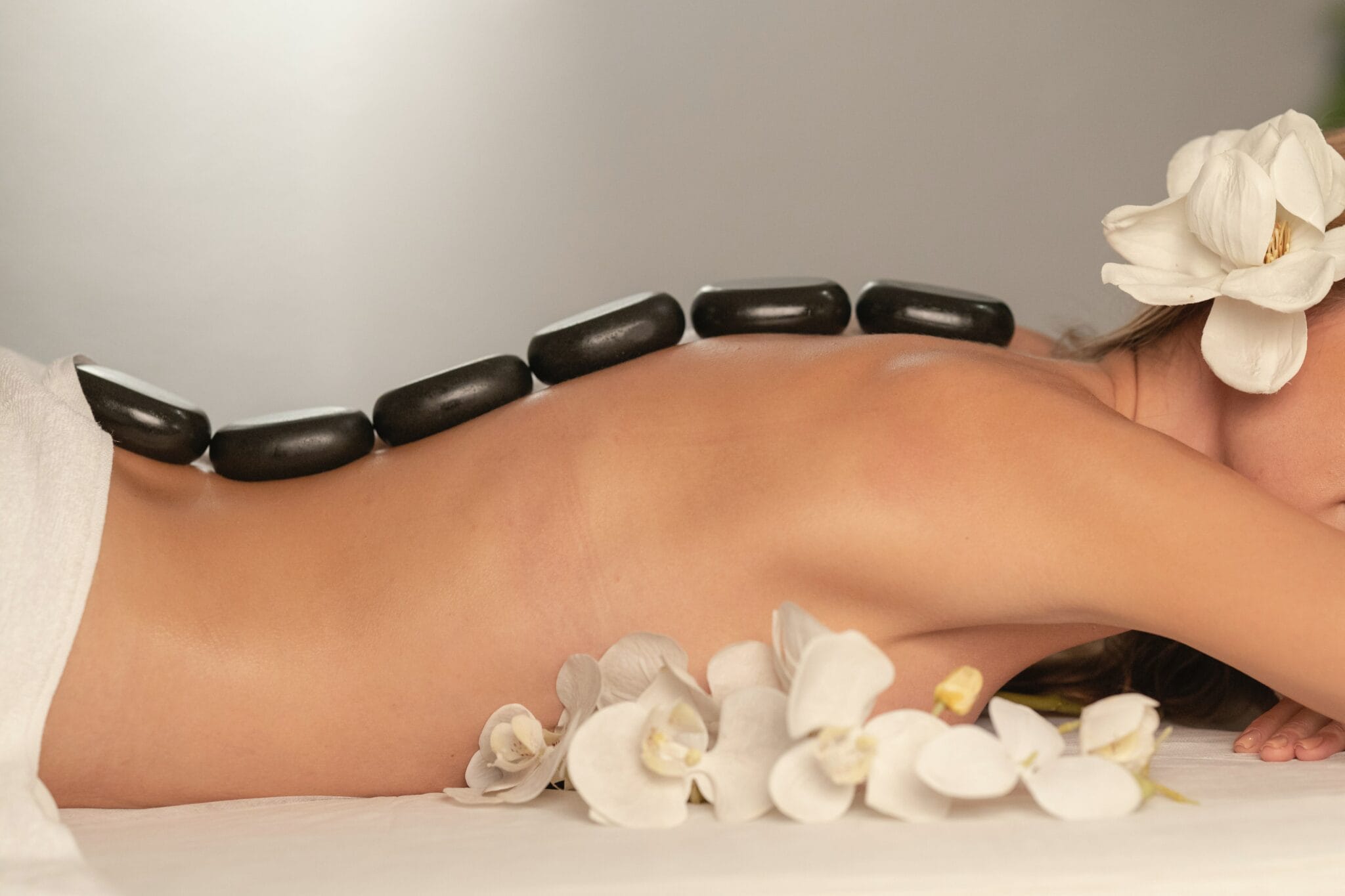
Os óleos essenciais são utilizados há séculos em cuidados com a pele. Algumas pessoas consideram que estes óleos contribuem para melhorar o aspeto e a sensação da pele, embora as evidências variem bastante de óleo para óleo. Os óleos essenciais podem ser utilizados de várias formas, nomeadamente em hidratantes, tónicos e séruns. Alguns dos óleos essenciais mais populares para os cuidados com a pele incluem a lavanda, o alecrim e a camomila.
A seguir, apresentamos cinco óleos populares para a pele, sendo a lavanda o que mais se destaca. Dois deles, o de rosa mosqueta e o de coco, são estritamente óleos veiculares e não óleos essenciais, mas são utilizados com tanta frequência em conjunto com óleos essenciais que merecem um lugar nesta lista.
O que é o óleo essencial de lavanda?
O óleo de lavanda é um dos óleos essenciais mais populares e tem uma vasta gama de benefícios. É conhecido pelas suas propriedades suavizantes e calmantes e pode ser utilizado para ajudar a aliviar o stress, a ansiedade e a tensão. Lavanda Este óleo também está presente em muitos produtos de cuidados da pele destinados a peles com tendência a borbulhas ou irritadas. Se tiver eczema ou psoríase, consulte primeiro o seu médico de família ou farmacêutico, uma vez que os óleos essenciais podem agravar a pele sensível. Muitas pessoas também gostam do seu aroma à hora de dormir.
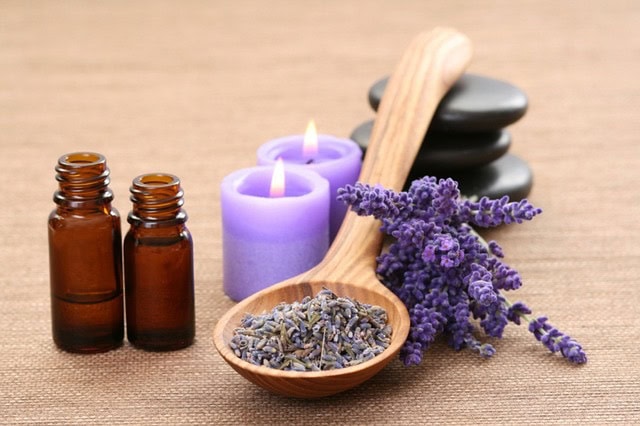
Óleo de lavanda: Um olhar em profundidade
Obtido por destilação a partir das flores de certas espécies de alfazema. Tem um aroma fresco e floral com um toque de doçura. Óleo essencial de lavanda é utilizado na aromaterapia e possui várias propriedades terapêuticas. Muitas pessoas consideram o seu aroma relaxante. O óleo de lavanda também é utilizado como inseticida natural e demonstrou ser eficaz na repelência de certos tipos de insetos.
Estudos laboratoriais sugerem que o óleo de lavanda possui algumas propriedades anti-inflamatórias e antimicrobianas, razão pela qual é utilizado em produtos de cuidados da pele. Tem sido tradicionalmente utilizado no tratamento de pequenos problemas cutâneos, embora a investigação em seres humanos seja limitada e não constitua um substituto para um tratamento adequado. O óleo de lavanda é frequentemente utilizado em produtos de cuidados da pele, tais como loções, cremes e sabonetes.
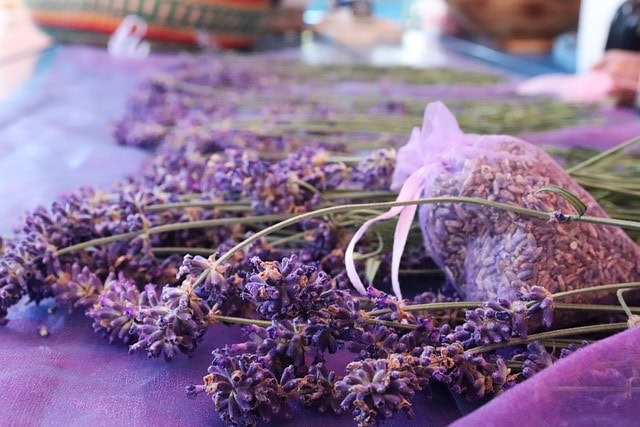
É composto por vários compostos químicos diferentes, incluindo linalol, acetato de linalilo, terpinen-4-ol e cânfora. O linalol e o acetato de linalilo constituem a maior parte do óleo e conferem-lhe o seu aroma, podendo o linalol ter um efeito anti-inflamatório ligeiro.
O terpinen-4-ol é o mesmo composto responsável pela reputação antimicrobiana do óleo da árvore do chá, e a cânfora proporciona uma sensação refrescante na pele.
O óleo essencial de lavanda, tal como o óleo de alecrim, também é utilizado pelos seus potenciais benefícios para o crescimento do cabelo. Embora existam poucas evidências científicas que sustentem esta afirmação, algumas pessoas acreditam que o óleo de lavanda pode ajudar no crescimento do cabelo e na saúde do couro cabeludo.

Os benefícios da utilização do óleo de lavanda
Alívio das dores:
Algumas pessoas aplicam óleo de lavanda diluído nos músculos tensos ou esfregam-no nas têmporas para aliviar uma dor de cabeça. Não substitui os analgésicos, mas muitas pessoas consideram-no calmante.
Melhoria do sono:
Quando difundido, o óleo essencial de lavanda pode ajudar a reduzir o stress e promover uma sensação de relaxamento com o seu aroma calmante.
Relaxamento e alívio do stress:
A alfazema é frequentemente utilizada para promover o relaxamento e reduzir o stress e a ansiedade.
Cuidados com a pele:
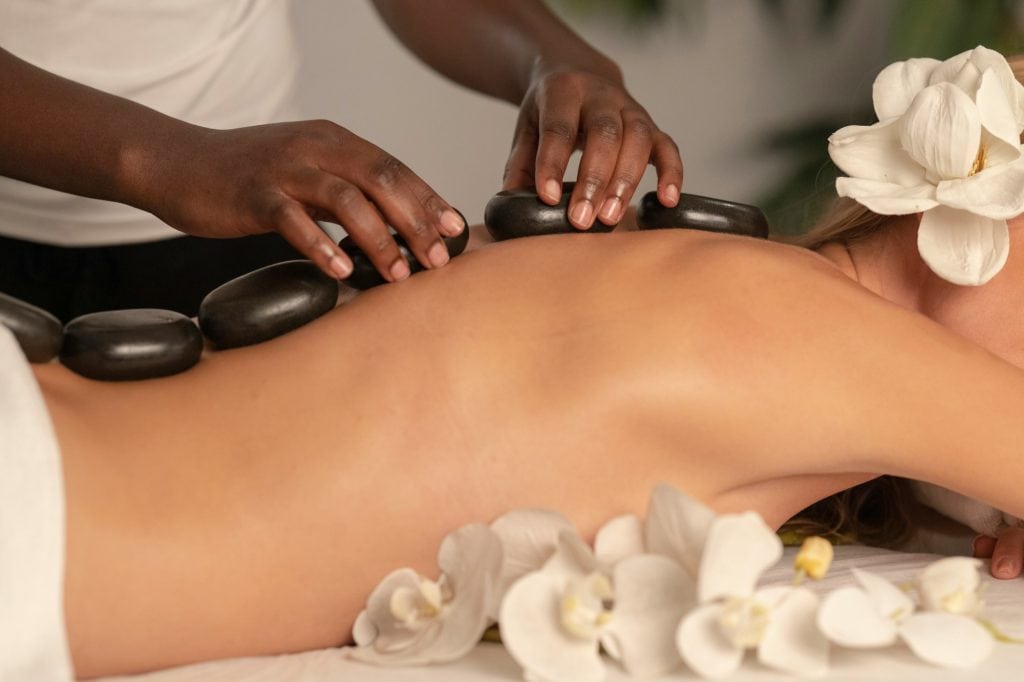
Algumas pessoas consideram que o óleo de lavanda diluído tem um efeito calmante na pele ligeiramente irritada. No caso de acne, cicatrizes ou erupções cutâneas, o farmacêutico é a melhor opção para uma primeira consulta.
Propriedades antimicrobianas:
O óleo de lavanda possui propriedades antimicrobianas que podem ajudar a combater bactérias e fungos. Uma excelente forma de utilizar o óleo essencial de lavanda é misturá-lo com o seu esfoliante corporal. A lavanda confere ao esfoliante uma fragrância floral e dá-lhe um toque de luxo.
Benefícios anti-envelhecimento
O óleo de lavanda contém antioxidantes, que ajudam a proteger a pele dos radicais livres (moléculas instáveis associadas ao envelhecimento prematuro). No entanto, há poucas evidências de que, por si só, tenha grande efeito nas rugas. O uso diário de protetor solar terá um efeito muito mais significativo.

Os cinco melhores óleos para a pele
Utilizam-se muitos óleos na pele, desde óleos essenciais como capim-limão, eucalipto, bergamota, alecrim, néroli, rosa, hortelã-pimenta, citrinos e semente de cenoura, até óleos veiculares como jojoba, argão, azeite e amêndoa doce.
Mas o os cinco melhores óleos essenciais para a pele Os óleos mais utilizados são o de lavanda (que é o nosso foco hoje), o da árvore do chá, o de rosa mosqueta, o de camomila e o de coco. Cada um destes óleos tem propriedades únicas que podem ajudar a melhorar a saúde e o aspeto da pele.
Óleo da árvore do chá
Se tens pele oleosa, vale a pena experimentares o óleo da árvore do chá. Tem propriedades antimicrobianas e anti-inflamatórias, e há algumas evidências de que o óleo da árvore do chá diluído pode ajudar a tratar manchas ligeiras. No entanto, é um produto forte, por isso dilui-o sempre e faz primeiro um teste numa pequena área da pele.
Quando utilizado topicamente, acredita-se que o óleo essencial da árvore do chá tem propriedades anti-fúngicas. O óleo da árvore do chá também é normalmente utilizado para tratar picadas de insectos.

Óleo de rosa mosqueta
O óleo de roseira-brava é extraído das sementes da roseira-brava selvagem. Trata-se de um óleo veicular e não de um óleo essencial, pelo que pode ser utilizado puro, e muitas pessoas com pele sensível toleram-no bem. É rico em antioxidantes, que ajudam a proteger a pele dos radicais livres e podem ajudar a acalmar a vermelhidão. Contém também compostos de vitamina A, razão pela qual as pessoas com pele madura o apreciam para combater as rugas finas.
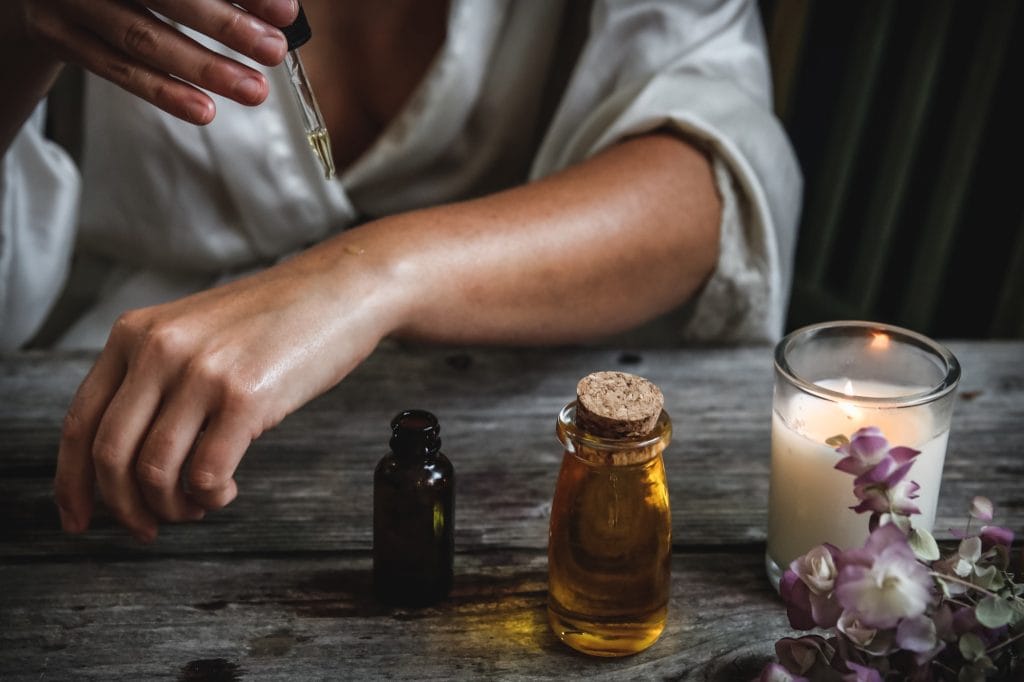
É também um bom hidratante, pelo que pode ajudar a manter a pele hidratada. O óleo de rosa mosqueta é rico em ácidos gordos essenciais, razão pela qual muitas pessoas o utilizam na pele seca e irritada.
O óleo pode ajudar a acalmar e aliviar a pele irritada e a reduzir o aparecimento de vermelhidão e inchaço. Algumas pessoas também o utilizam para ajudar a atenuar o aspeto de cicatrizes antigas.
Óleo de camomila
O óleo de camomila é extraído da planta da camomila e tem sido um remédio tradicional há séculos. É geralmente suave e muitas pessoas consideram-no calmante para a comichão na pele.
Algumas pessoas com pele com tendência para a acne também gostam deste produto, uma vez que pode ter propriedades anti-inflamatórias suaves. Se tiver eczema ou psoríase, consulte o seu médico de família ou farmacêutico antes de o experimentar. E evite-o se for alérgico a margaridas ou à ambrosia, uma vez que a camomila pertence à mesma família botânica.
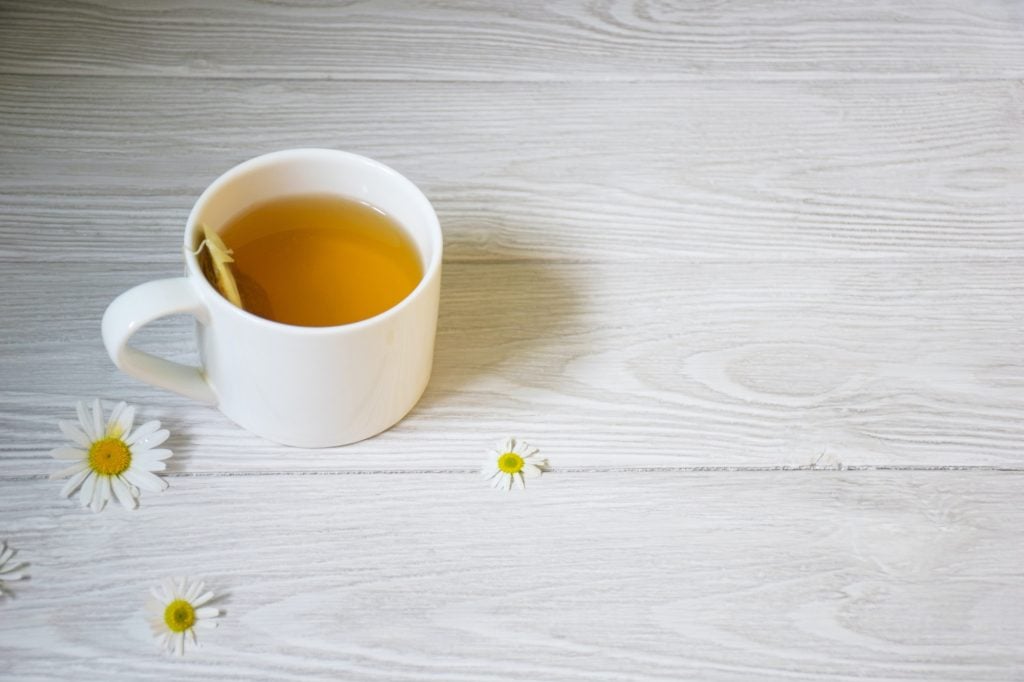
Óleo de coco
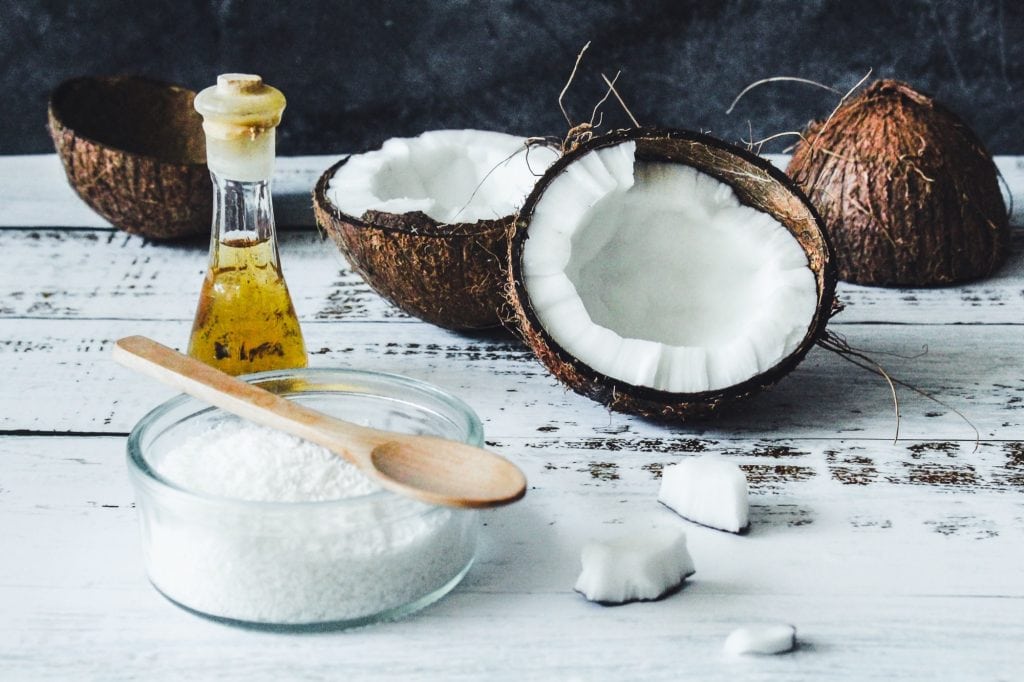
O óleo de coco é um óleo veicular e não um óleo essencial, e é rico em ácidos gordos, o que o torna um bom hidratante para a pele seca.
No entanto, não é adequado para toda a gente. O óleo de coco pode obstruir os poros, por isso, se tiveres pele oleosa ou com tendência para acne, evita aplicá-lo no rosto e usa-o no corpo ou no cabelo.
O óleo de coco também funciona bem como desmaquilhante ou produto de limpeza à base de óleo, e é rico em ácido láurico. Na pele seca, a sua utilização regular pode deixá-la macia e com um aspeto saudável.
Comparação de benefícios
O óleo de lavanda é bem conhecido pelas suas propriedades calmantes e relaxantes, o que o torna uma escolha popular para utilização em aromaterapia. Quando comparado com outros óleos populares, como o óleo da árvore do chá, o óleo de rosa mosqueta, o óleo de camomila e o óleo de coco, o óleo de lavanda destaca-se pela sua capacidade de acalmar e tranquilizar a mente e o corpo. Algumas pessoas também o utilizam em peles com tendência a imperfeições e em tratamentos para o couro cabeludo, embora as evidências para ambos os casos sejam limitadas.
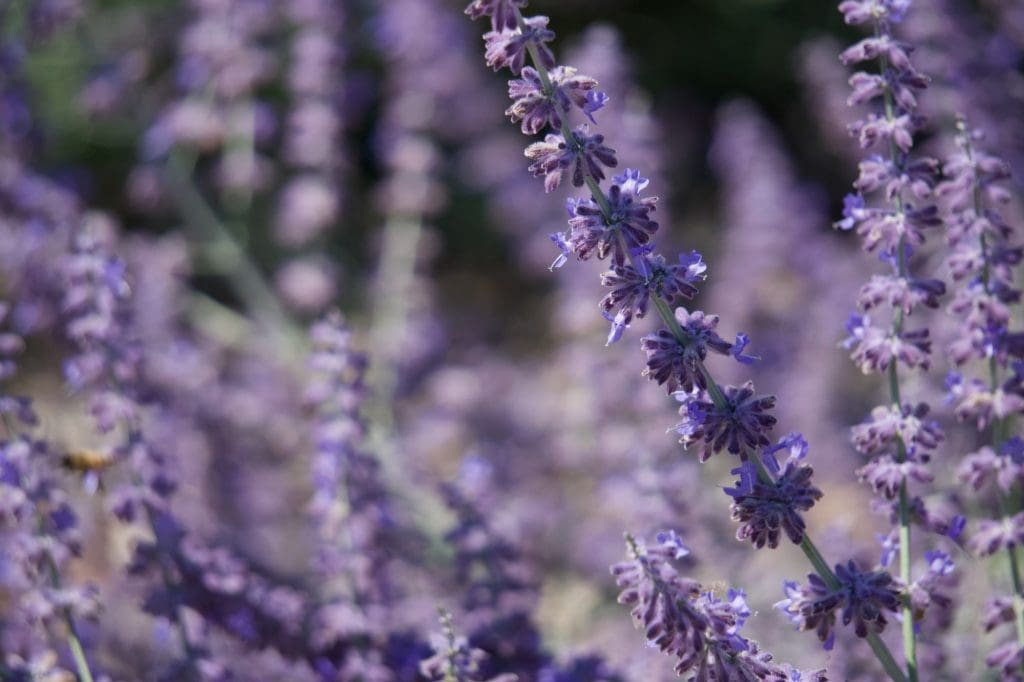
O óleo de lavanda e o óleo de coco são dois óleos naturais populares que oferecem uma variedade de benefícios. Ambos os óleos podem ser utilizados para cuidados da pele, cuidados do cabelo e aromaterapia. O óleo de lavanda é conhecido pelas suas propriedades relaxantes e calmantes, o que o torna uma óptima escolha para utilização em aromaterapia. Também pode ajudar a suavizar a pele seca e a reduzir a inflamação. O óleo de coco é rico em antioxidantes e ácidos gordos, o que o torna uma excelente escolha para utilizar nos cuidados da pele e do cabelo. Pode ajudar a nutrir e a hidratar a pele, e também pode ajudar a reduzir o frisado e a dar brilho ao cabelo.
Para a pele seca ou danificada, o óleo de rosa mosqueta é, normalmente, a melhor escolha das duas. É rico em ácidos gordos essenciais e compostos de vitamina A, e pode ser utilizado sem necessidade de diluição.
O óleo de roseira-brava também pode ajudar a acalmar a pele seca e irritada, o que o torna popular entre as pessoas com pele danificada ou envelhecida. Ambos os óleos apresentam uma vasta gama de benefícios, o que os torna escolhas populares no âmbito da saúde e beleza naturais.

Óleos essenciais para cuidados com a pele
Há muitas formas de utilizar os óleos essenciais nos cuidados da pele. Algumas pessoas adicionam-nos ao seu hidratante ou creme facial, enquanto outras os utilizam num tónico ou soro facial. Os óleos essenciais também podem ser utilizados numa massagem facial ou adicionados a um banho ou a um banho de pés.
Algumas pessoas consideram que os óleos essenciais ajudam a acalmar a pele seca ou irritada, e muitas simplesmente gostam do aroma como parte da sua rotina. No entanto, não espere milagres no que diz respeito às rugas.
Quando se utilizam óleos essenciais nos cuidados da pele, é importante começar com uma pequena quantidade e aumentar conforme necessário. Também é importante escolher um óleo de qualidade que seja adequado ao seu tipo de pele e diluí-lo antes de o aplicar na pele.
Como escolher os óleos essenciais certos para o seu tipo de pele?
Há alguns aspectos a ter em conta ao escolher o óleo essencial certo para o seu tipo de pele. Se tem pele oleosa, deve escolher um óleo que ajude a regular a produção de sebo e a manter a sua pele equilibrada.
Pele seca
Se tens pele seca, vais precisar de um óleo que seja hidratante e que ajude a restaurar os níveis naturais de hidratação da tua pele. Um óleo-base, como o de rosa mosqueta ou de argão, proporciona a hidratação, sendo opcional adicionar-lhe uma gota de camomila.
Pele sensível
No caso de pele sensível, tenha cuidado. Os óleos essenciais têm maior tendência a irritar a pele sensível, pelo que um óleo veicular simples, como o de jojoba, pode ser tudo o que precisa. Se quiser um aroma, mantenha a diluição muito baixa e faça primeiro um teste cutâneo.
Pele normal
Para uma pele normal, é preferível um óleo que ajude a manter o aspeto saudável da pele, como o óleo de lavanda.
Pele oleosa
Para peles oleosas ou com tendência a acne, o óleo da árvore do chá é aquele que conta com mais evidências científicas. Use-o diluído e evite óleos pesados, como o de coco, no rosto.

A melhor maneira de descobrir qual é o óleo certo para si é experimentar e ver o que funciona melhor para a sua pele. Comece com uma pequena quantidade de óleo e aplique-o na sua pele. Se notar alguma irritação ou vermelhidão, interrompa a utilização. Caso contrário, continue a utilizar o óleo e veja como as células da sua pele reagem.
Também pode começar por identificar o problema de pele para o qual precisa de ajuda, como pele seca, comichão ligeira ou com aspeto baço. No caso de qualquer problema persistente ou doloroso, ou de qualquer reação alérgica, consulte um farmacêutico ou o seu médico de família, em vez de recorrer a um óleo.
Óleos de transporte
Os óleos veiculares são óleos utilizados para diluir óleos essenciais e absolutos antes da sua aplicação na pele. Ajudam a ‘transportar’ o óleo essencial ou o absoluto para a pele e também a espalhá-lo de forma uniforme. Os óleos veiculares são normalmente obtidos por prensagem a frio a partir de sementes, nozes ou frutos de plantas e não contêm quaisquer ingredientes sintéticos.
Alguns exemplos de óleos veiculares são o óleo de jojoba, o óleo de amêndoa doce, o óleo de grainha de uva, o óleo de argão, o óleo de abacate, o óleo de rosa mosqueta e o óleo de coco. Os óleos veiculares podem ser utilizados isoladamente ou em combinação uns com os outros, dependendo do efeito desejado.
Ao selecionar um óleo veicular, é importante ter em conta as suas propriedades e a forma como estas irão funcionar com o óleo essencial ou absoluto que está a utilizar. Por exemplo, se estiver a utilizar um óleo essencial muito potente, pode querer escolher um óleo de base mais leve para reduzir o risco de irritação da pele. Por outro lado, se estiver a utilizar um óleo essencial que seja muito suave, pode querer escolher um óleo de base que seja mais nutritivo para a pele.
Diretrizes de diluição
Os óleos de base ajudam a transportar o óleo essencial para a pele e podem também ajudar a reduzir a irritação da pele.
Comece com uma proporção de diluição baixa, de 1-2%, e aumente conforme necessário. Teste sempre o óleo essencial diluído numa pequena área da pele antes de o aplicar numa área maior. Guarde os óleos diluídos num local escuro e fresco.
Além disso, tenha em conta que nem todos os óleos essenciais são necessariamente bons para a pele. Alguns podem irritar ou provocar reações.
Quando utilizar um óleo essencial, não se esqueça de testar o óleo numa pequena área da pele antes de o utilizar mais extensivamente. Fazer um teste de remendo garante que o óleo não causa quaisquer reacções adversas à sua pele.
Além disso, utilize sempre óleos essenciais puros e de alta qualidade, tais como o óleos de lavanda da Lavender Gold, a nossa empresa associada, e siga as orientações de utilização recomendadas no rótulo do produto. É também aconselhável consultar um profissional de saúde, especialmente se tiver alguma condição cutânea pré-existente ou alguma preocupação.
Perdeu um lugar?
Mais de Cabelo e pele

Como eliminar os pêlos encravados (e retirar um deles com segurança)
Um pêlo encravado é um pêlo que se curvou para trás ou cresceu lateralmente para dentro da pele, em vez de sair diretamente da pele...

Pernas com veias salientes: o que as causa e como se livrar delas
As «pernas de morango» são os pequenos pontos escuros que aparecem nas canelas e nas coxas, sendo normalmente mais visíveis cerca de um dia depois de...

Irritação causada pelo barbear: o que é e como se livrar dela
A irritação causada pelo barbear é a vermelhidão acompanhada de sensação de calor e ardor que surge poucos minutos após o barbear.