
The Colonel’s Journal / Hair and skin
Top 5 Essential Oils for Radiant Skin
Last updated on
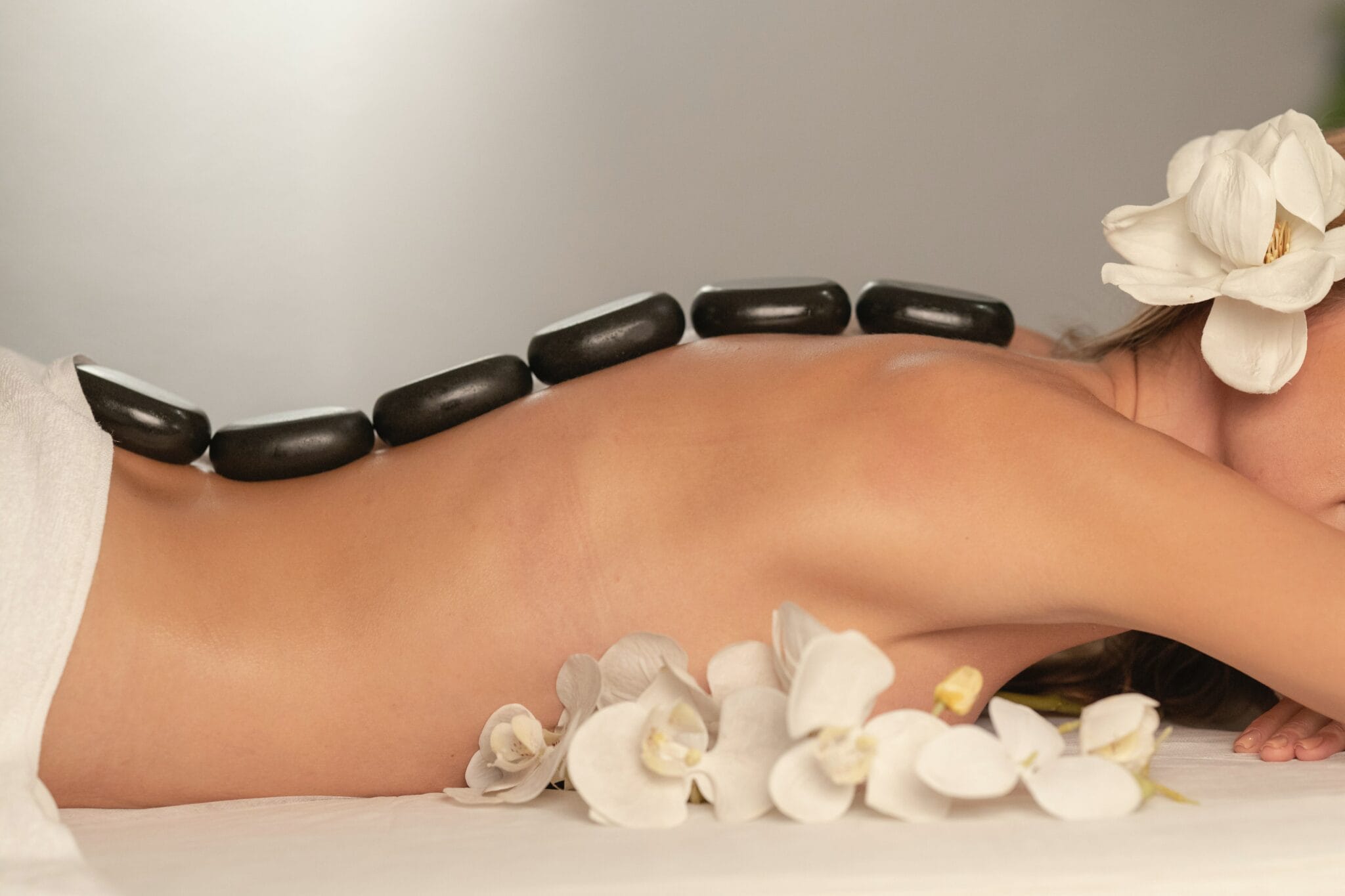
Essential oils have been used for centuries in skincare. Some people find they help the look and feel of their skin, though the evidence varies a lot from oil to oil. Essential oils can be used in a variety of ways, including in moisturizers, toners, and serums. Some of the most popular essential oils for skin care include lavender, rosemary, and chamomile.
Below are five popular oils for skin, with lavender getting the most attention. Two of them, rosehip and coconut, are strictly carrier oils rather than essential oils, but they’re used alongside essential oils so often that they earn a spot.
What is Lavender Essential Oil?
Lavender oil is one of the most popular essential oils and has a wide range of benefits. It is known for its soothing and calming properties and can be used to help relieve stress, anxiety, and tension. Lavender oil also turns up in a lot of skincare for spot-prone or irritated skin. If you have eczema or psoriasis, check with your GP or pharmacist first, as essential oils can make sensitive skin worse. Plenty of people also like its scent at bedtime.
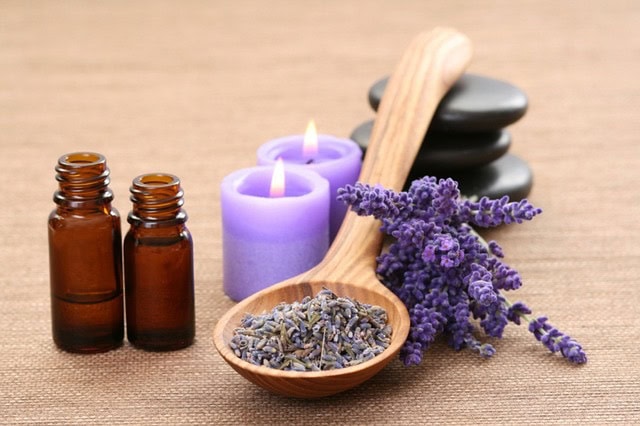
Lavender Oil: An In-Depth Look
Obtained by distillation from the flower spikes of certain species of lavender. It has a fresh, floral aroma with a hint of sweetness. Lavender essential oil is used in aromatherapy and has a number of therapeutic properties. Many people find its scent relaxing. Lavender oil is also used as a natural insecticide and has been shown to repel certain types of insects.
Lab studies suggest lavender oil has some anti-inflammatory and antimicrobial properties, which is why it turns up in skincare. It has traditionally been used on minor skin complaints, though the research in people is limited and it isn’t a substitute for proper treatment. Lavender oil is commonly used in skin care products such as lotions, creams, and soaps.
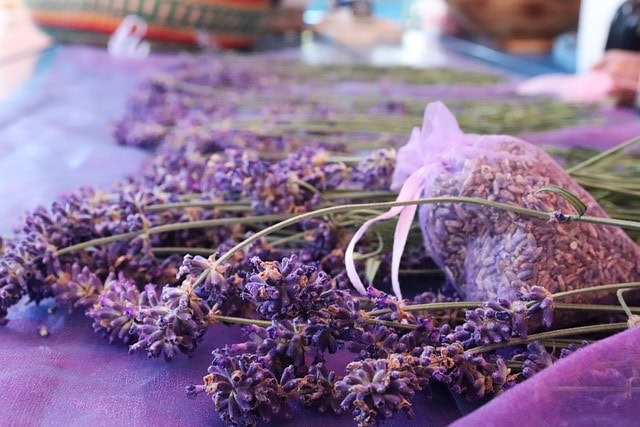
Composed of several different chemicals, including linalool, linalyl acetate, terpinen-4-ol, and camphor. Linalool and linalyl acetate make up most of the oil and give it its scent, and linalool may have a mild anti-inflammatory effect.
Terpinen-4-ol is the same compound behind tea tree oil’s antimicrobial reputation, and camphor gives a cooling feel on the skin.
Lavender essential oil just like rosemary oil is also used for its potential benefits for hair growth. While there is limited scientific evidence to support this claim, some people believe lavender oil can help hair growth and scalp health.

The Benefits of Using Lavender Oil
Pain relief:
Some people massage diluted lavender oil into tense muscles or dab it on their temples for a headache. It won’t replace painkillers, but many find it soothing.
Improved sleep:
When diffused, the lavender essential oil can help reduce stress and promote a sense of relaxation with its calming aroma.
Relaxation and stress relief:
Lavender is often used to promote relaxation and reduce stress and anxiety.
Skincare:
Some people find diluted lavender oil soothing on mildly irritated skin. For acne, scarring or rashes, a pharmacist is a better first stop.
Antimicrobial properties:
Lavender oil has antimicrobial properties that may help fight against bacteria and fungi. A great way to use lavender essential oil is to blend it with your body scrub. Lavender gives the scrub a floral fragrance and makes it feel luxurious.
Anti-Aging Benefits
Lavender oil contains antioxidants, which help protect skin from free radicals (unstable molecules linked to premature ageing). There’s little evidence it does much for wrinkles on its own, though. Daily sunscreen will do far more.

The Top Five Oils for Skin
Plenty of oils get used on skin, from essential oils such as lemongrass, eucalyptus, bergamot, rosemary, neroli, rose, peppermint, citrus and carrot seed, to carrier oils such as jojoba, argan, olive and sweet almond.
But the top five best essential oils for skin health that are used more often are lavender (which is our focus today), tea tree, rosehip, chamomile, and coconut oil. Each of these oils has unique properties that can help to improve the health and appearance of the skin.
Tea Tree Oil
If you have oily skin, tea tree oil is worth a look. It has antimicrobial and anti-inflammatory properties, and there’s some evidence that diluted tea tree oil can help with mild spots. It’s strong stuff, though, so always dilute it and patch test first.
When used topically, tea tree essential oil is believed to have anti-fungal properties. Tea tree oil is also commonly used to treat insect bites.

Rosehip oil
Rosehip oil is pressed from the seeds of wild rose hips. It’s a carrier oil rather than an essential oil, so you can use it neat, and plenty of people with sensitive skin get on well with it. It’s high in antioxidants, which help protect the skin from free radicals, and may help calm redness. It also contains vitamin A compounds, which is why people with mature skin like it for fine lines.
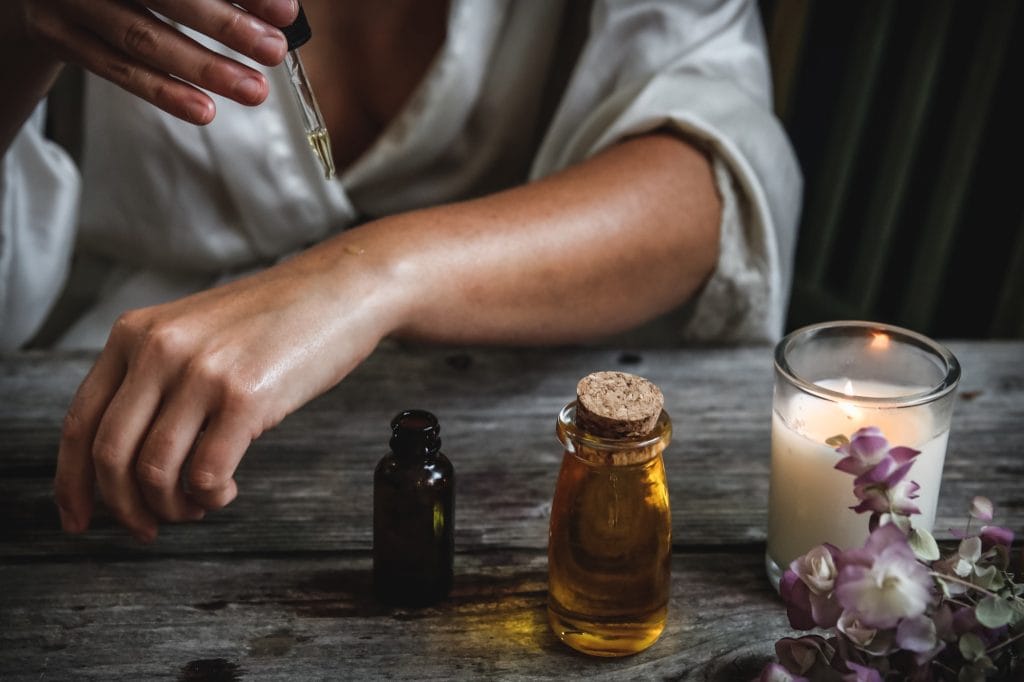
It’s also a good moisturiser, so it can help to keep the skin hydrated. Rosehip oil is high in essential fatty acids, which is why many people use it on dry, irritated skin.
The oil can help to soothe and calm irritated skin and reduce the appearance of redness and swelling. Some people also use it to help fade the look of old scars.
Chamomile oil
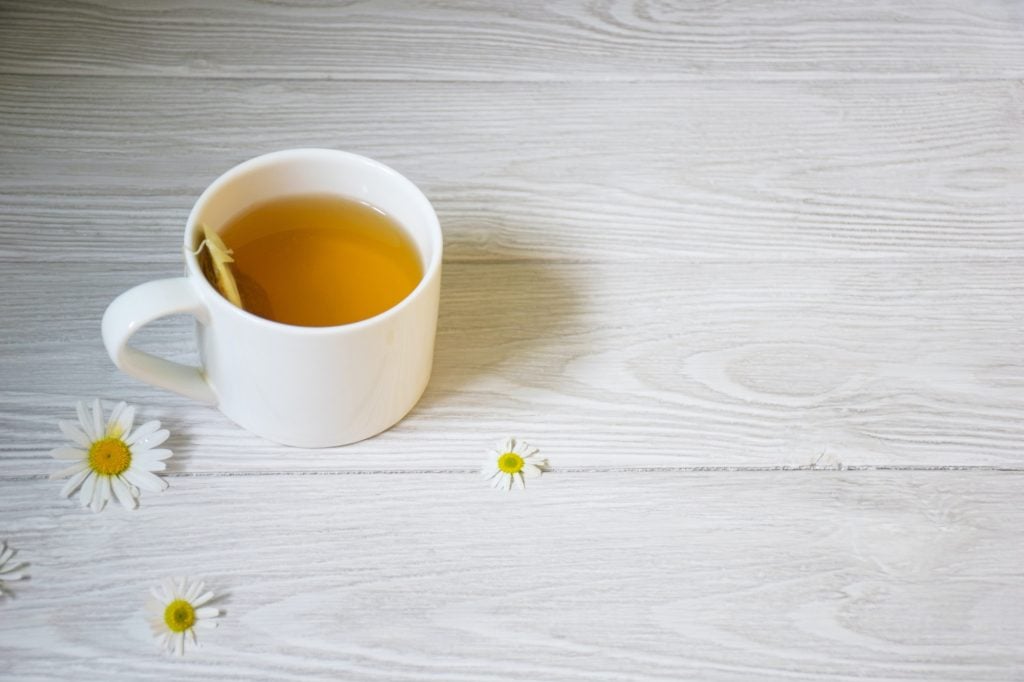
Chamomile oil is extracted from the chamomile plant and has been a traditional remedy for centuries. It tends to be gentle, and many people find it soothing on itchy skin.
Some people with acne-prone skin like it too, as it may have mild anti-inflammatory properties. If you have eczema or psoriasis, speak to your GP or pharmacist before trying it. And skip it if you’re allergic to daisies or ragweed, as chamomile is in the same plant family.
Coconut oil
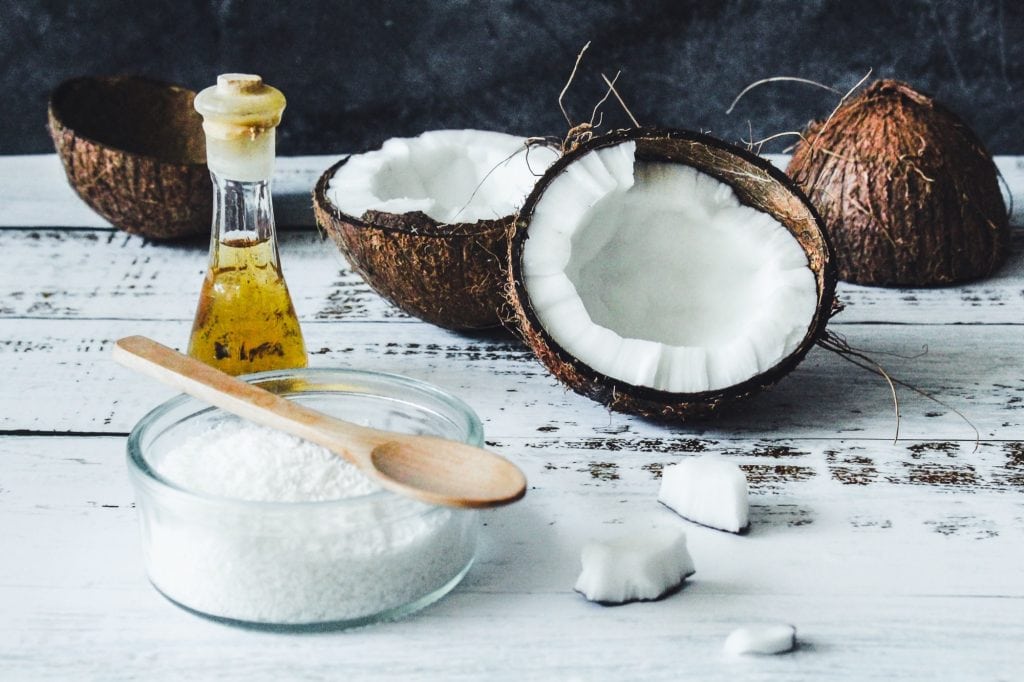
Coconut oil is a carrier oil rather than an essential oil, and it’s rich in fatty acids that make it a good moisturiser for dry skin.
It isn’t for everyone, though. Coconut oil can clog pores, so if you have oily or spot-prone skin, keep it off your face and use it on your body or hair instead.
Coconut oil also works well as a make-up remover or oil cleanser, and it’s high in lauric acid. On dry skin, regular use can leave it soft and healthy-looking.
Benefits Comparison
Lavender oil is well known for its calming and relaxing properties, making it a popular choice for use in aromatherapy. When compared to other popular oils such as tea tree oil, rosehip oil, chamomile oil, and coconut oil, lavender oil stands out for its ability to soothe and calm the mind and body. Some people also use it on spot-prone skin and in scalp treatments, though the evidence for both is limited.
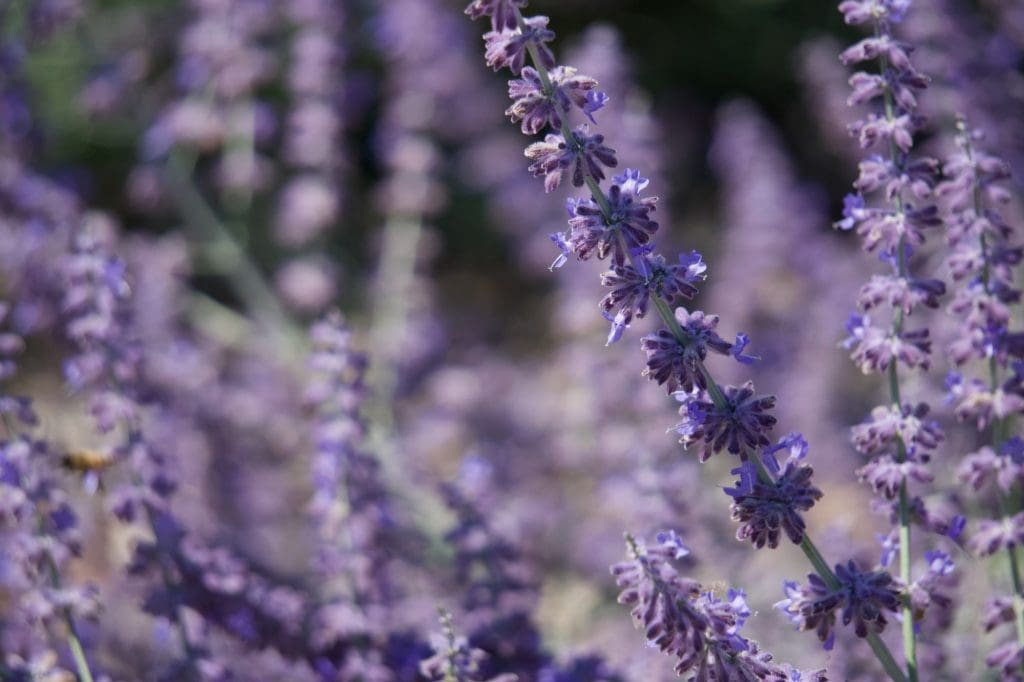
Lavender oil and coconut oil are two popular natural oils that offer a variety of benefits. Both oils can be used for skincare, hair care, and aromatherapy. Lavender oil is known for its relaxing and calming properties, making it a great choice for use in aromatherapy. It can also help to soothe dry skin and reduce inflammation. Coconut oil is rich in antioxidants and fatty acids, making it an excellent choice for use in skin and hair care. It can help to nourish and hydrate the skin, and can also help to reduce frizz and add shine to hair.
For dry or damaged skin, rosehip oil is usually the better pick of the two. It’s packed with essential fatty acids and vitamin A compounds, and you can use it without diluting it.
Rosehip oil may also help calm dry, irritated skin, which makes it popular with people who have damaged or ageing skin. Both oils have a wide range of benefits, making them popular choices for natural health and beauty.

Essential Oils for Skin Care
There are many ways to use essential oils in skincare. Some people add them to their moisturizer or face cream, while others use them in a toner or facial serum. Essential oils can also be used in a facial massage or added to a bath or foot soak.
Some people find essential oils help soothe dry or irritated skin, and plenty just like the scent as part of their routine. Don’t expect miracles for wrinkles, though.
When using essential oils in skin care, it is important to start with a small amount and increase as needed. It is also important to choose a quality oil that is suitable for your skin type and dilute it before applying it to the skin.
How To Choose The Right Essential Oils For Your Skin Type?
There are a few things to consider when choosing the right essential oil for your skin type. If you have oily skin, you’ll want to choose an oil that will help to regulate sebum production and keep your skin feeling balanced.
Dry Skin
If you have dry skin you’ll want an oil that is hydrating and will help to replenish your skin’s natural moisture levels. A carrier oil like rosehip or argan does the moisturising, and a drop of chamomile in it is optional.
Sensitive Skin
For sensitive skin, go easy. Essential oils are more likely to irritate sensitive skin, so a plain carrier oil such as jojoba may be all you need. If you do want a scent, keep the dilution very low and patch test first.
Normal Skin
For normal skin, you’ll want an oil that will help to maintain your skin’s healthy appearance such as lavender oil.
Oily Skin
For oily or spot-prone skin, tea tree oil is the one with the most evidence behind it. Keep it diluted, and avoid heavy oils like coconut on your face.

The best way to figure out which oil is right for you is to experiment and see what works best for your skin. Start with a small amount of oil and apply it to your skin. If you notice any irritation or redness, discontinue use. Otherwise, continue using the oil and see how your skin cells respond.
You can also start from the skin issue you want help with, such as dryness, mild itching or dull-looking skin. For anything persistent or painful, or any allergic reaction, see a pharmacist or GP rather than reaching for an oil.
Carrier Oils
Carrier oils are oils that are used to dilute essential oils and absolutes before they are applied to the skin. They help to ‘carry’ the essential oil or absolute onto the skin, and also help to spread it out evenly. Carrier oils are typically cold-pressed from the seeds, nuts, or fruits of plants, and do not contain any synthetic ingredients.
Some examples of carrier oil are jojoba oil, sweet almond oil, grapeseed oil, argan oil, avocado oil, rosehip oil and coconut oil. Carrier oils can be used alone or in combination with each other, depending on the desired effect.
When selecting a carrier oil, it is important to consider its properties and how they will work with the essential oil or absolute that you are using. For example, if you are using an essential oil that is very potent, you may want to choose a carrier oil that is lighter in order to reduce the risk of skin irritation. Conversely, if you are using an essential oil that is very gentle, you may want to choose a carrier oil that is more nourishing to the skin.
Dilution Guidelines
Carrier oils help to carry the essential oil into the skin and can also help to reduce skin irritation.
Start with a low dilution ratio of 1-2% and increase as needed. Always test the diluted essential oil on a small area of skin before applying it to a larger area. Store diluted oils in a dark, cool place.
Also, keep in mind that not all essential oils are necessarily good for your skin. Some can irritate or cause reactions.
When using essential oil don’t forget to patch test the oil on a small area of skin before using it more extensively. Doing a patch test ensures that the oil does not cause any adverse reactions to your skin.
Additionally, always use high-quality, pure essential oils, such as the lavender oils from Lavender Gold, our sister company, and follow the recommended usage guidelines on the product label. And it’s a good idea to consult with a healthcare professional, especially if you have any pre-existing skin conditions or concerns.
Missed a spot?
More from Hair and skin

How to Get Rid of Ingrown Hairs (and Get One Out Safely)
An ingrown hair is a hair that has curled back or grown sideways into the skin instead of coming straight out of the hair...

Strawberry Legs: What Causes Them and How to Get Rid of Them
Strawberry legs are the tiny dark dots that show up across your shins and thighs, usually most obvious a day or so after you...

Razor Burn: What It Is and How to Get Rid of It
Razor burn is the hot, stinging redness that turns up within minutes of a shave.