
The Colonel’s Journal / Beards and facial hair
How to Become a Barber: Top Courses and Training Options
Last updated on
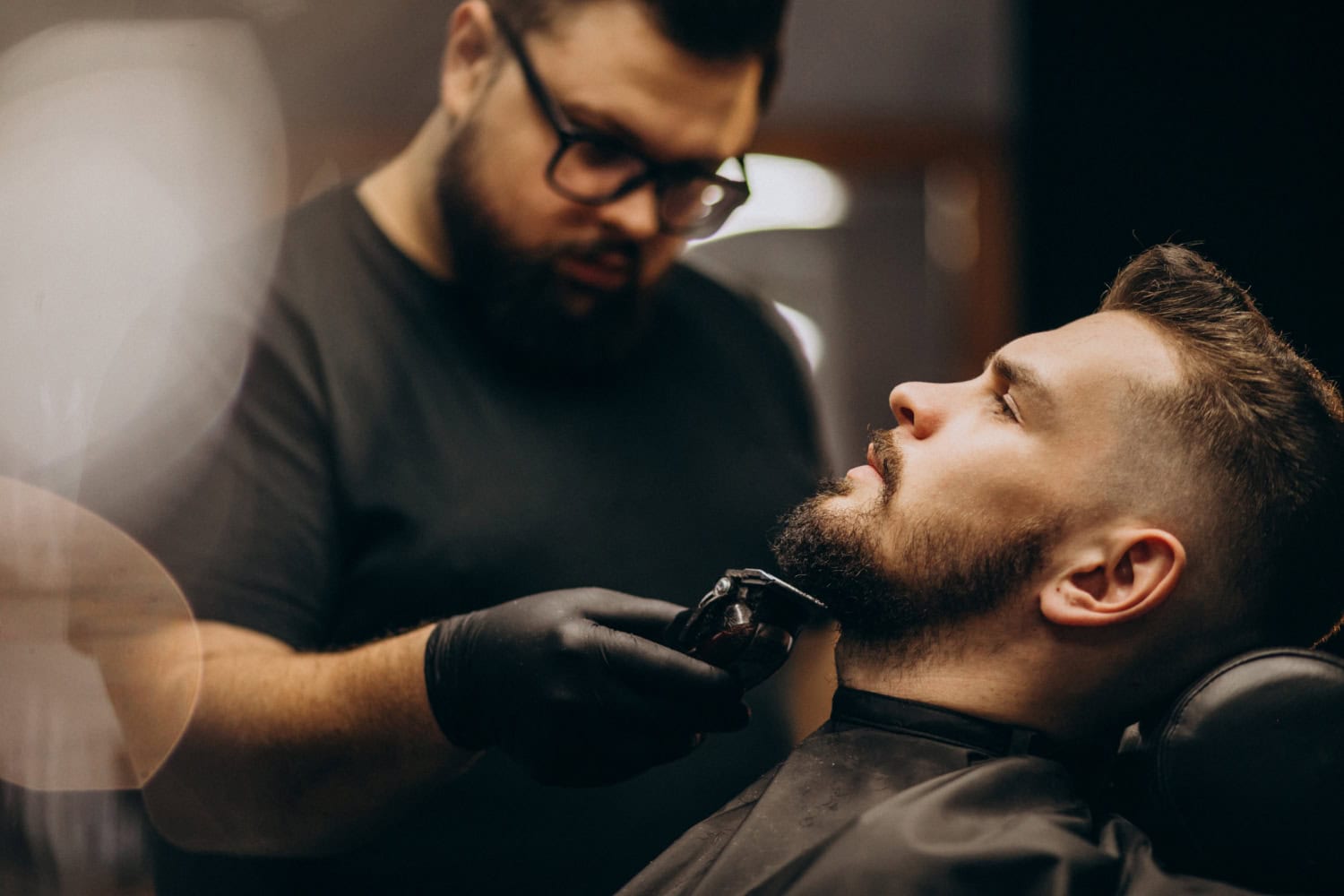
There are several routes into barbering: private courses, apprenticeships, further education colleges and online learning. Here’s how long each takes, what it costs and how much hands-on cutting you get.
Key Takeaways
Private barber courses offer intensive, hands-on training lasting 2-3 months with job placement support, ideal for quick skill acquisition.
Apprenticeships provide practical, on-the-job training over 2-3 years, combining real-world experience with theoretical education, albeit with limited initial haircutting opportunities.
Further education colleges offer affordable barbering courses with minimal practical experience, serving as a budget-friendly pathway to recognized qualifications in the industry.
Private Barber Courses: Intensive Training for Quick Results
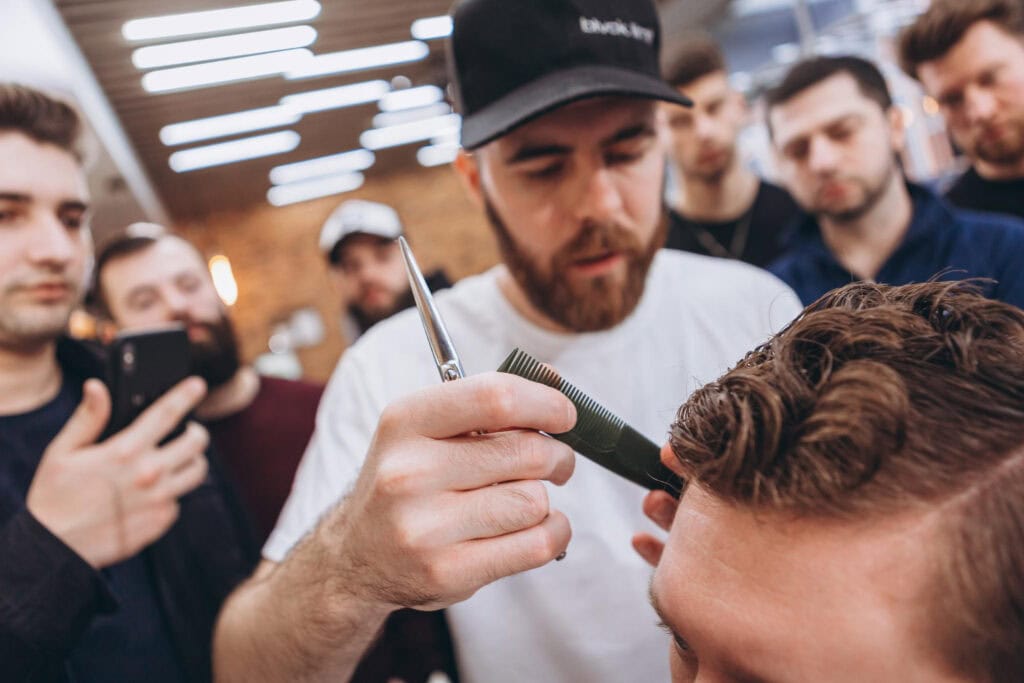
Private barber courses are the go-to option for those looking to acquire practical skills rapidly. These intensive programs provide students with the foundational skills to cut hair professionally within a few months. Typically spanning 2-3 months, these courses focus on hands-on training, allowing students to immerse themselves in the barbering world quickly and effectively.
These barber courses are tailored specifically for newcomers to the field, making them ideal for complete beginners or those looking to make a career shift. Students leave these courses with a solid foundation in barbering skills, ready to enter the workforce with confidence.
Course Duration and Costs
Private barber courses typically last between 2 to 3 months, offering an intensive learning experience. Costs vary a lot between schools, and an intensive full-time course can run to several thousand pounds, so get prices from a few before you commit and check what’s included.
Consider both the duration and financial investment when selecting the right course.
Specialized Training Schools
Specialized training schools offer a unique environment for aspiring barbers, with small class sizes and experienced tutors providing personalized instruction. These schools often focus on advanced techniques and practical training, ensuring that students develop the technical skills needed for career growth.
Evaluate the variety of courses as some schools specialize in areas essential for your career aspirations.
Job Placement Support
One of the significant advantages of private barber courses is the job placement support they offer. Many of these programs include job placement assistance, helping graduates connect with potential employers and secure positions in the industry. This support can be invaluable in launching your career and ensuring you find the right fit in the barbering world.
Apprenticeships: Hands-On Learning Over Time
Apprenticeships offer a different approach to barbering education, focusing on hands-on learning over an extended period. Typically lasting 2-3 years, apprenticeships are ideal for younger students who benefit from the combination of on-the-job training and structured college-based NVQ training. This model allows students to develop essential skills through real-world experience while also gaining theoretical knowledge.
During the early stages of an apprenticeship, students primarily focus on basic tasks with limited opportunities to cut hair. This initial phase is designed to build foundational skills before progressing to more advanced techniques.
Despite these limitations, apprenticeships offer a comprehensive learning experience leading to a successful barbering career.
Age Requirements and Duration
Apprenticeships in barbering typically require students to be at least 16 years old to start. These programs usually last between 2 to 3 years, providing ample time for learners to develop their skills and gain valuable experience in the field.
The extended duration allows deeper immersion into the profession, making apprenticeships a strong route for long-term skill development.
Practical Experience and College Training
Apprenticeships combine practical training in barbershops with college-based education, offering a balanced approach to learning. This integration provides hands-on experience while also imparting theoretical knowledge from structured courses.
However, further education colleges may offer limited hands-on haircutting practice compared to specialized barber schools.
Limited Haircutting Opportunities
In the initial phase of an apprenticeship, students primarily perform basic grooming tasks rather than advanced haircutting techniques. This focus on foundational skills is essential for building a strong base, but it also means that opportunities to cut hair may be limited at first.
As students progress, they will gradually take on more complex tasks, leading to a well-rounded barbering education.
Further Education Colleges: Affordable Long-Term Training
Further education colleges offer an affordable and accessible option for aspiring barbers. These institutions often provide barbering courses at minimal or no cost for eligible students, making them an attractive choice for those on a budget. While these courses may lack the extensive practical experience found in other training methods, they still offer a solid foundation in barbering skills.
The affordability of further education colleges can be a significant advantage, especially for students who need to manage financial constraints. These schools provide a pathway to a recognized qualification in barbering, ensuring that graduates have the credentials needed to pursue a career in the industry.
Course Length and Costs
Barbering courses at further education colleges typically last between one to two years, providing a longer-term training option compared to private courses. For eligible students, these courses are often available at no cost, making them an affordable choice for those looking to enter the barbering profession without a significant financial investment.
Practical Experience Limitations
One of the limitations of further education colleges is the potential lack of extensive practical training opportunities. While apprenticeships integrate hands-on experience with formal education, college-based programs may not offer the same level of real-world practice.
This can impact a graduate’s readiness for complex barbering tasks, making it crucial to seek additional practical training where possible.
Beginner-Friendly Barbering Courses

For those just starting their journey in barbering, beginner-friendly courses offer a supportive and structured environment. The shortest aim to get complete beginners ready to work in a barbershop in around three months, which makes them a fast track into the profession.
Course Options
Beginner barbering courses come in various durations and formats, catering to different schedules and learning preferences. Depending on the school, you’ll find short full-time courses for quick immersion alongside part-time Saturday or evening courses that run over several months, for those who need to fit training around a job.
This range of options ensures that students can find a course that fits their lifestyle and learning needs.
Hands-On Approach
Beginner-friendly barbering courses emphasize hands-on practice, allowing students to work extensively on real models. Practical training helps students acquire skills quickly and effectively, with experienced tutors offering immediate feedback to maintain high learning standards.
Expert Tutors and Small Class Sizes
Learning in small groups with expert tutors enhances the educational experience in beginner-friendly courses. Small class sizes enable personalized instruction and better interaction with tutors, providing the guidance and support needed for success.
Online Learning Platforms
Online learning platforms offer a flexible and accessible option for aspiring barbers. Some platforms provide extensive video tutorials on various barbering techniques, allowing learners to study from leading industry professionals at their own pace. These courses provide step-by-step guidance, enhancing practical skills and theoretical knowledge.
Online barbering education allows you to tailor your learning schedule to fit personal and professional commitments. Whether balancing a job or other responsibilities, online platforms allow you to progress at your own pace, making education more accessible and convenient.
Access to Proprietary Videos
Many online barbering schools provide exclusive access to proprietary videos that complement their training programs. These videos serve as additional learning tools, refining techniques learned in practical settings and offering insights into advanced skills. These proprietary videos help aspiring barbers stay current in their skills and techniques, enhancing employability.
Flexible Learning
Online platforms offer flexible learning options, allowing students to learn at their own pace and accommodate personal and professional commitments. This flexibility is particularly beneficial for those who need to balance their barbering education with other responsibilities.
Online courses allow learners to set their own schedules, so you can train around a job or other commitments.
Practical Training with Real Clients
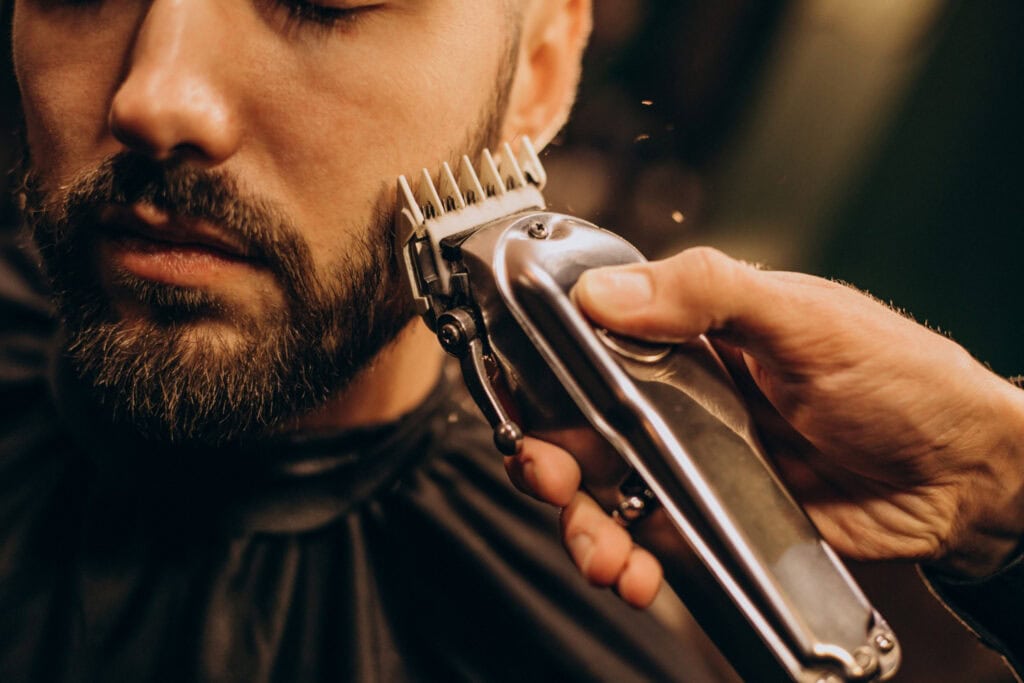
Engaging with real clients is crucial for developing confidence and honing technical skills in practical barber training. This hands-on approach accelerates the learning process, allowing students to apply their skills in real-world scenarios. Working with live models improves technical skill and helps aspiring barbers build customer service skills, preparing them for the realities of a professional barbershop environment.
Apprenticeships emphasize practical skills development through real-world barbershop experiences. By working on live models, students can refine their techniques and receive immediate feedback from experienced tutors, ensuring high-quality training and rapid skill acquisition.
Live Models for Practice
Practicing on live models is critical in barber training, providing trainees with real-world experience to develop their skills. This hands-on practice helps students build the confidence and technical proficiency needed for their careers, with the added benefit of immediate feedback from experienced tutors.
The focus on real models ensures that students quickly develop and retain the techniques taught in their courses.
Supervision by Experienced Tutors
Experienced tutor supervision maintains high training standards in teaching barbering courses. Small class sizes allow personalized attention, creating an effective learning environment where students can thrive.
Practicing on live models with seasoned tutor guidance ensures quality feedback and support, enhancing practical skills and real-world barbering readiness.
Job Placement and Career Support
Many barbering schools provide dedicated career services to help graduates secure employment in the industry. These services often include job placement assistance, connecting graduates with potential employers and helping them find positions in salons and barbershops. Additionally, some schools offer free business advice for graduates looking to start their own barbershops, providing a comprehensive support system for launching successful careers.
Choosing the right barber school is vital for building a successful career in the barbering industry. Accredited schools ensure that the education meets industry standards, enhancing employability after graduation. Many graduates credit their barber school for instilling the confidence and skills needed to launch successful careers.
Online Job Portals
Various online job platforms specifically target the barbering profession, connecting graduates with thousands of barbershop job opportunities. Some dedicated job portals cater specifically to the hair and beauty industry, with listings from barbershops and salons across the country. These platforms make it easier for new barbers to find employment and start their careers in the industry.
Career Guidance and Support
Ongoing career guidance helps barber graduates navigate job opportunities and develop their professional paths. This support helps graduates enhance their employment prospects and achieve successful careers. The continuous guidance provided by barber schools ensures that students are well-equipped to enter the job market and thrive in their new roles.
Choosing the Right Barber School
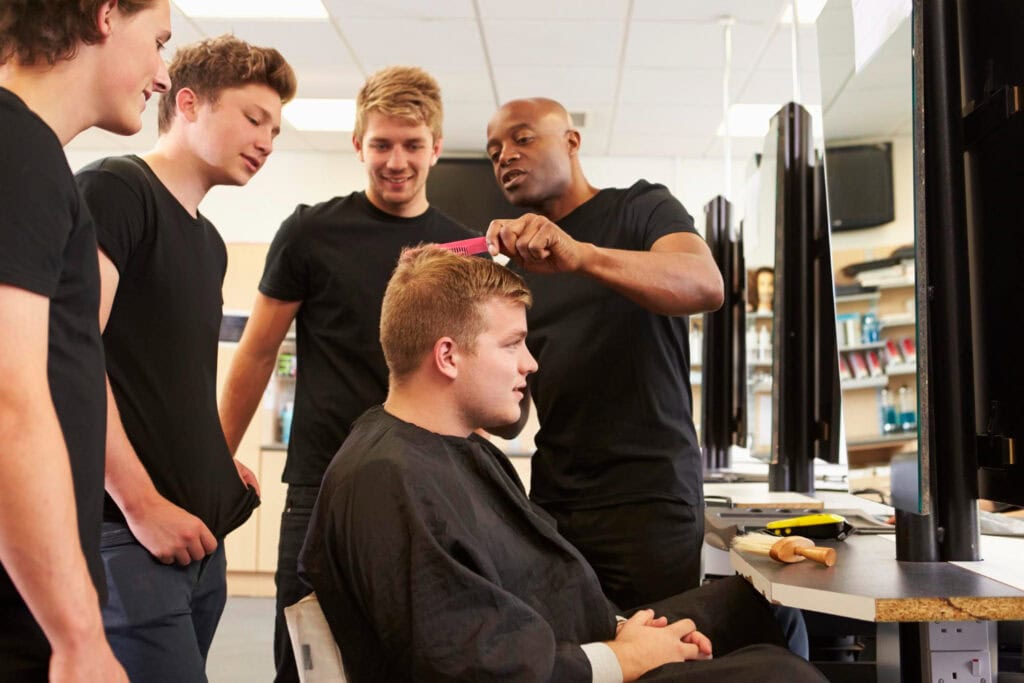
Choosing the right barber school is a critical step in your journey to becoming a professional barber. Specialized barbering schools boost career prospects by offering tailored training focused on industry standards. These schools often feature smaller class sizes, enabling more personalized instruction and better interaction with experienced tutors. When selecting a barber school, it’s essential to consider factors such as accreditation, the range of courses offered, and the school’s reputation.
Graduates often describe their barber school experience as transformative, noting the supportive environment that felt like a family. Positive testimonials highlight knowledgeable and committed instructors, making it crucial to choose a school that aligns with your personal and professional goals.
Accreditation and Reputation
Accredited barber schools meet recognized educational standards, ensuring high-quality training recognized in the industry. Choosing an accredited school provides confidence in the education received and enhances employability after graduation.
Investigating a school’s reputation through student reviews provides valuable insights into its educational quality and effectiveness.
Range of Courses Offered
Assess the diversity of courses provided by barber schools to find one that aligns with your specific career goals and interests. Course offerings can vary significantly, so choose a school that provides the training you need to develop your skills and techniques.
Graduate Success Stories
Graduate success stories can inspire and motivate prospective students to pursue a career in barbering. Ask any school you’re considering what its past students went on to do, and whether you can speak to one or two of them.
Summary
Before you pay for anything, check the school’s accreditation, the range of courses and what its past graduates went on to do.
Frequently Asked Questions
What is the typical duration of private barber courses?
Private barber courses usually last between 2 to 3 months, providing focused training to rapidly enhance your practical skills.
Are apprenticeships suitable for older students?
Apprenticeships are indeed suitable for older students, particularly those who favor hands-on learning and practical experience. They offer valuable opportunities for skill development and career advancement, regardless of age.
How much do private barber courses cost?
Prices vary a lot between schools, and an intensive full-time course can cost several thousand pounds. Get quotes from a few and check what’s included, such as kit and job placement help.
Do further education colleges offer practical barbering experience?
Further education colleges offer valuable theoretical knowledge and some practical experience in barbering, but it may be more limited compared to specialized training programs or apprenticeships. Therefore, consider complementing your studies with hands-on training for a comprehensive skill set.
What are the benefits of online barbering courses?
Online barbering courses provide flexible learning opportunities, enabling students to learn at their own pace while balancing other responsibilities. Additionally, they offer access to exclusive instructional videos that enhance skill development.
Missed a spot?
More from Beards and facial hair

How to Grow a Beard: A Practical Guide
Key Takeaways Genetics set the ceiling. Lifestyle, grooming and patience decide how close you get to it, and that means at least...

What Does Beard Oil Do? Benefits and Tips for a Healthier Beard
Wondering what beard oil does? Simply put, it moisturises your beard and the skin underneath, preventing dryness and itchiness.

The Barber Pole: History, Symbolism, and Cultural Significance
Key Takeaways Walking down any main street, the sight of a spinning barber pole immediately signals where to find professional...