
The Colonel’s Journal / Hair and skin
Taper Fade: Top Styles for Every Hair Type and Texture
Last updated on

The taper fade remains one of the most popular styles for men’s haircuts around the world.
What is a taper fade?
A taper fade merges the gradual shortening of a taper with the close-cut finish of a fade, so the lengths blend smoothly. It begins with longer hair on top and transitions smoothly into shorter, faded sides and back.
This style delivers a sharp, modern appearance while maintaining a polished, professional edge. A taper fade is less aggressive than a standard fade because the short, faded part is kept to the sideburns and the nape of the neck. The rest of the sides and back keep a bit of length.
A regular fade takes the whole of the sides and back down short, often to skin. A taper fade only does that at the edges, so it looks subtler and grows out more gracefully.
Key Takeaways
- Taper fades are versatile and low-maintenance haircuts that suit various styles, face shapes, and hair types.
- Popular taper fade variations include low, mid, high, and skin fades, each offering different looks and levels of contrast.
- A trim every 2 to 4 weeks keeps a taper fade looking sharp and defined.
A taper fade demands precision from your barber. Your home shave should be no different. Keep edges clean between visits with a razor subscription so your look stays sharp round the clock.
Join the ClubTable of Contents
Understanding the Taper Fade Haircut
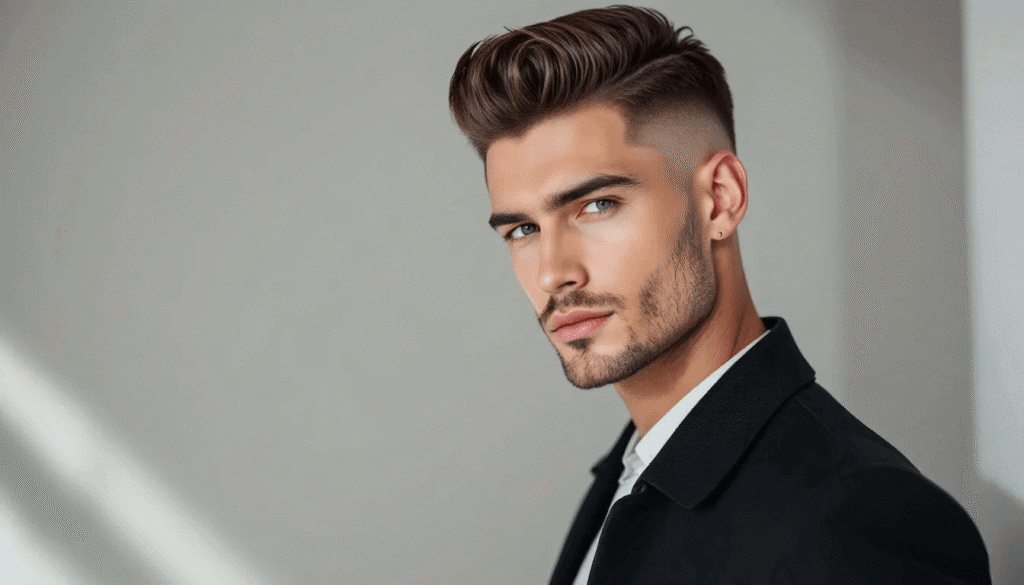
The taper fade haircut is a classic choice for men looking for a neat and stylish look. This haircut gradually reduces hair length from the top to the sides and back, creating a smooth transition that’s easy to maintain.
Its defining feature is that the fade is limited to the sideburns and nape, which sets it apart from a regular fade that takes the whole of the sides and back down short. Keeping the fade to the edges gives a clean, professional look that doesn’t shout. Tidy, tapered back and sides have been a barbershop staple for generations, which is part of why it never really goes out of style.
In recent years, the taper fade has become a major trend in men’s hairstyles, largely because it’s so versatile.
Whether you prefer a casual look or need something more formal, a taper fade can be tailored to fit every occasion. Relatively low maintenance, the taper fade allows men to look stylish without spending much time on their hair daily.
The adaptability of the taper fade means it can complement a wide range of hair types, textures, and lengths, including wavy and straight hair, which makes it a go-to choice in barbershops today. The taper fade is often described as more versatile than traditional fade styles, allowing for a polished appearance.
The taper fade suits various face shapes and personal styles. The process of tapering provides a smooth transition between lengths, enhancing the overall definition of the haircut. It emphasises facial features, giving a neat and balanced finish that can be tailored to highlight your best attributes.
Popular Types of Taper Fades

There are several popular variations of the taper fade, each with its unique appeal and style. Choosing the right type of taper fade can help you achieve the best look for your facial features and hair texture. From the subtle low taper fade to the dramatic high taper fade, there’s a taper fade haircut to suit every preference and hair type.
Low Taper Fade
The low taper fade is a timeless classic that begins tapering just above the earline, creating a clean and professional appearance. This subtle transition starts around the mid-ear, making it perfect for those who prefer a low-key yet stylish look.
The low taper fade adapts well to both slicked-back and messy styles, making it a popular choice among men of all ages.
Short hair or a bit longer on top, the low taper fade offers a balanced look suitable for both casual and professional settings. Its understated elegance makes it a favourite for those who want a neat look without too much fuss, especially with a low taper haircut.
Mid Taper Fade
The mid taper fade sits between subtle and sharp. This type of fade begins tapering around the temple area, offering a bit more contrast than the low taper fade.
It provides a gradual transition from longer hair on top to shorter hair on the sides and back, making it an excellent choice for those looking to change from a skin fade while keeping it sharp.
The mid taper fade is suitable for various hair types and lengths, allowing for a range of styling options. A textured crop or a slicked-back look, this fade can be tailored to suit your style.
High Taper Fade
For those who love a bold and modern look, the high taper fade is an excellent choice. This fade begins tapering above the ears and starts high on the sides and back, near the temples. The high taper fade creates a dramatic contrast between the longer hair on top and the shorter sides, making it ideal for edgy hairstyles like undercuts or disconnected styles.
The high taper fade is particularly advantageous for thick or curly hair as it reduces bulk and offers easier manageability.
The high taper fade may not suit conservative workplaces or schools, so think about where you’ll be wearing it before taking the plunge.
Skin Fade
The skin fade, also known as the bald fade, is perfect for those who want a striking and clean look. This fade tapers the hair down to skin level, creating a dramatic contrast that stands out. The skin fade is ideal for those looking for a bold style that requires regular upkeep to maintain its sharp appearance.
This type of fade suits a variety of face shapes and can be tailored to different hair textures, making it a versatile choice for many. However, be prepared for the maintenance that comes with keeping this fade looking fresh and clean.
Specialty Taper Fade Styles
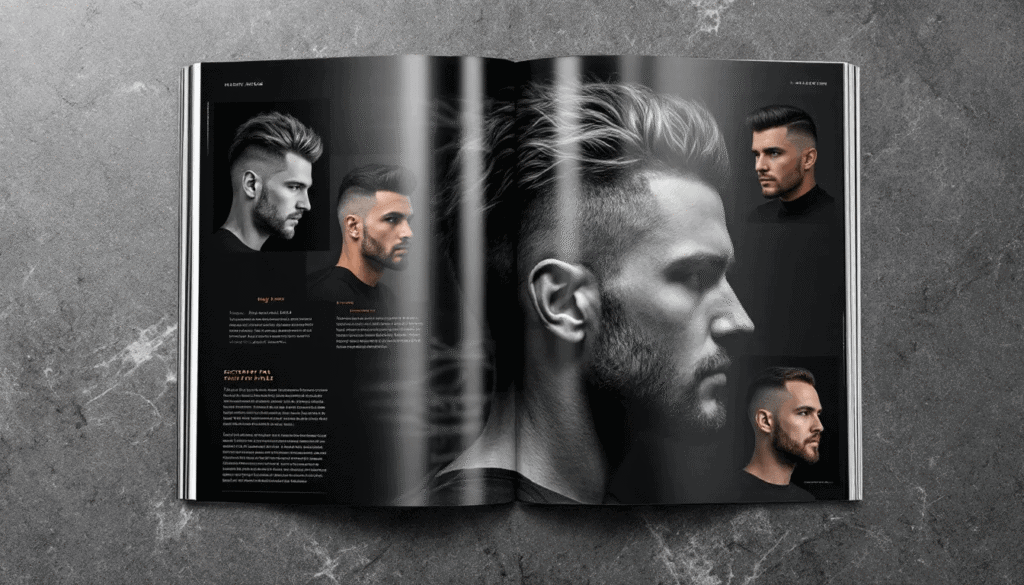
In addition to the classic taper fades, there are several specialty styles that cater to different hair types and personal preferences. These unique variations, such as the burst taper fade, afro taper fade, and curly taper fade, offer distinctive looks that stand out.
Burst Taper Fade
The burst taper fade is a bold and trendy choice that features a semi-circle tapering behind the ear. This unique shape creates a striking visual effect that stands out from traditional fades. If you have a receding hairline, it’s advisable to keep the burst fade low to avoid accentuating the receding spots.
However, the burst taper fade’s bold style may not be suitable for conservative office settings, so consider your daily environment before opting for this look. This fade is perfect for those who want to make a statement with their hairstyle.
Afro Taper Fade
The afro taper fade is specifically tailored for curly hair, allowing natural curls to stand out while keeping the overall style neat. This fade works best with naturally curly, coil-like, or kinky hair textures, which can be more challenging to fade due to their dense, coarse nature.
Men with afro-textured hair are well-suited for taper fades, which accentuate the contrast between the sideburns and nape.
To achieve the best results with an afro taper fade, find a barber who knows afro hair. This style shows off curls and helps manage thick or curly hair by reducing bulk.
Curly Taper Fade
The curly taper fade is a popular choice for those with curly hair who want to maintain their natural curls while cleaning up the edges. This style has seen a resurgence in popularity, with many embracing their dense curls and seeking hairstyles that showcase their natural texture.
Combining style and functionality, this fade keeps your curls vibrant and edges neatly defined. It’s an excellent choice for those who want to combine a clean look with the natural volume of curls.
Choosing the Right Taper Fade for Your Face Shape
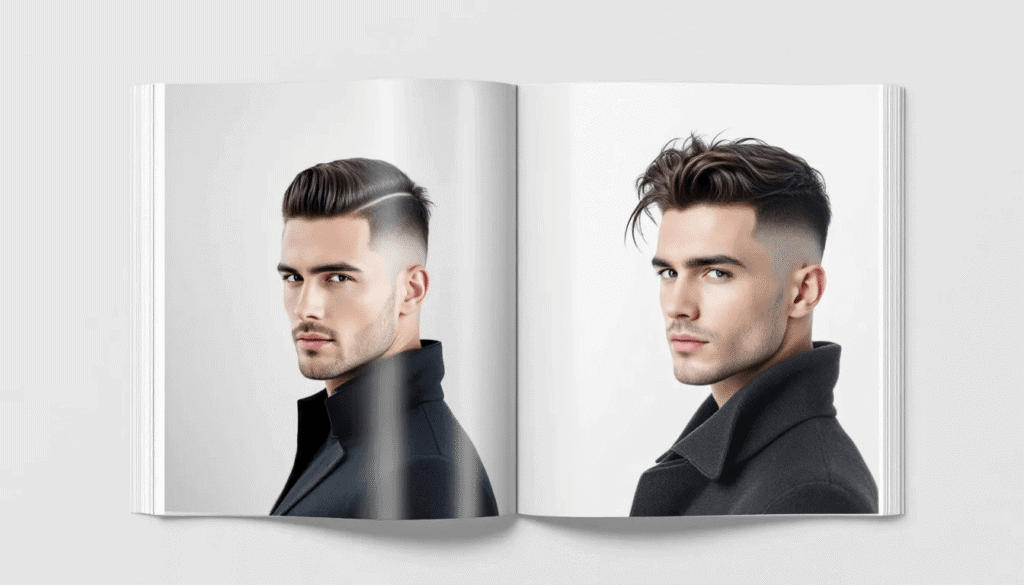
Selecting the right taper fade for your face shape makes a real difference. Different face shapes change how a taper fade looks.
For instance, a bald taper fade is ideal for heart-shaped faces, as it draws attention away from the forehead and balances out the chin. The taper fade can enhance facial features by removing weight from over the ears and around the neck.
When choosing a taper fade, the point where the blend starts matters most for a flattering look that suits your face shape. Mid taper fades can work well for diamond-shaped faces by blending the top and sides to avoid overwhelming the facial structure.
Low and mid taper fades are particularly flattering for round faces, as they add height and structure, creating a more balanced appearance.
Square faces benefit from high taper fades, which highlight their angular features and create a striking contrast. Meanwhile, oval faces can pull off almost any taper fade without disrupting balance.
Balance the tapering with the hair length on top to avoid an uneven appearance, and adjust the fade to the natural texture of the hair.
How to Maintain a Taper Fade
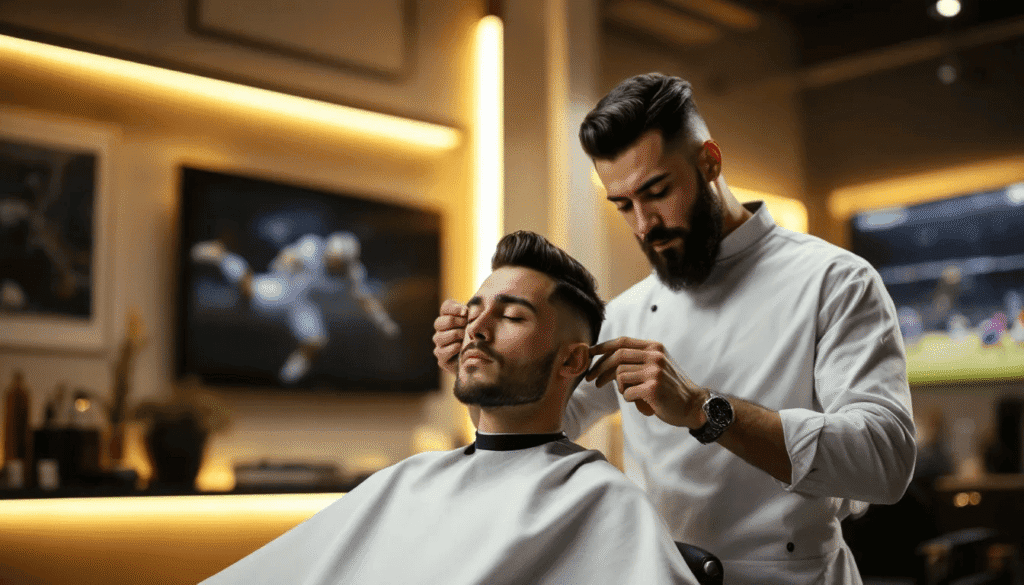
Regular upkeep is essential to keep a taper fade haircut looking sharp and fresh. A visit to your barber every 2 to 4 weeks helps maintain the defined lines and shape of the fade. High-quality shampoo and conditioner keep your hair healthy and vibrant.
Styling products like pomades, waxes, or gels can help you achieve the desired look for your taper fade.
Additionally, using hair clippers or trimmers can help maintain the taper fade between professional grooming sessions. For curly taper fades, maintain vibrant curls and neatly defined edges.
Styling Tips for Taper Fades
Tailor styling a taper fade to your natural hair texture for optimal results. A curl cream with a low fade showcases natural curls while maintaining a clean look for curly hair. For a modern appearance, a textured crop paired with a mid fade can be enhanced using a matte styling paste.
A slick back with a high fade looks sharp and professional when styled with pomade or wax. Using a high-shine pomade helps achieve a glossy, slicked-back look for a taper fade.
Adjusting the height or length personalises your taper fade to complement your unique facial features. A professional barber can help select the best taper fade style tailored to your face shape and preferences.
Common Mistakes to Avoid with Taper Fades
When getting a taper fade, there are common mistakes that can detract from the overall look. A key mistake is not defining the fade line, leading to an uneven appearance.
An improperly blended taper fade lacks smooth transition, creating a stark, unprofessional contrast. To achieve a polished result, focus on clear blending so the lengths move smoothly into each other.
Failing to maintain the taper fade regularly is another common issue. Quick regrowth due to the notable length difference between the top and sides can challenge precision and disrupt the fade’s natural flow. Regular upkeep and trimming keep the fade looking sharp and defined.
Benefits of Taper Fades
The taper fade is one of the most versatile styles in men’s grooming. Taper fades can be customised to suit virtually any face shape, hair type, or personal style.
Whether you prefer a low taper fade for a subtle, professional look or a high taper fade for a more dramatic, modern edge, there’s a fade haircut that will suit your needs.
Taper fades work well with both short hair and longer hair, allowing you to experiment with different lengths and styles. This flexibility means you can easily switch up your look without committing to a drastic change.
The clean, sharp lines of a taper fade also help define your features, making it a great choice for those who want a polished appearance with minimal effort.
Another major advantage is the low-maintenance nature of taper fades. While regular maintenance is recommended to keep the edges sharp and the transition smooth, the overall upkeep is generally easier than many other men’s hairstyles.
The gradual blending of lengths means your haircut will continue to look neat as it grows out, giving you more time between barber visits.
Barber Tips for Getting the Perfect Taper Fade
Achieving the perfect taper fade starts with choosing a skilled barber who knows tapering and fading. Before your appointment, think about the type of taper fade you want: a low taper fade for a subtle finish, a mid taper fade for balanced contrast, or a high taper fade for a bold statement.
Communicate your preferences clearly, including how you’d like the length on top and how sharp you want the edges around your ears and neckline.
A good barber will assess your face shape, hair type, and natural hairline to recommend the best taper fade for you. For example, if you have curly hair, they might suggest a curly taper fade that maintains your natural texture while keeping the edges neat.
If you prefer a more classic look, a low taper or mid taper haircut can offer a timeless style that suits most face shapes.
During the cut, your barber will use a combination of tapering and fading techniques to blend the different hair lengths smoothly. They’ll pay close attention to the natural flow of your hair and the shape of your head, ensuring the fade complements your features and personal style.
Ask for adjustments if you want the fade to start higher or lower, or if you’d like a more textured finish on top.
By working closely with your barber and considering your personal preference, you’ll end up with a taper fade that looks sharp and suits your lifestyle. Regular touch-ups will help maintain the clean look and keep your fade looking its best.
Summary
Pick the taper fade that suits your face shape and hair type, take a clear idea of it to your barber to sort your hairstyle, and go back every 2 to 4 weeks to keep it sharp.
Missed a spot?
More from Hair and skin
Buzz Cut Styles for Men: The Looks Worth Trying
A buzz cut is a short, low-maintenance hairstyle made with clippers, where the hair is clipped very short using a guard to...
Top Essential Oils for Sensitive Skin Care
If you have sensitive skin, you might be wondering whether essential oils are safe for you. The honest answer is: carefully.

Sea Salt Spray For Hair: What Does It Do & Is It Good For Your Hair?
Sea salt spray has become a popular hair product among enthusiasts and professionals alike because it can turn flat, lifeless...