
El diario del coronel / Barbas y vello facial
El poste de barbero: historia, simbolismo y relevancia cultural
Última actualización el
Principales conclusiones
- El poste de barbero tiene su origen en la época medieval, cuando los barberos realizaban sangrías y operaciones quirúrgicas, además de cortes de pelo y afeitados.
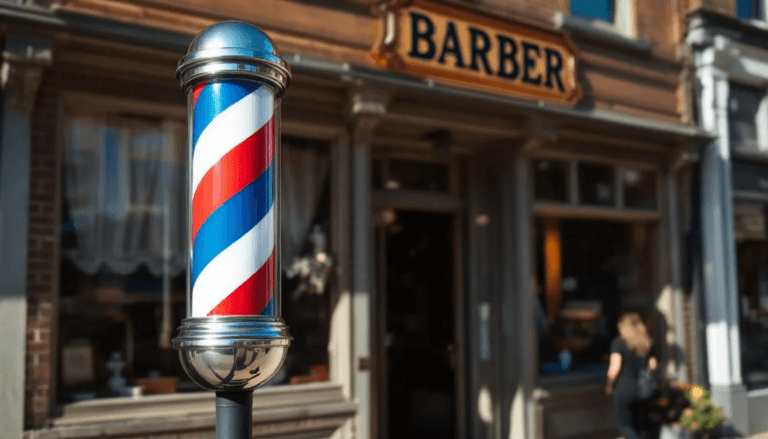
- Las rayas rojas y blancas simbolizan los vendajes manchados de sangre y limpios de las prácticas de sangría, mientras que el azul representa las venas o la sangre venosa
- El dibujo en espiral procede de las vendas ensangrentadas que se colgaban al aire libre y se retorcían con el viento, sustituidas más tarde por postes de madera pintados.
- En 1540, la legislación inglesa agrupó a barberos y cirujanos en un mismo gremio, pero estableció una distinción entre las funciones que cada uno podía desempeñar; ambos gremios se separaron oficialmente en la década de 1740.
- Hoy en día, el poste de barbero sigue siendo un símbolo icónico de la profesión de barbero, aunque los barberos modernos se centran únicamente en servicios de peluquería y aseo personal.
Al pasear por cualquier calle principal, la visión de un poste de barbero giratorio indica de inmediato dónde encontrar servicios profesionales de peluquería. Con sus rayas rojas y blancas que se enrollan en espiral hacia arriba, es uno de los emblemas comerciales más antiguos y reconocibles del mundo. Además, tiene una historia un tanto macabra que vincula las barberías modernas con las prácticas médicas medievales.
Lo que comenzó como un anuncio práctico de servicios de sangría acabó convirtiéndose en el alegre símbolo de los cortes de pelo y los afeitados que conocemos hoy en día. Este cambio supuso siglos de transformaciones legales y culturales que separaron la práctica médica de los servicios de peluquería.
Orígenes e historia antigua
La barbería se remonta a las primeras civilizaciones de la humanidad. Las pruebas arqueológicas sugieren que las sociedades de la Edad del Bronce desarrollaron las primeras herramientas de afeitado, lo que marcó el inicio de las prácticas organizadas de aseo personal. Estos primeros utensilios, aunque rudimentarios según los estándares actuales, consolidaron la barbería como uno de los oficios más antiguos de la humanidad.
La introducción oficial de la barbería en la cultura europea tuvo lugar en Roma alrededor del año 296 a. C., cuando esta práctica llegó desde Sicilia. Las barberías romanas se convirtieron rápidamente en centros sociales donde los hombres se reunían para hablar de política, negocios y actualidad. Estos establecimientos, conocidos como “tonstrina”, eran fundamentales para la vida social masculina en Roma.
La propia palabra "barbero" deriva del latín "barba", que significa barba. En la cultura romana, llevar el rostro bien afeitado se convirtió en la norma para los ciudadanos respetables, y el primer afeitado de un joven se celebraba con una ceremonia propia.
La era medieval del barbero-cirujano
Durante la Edad Media, la función de los barberos se amplió considerablemente más allá de los simples servicios de aseo personal. Los barberos medievales, denominados «barberos-cirujanos», realizaban procedimientos médicos que serían impensables en las peluquerías modernas. Estos profesionales se ocupaban de todo, desde cortes de pelo rutinarios hasta complejos tratamientos quirúrgicos, lo que los convertía en proveedores de atención sanitaria esenciales para la gente común que no podía permitirse acudir a médicos titulados. Durante este periodo, los barberos también ejercían como cirujanos y dentistas.
Realizaban habitualmente procedimientos de sangría, de los que se creía que curaban dolencias que iban desde resfriados comunes hasta enfermedades graves. Estos expertos profesionales podían recolocar huesos, extraer dientes, tratar heridas e incluso realizar intervenciones quirúrgicas menores. El paciente se agarraba a un palo durante los procedimientos de sangría para favorecer el flujo sanguíneo, y ese palo se convirtió más tarde en el símbolo de la profesión.
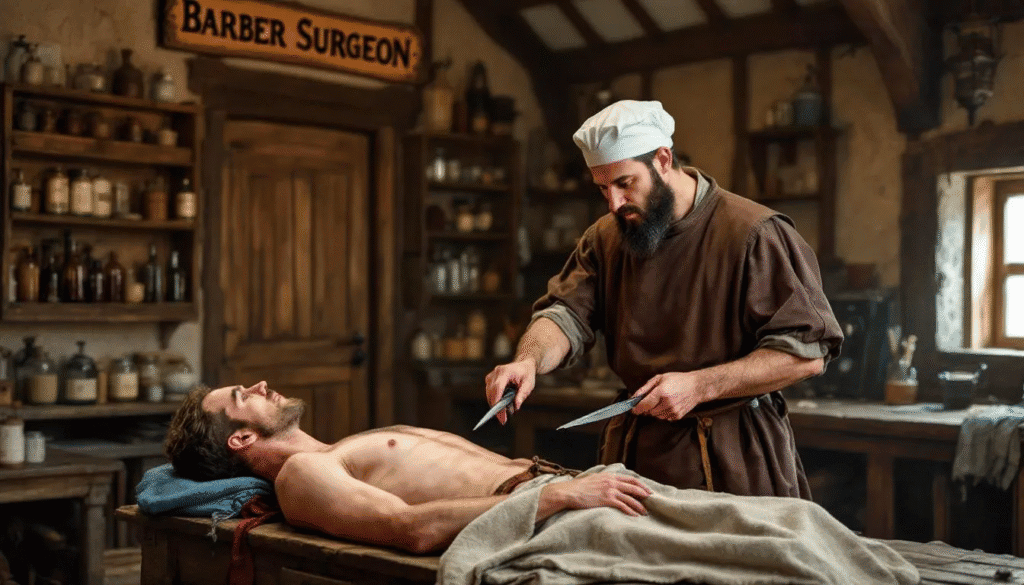
La organización profesional se remonta a principios de la Edad Media. Se suele decir que los barberos de Francia se organizaron ya en 1094, aunque los datos de esa época son escasos, y los gremios se encargaron posteriormente de establecer normas y reglamentos para esta profesión en expansión. Este sistema gremial primitivo... convertirse en la base de la barbería profesional en toda Europa.
En París, el Colegio de Saint-Come se fundó en 1210, creando una importante distinción entre dos tipos de médicos. Los cirujanos académicos, que vestían largas togas y poseían títulos universitarios, eran considerados la élite de la profesión médica. Los cirujanos barberos, identificables por sus togas cortas, prestaban servicios médicos prácticos a la población general. Esta división estableció una jerarquía profesional que influiría en el desarrollo tanto de la barbería como de la cirugía durante siglos.
Los barberos ingleses recibieron su primera carta real en 1462, cuando fueron reconocidos oficialmente como la «Compañía de Barberos». Este reconocimiento oficial legitimó su doble función en la sociedad y estableció protecciones legales para el ejercicio de su oficio. El sistema de gremios proporcionó formación, control de calidad y normas profesionales que convirtieron la barbería de un simple oficio en una profesión respetada.
En 1540, el rey Enrique VIII promulgó una ley por la que se creaba la Compañía Unida de Barberos y Cirujanos. Esta organización unió formalmente a barberos y cirujanos bajo un mismo marco profesional, al tiempo que iniciaba el proceso que acabaría por separar por completo ambas profesiones. Los barberos y los cirujanos siguieron formando parte del mismo gremio hasta mediados de la década de 1740.
Sangría y prácticas médicas
La sangría era un elemento fundamental de la práctica médica medieval, y los barberos-cirujanos eran sus principales practicantes. Este procedimiento se basaba en la antigua teoría de la medicina humoral, según la cual las enfermedades se debían a un desequilibrio de los fluidos corporales. Al extraer la “sangre mala”, los profesionales creían que podían restablecer la salud y tratar una amplia variedad de afecciones.
Las herramientas y los procedimientos utilizados durante las sesiones de sangría eran sofisticados para la época. Los barberos-cirujanos empleaban cuchillos especializados, lancetas y dispositivos de ventosas para controlar cuidadosamente la cantidad de sangre extraída. También se solían utilizar sanguijuelas para realizar una sangría más precisa, sobre todo en zonas delicadas en las que un corte quirúrgico pudiera resultar peligroso.
El bastón que agarraban los pacientes durante estos procedimientos tenía múltiples fines prácticos. Agarrar el bastón ayudaba a distender las venas, haciéndolas más visibles y accesibles para el cirujano barbero. La tensión física también ayudaba a los pacientes a sobrellevar la incomodidad del procedimiento. En la parte superior del bastón se colocaba a menudo una jofaina de latón que servía de recipiente para recoger sanguijuelas o sangre durante el tratamiento.
La sangría se utilizaba para tratar una amplia variedad de dolencias. La gente de la Edad Media recurría a ella para todo, desde dolores de cabeza y fiebre hasta enfermedades más graves, como la neumonía y la peste. Aunque la medicina moderna ha desmentido rotundamente el valor terapéutico de la sangría para la mayoría de las afecciones, esta práctica se llevaba a cabo con una fe genuina en sus poderes curativos.
La frecuencia y popularidad de la sangría la convirtieron en la piedra angular del negocio del cirujano barbero. A diferencia de los cirujanos académicos, que atendían a clientes adinerados, los cirujanos barbero proporcionaban atención médica asequible al pueblo llano. Esta accesibilidad les convirtió en miembros indispensables de sus comunidades y sentó las bases de su perdurable identidad profesional. Los barberos eran a menudo los únicos médicos disponibles para los pacientes que no podían permitirse un médico.
El simbolismo de los colores rojo, blanco y azul
Los colores del poste de barbero tienen su origen en la práctica médica medieval. Cada color representa un elemento concreto del procedimiento de sangría, lo que creaba un anuncio visual que la gente de la Edad Media podía entender y reconocer fácilmente.
Las rayas rojas del poste representan la sangre arterial y los vendajes manchados de sangre utilizados durante los procedimientos. Este llamativo color servía de indicador inmediato de que se disponía de servicios médicos, señalando a los posibles pacientes que allí trabajaba un facultativo capacitado. El rojo también simbolizaba la fuerza vital que la medicina medieval trataba de equilibrar mediante la sangría.
Las rayas blancas simbolizan los vendajes limpios y las prácticas de higiene que distinguían a los cirujanos barberos profesionales de los profesionales sin formación. El contraste entre el rojo y el blanco transmitía tanto el carácter médico de los servicios como los estándares de limpieza que mantenía el establecimiento. El blanco también representaba el propio poste, el bastón al que se agarraban los pacientes durante las intervenciones.
El color azul que aparece en muchos postes de barbero modernos, sobre todo en Estados Unidos, tiene múltiples interpretaciones. Algunas fuentes sugieren que el azul representa la sangre venosa, completando así la imagen del sistema circulatorio junto con la sangre arterial roja. Otros atribuyen el azul a un simbolismo patriótico, ya que los colores rojo, blanco y azul reflejan la bandera estadounidense y son una muestra de orgullo nacional.

El familiar patrón en espiral que define el poste de barbero tiene orígenes igualmente prácticos. Tras las sangrías, las vendas usadas se colgaban en el exterior de las tiendas para que se secaran. Al retorcerse con el viento, estas vendas ensangrentadas creaban una espiral natural que se asoció a los servicios de los barberos. Con el tiempo, este método publicitario orgánico se sustituyó por postes de madera pintados con el mismo diseño en espiral, que ofrecían una publicidad más limpia y permanente.
A medida que avanzaban los conocimientos médicos y mejoraban las normas de higiene, la exhibición literal de los residuos médicos pasó a considerarse inaceptable. El poste pintado conservaba el significado simbólico al tiempo que confería a la fachada un aspecto más atractivo.
Separación de barberos y cirujanos
La barbería y la cirugía se fueron separando progresivamente, impulsadas por los avances en los conocimientos médicos y las nuevas expectativas sociales.
El primer gran paso hacia la separación se dio en Inglaterra con el estatuto de 1540 que creó la United Barber Surgeon's Company. Aunque en un principio esta legislación unificó las profesiones, también impuso importantes restricciones al ámbito de ejercicio. Los barberos se limitaban a cortar el pelo, afeitar, sangrar y extraer muelas, mientras que los procedimientos quirúrgicos más complejos quedaban reservados a cirujanos cualificados.
Este marco jurídico impedía a los barberos realizar los tratamientos quirúrgicos avanzados que antes formaban parte de su práctica. El estatuto prohibía específicamente a los cirujanos prestar servicios básicos de aseo personal, como afeitarse y cortarse el pelo, creando por primera vez territorios profesionales distintos. Estas restricciones reflejaban el creciente reconocimiento de que los servicios médicos y de aseo requerían distintos tipos de formación y experiencia.
Francia siguió un camino similar bajo el reinado de Luis XV, quien prohibió por completo a los barberos realizar intervenciones quirúrgicas en 1743. Este decreto real supuso una separación más completa que la que se había producido en Inglaterra, lo que reflejaba el deseo de la monarquía francesa de elevar el estatus de la práctica quirúrgica y distinguirla de las actividades comerciales comunes. La prohibición obligó a los barberos a dedicarse exclusivamente a los servicios de aseo personal, dejando la práctica quirúrgica en manos de médicos formados en la universidad.
La creación del Real Colegio de Cirujanos de Londres en 1800 marcó la separación institucional definitiva de las profesiones. Esta organización proporcionó una educación médica formal y unas normas profesionales que iban mucho más allá del alcance de los gremios de barberos tradicionales. La cirugía se había convertido en una especialidad médica sofisticada que requería amplios conocimientos anatómicos y formación quirúrgica.
Hay quien afirma que los símbolos profesionales también cambiaron: los barberos pasaron a utilizar postes azules y blancos, mientras que los cirujanos mantuvieron los rojos y blancos. Es una historia muy extendida, pero hay pocas pruebas fehacientes que la respalden, y el poste rojo y blanco sigue siendo el clásico poste de barbero británico.
El proceso de separación varió significativamente entre las distintas regiones y reinos. Algunas zonas mantuvieron prácticas combinadas hasta bien entrado el siglo XIX, mientras que otras impusieron límites profesionales estrictos mucho antes. Estas variaciones reflejaban las estructuras políticas locales, los sistemas gremiales y los sistemas médicos. tradiciones que configuraron el desarrollo profesional de forma diferente en Europa.
Importancia del poste de barbero moderno
El poste de barbero actual es un letrero puramente comercial, aunque sigue encarnando siglos de tradición. Los postes de barbero giratorios modernos suelen presentar la combinación de colores rojo, blanco y azul, sobre todo en Estados Unidos, donde el simbolismo patriótico se ha arraigado profundamente en la cultura de las barberías.
El mecanismo giratorio mecánico que caracteriza a muchos postes contemporáneos cumple una función tanto práctica como estética. El movimiento continuo atrae la atención de los transeúntes al tiempo que crea la clásica ilusión óptica de la espiral. Este elemento cinético distingue al poste de barbero de la señalización estática y mantiene su eficacia como herramienta de marketing en zonas comerciales muy concurridas.
El reconocimiento mundial del poste de barbero va mucho más allá de sus orígenes europeos. Este símbolo se ha convertido en un indicador universalmente reconocido en Australia, Europa y las Américas de los servicios profesionales de peluquería masculina.

Las barberías actuales han sabido valorar el valor patrimonial del poste, al tiempo que lo han adaptado a las necesidades empresariales modernas. Muchos establecimientos utilizan este símbolo para transmitir autenticidad, maestría artesanal y vínculo con las técnicas tradicionales de peluquería masculina. El poste vincula a los barberos de hoy en día con el oficio de antaño y ayuda a diferenciar a las barberías profesionales de las peluquerías generales.
Las peluquerías modernas se dedican exclusivamente a cortar el pelo, recortar la barba y afeitado tradicional servicios, pero aun así colocaron el poste fuera.
En el Reino Unido no existe ninguna norma que obligue a los barberos a colocar un poste. Se trata más de una tradición que de una ley, y así ocurre en la mayoría de los sitios.
PREGUNTAS FRECUENTES
¿Por qué algunas barras de barbero giran y otras no?
El mecanismo giratorio suele estar motorizado y sirve para llamar la atención al tiempo que crea el clásico efecto óptico de espiral. Los postes fijos suelen elegirse por razones estéticas, por cuestiones de coste o por preferencias locales. Los postes giratorios son más habituales en zonas comerciales muy transitadas, donde la visibilidad es importante.
¿Existen requisitos legales para exponer postes de barbero?
En el Reino Unido no. No hay ninguna norma que obligue a una barbería a tener un mástil, y en la mayoría de los países se trata más de una tradición que de una ley. Si vas a abrir un local, consulta con tu ayuntamiento sobre la señalización y la licencia de obras.
¿Cuál es la diferencia entre los diseños americano y europeo?
Los postes de barbero estadounidenses suelen presentar franjas rojas, blancas y azules, a menudo atribuidas al simbolismo patriótico que refleja la bandera de Estados Unidos. Los postes europeos presentan con más frecuencia la tradicional combinación de colores rojo y blanco, manteniendo una relación más estrecha con el simbolismo histórico de la sangría. El diseño básico en espiral y la forma cilíndrica se mantienen en todas las regiones.
¿Cuándo dejaron los barberos de realizar procedimientos médicos por completo?
El calendario variaba según el país y la región. En Inglaterra, el estatuto de 1540 empezó a restringir a los barberos cirujanos a procedimientos limitados, mientras que Francia prohibió la cirugía a los barberos en 1743. La separación completa se consiguió en gran medida a principios del siglo XIX en la mayoría de los países desarrollados, coincidiendo con el establecimiento de facultades de medicina y escuelas de cirugía formales. Algunas zonas rurales mantuvieron las prácticas combinadas durante más tiempo debido al acceso limitado a médicos formados.
¿Tienen las barberías modernas que exhibir un poste de barbero?
No, exhibir un poste de barbero es tradicional pero no obligatorio en la mayoría de las jurisdicciones. Muchas barberías contemporáneas optan por una señalización alternativa que refleje las preferencias de marca modernas sin dejar de cumplir los requisitos de la licencia profesional. Sin embargo, el poste sigue siendo popular por su valor de reconocimiento instantáneo y su conexión con el legado de la barbería, lo que lo convierte en una herramienta de marketing eficaz para los establecimientos que quieren destacar los servicios tradicionales y la artesanía.
¿Ha perdido un sitio?
Más de Barbas y vello facial

Cómo dejarse crecer la barba: una guía práctica
Conclusiones clave: La genética marca el límite máximo. El estilo de vida, el cuidado personal y la paciencia determinan hasta qué punto te acercas a ese límite, y eso significa, como mínimo...

¿Para qué sirve el aceite para barba? Beneficios y consejos para una barba más sana
¿Te preguntas para qué sirve el aceite para barba? En pocas palabras, hidrata la barba y la piel que hay debajo, evitando la sequedad y el picor.

Barbas del ejército británico: El vello facial tras un siglo de prohibición
¿Pueden los soldados británicos llevar barba ahora? Sí, desde finales de marzo de 2024, el Ejército británico permite llevar barba tras levantar una prohibición que duraba ya un siglo...