
The Colonel’s Journal / Grooming & Guides
5 Shaving Traditions Across Cultures: A Fascinating Exploration
Last updated on

Shaving traditions around the world vary greatly, but there are some commonalities. In many cultures, shaving is seen as an important part of hygiene and is done regularly. Often, special tools and techniques are used to get a close shave. In some cultures, shaving is done as part of a coming-of-age ritual or as part of a religious ceremony. In others, it is simply a personal preference.
Shaving is often seen as an important part of taking care of oneself, but the ways in which it is done can vary greatly depending on culture and tradition.
Though we may typically shave with a razor blade or an electric razor, there are other ways to do so.
From the straight razor shave in a Turkish barbershop to the shark teeth once used across the Pacific islands, here are a few interesting shaving rituals from different parts of the world.
Shaving Traditions in Turkey
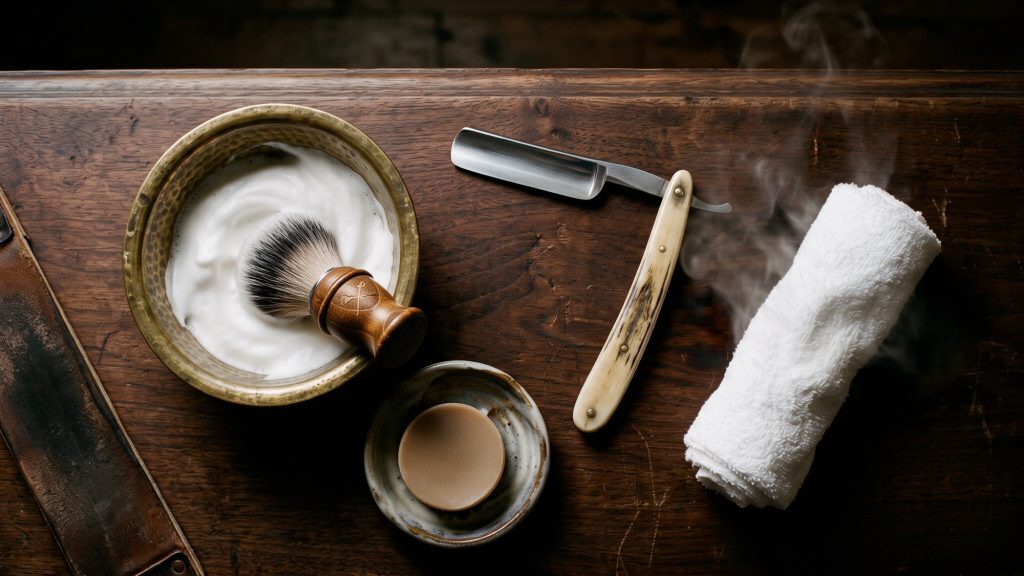
In Turkey, a proper shave is a ritual in its own right. It happens at the berber, the local barbershop, and for many men it is as much a social visit as a grooming appointment.
The barber softens the beard with hot towels and a rich lather, shaves with a straight razor, often twice, then finishes with a few things you will not get at home: a quick flame to singe the hair off the ears, a face and shoulder massage, and a splash of kolonya, the lemon cologne Turks use for everything from freshening up to welcoming guests.
Shaving Traditions in the Pacific Islands
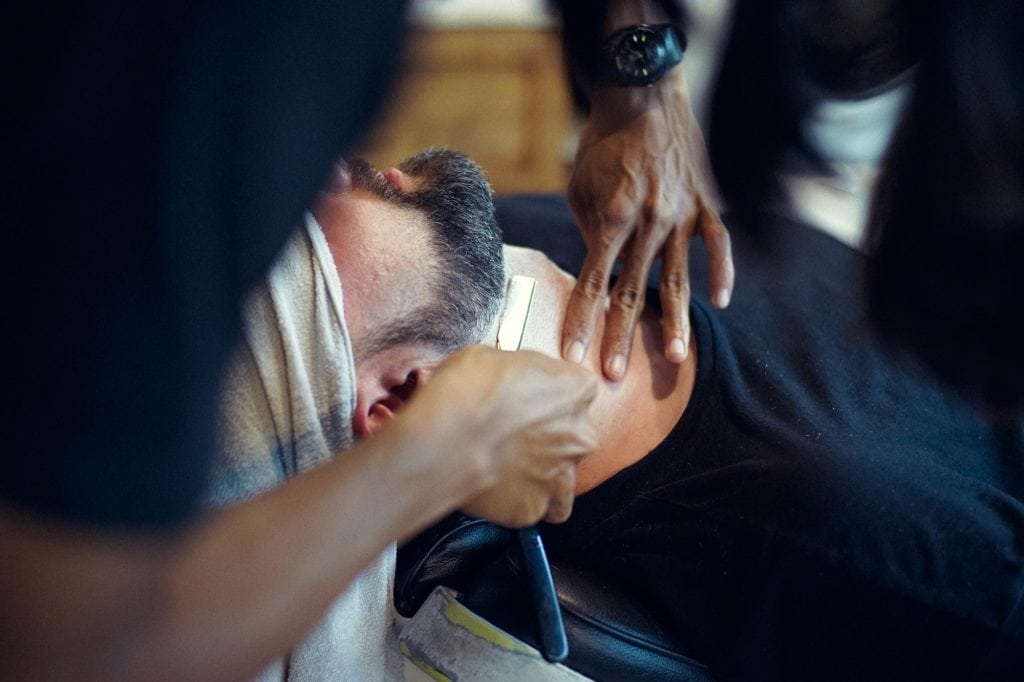
Before metal blades reached the Pacific, islanders had to make do with what the sea provided. European visitors in the 18th century recorded men in Tahiti and neighbouring islands trimming and shaving with sharpened shark teeth, and plucking stray hairs with a pair of shells used like tweezers. It sounds brutal, but it worked well enough that the habit lasted for generations.

Shaving Traditions in India
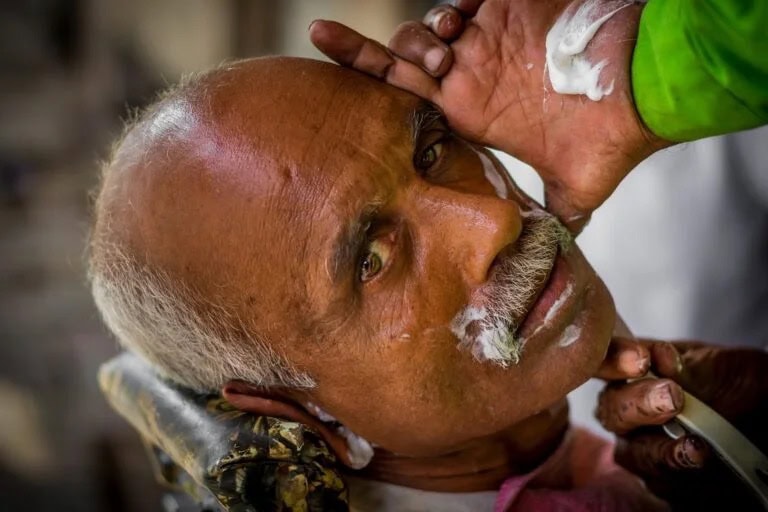
In India, the best known shaving ritual is the mundan, a Hindu ceremony in which a young child has their head shaved for the first time, usually in their first or third year. It is believed to clear away anything carried over from past lives and give the child a clean start. Adults shave their heads too: at temples such as Tirupati, pilgrims offer their hair as an act of devotion, and many men shave their heads after the death of a parent. Traditional barbers often round the visit off with a champi, the Indian head massage.
Shaving Traditions in Africa
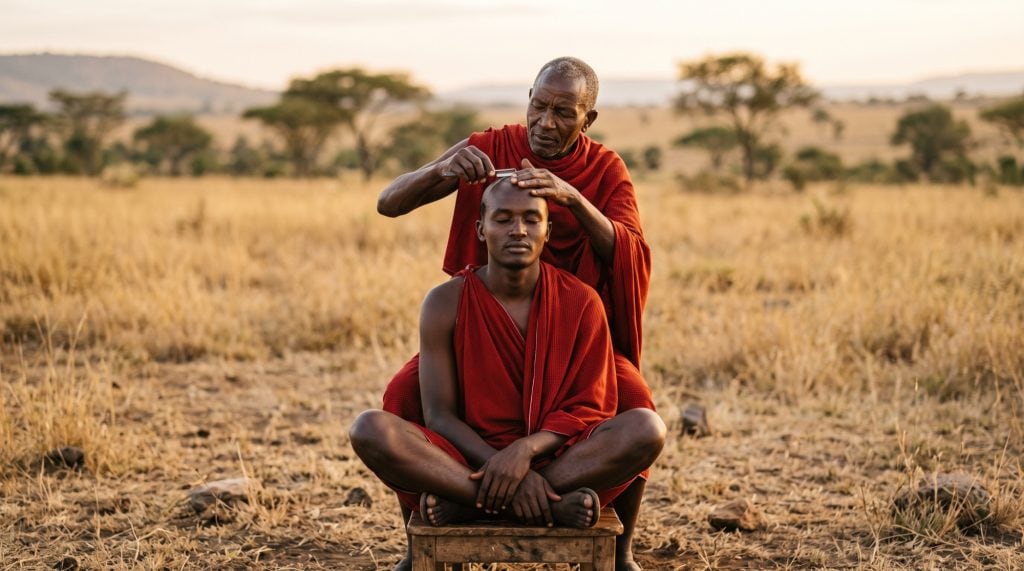
In many African cultures, shaving marks a change in status. Among the Maasai of Kenya and Tanzania, young warriors, the morani, grow their hair long and take great pride in styling it. When they graduate to become junior elders at the Eunoto ceremony, their mothers shave their heads, a moment that marks the end of warriorhood and the start of adult responsibility.
Shaving Traditions in the United States and Europe
In the United States and Europe, the practice of shaving is far more mundane and typically done with razor blades or electric razors. It might sound less interesting, but for plenty of people it’s a daily habit that helps them feel confident and presentable.
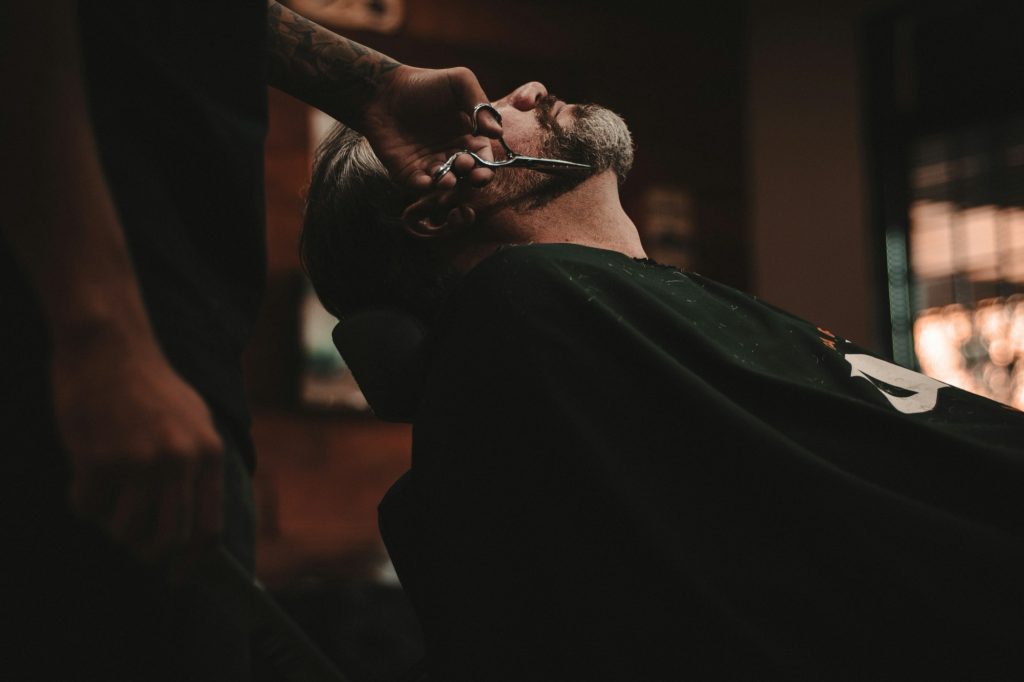
Shaving has been part of human history for thousands of years, and from Europe to Africa it has found its way into the customs and traditions of many societies. Each culture has developed its own unique techniques, tools, and practices to achieve a smooth, hair-free look.
Missed a spot?
More from Grooming & Guides
The Perfect Beard Neckline: How to Find It, Trim It and Keep It Clean
Set your beard neckline two finger widths above the Adam's apple, in a soft curve from ear to ear.
Can You Take a Razor on a Plane? The UK Rules for Hand Luggage
Cartridge and disposable razors are fine in UK hand luggage. Loose blades and loaded safety razors are not.
How to Shave Your Chest Without the Itch That Follows
Trim first, exfoliate, shave with the grain and moisturise while the skin is damp.