
Sideburns
Styles, Length and How to Trim Them
Sideburns are the strip of facial hair running down in front of the ear, connecting your hairline to your face. Everyone with hair has them. The only question is where you stop them and how wide you leave them. They are part of nearly every style in the directory, including the ones that shave them off.
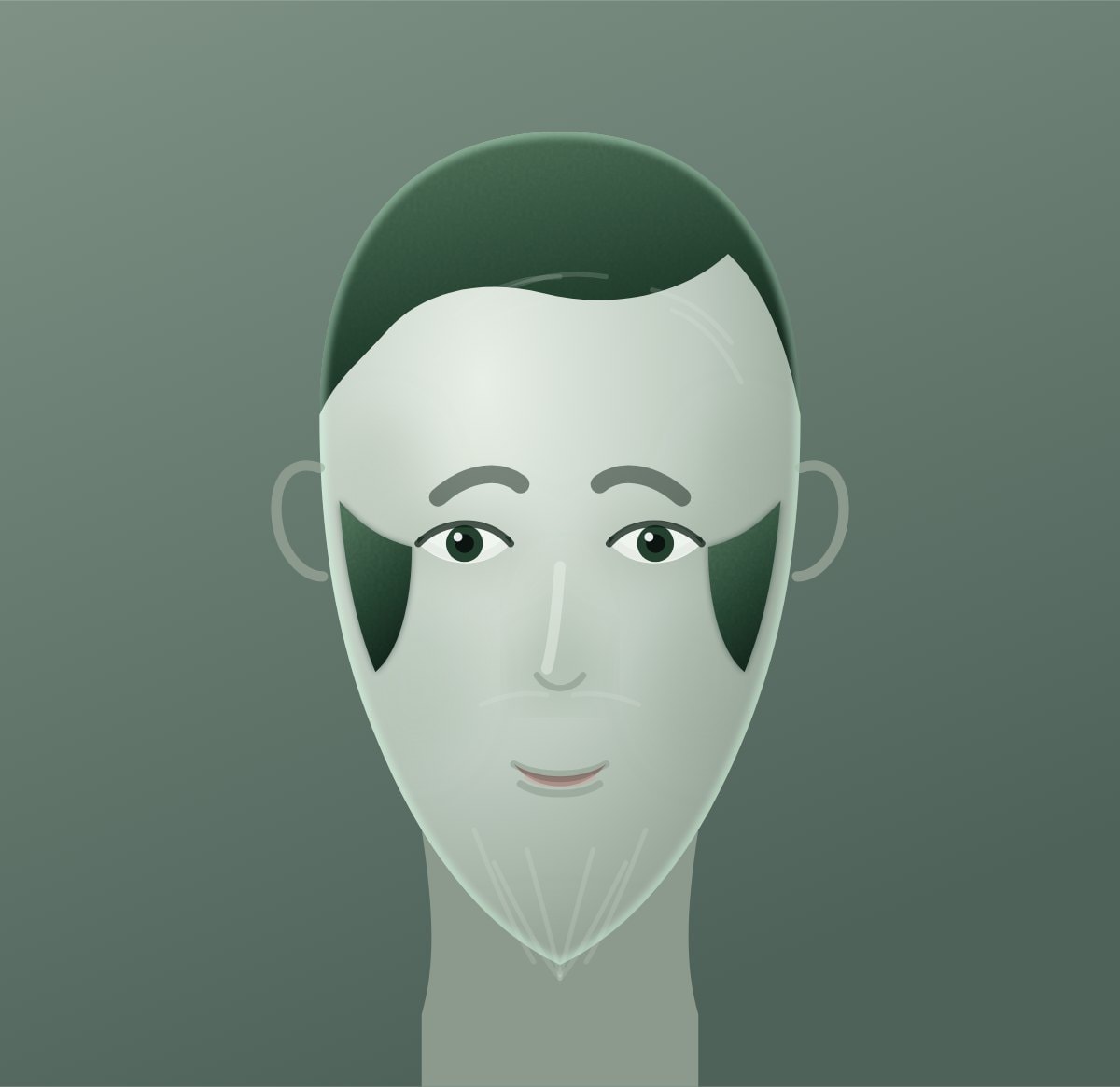
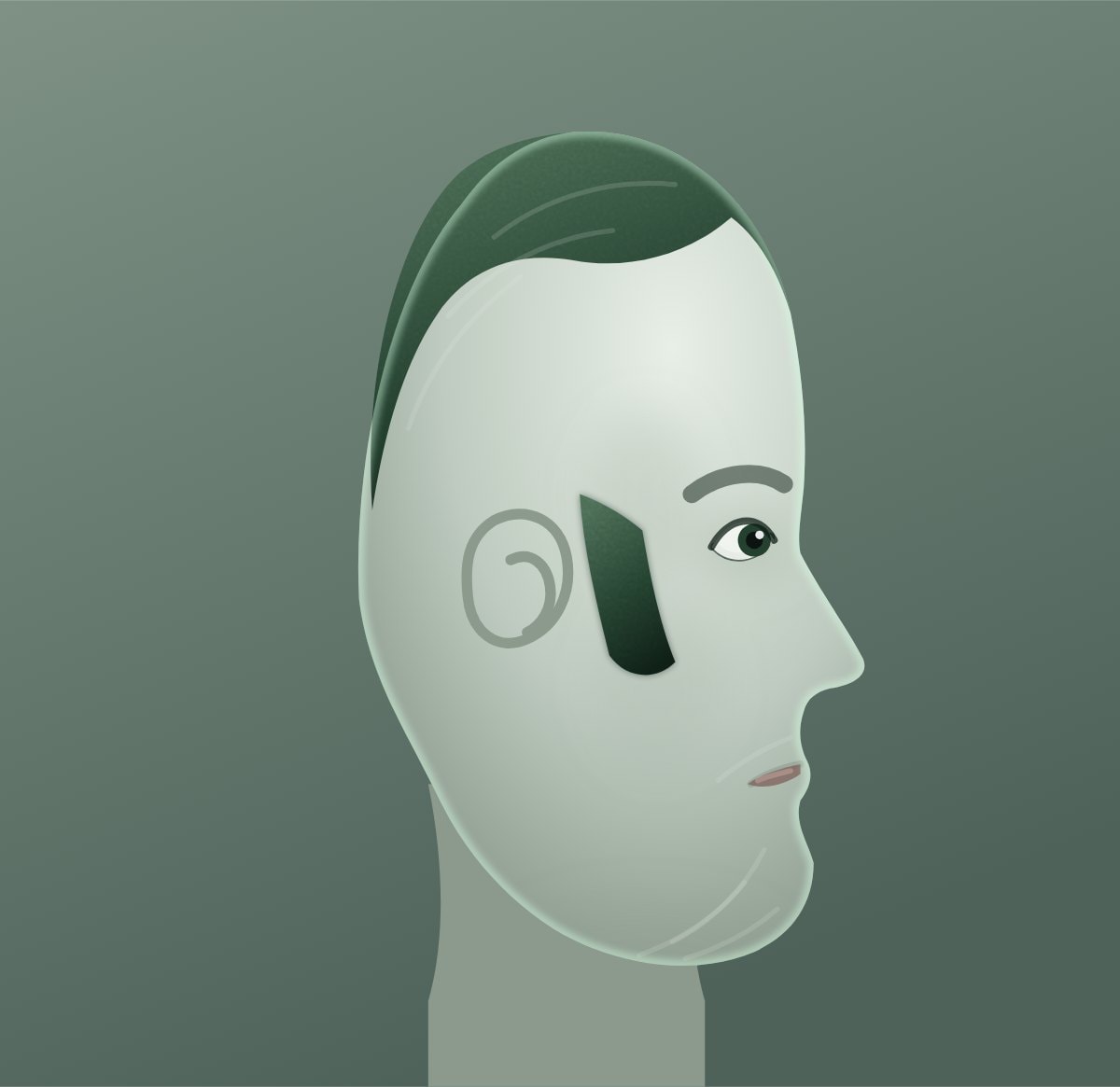
At a glance
- Also known as
- sideboards
- What it is
- Hair down the side of the face, in front of the ear.
- Length
- Short, under an inch
- Growing time
- 3 to 5 weeks
- Trim how often
- Every week or two
- Best face shapes
- Any
- Moustache
- No
£5 off your first delivery
Sideburns are defined by everything around them being gone. The cheeks and jaw come off daily.
£5 off your first subscription or VIP order - one per customer, unsubscribe with 1 click
The variations
The same shape, worn differently. What changes is length, density and how much you take off at the edges.
Will it suit your face?
Where a style puts weight, and where it takes it away, is what decides whether it suits you. The table below is the short version.
| Oval | Ideal | Enough room across the cheek to carry the width without crowding. |
|---|---|---|
| Round | Avoid | Broadens the widest part of the face. |
| Square | Ideal | Follows a strong jaw rather than competing with it. |
| Long | Ideal | Width at the cheeks is exactly what shortens a long face. |
| Heart | Works | Balances a wide forehead if kept below the cheekbone. |
| Diamond | Works | Adds width at the jaw, though the cheekbone is already wide. |
How to cut one, in four steps
- Grow it out3 to 5 weeks. Cheek hair is usually the slowest to fill in, so this takes longer than it looks.
- Set the lengthGuarded trimmer, tapering slightly shorter toward the top so they do not merge into your hair.
- Cut the front edgeThis is the line that makes or breaks it. Take it back in small amounts and keep both sides level.
- Shave the chinChin and neck clean. Chops only read as chops when the chin is bare.
Full detail, tools and the common mistakes are in the guide below.
What sideburns are, and what they are not
Sideburns run from the hairline at the temple down in front of the ear. Left there, they are sideburns. Carried on down the cheek and along the jaw, they become mutton chops, which is a different style with a different amount of work attached.
The older name is side whiskers, and you will still see it in anything written before about 1950. The modern word comes from General Ambrose Burnside, whose enormous side whiskers gave us burnsides, which flipped over time into sideburns.
Because they sit between your haircut and your face, sideburns are the one piece of facial hair that has to agree with both. That is what makes them easy to get wrong without ever quite noticing.
Sideburn styles and lengths
Short sideburns stop at the top of the ear, roughly level with the ear canal. The most conservative option and the default at most barbers.
Mid-length stop level with the middle of the ear. This is the standard for most men and the safest choice if you are not sure.
Long sideburns run to the bottom of the ear or just past it. They lengthen the face and read as more deliberate.
Tapered narrow as they descend, which softens the whole thing. Good if your hair is thick.
Squared off end in a hard horizontal line. Sharper, and it suits a strong jaw.
Angled cut on a diagonal, following the line back toward the ear. Modern, and it flatters a rounder face by adding some angle.
Choosing the length
Face shape does most of the work here. A long face wants short sideburns, because long ones stretch it further. A round or square face can carry longer sideburns, which add some welcome vertical.
Then check them against your haircut. Short hair with long sideburns looks disconnected. Longer hair carries longer sideburns comfortably. If you change your haircut significantly, the sideburns usually need to change with it.
If you wear glasses, look at where the arms sit. Sideburns that end right at the arm of your frames create a visual clash that is hard to unsee.
A receding hairline is worth thinking about too. Keeping sideburns slightly fuller gives the temple area something to hold onto, where cutting them very short draws attention to where the hairline has gone.
Trimming them
Do this after a haircut, not before, so you are cutting to the shape you actually have.
Comb the hair down so you are working with its real length.
Set the length with a guarded trimmer, usually one or two settings shorter than your hair so the transition works. Run downward, with the growth.
Set the bottom line with the guard off. Pick your height, then cut straight across, or on your chosen angle. Do one side, then match the other rather than alternating, because it is easier to copy a finished line than to build two at once.
Check them level. Use two fixed reference points on your head, the top of each ear is the reliable one, and check in a mirror straight on rather than turning your head. Turning your head is how uneven sideburns happen.
Clean up around them. Shave the cheek in front and the skin behind, so the strip reads as a shape rather than as where you stopped.
Keeping them
Every week or two, which puts sideburns among the lowest maintenance facial hair there is.
They grow with your hair, so if you get a haircut every four weeks the sideburns usually get done at the same time and need one tidy in between. The bottom line is the part that drifts.
If you shave the surrounding skin, that needs doing more often than the sideburns themselves, and a sharp blade matters because the skin in front of the ear is thin and the angle is awkward.
What goes wrong
They end at different heights. By far the most common fault, and it shows in every photograph. Measure against the top of each ear.
They are too long for the haircut. Sideburns and hair are one system. Cutting the hair much shorter without adjusting the sideburns leaves them looking stuck on.
Cut with the head turned. You will cut one higher than the other every time. Head straight, eyes forward.
Left to widen. Sideburns creep forward onto the cheek over a few weeks. Shave the front edge, not just the bottom.
Questions we get asked
How long should sideburns be?
Mid-ear for most men. Short sideburns suit a long face, and longer ones suit a rounder or squarer face, but the safest default is level with the middle of the ear.
What is the difference between sideburns and mutton chops?
Reach. Sideburns stop in front of the ear. Mutton chops carry on down the cheek and along the jaw, and are far wider.
How do I keep my sideburns even?
Use the top of each ear as a fixed reference, keep your head facing forward rather than turned, and finish one side completely before matching the other.
How often should sideburns be trimmed?
Every week or two, and usually at the same time as a haircut. They are among the lowest maintenance facial hair you can have.
Should sideburns match my haircut?
They should agree with it. Short hair with long sideburns looks disconnected, and if you change your haircut significantly the sideburns generally need adjusting too.
Can sideburns help a receding hairline?
Keeping them slightly fuller gives the temple area more to work with. Very short sideburns tend to draw the eye to where the hairline has receded.
Other cheek styles
Same shape, different length or moustache.
If this one is too much work
Same idea, less of your morning.
Browse by what matters to you
The same directory, cut a different way.