
Viking beard
How to Grow, Shape and Live With One
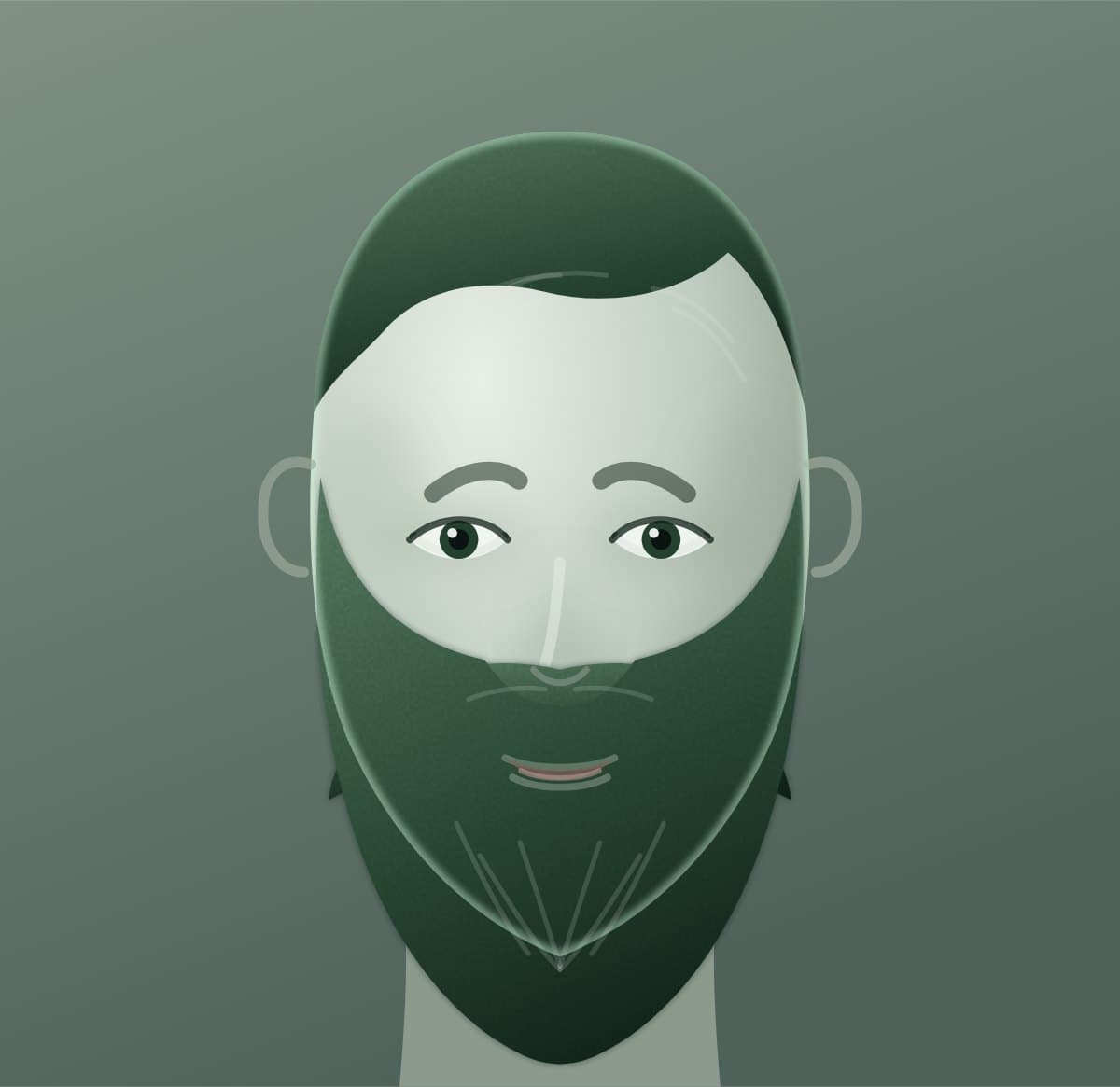
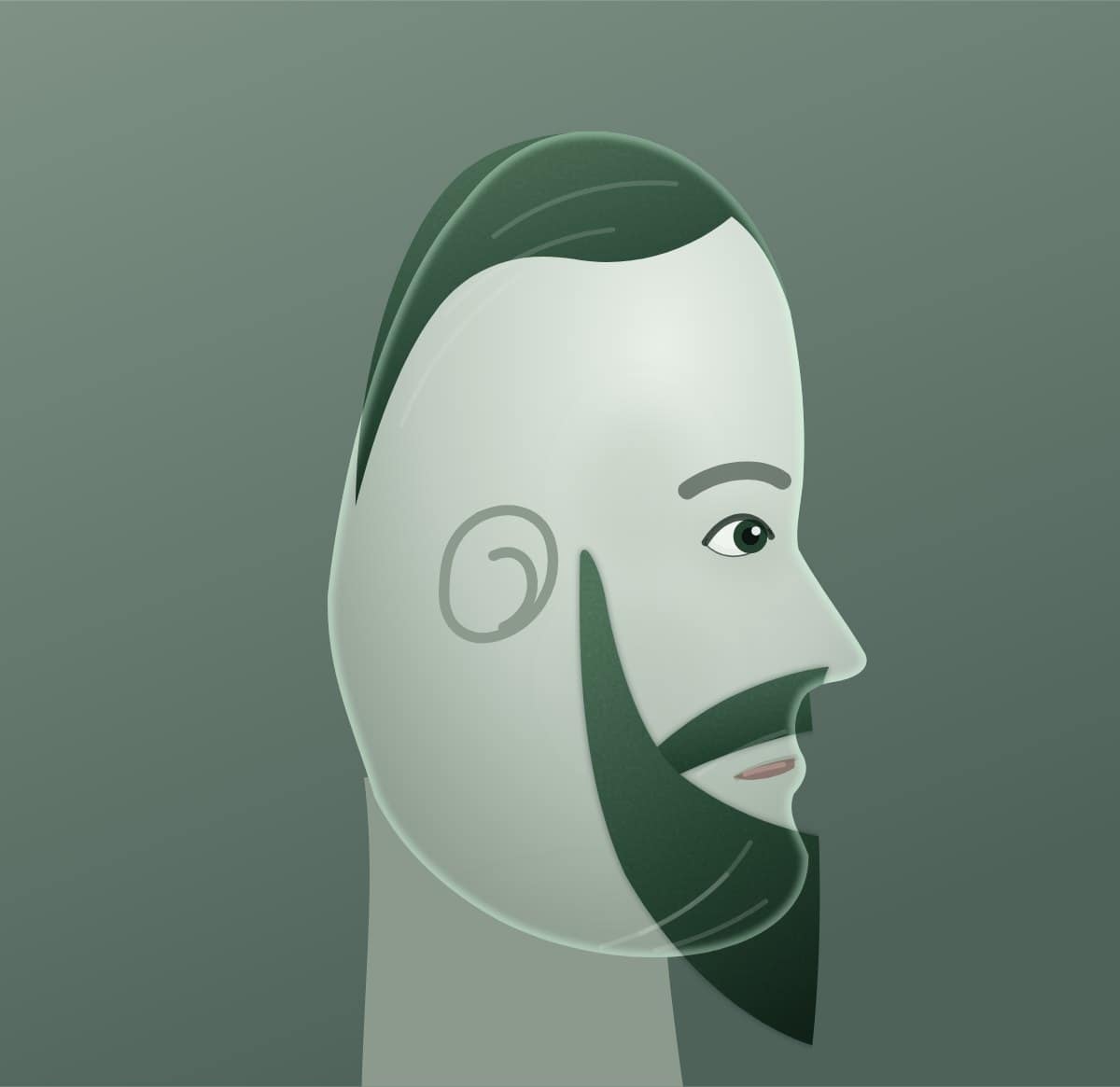
A Viking beard is long, full and deliberately untamed. Not unkempt, which is a different thing, but grown out past the point where most beard styles stop and shaped only at the edges. It is the longest commitment in this directory and the one that asks least of you day to day.
At a glance
- Also known as
- norse beard
- What it is
- Long, full and deliberately untamed.
- Length
- Long, three inches and up
- Growing time
- 4 to 6 months or more
- Trim how often
- Every 3 to 4 days
- Best face shapes
- Square, Oblong
- Moustache
- Yes
£5 off your first delivery
Even an untamed beard has a neckline. Left alone it creeps down the throat, and that is what reads as neglect rather than Viking.
Valid on your first order of blades. We send the newsletter rarely, and you can unsubscribe in one click.
The variations
The same shape, worn differently. What changes is length, density and how much you take off at the edges.
Will it suit your face?
Where a style puts weight, and where it takes it away, is what decides whether it suits you. The table below is the short version.
| Ovale | Ideal | Takes almost any length and shape without fighting the proportions. |
|---|---|---|
| Rotondo | Avoid | Adds width where there is already width. A chin-led style suits better. |
| Quadrato | Works | Round the corners off or it doubles up on a jaw that is already strong. |
| Oblungo | Ideal | Width at the cheeks shortens the face. Keep the chin short, not pointed. |
| Heart | Works | Weight low balances a wide forehead, so long as the cheeks stay tidy. |
| Diamante | Ideal | Fills the narrow jaw and squares off the lower face. |
How to cut one, in four steps
- Grow it out4 to 6 months or more. Cutting into a beard that has not filled in leaves holes you then have to grow out again.
- Set the lengthStart on a longer guard than you think you need and work down. You cannot put it back.
- Set the necklineTwo fingers above the Adam's apple, curving up to behind the jaw. Higher than that and you lose the jawline.
- Tidy the cheeksFollow your natural cheek line rather than inventing a straight one. Take off anything above it.
Full detail, tools and the common mistakes are in the guide below.
What makes a beard a Viking beard
Length and fullness, mostly. The cheeks are grown in rather than shaved to a line, the moustache is full, and the hair below the chin is left to hang rather than cut to a shape.
What separates it from simply not shaving is that the outline is still controlled. The neckline is cut, the moustache is kept off the lip, and the whole thing is combed and oiled so it falls in one direction. Viking beard styles look wild and are actually maintained, which is the trick.
There is no historical rulebook here. What Viking warriors actually wore is less documented than the modern style suggests, and the look owes more to television than to archaeology. That does not make it a worse beard, but it is worth knowing that "authentic" is doing some work in most articles about it.
Top Viking beard styles
Classic full. Everything grown out, edges tidied, no shaping beyond the neckline. The default.
Braided. One or two braids at the chin, or the moustache twisted. Needs real length, six months at least, and beard wax to hold.
Ducktail Viking. Grown long but tapered to a point below the chin, which reads as more deliberate and suits a rounder face.
Short Viking. The same fullness and the same untrimmed cheeks at two or three inches rather than six. Most of the look, a fraction of the wait.
With a shaved head. Common now, and it works because the contrast puts all the visual weight low.
Who it suits
Long beard styles add length to the face, so they suit a square or oblong face where there is jaw to balance and no shortage of vertical room already used up.
A round face is harder. The length helps, but the width at the cheeks fights it. If that is you, keep the sides tighter than a true Viking beard would suggest and let the length concentrate below the chin.
The honest constraint is beard growth rather than face shape. A Viking beard needs dense cheek coverage, and cheeks are the last place to fill in. If yours are patchy at three months they will still be patchy at nine, and no amount of waiting fixes it.
Growing it
Four to six months minimum, and a year for the full thing.
The first six weeks are easy. Weeks six to twelve are where most men quit, because the beard is long enough to look scruffy and not long enough to look intentional. There is no shortcut through that stage. Keeping the neckline cut and the moustache off your lip is what makes it survivable.
Do not trim the length during this period, however tempting. Beard growth is uneven, and the short areas need the time.
Looking after it
This is where a Viking beard differs from every short style in this directory. The shape needs almost nothing. The hair needs a lot.
Wash it two or three times a week, not daily. Beard hair dries out faster than scalp hair and daily washing strips it.
Beard oil every day, worked into the skin underneath rather than just the hair. Long beards get itchy at the root, and that is where the itch lives.
Beard balm when it is long enough to need holding down, which is usually past three inches. Balm has more hold than oil and less than wax.
Beard wax only for braids or a shaped moustache. It is heavy, and on loose beard hair it looks greasy.
Comb it daily, downward, with a wide-toothed comb. This is the single thing that separates a Viking beard from a mess.
What to cut, and what to leave
The neckline, every week or two. Two fingers above the Adam's apple, curving up to behind the jaw. This is the only hard line on the whole beard.
The moustache, off the lip, whenever it starts getting in your mouth.
Split ends, occasionally. At this length beard hair does split, and taking half an inch off the bottom twice a year keeps it looking healthy rather than thinning.
Nothing else. The cheeks stay untouched, which is what makes it this style rather than a long boxed beard.
What goes wrong
The neckline gets forgotten. A long beard with hair creeping down the throat is the difference between Viking and neglected.
It gets washed like hair. Daily shampoo leaves it dry, brittle and frizzy.
Someone trims the length in month two. It sets you back weeks and does not fix the unevenness.
The moustache takes over. It grows into the mouth long before the beard needs attention, and it is the first thing people notice.
Questions we get asked
How long does it take to grow a Viking beard?
Four to six months for a recognisable one, closer to a year for real length. Cheek coverage takes longest.
Do you need beard oil for a long beard?
Yes, daily, and worked into the skin rather than the hair. The itch at three months is skin, not beard, and oil is what fixes it.
Can you grow a Viking beard with patchy cheeks?
Not really. This style depends on dense cheek coverage, and patchiness shows more as the beard gets longer, not less. A ducktail or boxed beard suits patchy growth better.
Should you trim a Viking beard while growing it?
Only the neckline and the moustache. Leave the length alone for the first six months.
What is the difference between beard oil, balm and wax?
Oil conditions the skin and hair. Balm adds light hold and works past three inches. Wax is heavy hold, for braids and moustache shaping only.
Are Viking beard styles historically accurate?
Loosely at best. What Viking warriors actually wore is thinly documented, and the modern look owes far more to television than to the archaeological record.
Other full beards
Same shape, different length or moustache.
If this one is too much work
Same idea, less of your morning.
Browse by what matters to you
The same directory, cut a different way.