
Grey beard styles
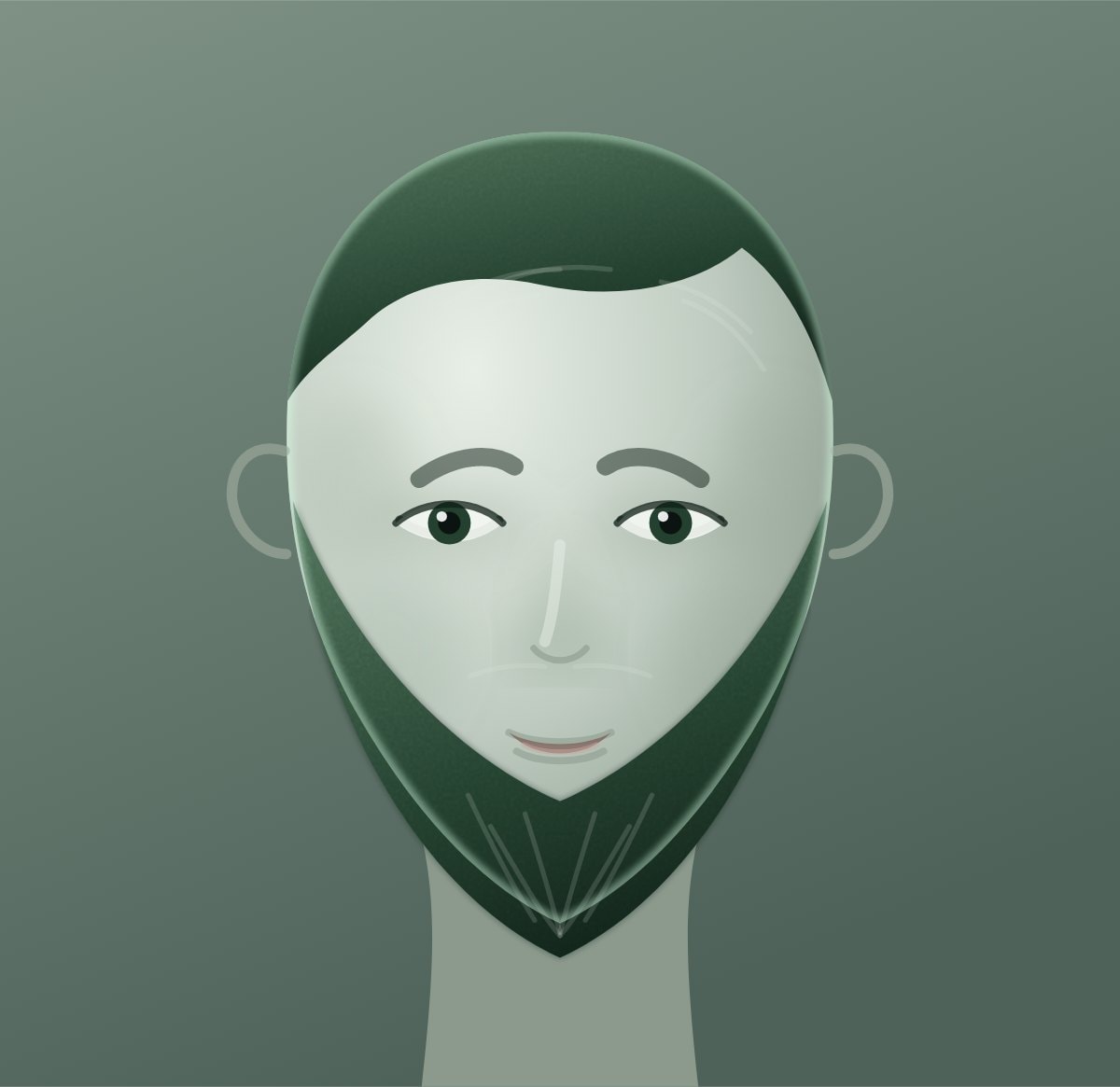
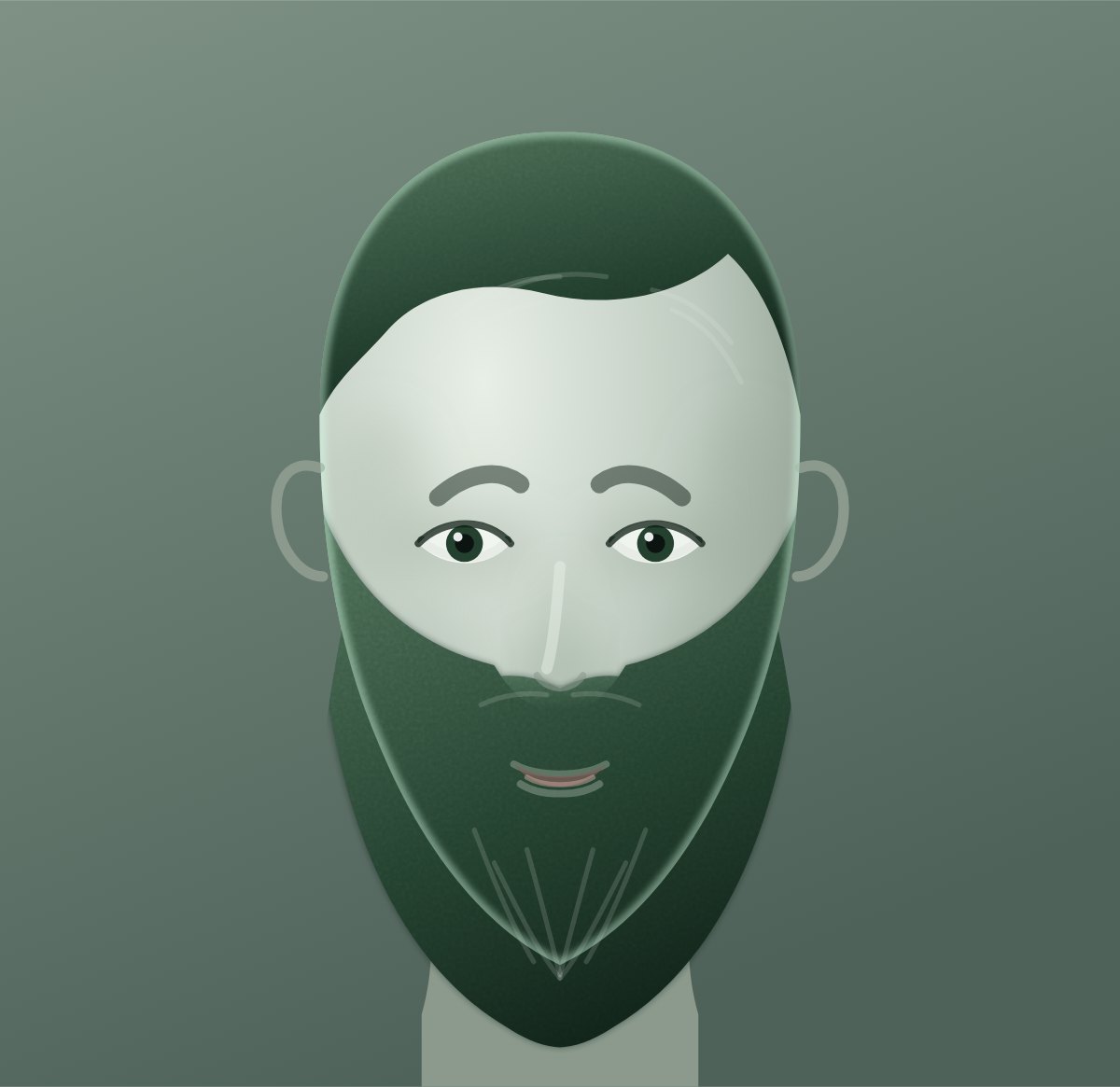
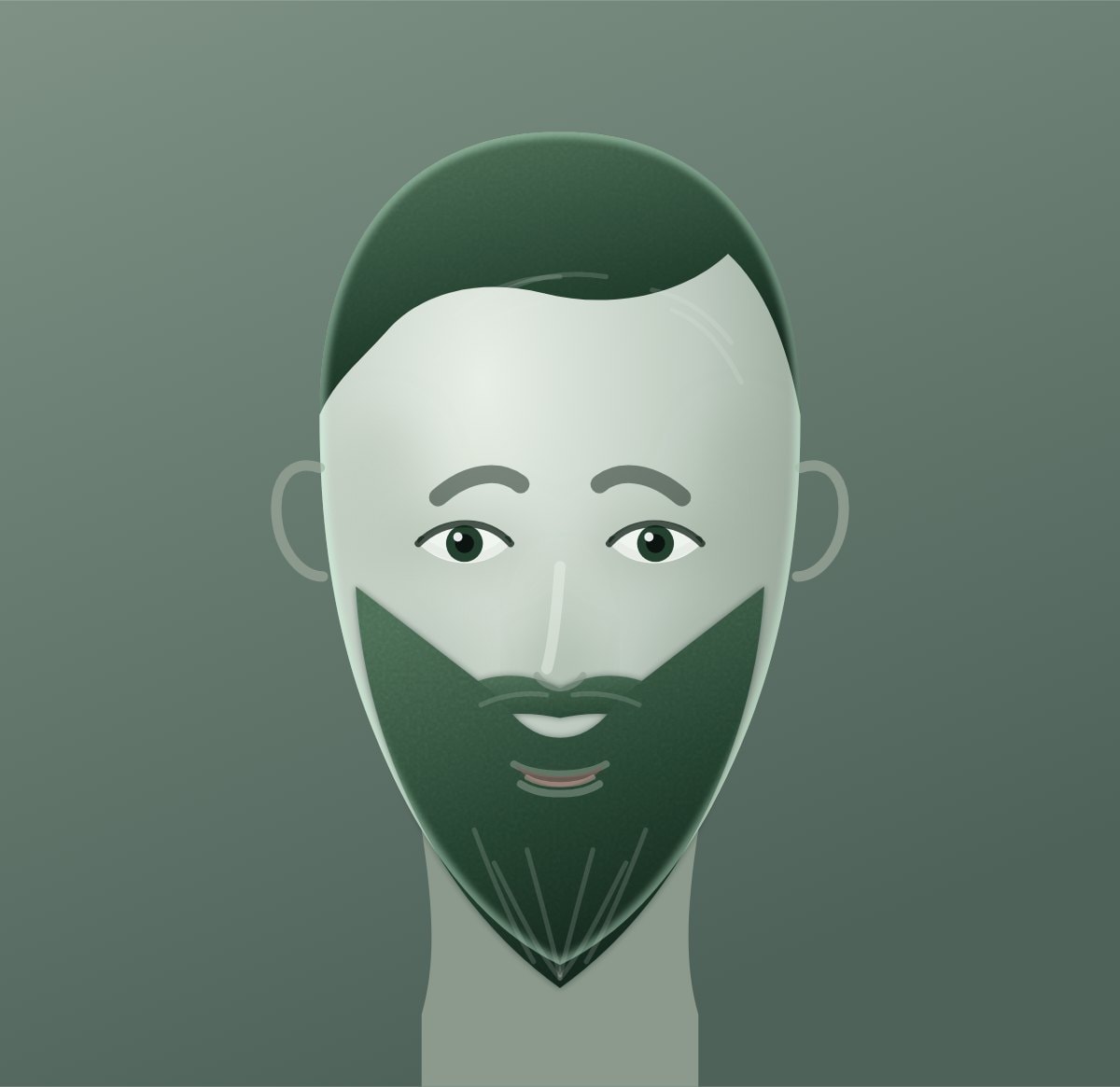
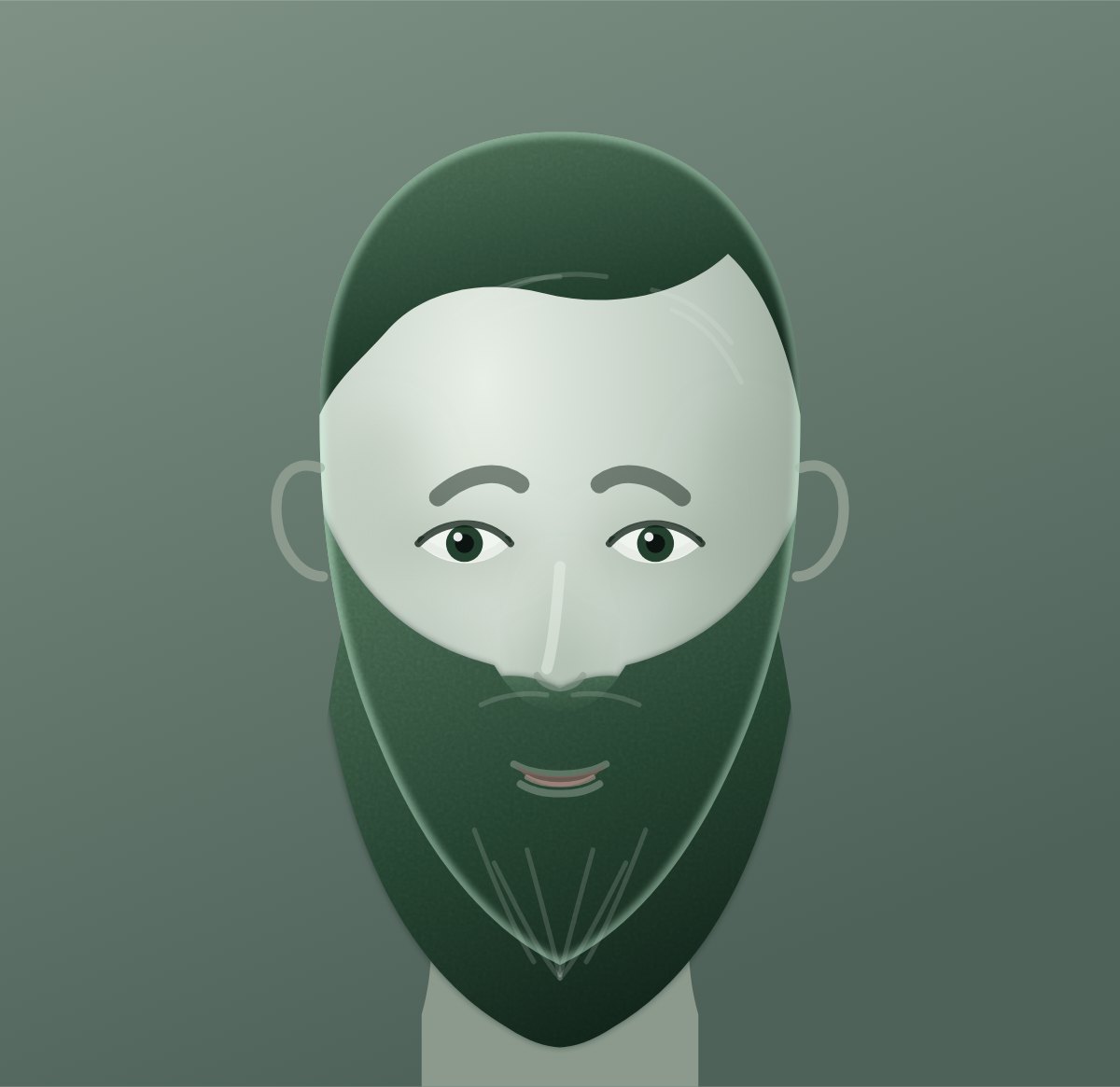
Grey shows every stray hair and every uneven edge, which is why a grey beard that looks deliberate reads well and one that does not looks neglected. These are the shapes that hold a line.
The 22 that carry grey well
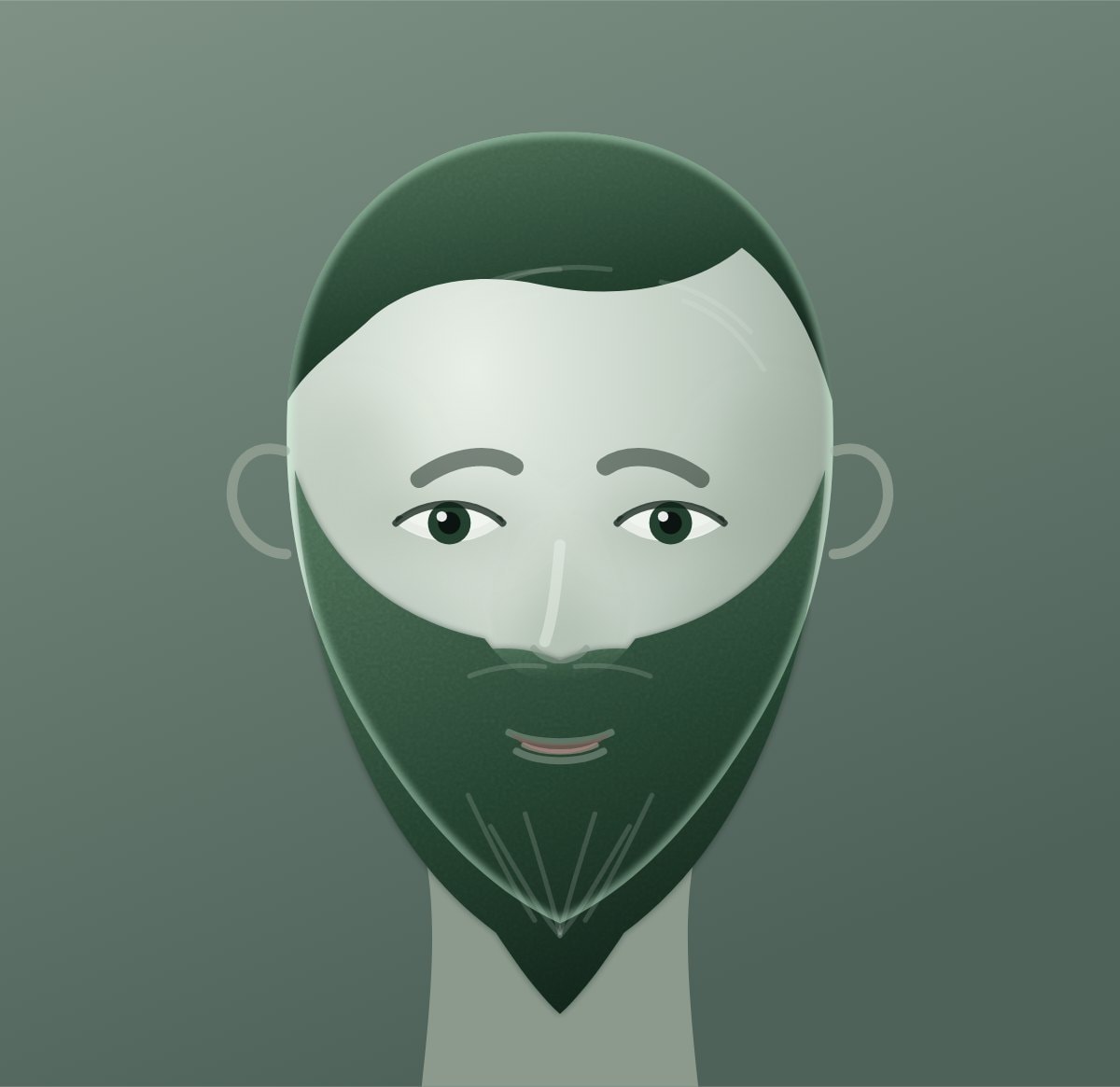
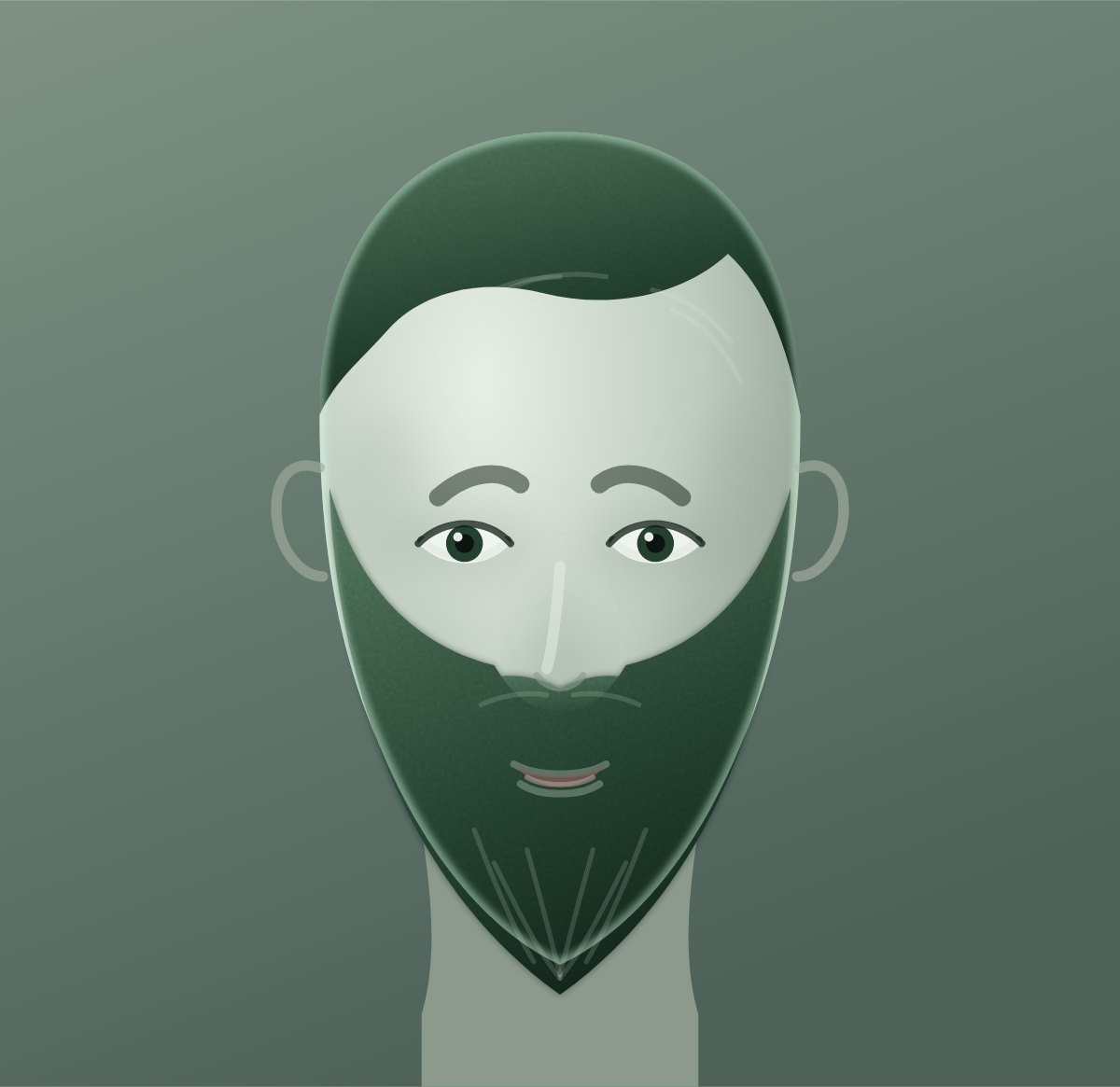
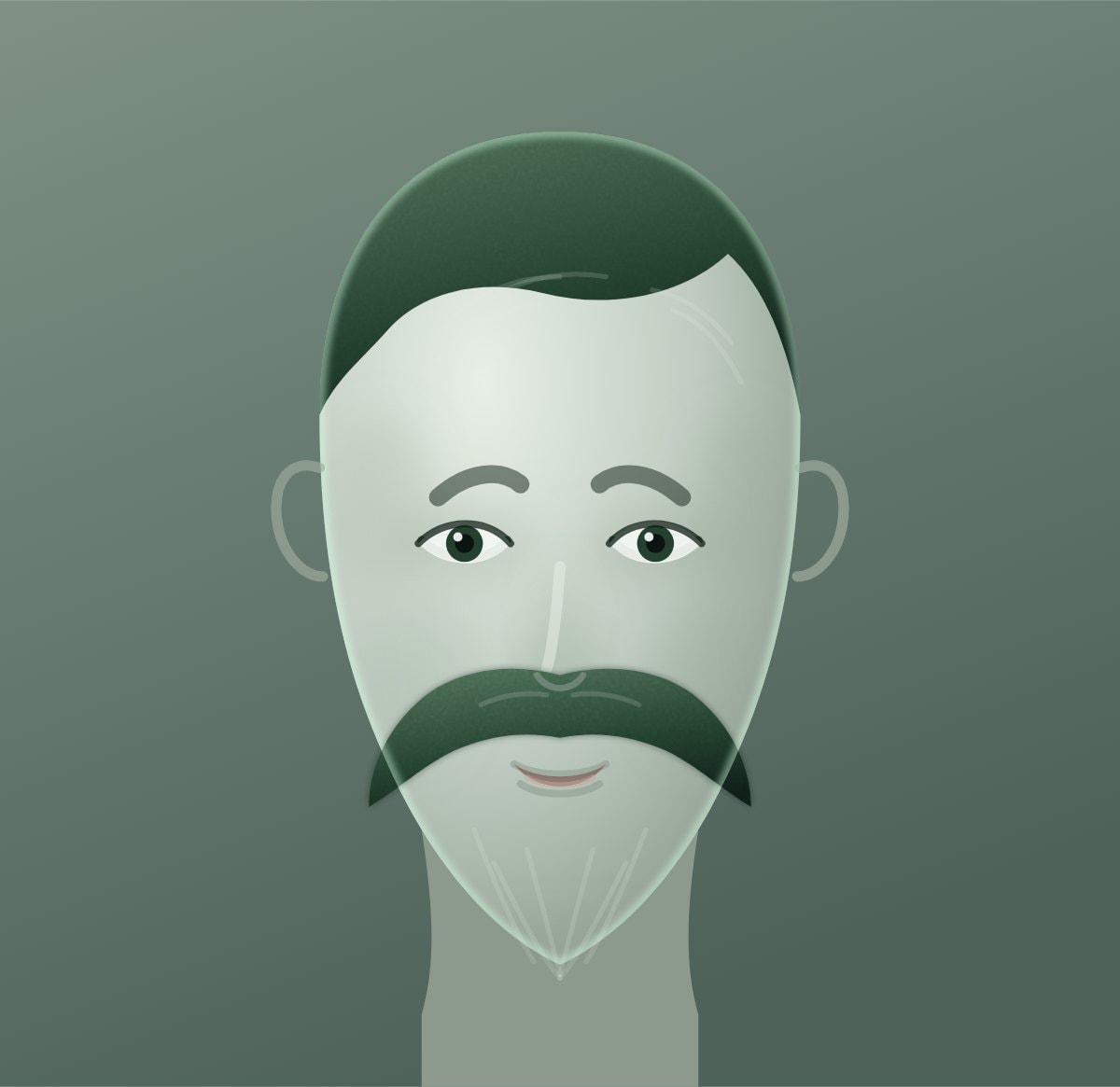
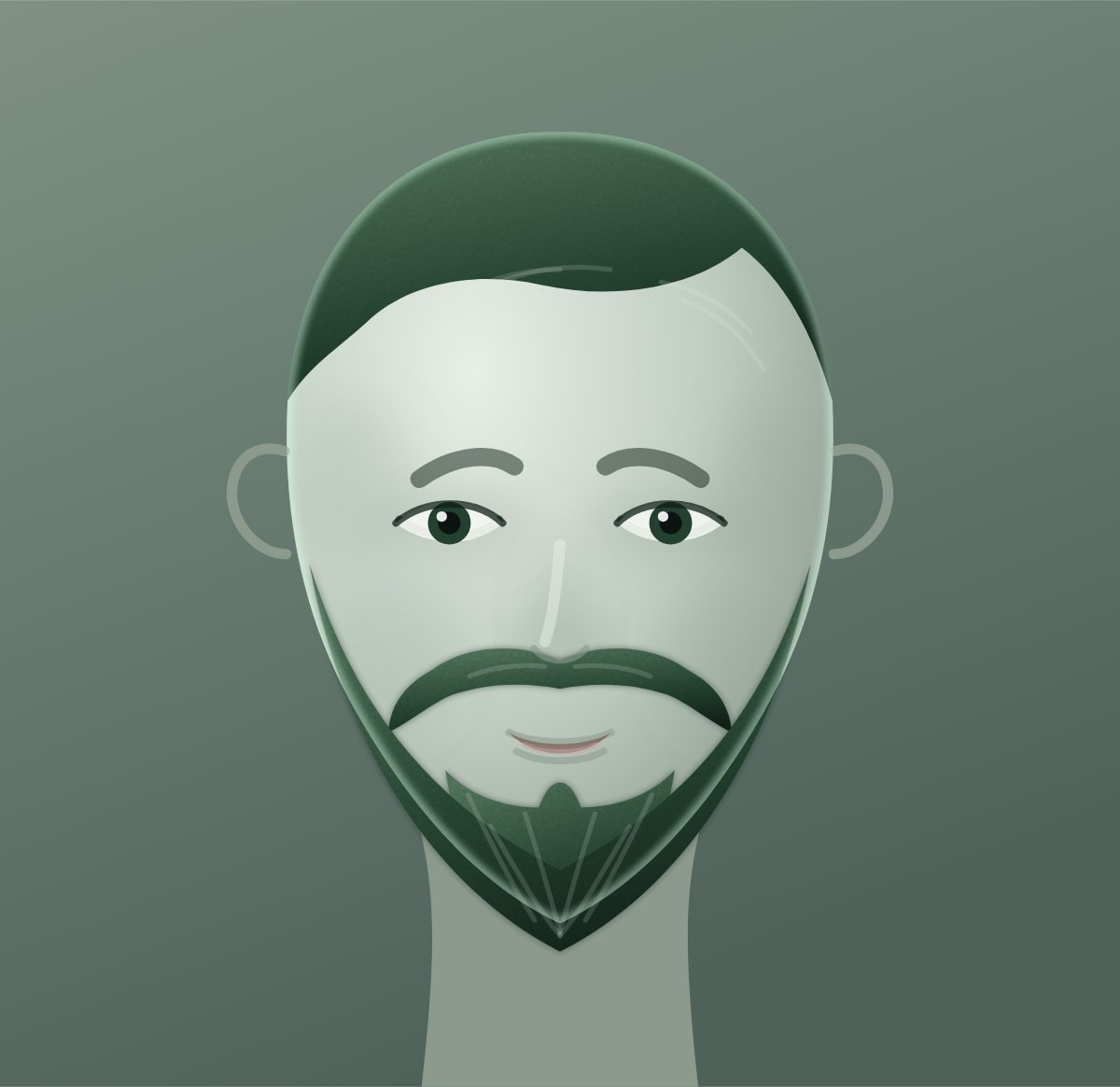
£5 off your first delivery
Every style on this page needs a clean edge somewhere, and a clean edge needs a sharp blade. Blunt blades drag, and dragging is what turns a tidy line into razor burn.
£5 off your first subscription or VIP order - one per customer, unsubscribe with 1 click
Grey does not change which style suits you
This is the part most articles get backwards. Going grey does not change your face shape, your growth pattern or how much time you have in the morning, so the style that suited you at thirty still suits you at fifty. Whatever you were wearing, keep wearing it. Pick the shape from the directory the way you always would, then use this page for what grey changes about keeping it.
What grey changes is the texture, and that changes the upkeep.
Grey hair is coarser and drier than pigmented hair. The follicle stops producing melanin, and the hair it produces afterwards is structurally different: thicker in section, wirier, and less able to hold moisture. That is why a beard that behaved perfectly well for twenty years suddenly starts standing away from the face and refusing to lie down.
It also shows everything. A stray hair that was invisible when it was brown is clearly visible when it is white, because it catches the light rather than absorbing it. Nothing about your trimming got worse. The evidence just became legible.
So the honest version of this page is short: keep the shape you have, and change how you look after it. The styles below are the ones where silver reads as a colour rather than as thinning, and the care section underneath is the part that actually matters.
The line between distinguished and neglected
There is a real difference between a grey beard that looks deliberate and one that looks like it happened to someone, and it is almost entirely about edges rather than about the beard.

Grey is a high-contrast colour against most skin. That works in your favour when the outline is clean, because the shape reads sharply from across a room. It works against you when the outline is vague, because the same contrast that defines a crisp cheek line also advertises a fuzzy one.
Practically: whatever you grow, the neckline and the cheek line need cutting more often than they did when the beard was dark. Not because they grow faster, but because you can see them.
The styles that carry grey best
| Style | Why it works grey | Upkeep |
|---|---|---|
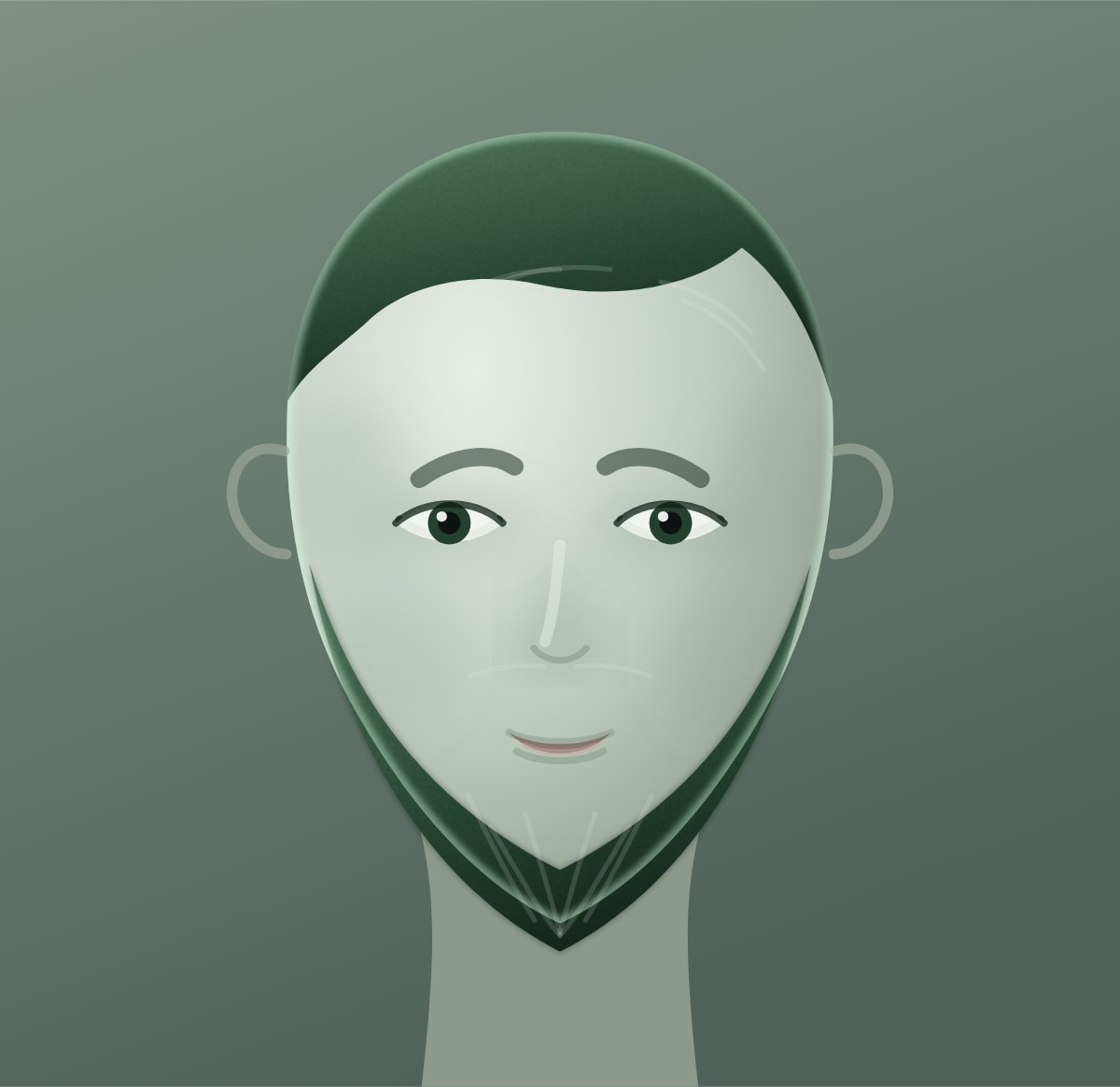
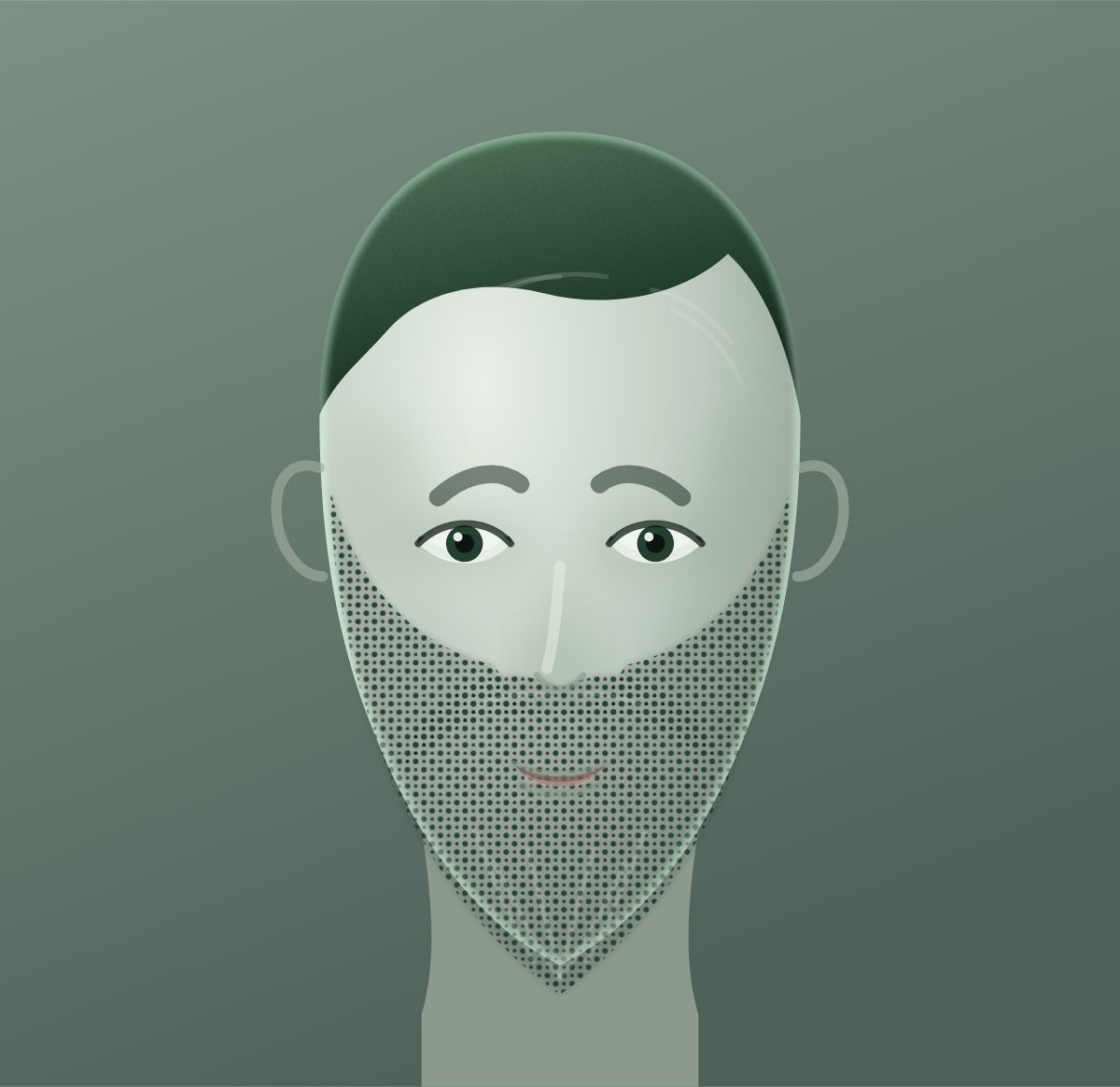
| Stubble | Silver stubble reads as deliberate at a length where dark stubble can read as unshaven | Trimmer every 2 to 3 days |
| Boxed beard | Hard edges give the contrast something to define | Shape fortnightly, edges weekly |
| Corporate beard | Short enough to stay under control as the texture coarsens | Weekly |
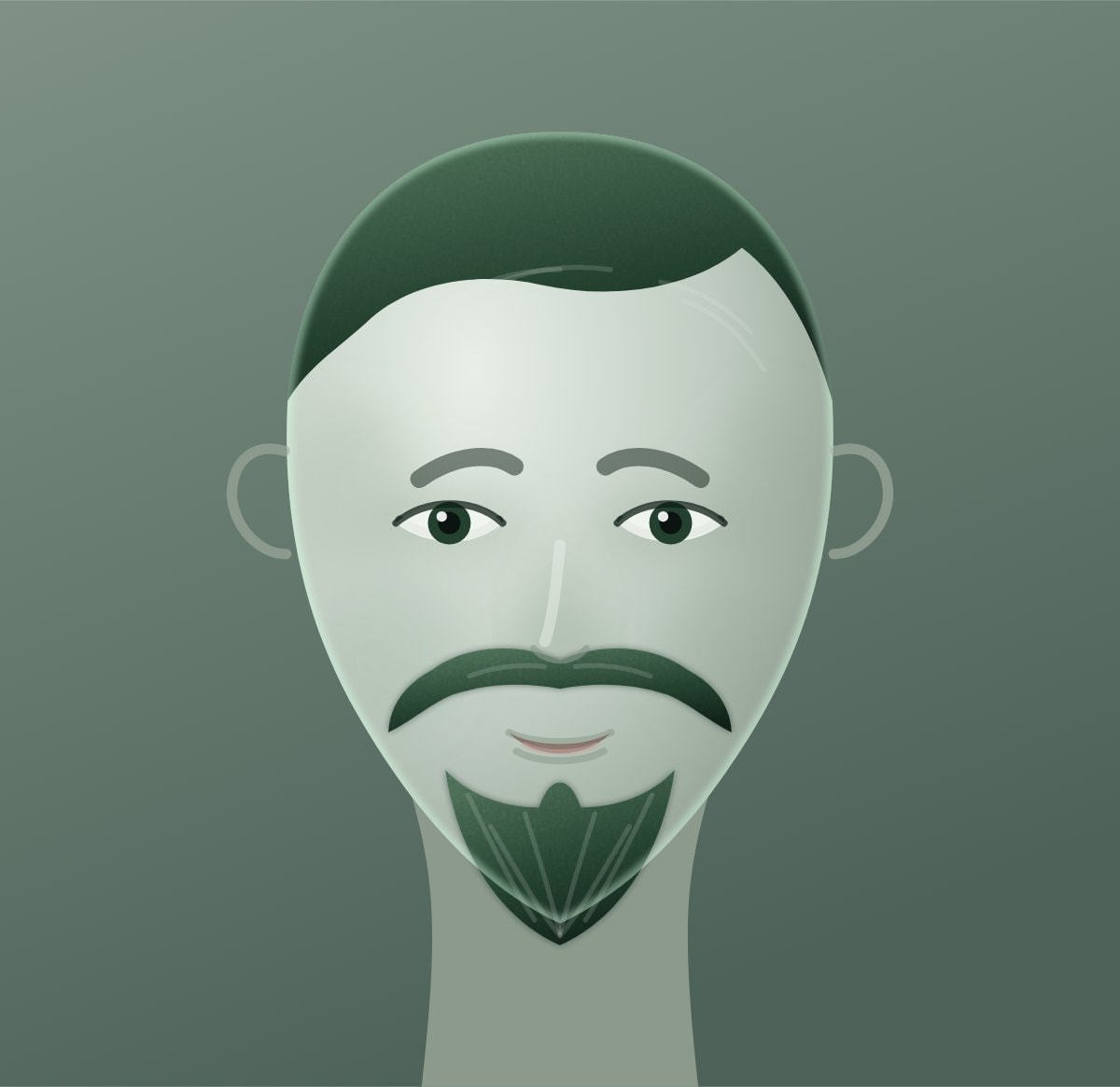
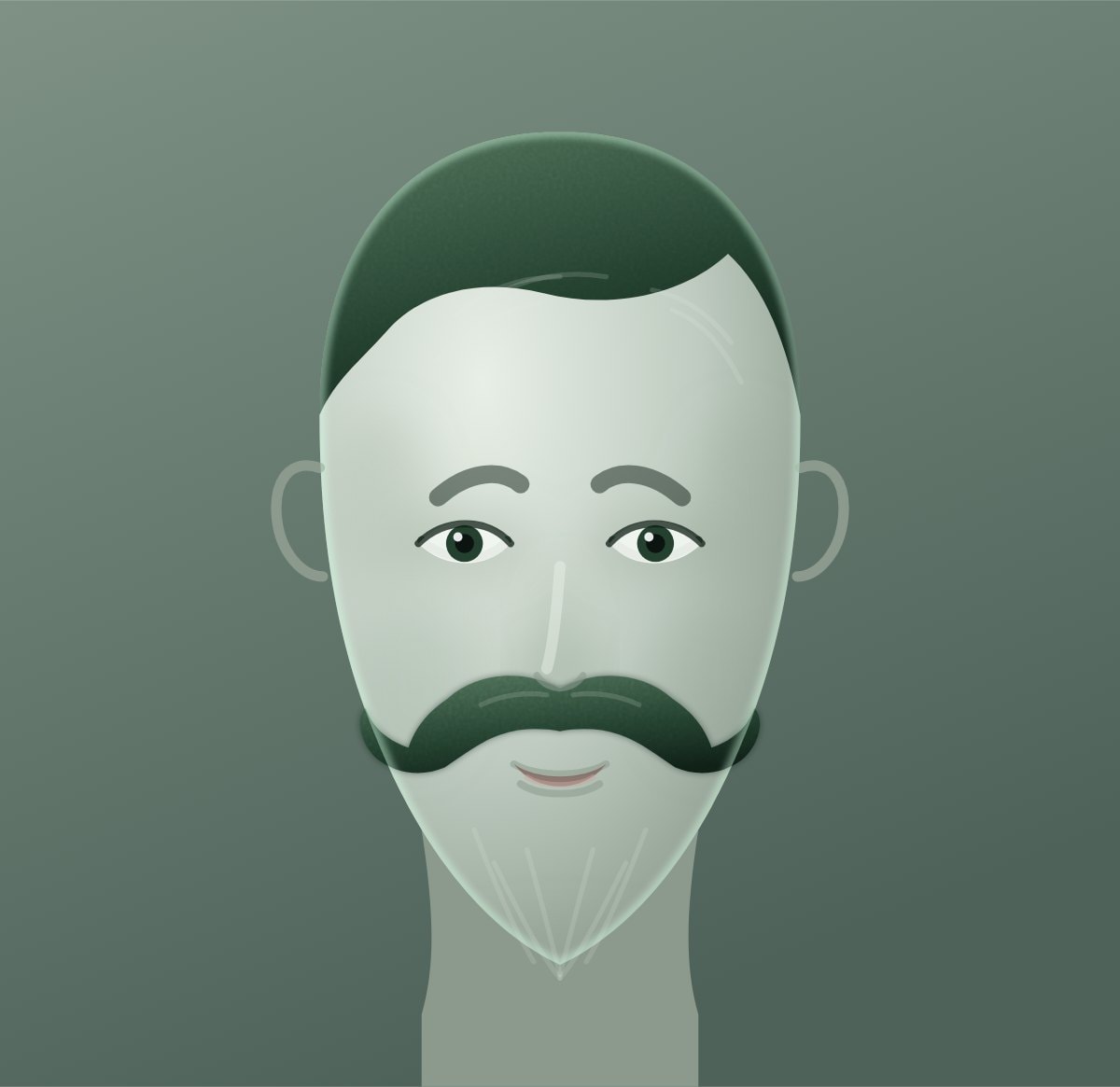
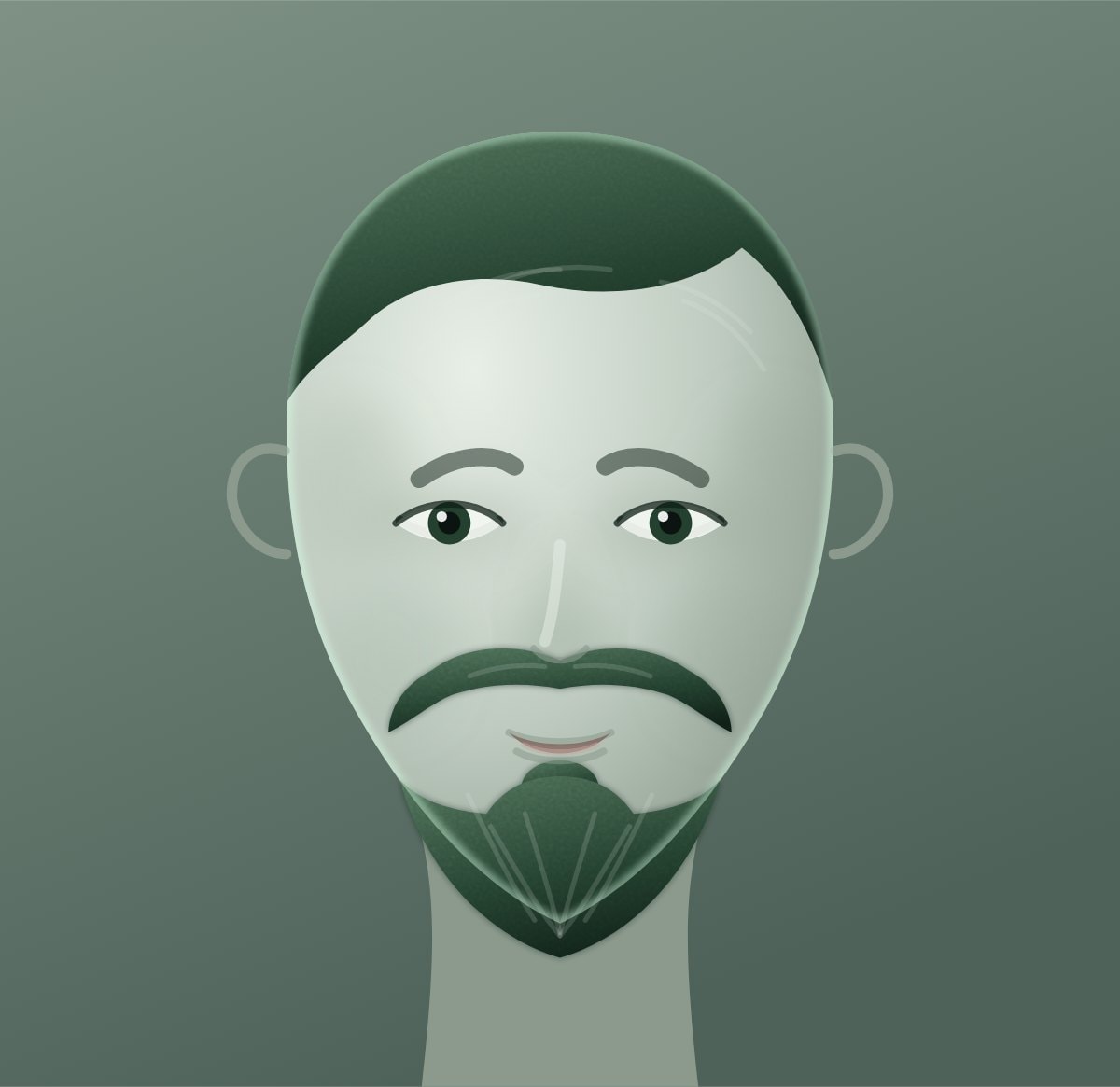
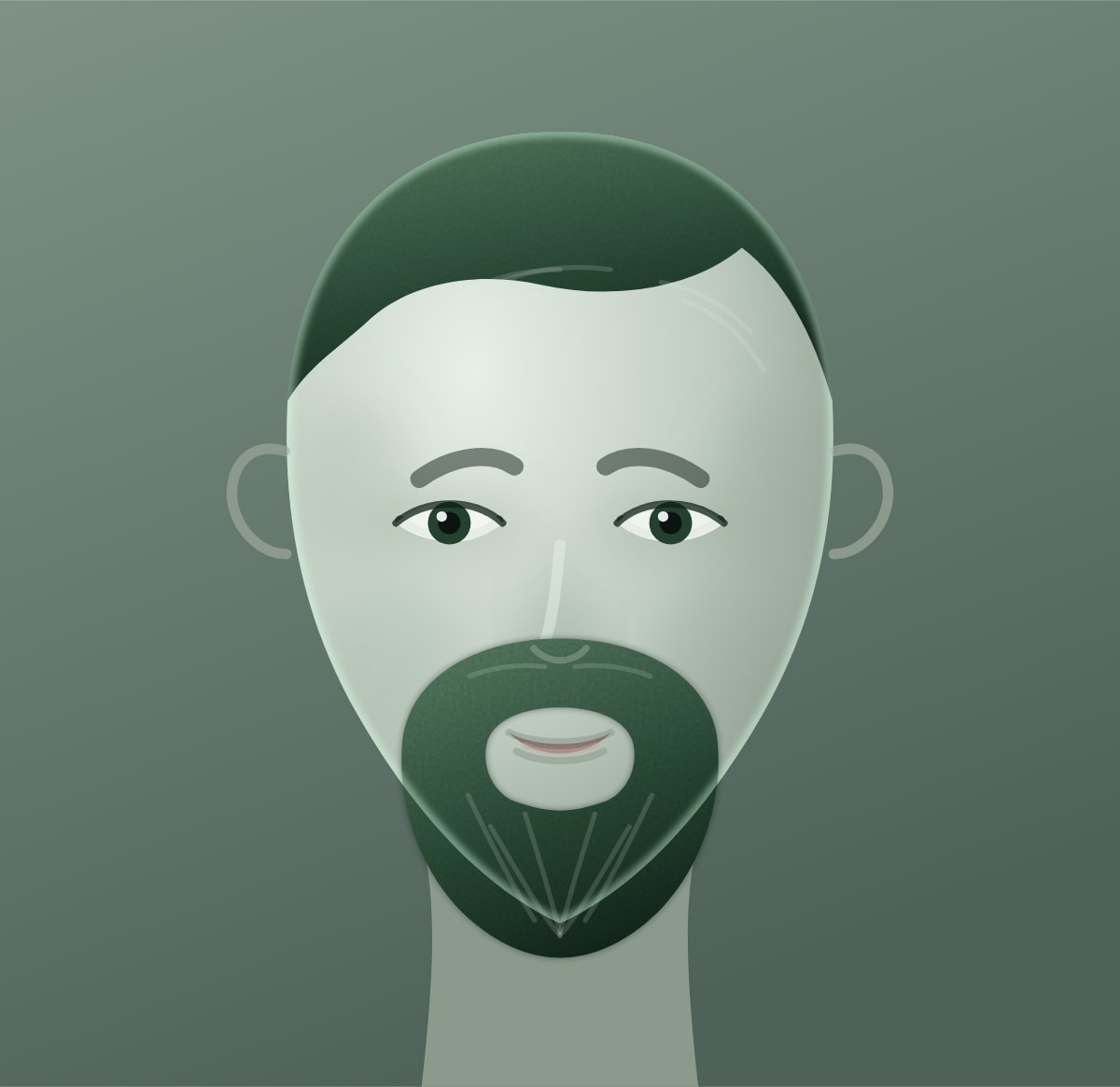
| Goatee and circle beard | Concentrates the silver into one defined area | Edges every few days |
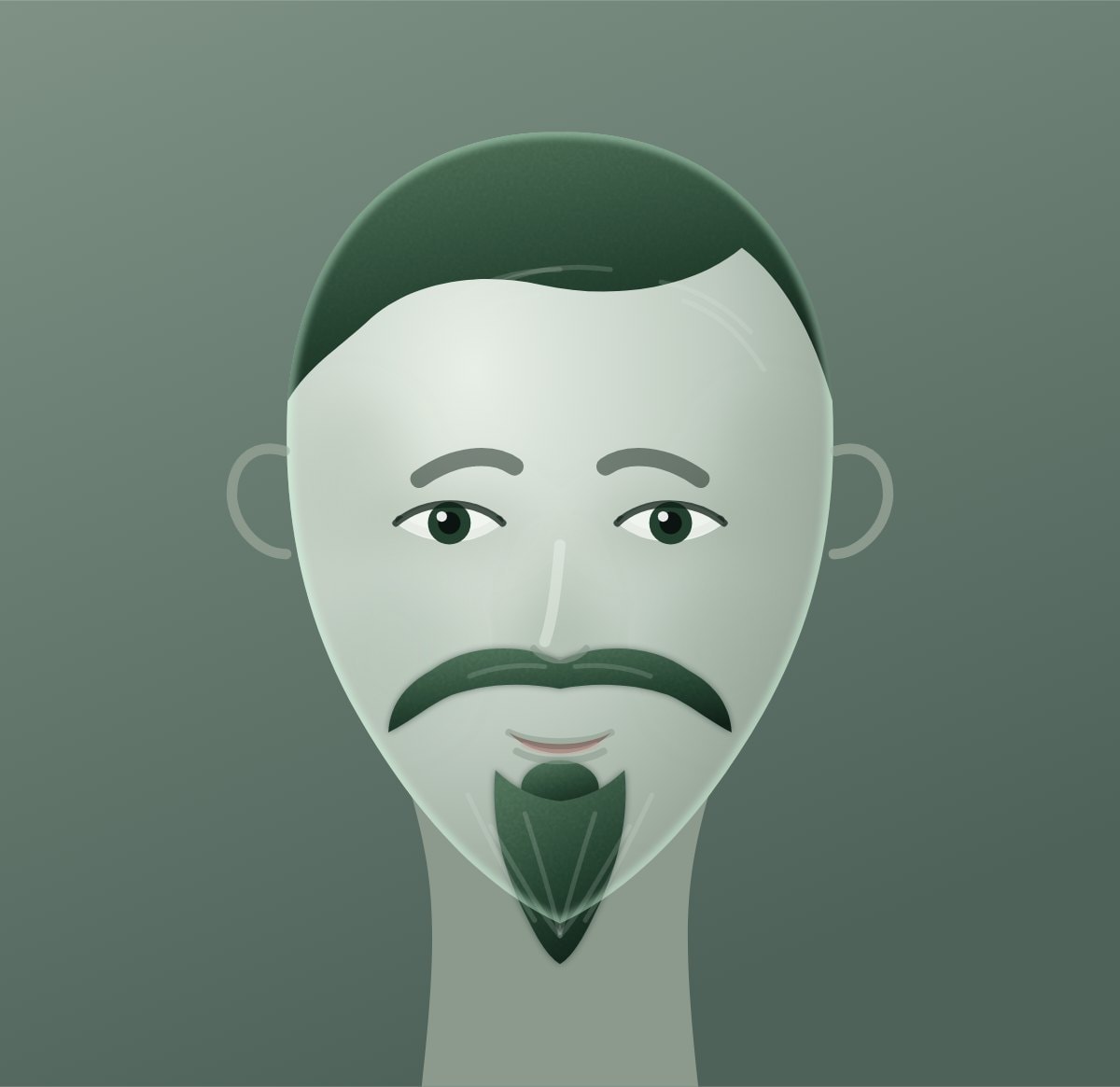
| Van Dyke | Clean separations that grey makes more visible, not less | Weekly, precisely |
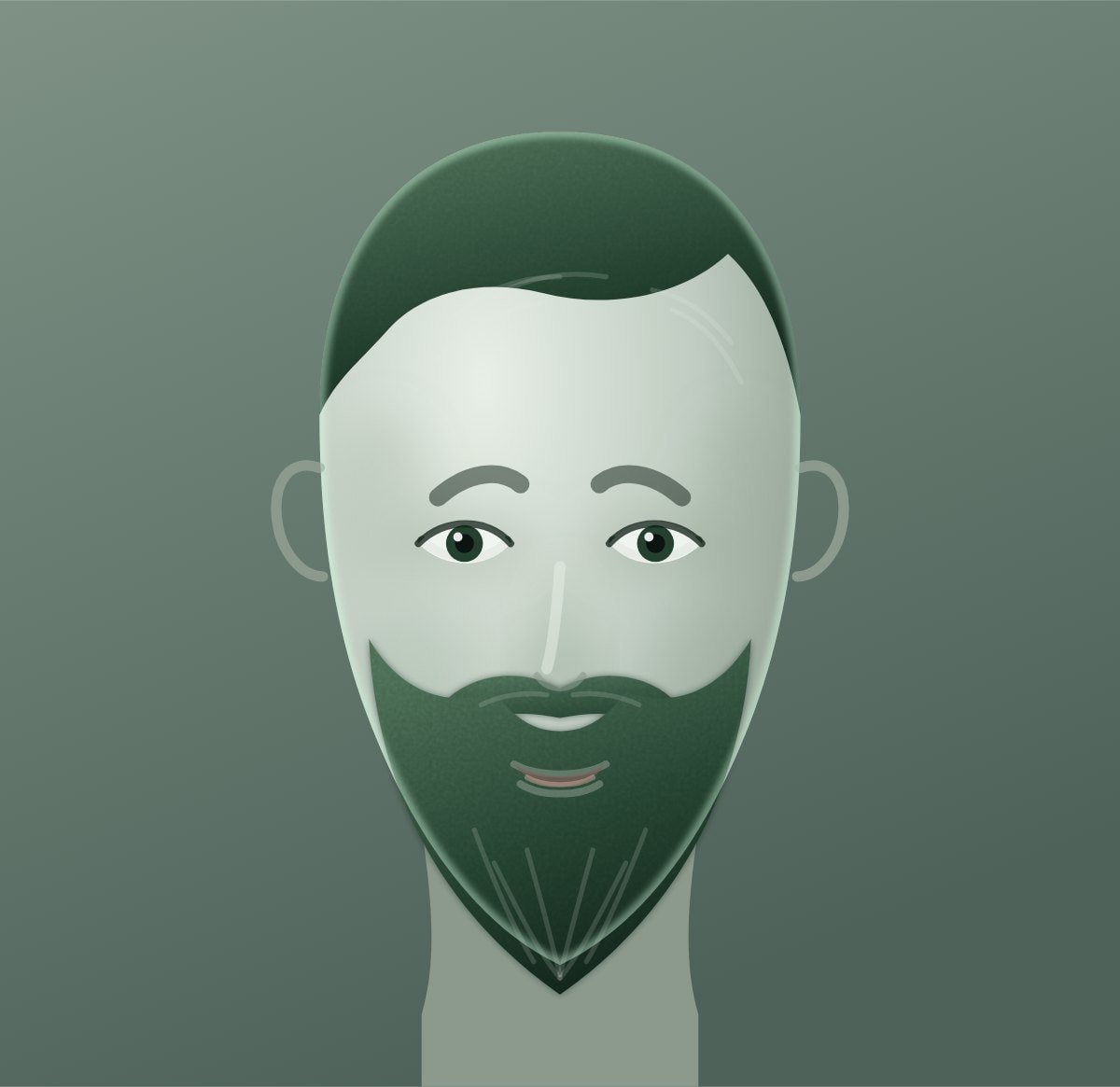
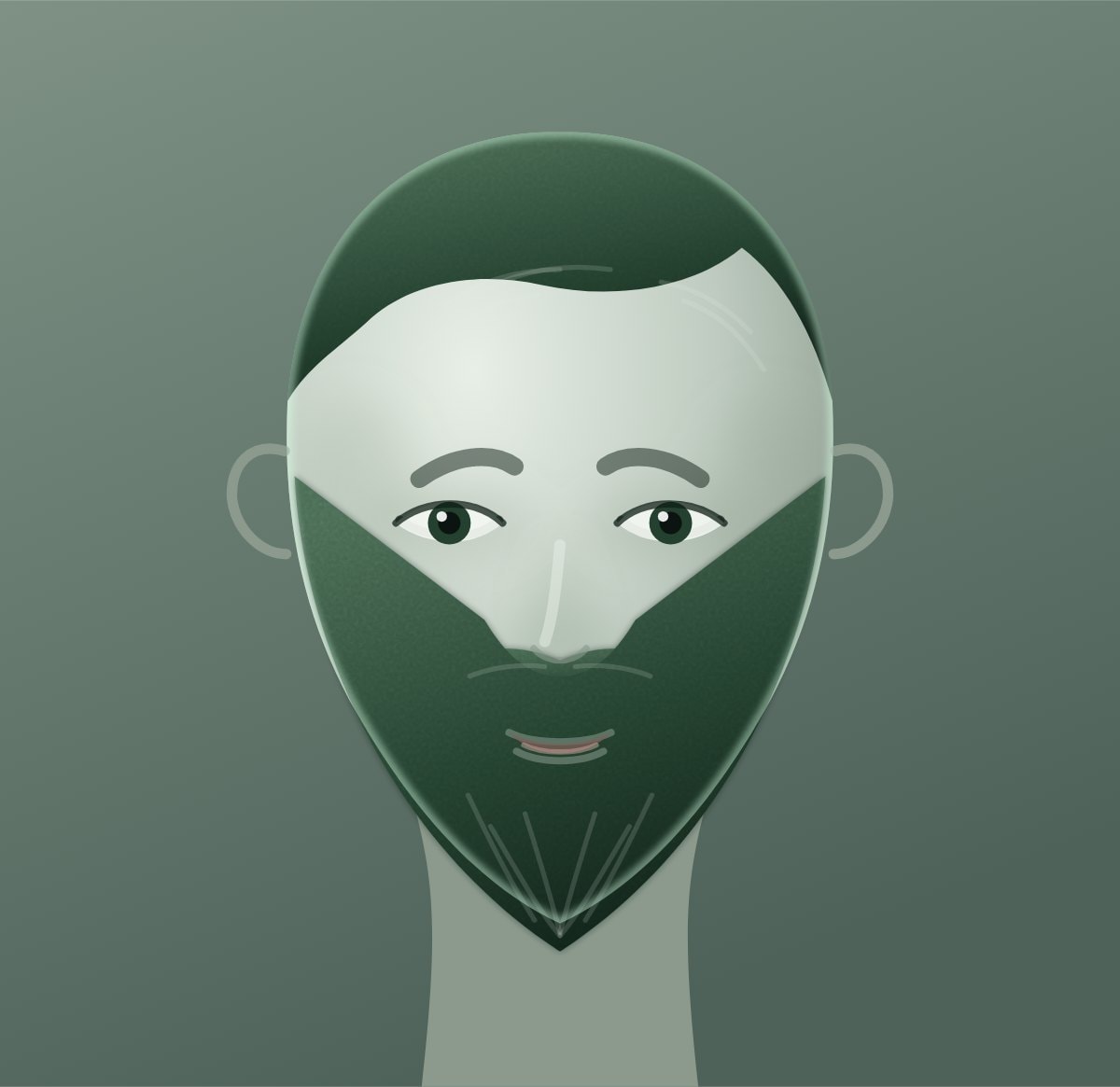
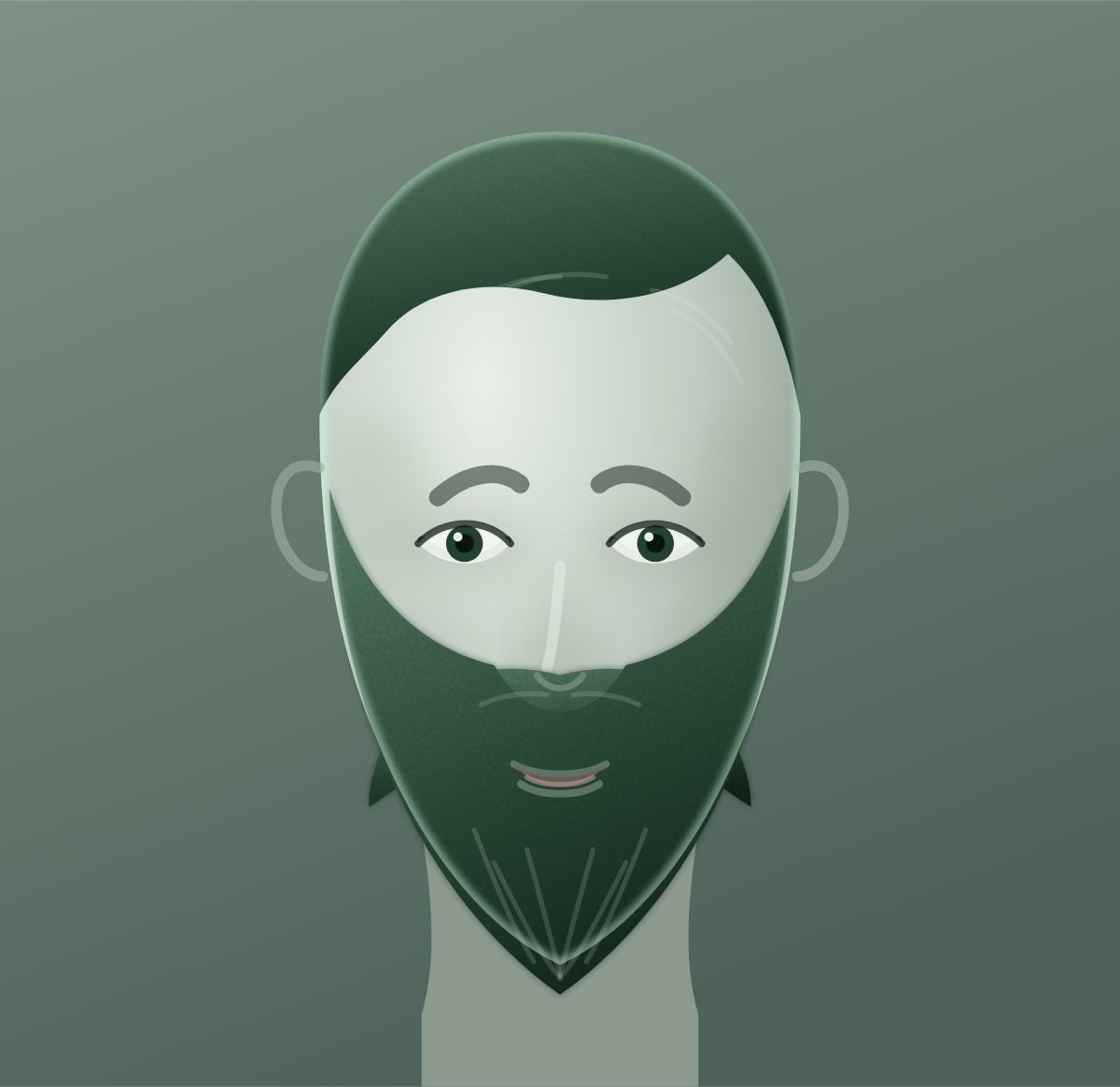
| Full beard | Enough mass for the colour to read as silver rather than sparse | Daily oil, trim every 2 to 3 weeks |
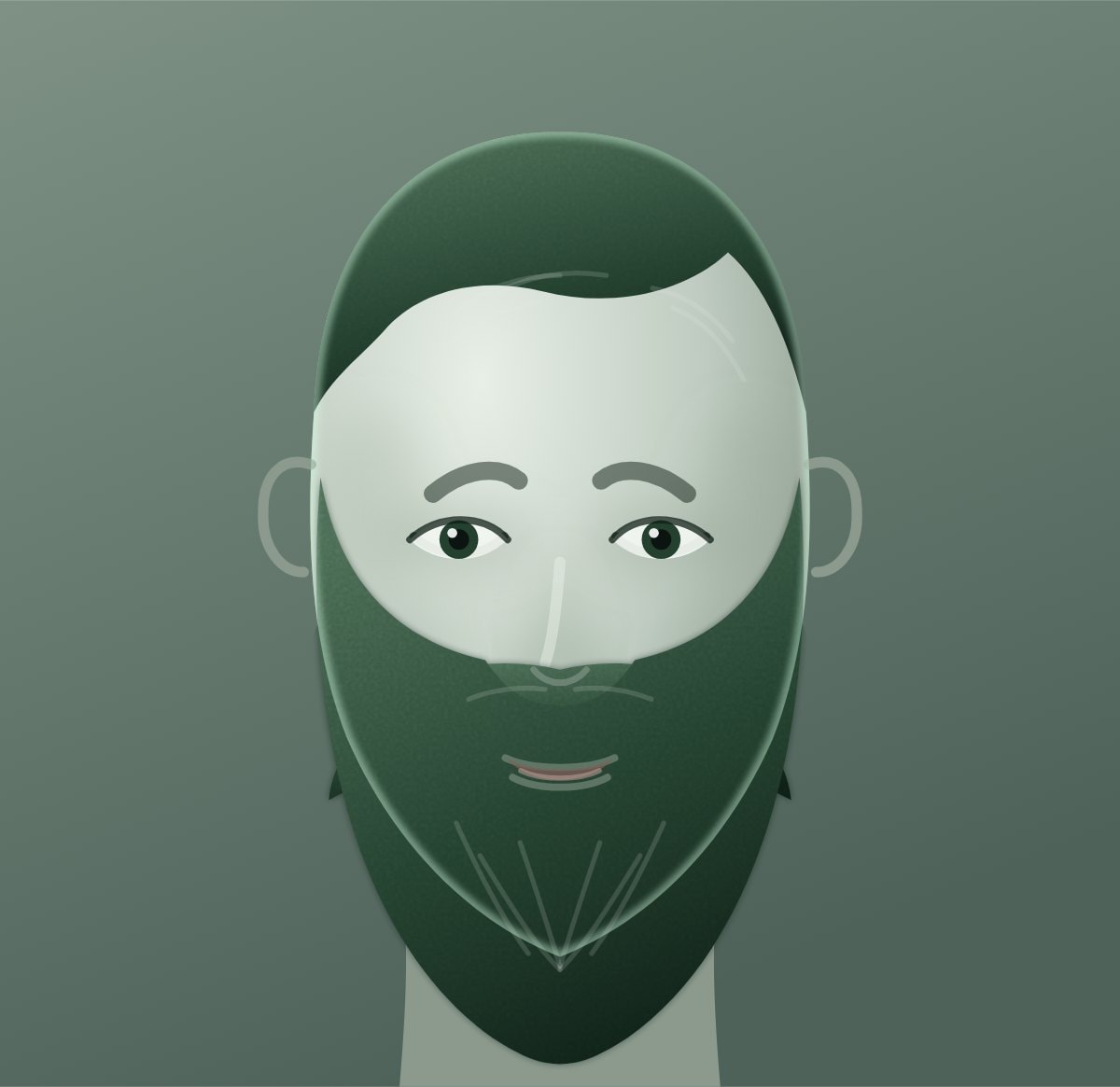
| Garibaldi | Wide and rounded with a natural edge, so coarser hair is not fighting a sharp line | Trim monthly, oil daily |
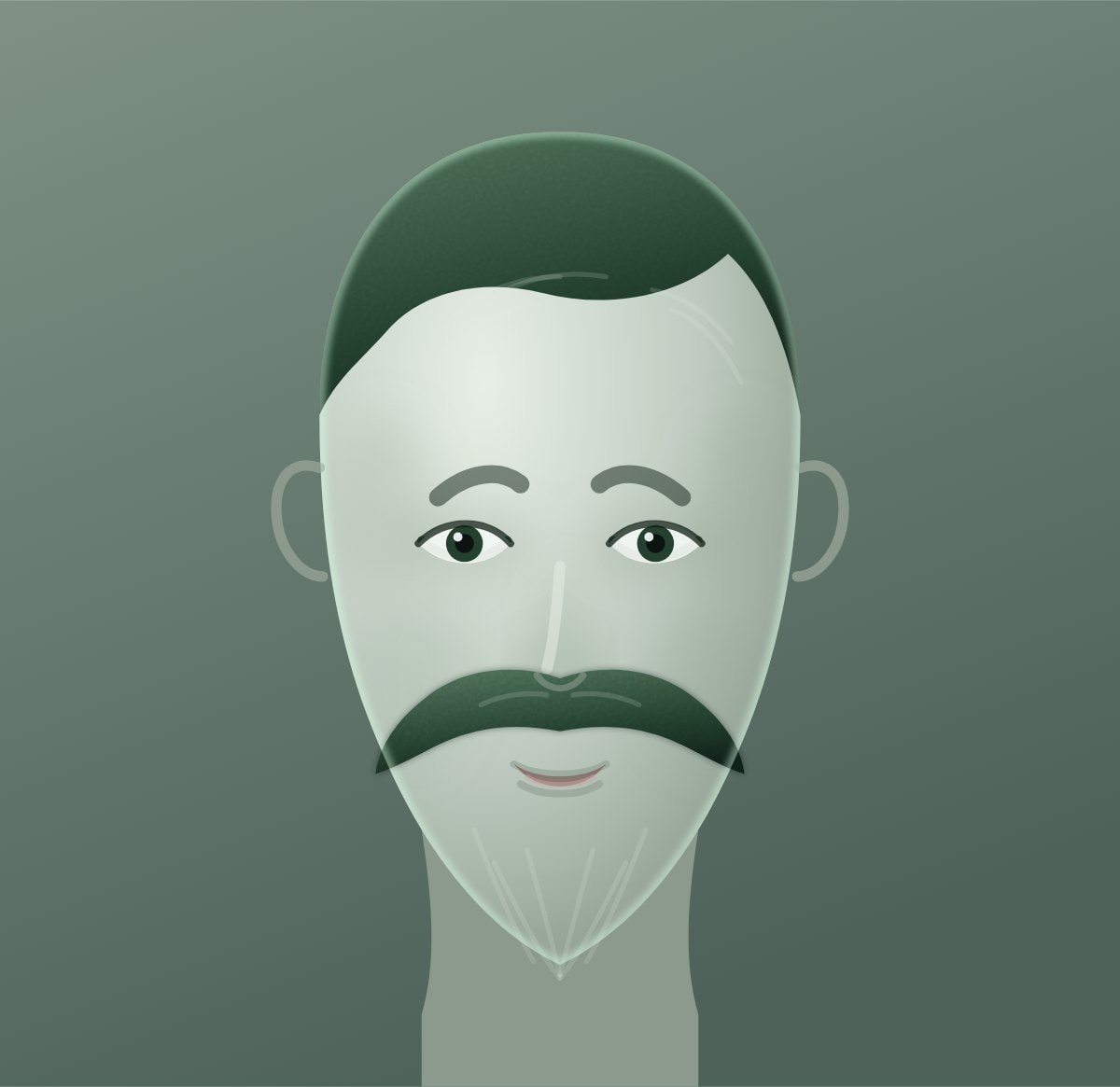
| Beardstache | Salt and pepper shows best where two lengths meet | Weekly |
| Handlebar | Silver suits it, and the wax that trains it also tames the wiriness | Daily wax and comb |
The two on that list worth singling out are stubble and the full beard, because they sit at opposite ends and both get better with grey rather than worse.
Silver stubble is the most reliable option here. At two to four millimetres, grey stubble reads as a deliberate choice in a way that dark stubble at the same length often does not, because the colour makes it look considered rather than skipped. It is also the lowest-effort thing on this page.
A full beard is the other end. Grey needs mass to look like silver rather than like a beard going thin, and a full beard at twenty-five millimetres and up gives it that. The cost is real, though: this is where the dryness bites hardest, and a full grey beard without oil goes from distinguished to dishevelled faster than a dark one.
Looking after a grey beard
This is the section that earns the page. Four things change, and none of them are difficult.

Oil it, and mean it. Grey hair holds less moisture, so the daily oil that was optional on a dark beard is not optional on a grey one. It is the difference between hair that lies down and hair that stands out at angles. Apply it to the skin underneath as well, because the skin dries out at the same rate.
Stop over-washing it. Washing strips the natural oils that grey hair is already short of. Two or three times a week with something gentle, rather than daily with whatever is in the shower. Rinse properly, because residue shows on light hair.
Yellowing is real, and it is fixable. Grey and white beards pick up a brassy or yellow cast, most visibly on the moustache, from food, drink, smoke and general environment. A purple shampoo used occasionally neutralises it, the same way it works on grey hair on the head. Once a week or fortnight is plenty, and more than that can leave a faint violet tone.
Trim on a schedule rather than by eye. The usual approach is to trim when it starts to look untidy, which works fine on a dark beard. On a grey one you notice the untidiness later than other people do, because the coarser hairs stick out before the overall shape changes. Pick an interval and keep it.
On dyeing it
Some men dye, most do not, and it is entirely your call. Two honest points if you are considering it.

The upkeep is heavier than people expect. Beard hair grows faster than the hair on your head, so the regrowth line at the roots appears sooner than it would from a head dye, and on a beard it is at conversation distance rather than the top of your skull.
If you do it, use a dye made for facial hair rather than a head dye, choose a shade close to your natural colour rather than the colour you had at twenty-five, and patch test 24 to 48 hours beforehand. Facial skin is more reactive than scalp, and a reaction on your face is a worse week than a reaction on your head.
The middle option most men land on is doing nothing to the colour and everything to the condition, which is usually what people are responding to anyway.
How long each one takes
| Style | Growing time | Trim how often | Best face shapes |
|---|---|---|---|
| Goatee | 3 to 4 weeks | Every 3 to 4 days | Round, Oval |
| Van Dyke | 3 to 4 weeks | Every 1 to 2 days | Round, Oval, Square |
| Beard fade | 3 to 4 weeks | Every 1 to 2 days | Any |
| Viking beard | 4 to 6 months or more | Every 3 to 4 days | Square, Long |
| Handlebar moustache | 4 to 6 months or more | Every 1 to 2 days | Any |
| Boxed beard | 3 to 4 weeks | Every 1 to 2 days | Round, Square, Oval, Long |
| Chin strap | 3 to 4 weeks | Every 1 to 2 days | Round, Long |
| Stubble | 2 to 10 days | Every 1 to 2 days | Any |
| Balbo | At least 4 weeks before shaping. | -- | -- |
| Circle beard | 3 to 4 weeks | Every 3 to 4 days | Round, Square, Oval |
| Beardstache | 3 to 4 weeks | Every 3 to 4 days | Oval, Square, Long |
| Chevron moustache | 3 to 4 weeks | Every week or two | Any |
| Ducktail beard | 4 to 6 months or more | Every 3 to 4 days | Round, Oval |
| Full beard | 6 to 10 weeks | Every week or two | Oval, Long, Square |
| Walrus moustache | 4 to 6 months or more | Every 3 to 4 days | Any |
| Extended goatee | 3 to 4 weeks | Every 1 to 2 days | Round |
| Chin curtain | 6 to 10 weeks | Every 3 to 4 days | Round, Long |
| Garibaldi beard | 4 to 6 months or more | Every 3 to 5 weeks | Oval, Long |
| Corporate beard | 3 to 4 weeks | Every 1 to 2 days | Any |
| Verdi beard | 6 to 10 weeks | Every 1 to 2 days | Oval |
| Hollywoodian | 3 to 4 weeks | Every 1 to 2 days | Oval, Square |
| Bandholz beard | 4 to 6 months or more | Every week or two | Oval, Long |
Where it goes wrong
Treating grey as a problem to solve. The most common one, and it leads to dye jobs a shade too dark, which reads as obviously dyed rather than as young.
Keeping the old wash routine. What worked on a dark beard strips a grey one. This is the single biggest cause of the wiry, unmanageable stage.
Cutting it shorter and shorter. A common instinct, on the theory that less grey is less visible. It usually makes things worse, because very short grey reads as thinning where a fuller grey beard reads as silver.
Letting the moustache yellow. It is the part that touches everything you eat and drink, and it discolours first. It is also directly under everyone's eyeline.
Trimming by eye rather than by calendar. By the time a grey beard looks untidy to you, it has looked untidy to everyone else for a fortnight.
Questions we get asked
What is the best beard style for grey hair?
The one you already have. Grey changes texture and upkeep, not what suits your face. If you are starting fresh, silver stubble or a short boxed beard are the safest options and the lowest effort.
Does a grey beard make you look older?
A neglected one does. A well-kept one mostly reads as deliberate, and the difference between the two is clean edges and daily oil rather than anything to do with the colour.
Why has my beard gone wiry since it went grey?
Grey hair is coarser in section and holds less moisture. It is a real physical change rather than an impression. Daily oil and less frequent washing fixes most of it.
Why is my grey beard turning yellow?
Environmental staining, mostly food, drink and smoke, and it shows on the moustache first because that is what everything passes. Purple shampoo neutralises it.
Should I dye my beard?
Your call entirely. If you do, use a beard-specific dye, go close to your natural shade, and patch test first. Bear in mind beard hair grows faster than head hair, so the roots come back sooner than you expect.
Can I have a grey beard with a shaved head?
Yes, and it is one of the strongest combinations there is, because the beard provides the only line on the face. See beard styles for bald men for the shapes that work.
Is salt and pepper better than full grey?
Neither is better. Salt and pepper has more visible depth because two tones catch the light differently, which is why the beardstache suits it. Full silver has more impact. Both need the same care.
How often should I trim a grey beard?
More often than you did when it was dark, and on a fixed interval rather than when it starts to bother you. Weekly for the edges on anything short, fortnightly for the shape on anything longer.
Other ways to narrow it down
Short beard styles
Under an inch. Office safe, quick to trim, slow to go wrong.
Medium beard styles
One to three inches. The point where shaping starts to matter.
Long beard styles
Three inches and up. Months of growing, and daily oil.
Beard styles for round faces
Length at the chin, kept tight at the cheeks, to lengthen the face.
Beard styles for square faces
Softer, rounder edges so the jaw is not doubled up.
Beard styles for oval faces
The shape most styles are drawn for. Nearly anything works.