
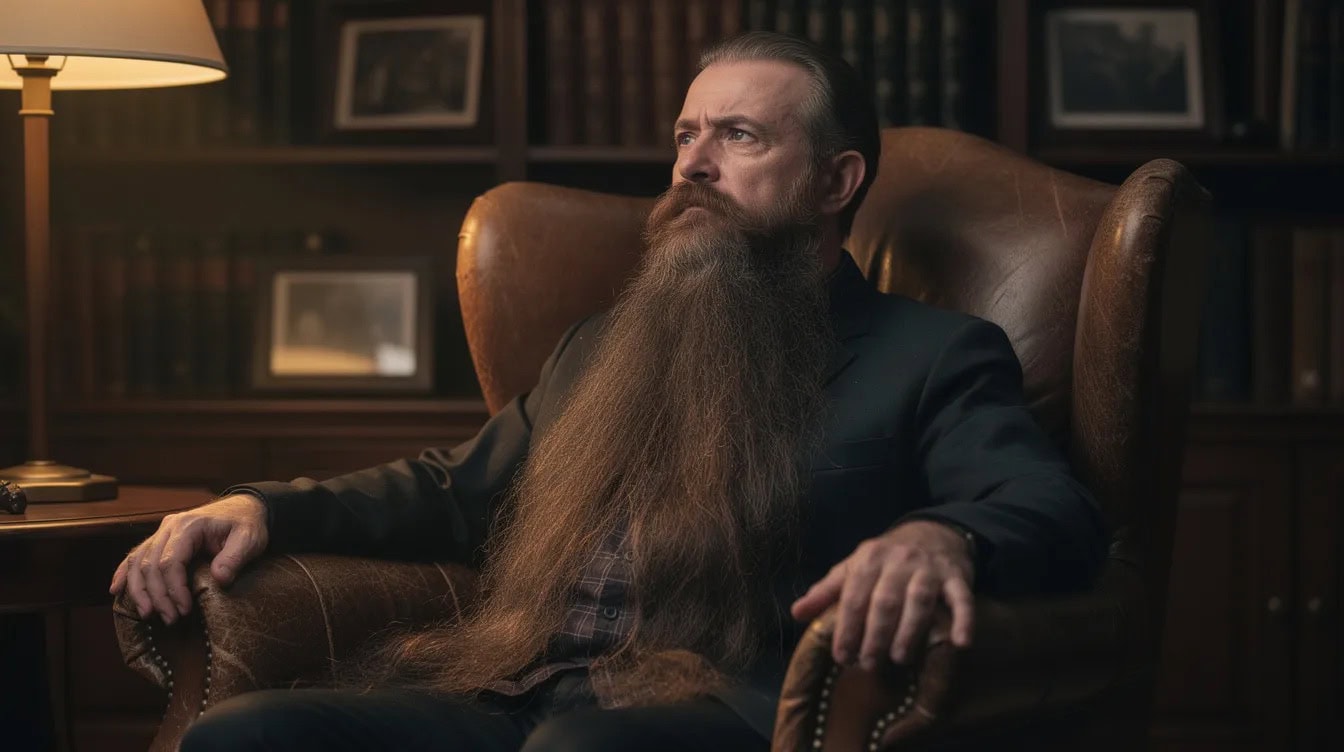
Long beard styles
Three inches and up is measured in months, not weeks. The reward is a shape nothing else gives you. The cost is oil every day, a comb that lives in your pocket, and an awkward stretch around week six where it looks like neither one thing nor the other.
The 8 long beard styles worth knowing
£5 off your first delivery
Every style on this page needs a clean edge somewhere, and a clean edge needs a sharp blade. Blunt blades drag, and dragging is what turns a tidy line into razor burn.
£5 off your first subscription or VIP order - one per customer, unsubscribe with 1 click
What counts as long, and what it actually costs
Over four inches, which is about ten centimetres measured from the bottom of the chin. Below that you are in medium beard territory, where shape is still mostly a trimming decision. Above it, the beard has its own weight and behaviour, and the job changes from cutting a shape to managing a mass of hair. Length is listed on every page in the directory, so the boundary is easy to check against any style you are considering.
Beard hair grows at roughly half an inch a month. That number is the whole planning problem. Four inches is eight months from clean-shaven. Chest length is two years or more. Nothing accelerates it, and every product sold on the promise that it will is selling you patience at a markup.
So the honest framing for this page is not which long beard looks best. It is whether you want to spend the next year finding out, because that is the actual commitment, and most men who abandon a long beard do it somewhere in months two and three rather than at the end.
The months nobody photographs
Weeks one to three look like you have stopped shaving, because you have.

Weeks four to ten are the hard part. The beard is long enough to be obvious and too short to have a shape. It sticks out sideways rather than hanging down, because there is not yet enough weight to pull it into line. It itches, and the itch is the skin underneath rather than the hair. This is where nearly everyone gives up, and the men with impressive beards are mostly just the ones who did not.
Three things get you through it. Do not trim anything except the neckline, because shaping now sets a width you will regret. Wash and moisturise the skin underneath, because the itch is dryness rather than hair. And brush it downward daily from about week six, which trains the hair to hang instead of spread and makes the awkward stage noticeably less awkward.
At three to four months you have something with a shape, and the first real trim can happen. Everything before that point is covered in how to grow a beard. At six months most of the styles below are available to you.
The eight worth knowing
| Style | Character | Face shapes | Upkeep |
|---|---|---|---|
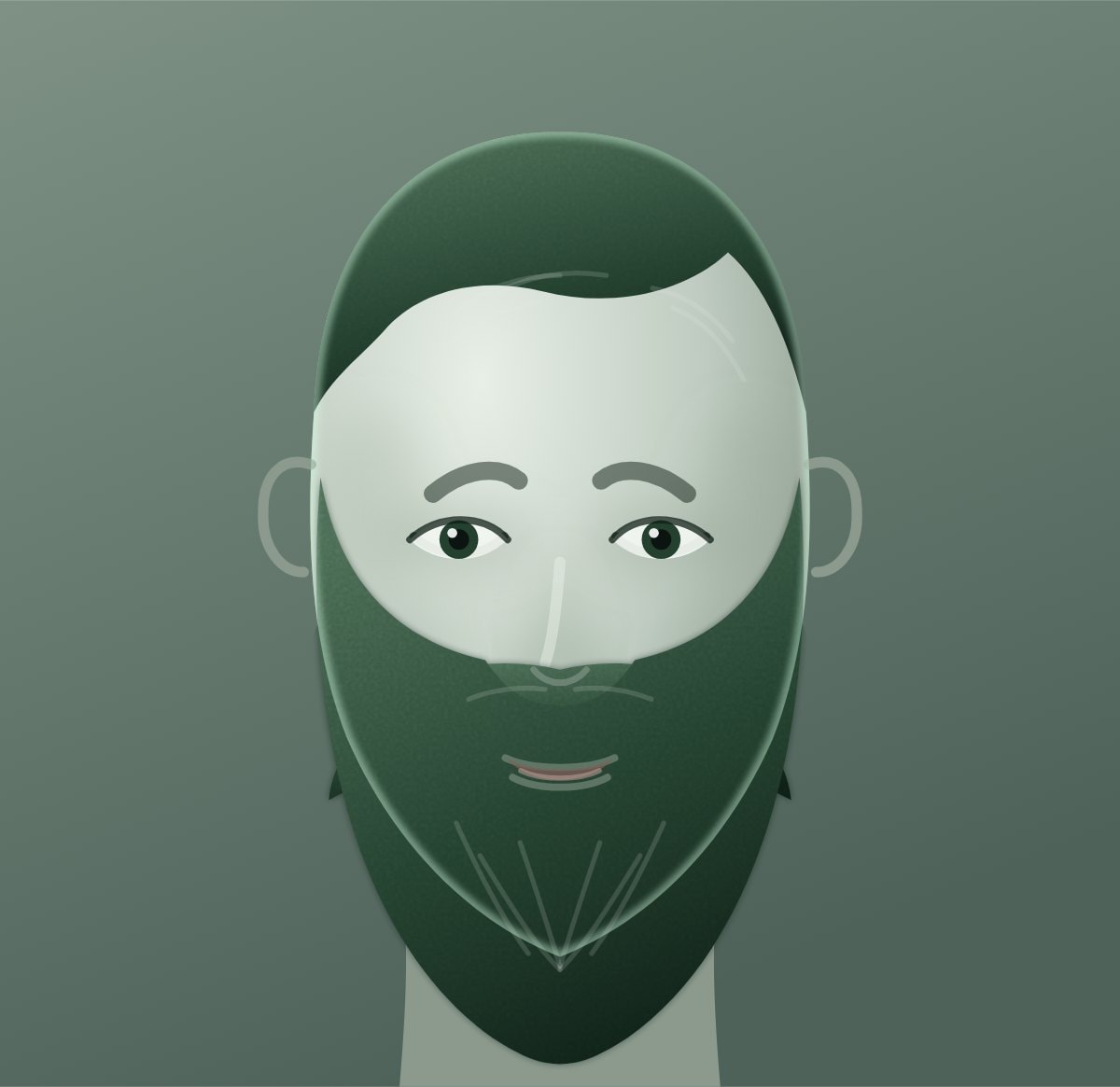
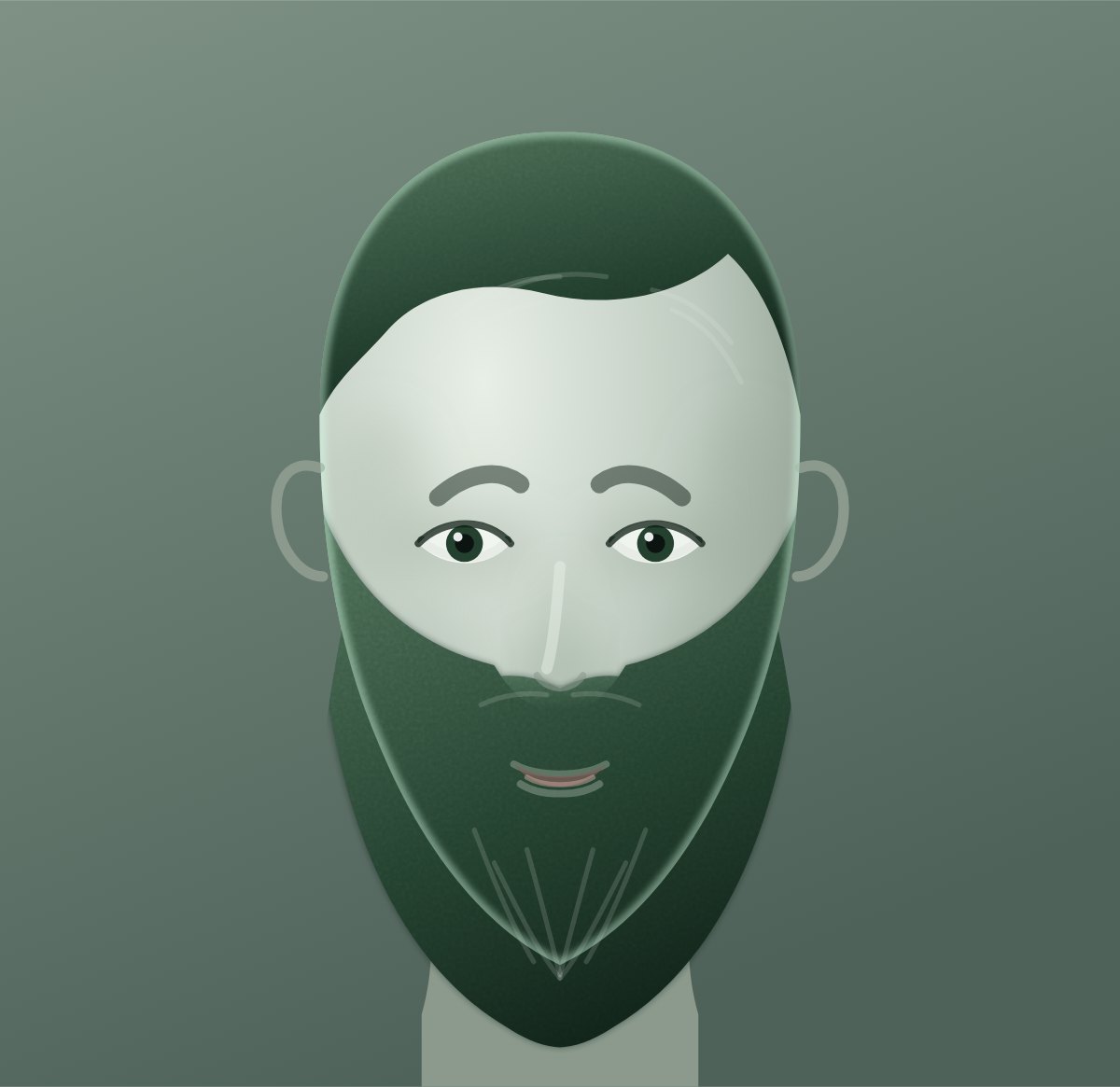
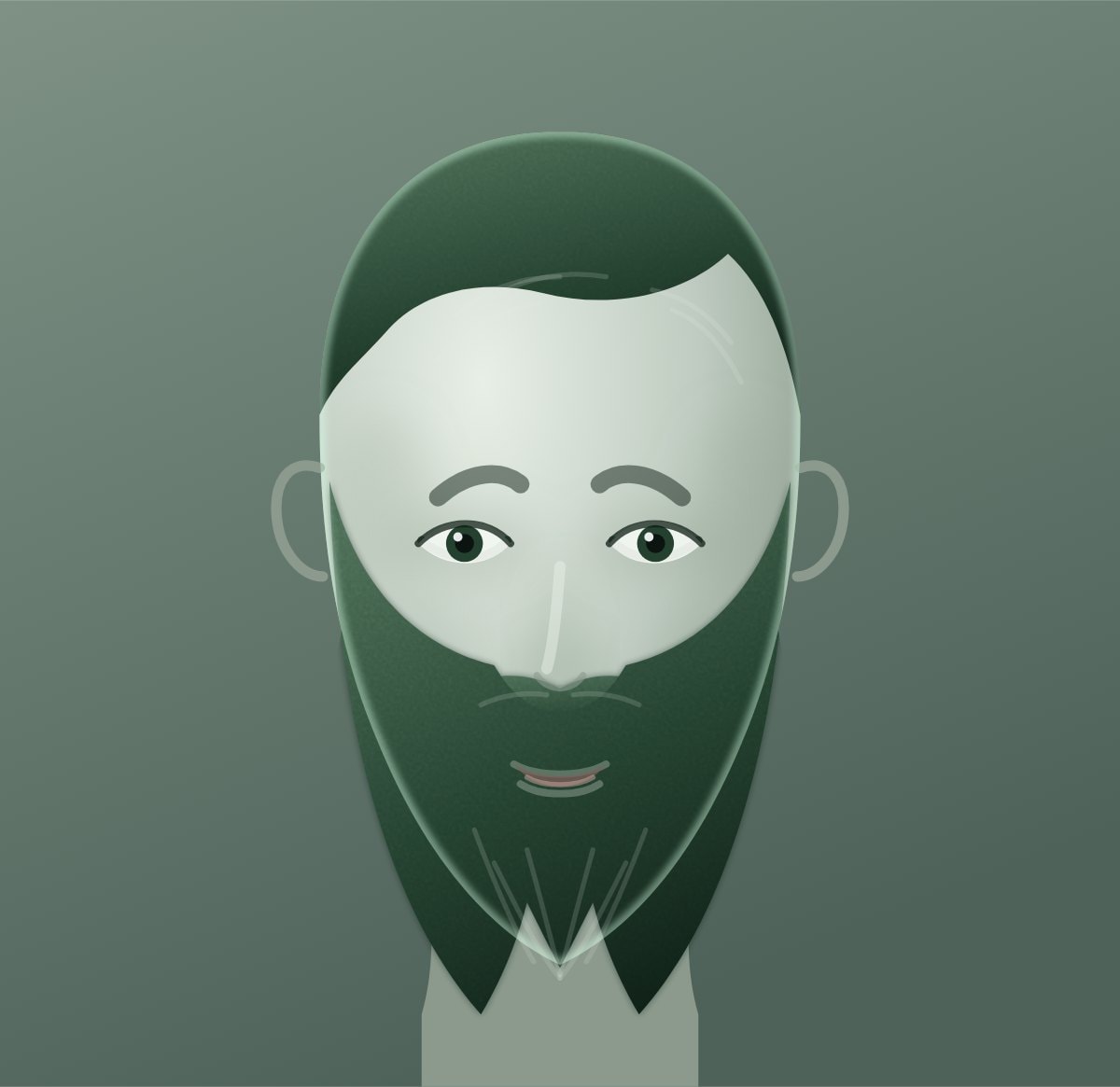
| Viking | Long, full and deliberately untamed. Takes braids | Square, oblong | Medium |
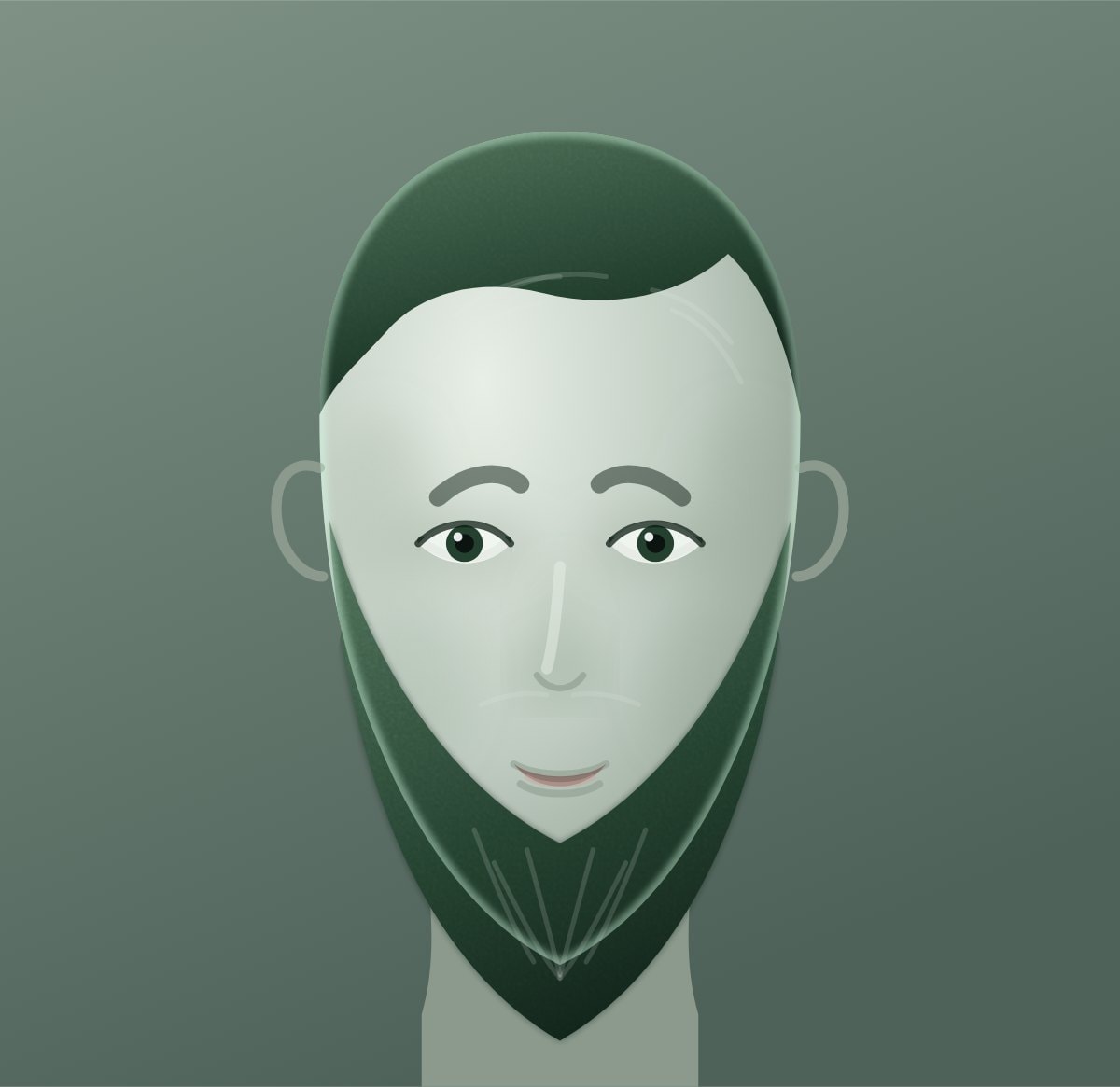
| Ducktail | Tapered sides, length under the chin, finished to a point | Round, oval | Medium |
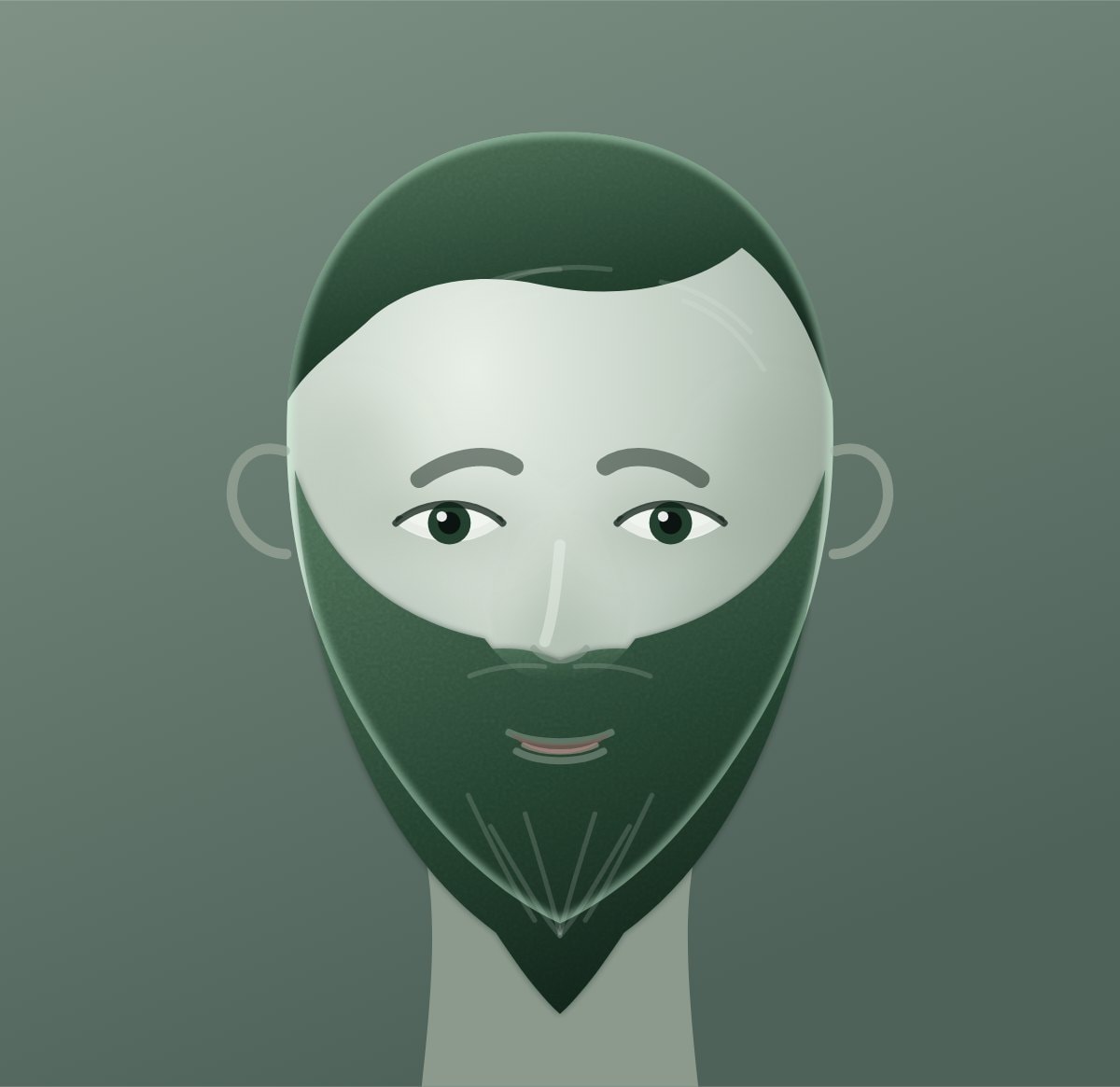
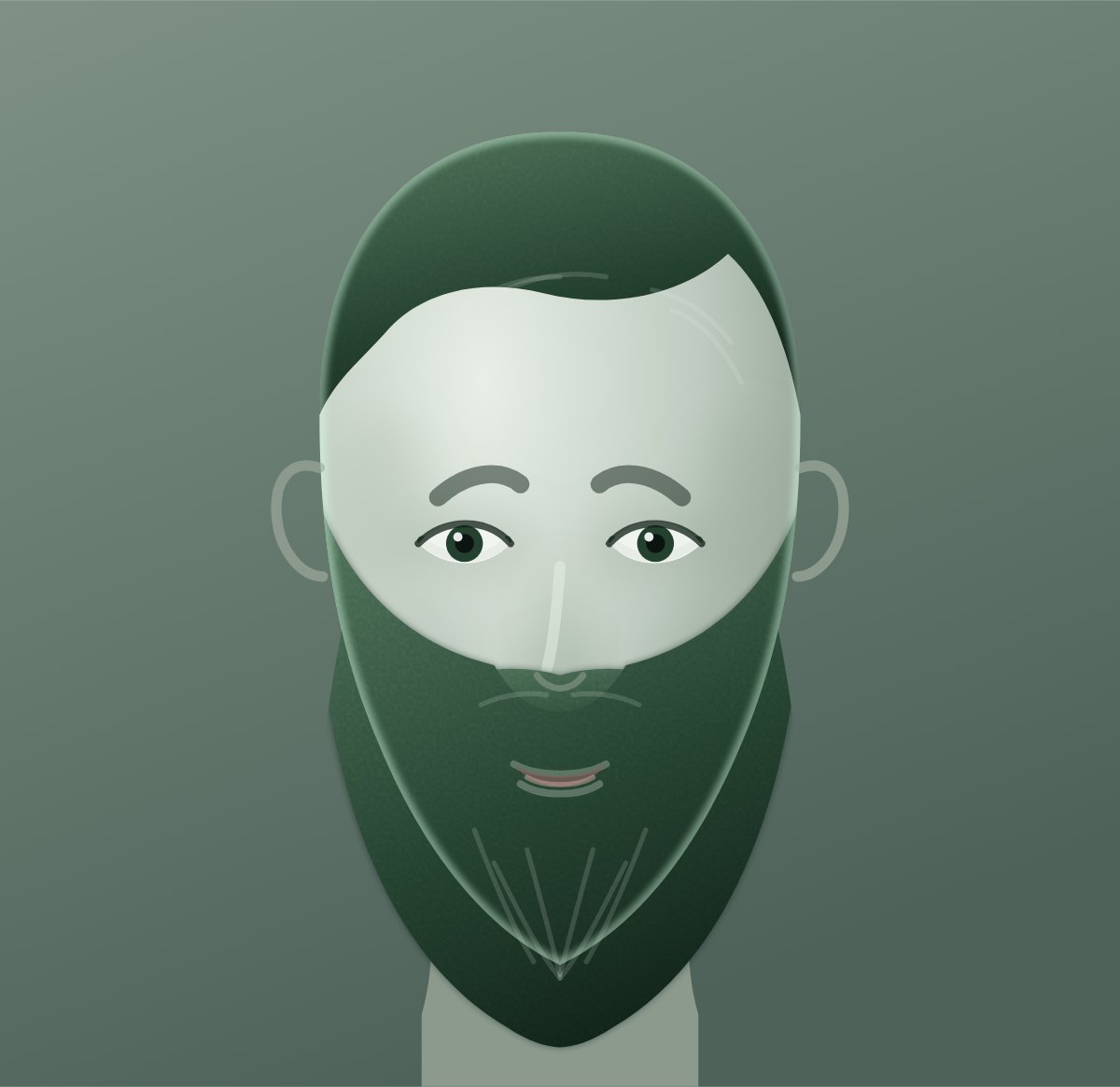
| Amish | Full length with the moustache shaved off entirely | Any | Low |
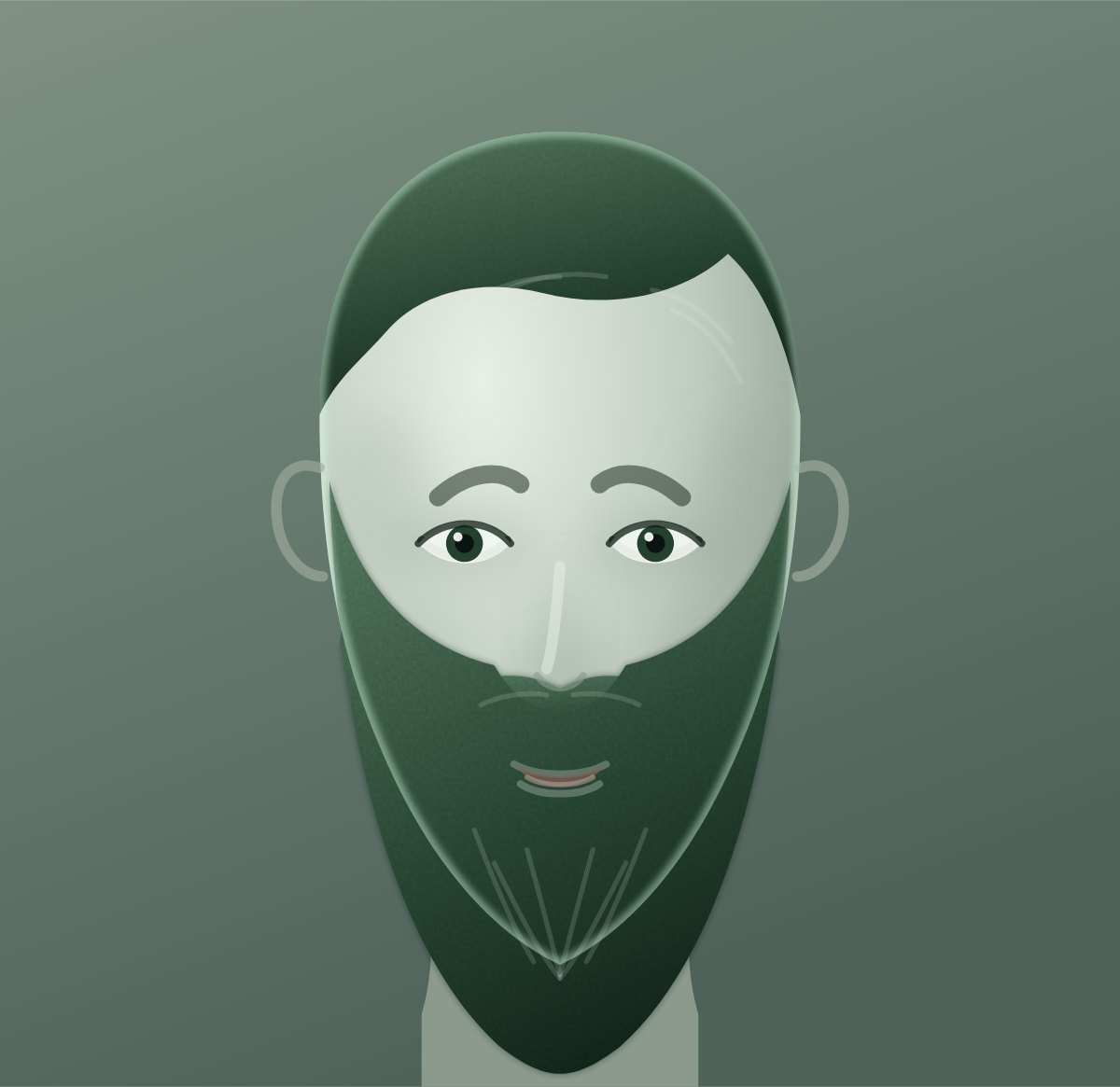
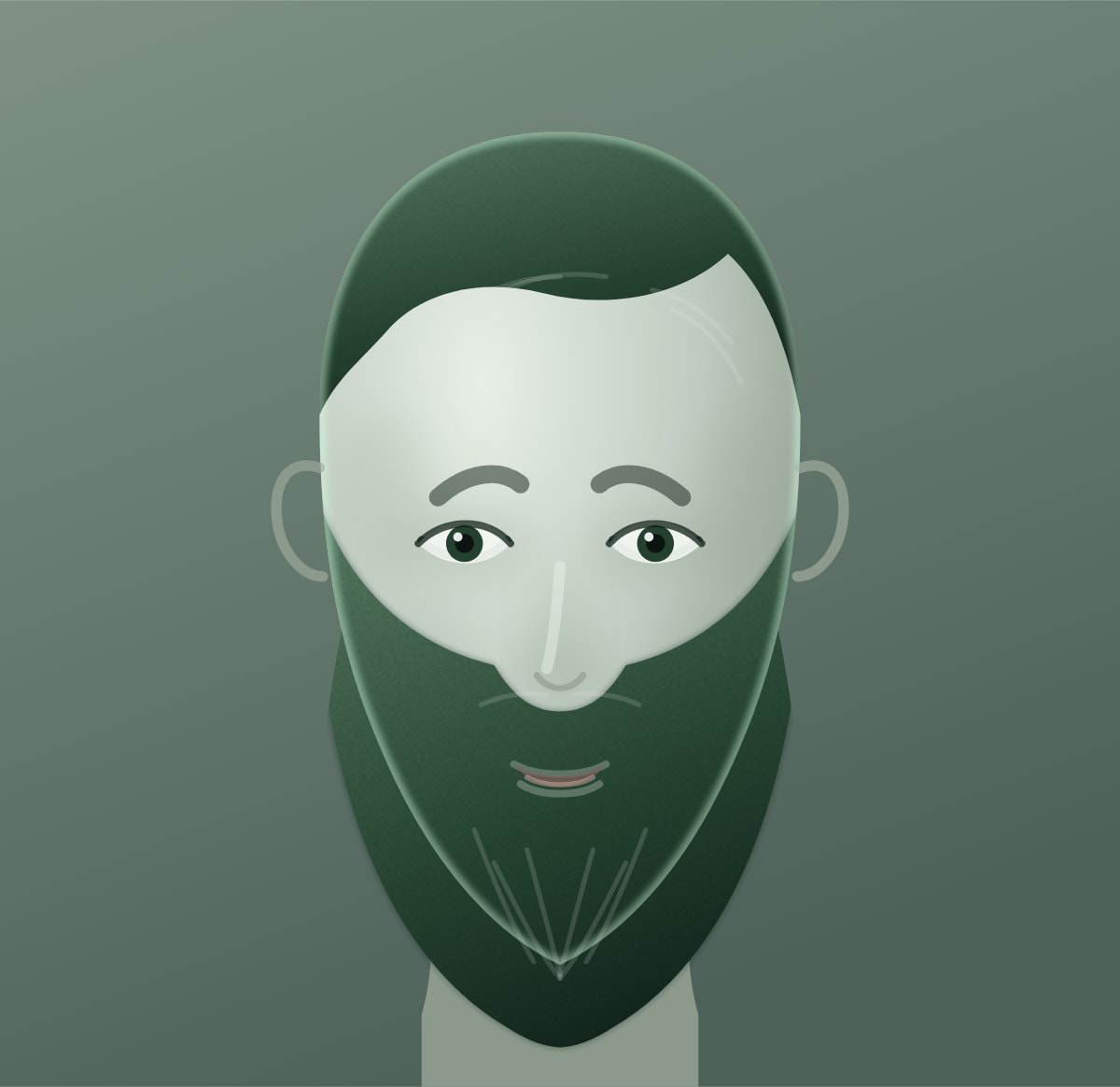
| Garibaldi | Wide and full with a rounded bottom, natural edge | Round, oval | Low |
| Hipster | Long and full with the moustache deliberately styled | Oval | Medium |
| Dutch | Wide chin beard flaring outward, no moustache | Oval | Medium |
| Bandholz | Full growth with no shaping at all beyond the neckline | Oval, oblong | Low |
| French fork | Split into two prongs at the bottom | Oval | High |
Two of these are genuinely low effort once grown. The Garibaldi has a rounded bottom and a natural edge, so it wants a monthly tidy rather than a weekly shape. The Bandholz, named after Eric Bandholz, who founded Beardbrand and popularised the look, is the deliberate absence of shaping: you grow it, you keep the neckline, and you otherwise leave it alone. Both are better first long beards than they look, because neither punishes you for not being a skilled trimmer.
The ducktail is the one to want if you have a round face, because the taper takes width off the cheeks and the point adds length below the chin. It is also the style that most rewards a proper trim, and the one most likely to look scraggly if you leave it.
The French fork is here for completeness and because some men wear it brilliantly. It needs real density to show a fork at all, it needs symmetrical trimming, and it usually needs wax to hold. Everything about it is harder than it looks.
Which one suits your face
Long beards change the outline of the face far more than short ones, so this matters more here than on the shorter pages.

Round faces want length concentrated at the chin and the sides kept tight. A ducktail is the strongest option, a Garibaldi the more relaxed one.
Square jaws want the corners softened rather than repeated. Rounded bottoms rather than flat cuts, so a Garibaldi or a Viking shape.
Long or oblong faces want width rather than more length. Keep the sides fuller, keep the bottom flatter, and avoid anything that tapers to a point. A Viking or a Bandholz suits this better than a ducktail, which would stretch the face further.
Oval faces can wear any of them, with the only caution being very pointed shapes, which push toward oblong.
More detail on each of these on the round, square, oval and long face pages.
How long each one takes
| Style | Growing time | Trim how often | Best face shapes |
|---|---|---|---|
| Viking beard | 4 to 6 months or more | Every 3 to 4 days | Square, Long |
| Ducktail beard | 4 to 6 months or more | Every 3 to 4 days | Round, Oval |
| Amish beard | 4 to 6 months or more | Every week or two | Any |
| Hipster beard | 4 to 6 months or more | Every 3 to 4 days | Oval |
| Garibaldi beard | 4 to 6 months or more | Every 3 to 5 weeks | Oval, Long |
| Bandholz beard | 4 to 6 months or more | Every week or two | Oval, Long |
| Dutch beard | 4 to 6 months or more | Every 3 to 4 days | Oval |
| French fork | 4 to 6 months or more | Every 1 to 2 days | Oval |
Keeping one
Short beards need a trimmer. Long beards need a routine, and it is genuinely different rather than just more of the same.
Oil it daily, on a slightly damp beard. Damp hair takes the oil in rather than sitting under it. A few drops worked into the skin first and then through the hair. This is the difference between a beard that hangs properly and one that frizzes.
Wash it two or three times a week, not daily. Daily washing strips the oils that keep long hair flexible, and dry beard hair snaps. Use something gentle rather than whatever shampoo is in the shower.
Brush or comb it every day. A boar bristle brush distributes the oil down the length and keeps it detangled. A wide-tooth comb for anything past about six inches. Skipping this for a week creates tangles that cost you length to remove.
Trim every two to four weeks. Not for length, for split ends and stray hairs. A long beard that is never trimmed does not look longer, it looks damaged, because the ends split and thin out.
Keep the neckline. The one thing that stays the same at every length, and the one thing that most separates an impressive beard from an unkempt one.
The practical costs nobody mentions
Safety equipment stops working. This is the serious one. A beard past stubble breaks the seal on a respirator or a dust mask, and at long-beard length the seal is simply gone. If your job requires face-fit testing, a long beard is not compatible with it. Motorcycle helmets, ski goggles and anything else that seals against the face have milder versions of the same problem.
Eating changes. Soup, anything with sauce, and pints all become negotiations. A moustache trimmed back off the lip solves most of it, which is part of why the Amish beard exists at all.
Sleeping flattens it. You will wake up with it pointing somewhere unhelpful. Damp it down and brush it out in the morning rather than fighting it dry.
Weather actually matters. A long beard is genuinely warm in winter and genuinely hot in summer, and it takes a long time to dry after rain.
None of that is a reason not to. It is the stuff worth knowing before month eight rather than after.
Where it goes wrong
Trimming during the awkward stage. The single biggest cause of abandoned long beards. You cannot shape what has not arrived, and cutting in month two sets a width that costs months to grow back.
Treating it like a short beard. No oil, daily shampoo, no brushing. The hair dries out, splits, and stops growing longer because the ends break off as fast as the roots add.
Never trimming at all. The opposite error. Split ends thin the beard and make it look wispy at the bottom.
Chasing symmetry. Faces are not symmetrical and neither is beard growth. Cut to a shape, not to a mirror-image.
Expecting the patches to fill in. They will not. Density is set, and at four inches a thin cheek is more visible rather than less. If your cheeks are sparse, the patchy beard styles page is a more useful place to start.
Questions we get asked
What counts as a long beard?
Over four inches, roughly ten centimetres from the bottom of the chin.
How long does it take to grow a long beard?
About eight months to four inches, at the usual half-inch a month. Six months gets most of the styles here within reach. Chest length is two years or more.
What are the different types of long beards?
The main named ones are the Viking, Garibaldi, ducktail, Bandholz, Dutch, Amish, hipster and French fork. They differ mainly in whether the bottom is rounded, pointed or left alone, and whether the moustache is included, styled or shaved.
What is the three month rule?
Not a rule, but three months is roughly when a beard first has a shape you can judge rather than an awkward stage you are enduring. It is a reasonable point to decide whether to keep going.
Which long beard is easiest to maintain?
The Garibaldi or the Bandholz. Both have natural edges rather than cut lines, so neither needs precise trimming to look right.
Do I need beard oil?
At this length, yes, and daily. Under an inch it is optional. Over four inches it is the difference between a beard that hangs and one that frizzes and splits.
Can I have a long beard at work?
Depends on the work rather than the beard. A well-kept Garibaldi is unremarkable in most offices now. Any job with respirator face-fit testing is a genuine no, and that is a safety rule rather than a dress code.
Will a long beard suit me?
The face shape guidance above tells you which shape to aim for, but the more useful test is whether you will still be brushing and oiling it in month ten. That decides it more often than the face does.
Other ways to narrow it down
Short beard styles
Under an inch. Office safe, quick to trim, slow to go wrong.
Medium beard styles
One to three inches. The point where shaping starts to matter.
Beard styles for round faces
Length at the chin, kept tight at the cheeks, to lengthen the face.
Beard styles for square faces
Softer, rounder edges so the jaw is not doubled up.
Beard styles for oval faces
The shape most styles are drawn for. Nearly anything works.
Beard styles for long faces
Width at the cheeks, short at the chin, to shorten the face.