
Hulihee
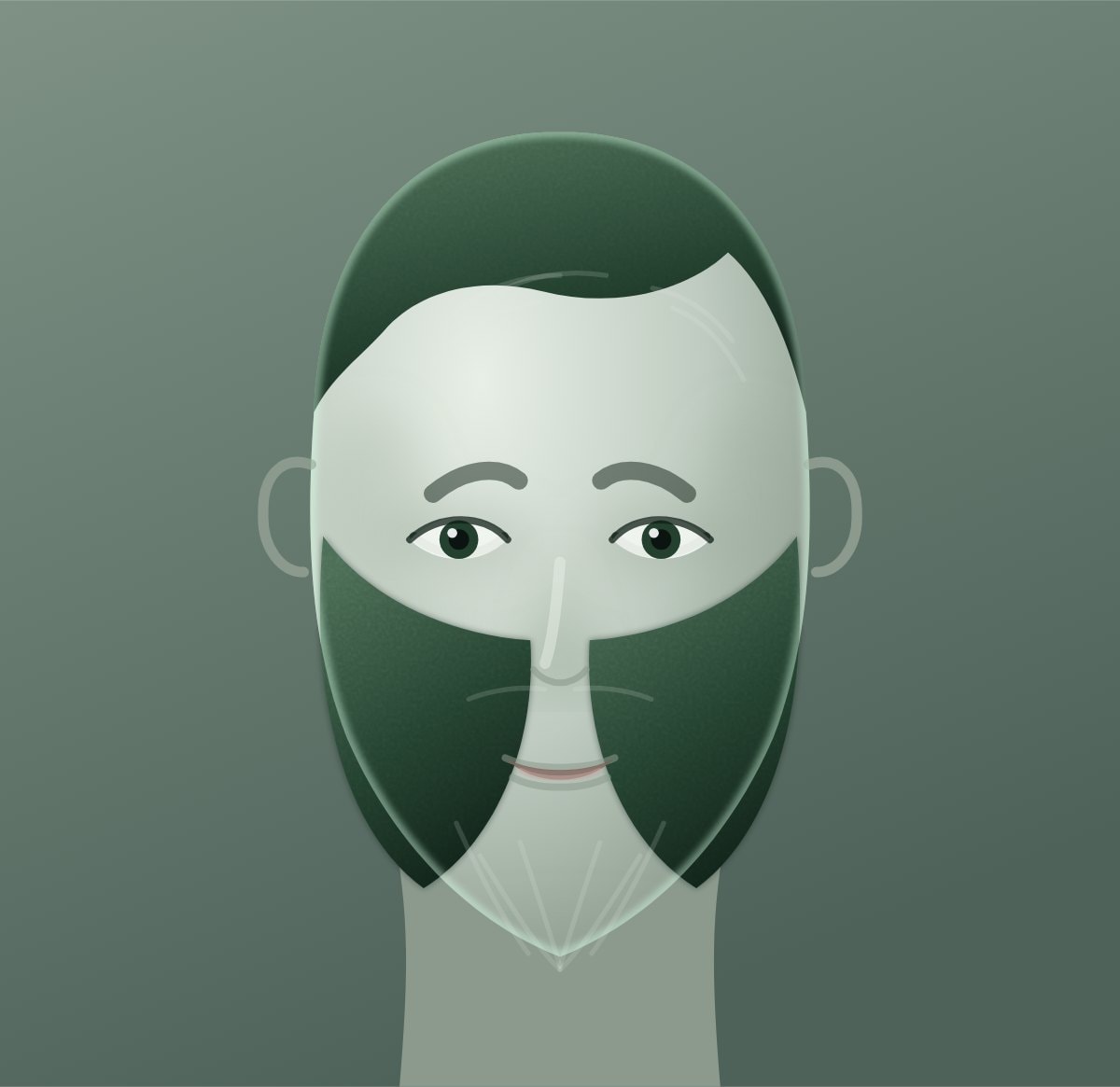
huge curved chops with a shaved chin
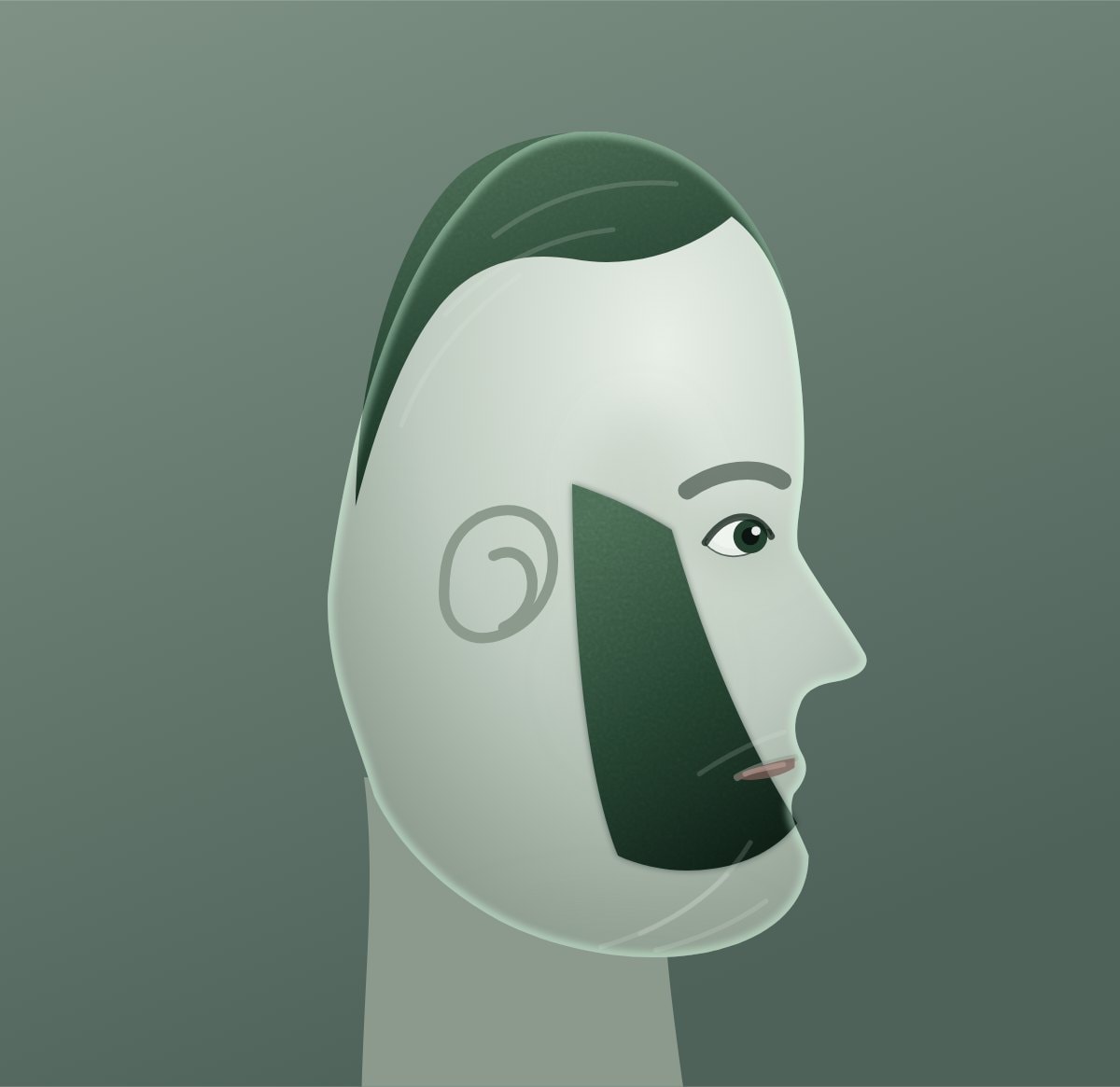
A hulihee is a pair of very large, curved sideburns that sweep down the cheeks and flare outward toward the jaw, joined to a moustache, with the chin shaved completely bare. It is the most extreme of the sideburn-led beard styles and the hardest to wear without comment.
It is a nineteenth-century shape and it is unmistakably a period look. The name comes from Huliheʻe Palace in Hawaii, where portraits of King Kalākaua and his contemporaries fixed the style in memory.
At a glance
- Also known as
- Nothing else in common use
- What it is
- Huge curved chops with a shaved chin.
- Length
- Medium, one to three inches
- Growing time
- 6 to 10 weeks
- Trim how often
- Every 1 to 2 days
- Best face shapes
- Square, Long
- Moustache
- No
£5 off your first delivery
A shaved chin against big chops is the whole contrast. Lose the contrast and you have just got a beard.
£5 off your first subscription or VIP order - one per customer, unsubscribe with 1 click
The variations
The one shape, and how it is usually worn.
Will it suit your face?
Where a style puts weight, and where it takes it away, is what decides whether it suits you. The table below is the short version.
| Oval | Ideal | Enough room across the cheek to carry the width without crowding. |
|---|---|---|
| Round | Avoid | Broadens the widest part of the face. |
| Square | Ideal | Follows a strong jaw rather than competing with it. |
| Long | Ideal | Width at the cheeks is exactly what shortens a long face. |
| Heart | Works | Balances a wide forehead if kept below the cheekbone. |
| Diamond | Works | Adds width at the jaw, though the cheekbone is already wide. |
How to cut one, in four steps
- Grow it out6 to 10 weeks. Cheek hair is usually the slowest to fill in, so this takes longer than it looks.
- Set the lengthGuarded trimmer, tapering slightly shorter toward the top so they do not merge into your hair.
- Cut the front edgeThis is the line that makes or breaks it. Take it back in small amounts and keep both sides level.
- Shave the chinChin and neck clean. Chops only read as chops when the chin is bare.
Full detail, tools and the common mistakes are in the guide below.
What it is
Take mutton chops and make them bigger and curvier. The chops start at the hairline, widen dramatically down the cheek, and curve forward toward the corners of the mouth.
The moustache is connected, running across the top lip and joining the chops at each side.
The chin is shaved bare. That gap is what separates it from a full beard and what makes the shape read as deliberate rather than as a beard someone forgot to finish.
Against a wolverine, which is the same basic idea: a hulihee is larger, more curved and more theatrical. A wolverine is squarer and closer to the face.
Who wears it
Very few people, and that is worth being honest about. It is a costume-adjacent shape and it will define how you are perceived.
It suits square jaws and long faces structurally, because the width at the cheeks balances both. But structure is not really the deciding factor here. Temperament is.
It needs dense cheek growth. The chops are the entire style and they need to be substantial. Thin cheek growth cannot carry them.
Growing it
Six to ten weeks. You are growing the cheeks and moustache rather than the chin, so it is faster than a full beard.
Grow everything at first, including the chin, then shave the chin once the chops have enough weight to see their shape. Doing it in that order means you can judge the width before you commit.
Cutting it
Set the length with a guard, one to three inches depending on how dramatic you want it. The chops carry more length than the moustache.
Shave the chin completely. Not stubble, clean. The bare chin is half the effect.
Cut the front edge of each chop so it curves toward the corner of the mouth rather than running straight down. That curve is what makes it a hulihee.
Leave the outer edge natural where it meets the hairline.
Both sides in one pass. Enormous asymmetric chops are very noticeable.
Keeping it
The chin needs shaving every two or three days.
The chops need shaping every week or two. Length weekly, edges as needed.
Comb them outward and downward daily to keep the flare, and oil them past an inch or so.
Where it goes wrong
Letting the chin grow in. It becomes a badly shaped full beard.
Straight rather than curved front edges. That is mutton chops, which is a perfectly good style but a different one.
Uneven sides. Very visible at this size.
Attempting it with thin cheek growth. There is nothing else holding the style up.
Questions we get asked
What is a hulihee beard?
Very large curved sideburns joined to a moustache, flaring outward down the cheeks, with the chin shaved bare. A nineteenth-century style named after Huliheʻe Palace.
What is the difference between a hulihee and mutton chops?
Size and curve. Mutton chops are straighter and generally smaller. A hulihee is larger, curved toward the mouth and joined to a moustache.
How long does it take to grow?
Six to ten weeks, since you are growing cheeks and moustache rather than a full beard.
Do I have to shave the chin?
Yes. The bare chin is what defines the shape.
Can I grow one with patchy cheeks?
No. The chops are the whole style and they need density.
What face shape suits it?
A square jaw or a long face, since the width balances both. In practice the deciding factor is whether you want to be looked at.
Other cheek styles
Same shape, different length or moustache.
If this one is too much work
Same idea, less of your morning.
Browse by what matters to you
The same directory, cut a different way.