
Mutton chops
How to Grow, Shape and Wear Them
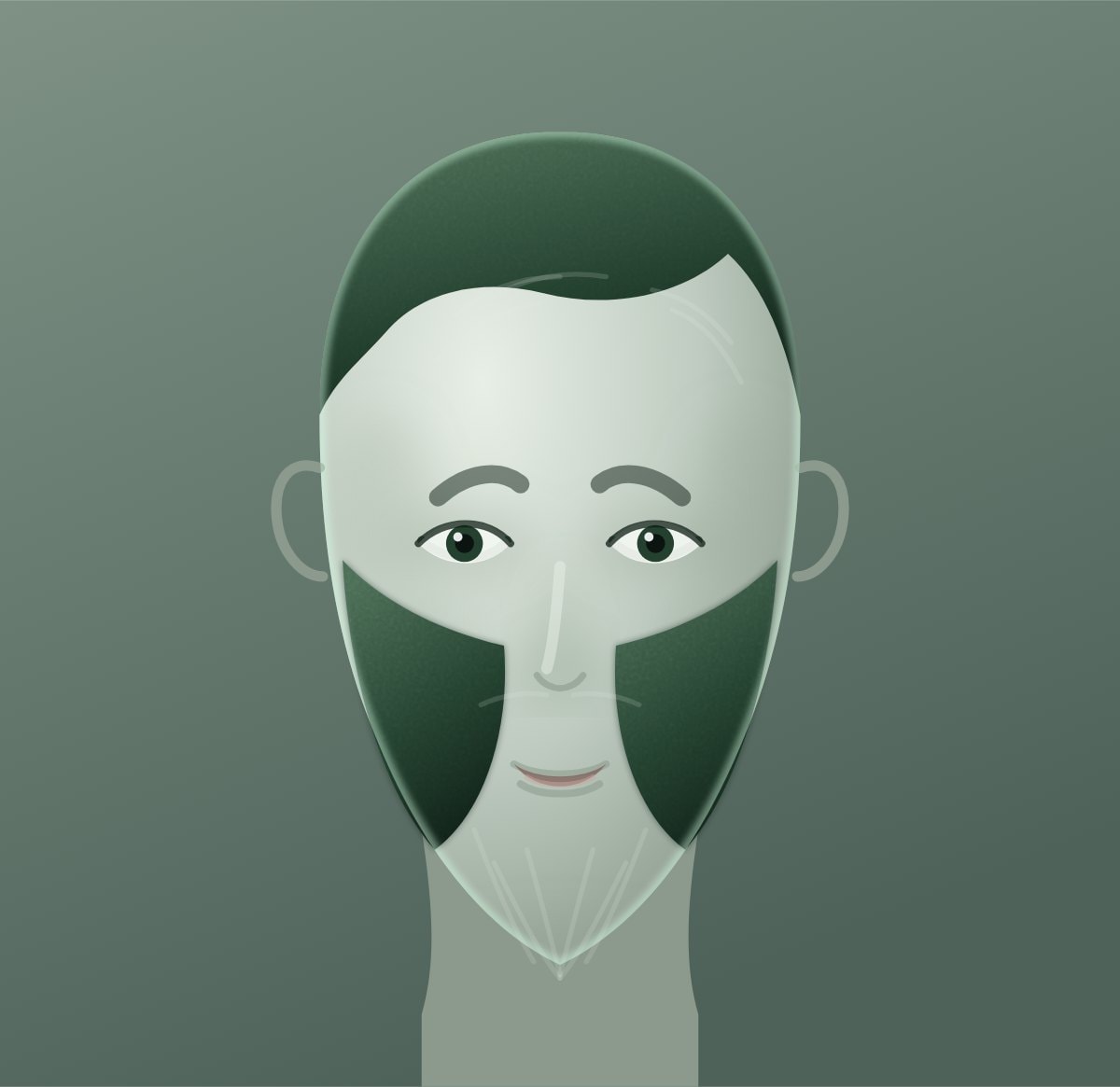
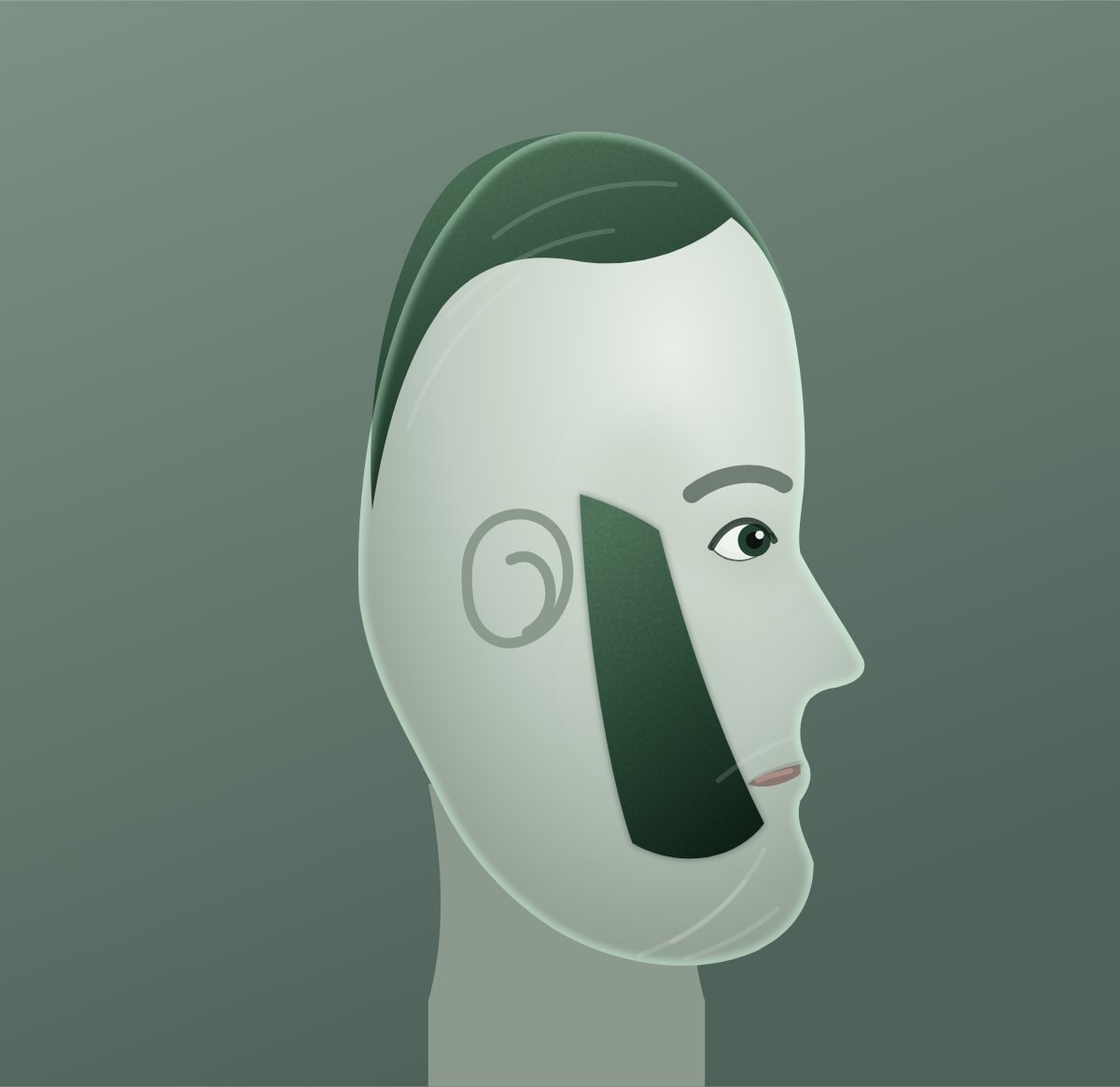
A mutton chops beard is long sideburns grown out and down, covering the cheek and following the jaw, with the chin shaved bare. The chin is the part that matters. Let hair join across it and you have a full beard. Keep it clean and you have one of the boldest beard styles there is.
At a glance
- Also known as
- muttonchops, mutton chop sideburns
- What it is
- Sideburns grown wide down the cheeks, chin shaved.
- Length
- Medium, one to three inches
- Growing time
- 6 to 10 weeks
- Trim how often
- Every 1 to 2 days
- Best face shapes
- Oval, Long
- Moustache
- No
£5 off your first delivery
The chin, the neck and the top lip all come off, every day, right up against the chops.
£5 off your first subscription or VIP order - one per customer, unsubscribe with 1 click
The variations
The same shape, worn differently. What changes is length, density and how much you take off at the edges.
Will it suit your face?
Where a style puts weight, and where it takes it away, is what decides whether it suits you. The table below is the short version.
| Oval | Ideal | Enough room across the cheek to carry the width without crowding. |
|---|---|---|
| Round | Avoid | Broadens the widest part of the face. |
| Square | Ideal | Follows a strong jaw rather than competing with it. |
| Long | Ideal | Width at the cheeks is exactly what shortens a long face. |
| Heart | Works | Balances a wide forehead if kept below the cheekbone. |
| Diamond | Works | Adds width at the jaw, though the cheekbone is already wide. |
How to cut one, in four steps
- Grow it out6 to 10 weeks. Cheek hair is usually the slowest to fill in, so this takes longer than it looks.
- Set the lengthGuarded trimmer, tapering slightly shorter toward the top so they do not merge into your hair.
- Cut the front edgeThis is the line that makes or breaks it. Take it back in small amounts and keep both sides level.
- Shave the chinChin and neck clean. Chops only read as chops when the chin is bare.
Full detail, tools and the common mistakes are in the guide below.
What separates mutton chops from sideburns
The main difference is reach. Ordinary sideburns stop somewhere around the ear. Mutton chops keep going, down the cheek and along the jawline, widening as they go.
The name comes from the shape rather than any person: broad at the top, tapering down, like the cut of meat. You will sometimes read that mutton chops were named after General Ambrose Burnside. That is a mix-up. Burnside gave his name to burnsides, which became sideburns. The chops got theirs from the meat.
They belong to the nineteenth century, when a great deal of facial hair signalled standing, and they have come back periodically since. John Lennon wore a bushy pair through the late sixties. Elvis Presley wore a neat, squared-off version for years.
The main mutton chop beard styles
All of these are the same idea at different widths, and they are among the few beard styles defined by where the hair stops rather than how long it is.
Regular mutton chop beard. Full, long sideburns covering the cheek and jaw, stopping short of the chin, with the top lip bare. The reference version, and the one that needs the most growth.
Friendly mutton chops. The chops connect across the top lip via a moustache, leaving only the chin bare. Softer than the disconnected version and considerably easier to keep, because there is one less edge to hold.
Thin mutton chops. Narrow strips of sideburns following the jaw. Less bulk, sharper lines, and a good option if your cheek growth is fine or patchy, since there is less area to fill.
Chin curtain mutton chops. The hair follows the jawline and carries on under the chin as a narrow band. More structure, and it suits a longer face better than the wide versions do.
Disconnected mutton chops. Chops and moustache both present but deliberately not touching. This is the one to pick if you want a shaped moustache, a handlebar or a horseshoe, to read as its own thing.
V-shaped chops. Cut to a point at the jaw rather than a curve. Angular and aggressive, and it lengthens the face.
Who they suit
A mutton chops beard adds width across the middle and lower face, so it works best where there is room for it. An oval or square face carries them comfortably. A long face benefits, because the width breaks up the length.
A round face is the difficult one. Wide chops broaden the widest part of the face, which is why the thin and V-shaped versions exist. If your face is round and you want chops, go narrow and angular rather than full.
Density decides more than face shape here. Chops live on the cheeks, and cheek hair is the last to fill in for most men. If yours comes through thin, the thin or disconnected mutton chops will serve you far better than the regular one.
Growing them
Six weeks before you cut anything, and longer if your cheeks are slow.
Grow everything. Do not try to shape a mutton chops beard out of partial growth, because you cannot see where your density sits until it is all in. Full growth first tells you where the strong areas are, and the sideburns get cut around that rather than around a plan you made in week two.
Wash it a couple of times a week, use a little beard oil if the skin gets itchy, and brush downward so the hair trains along the line you will cut.
Cutting the line
The front edge is the whole style. Everything else is length.
Set the length with a guarded trimmer, keeping the sideburns slightly shorter toward the top so they blend into your hair rather than stopping in a band.
Then cut the front edge. Work outside inward, small amounts, alternating sides. Mark where it should sit first, using the corner of your mouth as a reference. Chops that end too far forward crowd the face.
Shave the chin and neck clean, and keep the top lip bare unless you are going for the friendly version. Sharp lines are what make chops read as deliberate rather than as a beard someone gave up on.
Keeping them
Every day or two, because two thirds of this style is shaved skin.
The chin, the neck and the top lip all stay clean, right up against a hard edge. That daily contact between blade and edge is why a mutton chops beard is more work than a full beard, despite covering less of your face.
Once a week, re-check the front edges against each other. Chops drift forward without anyone noticing, and the difference between the two sides shows in photographs long before it shows in the mirror.
What goes wrong
The two sides stop in different places. The most common fault by far. Measure against a fixed landmark rather than judging by eye.
They creep forward onto the cheek. Re-cut the front edge weekly, not when it starts to bother you.
The chin gets neglected. Stubble on the chin turns chops into a badly kept beard. This is the fastest way to lose the look.
They stop dead at the top. Sideburns need to blend upward into your hair. A hard horizontal line at the top looks stuck on.
Questions we get asked
How long does it take to grow mutton chops?
Six weeks minimum before shaping, and up to ten if your cheek growth is slow. Grow the full beard first so you can see where your density really is.
What is the difference between a mutton chops beard and sideburns?
The main difference is reach. Sideburns stop near the ear. Mutton chops carry on down the cheek and along the jaw, and they are usually much wider.
What are friendly mutton chops?
Chops joined across the top lip by a moustache, with only the chin shaved. Easier to maintain than the disconnected version because there is one less edge to keep sharp.
Do mutton chops suit a round face?
The full versions rarely do, because they add width where there is already width. Thin or V-shaped chops work better, since they bring some angle to the jaw.
Can you grow mutton chops with patchy cheeks?
Thin or disconnected chops, yes. The regular style needs dense cheek growth and will look sparse without it.
How often do mutton chops need trimming?
The shape needs attention every few days. The shaved areas, chin, neck and top lip, need doing every day or two, and that is what actually keeps them looking sharp.
Other cheek styles
Same shape, different length or moustache.
If this one is too much work
Same idea, less of your morning.
Browse by what matters to you
The same directory, cut a different way.