
O Diário do Coronel / Cuidados e Guias
Should Men Shave Their Armpits? Pros, Cons and How to Do It Without the Bumps
Última atualização em
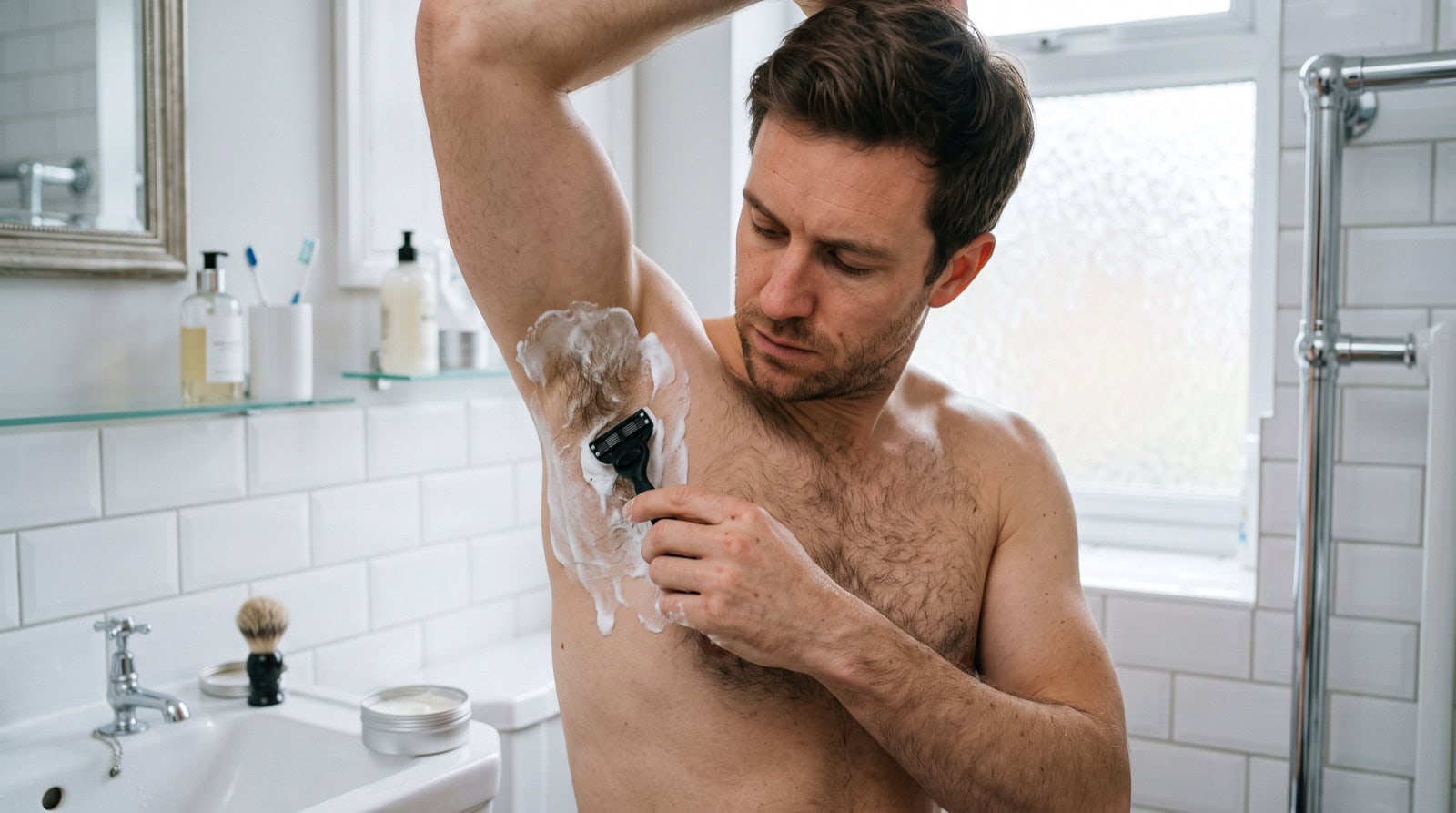
Plenty of men shave or trim their armpits now, and plenty leave them alone. Neither is more hygienic than the other. Soap and water do that job. What shaving changes is how sweat sits on the skin, how your deodorant works, how a shirt feels by the end of the day, and how likely you are to get an ingrown armpit hair. Here is the honest case for and against, a step-by-step for shaving your armpits without the itch and bumps, and what to do if one does grow in.
Nesta página
Pontos-chave
- It is a personal preference. Washing is the easiest way to control odour, whether or not you have hair under your arms.[1]
- Shaving does not reduce how much you sweat. It lets sweat evaporate more quickly, before it has as much chance to smell.[1]
- The main downside is irritation. Underarm hair is coarse and grows in several directions, and the skin folds, so skin irritation and ingrown hairs are common.
- A sharp blade and a proper shaving cream do most of the work. Most armpit trouble starts with a dull blade dragged over dry skin.
- Trimming is a perfectly good middle ground. Shorter hair with almost none of the irritation.
Do men shave their armpits?

More than you might think. Swimmers, cyclists and gym regulars have done it for years, and it has spread into everyday body grooming alongside trimming the chest and tidying up below the belt. Plenty of other men keep their underarm hair and never give it a thought. Both are fine.
Shaving your armpits with a tired blade is asking for bumps. The Bearded Colonel envia recargas novas de cinco lâminas de acordo com o calendário que escolher, a partir de 1,75 £ por recarga.
Veja os planosArmpit hair is normal body hair. One thing it does is stop skin rubbing on skin when you move, for example when running.[2] Removing it is not needed for good hygiene. What keeps odour in check is washing with soap and water, clean clothes and a deodorant or antiperspirant that suits you.
So the real question is what you want from it. These are the situations where men usually try shaving or trimming:
- sweat patches that show at work
- sport or the gym, where long hair mats and tugs under a tight top
- a cleaner look and feel as part of general body grooming
- wanting deodorant to sit on the skin rather than on the hair
The case for shaving your armpits
Deodorant reaches the skin. With no hair in the way, deodorant and antiperspirant go straight onto the surface where they work, rather than coating the hair.
Less odour. Sweat itself does not smell. Underarm odour comes from bacteria acting on the sweat from the apocrine glands in your armpits.[1] With no hair, sweat evaporates more quickly, before it can produce an odour.[1] Washing is still the easiest fix.
Sweat dries faster. It does not make you sweat less. The same sweat simply evaporates more quickly from smooth skin.[1]
Comfort in sport. No matting or pulling under a fitted jersey or compression top.
You can see your skin. Easier to spot a rash, a lump or anything new that is worth showing a GP.
And some people simply prefer the look, the same way they have views on beard length or a clean beard neckline.
Reasons not to shave your armpits
There is nothing unhygienic about keeping your armpit hair. It cuts down skin-on-skin rubbing, which runners in particular may miss[2], and many men just prefer the natural feel and the lack of upkeep.
Shaving also brings problems that hair does not. The underarm is a tricky place for a razor: a deep hollow, coarse hair growing in several directions, and constant rubbing from your arm and your shirt. Cut that hair right at the skin and a sharp tip can curl straight back into the skin, which is how ingrown hairs start. Add a blunt blade or a dry shave and you can get razor burn as well: red, hot, itchy skin that stings when deodorant goes on.
Then there is regrowth. A smooth look means shaving every few days, and the stubble in between can prickle.
Think of it as three options rather than two: leave it, trim it, or shave it. Try one for a few weeks and see what your skin says.
How to shave your armpits, step by step
If you do shave, this routine keeps irritation to a minimum. It is the same approach as shaving any body hair: soft hair, a slick layer of shaving cream, a sharp blade and no pressure.
- Trim first. If the hair is longer than about a centimetre, take it down with a body trimmer or scissors. Long hair clogs a cartridge and pulls.
- Shave in or after a warm shower. Warm water softens the hair and rinses off old deodorant and sweat. Our guide on se se deve fazer a esfoliação antes ou depois do barbear covers the prep in more detail.
- Lather properly. Work a good layer of shaving cream into the hair and skin. Cream gives a thick cushion that stays put in the hollow of the armpit.
- Lift your arm high. Raising your arm flattens most of the hollow, so the blade glides instead of catching on folds. Avoid pulling the skin tight with your other hand if you get ingrown hairs, as that makes it easier to cut the hair too short.[3]
- Go with the grain first. Underarm hair often grows in two or three directions, so look before you shave and shave in the direction each patch grows. Short, light strokes. Only go across the grain gently on a second pass if you need to, and our guide on why not to shave against the grain explains why that last step is where trouble starts.
- Rinse the razor often. Underarm hair is dense and clogs blades quickly. Rinse after every stroke or two and tap the razor on the basin rather than wiping the edges.
- Rinse, pat dry and check. Cool water, a clean towel, then look for missed patches. Fewer passes is kinder to the skin than going over the same spot again and again.
- Give it a few minutes before deodorant. Freshly shaved skin can sting. Let it settle, and if you are prone to stinging, a light, fragrance-free moisturiser first can help.
The blade is the step that matters most. A cartridge that is past its best tugs at coarse hair instead of cutting it, and that tug is behind most of the redness and bumps people get under the arm.
Da estante do Coronel
A sharp blade and a proper cream, for under the arms too
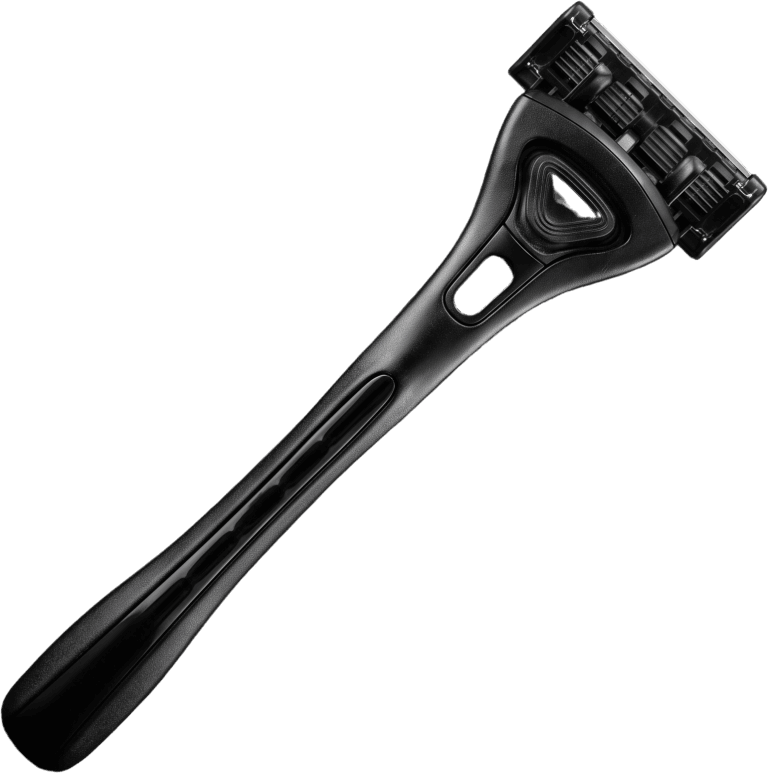
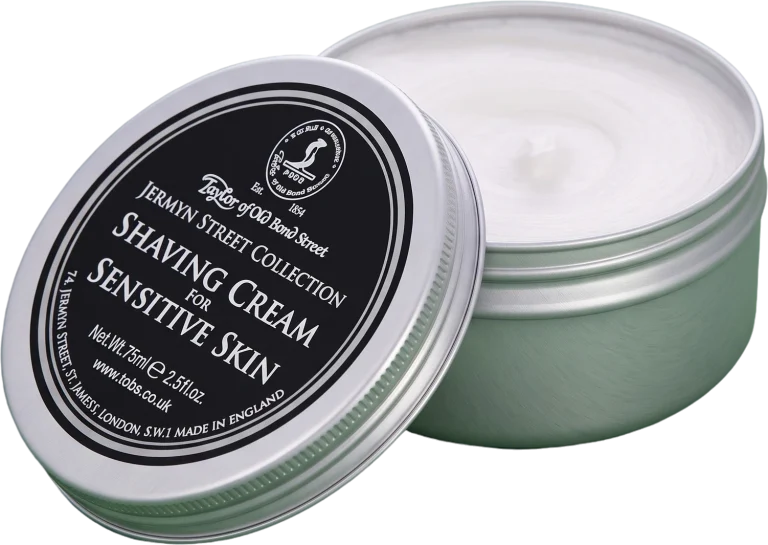
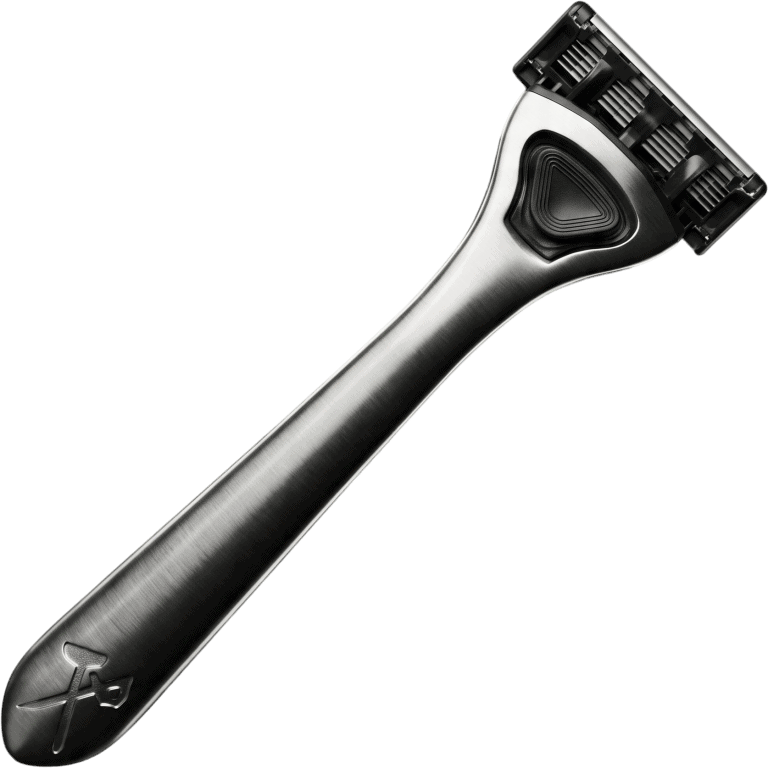
Todas as primeiras encomendas do modelo Classic ou VIP incluem uma garantia de reembolso de 30 dias. Experimente-o durante um mês e, se não for do seu agrado, reembolsamos-lhe o valor total sem que tenha de devolver o produto.
How to prevent ingrown hairs, bumps and irritation under the arms
The underarm area makes irritation easy: folds, sweat, friction and thick hair. The goal is to cut each hair cleanly without dragging over the hair follicle again and again. These habits make the biggest difference.
- Use a fresh, sharp blade. A blunt razor is on the NHS list of things to avoid if you get ingrown hairs.[4] If you are not sure when you last changed yours, read com que frequência se deve trocar a lâmina de barbear.
- Wash before you shave. A mild wash clears old deodorant and sweat that clog the blades.
- First pass with the grain. Shaving in the direction the hair grows is standard advice for avoiding ingrown hairs.[4]
- Gently exfoliate once or twice a week. A soft cloth in small circular motions helps remove dead skin cells that can trap a hair. Do not scrub hard on freshly shaved skin.
- Moisturise afterwards. A light, fragrance-free cream helps settle the skin.
- Wear something loose for the rest of the day. Tight tops rub freshly shaved skin.
- Space out shaves if your skin is sore. Trim between shaves rather than shaving through inflammation, which only makes it worse.
If you get bumps elsewhere too, our guide to irritações causadas pelo barbear goes into causes and fixes in more depth.
Ingrown armpit hair: how to treat it
An ingrown armpit hair (or ingrown underarm hair, same thing) is a hair whose tip curls back into the skin, or grows sideways under it, instead of breaking the surface. It is most common with coarse or curly hair, very close shaves and tight clothing that presses the stubble back in.
What it looks like. A small, tender, raised bump, sometimes with a dark hair visible under the skin, sometimes with a head of pus. It can be itchy, and it can be painful when your arm presses against your side.
What usually causes it. A blunt blade, shaving against the grain, shaving dry or with too little shaving cream, and tight tops.
What you can do at home.
- Stop shaving that area until it settles.
- Hold a warm, damp cloth on it for 10 to 15 minutes, three or four times a day, to soften the skin.[5]
- Once the skin has calmed, exfoliate gently to help the hair find its way out.
- Do not dig at it or squeeze it. That can damage the skin and lead to infection.[4]
- A pharmacist can suggest a gentle product, such as one with salicylic acid, to help reduce inflammation and clear the dead skin around it.
Most settle on their own within a few days once you stop shaving over them[6], which is the simplest way to treat ingrown hairs. Our guide on como eliminar os pêlos encravados covers the rest. See a GP or pharmacist if the pain gets worse, if the bump gets hot, very red or swollen, if redness starts to spread, if you feel unwell, or if they keep coming back. Lumps in the armpit that are not clearly a hair are also worth getting checked.
Alternatives to shaving: trimming and other options
You do not have to choose between a full bush and a completely smooth underarm.
- Trimming. A body trimmer or electric razor with a guard takes the hair down to a few millimetres. Most of the benefits for sweat and deodorant, almost none of the irritation, because the hair is never cut below the skin. This is where most men end up.
- Scissors. Fine for a quick tidy of the longest hairs if you do not own a trimmer. Go slowly.
- Waxing. Lasts longer than shaving because the hair comes out at the root, but it hurts, and the underarm is a sensitive spot for it. Our barbear vs. depilação com cera vs. creme depilatório guide compares all three.
- Hair removal cream. Dissolves the hair at the surface. Like all hair removal products, patch test first, as underarm skin can irritate easily.
- Depilação a laser. A clinic treatment over several sessions to reduce growth for the long term. Expensive, and needs professional advice.
Of all the ways of removing hair, shaving is the cheapest and quickest, and trimming is the gentlest.
If you are tidying up elsewhere, the same rules apply on the neck, the chest e pernas.
Perguntas que as pessoas fazem
Does shaving your armpits reduce sweat?
No. Shaving removes hair, not sweat glands, so you sweat the same amount. Without hair, the sweat evaporates more quickly.[1] For heavy sweating, an antiperspirant and breathable fabrics do far more than a razor.
Should I shave my armpit hair or just trim it?
If you mainly want less bulk and less sweat clinging to the hair, trim it. If you want completely smooth skin and your skin copes well, shave it. Trimming gets you most of the benefit with very little irritation.
How often should men shave their armpits?
Every three to five days keeps them neat for most men. If you are new to it, start with once a week and see how your skin reacts. Do not shave over sore or bumpy skin. Trim and let it recover first.
Is it more hygienic for men to shave their armpits?
Not really. Hygiene comes from washing and wearing clean clothes.[1] Unshaved armpits are just as clean when they are washed properly.
Can I use the same razor on my face and armpits?
You can, but dense underarm hair blunts a blade faster, so the edge will not last as long on your face. Many men keep a separate cartridge for body shaving. Whatever you do, rinse and dry the razor after each use and store it somewhere airy.
Why do my armpits sting after shaving?
Usually a blade that is not sharp enough, too little shaving cream, or deodorant going on straight away. Rinse with cool water, pat dry and leave deodorant off for a while. Next time, use a fresh blade, more cream and lighter strokes.
Fontes
- Harvard Health Publishing, What’s that smell? Get rid of body odor
- Cleveland Clinic, Axilla (Armpit) Anatomy
- Associação Britânica de Dermatologistas, Pseudofoliculite (folheto informativo para o doente)
- NHS, Pêlos encravados
- Cleveland Clinic, Como remover um pêlo encravado em casa
- Cleveland Clinic, Ingrown Hair: What It Looks Like, Causes, Treatment and Prevention
Perdeu um lugar?
Mais de Cuidados e Guias
How to Shave Your Back: Solo, With Help, and Without the Rash
Your back is the one part of your body you cannot see and can barely reach, which is why back hair removal goes wrong more often...
Best Shaving Cream for Sensitive Skin: What to Look For
If your face goes red, tight or itchy every time you shave, or razor burn follows every shave, the shaving cream is one of the...
Lâmina de barbear de uma lâmina vs. de cinco lâminas: de quantas lâminas precisa realmente?
A single blade razor uses one exposed edge. A 5 blade razor stacks five thin blades in a pivoting cartridge.