
The Colonel’s Journal / Hair and skin
How to Get Rid of Ingrown Hairs (and Get One Out Safely)
Last updated on
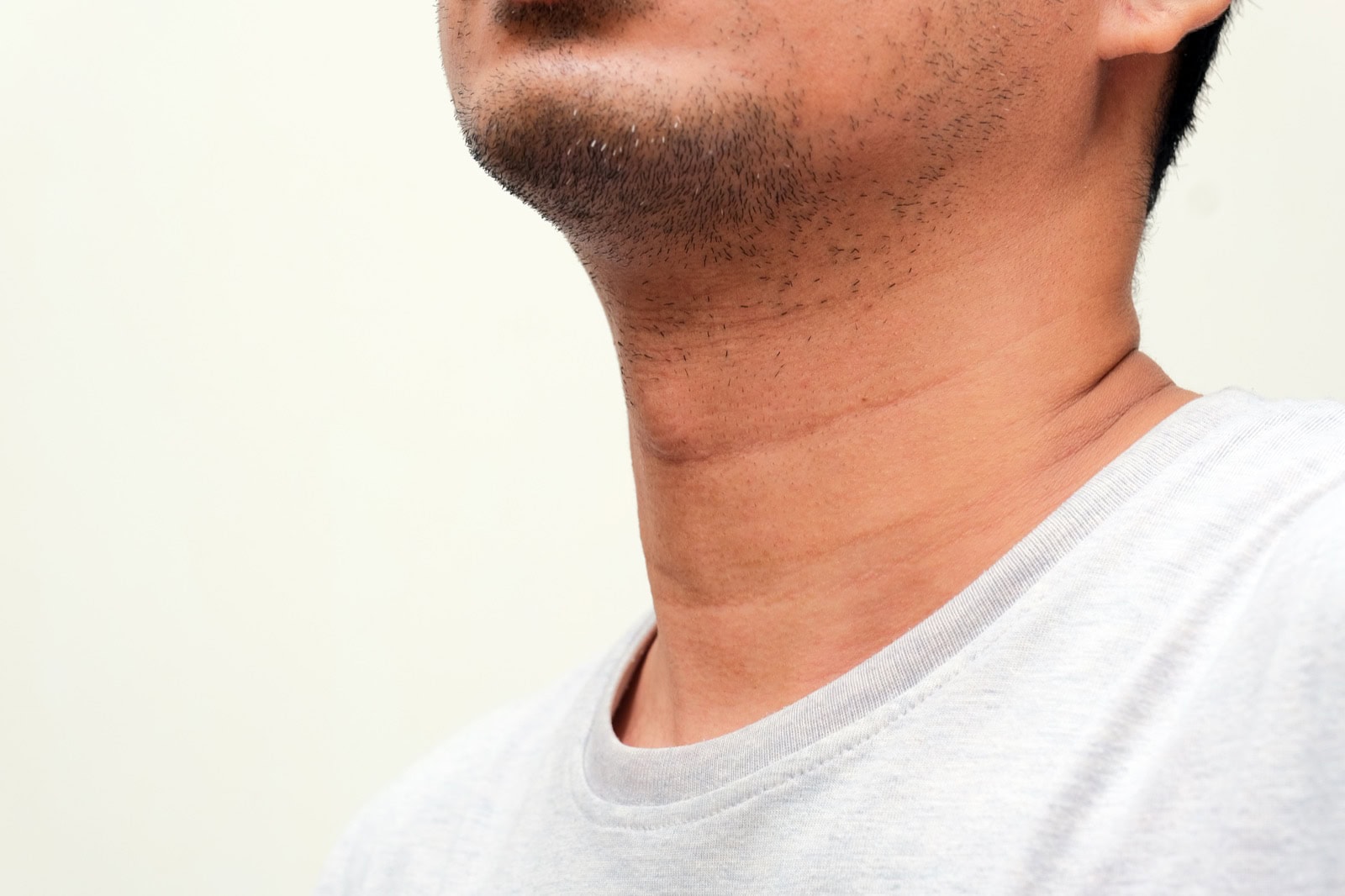
An ingrown hair is a hair that has curled back or grown sideways into the skin instead of coming straight out of the hair follicle. It leaves a small, sore, itchy bump that can look a lot like a spot, and it can turn up anywhere you shave, wax or pluck: legs, chest, back, neck, groin or face. Most settle on their own. Some need a little help, and a few need a GP. Here is how to tell which is which, how to get an ingrown hair out without making it worse, and how to stop them coming back.
On this page
Key takeaways
- Most ingrown hairs clear up by themselves once you stop removing hair in that spot for a while. Leaving them alone is often the best treatment.
- To free a hair that is clearly visible at the surface, soften the skin with a warm compress, then ease it out with clean tweezers. Never dig.
- Do not squeeze an ingrown hair pimple. It pushes infection deeper and makes scarring and dark marks more likely.
- Prevention comes down to a few habits: a sharp blade, a proper shaving cream, shaving with the grain, regular gentle exfoliation and looser clothes after shaving.
- See a pharmacist or GP if a bump is very painful, hot, spreading, full of pus, or keeps coming back.
What is an ingrown hair?
Normally new hair grows up through the follicle and breaks through the skin’s surface. An ingrown hair goes wrong in one of two ways. Either the tip curls round and grows back into the skin, or a hair cut very short slips back below the surface and grows into the wall of the follicle.[1]
Ingrown hairs often start with a blunt blade. The Bearded Colonel posts fresh five-blade refills through your letterbox on the schedule you choose.
See the plansYour body treats the trapped hair like a splinter, so the area becomes inflamed.[1] You might see:
- small, raised, itchy bumps, which look red on white skin and can be harder to see, or a different colour, on black or brown skin[2]
- a bump with a white or yellow head, which is why people call it an ingrown hair pimple
- a dark line or loop of hair just under the skin
- itching, tenderness or a sting when clothes rub it
A larger, firmer ingrown hair lump that sits deeper in the skin is sometimes called an ingrown hair cyst. These are worth leaving to a professional rather than tackling at home.
Why ingrown hairs happen
A few things make ingrown hairs more likely:
- Curly or coarse hair. The natural curl points the tip straight back at the skin.[2] That is why the groin (ingrown pubic hair is common), the beard line and the legs are the usual spots.
- Shaving, waxing and plucking. All of them can cause ingrown hairs, shaving most of all.[2]
- A blunt blade. Dull razors tug instead of cutting cleanly.[2]
- Shaving too close. Stretching the skin tight or going against the grain can cut the hair so short that it slips back below the surface.[1]
- Dead skin. A build-up of dead skin cells can plug the follicle opening.
- Tight clothing. Jeans, leggings and tight waistbands add friction over freshly shaved skin.[3]
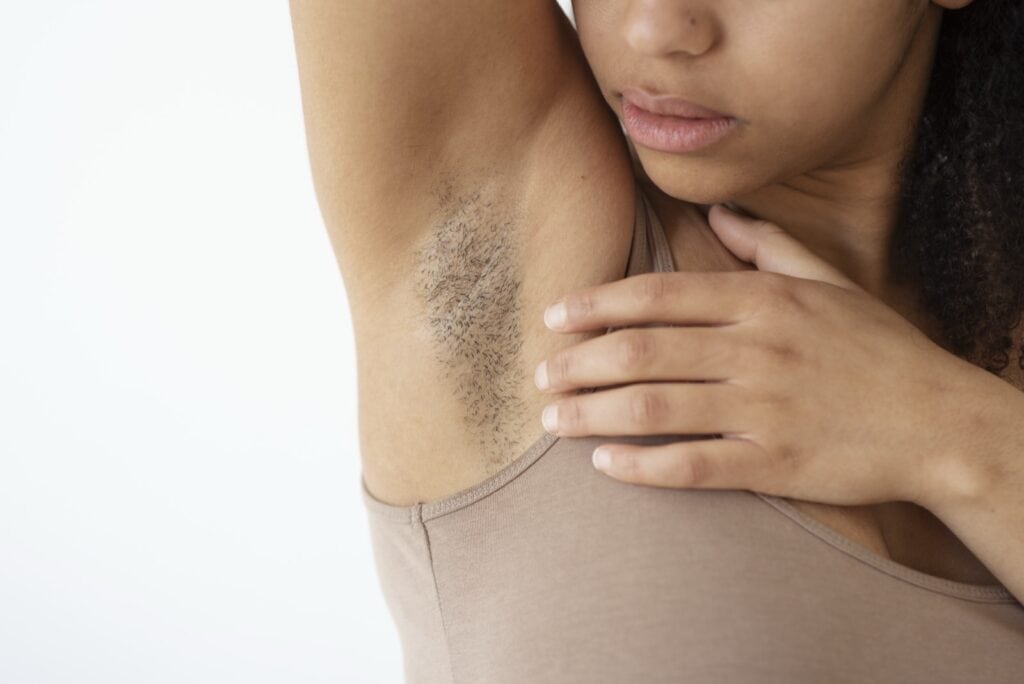
Facial shaving has its own version of the problem, often called razor bumps, shave bumps or barber bumps, and ingrown beard hair is behind most of them. Our guide to razor bumps and shaving rash covers the face and neck in detail. This article looks at ingrown hairs anywhere on the body, and at getting a single one out. If your skin stings and reddens straight after a shave rather than a day or two later, that is more likely razor burn.
How to get rid of ingrown hair at home
For a single bump that is not badly inflamed, this is the gentle way to deal with it.
- Stop removing hair in that spot. No shaving, waxing or plucking over the bump until it has settled. This alone is often enough.
- Apply a warm compress. Hold a warm, damp (not dripping) flannel on the bump for 10 to 15 minutes, three or four times a day.[3] Warmth softens the skin.
- Exfoliate, gently. A soft washcloth or mild scrub can help release a trapped hair.[2] Go easy: scrubbing inflames the skin and can leave dark marks.[3]
- Keep it clean. Wash with a mild, unperfumed soap or wash and pat dry.
- Leave it alone. Avoid scratching or picking.[2] Most ingrown hairs go away on their own within a few days, though bad ones can take several weeks.[4]
A pharmacist can suggest an over-the-counter product to treat ingrown hairs that are itchy or inflamed, or a gentle exfoliating lotion to help keep follicles clear. Some people use a benzoyl peroxide wash, but it can dry and irritate the skin, so ask a pharmacist first and keep it off broken or intimate skin.
How to get an ingrown hair out safely
Only try to remove an ingrown hair yourself if you can see the hair, or a loop of it, right at the surface, and the area is not badly swollen, hot or full of pus. If you cannot see the hair, leave it. The NHS advises against picking at ingrown hairs[2], so if you are in any doubt, leave it alone or let a GP deal with it.
- Soften the skin with a warm shower or a warm flannel for 10 to 15 minutes.
- Wash your hands and the area with warm, soapy water.
- Clean a pair of fine, angled tweezers with rubbing alcohol.
- Grasp only the visible hair and gently ease it out of the skin. Good light and a magnifying mirror help. Do not dig, cut or poke into the skin to reach it.[3]
- Free the end, but do not pluck the hair out. Dermatologists advise against plucking if you are prone to ingrown hairs.[1] Let it sit on the surface and grow out normally.
- Clean the area again and leave it to settle. Hold off shaving that spot for a few days.
If the hair will not come easily, stop. Repeated attempts are how a minor bump becomes an infected one or leaves a scar.
Should you squeeze an ingrown hair pimple?
No. It is tempting, because it looks like a spot. Squeezing damages the skin and can lead to infection.[2] Inflamed bumps can also leave dark marks and scars once they heal.[1] Never squeeze ingrown hairs, even pus filled bumps. Warmth and patience work better.
Ingrown hairs on legs
An ingrown hair on the leg is very common, especially on the shins, knees and thighs, where tight jeans and leggings rub. Legs are a large area, so people tend to rush them, shave against the grain, and use whatever razor is to hand.
What helps:
- Shave at the end of a warm shower, when the hair is soft.
- Use a proper shaving cream, not soap or shower gel.
- Shave with the grain, which on most legs means downwards.
- Use a sharp blade and rinse it often. A big area like the legs wears a blade down quickly.
- Exfoliate once or twice a week, on a day you are not shaving.
- Moisturise after shaving, and wear looser clothes for the rest of the day.
Our guide to whether men should shave their legs covers the full routine. For chest hair, our post on shaving your chest without the itch has the same advice for the torso, and our tips for shaving your legs and bikini area cover the bikini line.
How to prevent ingrown hairs
Getting rid of one ingrown hair is the easy part. Stopping the next one comes down to how you remove hair. These habits help most people prevent future ingrown hairs.
Prepare the skin. Warm water softens the hair so it cuts cleanly. Shave after a shower or hold a warm flannel on the area first.
Use a proper shaving cream. A thick lather cushions the blade and lets it glide, so you need fewer passes. Soap and shower gel give a thin, slippery film at best.
Use a sharp razor. A dull blade drags and leaves ragged tips that are more likely to grow back in. Change it as soon as it pulls. Our guide on how often to change your razor covers the signs.
Shave with the grain. Going against the direction of growth cuts the hair below the skin. Our post on why you shouldn’t shave against the grain explains why that matters.
Do not stretch the skin tight or press hard. Both make the blade cut too close.[1] Light pressure and short strokes are enough.
Rinse the blade every few strokes so hair and cream do not clog it.
Exfoliate regularly, but not on shaving day. A gentle scrub or exfoliating wash once or twice a week clears dead skin from the follicle openings. Our guide on whether to exfoliate before or after shaving explains the timing.
Moisturise afterwards with a light, unperfumed moisturising lotion, and give freshly shaved skin some room in looser clothes to cut down friction.[3]
From the Colonel’s shelf
Three things that help stop ingrown hairs
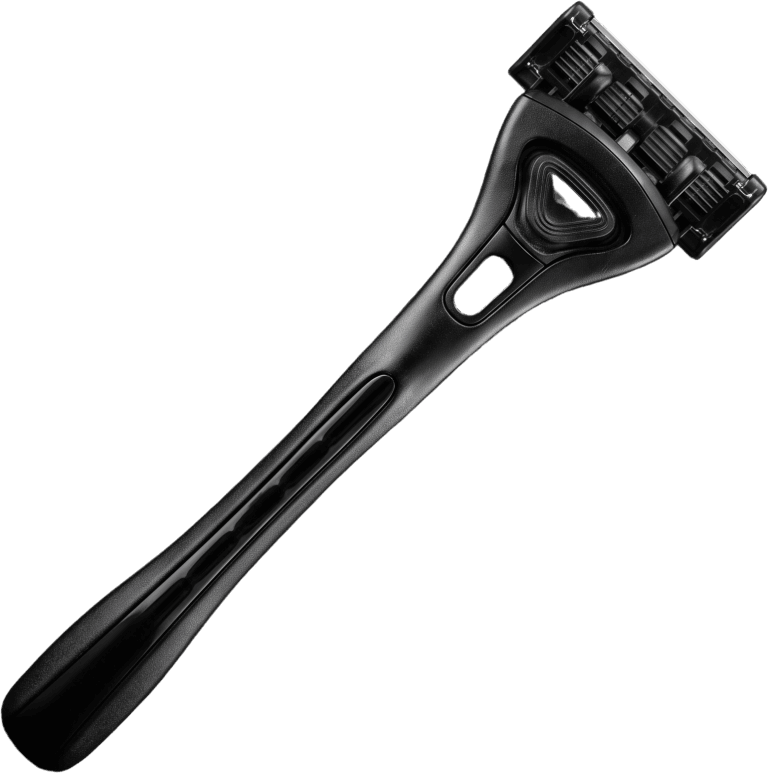
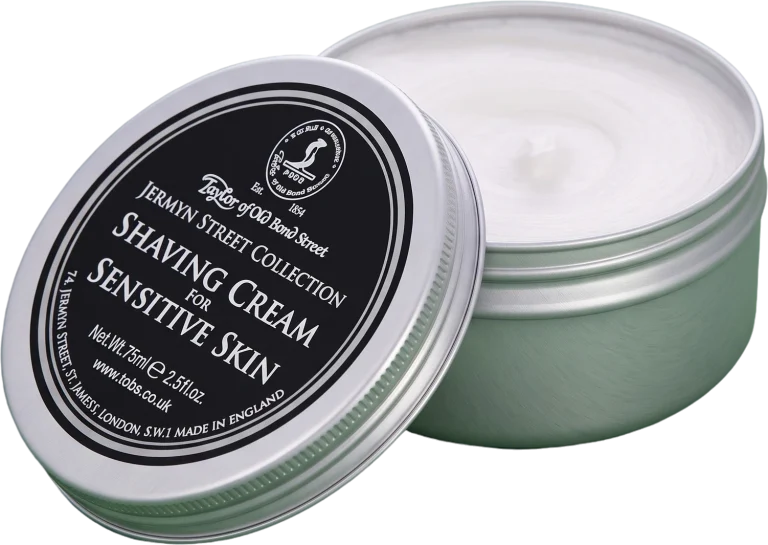
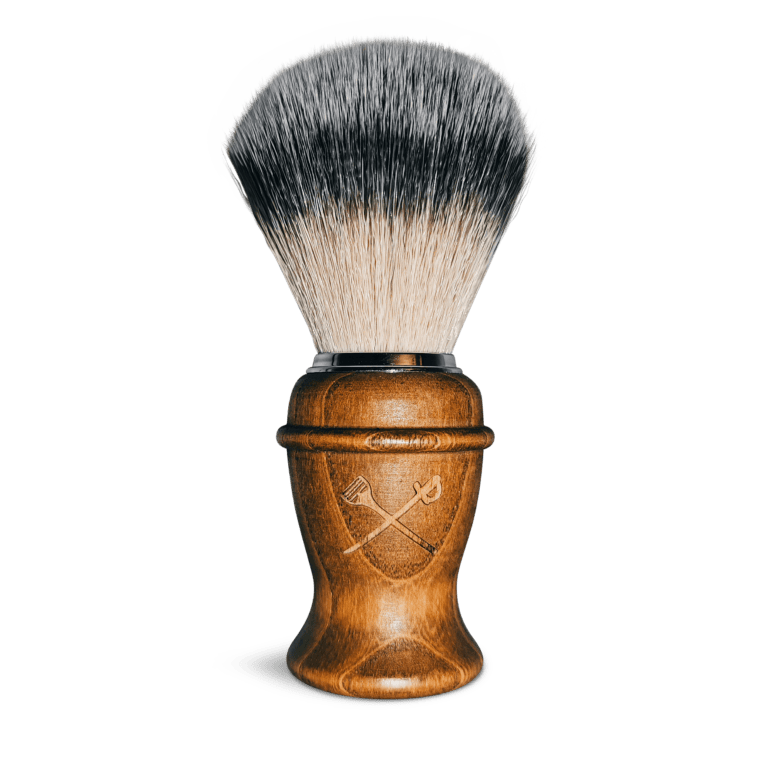
Every first Classic or VIP order comes with 30 days money back. Shave with it for a month, and if it is not for you, we refund it in full with nothing to send back.
Other hair removal techniques and ingrown hairs
No method rules out ingrown hairs completely, but some suit ingrown-prone skin better than others.
| Method | Ingrown hair risk | Notes |
|---|---|---|
| Shaving with a sharp blade and cream | Moderate, lower with good technique | Quick and cheap. Technique makes most of the difference |
| Trimming with clippers | Low | Leaving at least 1mm of stubble helps reduce ingrown hairs[2] |
| Waxing and epilating | Moderate | Pulls hair from the root. Regrowing hair can get trapped under dead skin |
| Hair removal cream (depilatory creams) | Varies | Some people find it avoids ingrown hairs, but many find it irritates the skin[1]. Patch test first |
| Laser hair removal | Low over time | Reduces regrowth. Needs several sessions and is the most expensive option |
Laser hair removal reduces hair growth over a course of sessions, which is why it is sometimes suggested for ingrown hairs that keep coming back.[2] In darker skin it carries a higher risk of changes in skin colour.[1] If ingrown hairs keep appearing in one area, trimming instead of shaving that area for a while is a cheap way to let the skin recover.
When to see a GP or pharmacist
Most ingrown hairs are harmless. Get advice if you notice:
- a bump that is getting more painful, hot or swollen
- yellow or green pus, or redness spreading out from the bump
- a fever or feeling generally unwell
- a large, deep or very painful ingrown hair lump
- ingrown hairs that keep coming back in the same place, or leave scars or dark patches
A pharmacist is a good first stop for mild cases. A GP can prescribe an antibiotic cream or tablets for an infection or a steroid cream for swelling, free a stubborn hair with a sterile needle, or suggest other options if the problem keeps recurring.[2] If you are unsure how urgent it is, NHS 111 can advise.
Questions people ask
How do you get rid of an ingrown hair fast?
Stop removing hair in that spot and hold a warm, damp flannel on it for 10 to 15 minutes, three or four times a day. If the hair is clearly visible at the surface, ease it out with clean tweezers. Do not dig or squeeze.
Do ingrown hairs go away on their own?
Most do, usually within a few days, especially if you stop shaving or waxing the area while it heals.[4] See a pharmacist or GP if one gets worse or home care is not helping.
Should I pull out an ingrown hair?
Free the end from the skin if it is clearly at the surface, but do not pluck the whole hair out. Dermatologists advise against plucking if you get ingrown hairs.[1]
What is the hard lump under an ingrown hair?
It is usually inflammation around the trapped hair. A small one tends to settle with warmth and time. A large, deep or painful ingrown hair lump should be checked by a GP rather than squeezed.
Why do I keep getting ingrown hairs on my legs?
Usually a mix of shaving against the grain, a blunt blade, no proper shaving cream, and tight clothes afterwards. Fix those, exfoliate once or twice a week, and most people see far fewer.
Can a better razor help prevent ingrown hairs?
A sharp blade helps more than the brand. A fresh blade cuts cleanly instead of tearing, and changing it before it starts to pull is one of the simplest ways to cut down on ingrown hairs.
Sources
- British Association of Dermatologists, Pseudofolliculitis (patient information leaflet)
- NHS, Ingrown hairs
- Cleveland Clinic, How To Get an Ingrown Hair Out at Home
- Cleveland Clinic, Ingrown Hair: What It Looks Like, Causes, Treatment and Prevention
Missed a spot?
More from Hair and skin
Strawberry Legs: What Causes Them and How to Get Rid of Them
Strawberry legs are the tiny dark dots that show up across your shins and thighs, usually most obvious a day or so after you...
Razor Burn: What It Is and How to Get Rid of It
Razor burn is the hot, stinging redness that turns up within minutes of a shave.
Buzz Cut Styles for Men: The Looks Worth Trying
A buzz cut is a short, low-maintenance hairstyle made with clippers, where the hair is clipped very short using a guard to...