
Bandholz beard
the full beard with no shaping at all
A Bandholz is a full beard grown out and left alone. No cheek line, no trimmed bottom, no shaping of any kind beyond keeping the neck tidy. You grow it, you look after it, and you do not cut it. It is the least worked entry in the directory, which is not the same thing as the easiest.
It is named after Eric Bandholz, who founded Beardbrand and popularised the look, and it also goes by the yeard (a year's growth) and the terminal beard.
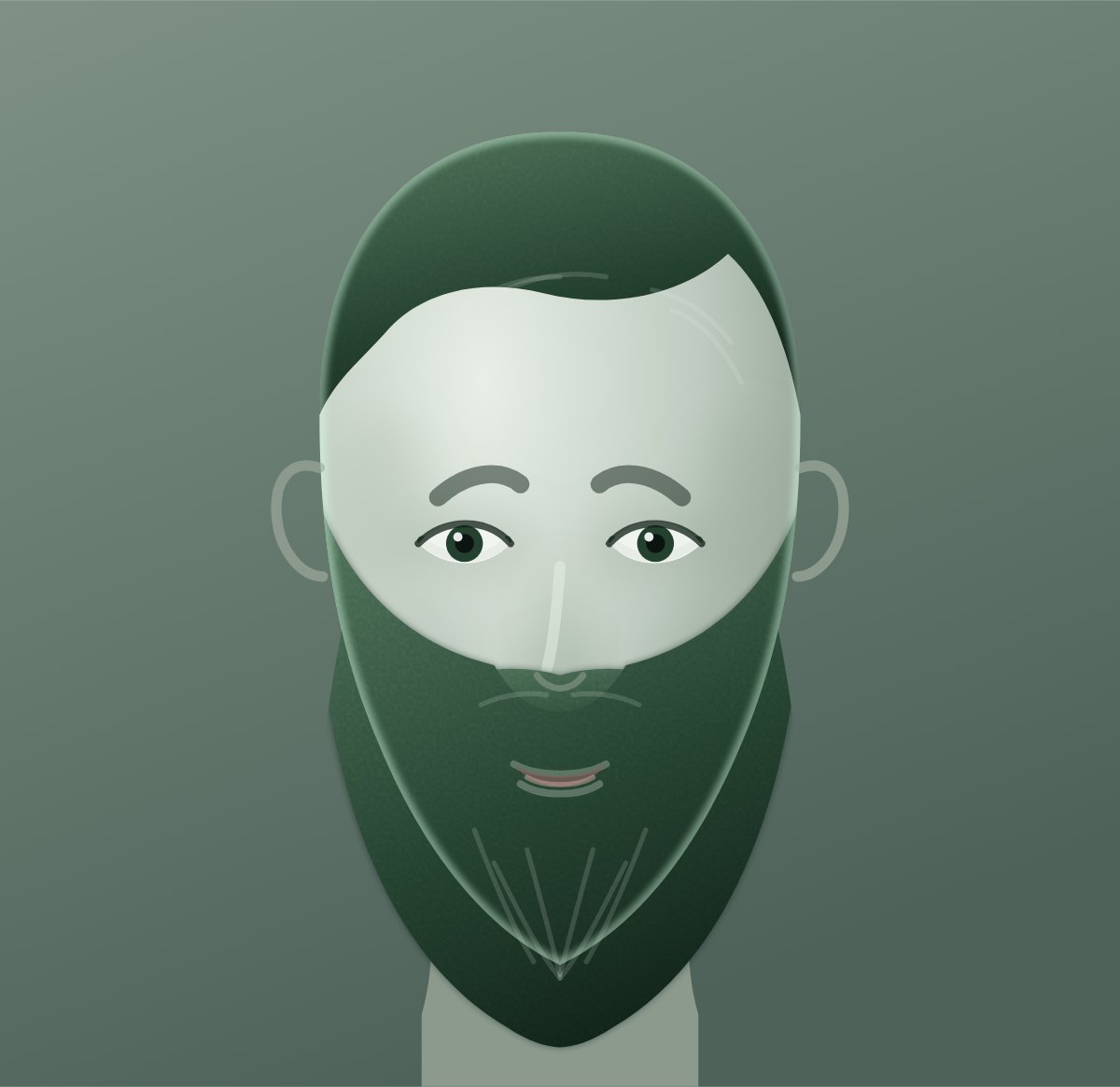
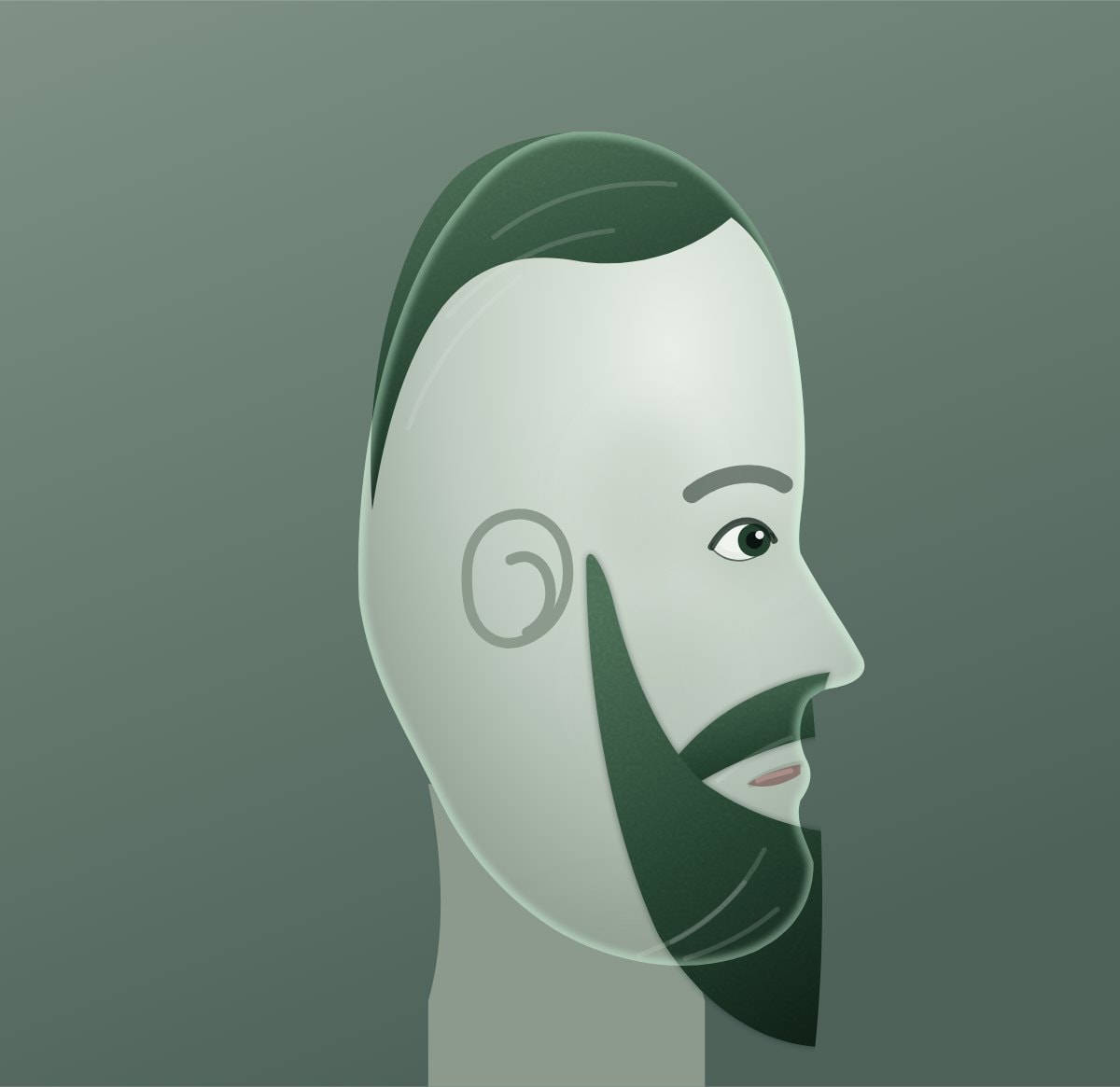
At a glance
- Also known as
- yeard, terminal beard
- What it is
- A full beard left to grow with no shaping.
- Length
- Long, three inches and up
- Growing time
- 4 to 6 months or more
- Trim how often
- Every week or two
- Best face shapes
- Oval, Long
- Moustache
- Yes
£5 off your first delivery
The Bandholz is famously unshaped, which leaves the neck as the only line you are still responsible for.
£5 off your first subscription or VIP order - one per customer, unsubscribe with 1 click
The variations
The same shape, worn differently. What changes is length, density and how much you take off at the edges.
Will it suit your face?
Where a style puts weight, and where it takes it away, is what decides whether it suits you. The table below is the short version.
| Oval | Ideal | Takes almost any length and shape without fighting the proportions. |
|---|---|---|
| Round | Avoid | Adds width where there is already width. A chin-led style suits better. |
| Square | Works | Round the corners off or it doubles up on a jaw that is already strong. |
| Long | Ideal | Width at the cheeks shortens the face. Keep the chin short, not pointed. |
| Heart | Works | Weight low balances a wide forehead, so long as the cheeks stay tidy. |
| Diamond | Ideal | Fills the narrow jaw and squares off the lower face. |
How to cut one, in four steps
- Grow it out4 to 6 months or more. Cutting into a beard that has not filled in leaves holes you then have to grow out again.
- Set the lengthStart on a longer guard than you think you need and work down. You cannot put it back.
- Set the necklineTwo fingers above the Adam's apple, curving up to behind the jaw. Higher than that and you lose the jawline.
- Tidy the cheeksFollow your natural cheek line rather than inventing a straight one. Take off anything above it.
Full detail, tools and the common mistakes are in the guide below.
What makes it a Bandholz
The absence of decisions. Every other beard on this site is defined by where you cut it. This one is defined by not cutting it.
Cheeks grow to their natural line. The bottom is wherever the beard reaches. The moustache is full and grows into the beard rather than being styled apart from it.
The only line you maintain is the neckline, and even that is optional depending on how committed you are.
Against a Garibaldi: a Garibaldi is rounded deliberately at the bottom. A Bandholz has no shape imposed on it at all.
Against a Viking: similar length and similar lack of shaping, but a Viking is often braided or otherwise handled. A Bandholz is simply left.
What it actually costs
A year, or close to it. Facial hair grows about half an inch a month, so a beard worth calling a Bandholz is eight to twelve months of not cutting.
The awkward stage, without the option of tidying it. Weeks four to twelve look untidy on everyone. Most styles let you trim your way through that. This one does not, and that is the real difficulty.
Daily care. No shaping does not mean no maintenance. At this length, washing, oiling and combing are what stand between a Bandholz and a mess.
It suits oval and long faces best, since the width helps a long face and an oval face can carry almost anything. On a round face the unshaped sides add width where there is already plenty.
Growing it
There is not much to say, which is the appeal.
Do not trim. Not the cheeks, not the bottom, not to tidy it up before a wedding. Every cut restarts a section.
Keep the neckline if you want it to look deliberate rather than accidental. Two finger-widths above the Adam's apple. Some Bandholz wearers skip even this; it reads very differently and you should decide on purpose rather than by neglect.
Comb it downward daily from about week six. This trains the hair to hang rather than spread and makes the awkward stage noticeably less awkward.
Keeping it
Wash two or three times a week, not daily. Daily washing strips the oils that keep long hair flexible, and dry beard hair breaks.
Oil daily, on a slightly damp beard. Past three or four inches this is not optional.
Comb or brush every day. A wide-tooth comb past six inches. Skipping a week creates tangles that cost you length to remove, which on a beard you are not cutting is genuinely annoying.
Split ends are the one exception to not trimming. Past a year, the very ends will split and the beard stops getting longer because it breaks as fast as it grows. A light dusting of the ends once or twice a year is a reasonable compromise, though purists disagree.
Where it goes wrong
Trimming in month two. The most common way a Bandholz becomes a normal beard.
Skipping the comb. Tangles at this length are expensive.
No neckline at all. Legitimate, but decide it rather than drift into it.
Expecting patchy cheeks to close. They will not. At this length longer hair falls across small gaps, but genuinely sparse growth stays sparse.
Questions we get asked
What is a Bandholz beard?
A full beard grown out with no shaping at all, usually eight to twelve months of growth. Named after Eric Bandholz.
How long does it take?
Eight to twelve months for something recognisable, and longer for real length. About half an inch a month.
What is a yeard?
The same thing: a year of uninterrupted growth. Often used interchangeably with Bandholz.
Do I trim it at all?
Ideally not, beyond the neckline. The one reasonable exception is dusting split ends once or twice a year past the twelve-month mark, since split ends stop the beard gaining length.
Is it low maintenance?
Low shaping, not low maintenance. There is nothing to cut, but daily oil and combing are essential at this length. It appears on our low maintenance list for exactly that reason.
Will it suit me?
It needs even growth and an oval or long face suits it best. On a round face the width works against you.
Other full beards
Same shape, different length or moustache.
If this one is too much work
Same idea, less of your morning.
Browse by what matters to you
The same directory, cut a different way.