
Dutch beard
a wide chin beard with no moustache
A Dutch beard is a full beard grown long and wide from the jaw and chin, flaring outward toward the bottom, with the moustache shaved off entirely. Also called the old Dutch. It is one of only a handful of beard styles that drop the moustache deliberately, and the only one that goes wide with it.
It is the same family as the Amish beard: both are beards without moustaches. The difference is shape. An Amish beard follows the jaw as a curtain; a Dutch flares wide and heavy at the bottom.
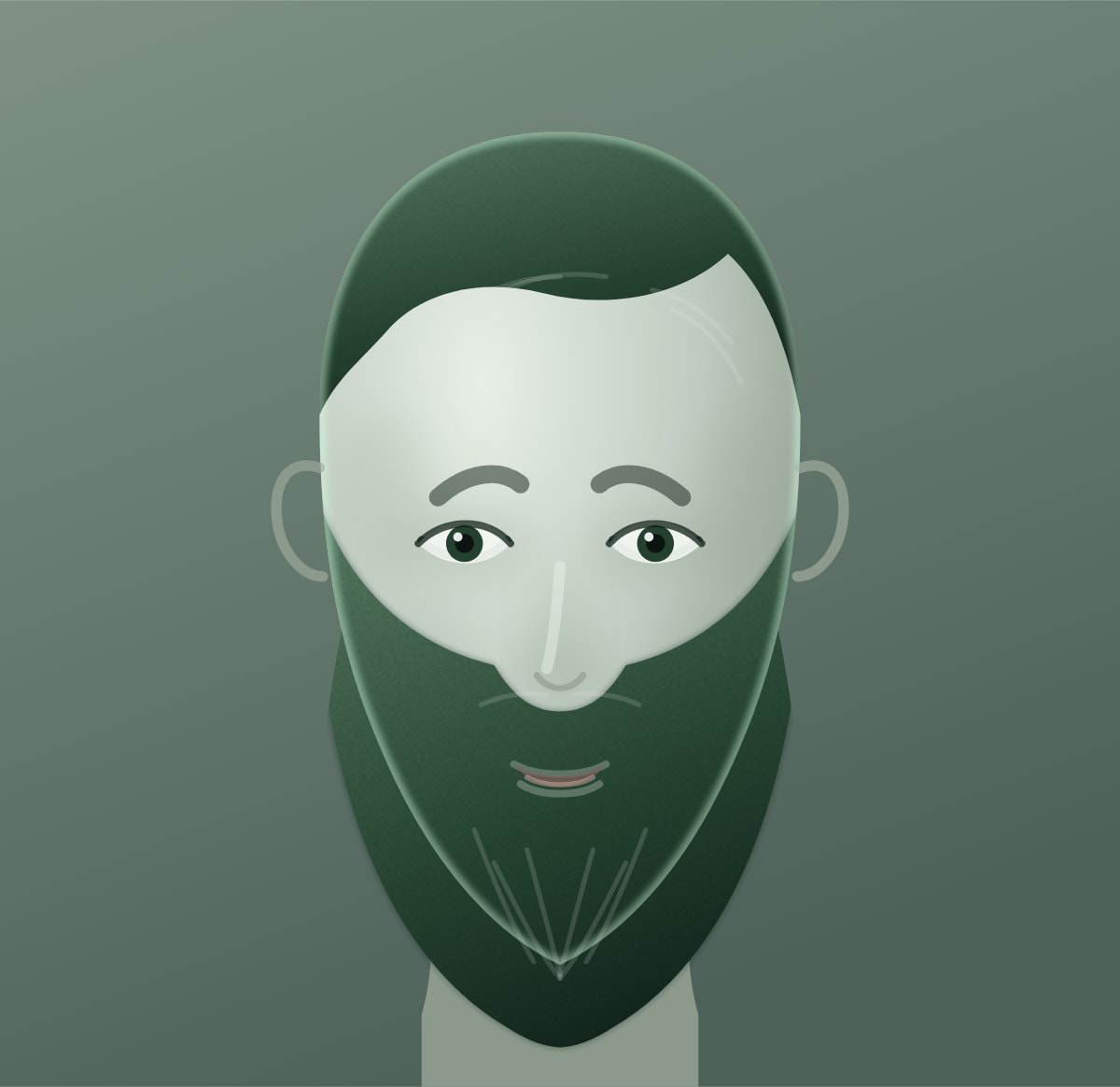
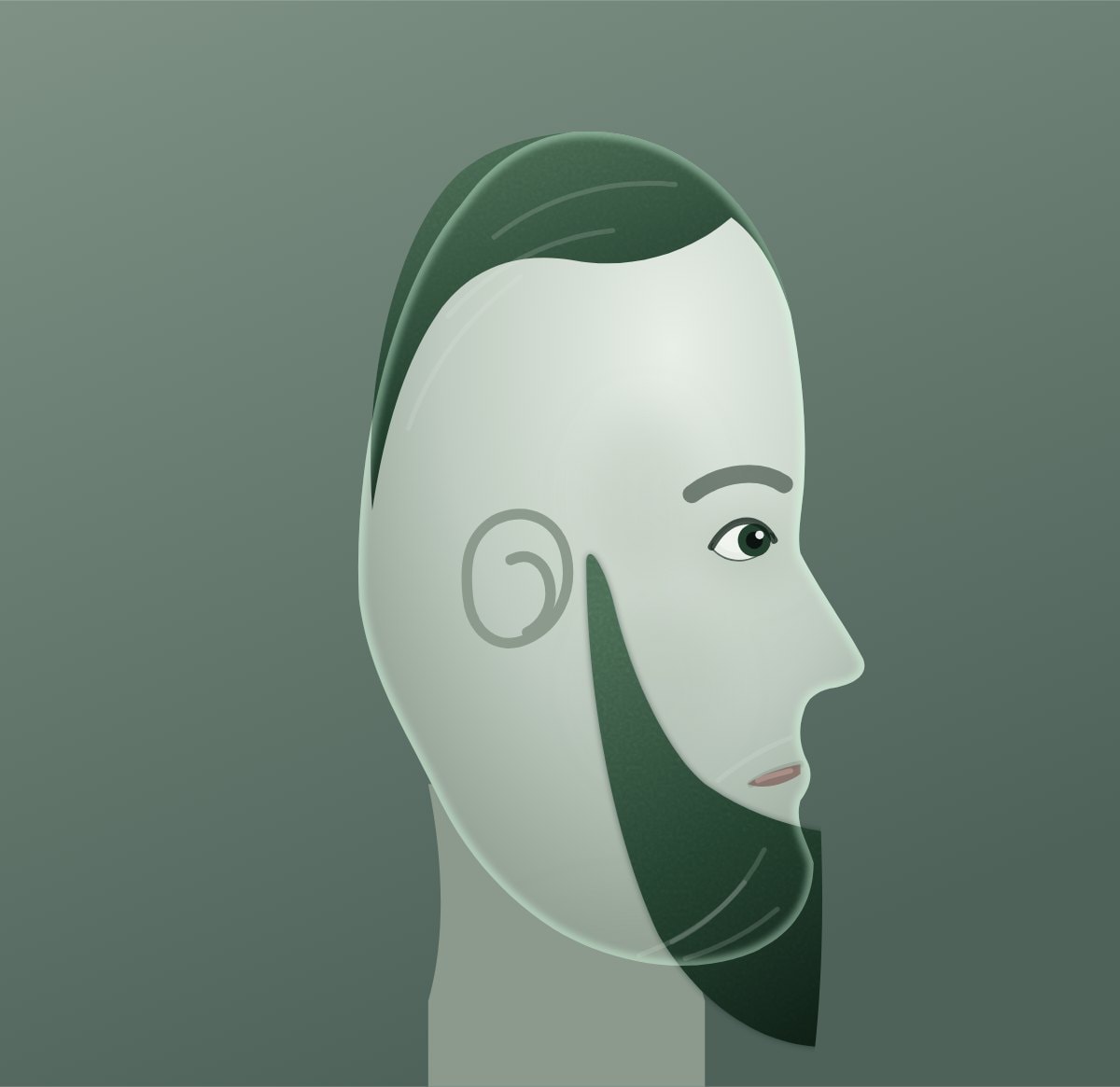
At a glance
- Also known as
- old dutch
- What it is
- Wide chin beard flaring outward, no moustache.
- Length
- Long, three inches and up
- Growing time
- 4 to 6 months or more
- Trim how often
- Every 3 to 4 days
- Best face shapes
- Oval
- Moustache
- No
£5 off your first delivery
No moustache means the top lip is shaved every day, right up against the beard line.
£5 off your first subscription or VIP order - one per customer, unsubscribe with 1 click
The variations
The same shape, worn differently. What changes is length, density and how much you take off at the edges.
Will it suit your face?
Where a style puts weight, and where it takes it away, is what decides whether it suits you. The table below is the short version.
| Oval | Ideal | Takes almost any length and shape without fighting the proportions. |
|---|---|---|
| Round | Avoid | Adds width where there is already width. A chin-led style suits better. |
| Square | Works | Round the corners off or it doubles up on a jaw that is already strong. |
| Long | Ideal | Width at the cheeks shortens the face. Keep the chin short, not pointed. |
| Heart | Works | Weight low balances a wide forehead, so long as the cheeks stay tidy. |
| Diamond | Ideal | Fills the narrow jaw and squares off the lower face. |
How to cut one, in four steps
- Grow it out4 to 6 months or more. Cutting into a beard that has not filled in leaves holes you then have to grow out again.
- Set the lengthStart on a longer guard than you think you need and work down. You cannot put it back.
- Set the necklineTwo fingers above the Adam's apple, curving up to behind the jaw. Higher than that and you lose the jawline.
- Tidy the cheeksFollow your natural cheek line rather than inventing a straight one. Take off anything above it.
Full detail, tools and the common mistakes are in the guide below.
What defines it
No moustache. The upper lip is shaved clean and stays that way. This is the single feature that separates it from most long beards.
Width at the bottom. The beard is not tapered or rounded so much as allowed to spread, so the silhouette gets wider as it descends.
Full cheek coverage, growing from a natural cheek line down.
Who it suits
Oval faces, which can carry the width without it fighting the proportions.
It works less well on a round face, where the flare adds width to a face that is already wide, and it is a poor fit for anyone whose moustache growth is their strongest asset, since that is precisely what gets removed.
The moustache decision is not cosmetic. Shaving the upper lip on a heavy beard is a distinctive look and a divisive one. Some men find it far more comfortable, since the moustache is the part that catches food and drink. Others find their face looks unfinished without it. It is worth living with a full beard for a while before committing.
Growing it
Four to six months, and longer for real width. Hair grows about half an inch a month and the flare only appears once there is weight to spread.
Grow the whole beard including the moustache at first. Shaving the lip early makes the awkward stage more awkward, and you may find you prefer keeping it.
At three or four months, once the beard has a shape, take the moustache off and see what you think. It grows back in a few weeks if you decide against it.
Cutting it
Very little cutting is the point. The width comes from growth rather than shaping.
Shave the moustache cleanly, all of it, every few days. A half-grown moustache above a full beard looks like neglect rather than a style.
Keep the neckline. Two finger-widths above the Adam's apple.
Leave the bottom alone beyond removing obvious strays. Trimming it level defeats the flare.
Leave the cheeks natural. Carving a line fights the shape.
Keeping it
Wash two or three times a week and oil daily, as with any beard past a couple of inches.
Comb it downward and outward daily, which is what encourages the flare rather than letting it hang in a column.
The upper lip needs shaving every two or three days. That is the only regular blade work.
Where it goes wrong
Trimming the bottom flat. Removes the one thing that makes it a Dutch.
Letting the moustache grow back in patches. Shave it properly or grow it fully.
Tapering the sides. Width is the style.
Expecting it to suit a round face. It widens what is already wide.
Questions we get asked
What is a Dutch beard?
A long, wide full beard that flares outward at the bottom, with the moustache shaved off. Also called an old Dutch.
What is the difference between a Dutch and an Amish beard?
Shape. An Amish beard follows the jaw as a curtain. A Dutch is heavier and flares wider toward the bottom. Neither has a moustache.
How long does it take to grow?
Four to six months for a recognisable shape, longer for real width.
Why is the moustache shaved?
It is what defines the style. Practically, it also keeps the part of a beard that catches food and drink off your face, which some men much prefer.
Should I shave the moustache straight away?
No. Grow the whole beard for three or four months, then take the moustache off and see. It grows back in a few weeks if you dislike it.
What face shape suits it?
An oval face. The width works against a round face.
Other full beards
Same shape, different length or moustache.
If this one is too much work
Same idea, less of your morning.
Browse by what matters to you
The same directory, cut a different way.