
Patchy beard styles
Patchy growth is normal and it is mostly about the cheeks. The fix is not waiting it out, it is choosing a style that never needed the cheeks in the first place.
The 19 that work with sparse growth



£5 off your first delivery
Every style on this page needs a clean edge somewhere, and a clean edge needs a sharp blade. Blunt blades drag, and dragging is what turns a tidy line into razor burn.
£5 off your first subscription or VIP order - one per customer, unsubscribe with 1 click
There are only two strategies, and everything else is detail
Every style on this page is doing one of two things. Once you can see which, choosing gets much easier. Both strategies turn up throughout the directory, and this page marks which styles use which.

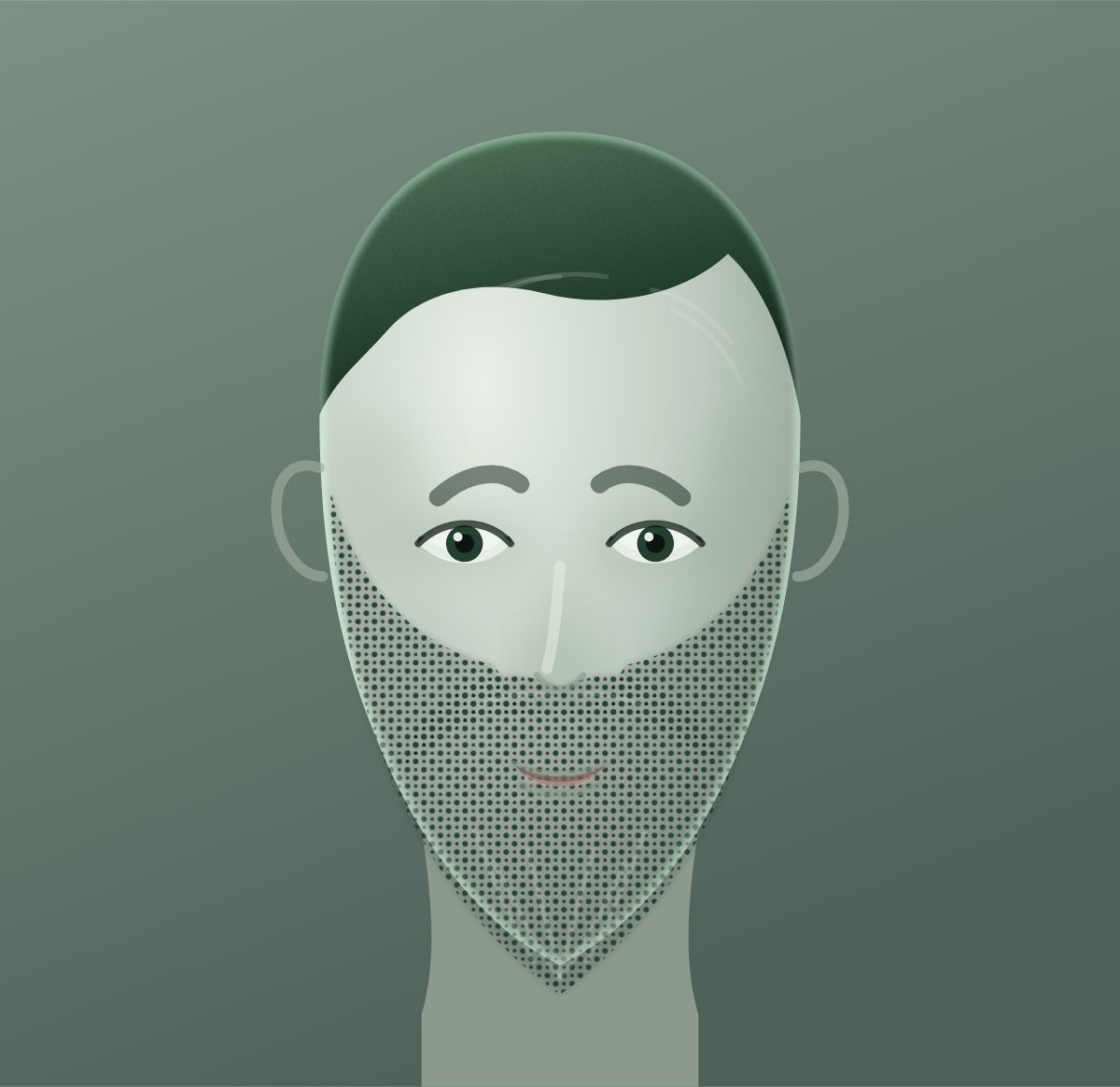
Shorten the contrast. A patch is only visible because the hair beside it is longer. Take everything down to a few millimetres and the difference between a dense area and a thin one nearly disappears, because at that length the skin shows through everywhere anyway. This is why stubble is the single most reliable answer to a patchy beard, and why growing it out usually makes things worse rather than better.
Skip the weak zone. If your cheeks come in thin but your chin does not, stop asking your cheeks to do anything. Shave them clean and put the whole beard where the growth already is. A goatee, a circle beard, a van Dyke or a moustache on its own all read as a deliberate shape rather than a beard that failed to arrive.
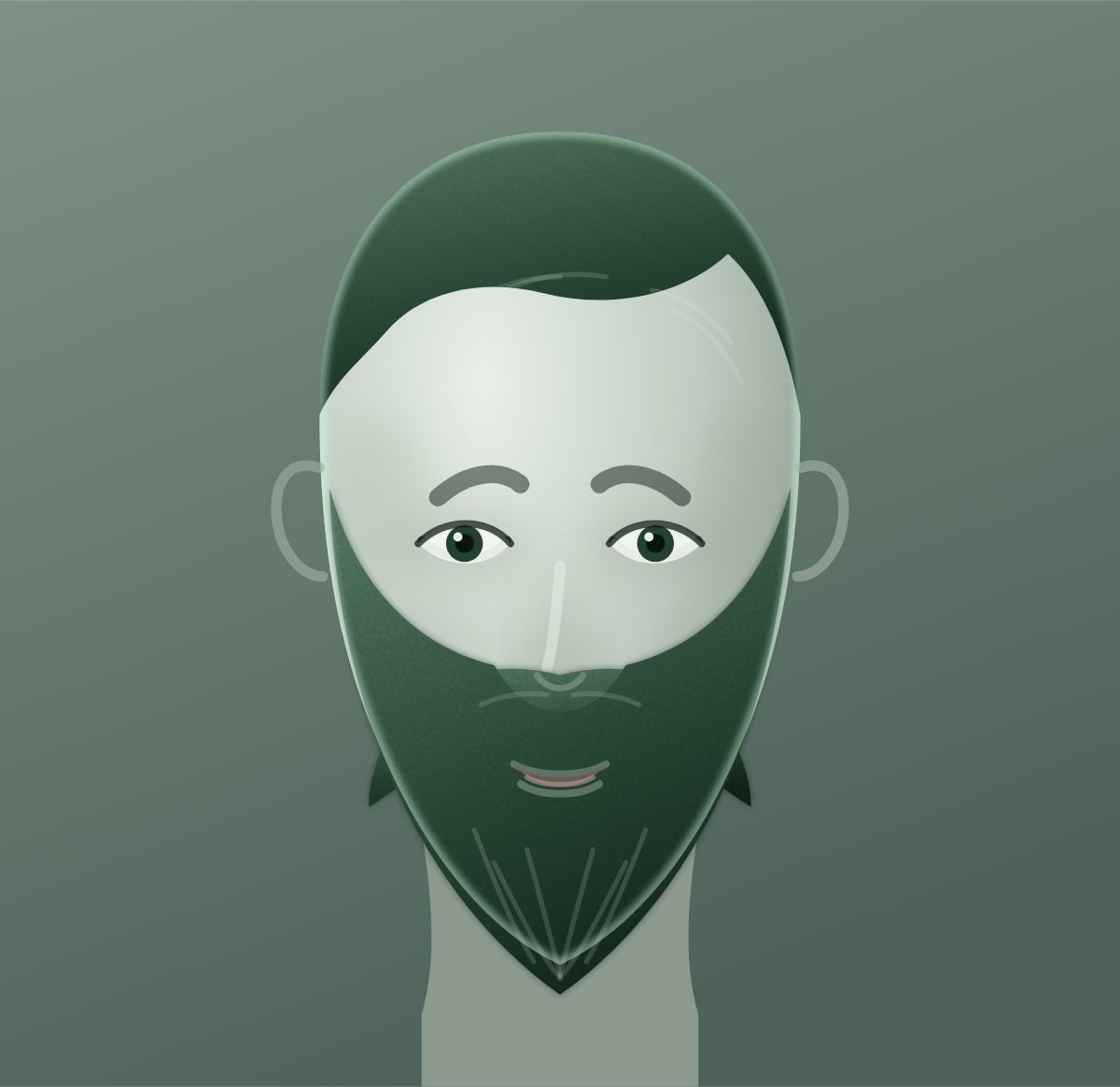
What does not work is the third option most men try first, which is growing it longer in the hope that the gaps fill in. They do not fill in. Longer hair from the dense areas can fall across a thin patch and hide it, and for mild patchiness that sometimes helps, but for anything more than mild you end up with a longer beard that has the same holes in it, now more visible because there is more length to compare them against.
Where you are patchy decides what to grow
Patchiness is rarely uniform. Most men have one or two weak zones and normal growth everywhere else, and naming the zone tells you the answer.
| Where it is thin | What is happening | What to grow |
|---|---|---|
| Cheeks, upper half | The commonest pattern by a distance. The cheek line is naturally high and the top of it is always the sparsest | Drop the cheek line deliberately, or go chin-led: goatee, circle beard, extended goatee |
| Cheeks, all over | Genuinely low density on the sides | Van Dyke, balbo, anchor beard, or a moustache on its own |
| The connectors, moustache to chin | Very common, and the reason a lot of beards look broken rather than thin | Make the gap deliberate. A van Dyke or a balbo is exactly this pattern turned into a style |
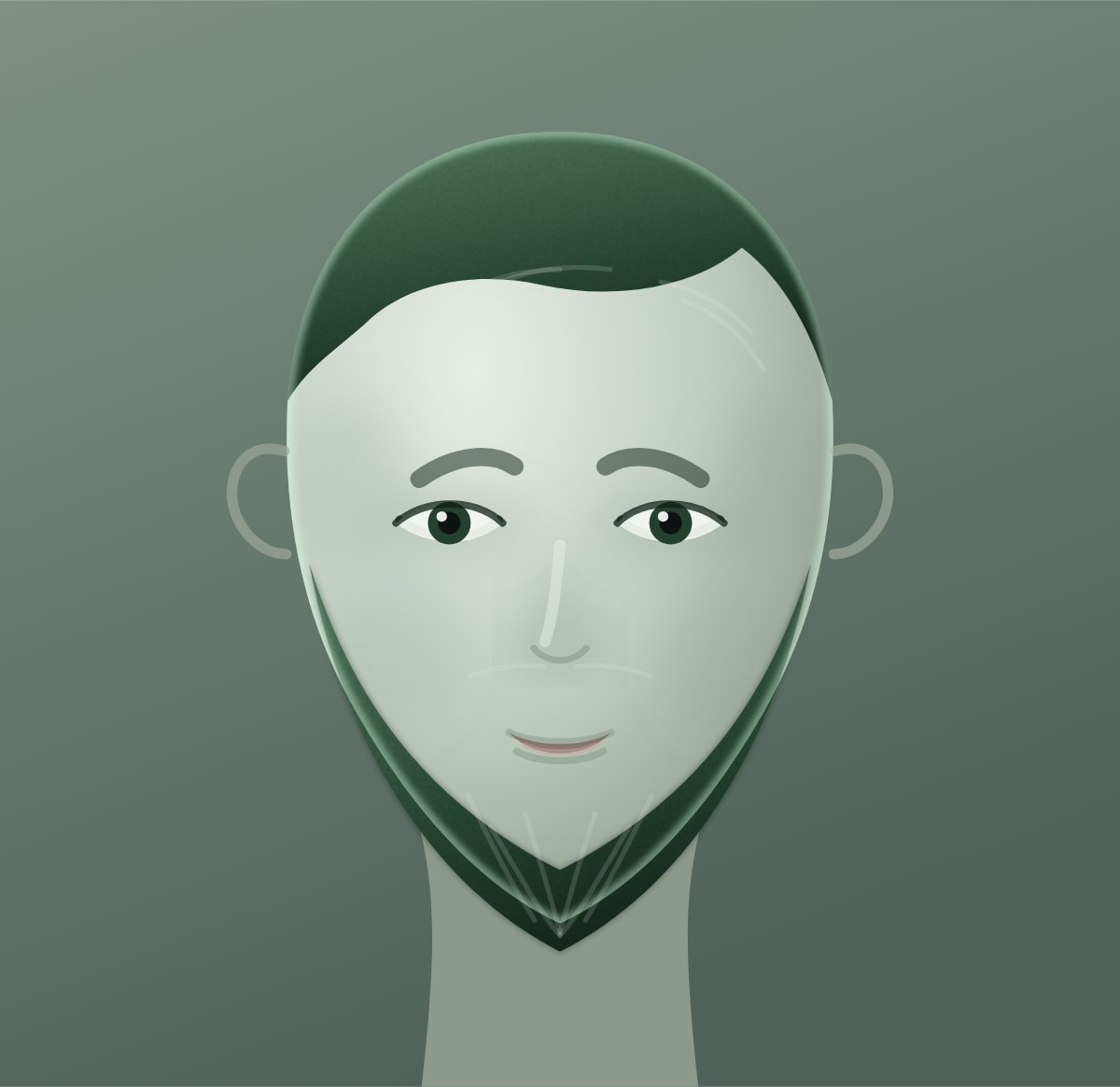
| Under the jaw and neck | Usually fine, and often the densest area you have | Chin strap, or any chin-led style |
| Upper lip | Less common, more annoying, since it limits the styles that rescue patchy cheeks | Keep it short. A pencil or a lampshade needs far less density than a chevron |
| Everywhere, evenly thin | Low overall density rather than patchiness as such | Stubble at two to four millimetres, kept even, and nothing longer |
| One small round bare spot | Different from patchiness. A smooth, sharply defined circle that appeared quickly is worth showing a doctor rather than styling around | See below |
Why it happens, briefly
Mostly genetics. How many follicles you have on your face and how they respond to hormones is inherited, and it is the same reason two brothers can grow completely different beards. Age is the other real factor: density often improves into the late twenties and sometimes the early thirties, so a beard at twenty-two is not the beard you will have at thirty.
That is genuinely most of it. Nothing you can buy adds follicles, and the supplements and oils sold on the promise that they will are selling you a very expensive version of waiting.
Two things worth separating out. Sudden, sharply defined round bald spots are not ordinary patchiness and are worth a GP appointment rather than a grooming decision. And if your beard changed noticeably in a short space of time, that is also worth mentioning to a doctor rather than trying to trim around.
Everything else on this page assumes the ordinary case, which is that this is simply how your face grows hair and the job is to pick a shape that suits it.
Does it fill in? And the three month rule
The "three month rule" is not a rule, but the number is roughly right for a different reason than people think.
It does not take three months for patches to fill in. It takes about three months for a beard to reach a length where you can see its actual shape and judge it honestly, and most men give up somewhere in week three when it looks its worst. So the useful version is: if you are going to try growing it out, commit to twelve weeks before deciding, because a judgement made at day twenty is a judgement about an incomplete beard. Growing a beard from clean-shaven covers what those twelve weeks actually look like.
What genuinely changes over that time is length, distribution of the hair you already have, and your own tolerance for it. What does not change is the number of follicles. If the cheeks are bare at three months, they will be bare at six.
The styles worth knowing
Short, and even
Stubble between two and four millimetres is the workhorse. It gives shape and shadow, it needs no growing-out period worth mentioning, and it is the only style here where patchiness is genuinely invisible rather than merely disguised.
The catch is that it is higher maintenance than it looks. The effect depends on it being even, so it wants a trimmer every two or three days and a clean neckline underneath. Left alone for a fortnight it stops being stubble and starts being neglect.
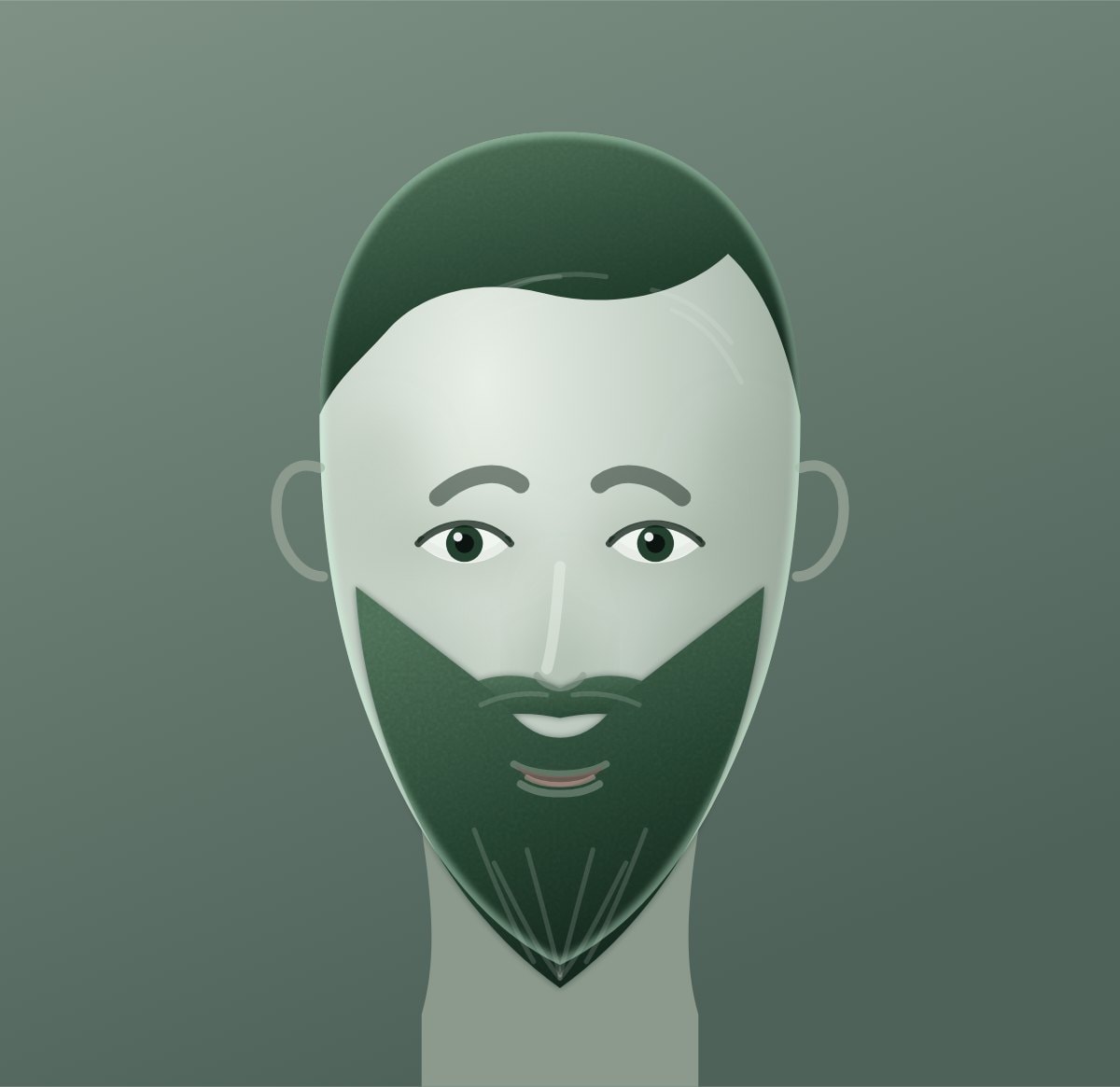
The corporate beard at six to twelve millimetres is the longest thing on this page that survives mild patchiness, and only mild. You need enough density on the chin and jaw to fill a shape, and the trick is dropping the cheek line lower than you think you should so the sparse upper cheek is simply outside the beard.
Chin-led
This is the family that solves the problem rather than hiding it.
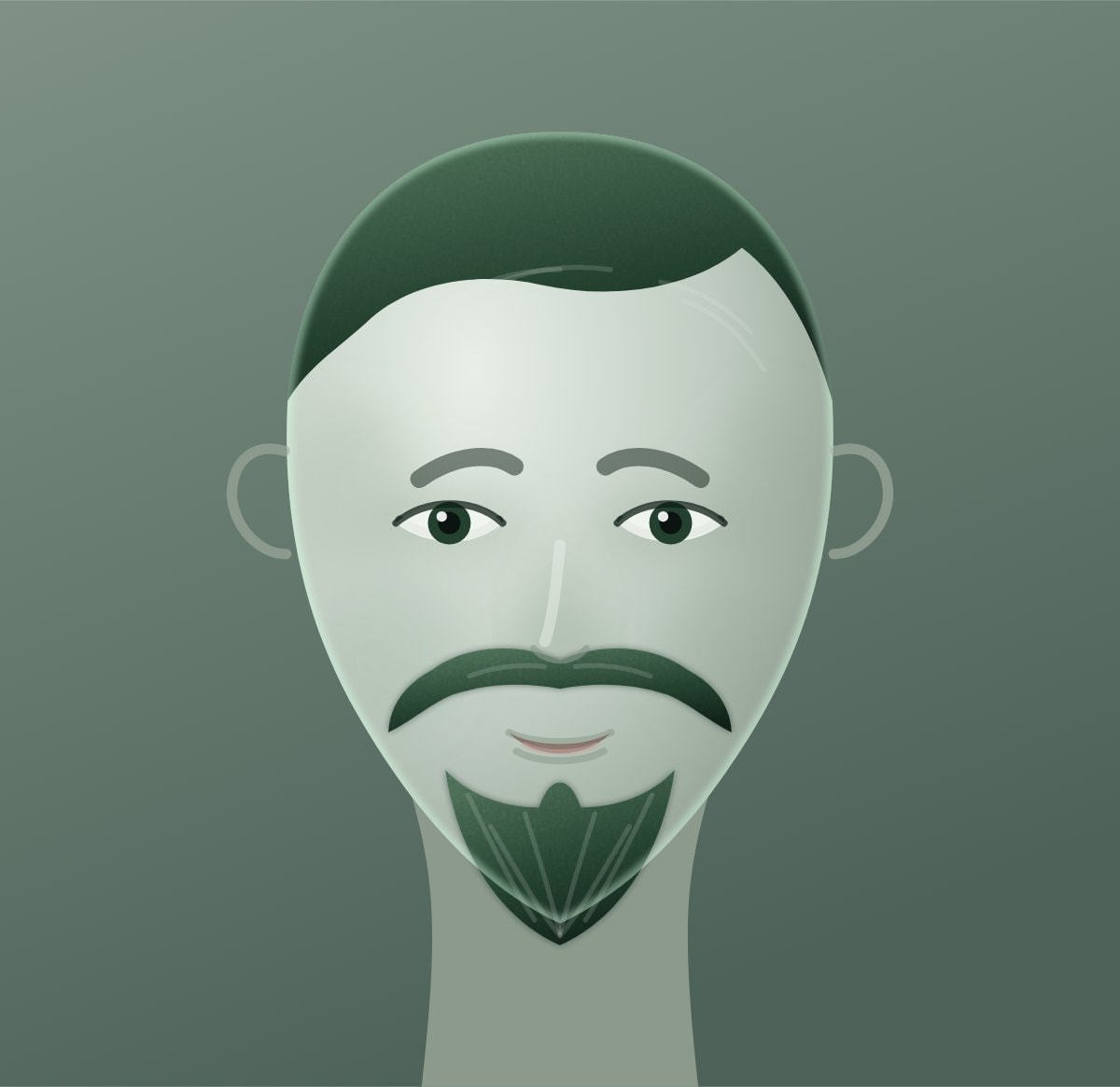
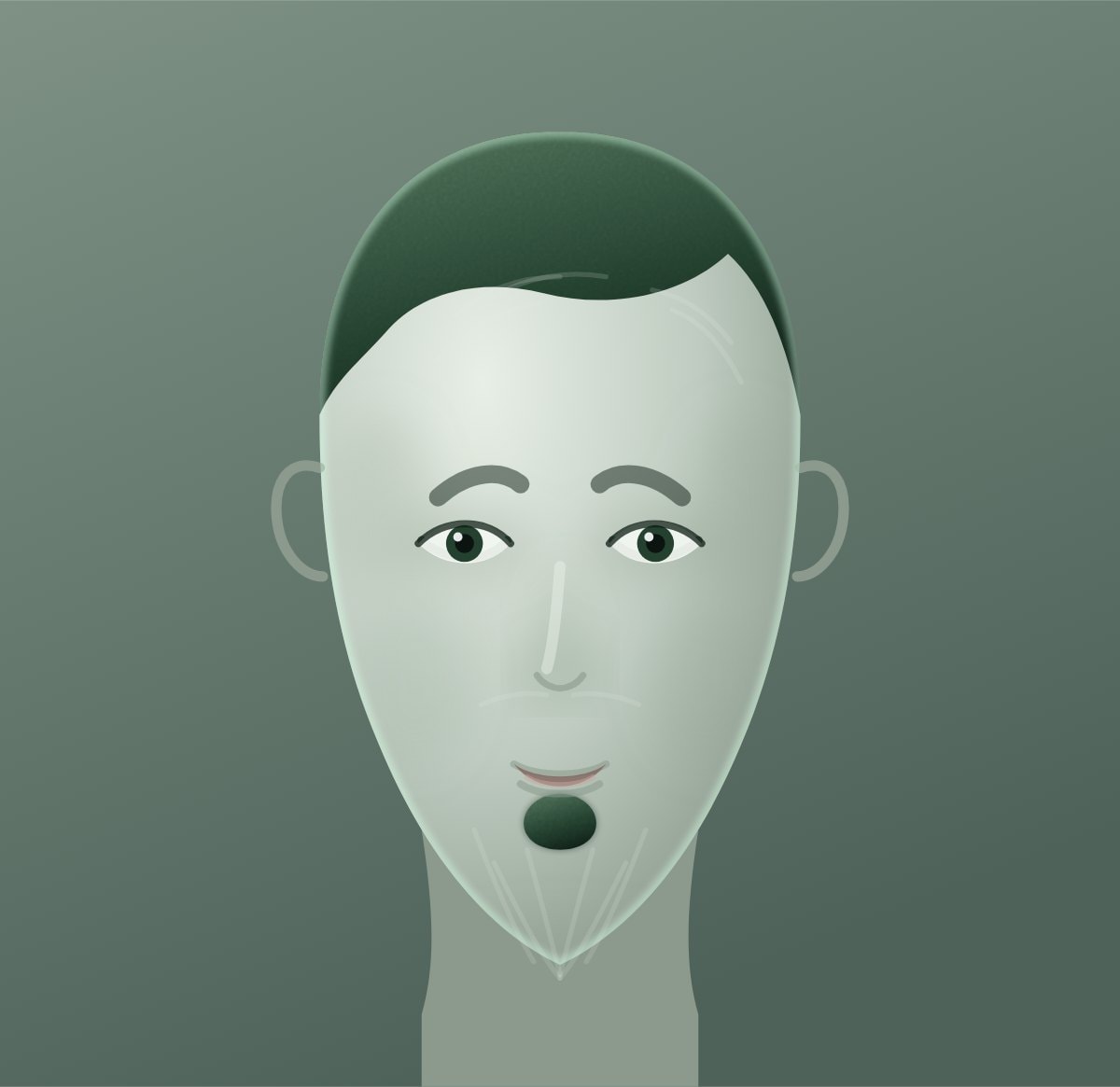
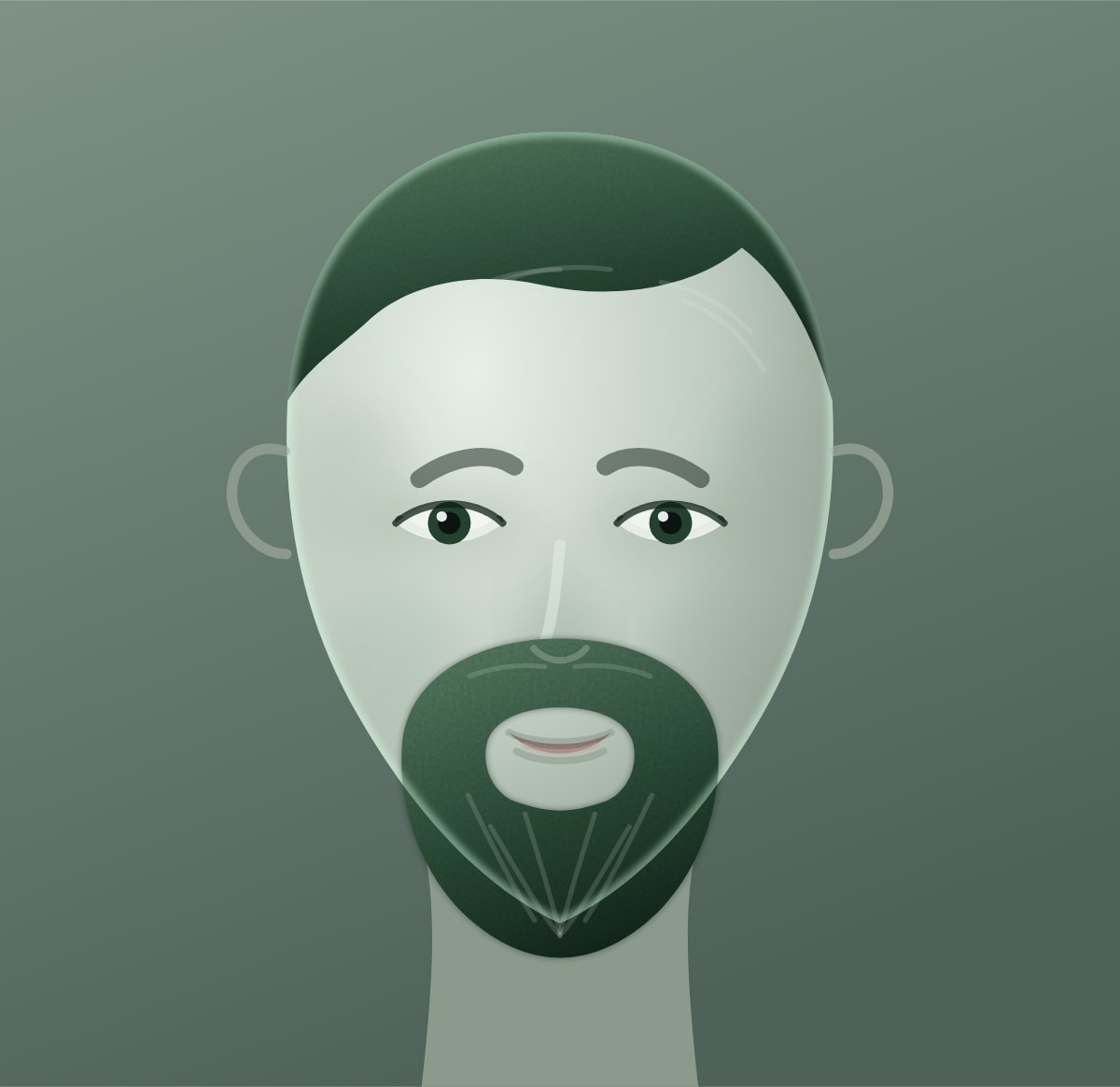
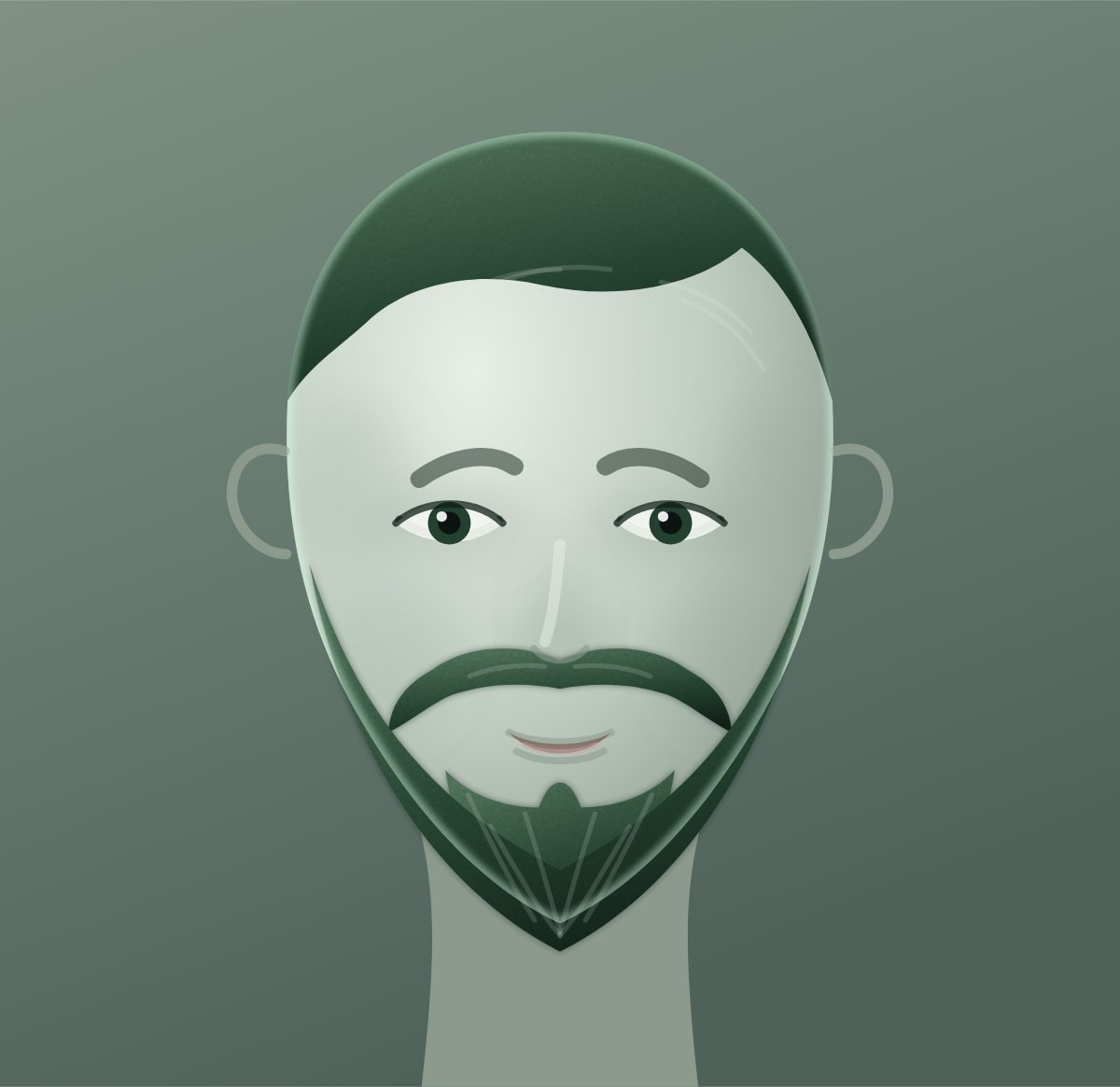
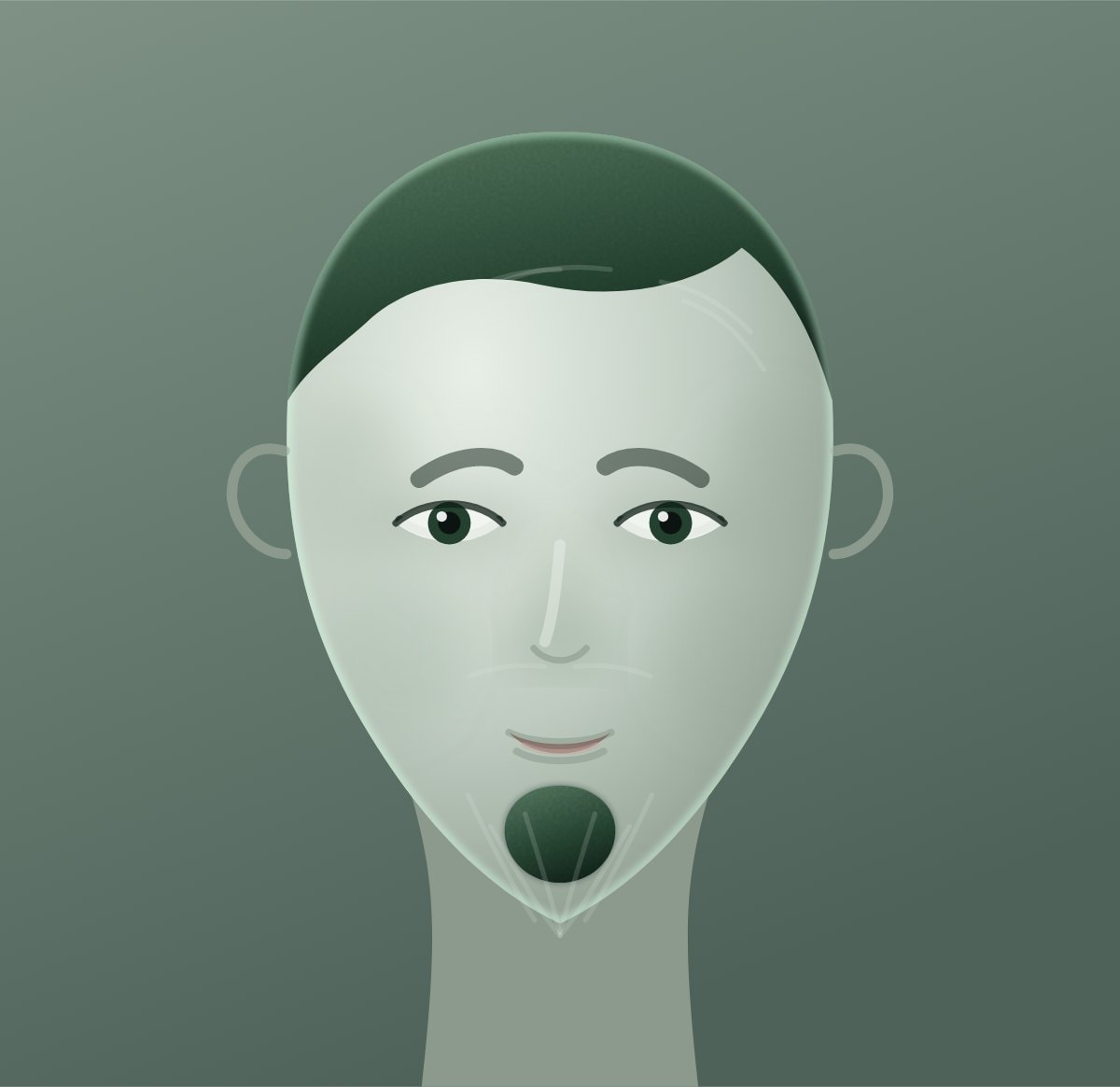
The goatee is chin hair with the cheeks bare, and it asks nothing of your cheeks at all. Joined to a moustache it becomes a circle beard, which is what most people picture. Widened along the jaw it becomes an extended goatee. Kept small it is a petite goatee.
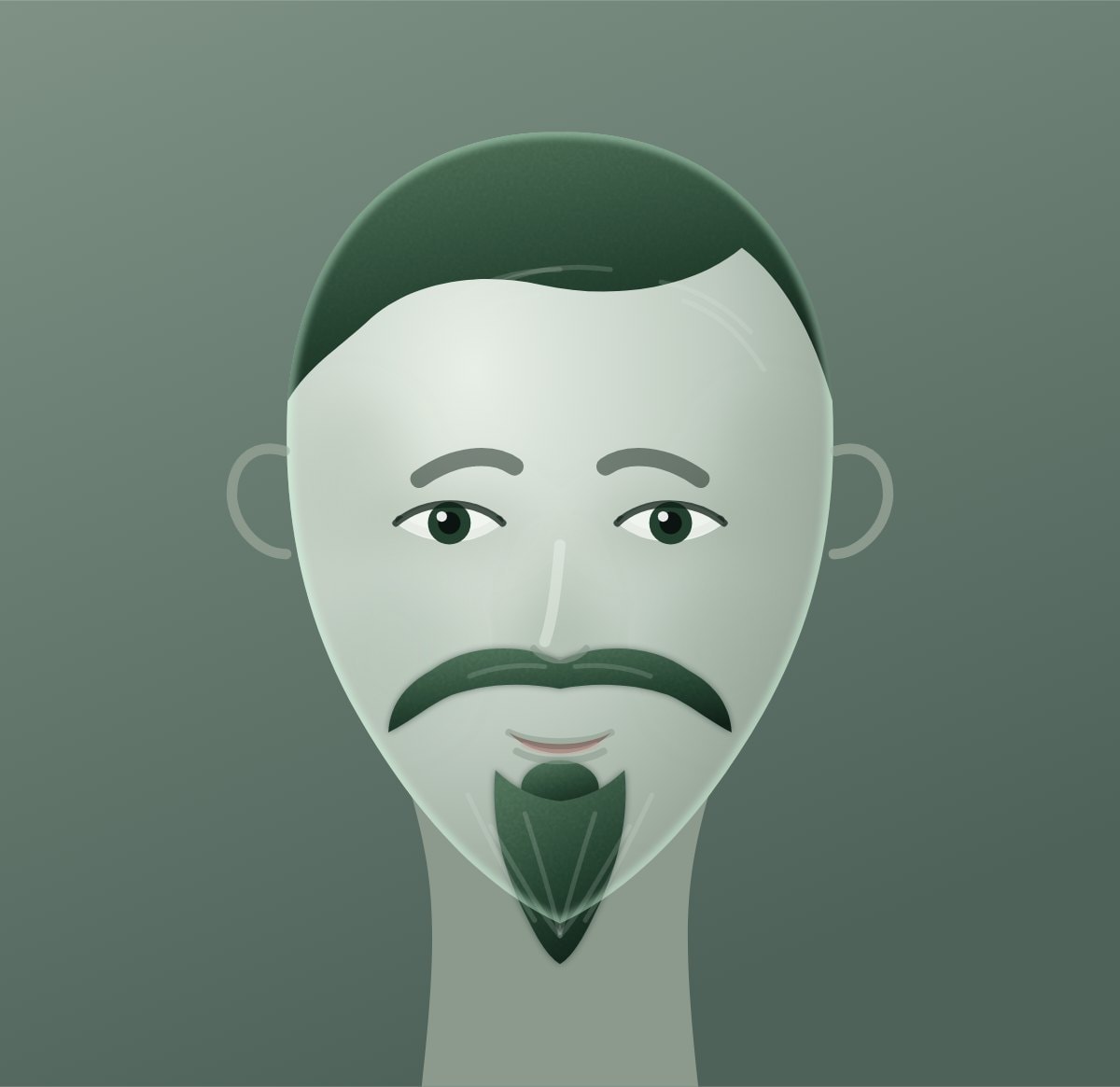
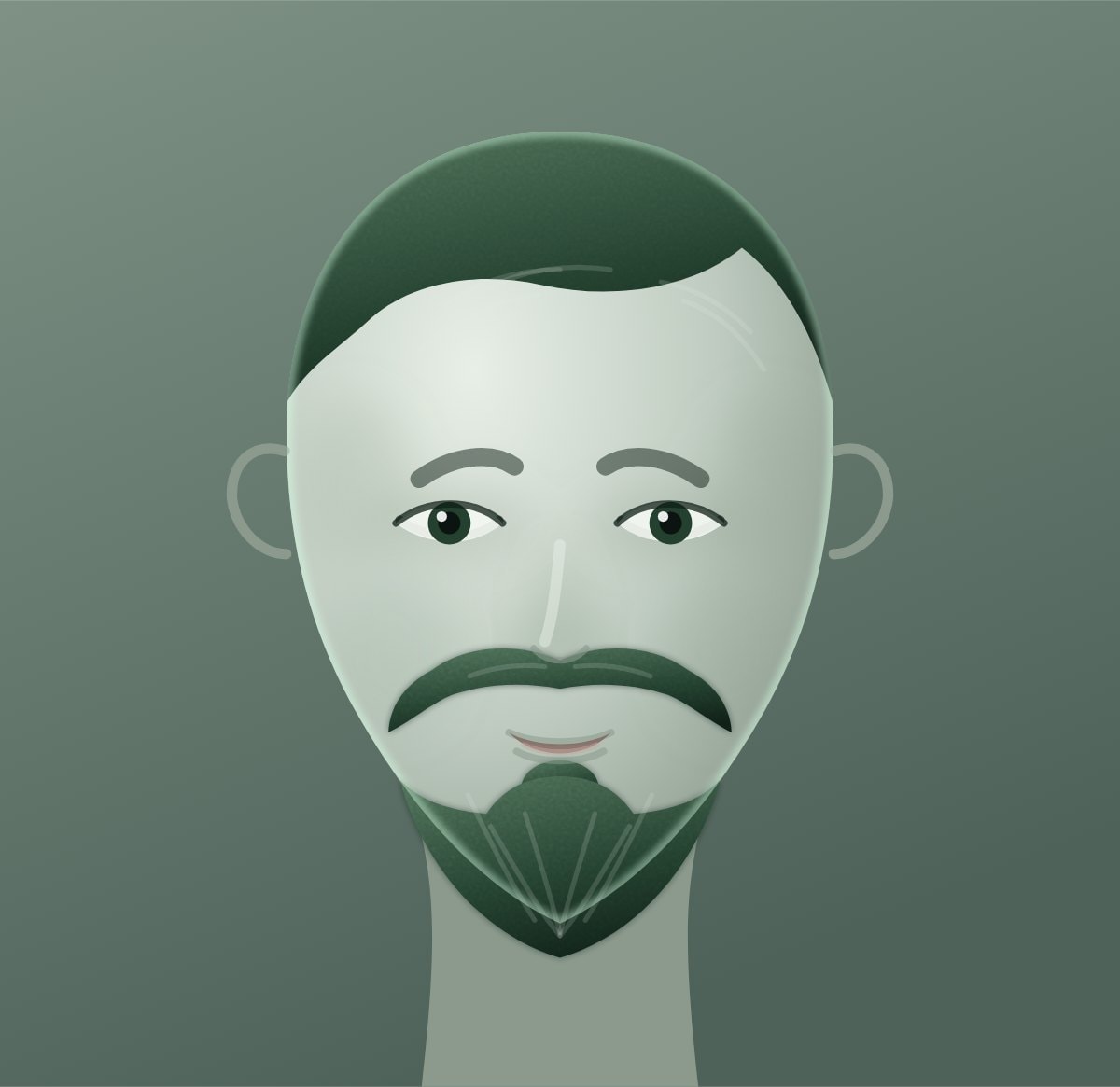
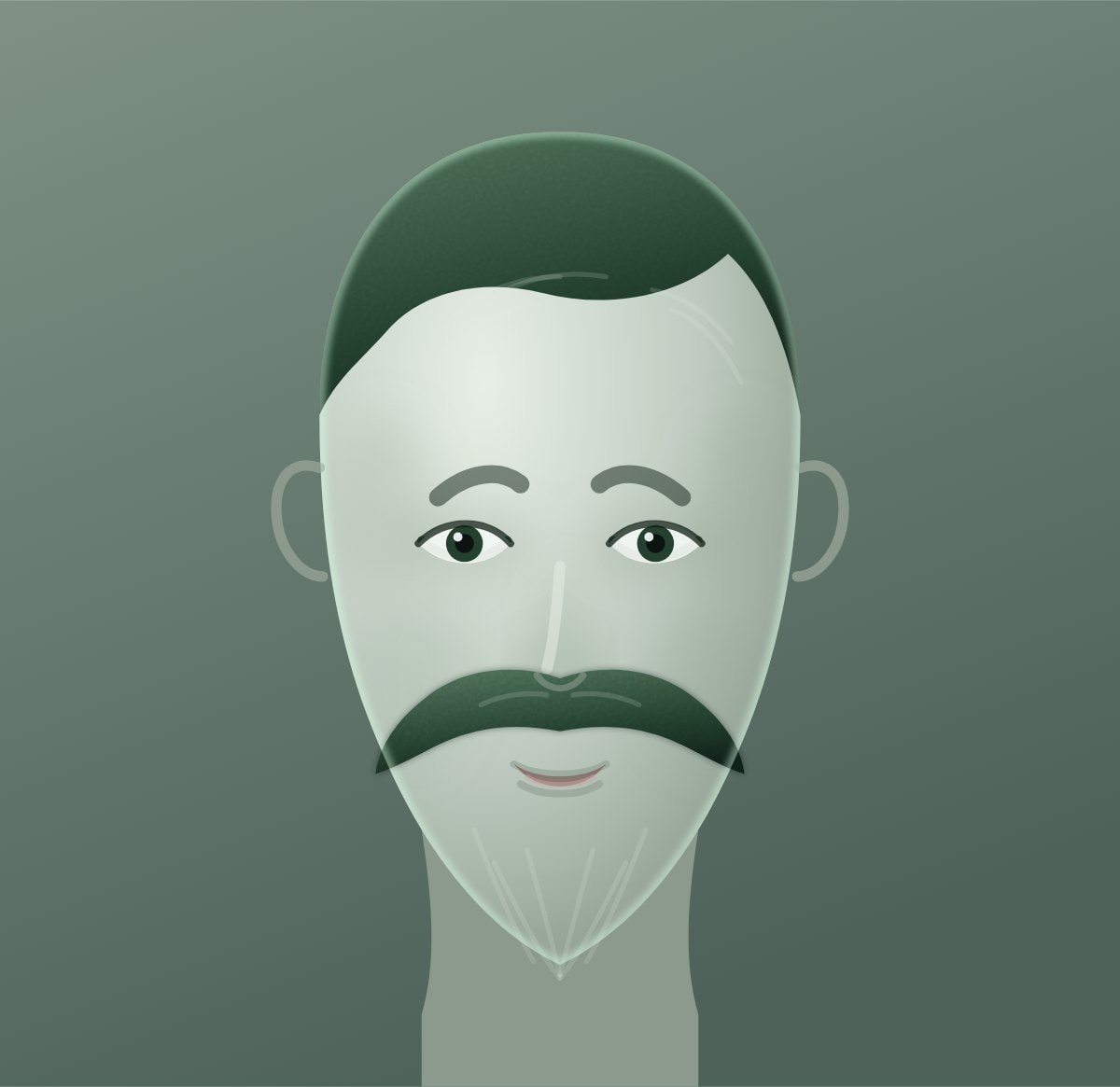
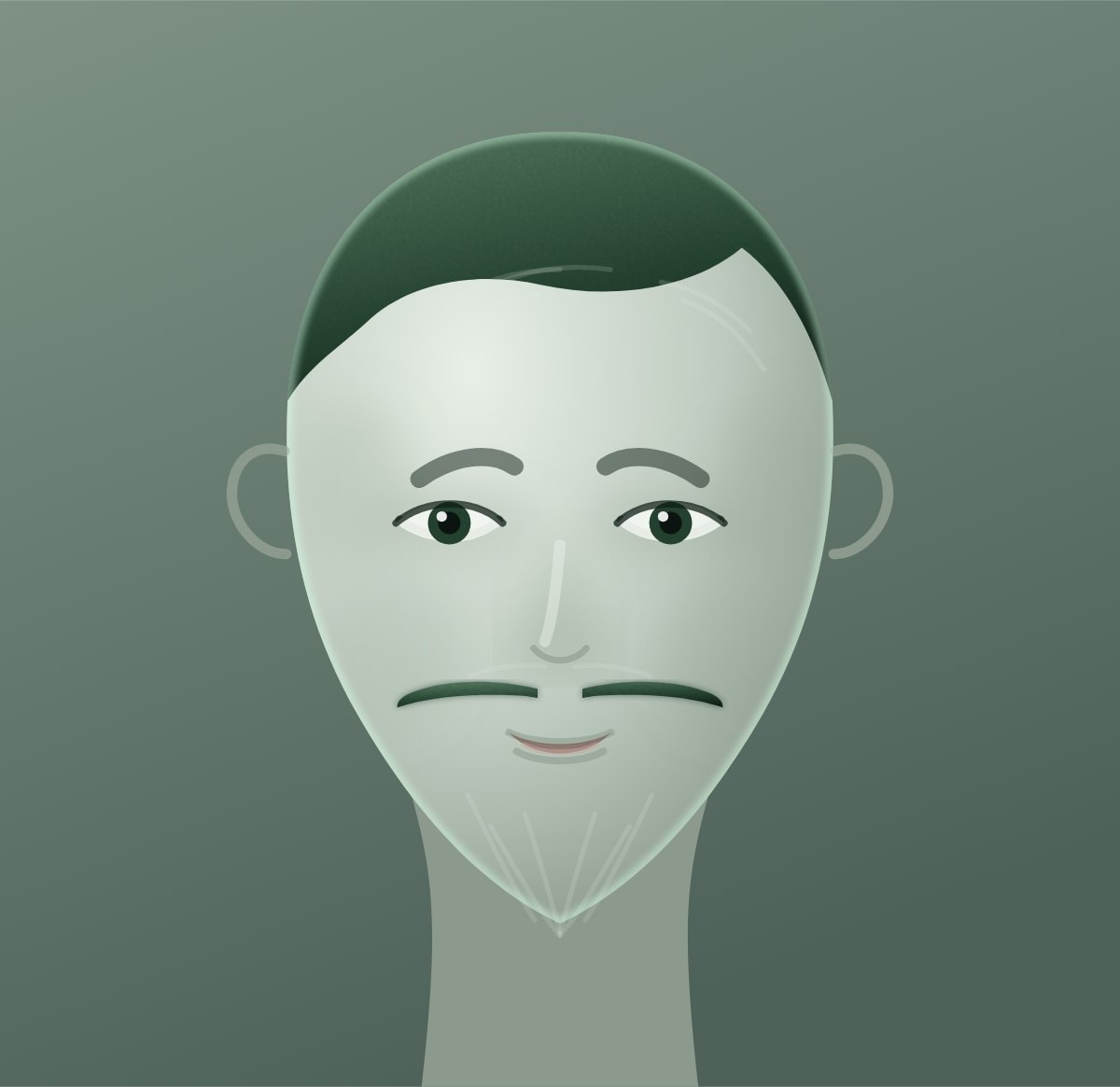
The van Dyke is worth singling out because it turns the most common defect into the actual design. It keeps the moustache and the pointed chin beard separate with a clear gap at the corners of the mouth. If your connectors do not grow, this style is that gap, made on purpose and cut cleanly.
The balbo does the same across three pieces: moustache, soul patch and chin beard, none of them touching. The anchor beard runs a thin line along the jaw up to a pointed chin. The royale narrows it to a strip.
All of them share a requirement: the lines have to be clean. A chin-led style with soft edges looks like a beard that did not work. The same style with sharp edges looks chosen, and that difference is entirely in the trimming.
Moustache only
If the cheeks and chin are both thin but the upper lip is fine, a moustache on its own is a complete answer rather than a consolation.
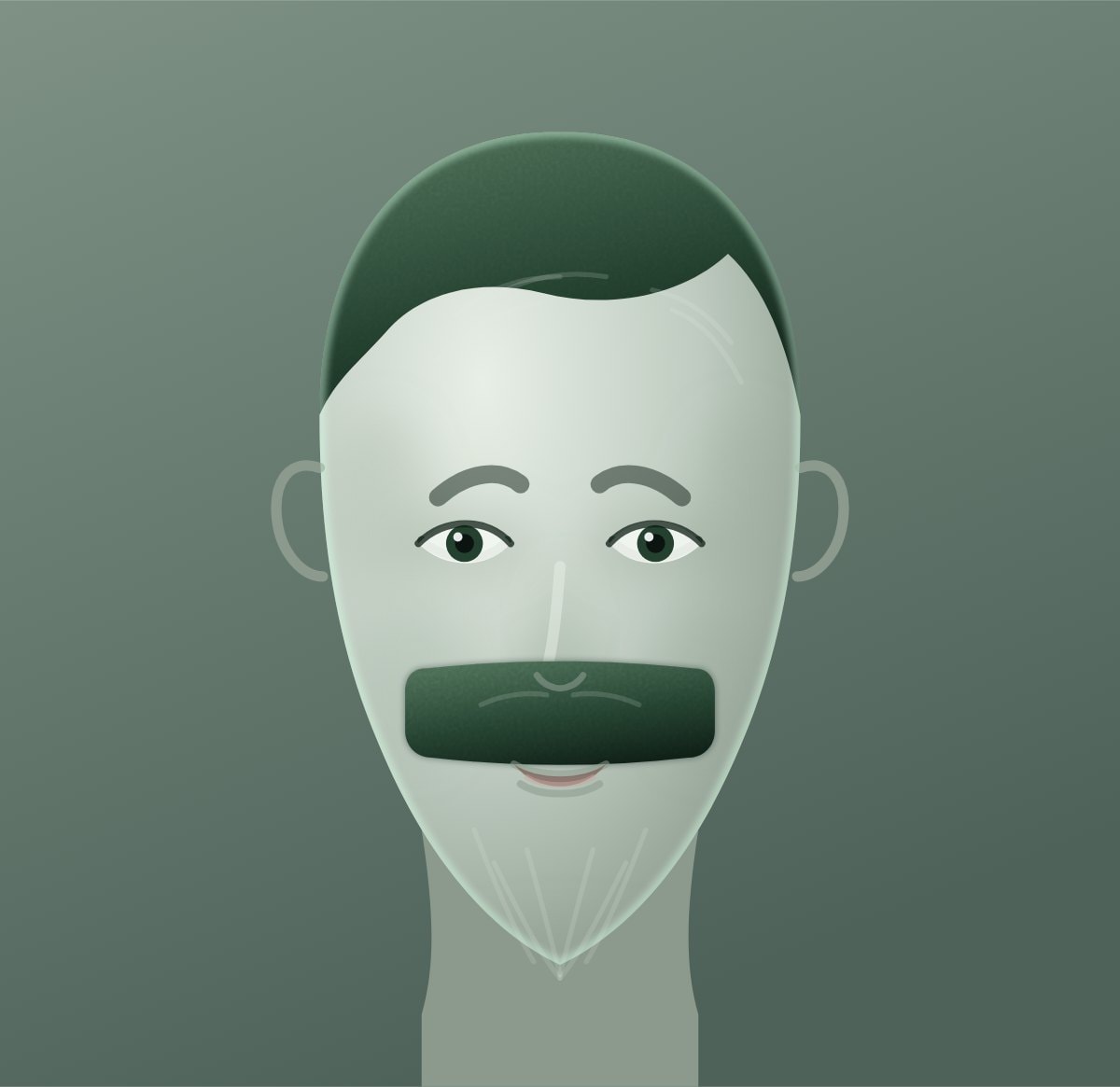
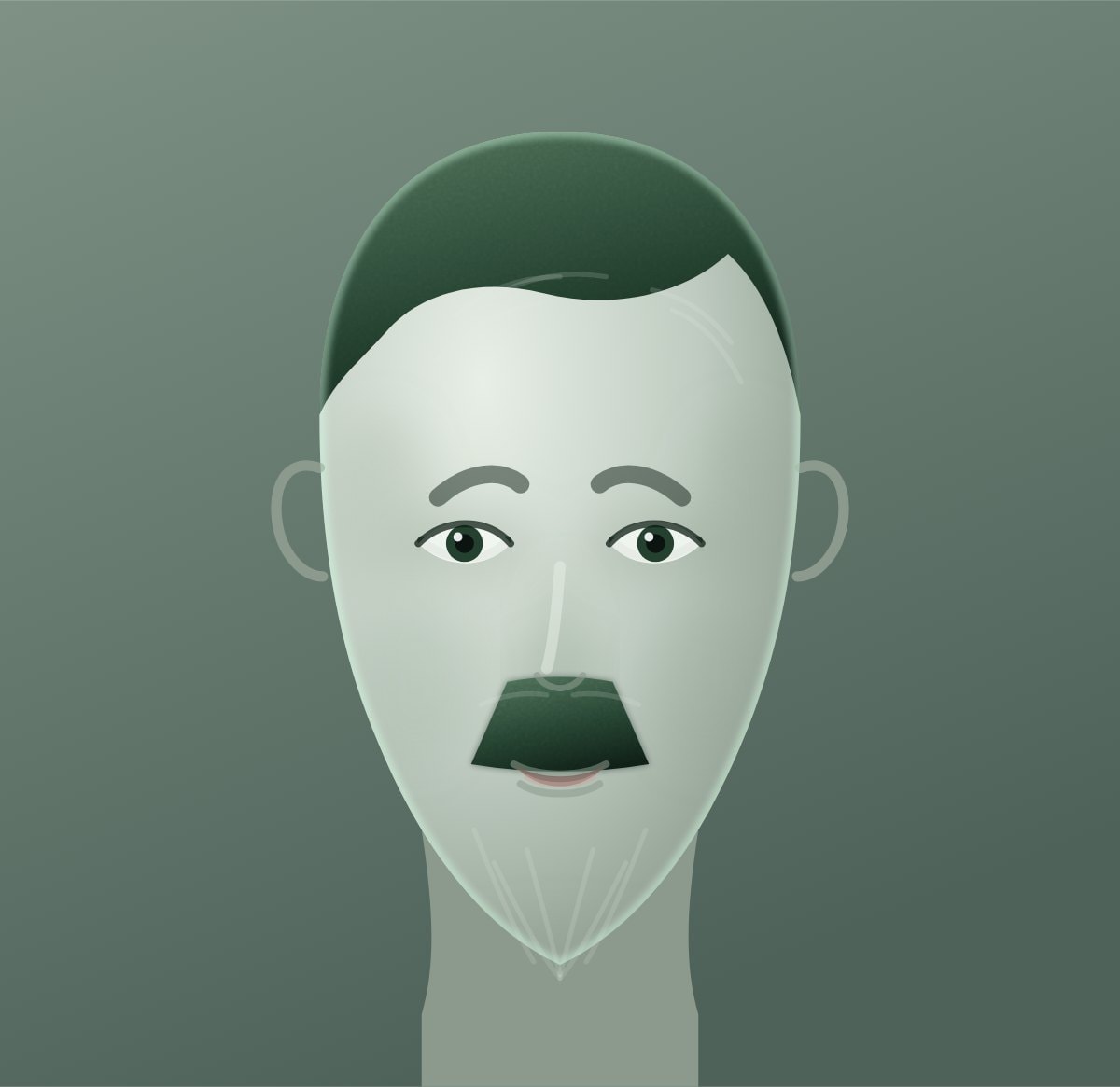
A chevron needs the most density. A pencil, a lampshade or a painter's brush all need considerably less, because a defined line reads as deliberate at a density where a thick moustache would look sparse.
The beardstache sits between the two families: a heavier moustache over light stubble everywhere else. It is a good option when your cheeks are thin but not bare, because the stubble gives you coverage without asking it to be a beard.
How long each one takes
| Style | Growing time | Trim how often | Best face shapes |
|---|---|---|---|
| Goatee | 3 to 4 weeks | Every 3 to 4 days | Round, Oval |
| Van Dyke | 3 to 4 weeks | Every 1 to 2 days | Round, Oval, Square |
| Soul patch | 2 to 3 weeks | Every 3 to 4 days | Any |
| Chin strap | 3 to 4 weeks | Every 1 to 2 days | Round, Long |
| Stubble | 2 to 10 days | Every 1 to 2 days | Any |
| Balbo | At least 4 weeks before shaping. | -- | -- |
| Circle beard | 3 to 4 weeks | Every 3 to 4 days | Round, Square, Oval |
| Beardstache | 3 to 4 weeks | Every 3 to 4 days | Oval, Square, Long |
| Pencil moustache | 2 to 4 weeks | Every 1 to 2 days | Any |
| Chevron moustache | 3 to 4 weeks | Every week or two | Any |
| Anchor beard | 3 to 4 weeks | Every 1 to 2 days | Oval, Square, Round |
| Extended goatee | 3 to 4 weeks | Every 1 to 2 days | Round |
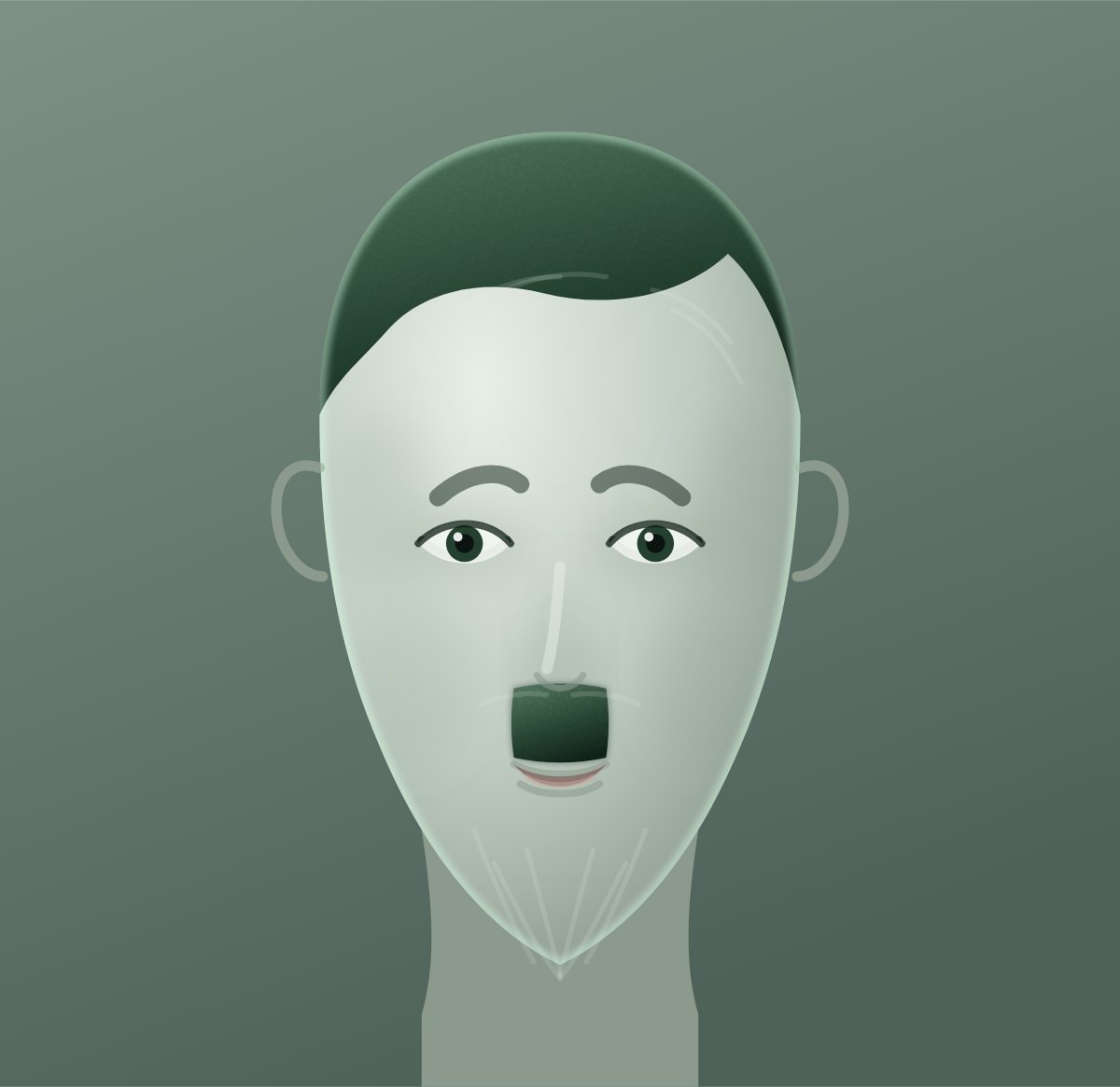
| Toothbrush moustache | 2 to 4 weeks | Every 1 to 2 days | Any |
| Royale beard | 3 to 4 weeks | Every 1 to 2 days | Oval |
| Corporate beard | 3 to 4 weeks | Every 1 to 2 days | Any |
| Parted pencil moustache | 2 to 4 weeks | Every 1 to 2 days | Round, Oval |
| Painter's brush moustache | 3 to 4 weeks | Every 3 to 4 days | Oval, Round |
| Lampshade moustache | 3 to 4 weeks | Every 3 to 4 days | Any |
| Petite goatee | 2 to 3 weeks | Every 3 to 4 days | Round |
Getting the lines right
With a patchy beard the edges do more work than the hair. A sparse beard with sharp lines reads as a style. The same beard with vague edges reads as a man who has not shaved.
Drop the cheek line. The default advice is to follow your natural line, and for patchy growth that is usually wrong, because the natural line is where the sparsest hair is. Cut it lower, in a straight line from the corner of the moustache back toward the ear, and the beard loses the thin part and gains a clean edge.
Cut the neckline properly. Two fingers above the Adam's apple, curved to follow the jaw. This matters more here than anywhere, because a tidy neckline is what tells people the rest was a decision.
Trim the dense areas down to meet the thin ones. Not the other way around. You are levelling the beard to its weakest point, which sounds like a loss and is the entire technique.
Where it goes wrong
Growing it out to fix it. The most common mistake and the one that costs the most time. Length increases contrast. It does not add follicles.
Judging it at day ten. Everything looks wrong at day ten on everyone, patchy or not.
Buying growth products. Nothing over the counter adds follicles. Beard fillers and dyes exist and will shade the skin for an evening or a photograph, but they are makeup rather than a solution, and they come off.
Trimming each side in turn to level it up. Faces are not symmetrical and patchiness rarely is either. Set one length across the whole beard first, then edge both sides in one pass.
Fighting the pattern instead of using it. Nearly every style on this page exists because someone worked with a growth pattern rather than against it.
Questions we get asked
What beard style is best for a patchy beard?
Stubble at two to four millimetres if your patchiness is spread out, and a chin-led style like a goatee, circle beard or van Dyke if your cheeks are the problem.
Can a patchy beard look good?
Yes, and the deciding factor is the edges rather than the density. Sparse growth with clean lines reads as a chosen style. Sparse growth with soft edges reads as neglect. That is the whole difference.
Do patchy beards ever fill in?
Density can improve into the late twenties and sometimes the early thirties. Beyond that it is what it is. Patches that are still bare after three months of growth are not going to close.
Can you actually fix a patchy beard?
You cannot add follicles. You can pick a shape that does not need them, which in practice solves the problem completely.
What is the three month rule?
Not really a rule. Three months is roughly how long a beard needs before you can judge its shape rather than its awkward stage, which is why the number gets repeated. It is not how long patches take to fill in, because they do not.
Should I shave it all off and start again?
Shaving does not change how it grows back, despite what everyone's uncle says. It is only worth doing to reset an uneven trim.
Does beard oil help a patchy beard?
It helps the skin and it stops the hair looking dry, which matters because flaky skin under a sparse beard is more visible than under a dense one. It does not affect growth.
Is a moustache a cop-out if my cheeks will not grow?
No. It is the same decision as a goatee, applied to a different zone, and it is a complete style in its own right.
Other ways to narrow it down
Short beard styles
Under an inch. Office safe, quick to trim, slow to go wrong.
Medium beard styles
One to three inches. The point where shaping starts to matter.
Long beard styles
Three inches and up. Months of growing, and daily oil.
Beard styles for round faces
Length at the chin, kept tight at the cheeks, to lengthen the face.
Beard styles for square faces
Softer, rounder edges so the jaw is not doubled up.
Beard styles for oval faces
The shape most styles are drawn for. Nearly anything works.