
Short beard styles
Short beards are where most men start, and where most of them stay. Under an inch means the shape is yours to set rather than something you wait months to find out about, and a bad decision grows out in a fortnight.
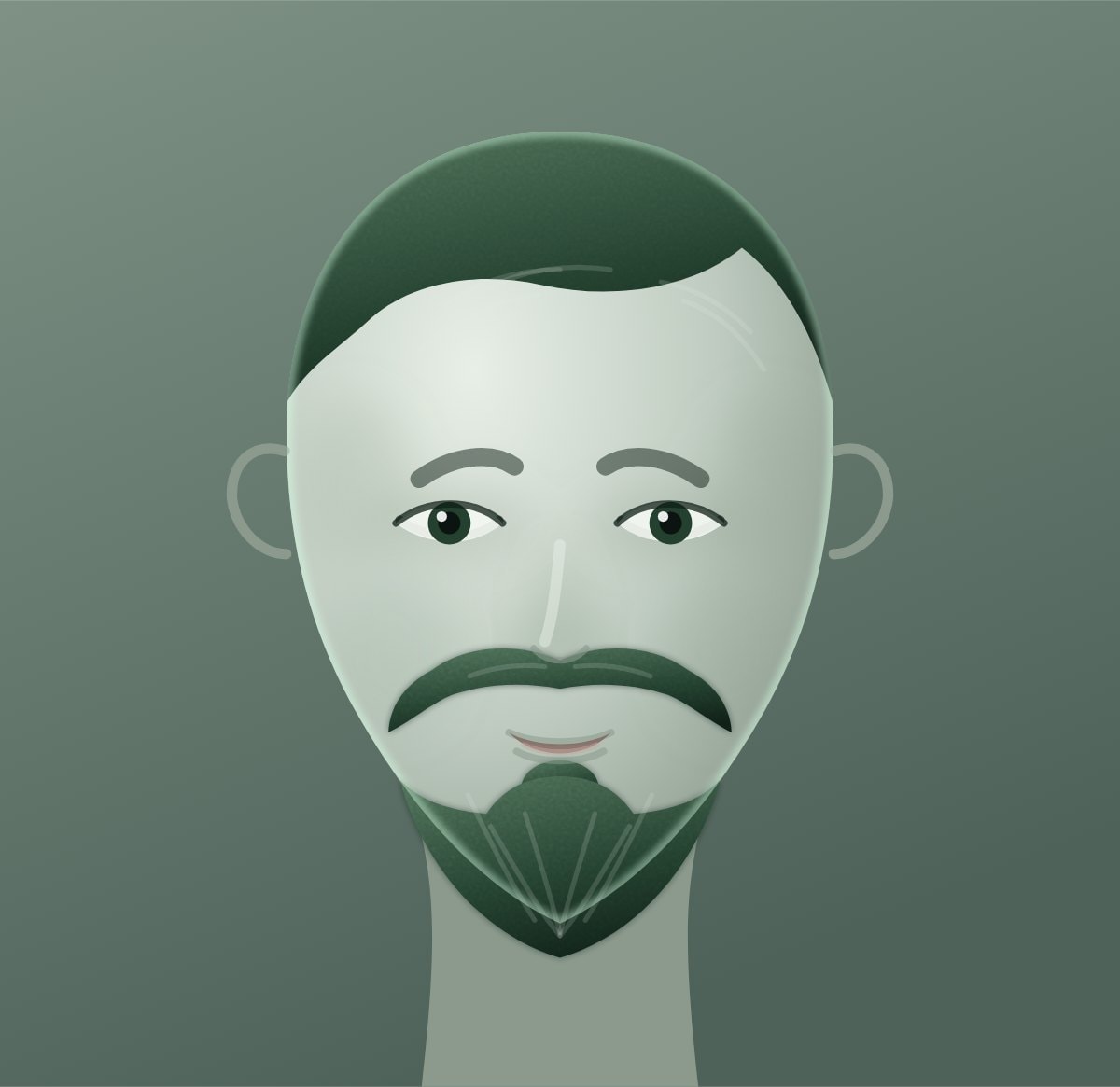
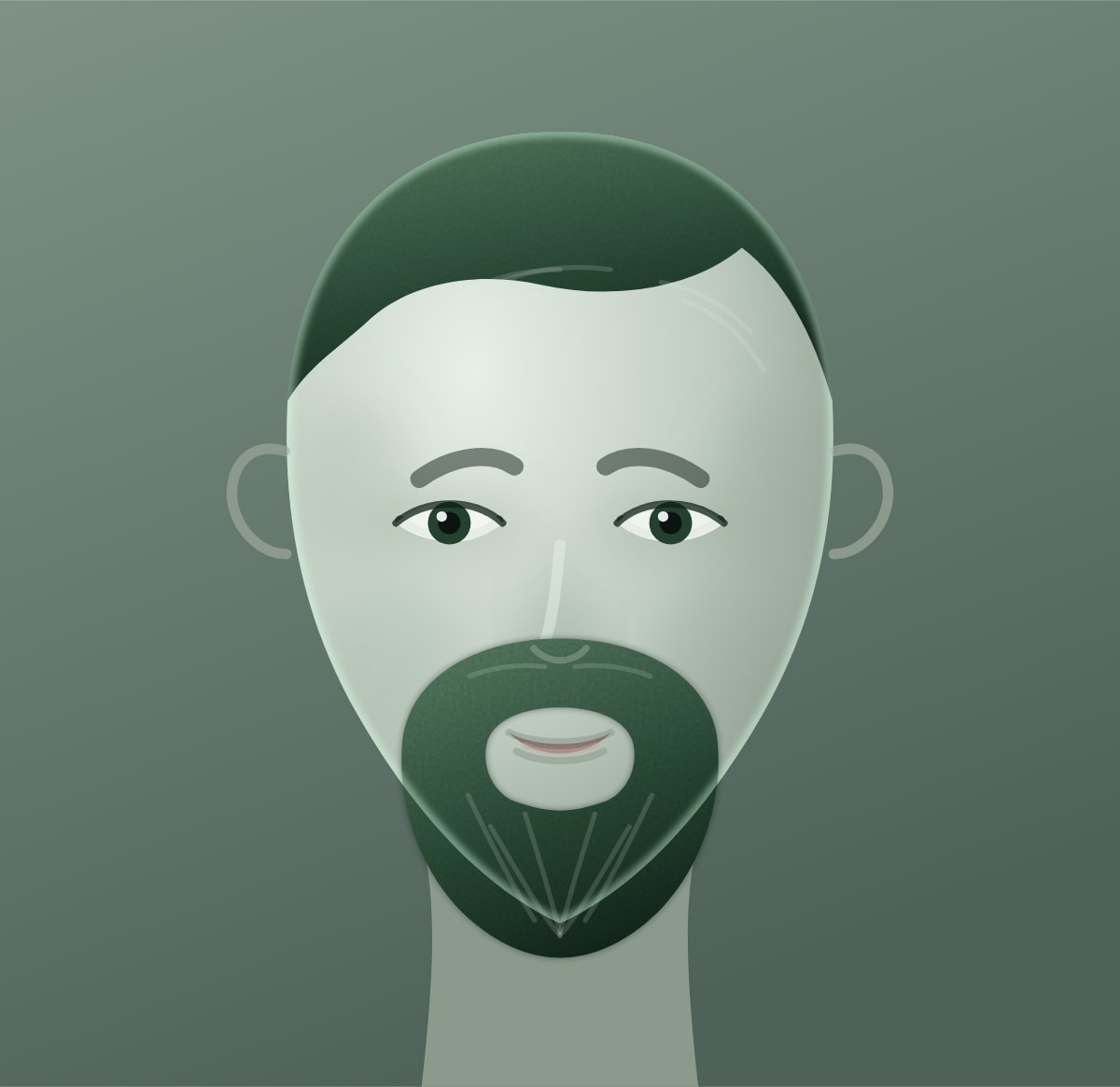
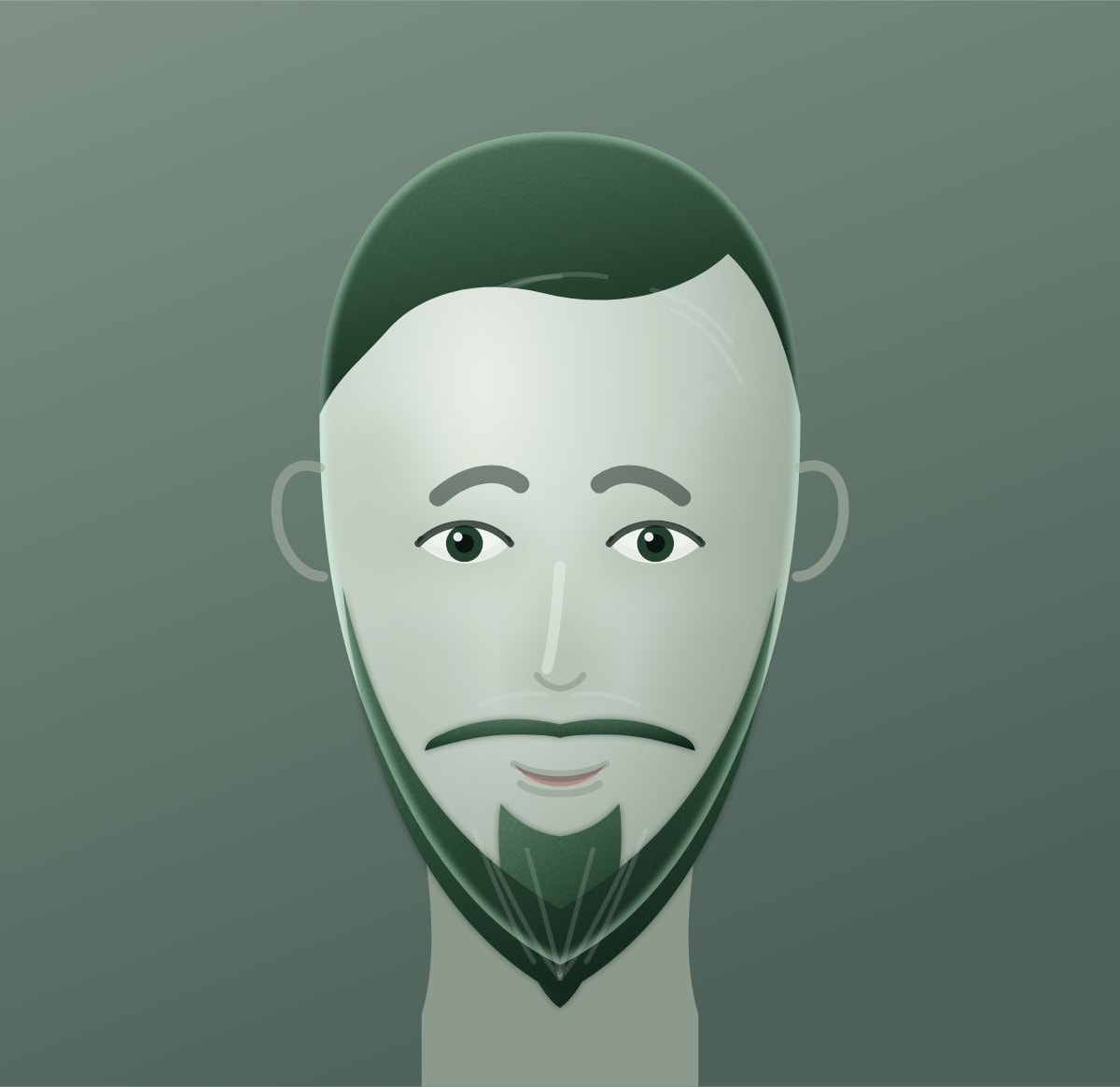
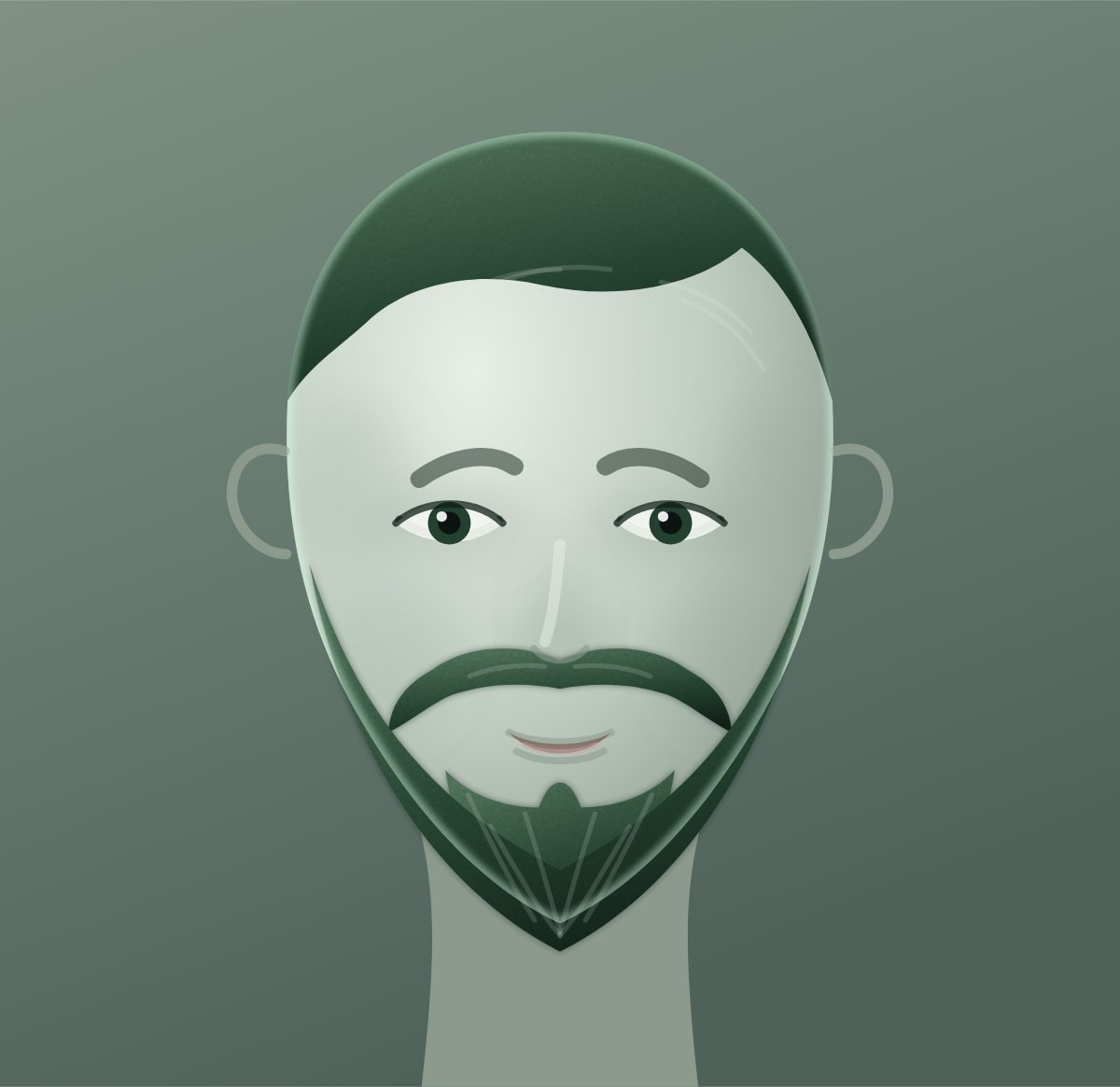
The 18 main short beard styles



£5 off your first delivery
Every style on this page needs a clean edge somewhere, and a clean edge needs a sharp blade. Blunt blades drag, and dragging is what turns a tidy line into razor burn.
£5 off your first subscription or VIP order - one per customer, unsubscribe with 1 click
What counts as a short beard
Anything under about an inch. That is the whole definition, and it covers more ground than people expect, from a few days of stubble to a boxed beard that has been grown for a month and then cut back to a set length every week. That range covers a good third of the directory.
The reason the category matters is that everything under an inch behaves the same way. It sits close to the face, so it follows your jaw rather than hiding it. It grows back fast enough that a bad trim is a fortnight's problem rather than a season's. And it never gets heavy enough to need oil, balm or a beard comb, which is why most men who keep a beard for years end up somewhere in this range whatever they started with.
The trade is control for coverage. A short beard will not hide a weak jaw or fill a patchy cheek, because there is not enough hair to hide anything behind. What it will do is give you a clean line, every day, with about two minutes of work a week.
The five decisions that make a short beard
Nearly every style below is the same beard with different answers to five questions. Once you can see that, choosing gets much easier, and so does changing your mind later.
How long you set the clippers. Two millimetres reads as stubble. Six is a short beard. Ten is where shaping starts to matter and you leave this list.
Where the cheek line sits. Left alone it is a natural line. Shaved into a straight edge it becomes a boxed beard. Faded out into the sideburn it becomes a beard fade.
Where the neckline sits. Two fingers above the Adam's apple, following the curve of the jaw from ear to ear. Get this wrong and the beard reads as untidy no matter what the rest of it is doing. Get it right and half the work is already done.
Whether the cheeks come off entirely. Take them off and you have a chin beard: a goatee, a circle beard, a balbo, a Van Dyke.
Whether the moustache joins on. Joined gives you a circle beard. Separate gives you a Van Dyke or a balbo. Gone entirely gives you a chin strap or a plain goatee.
Which short beard suits your face shape
A short beard changes the outline of the face far more than a long one does, because at this length you can see the edge of it clearly against the skin. That edge is the whole effect.
| Face shape | How to spot it | Works well | Approach with care |
|---|---|---|---|
| Oval | Slightly longer than wide, soft edges, nothing dominant | Almost anything. Boxed beard, Van Dyke, corporate beard, monkey tail | Very little. This is the shape most styles are drawn for |
| Square | Jaw, cheekbones and forehead near enough the same width, hard angles | Circle beard, balbo, boxed beard with rounded corners | A chin strap, which traces a jaw that is already the strongest thing on the face |
| Round | About as wide as it is long, soft jaw, full cheeks | Goatee, Van Dyke, extended goatee, chin strap | Wide cheek coverage, which adds width where there is plenty |
| Long | Noticeably longer than wide, fairly straight sides | Beard fade, corporate beard, full cheeks kept short | Pointed chin styles, which pull the face longer still |
| Diamond | Narrow forehead and jaw, wide cheekbones | Circle beard, boxed beard | A sharp Van Dyke point, which sharpens an already pointed chin |
| Triangle | Jaw is the widest part, forehead the narrowest | Stubble kept even, soul patch | Anything that adds bulk along the jaw |
| Heart | Broad forehead, high cheekbones, narrow chin | Goatee, anchor beard, balbo | Bare chins. You want weight down there, not less of it |
This is a starting point, not a rule. The single biggest factor in whether a beard suits someone is whether it is kept properly, and that beats face shape comfortably.
How long each one takes
Facial hair grows at roughly a centimetre a month, which means most of this list is four weeks away and the longest of it is eight. That is the real advantage of staying short: you can try one, decide against it, and be somewhere else entirely by the end of next month.
| Style | Growing time | Trim how often | Best face shapes |
|---|---|---|---|
| Goatee | 3 to 4 weeks | Every 3 to 4 days | Round, Oval |
| Van Dyke | 3 to 4 weeks | Every 1 to 2 days | Round, Oval, Square |
| Soul patch | 2 to 3 weeks | Every 3 to 4 days | Any |
| Beard fade | 3 to 4 weeks | Every 1 to 2 days | Any |
| Neckbeard | 3 to 4 weeks | Every week or two | Any |
| Sideburns | 3 to 5 weeks | Every week or two | Any |
| Boxed beard | 3 to 4 weeks | Every 1 to 2 days | Round, Square, Oval, Long |
| Chin strap | 3 to 4 weeks | Every 1 to 2 days | Round, Long |
| Monkey tail beard | 3 to 4 weeks | Every 1 to 2 days | Oval |
| Stubble | 2 to 10 days | Every 1 to 2 days | Any |
| Balbo | At least 4 weeks before shaping. | -- | -- |
| Circle beard | 3 to 4 weeks | Every 3 to 4 days | Round, Square, Oval |
| Anchor beard | 3 to 4 weeks | Every 1 to 2 days | Oval, Square, Round |
| Extended goatee | 3 to 4 weeks | Every 1 to 2 days | Round |
| Royale beard | 3 to 4 weeks | Every 1 to 2 days | Oval |
| Corporate beard | 3 to 4 weeks | Every 1 to 2 days | Any |
| Hollywoodian | 3 to 4 weeks | Every 1 to 2 days | Oval, Square |
| Petite goatee | 2 to 3 weeks | Every 3 to 4 days | Round |
Read the trim column more carefully than the growing column. Growing is a wait you do once. Trimming is what you pay every week for as long as you keep the style, and it is the number that decides whether the beard is still there in a year.
Growing one from nothing
Two weeks with no trimmer at all. Not the cheeks, not the neck, not tidying. The hair at the jawline and under the chin comes through slowest, and if you set your lines before it arrives you will set them too high and have to grow the whole thing out again to fix it.
At two weeks, do the neckline and nothing else. Two fingers above the Adam's apple, then follow the curve of the jaw round to just below each ear. Leave every other edge alone.
At four weeks you have a short beard and can decide what it is. Set the clipper length first and take the whole thing down to one even length, because judging a shape through uneven growth is guesswork. Then do the cheek line, then decide whether the cheeks stay at all.
The order matters. Length, then neck, then cheeks, then chin. Working the other way round is how people end up with a goatee they did not intend, having shaved a bit more off each side trying to get the two halves level.
The families in this list
The eighteen above are four groups wearing different names.
Full coverage, kept short
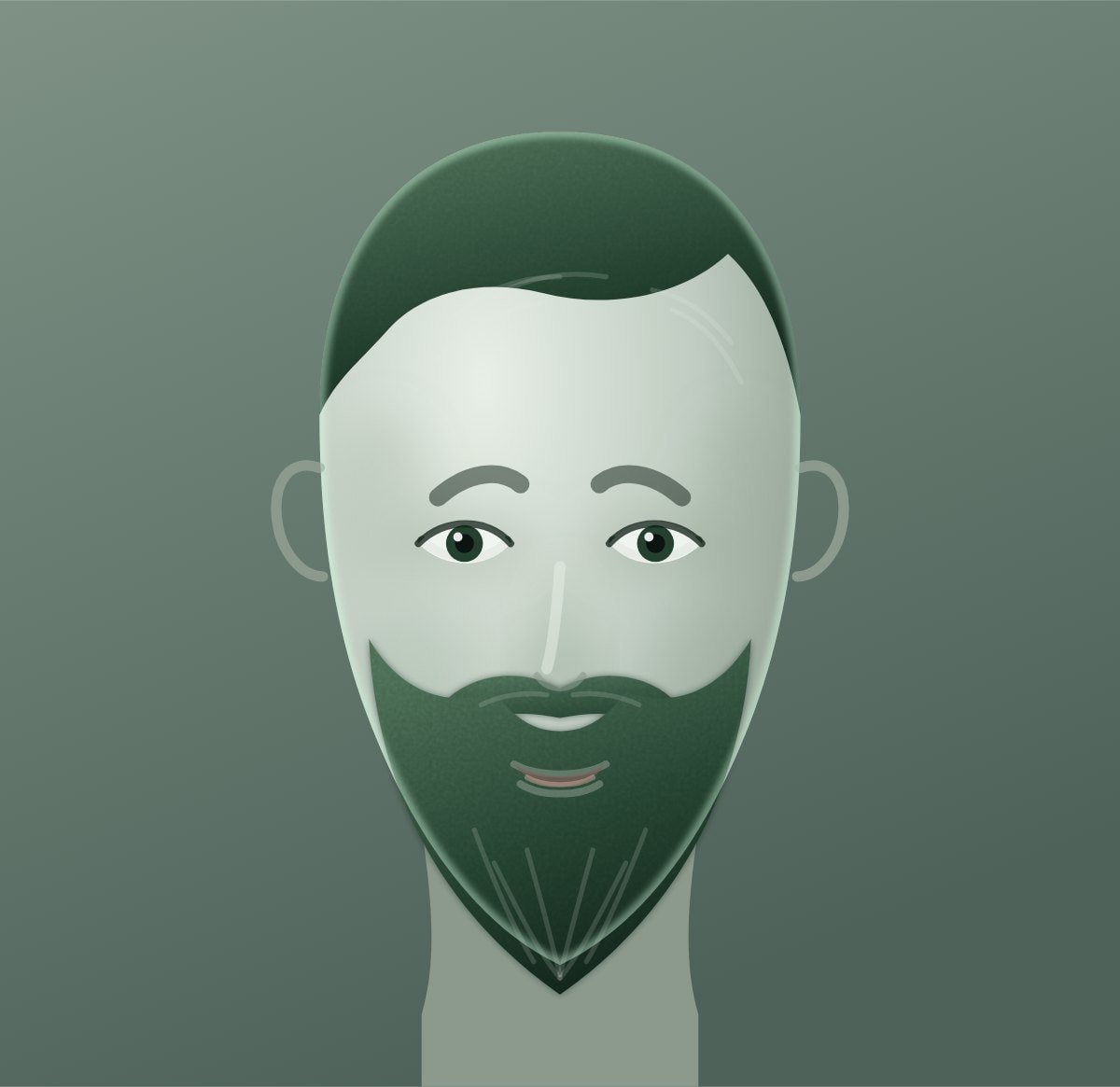
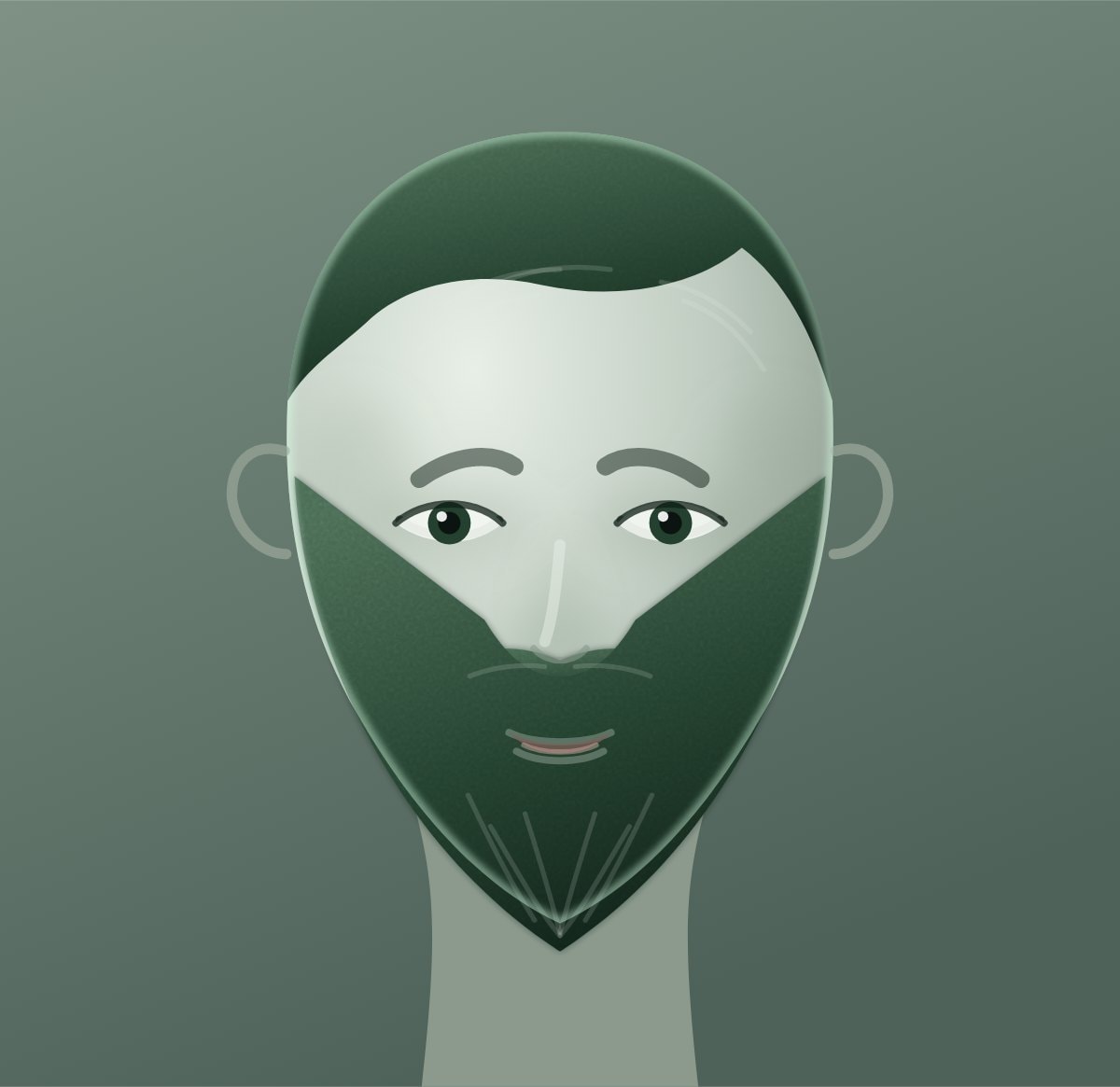
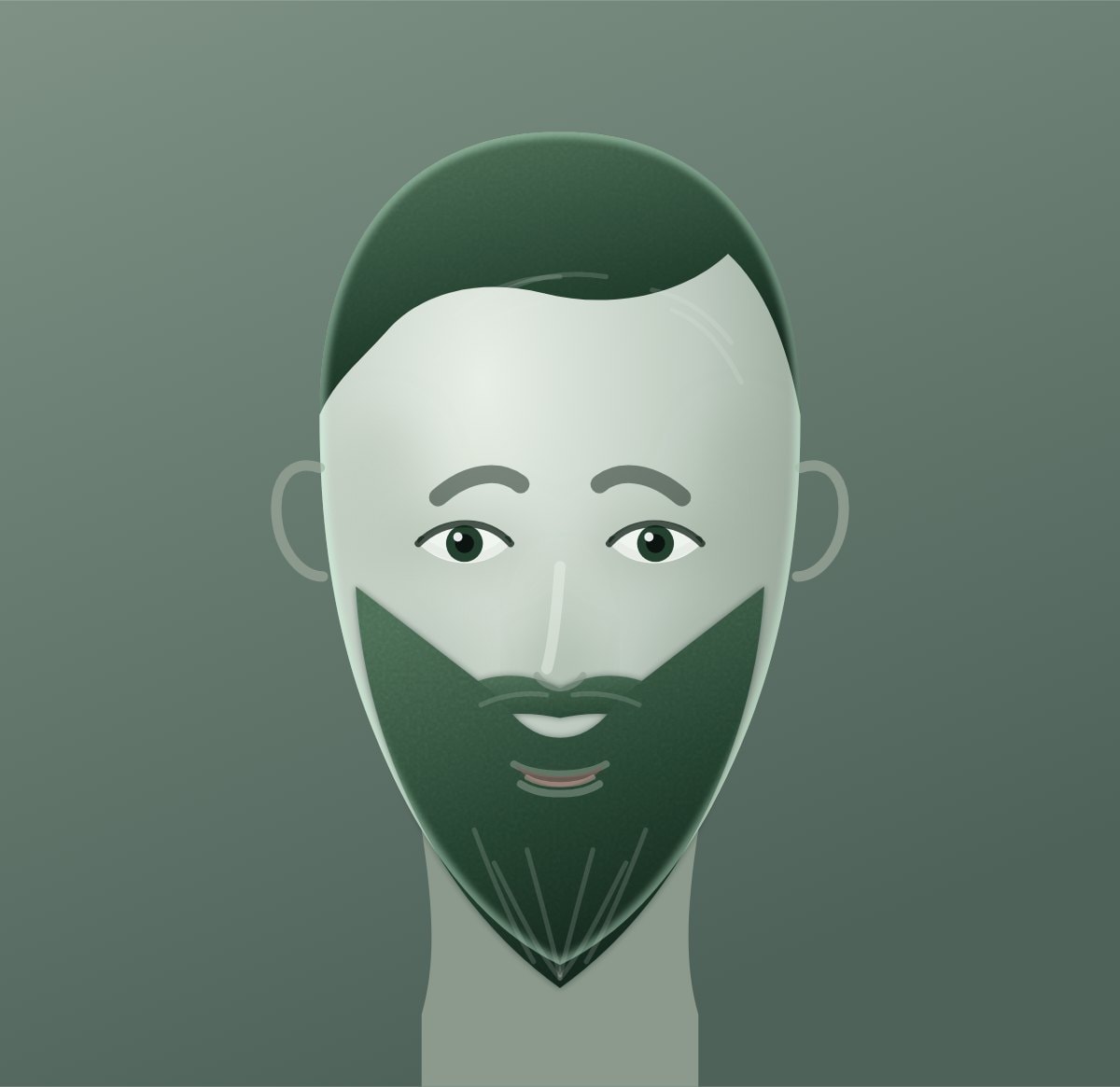
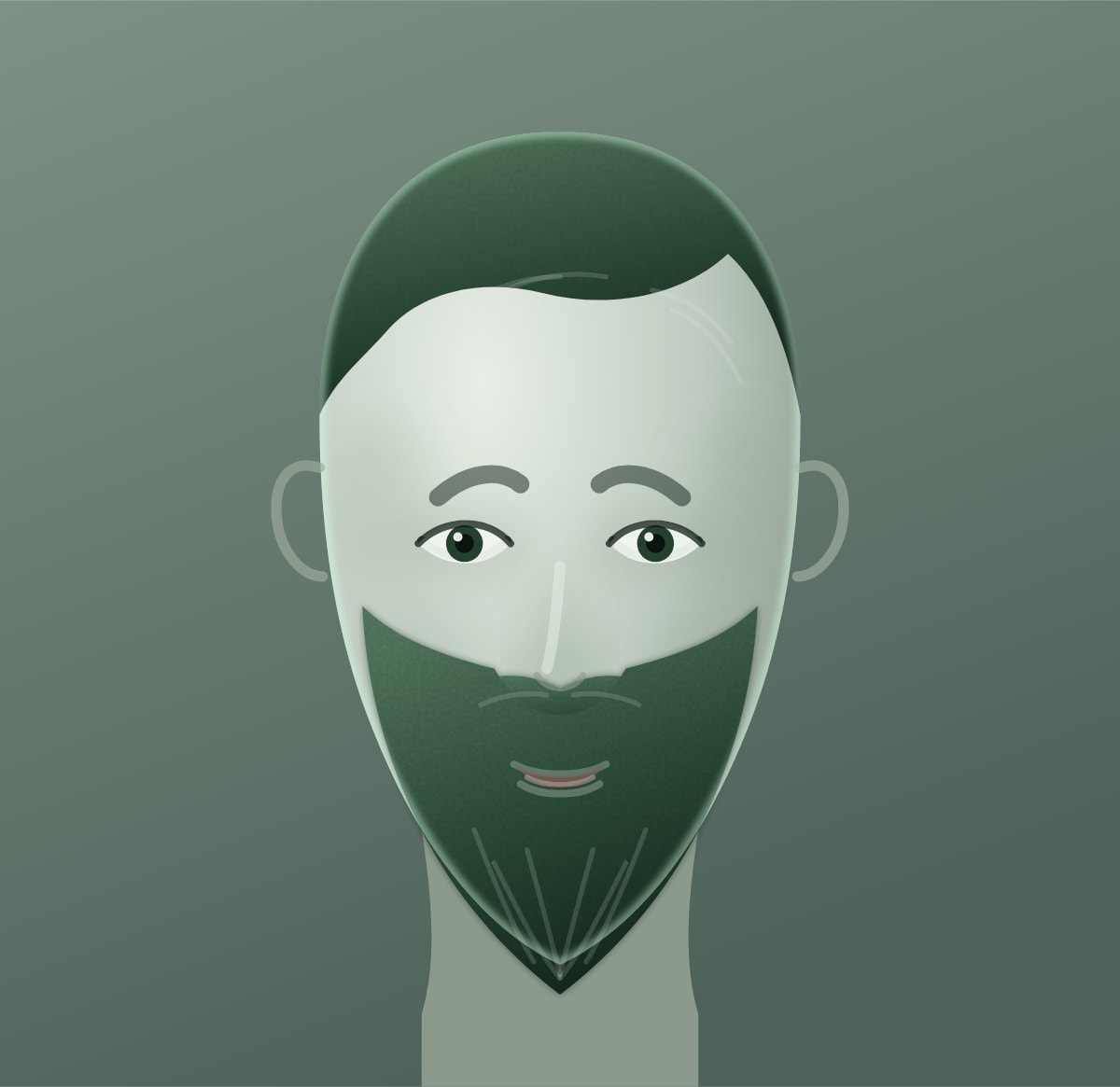
The corporate beard is the default: cheeks and chin covered, everything at one short length, edges tidied but not carved. It suits nearly every face and nearly every workplace, and it is the answer for most men most of the time.
The boxed beard is the same beard with the edges made deliberate. A straight cheek line, a defined neckline, squared corners at the jaw. It takes an extra few minutes a week and looks considerably sharper for them.
The beard fade grades the length from the sideburn down to the jaw instead of stopping it with a line. It needs a steady hand or a barber, and it is the one style here that genuinely benefits from being done professionally the first time so you can see the shape you are copying.
Chin only
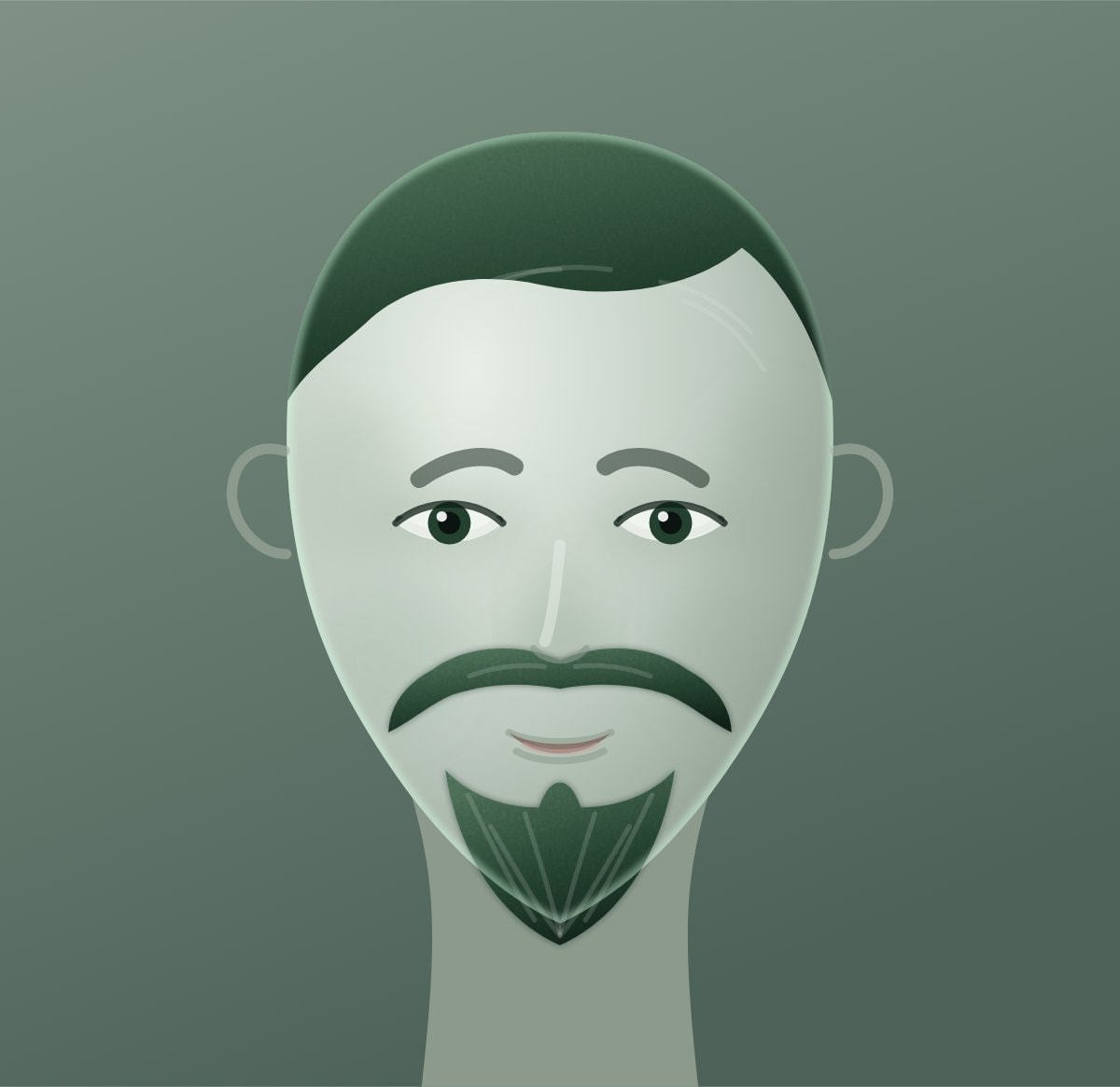
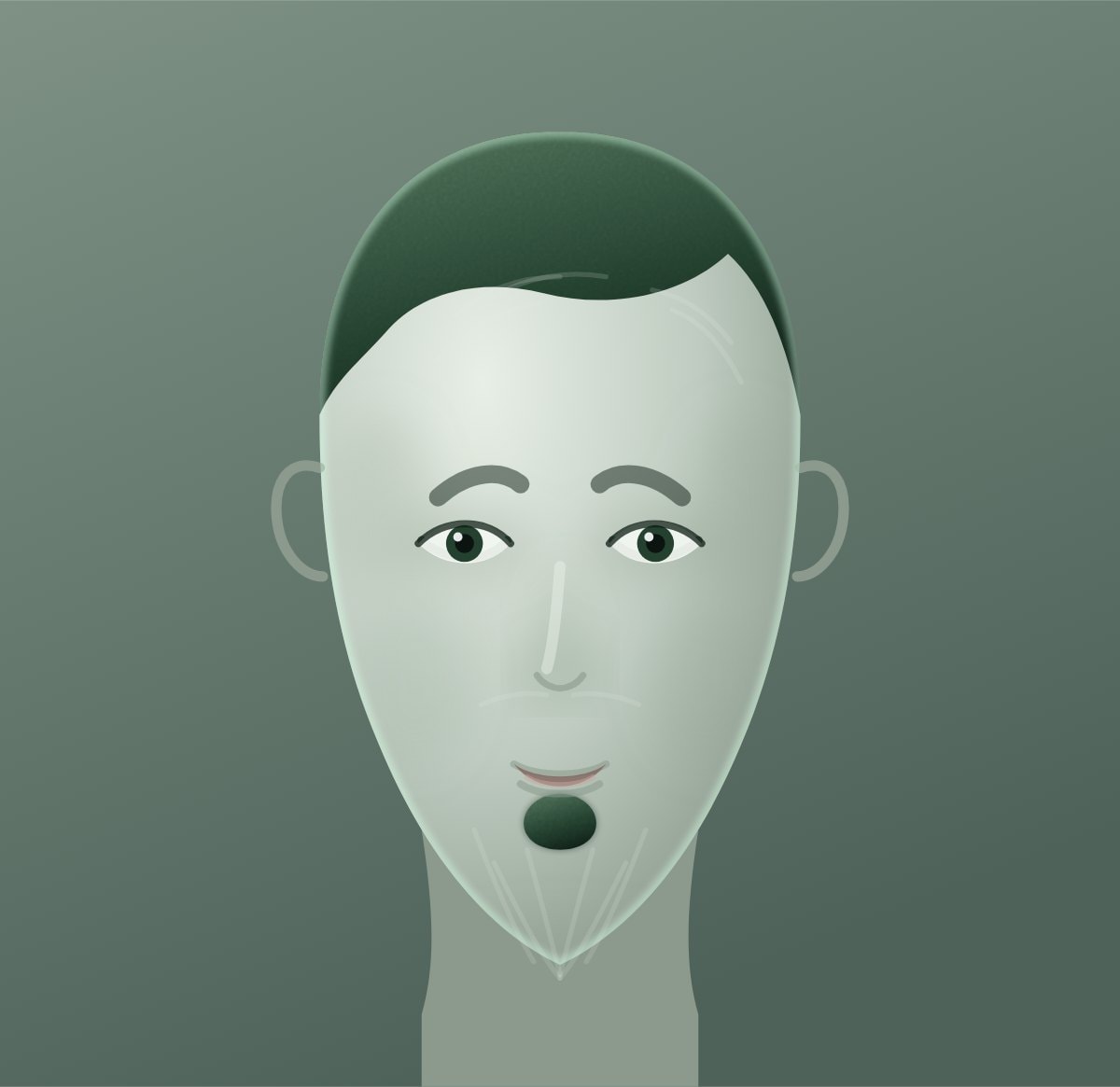
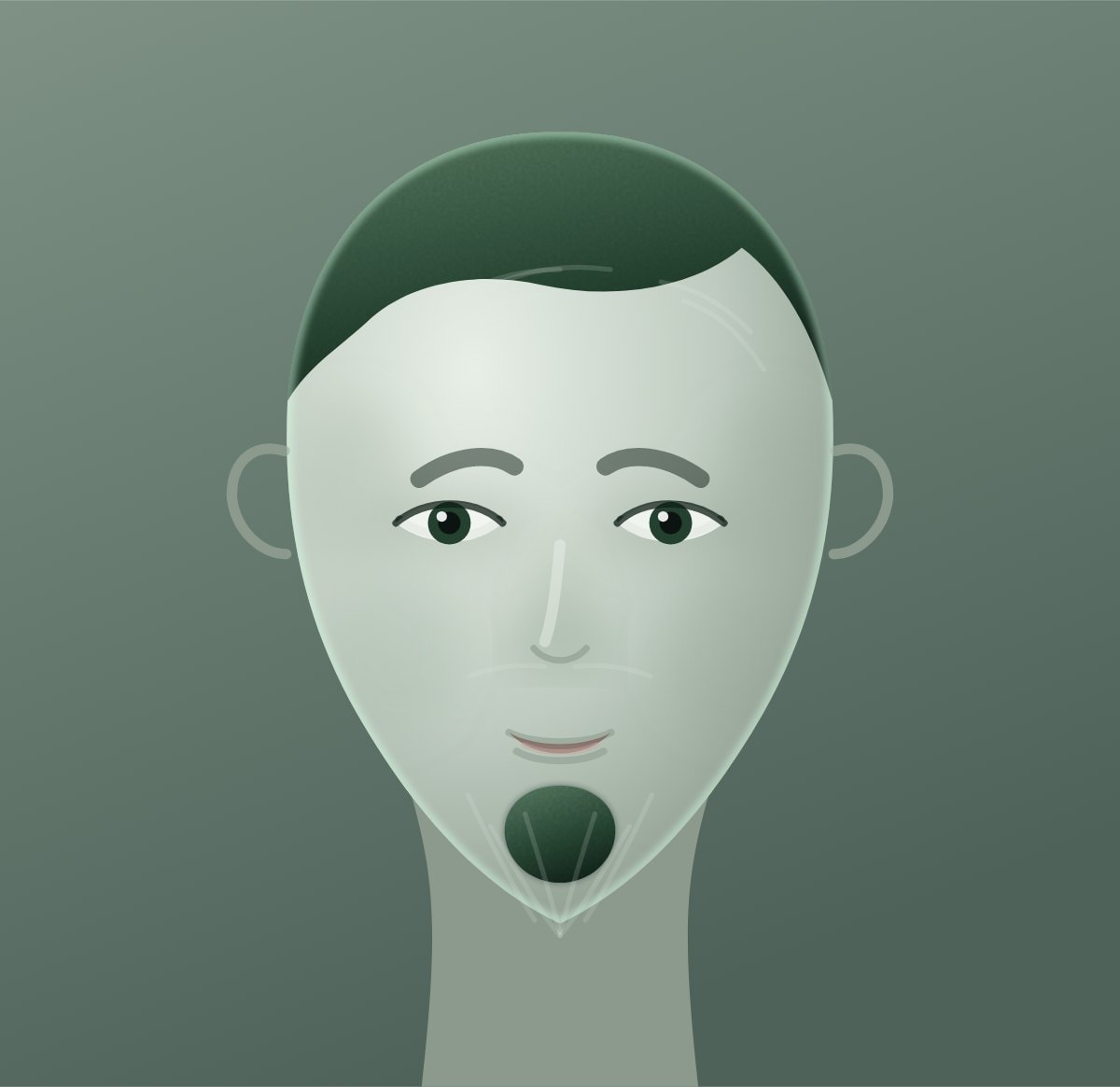
The goatee is the most searched beard style there is, and the word now covers several different shapes. Strictly it is chin hair with the cheeks bare. Joined to a moustache it becomes a circle beard, which is what most people picture. Widened along the jaw it becomes an extended goatee. Kept small and tight it is a petite goatee.
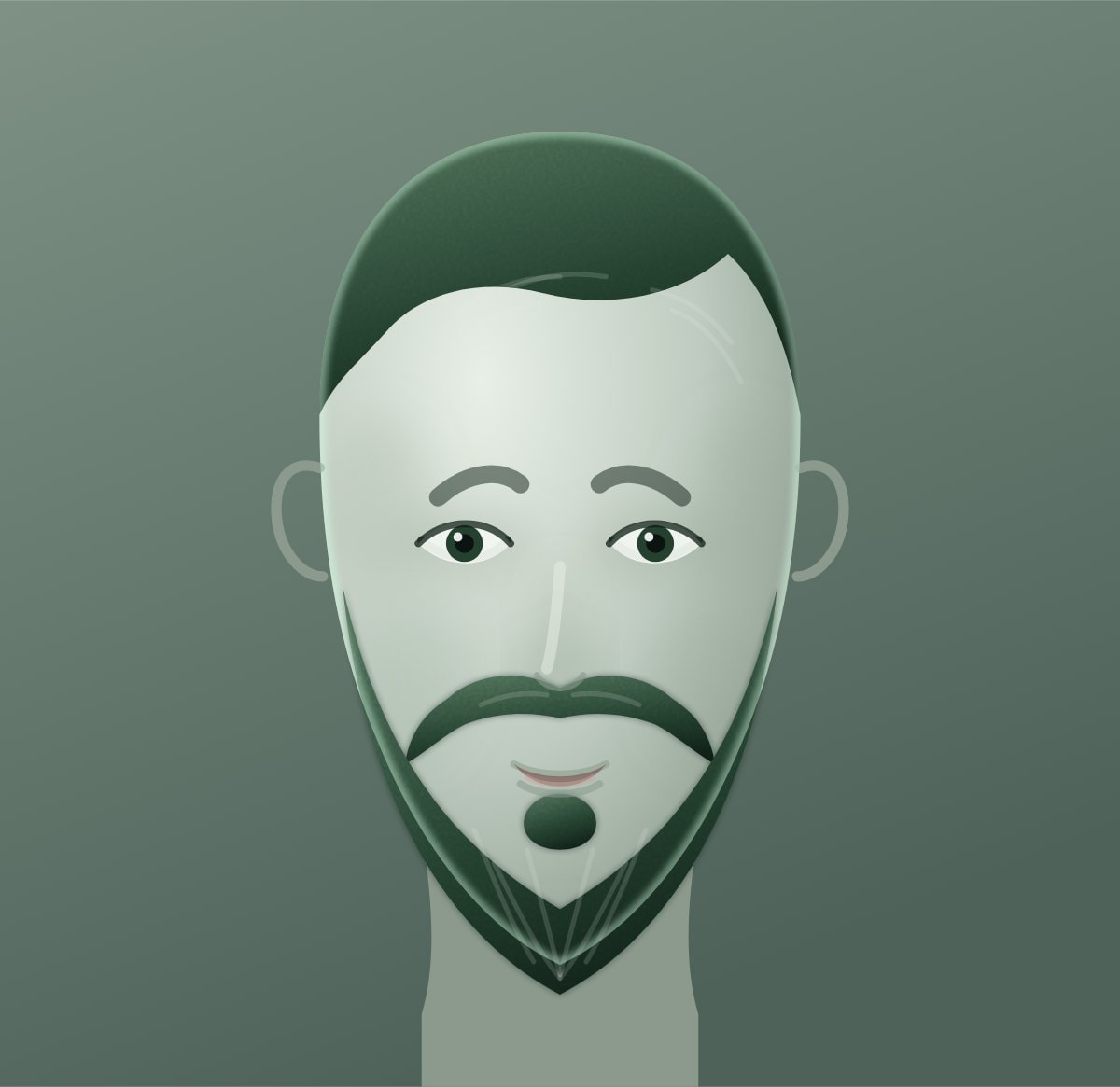
The Van Dyke keeps the moustache separate from a pointed chin beard, with a clear gap at the corners of the mouth. It is the sharpest looking thing on this list and the most work, because the gap has to stay a gap and the point has to stay a point.
The balbo is the Van Dyke's broader cousin: moustache, soul patch and a chin beard that spreads along the jaw, none of the three touching. Three separate shapes to maintain, which is why it takes as long as it does.
The anchor beard traces a thin line along the jaw and brings it up to a pointed chin, with a moustache above. The name comes from the shape it makes, and you will not unsee it once you have looked.
Line work
The chin strap is a narrow band of hair following the jaw from ear to ear, with the cheeks and usually the chin left bare. It defines a jaw that is already there. It cannot invent one, and the attempt is obvious.
The monkey tail runs a single unbroken line from one sideburn, down past the mouth and round the chin. It is a hard shape to keep symmetrical and an easy one to admire on somebody else.
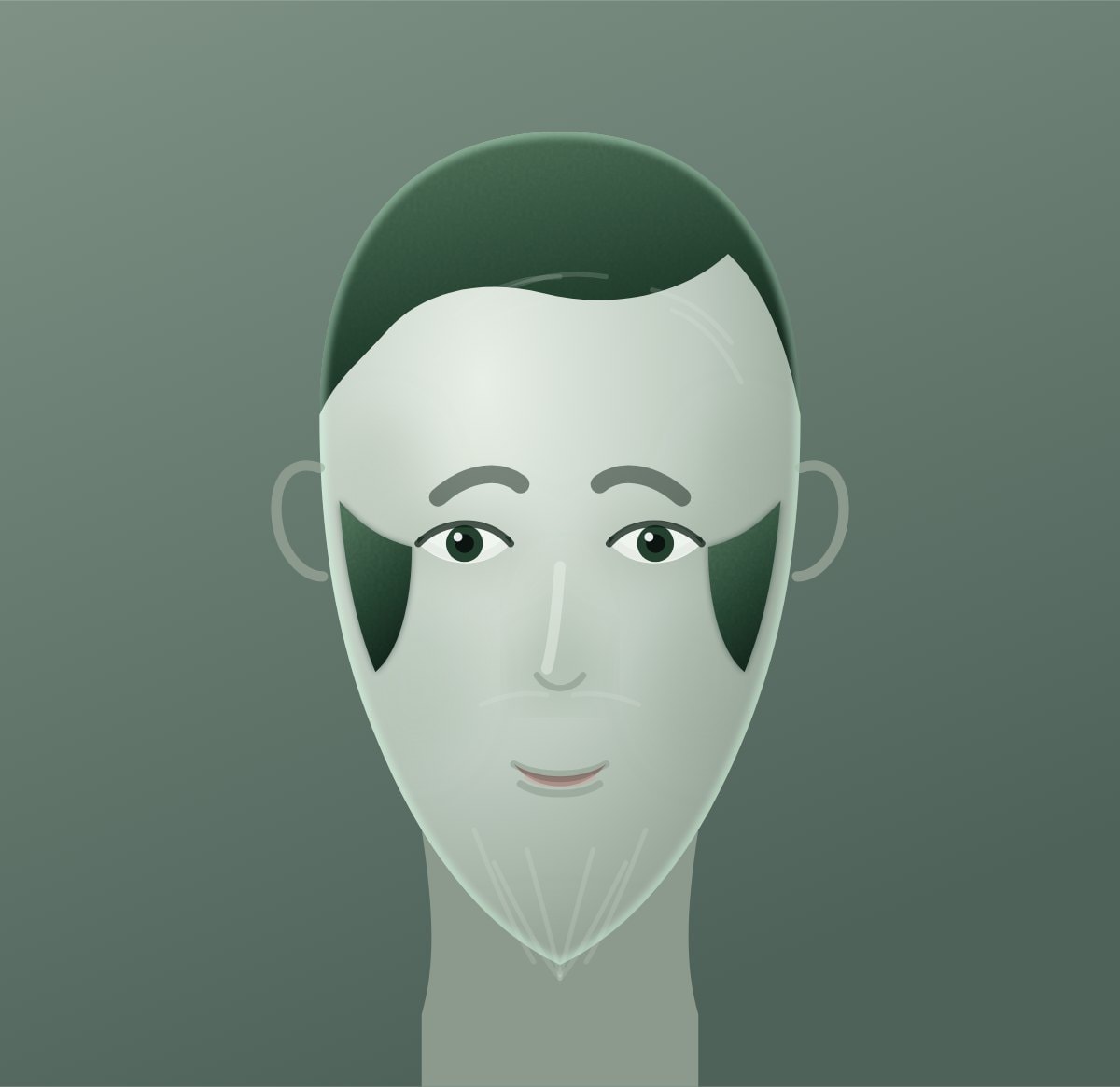
Sideburns belong here too, since a set worn long enough to notice is a style decision rather than an oversight.
Barely there
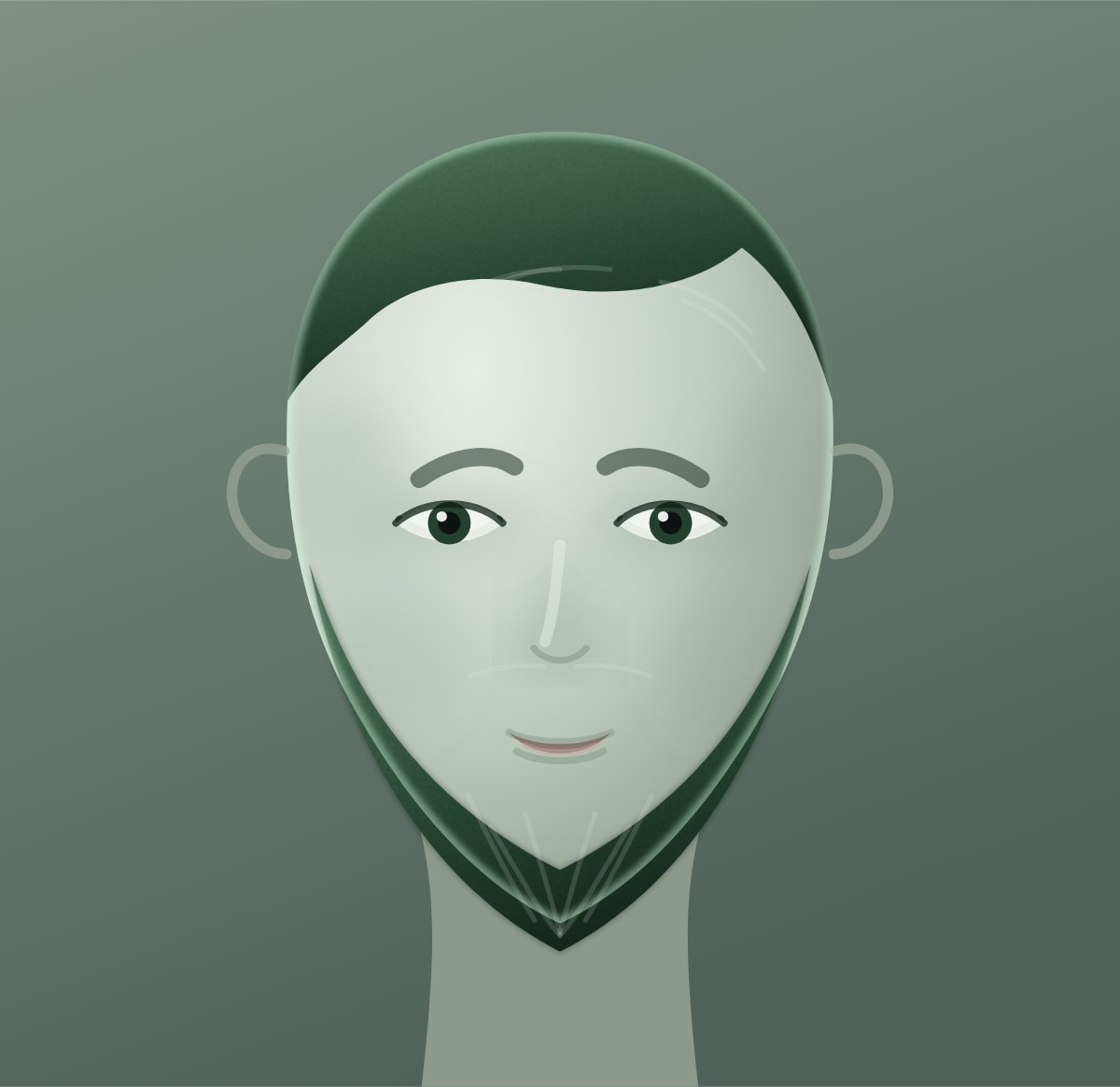
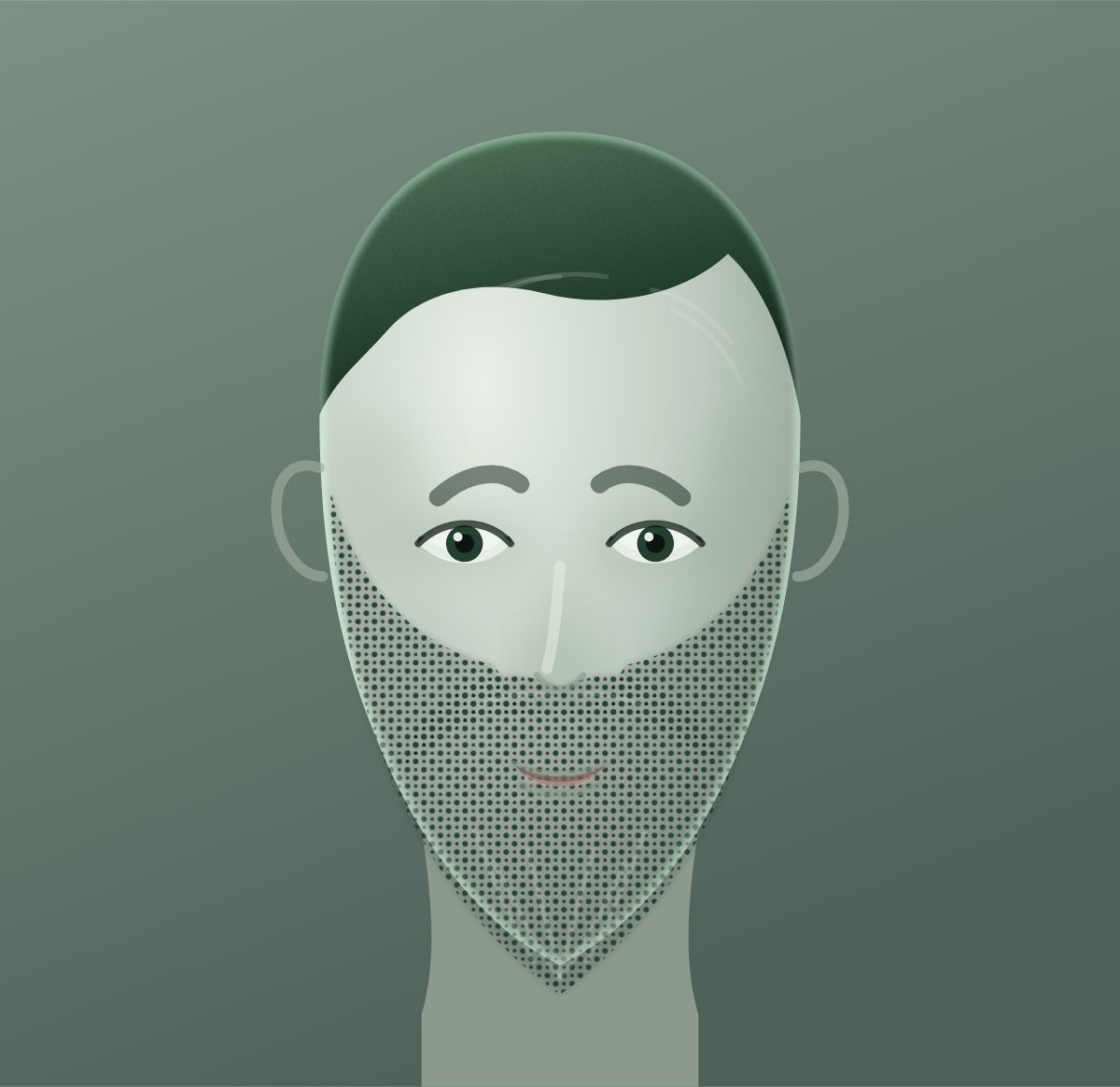
Stubble is between two and ten days of growth kept at one length, and it is the highest maintenance option on this page. The look depends entirely on being even, which means a trimmer every second or third day and a properly clean neckline underneath.
The soul patch is a tuft under the lower lip and nothing else. It takes a week to grow and about a minute a week to keep.
The neckbeard is here for completeness. It is growth on the neck with the face shaved, it is nobody's plan, and the fix is the neckline paragraph above.
Keeping it, week to week
A short beard needs a trimmer, a mirror you can see the underside of your jaw in, and a razor for the edges. Nothing else is required, and most of what gets sold for beards is aimed at lengths this list never reaches.
Set the guard and go against the grain for an even length. Going with the grain leaves it longer than the number on the guard suggests, which is fine as long as you are consistent about it and confusing if you are not.
Do the edges with a razor rather than the trimmer's bare blade. A blade edge is close but it is not clean, and at this length the difference between close and clean is most of the effect.
Wash it with something. At an inch or under, beard hair collects the same things the skin underneath does, and the itch that makes people give up in week three is usually skin rather than hair. Ordinary washing and a little moisturiser on the skin underneath solves most of it.
| Problem | What is actually happening | What to do |
|---|---|---|
| Itching in week two or three | Dry skin under the beard, not the hair | Wash it, moisturise the skin underneath, wait it out |
| Patchy cheeks | Density, and it does not change with time | Go shorter so the contrast drops, or take the cheeks off entirely |
| The two sides never match | Trimming each side in turn, chasing level | Set one length across the whole beard first, then edge both sides in one pass |
| It looks scruffy however short it is | The neckline is too high or missing | Two fingers above the Adam's apple, curved to follow the jaw |
| Ginger patches you did not expect | Perfectly normal, and common | Nothing. It shows less as the beard gets longer |
Where it goes wrong
Trimming too early. The commonest failure by a distance. Everything looks wrong at day ten, on everyone, and the beard that eventually suits you is not visible yet.
Setting the neckline at the jaw. It should sit above the Adam's apple, on the neck, not along the jawbone. A neckline on the jaw makes the face look like it stops abruptly.
Chasing symmetry with a trimmer. Faces are not symmetrical. Cutting until the two sides match cuts until there is nothing left to match.
Buying products for a length you do not have. Oil and balm exist for beards long enough to tangle. Under an inch, they mostly just sit there.
Questions we get asked
How long does a short beard take to grow?
Four weeks for most, six if your growth is slow. Two of those weeks you should not touch it at all.
What is the best short beard style?
The corporate beard, for most men. Full coverage, one short length, tidy edges, and it suits nearly every face and every workplace.
Can I have a short beard with patchy growth?
Yes, and shorter usually helps. The gaps show up as contrast between hair and skin, and less length means less contrast. If the cheeks stay stubbornly thin, a chin beard sidesteps the problem entirely.
How often should I trim a short beard?
Once a week for the length, and the neckline whenever it starts to creep, which for most men is every three or four days.
Do I need beard oil for a short beard?
Not for the hair. A moisturiser on the skin underneath is more useful and cheaper.
Which short beard is best for a round face?
Something with weight at the chin and nothing at the cheeks. A goatee, a Van Dyke or an extended goatee all lengthen a round face rather than widening it.
Is stubble a beard?
For the purposes of this list, yes. It takes more upkeep than most of the beards above it, which surprises people.
What is the difference between a goatee and a circle beard?
The moustache. A goatee is chin only. A circle beard joins the moustache to the chin in a ring. Most photographs labelled goatee are circle beards.
Other ways to narrow it down
Medium beard styles
One to three inches. The point where shaping starts to matter.
Long beard styles
Three inches and up. Months of growing, and daily oil.
Beard styles for round faces
Length at the chin, kept tight at the cheeks, to lengthen the face.
Beard styles for square faces
Softer, rounder edges so the jaw is not doubled up.
Beard styles for oval faces
The shape most styles are drawn for. Nearly anything works.
Beard styles for long faces
Width at the cheeks, short at the chin, to shorten the face.