
Beard styles for bald men
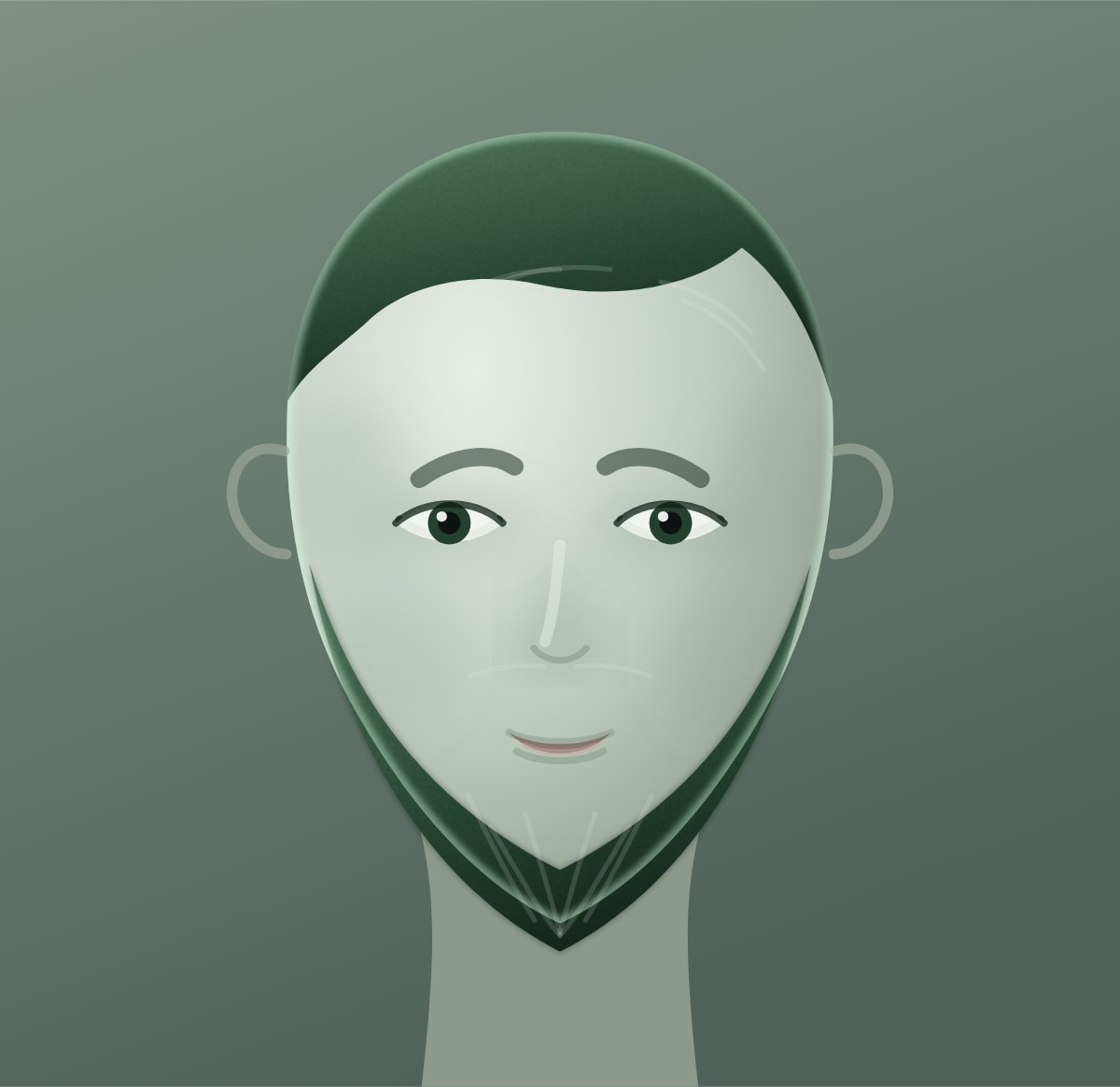
A shaved head and a bare face is a lot of skin and no line anywhere. Weight along the jaw gives the head a base and puts the balance back.
The 27 that work with a shaved head
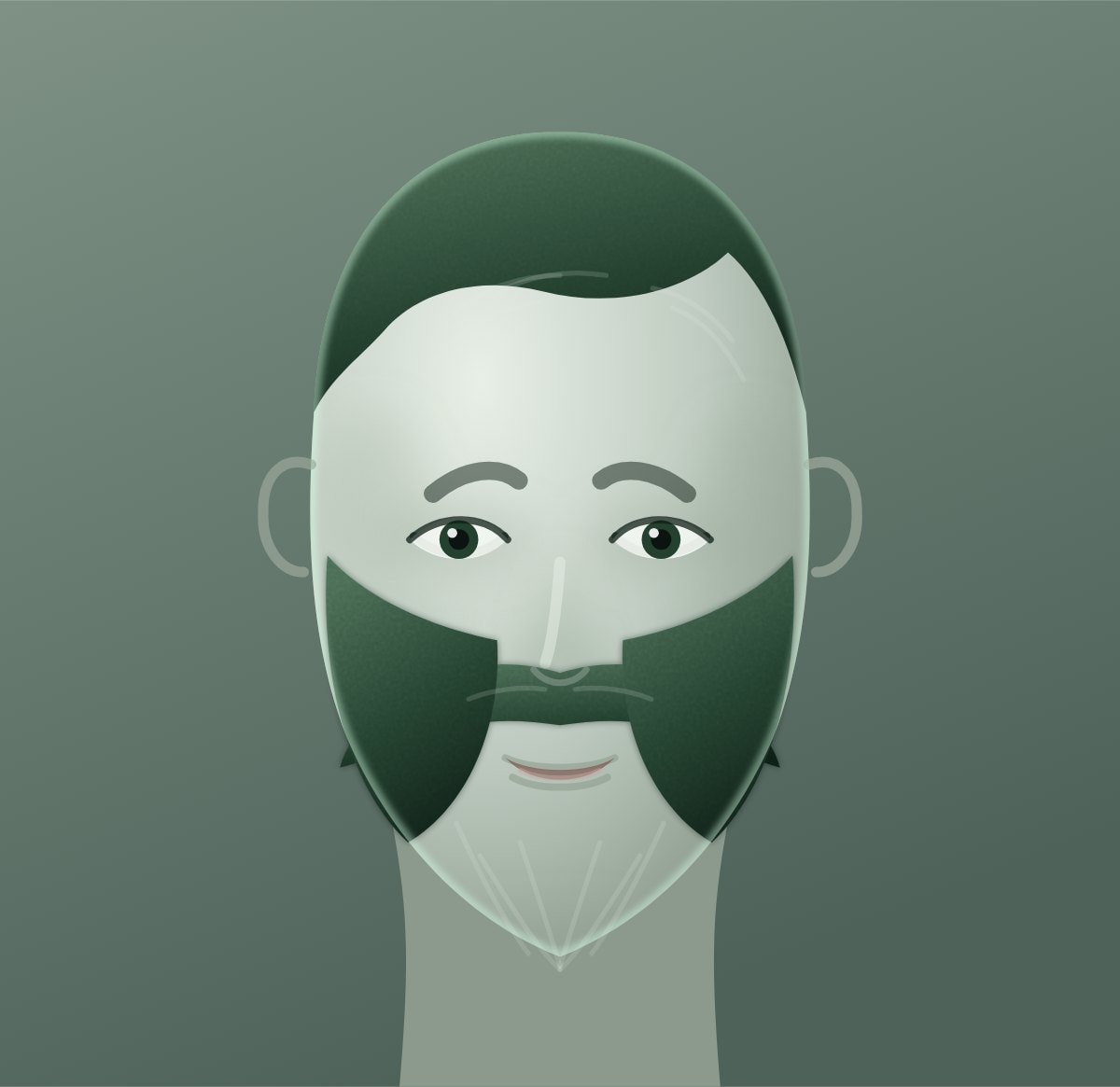
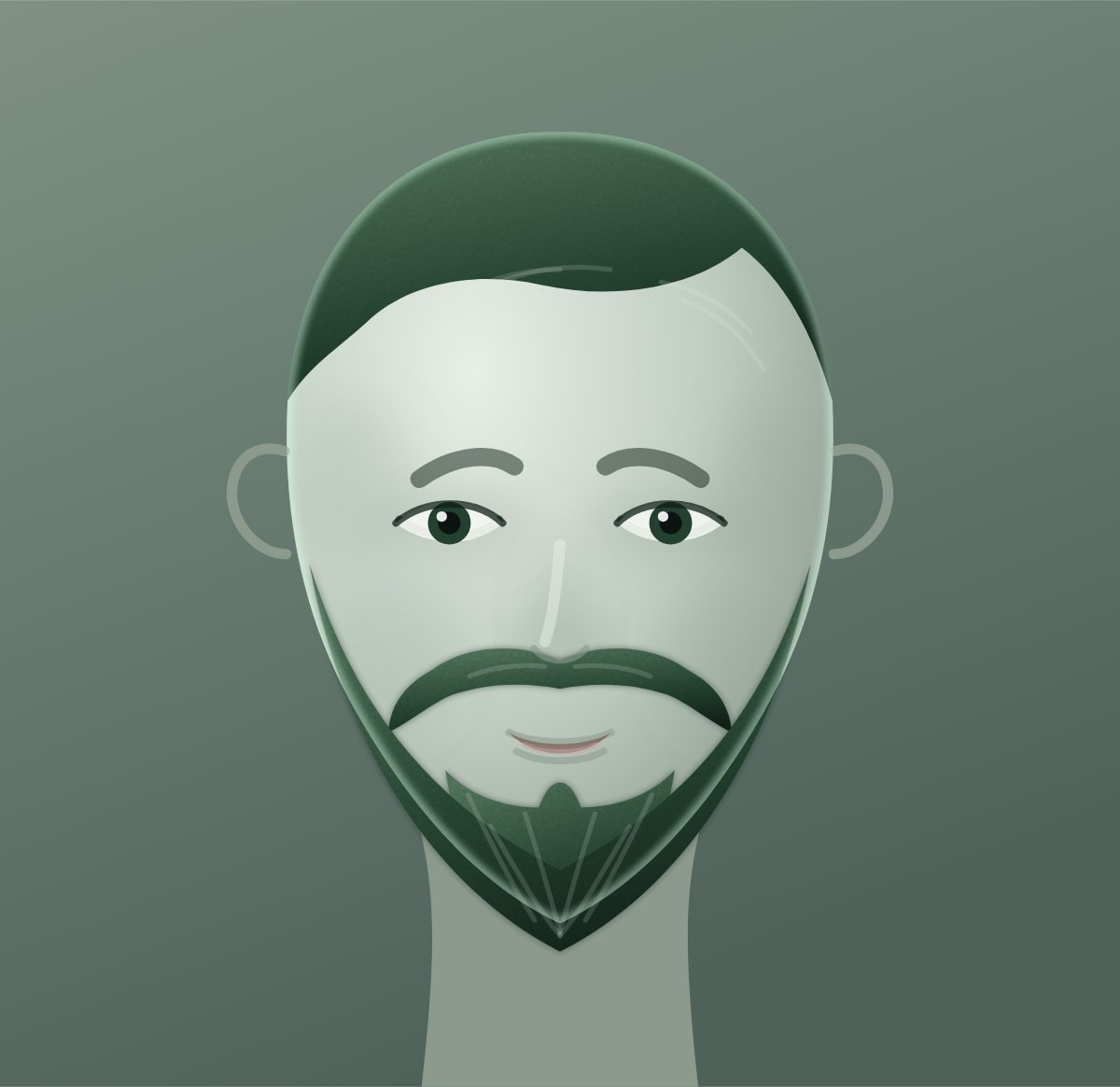
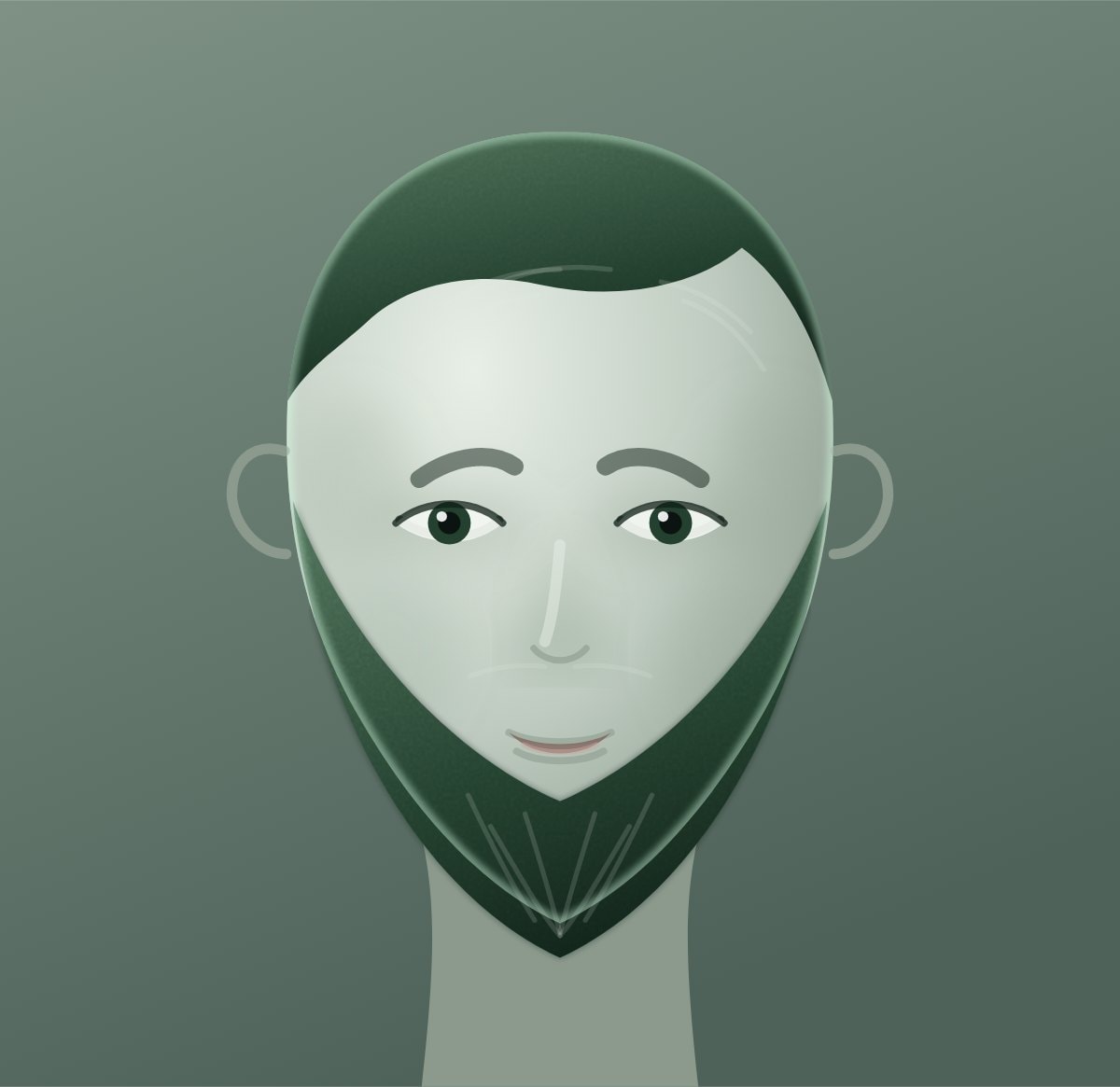
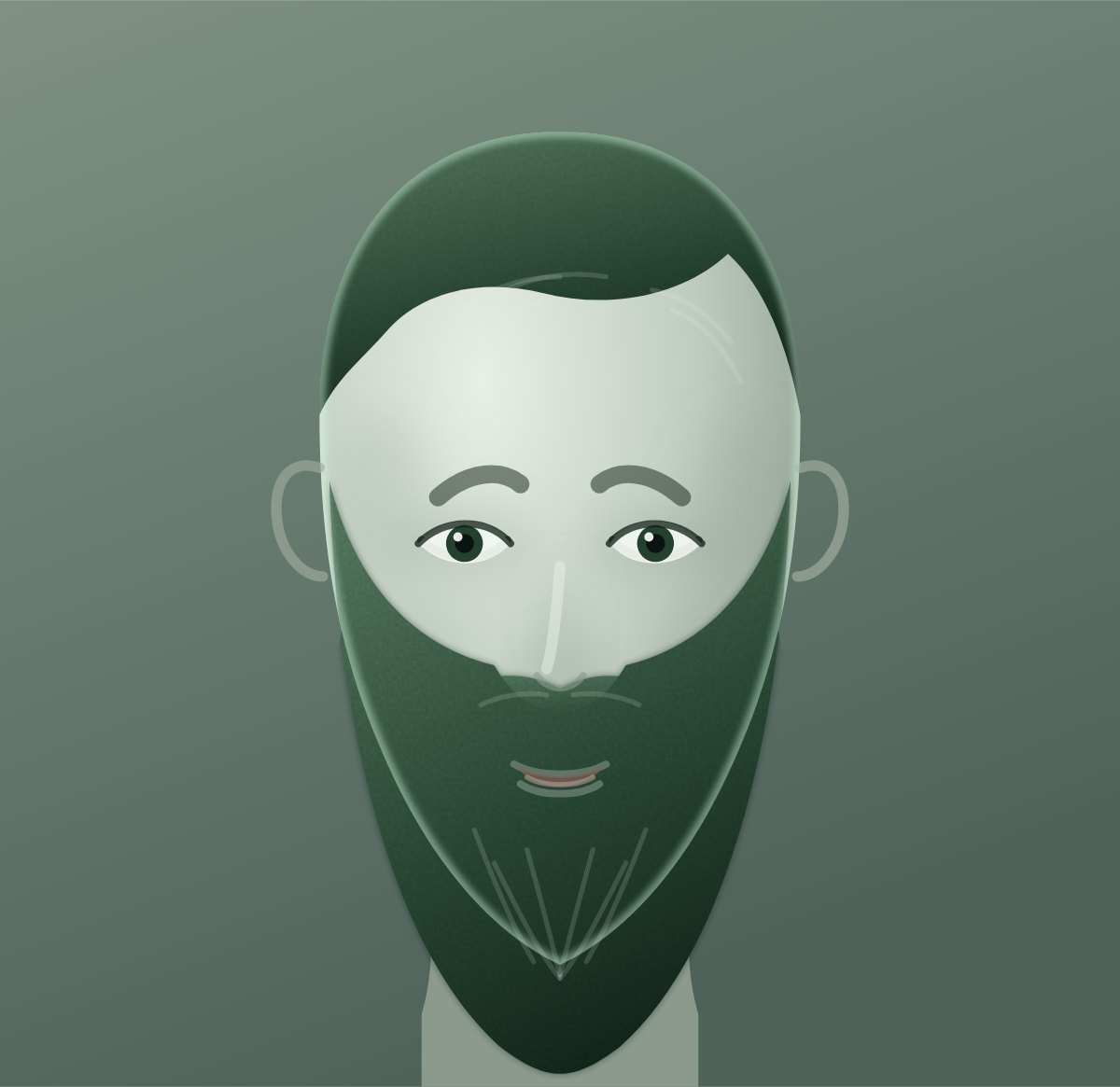
£5 off your first delivery
Every style on this page needs a clean edge somewhere, and a clean edge needs a sharp blade. Blunt blades drag, and dragging is what turns a tidy line into razor burn.
£5 off your first subscription or VIP order - one per customer, unsubscribe with 1 click
Why a beard does more work on a bald head
On a man with hair, the hairline does half the job of framing the face. Take it away and there is no line anywhere above the eyebrows, so everything that gives the face a shape has to happen below the nose.

That is the whole reason this is its own question rather than a subset of beard styles generally. A beard that looks unremarkable on a man with a full head of hair can be the only structure on a shaved one, which means it carries more weight and gets looked at harder.
Two things follow. The first is that the contrast between scalp and beard is doing the work, so a style that is too short to register against bare skin gives you very little. The second is that the transition matters. Where the beard meets the shaved head at the temple is a line most men never think about, and it is the one that separates deliberate from unfinished.
The good news is that the range is wider than most articles admit. Heavy stubble works. A full beard down to the collarbone works. What fails is the middle ground worn without a decision, which reads as a man who has not shaved for a while rather than a man who chose this.
How this list was picked
The styles above are not simply every beard we have a page for. Four things decided what made it:
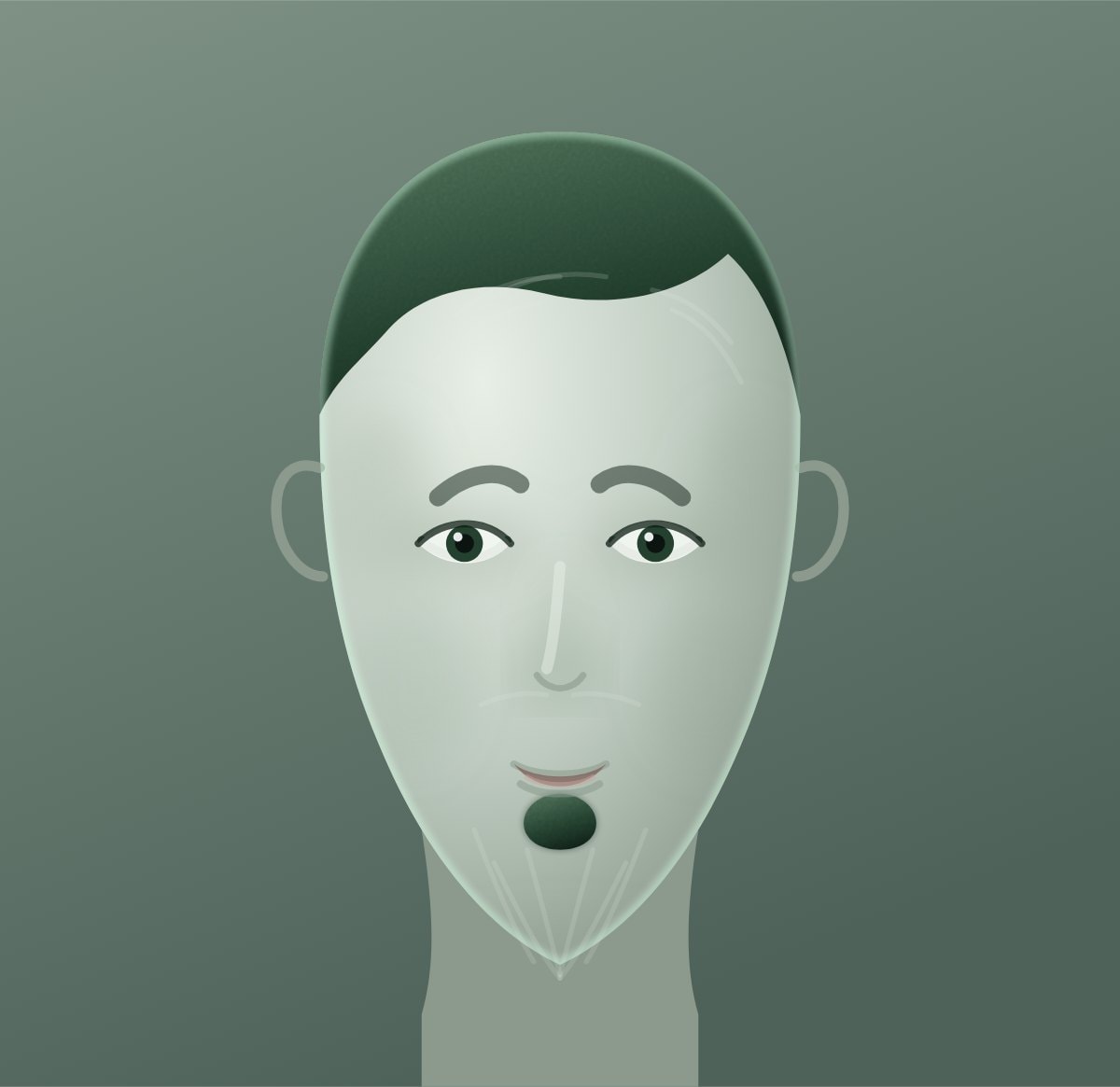
It has to read against bare skin. A soul patch on a bald head is a very small amount of hair on a very large amount of face. It is in the list because some men wear it well, but it is at the edge of what registers.
The transition to the scalp has to be manageable. Styles that rely on sideburns blending upward into hair have nothing to blend into. They can still work, but they become a hard edge rather than a fade, and that edge has to be cut deliberately.
Patchy cheeks had to be catered for. Not everyone who shaves their head has dense growth on the face, and chin-led styles solve that problem completely.
It had to be something we would recommend. A beard directory can list every documented shape, and ours does. A page answering "what should I grow" should not.
Which one suits your face shape
With no hair to change the perceived shape of the top of the head, face shape matters more here than it does for other men. The head reads as an unbroken oval, and the beard is the only thing that can change that impression.
| Face shape | How to spot it | Works well | Approach with care |
|---|---|---|---|
| Oval | Slightly longer than wide, soft edges, nothing dominant | Almost anything. Boxed beard, full beard, corporate beard, stubble | Very little. Keep the proportion sensible and it holds |
| Square | Jaw, cheekbones and forehead near enough the same width, hard angles | Circle beard, balbo, rounded full beard, garibaldi | A chin strap, which traces a jaw that is already the strongest thing on the face |
| Round | About as wide as it is long, soft jaw, full cheeks | Ducktail, anchor beard, van Dyke, extended goatee | Wide cheek coverage, which adds width where there is already plenty |
| Long | Noticeably longer than wide, fairly straight sides | Beard fade, mutton chops, full cheeks kept short | Pointed chin styles, which lengthen a head that already reads long |
| Diamond | Narrow forehead and jaw, wide cheekbones | Boxed beard, circle beard, full beard | A sharp van Dyke point, which sharpens an already pointed chin |
| Triangle | Jaw is the widest part, forehead the narrowest | Stubble kept even, goatee | Anything that adds bulk along the jaw |
| Heart | Broad forehead, high cheekbones, narrow chin | Goatee, anchor beard, balbo | Bare chins. You want weight down there, not less of it |
Treat this as a starting point. The single biggest factor in whether a beard suits a bald head is whether the neckline and the cheek line are cut properly, and that beats face shape comfortably.
The seven that do most of the work
Twenty-seven is a directory. In practice most bald men end up in one of seven, and it is worth understanding those before browsing the rest.
| Style | Best for | Length | Trim how often | Growth needed |
|---|---|---|---|---|
| Stubble, heavy | Most impact for least effort | 4 to 6mm | Every 5 to 7 days | Low to medium |
| Boxed beard | Looking deliberate at work | 10 to 15mm | Shape every 10 to 14 days, edges weekly | Medium |
| Circle beard | Patchy cheeks | Short | Edges every 2 to 4 days | Chin and moustache only |
| Full beard | Maximum contrast | 25 to 40mm | Every 2 to 3 weeks | High |
| Anchor beard | Jaw definition without full cover | Short to medium | Outline every 2 to 3 days | Medium |
| Beard fade | Solving the scalp transition | Graded | Every 2 weeks, usually a barber | Medium |
| Ducktail | A statement, and lengthening a round face | 75 to 100mm | Every 2 to 3 weeks plus daily care | High |
Read the trim column before the length column. Length is a wait you do once. Trimming is the price every week for as long as you keep it, and it is what decides whether the beard is still there next year.
Stubble, and why it is not the easy option
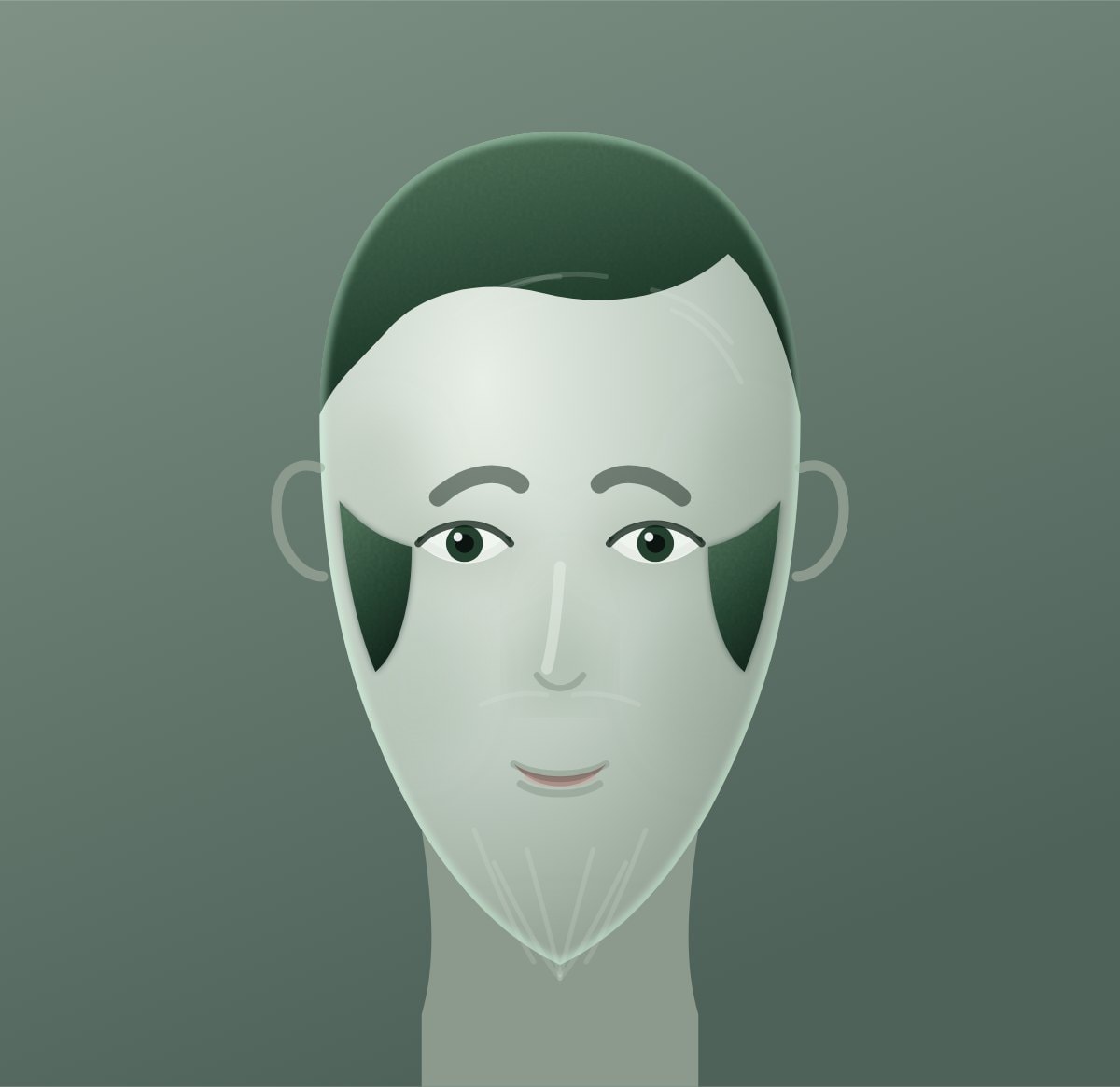
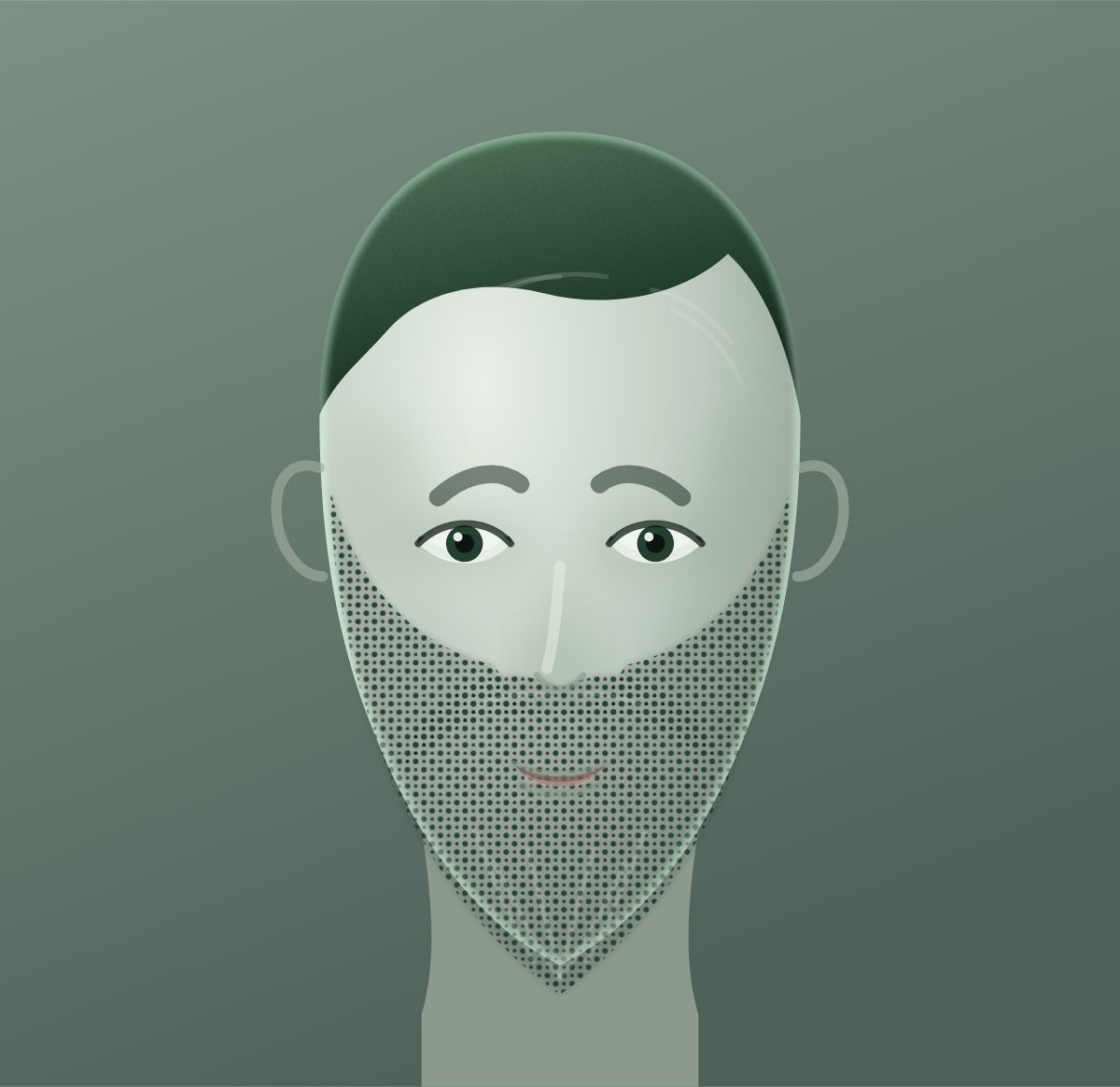
Stubble at four to six millimetres is the most common answer to this question and the most underestimated. It gives you shadow and texture against bare skin with no growing-out period worth mentioning, and it forgives patchy cheeks because there is not enough length for a gap to show.
It is also the look most people picture when they picture this at all, largely because Jason Statham has worn essentially nothing else for twenty years.
What it does not forgive is neglect. The look depends entirely on being even and on the edges being clean, which means a trimmer every few days and a properly cut neckline underneath. Left for a fortnight it stops being stubble and becomes the thing people mean when they say someone looks like they have given up.
The structured short beards
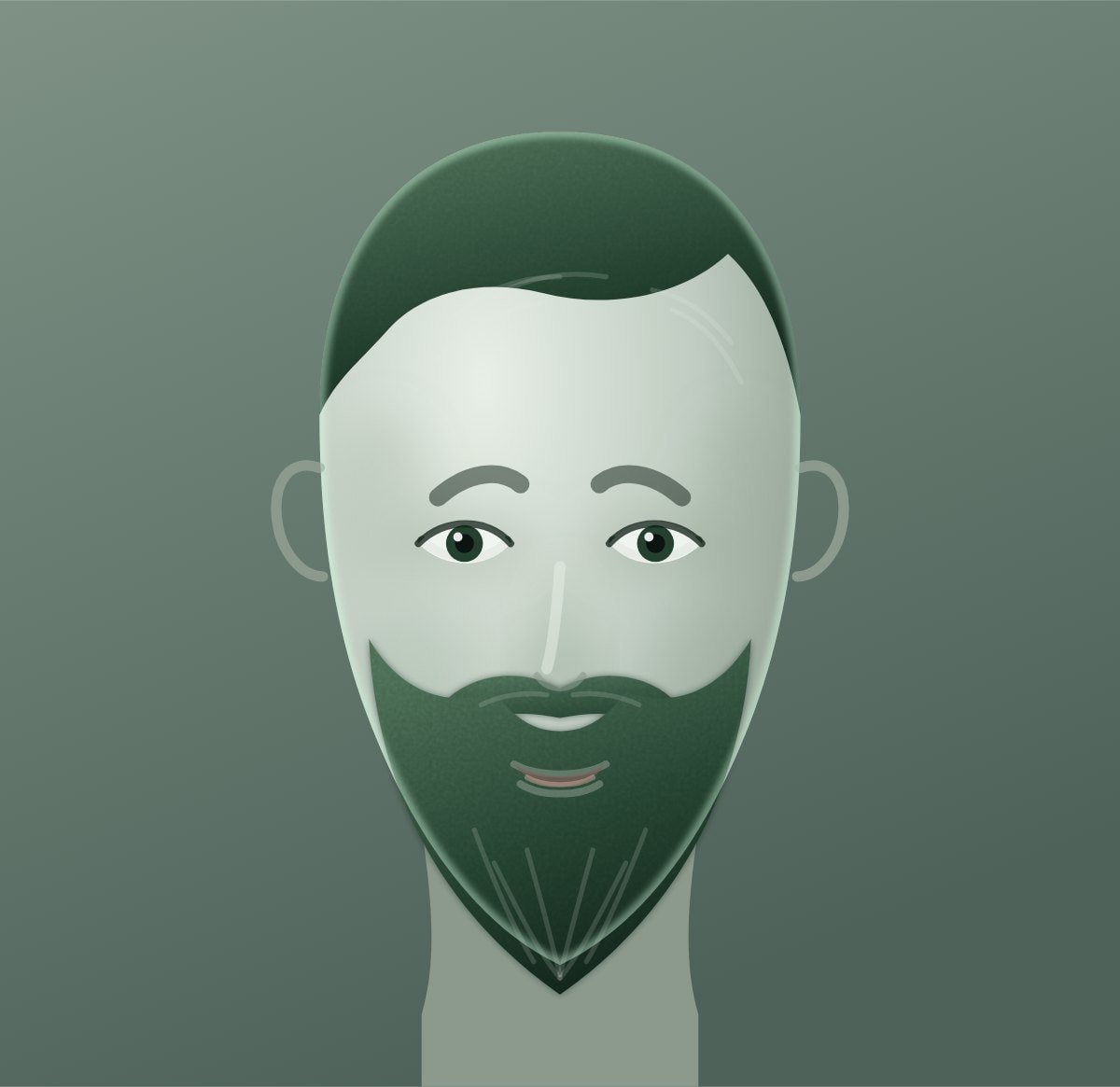
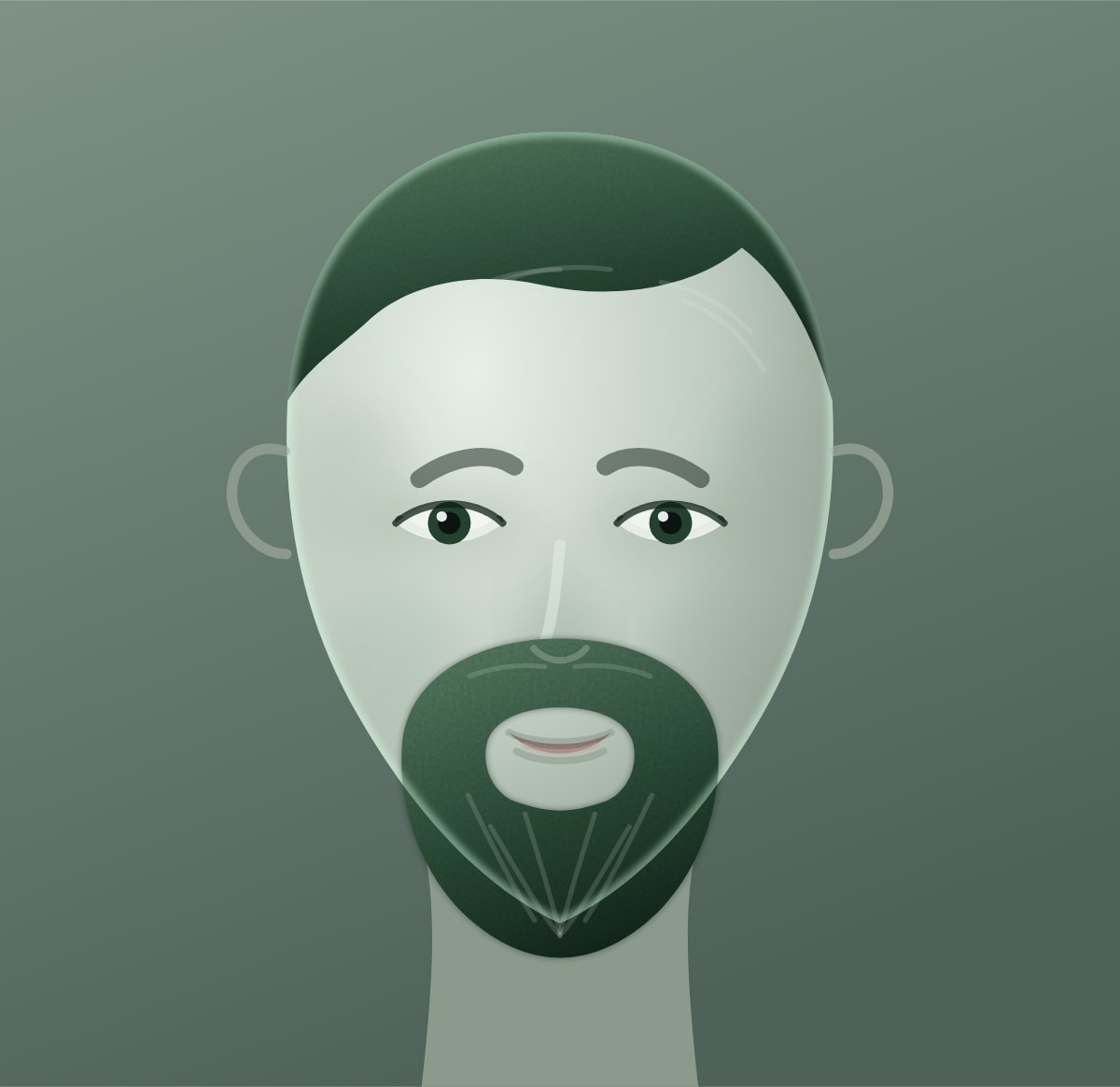
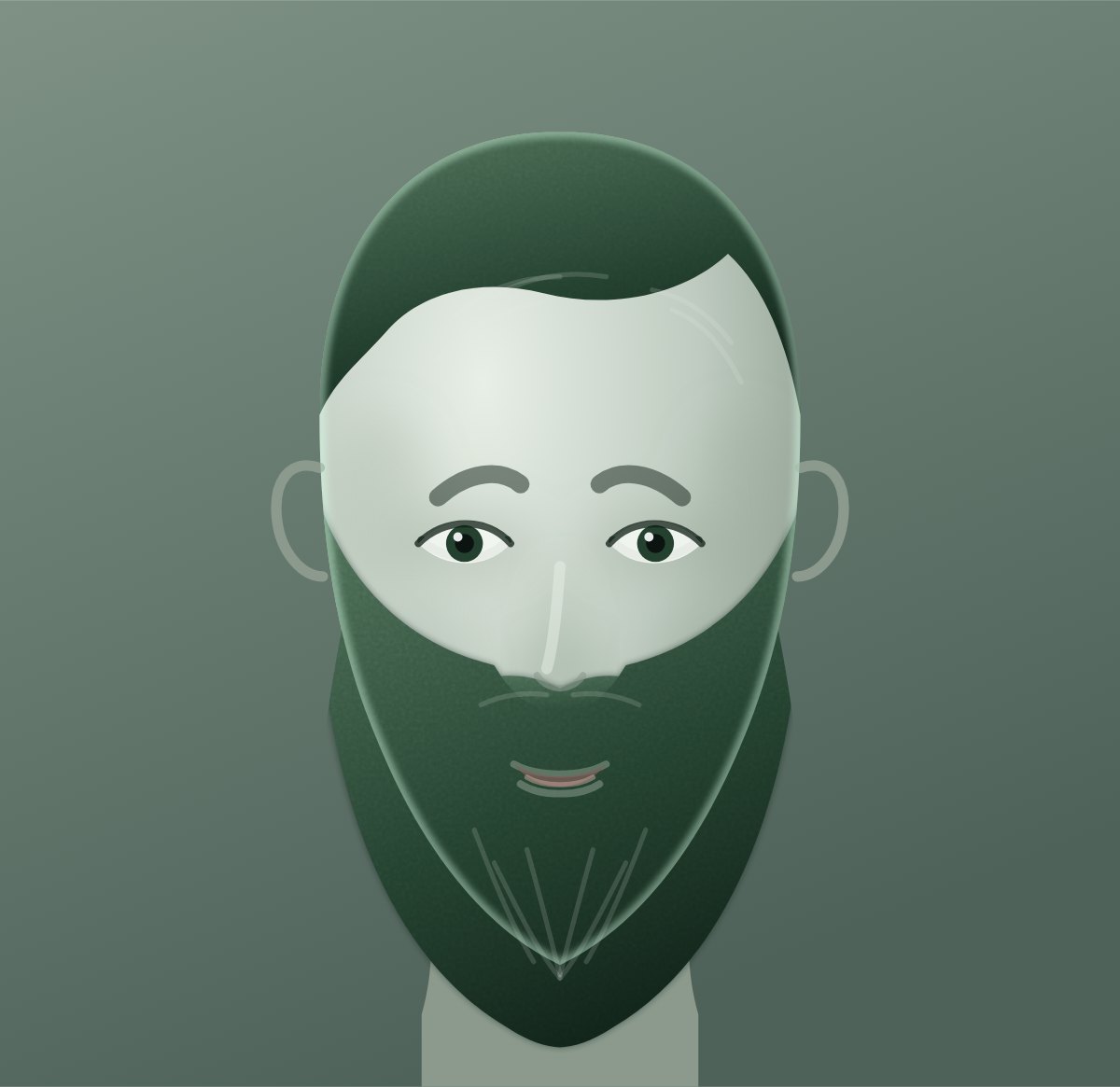
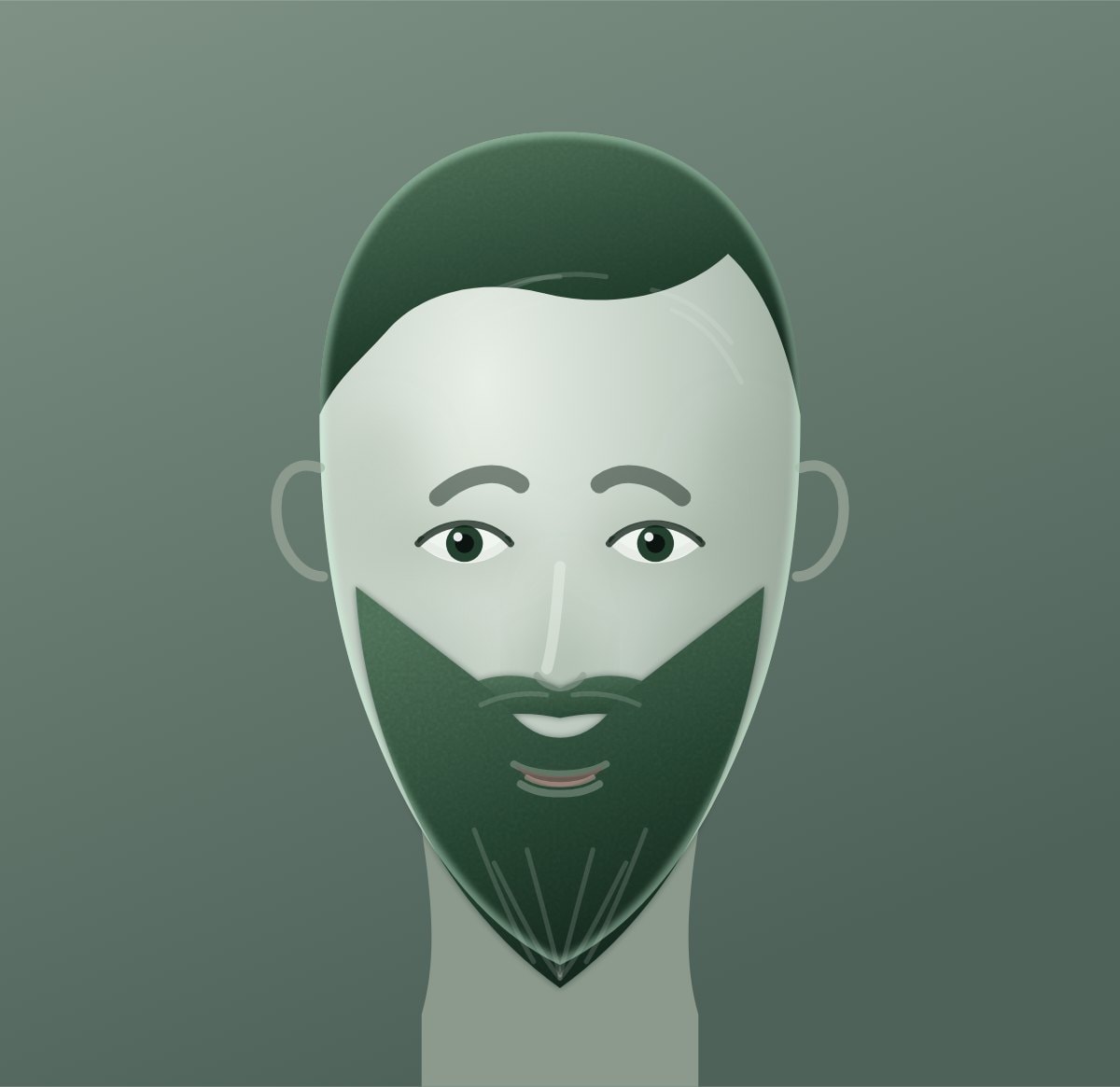
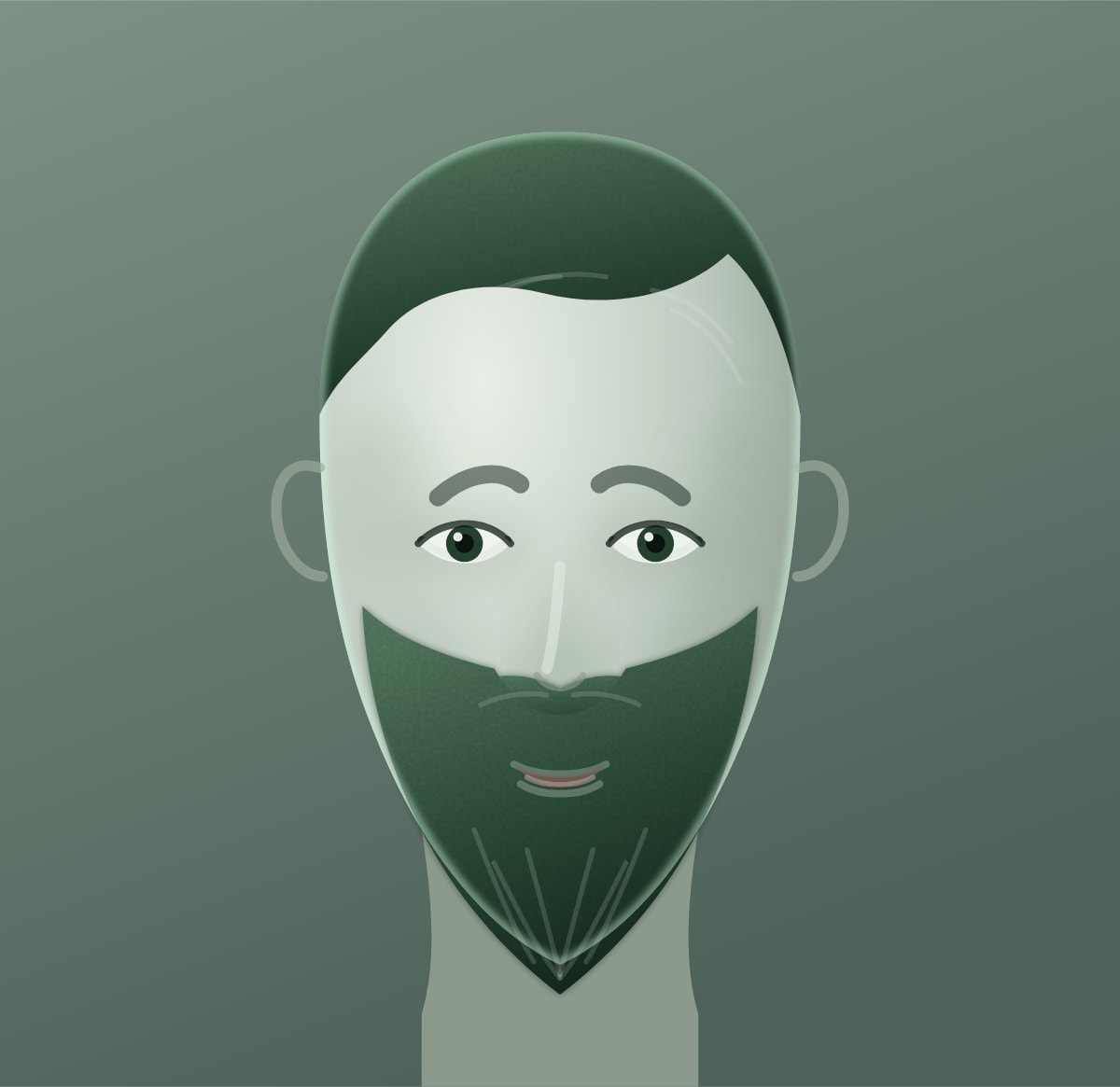
The boxed beard is the workhorse: cheeks and chin covered at ten to fifteen millimetres, with a straight cheek line and a defined neckline. It is the style that reads as most deliberate on a shaved head, because every edge on the face has clearly been chosen.
The corporate beard is the same beard with the edges left natural rather than carved. Slightly less work, slightly less sharp.
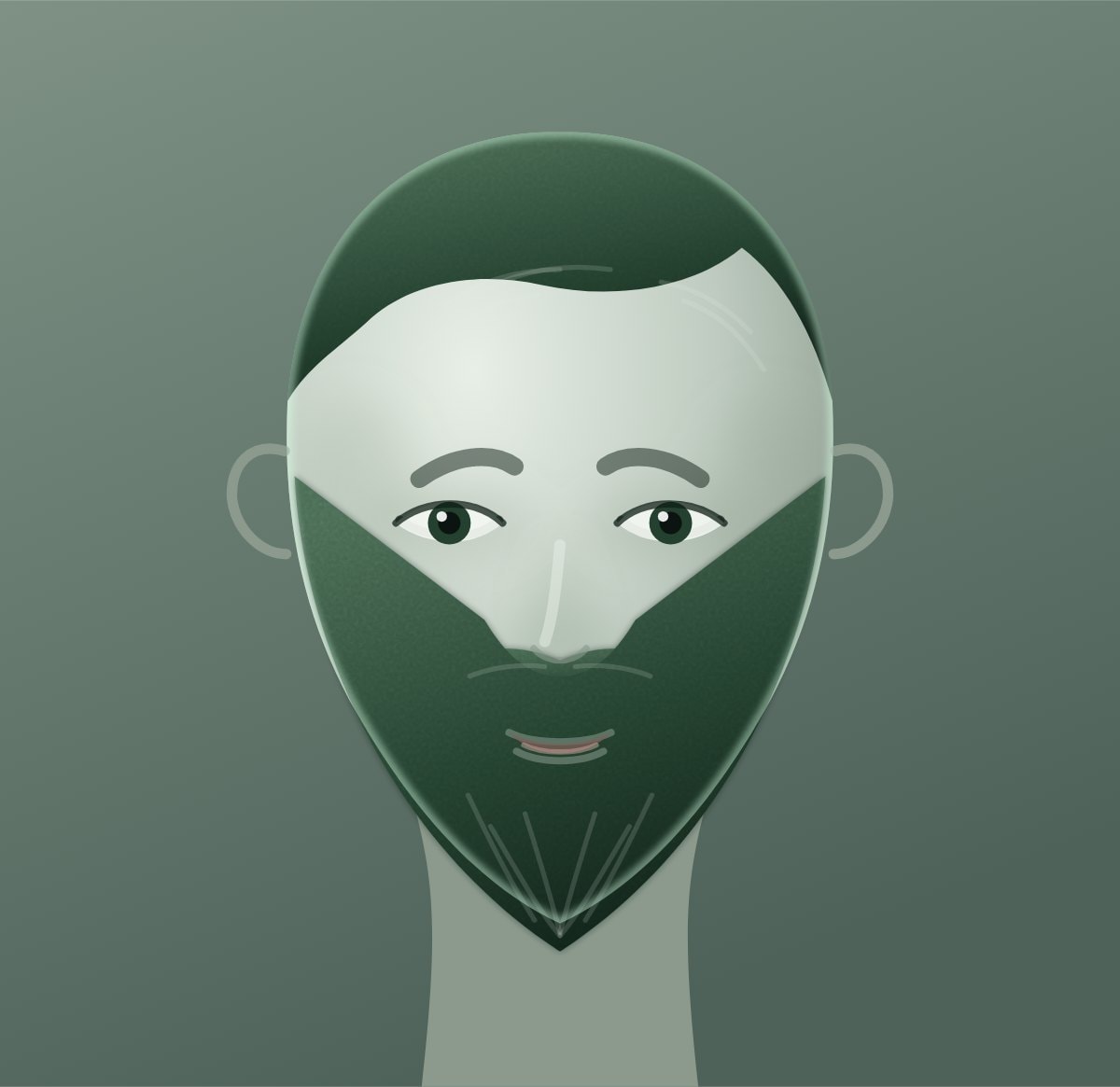
The beard fade deserves particular attention here, because it is the one style built specifically around the problem a bald head creates. Instead of stopping the beard with a hard line at the temple, it grades the length down from the top of the sideburn so the beard emerges from the scalp rather than being stuck onto it. It is genuinely difficult to do yourself and worth paying for the first time so you can see the shape you are copying.
Chin-led styles, for patchy cheeks
If your cheeks come in thin, stop trying to grow through it. Cheek density does not improve with time and waiting another month will not change it.
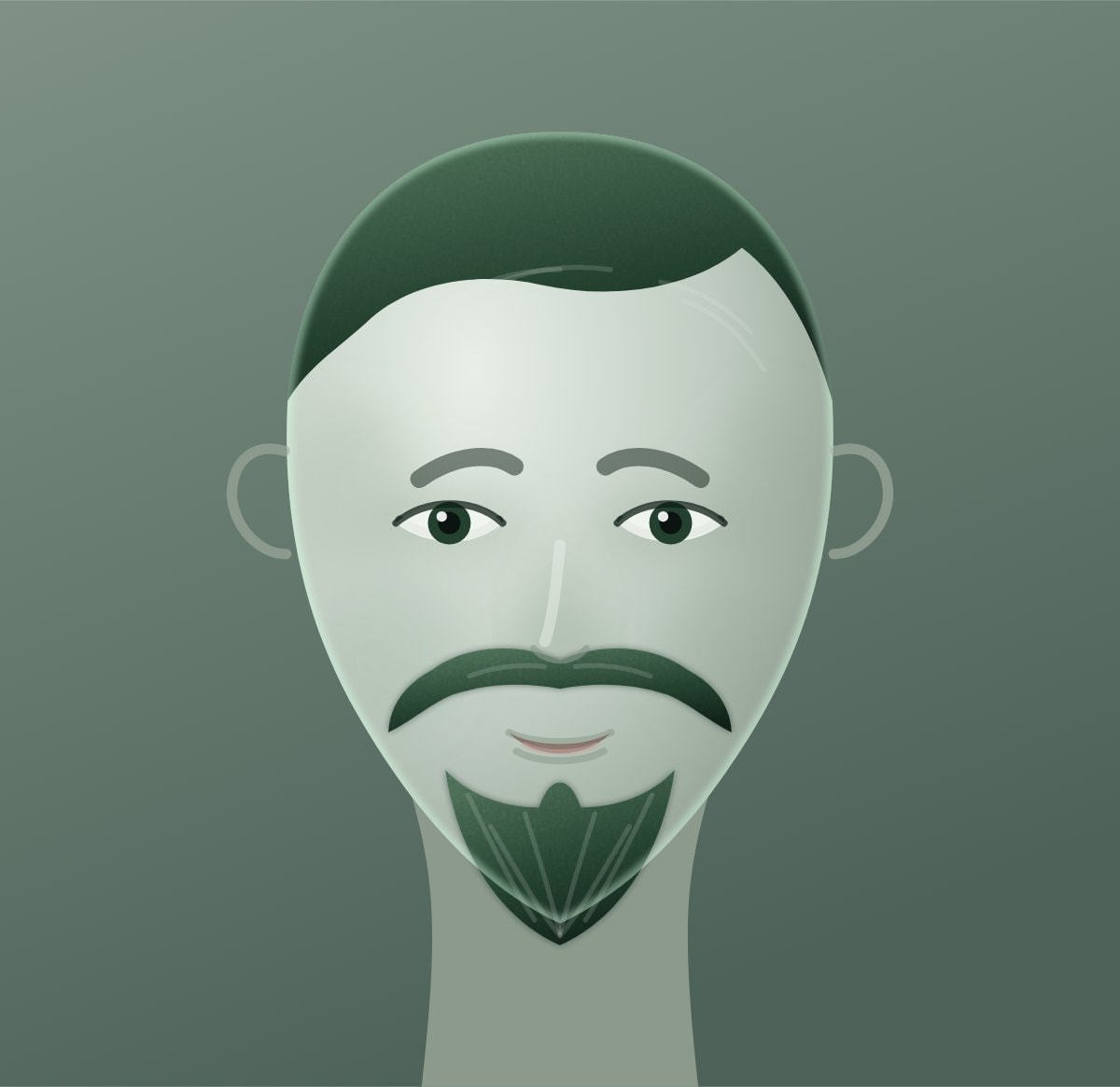
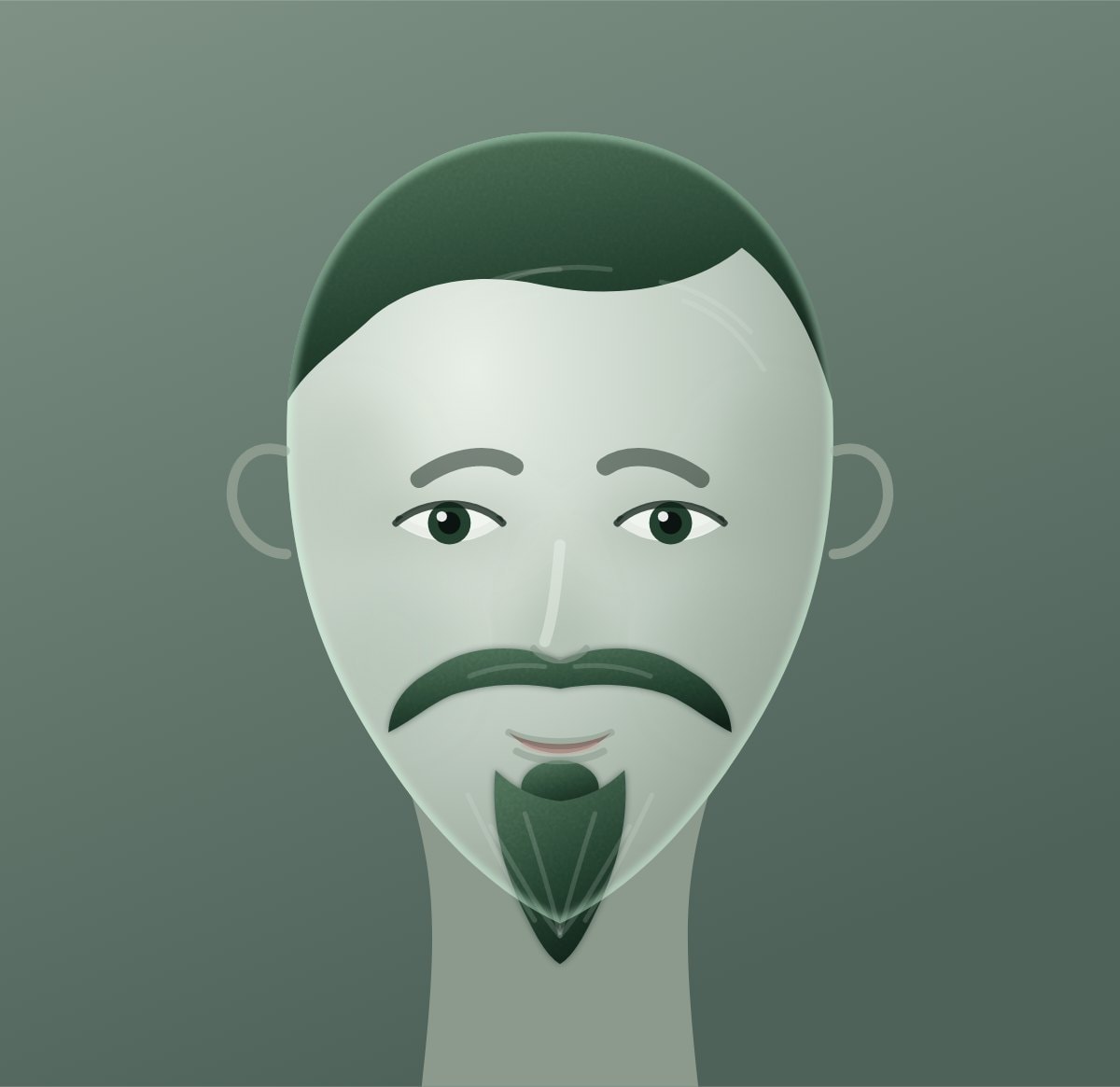
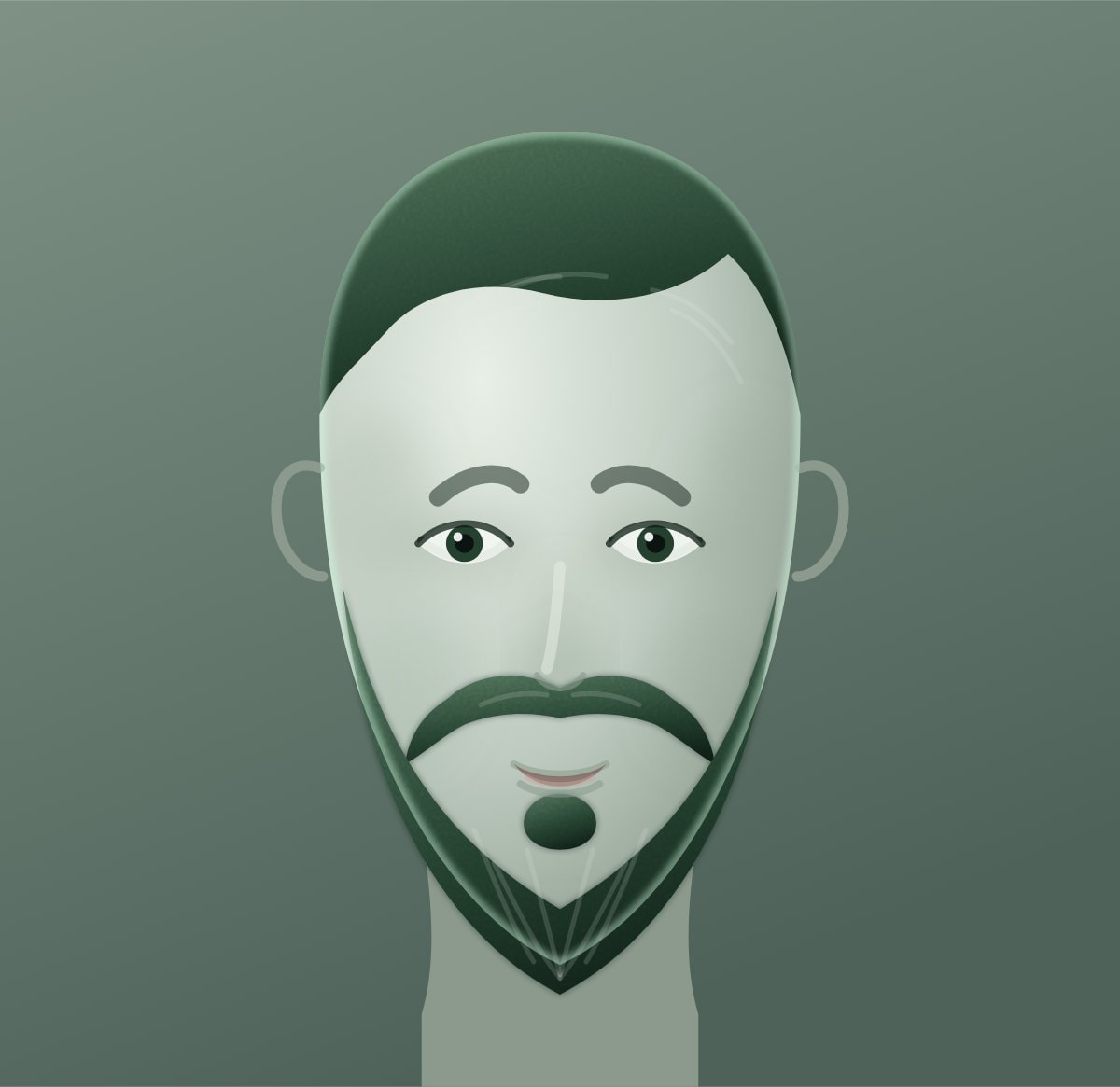
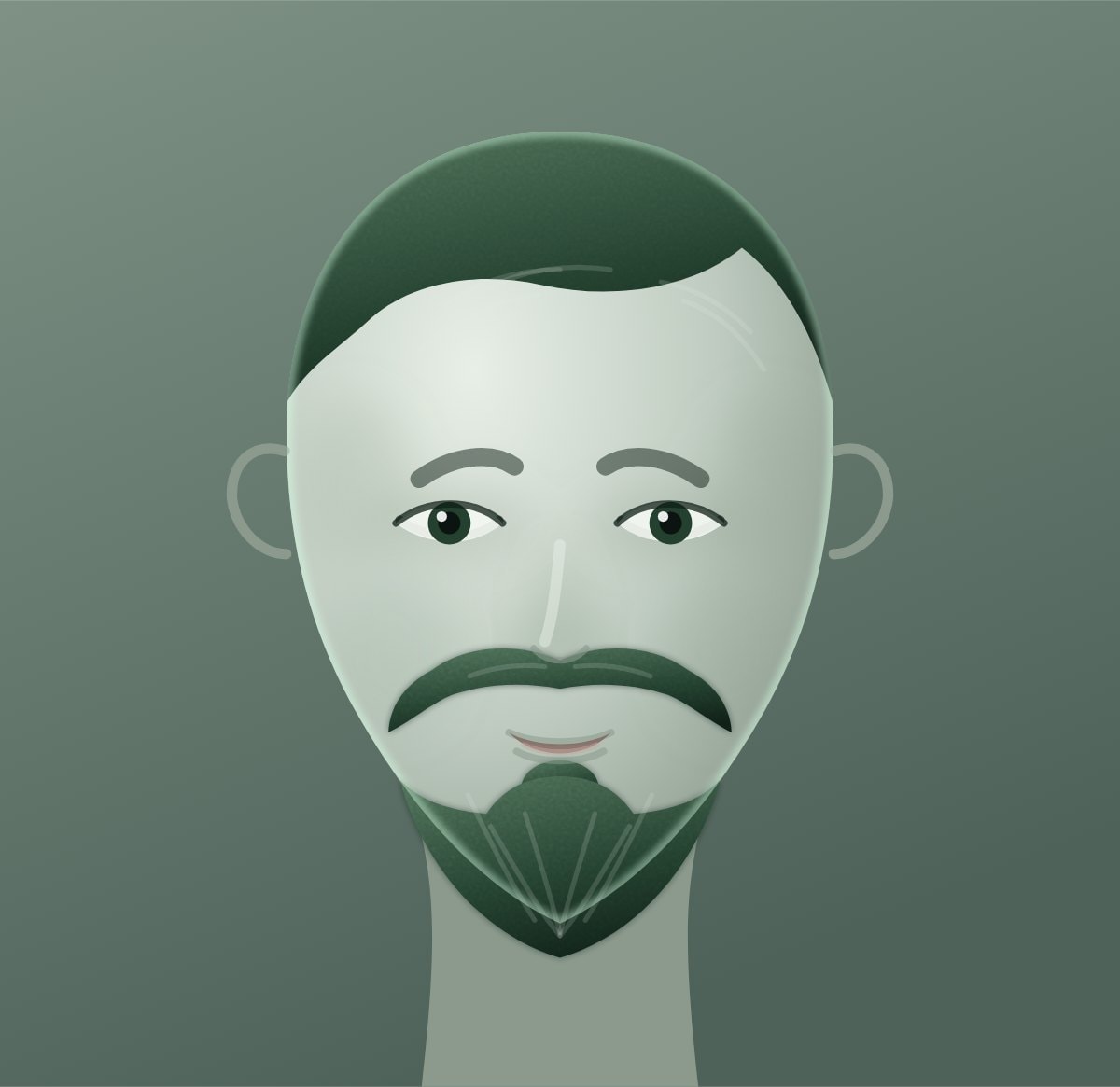
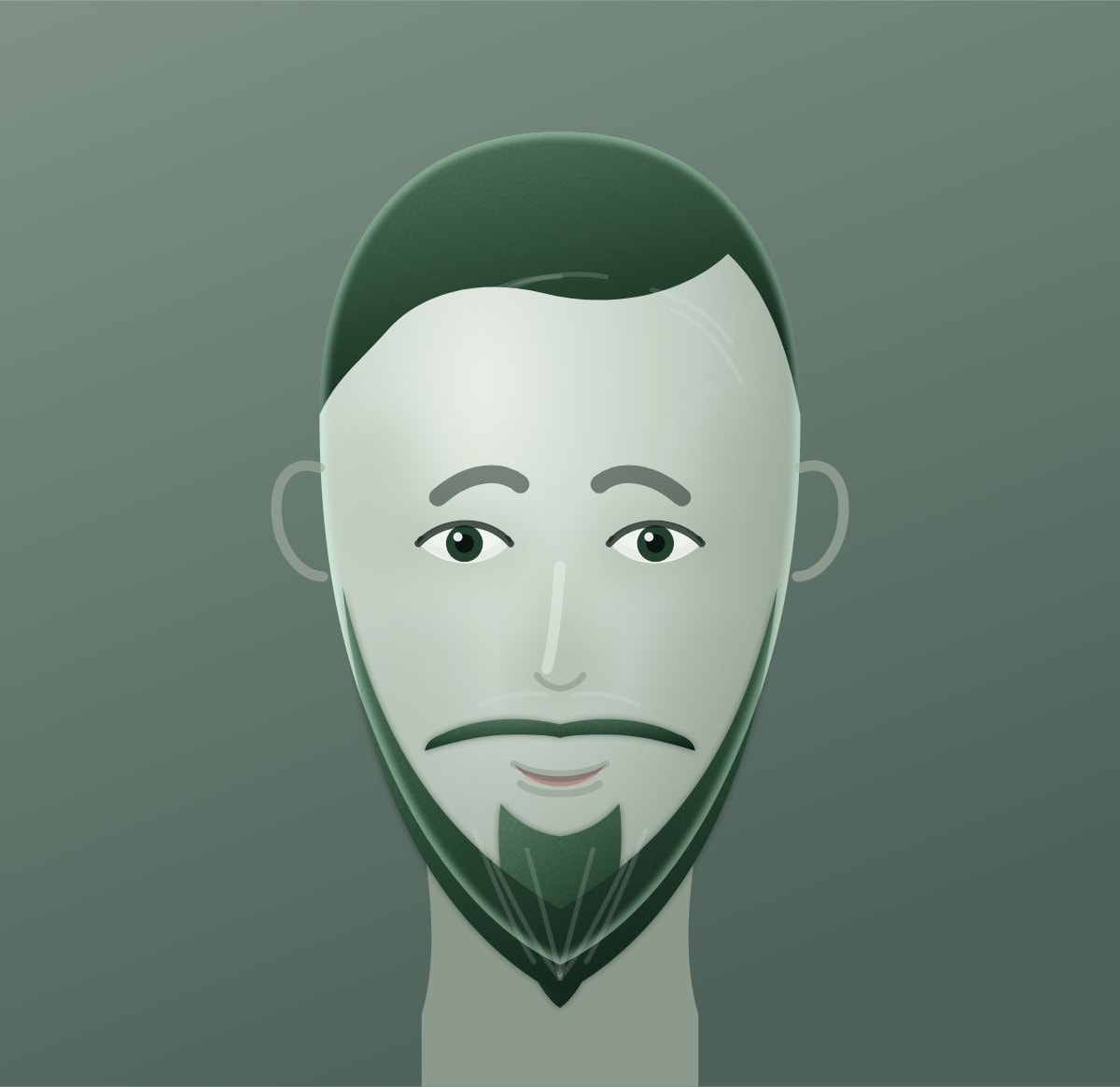
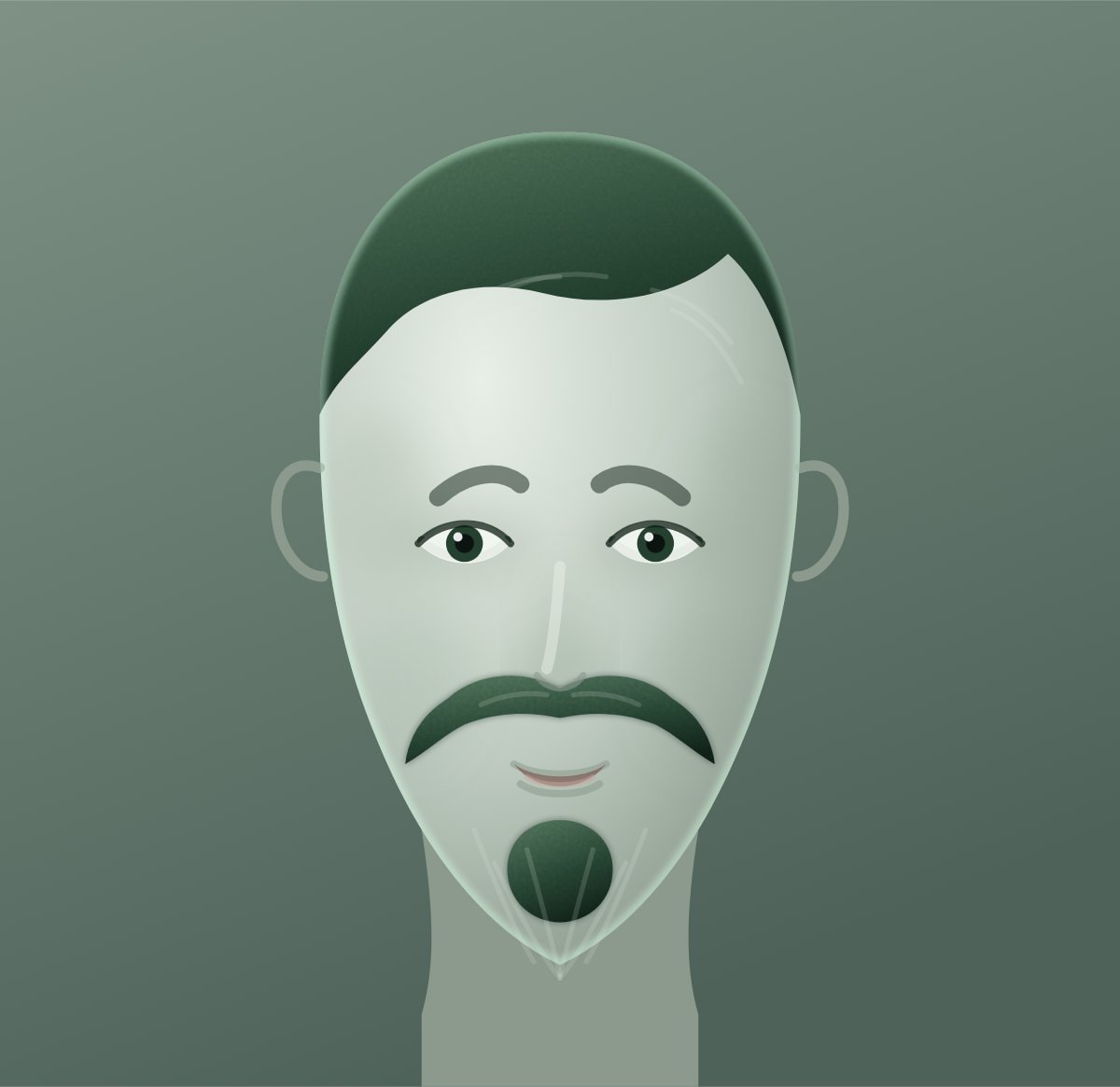
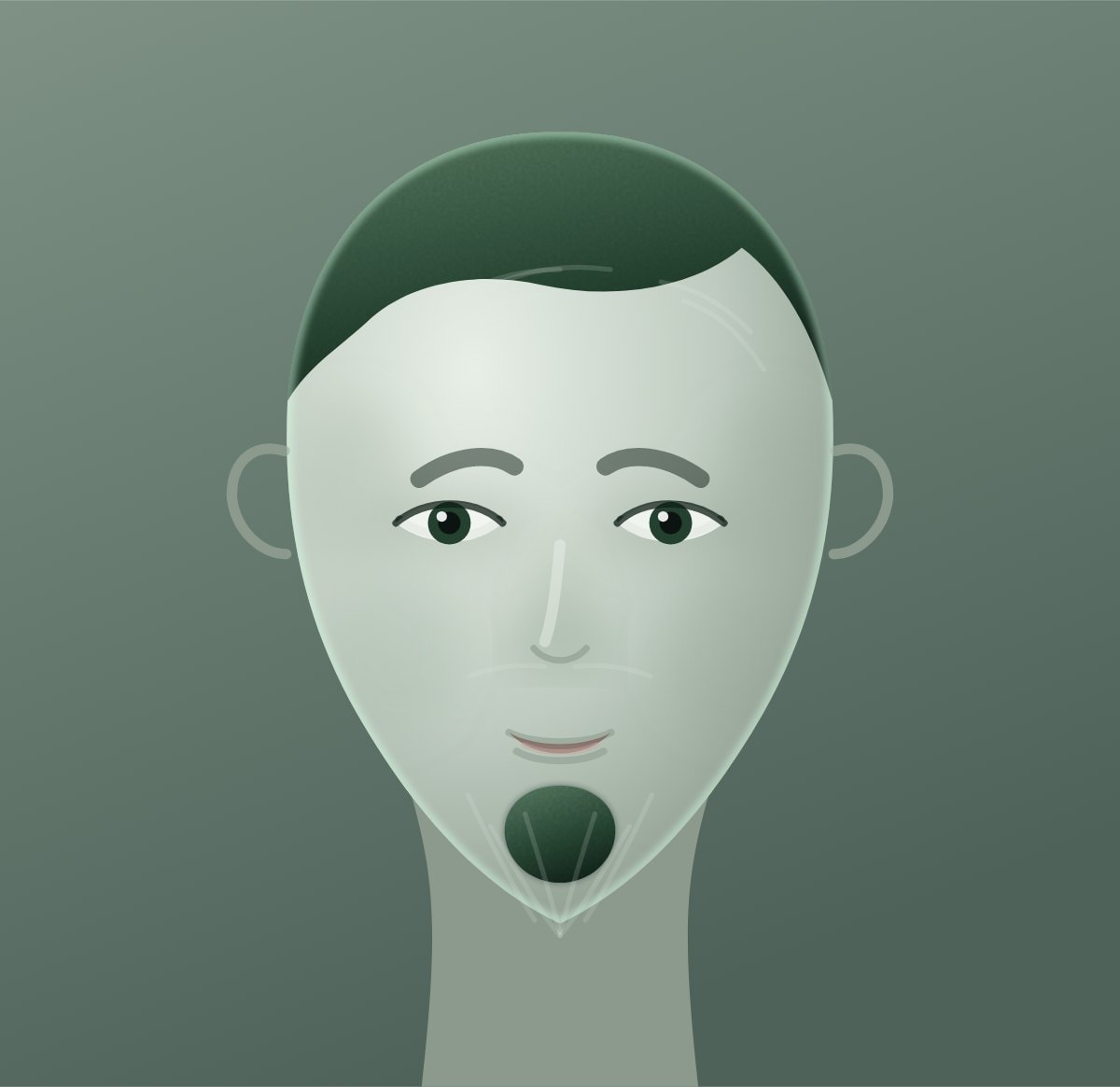
The circle beard joins the moustache to a rounded chin beard and leaves the cheeks bare, so cheek growth stops being relevant. The goatee does the same without the moustache. The van Dyke separates the two with a clear gap and a pointed chin, and the anchor beard runs a thin line along the jaw up to that point.
All four put the weight at the chin, which is where a bald head most needs it, and none of them ask anything of your cheeks. Walter White is the reason a shaved head with a goatee is instantly legible as a look rather than an accident, which cuts both ways depending on the impression you are after.
The long ones
A shaved head with a big beard is one of the most recognisable looks there is, and most lists for bald men leave it out entirely.

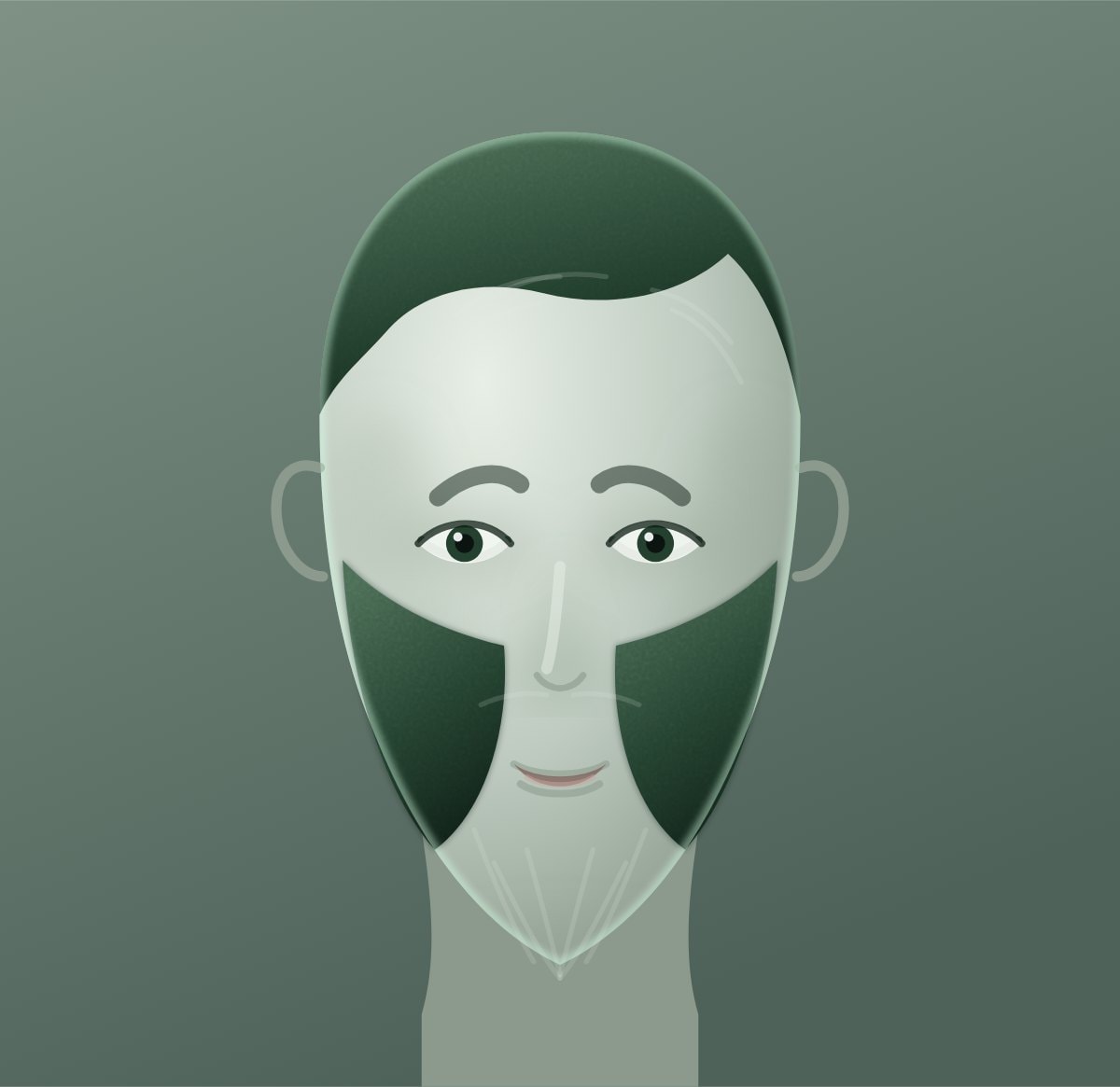
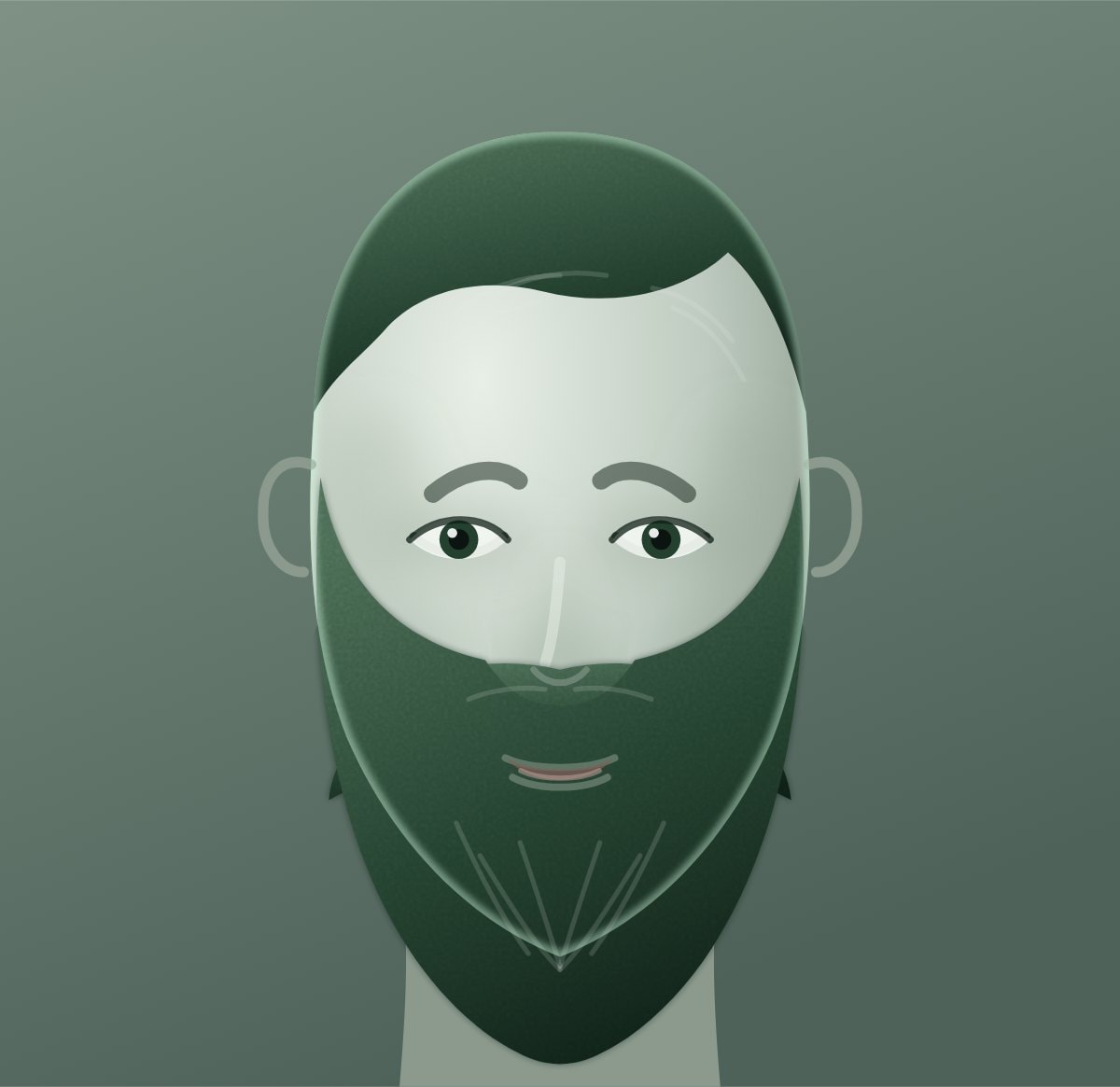
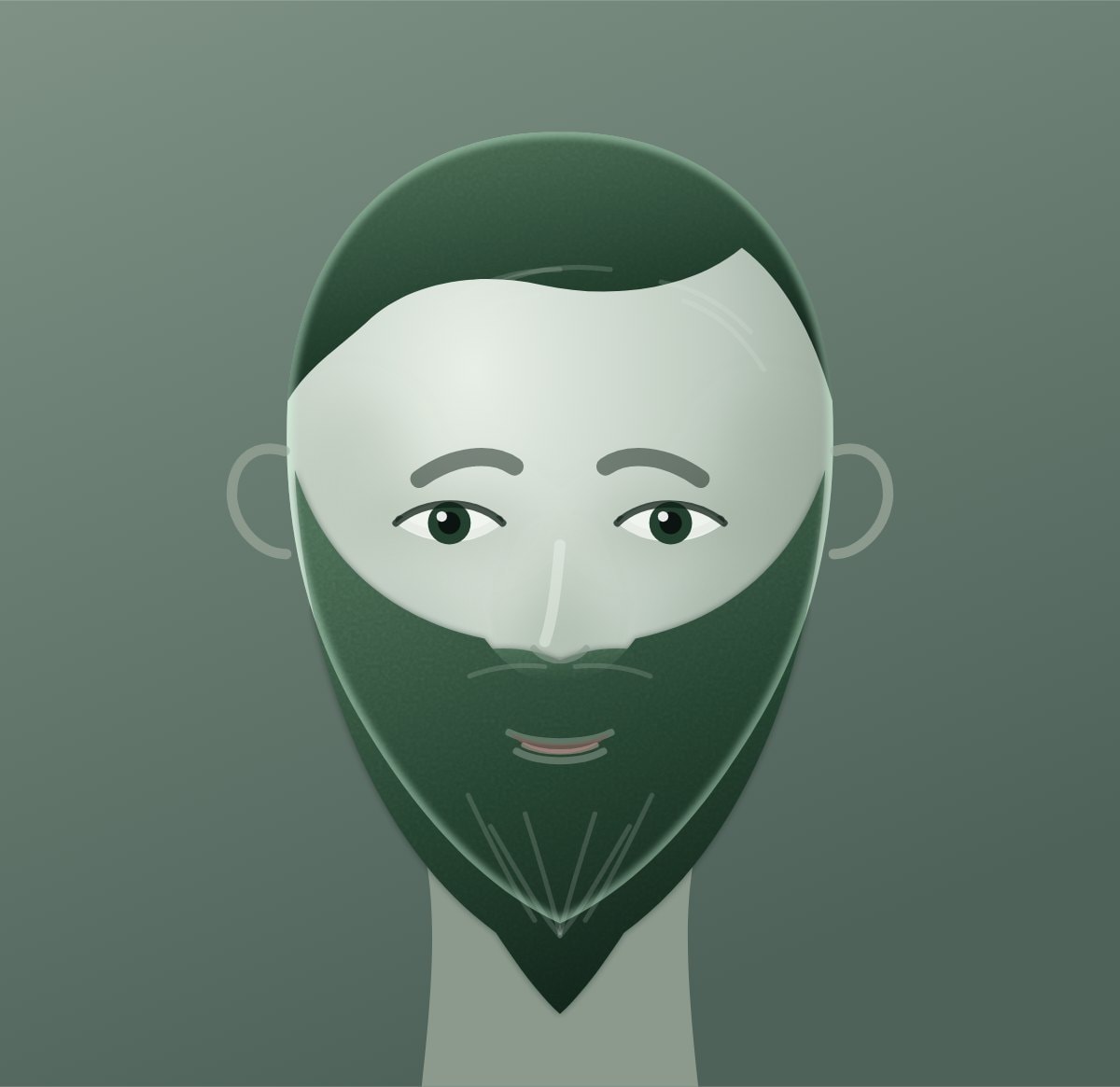
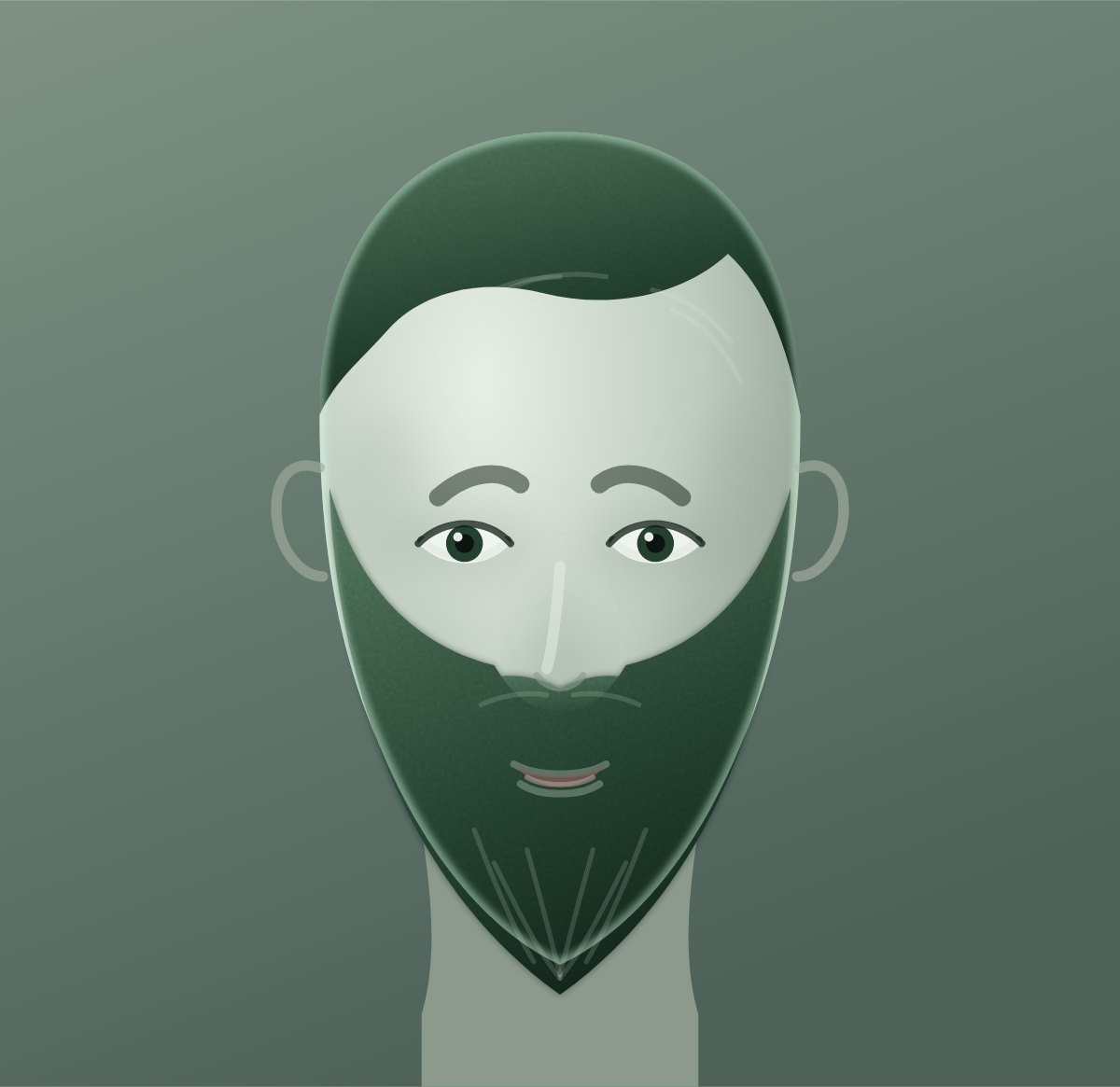
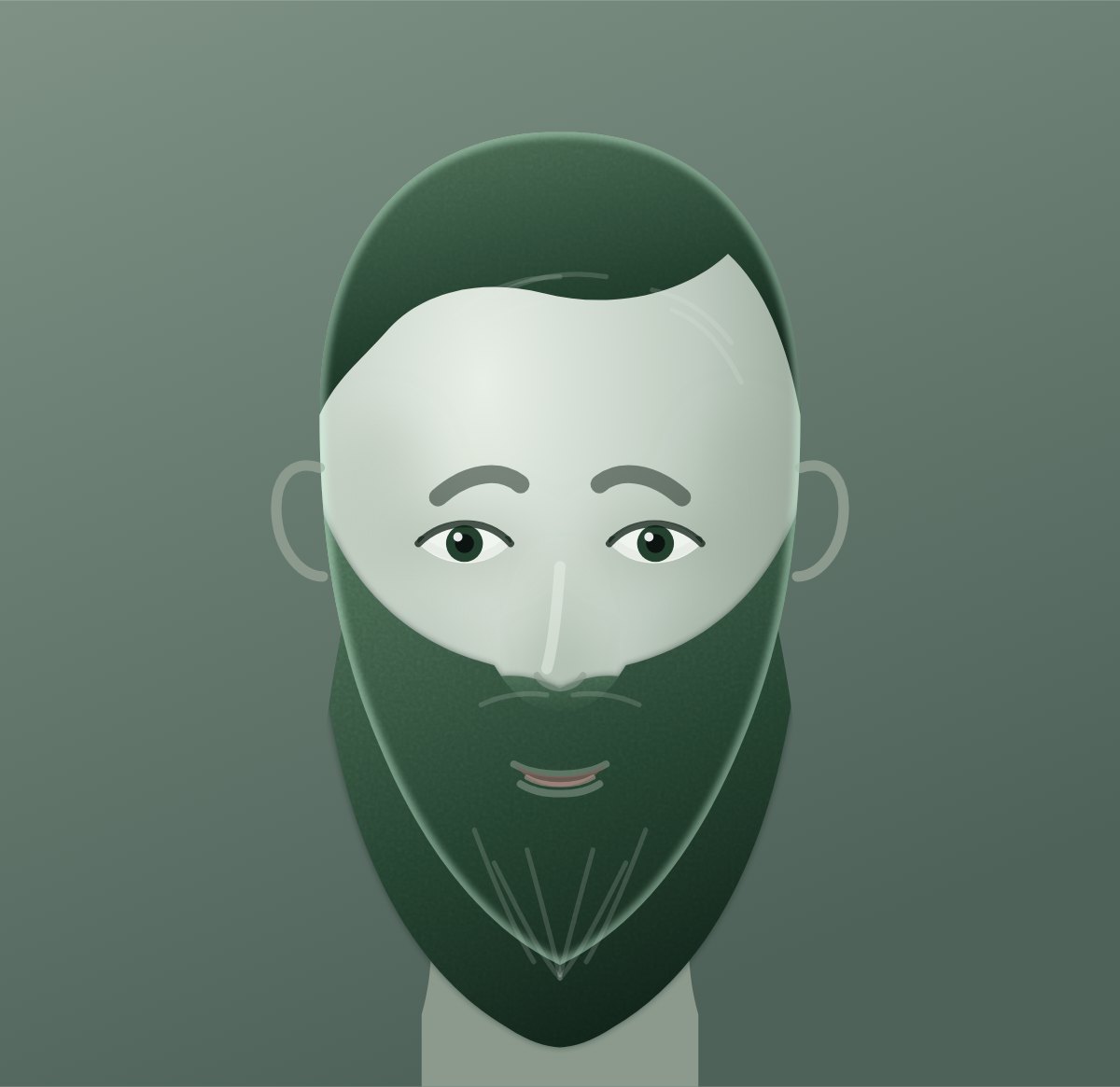
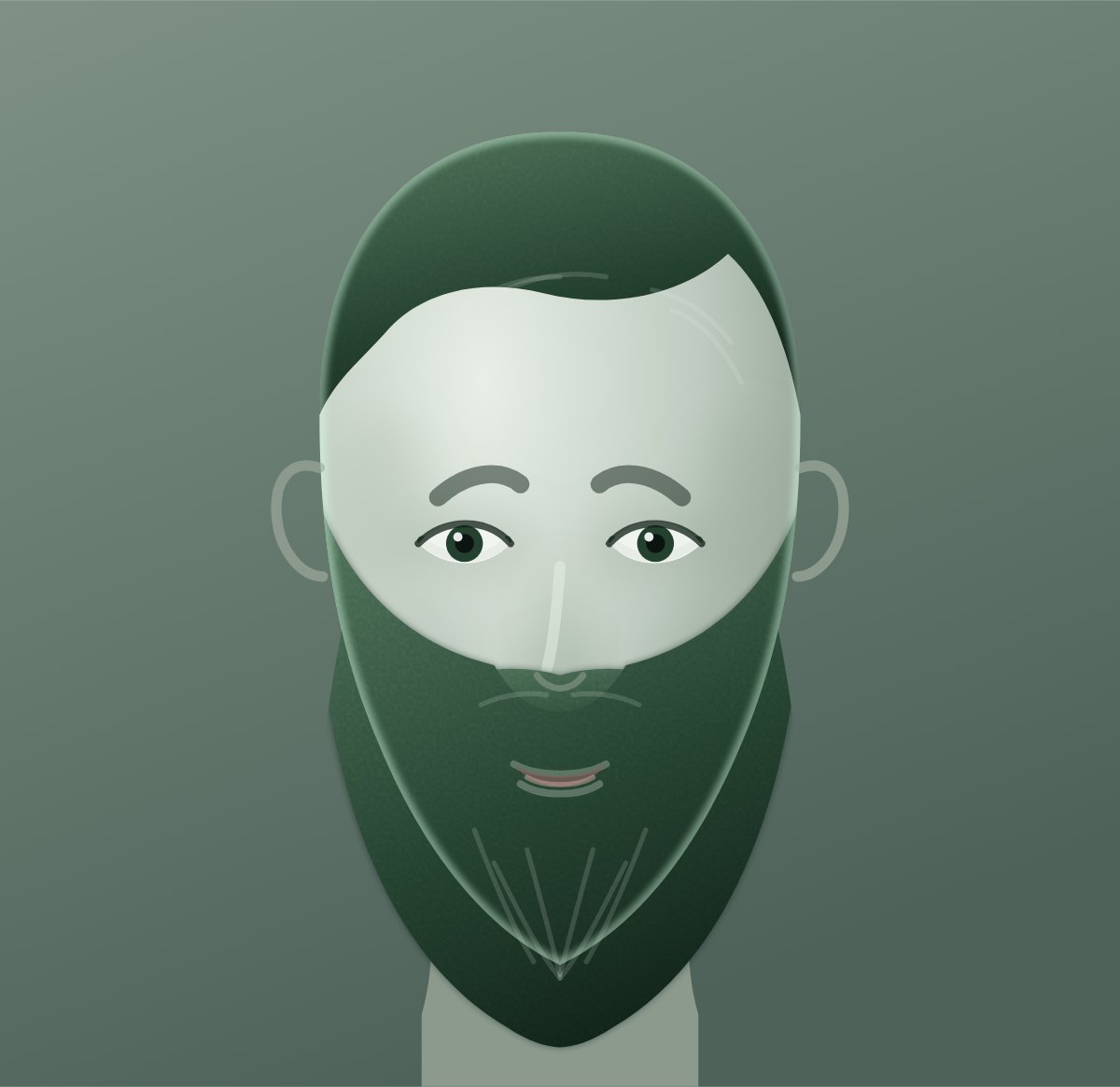
The full beard at twenty-five to forty millimetres is the direct version, and Bruce Willis in his bearded stretches is the reference most men have in mind for it. The ducktail tapers it to a point at the chin, which lengthens a round face more than anything else on this page. The garibaldi is wide and rounded with a natural edge and is the lowest-maintenance long beard here. The bandholz is the same thing with no shaping at all.
The honest warning is time. Three to five weeks gets you a full beard. Getting to ducktail length is months, and at that length you are washing it several times a week, combing it daily, and oiling it to keep it soft enough to sit properly.
How long each one takes
| Style | Growing time | Trim how often | Best face shapes |
|---|---|---|---|
| Goatee | 3 to 4 weeks | Every 3 to 4 days | Round, Oval |
| Mutton chops | 6 to 10 weeks | Every 1 to 2 days | Oval, Long |
| Van Dyke | 3 to 4 weeks | Every 1 to 2 days | Round, Oval, Square |
| Soul patch | 2 to 3 weeks | Every 3 to 4 days | Any |
| Beard fade | 3 to 4 weeks | Every 1 to 2 days | Any |
| Viking beard | 4 to 6 months or more | Every 3 to 4 days | Square, Long |
| Sideburns | 3 to 5 weeks | Every week or two | Any |
| Boxed beard | 3 to 4 weeks | Every 1 to 2 days | Round, Square, Oval, Long |
| Chin strap | 3 to 4 weeks | Every 1 to 2 days | Round, Long |
| Monkey tail beard | 3 to 4 weeks | Every 1 to 2 days | Oval |
| Stubble | 2 to 10 days | Every 1 to 2 days | Any |
| Balbo | At least 4 weeks before shaping. | -- | -- |
| Circle beard | 3 to 4 weeks | Every 3 to 4 days | Round, Square, Oval |
| Ducktail beard | 4 to 6 months or more | Every 3 to 4 days | Round, Oval |
| Anchor beard | 3 to 4 weeks | Every 1 to 2 days | Oval, Square, Round |
| Full beard | 6 to 10 weeks | Every week or two | Oval, Long, Square |
| Wolverine | 6 to 10 weeks | Every 1 to 2 days | Square, Long |
| Extended goatee | 3 to 4 weeks | Every 1 to 2 days | Round |
| Chin curtain | 6 to 10 weeks | Every 3 to 4 days | Round, Long |
| Hipster beard | 4 to 6 months or more | Every 3 to 4 days | Oval |
| Garibaldi beard | 4 to 6 months or more | Every 3 to 5 weeks | Oval, Long |
| Royale beard | 3 to 4 weeks | Every 1 to 2 days | Oval |
| Corporate beard | 3 to 4 weeks | Every 1 to 2 days | Any |
| Verdi beard | 6 to 10 weeks | Every 1 to 2 days | Oval |
| Hollywoodian | 3 to 4 weeks | Every 1 to 2 days | Oval, Square |
| Bandholz beard | 4 to 6 months or more | Every week or two | Oval, Long |
| Petite goatee | 2 to 3 weeks | Every 3 to 4 days | Round |
Getting the two lines right
More bald men get this wrong than get the style wrong, and it undoes everything else.
The neckline sits on the neck, not the jaw. Two fingers above the Adam's apple, then curved to follow the jaw round to just below each ear. A neckline cut along the jawbone makes the head look like it stops abruptly, which on a shaved head is a strong effect and not a good one.
The cheek line is a decision, not an accident. Left alone it is a natural line and that is a legitimate choice. Cut straight, it should run from the corner of the moustache up to where the sideburn would be. The common error is cutting it too low, which shrinks the beard and makes the face look narrow under a wide skull.
The temple is the bit nobody mentions. With hair, the sideburn blends into it. Without, the beard simply stops. Either take it to a clean edge deliberately, or fade it out, but do not leave it to chance, because it is at eye level and it is the first thing that reads as unfinished.
Where it goes wrong
Trimming in week one. Everything looks wrong at day ten, on everyone. The beard that eventually suits you is not visible yet.
Growing to hide a jaw rather than define one. A beard adds structure. It does not manufacture a jawline underneath, and a heavy beard grown for that reason tends to read as heavy rather than as jaw.
Chasing symmetry with a trimmer. Faces are not symmetrical. Cutting each side in turn until they match cuts until there is nothing left.
Ignoring the scalp. Shaved skin and beard skin have the same problem, and the itch in week three is nearly always skin rather than hair. Moisturiser on both solves most of it.
Matching the beard to a shaved head with clippers at the same guard. The contrast is the point. If the beard is the same length as the stubble on your head, there is no line and the whole effect disappears.
Questions we get asked
Which beard suits a bald head best?
Heavy stubble or a short boxed beard for most men. Both give contrast against bare skin, both suit nearly every face shape, and neither asks for much time.
Do beards look good on bald men?
Generally yes, and for a structural reason rather than a fashionable one. With no hairline framing the face, a beard is the only thing that can give the head a base and stop it reading as a single unbroken shape.
Can I have a beard with patchy cheeks and a shaved head?
Yes. Go chin-led: a circle beard, a goatee, a van Dyke or an anchor beard. All four ignore your cheeks entirely, and all four put the weight where a bald head wants it.
How long does it take to grow a full beard?
Three to five weeks for a full beard at working length. A ducktail or a garibaldi is months, not weeks.
Should the beard be the same length as my head stubble?
No. If you shave your head to skin, anything works. If you clipper it short, keep the beard clearly longer, because the contrast between the two is what creates the shape.
How often should I trim?
Depends on the style, and the table above gives the honest intervals. The neckline is the exception: whatever you grow, it needs attention every three or four days.
Do I need beard oil?
Under about fifteen millimetres, not for the hair. Moisturiser on the scalp and the skin under the beard is more useful. Past twenty-five millimetres, oil stops being optional.
Is a beard fade worth paying for?
For the first one, yes. It is the hardest shape on this page to do on yourself, and seeing it done correctly once makes maintaining it far easier.
Other ways to narrow it down
Short beard styles
Under an inch. Office safe, quick to trim, slow to go wrong.
Medium beard styles
One to three inches. The point where shaping starts to matter.
Long beard styles
Three inches and up. Months of growing, and daily oil.
Beard styles for round faces
Length at the chin, kept tight at the cheeks, to lengthen the face.
Beard styles for square faces
Softer, rounder edges so the jaw is not doubled up.
Beard styles for oval faces
The shape most styles are drawn for. Nearly anything works.