
The Colonel’s Journal / Hair and skin
Razor Burn: What It Is and How to Get Rid of It
Last updated on

Razor burn is the hot, stinging redness that turns up within minutes of a shave. It feels like a mild sunburn, it usually settles within a few hours to a few days, and it nearly always comes back to the same few causes: a blunt blade, too much pressure, too little shaving cream, or shaving against the grain. Below is what razor burn looks like, how to treat it when you have it, and how to stop getting it.
On this page
Key takeaways
- Razor burn is irritated skin, not trapped hair. It appears straight after shaving as red, sore, stinging patches. Razor bumps are a different problem that shows up later, as the hair grows back.
- Most razor burn lasts a few hours to a few days. Cool water, a fragrance-free moisturiser and a break from the razor are usually all it needs.
- The quickest way to get rid of razor burn is to stop shaving the area until it calms down, and not to put anything with alcohol or perfume on it.
- To prevent razor burn: a sharp blade, plenty of shaving cream on warm, wet skin, light pressure, short strokes, and shaving with the grain.
- See a pharmacist or GP if it is very painful, weeps, crusts, spreads, or comes back after every shave.
What is razor burn?
Razor burn is short-term skin irritation caused by shaving.[1] Dermatologists class it as a form of irritant contact dermatitis.[2] The blade cuts the hair, but it also skims across the top layer of skin, and when there is too much friction between blade and skin the skin reacts with redness, heat and stinging, a bit like a graze that has not quite broken through.
Most razor burn starts with a blade kept one shave too long. The Bearded Colonel posts fresh five-blade refills through your letterbox on the schedule you choose, so a sharp one is always in the drawer.
See the plansIt can happen anywhere you shave: face, neck, head, chest, legs, underarms or the bikini line. Anyone who shaves can get it, with any razor, if the blade is blunt or the skin is dry.
What does razor burn look like?
The main razor burn symptoms are easy to spot. Razor burn looks like a red, irritated patch or a streaky red rash across the shaved area. It can burn, sting or itch, and the skin may feel tender or look slightly swollen.[1] On darker skin the redness can be harder to see, and irritated skin may look dark brown, purple or grey instead.[3]
What you will not usually see is raised bumps with a hair in the middle, or spots filled with pus. Those point to razor bumps or ingrown hairs (the medical name is pseudofolliculitis barbae), which need a different approach.[4] Our guide to getting rid of razor bumps covers those.
Razor burn or razor bumps?
The two get mixed up all the time, so here is the quick way to tell them apart.
| Razor burn | Razor bumps | |
|---|---|---|
| When it appears | Within minutes of shaving | Later, as the hair grows back |
| What it looks like | Flat red patches, stinging skin | Raised red bumps, sometimes with a hair visible |
| What is going on | The top layer of skin is irritated | Cut hairs are growing back into the skin |
| How long it lasts | A few hours to a few days | Can keep coming back while you shave the area |
If yours appeared as soon as you put the razor down and it stings, it is almost certainly razor burn. The rest of this article is about that. If it turned up later as firm, itchy bumps, head to the razor bumps guide instead.
What causes razor burn?
The usual causes are dry shaving, rushing, an old or dull blade and shaving against the grain.[1] Anything that makes the blade drag rather than glide raises the risk.

- A dull blade. This is the big one. A dull razor pulls at the hair instead of cutting it cleanly, so you press harder and go over the same spot again, and each pass scrapes more skin.
- Dry shaving, or shaving with water alone. Without a proper shaving cream there is nothing cushioning the blade, and nothing softening the hair.
- Pressing too hard. Pushing the razor into the skin makes the blades dig in rather than skim the surface.
- Too many passes. Going over the same patch again and again irritates the skin, however good your razor is.[2]
- Shaving against the grain. Going against the direction of hair growth gives a closer finish but tugs on every hair and drags the blade harder across the skin. We explain why in why you shouldn’t shave against the grain.
- Poor shaving technique and rushing. Long, fast strokes over curves like the jaw, neck, knees and ankles catch the skin.
- Products that sting. Alcohol-based aftershave, perfumed lotions and harsh soaps on freshly shaved skin turn mild irritation into a proper burn.
- Tight clothing straight afterwards. A stiff collar on a just-shaved neck, or leggings over freshly shaved legs, keeps rubbing skin that is already irritated.[1]
Some people are more prone to it. Sensitive skin makes razor burn more frequent, and it is slightly more common in people with acne.[1] Dry skin and shaving every day without a break do not help either.
How to get rid of razor burn
There is no instant fix, but most razor burn calms down quickly once you stop irritating it. This is how to treat razor burn at home.
- Rinse with cold water. As soon as you notice it, splash the affected area with cold water, or hold a clean, cold, damp flannel against it for a few minutes. It takes the heat out and helps calm the skin.[2]
- Pat dry, do not rub. Use a clean towel and press it gently against the skin.
- Moisturise with something plain. A thin layer of a fragrance-free, alcohol-free moisturiser or aloe vera gel soothes the skin.[1] Keep it simple, and skip anything heavily perfumed.
- Put the razor down. Leave the area alone until it has healed.[1] Shaving over razor burn scrapes the same irritated skin again and makes it worse.
- Avoid hot showers, scrubs and actives. Hot water, exfoliating scrubs and acid toners will all sting and slow things down. Wait until the skin feels normal before you go back to them.
- Wear loose clothing. On the body, give the skin room to breathe for a day.
If you have very itchy skin or the area stays inflamed, a pharmacist can suggest a suitable over-the-counter treatment for short-term use, such as a mild hydrocortisone cream.[2] Ask them first rather than reaching for whatever is in the cupboard.
How to soothe razor burn on the face and neck
The neck is where razor burn on men tends to be worst, because the hair grows in several directions and it is hard to keep to the grain. After a cool rinse, leave the collar open if you can, keep your hands off it, and moisturise twice a day until it settles. If you have to look tidy before it heals, trim the stubble short with clippers rather than shaving it.

Razor burn on legs, underarms and the bikini line
Razor burn on the legs often shows up on the shins, knees and ankles, where the skin is stretched over bone and easy to scrape. Under the arms and along the bikini line, sweat and tight clothes keep the irritation going. Treat it the same way: cool water, a plain moisturiser, loose clothes and no shaving until it calms down. Our post on avoiding shaving rash on legs and the bikini area has more on shaving those areas.
How long does razor burn last?
Razor burn usually lasts from a few hours to a few days and clears up on its own, as long as you stop shaving over it.[1] If it has not gone after a few days, looks infected, or is getting worse rather than better, something else may be going on, so speak to a pharmacist or GP.[1]
How to prevent razor burn
Treating razor burn is easy enough. Learning how to avoid razor burn in the first place is better. It mostly comes down to the blade, the cream and your shaving technique.
Before you shave
- Shave after a warm shower. Warm water softens the hair so it cuts with less force, and softens the skin too.[5]
- Wash the area with a gentle cleanser to clear oil and dead skin cells that can catch the blade.
- Exfoliate a couple of times a week, not every shave. A gentle scrub or soft brush keeps dead skin from building up. Our guide on whether to exfoliate before or after shaving covers the timing. Skip it entirely while the skin is irritated.
- Use a proper shaving cream, and plenty of it. A good lather holds water against the hair and puts a cushion between the blade and your skin. A shaving brush works the cream into the stubble and lifts flattened hairs so the blade cuts them cleanly. If your skin reacts easily, choose a cream made for sensitive skin.
While you shave
- Use a sharp blade. If the razor tugs, or you find yourself pressing harder to get a clean cut, change the blade. Our guide to how often to change your razor goes through the signs.
- Shave in the direction of hair growth. Run a fingertip over the stubble. Smooth is with the grain, rough is against it. Shave in the smooth direction.
- Short strokes, light pressure. Let the razor do the work.[1] On curves, tilt or turn rather than pulling the skin tight, especially if you also get razor bumps.[4]
- Rinse the blade every couple of strokes so hair and cream do not clog it.
- Fewer passes. One pass with the grain is often enough on the neck. If you want it closer, re-lather and go across the grain, not against it.
From the Colonel’s shelf
Less drag, less burn
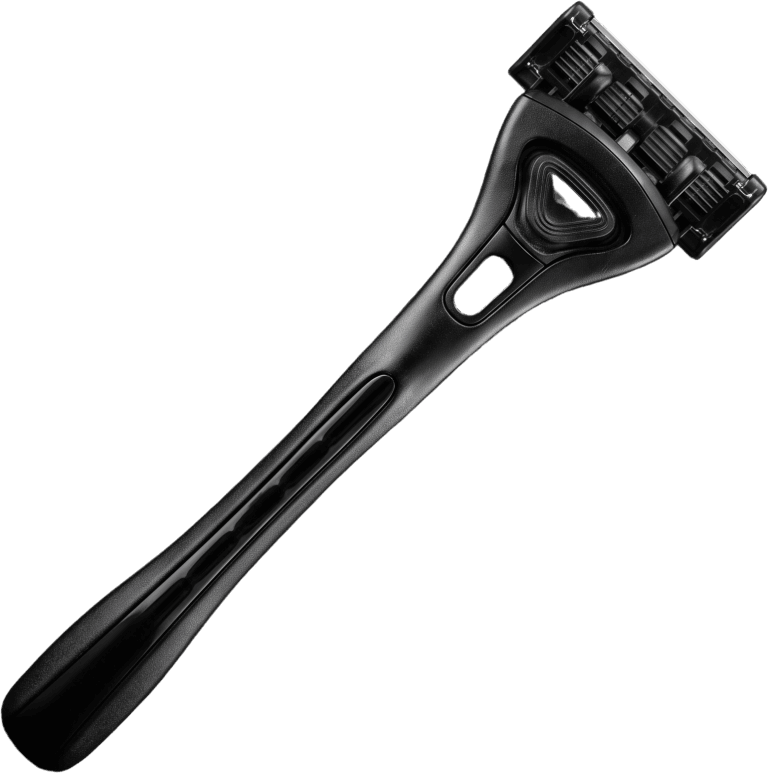
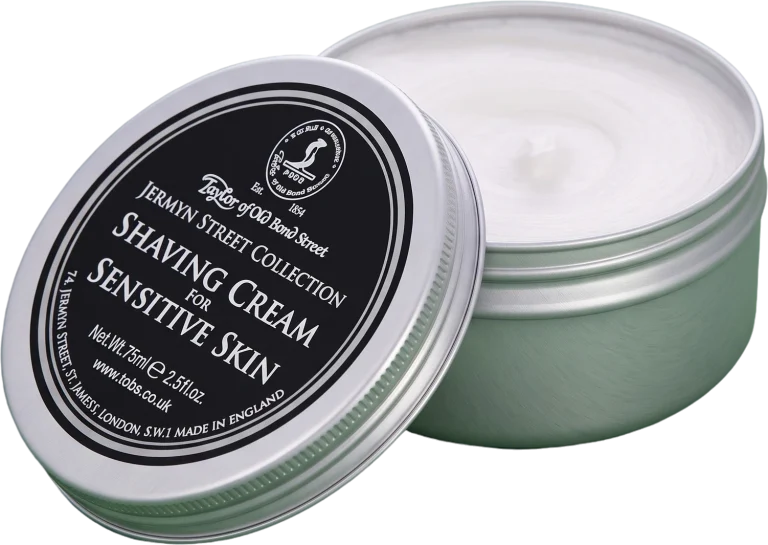
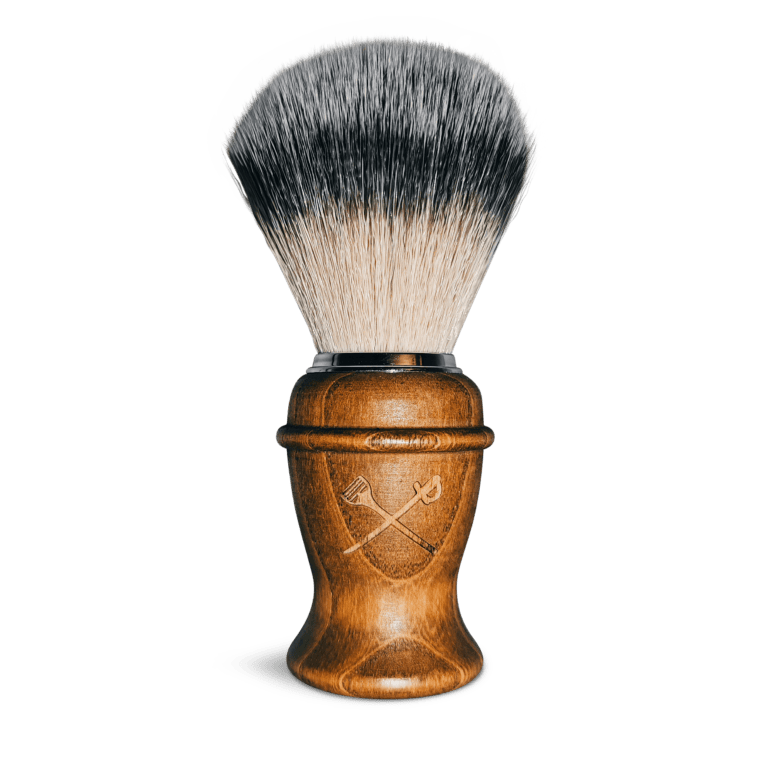
Every first Classic or VIP order comes with 30 days money back. Shave with it for a month, and if it is not for you, we refund it in full with nothing to send back.
After you shave
- Rinse with cool water to clear the last of the cream and calm the skin.[2]
- Pat dry with a clean towel.
- Moisturise with something fragrance-free.
- Skip alcohol-based and perfumed aftershave on skin that is prone to burn.[1] Our guide to aftershave vs balm explains the gentler options.
- Dry your razor and store it head up, out of the shower, so bacteria do not grow on it.[6]
Over the longer term
If you get razor burn every time, try shaving every other day for a couple of weeks instead of daily, so the skin has time to recover between shaves. Our guide to how often you should shave explains the trade-off. Moisturise on days you do not shave, too. Skin that is well looked after copes far better with the next one, and you end up with smoother skin and a calmer shaving routine. If one area always reacts whatever you do, other hair removal methods such as trimming or clippers may suit it better.
When to see a pharmacist or GP
Razor burn is common and almost always mild. Get it looked at if you notice any of these:
- pain or swelling that is much worse than normal stinging
- yellow crusts, weeping or pus
- redness that spreads, or feels hot to the touch
- blisters or clusters of sores
- a rash that keeps coming back in the same place, or does not improve after a few days
- feeling unwell, or a high temperature, alongside it
A pharmacist is a good first stop. If they think it needs more, they will send you to your GP. Not every rash in a shaved area is razor burn, so do not assume.
Questions people ask
How long does razor burn last?
Usually a few hours to a few days. If it has not cleared after a few days, see a pharmacist or GP.
What is the fastest way to get rid of razor burn?
Cool water, a plain fragrance-free moisturiser or pure aloe vera, and no shaving until it settles. Keep alcohol, perfume and scrubs off it.
Can I shave over razor burn?
Better not. Shaving over razor burn scrapes the same damaged skin and makes it worse. If you need to tidy up, trim the hair short with clippers and wait until the skin feels normal before you shave again.
Is razor burn the same as razor bumps?
No. Razor burn is irritated skin that appears straight after shaving. Razor bumps are cut hairs trapped in the skin, and they show up later as raised spots. Our razor bumps guide covers those.
Why do I get razor burn every time I shave?
Usually it is the blade. A cartridge kept going too long tugs at the hair and needs more pressure, and that friction is what burns. A fresh blade, more shaving cream, shaving with the grain and fewer passes fix it for most people.
Does razor burn look different on darker skin?
The redness can be harder to see, and irritated skin may look dark brown, purple or grey instead.[3] If a colour change stays for weeks after the soreness goes, mention it to your GP.
Sources
- Cleveland Clinic, Razor Burn: Causes and Treatment
- DermNet, Shaving
- NHS, Contact dermatitis
- British Association of Dermatologists, Pseudofolliculitis (patient information leaflet)
- American Academy of Dermatology, Dermatologists’ top tips for relieving dry skin
- American Academy of Dermatology, Hair removal: How to shave
Missed a spot?
More from Hair and skin

How to Get Rid of Ingrown Hairs (and Get One Out Safely)
An ingrown hair is a hair that has curled back or grown sideways into the skin instead of coming straight out of the hair...

Strawberry Legs: What Causes Them and How to Get Rid of Them
Strawberry legs are the tiny dark dots that show up across your shins and thighs, usually most obvious a day or so after you...

Buzz Cut Styles for Men: The Looks Worth Trying
A buzz cut is a short, low-maintenance hairstyle made with clippers, where the hair is clipped very short using a guard to...