
The Colonel’s Journal / Hair and skin
Strawberry Legs: What Causes Them and How to Get Rid of Them
Last updated on

Strawberry legs are the tiny dark dots that show up across your shins and thighs, usually most obvious a day or so after you shave. Up close they look like strawberry seeds, which is where the name strawberry skin comes from. They are harmless, completely normal and very common, and in most cases they fade with a gentler shaving routine, regular exfoliation and a good moisturiser. Here is what causes them, how to get rid of strawberry legs at home, and how to prevent strawberry legs coming back.
On this page
Key takeaways
- Strawberry legs are dark or red dots in the hair follicles on your legs. They come from clogged pores, hairs left just under the skin, ingrown hairs, or a skin condition called keratosis pilaris.
- They are a cosmetic problem, not a health one. They do not hurt, and they respond well to consistent care.
- Shaving makes them worse when the blade is blunt or the skin is dry. A sharp razor, plenty of shaving cream and shaving with the grain help most.
- Exfoliate gently a couple of times a week and moisturise every day. Give it a few weeks before you judge the results.
- See a pharmacist or GP if the spots are painful, filled with pus, spreading or not improving.
What are strawberry legs?
Strawberry legs (the other common name is strawberry skin) are small dark, red or brown dots sitting inside the pores and hair follicles on your legs. Each follicle opening shows up as a dot, and when a lot of them are visible at once the skin takes on a speckled look, a bit like the outside of a strawberry.
A sharp blade is the easiest fix for strawberry legs. The Bearded Colonel posts fresh five-blade refills through your letterbox on the schedule you choose, so you never shave with a blunt one.
See the plansIt is not a medical diagnosis. It is a description of how the skin looks, and several different things can cause it, often more than one at a time. The dots can be flat or slightly raised. Most people find they are not painful, though the skin may have a slightly rough, bumpy texture, with tiny bumps you can feel when you run a hand over it.
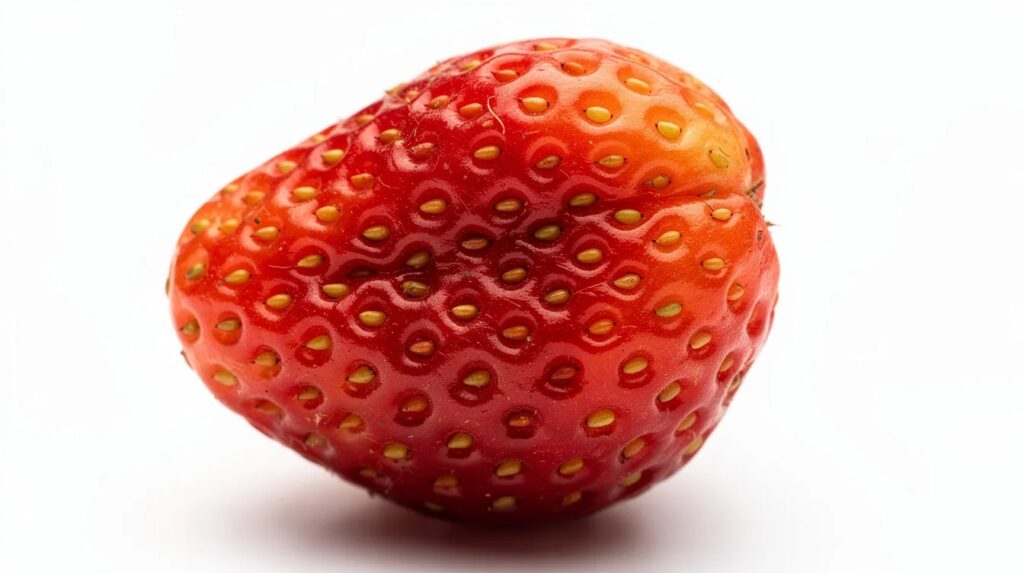
Anyone can get strawberry legs, but they tend to be more noticeable if you have dry skin or shave often, and the lighter your skin, the more visible they are.[1]
What causes strawberry legs?
There is usually more than one cause at work, especially if you shave your legs several times a week.
Hair just under the skin
When you shave, the blade cuts the hair at the surface, but the rest of the hair is still sitting in the follicle. If your leg hair is dark and your skin is light, that stub can show through the skin’s surface as a dark dot. An old, dull razor makes things worse, because it irritates the skin as well as the hair.[1]
Clogged pores and enlarged pores
Pores can become clogged with oil, dead skin, bacteria or dirt. Shaving or waxing exposes that oil to the air, and it darkens as it oxidises.[1] That is why the dots often show most just after a shave.
Ingrown hairs and irritated follicles
A shaved hair can curl back and grow into the skin instead of out of it. That leaves a small red bump, sometimes with a dark centre. Shaving can also irritate the follicles themselves, leaving red, spotty skin that looks similar. If it fills with pus or gets sore, that may be folliculitis, an infected or inflamed hair follicle, and it is worth getting checked.[1]
Dry skin
Dry skin is not really the cause on its own, but it makes shaving harder on the skin and the dots more visible.[1] The shins are where dry skin shows up more than anywhere else[2], and winter, tights and central heating do not help.
Keratosis pilaris
Keratosis pilaris is a very common, harmless condition where a build-up of keratin blocks the hair follicles, leaving patches of small bumps. It usually shows up on the arms, thighs or bottom.[3] It is not caused by shaving, but this underlying skin condition can look like strawberry legs or make strawberry skin worse.
How to get rid of strawberry legs
You will not clear them overnight, but most people see a real difference within a few weeks of doing the basics consistently. This is the simple strawberry legs treatment we would start with.
- Wash gently. Use a mild, unperfumed body wash and cool or lukewarm water rather than hot.[3] Hot water washes away the skin’s natural oils and leaves it drier.[4]
- Exfoliate twice a week. A soft flannel, an exfoliating mitt or a gentle body scrub removes dead skin and makes it easier for new hairs to grow.[1] If your skin is sensitive, chemical exfoliants do the same job without harsh scrubbing: a body lotion with a mild alpha hydroxy acid such as lactic acid or glycolic acid. These can make skin more sensitive to the sun, so use sunscreen on your legs.[1] Our guide on whether to exfoliate before or after shaving covers the timing.
- Moisturise every day. Moisturising improves how strawberry legs look and helps stop them coming back.[1] Use a simple, fragrance-free body moisturiser. Ingredients like glycerin and ceramides help the skin hold on to water.[4]
- Leave the dots alone. Picking or squeezing them leads to marks that last far longer than the dots would.
- Be patient. Give any new routine a few weeks. Doing a little consistently works better than doing a lot occasionally.
If something stings, burns or leaves the skin raw, wash it off and stop using it. Patch test any new exfoliating product on a small area first.
How to shave to stop strawberry legs
How you shave probably matters more than any lotion. These habits make the biggest difference.

- Use a sharp blade every time. An old, dull razor can cause razor burn or strawberry legs.[1] Change it as soon as it starts to drag. Our guide to how often to change your razor explains the signs.
- Shave at the end of a warm shower. Warm water softens the hair so it cuts cleanly with less pressure.
- Never shave dry. Always use a proper shaving cream, which keeps the skin warm and moist while you shave.[1] Soap and water alone leave the skin dry and the blade dragging.
- Shave in the direction of hair growth. On the lower leg that usually means downwards. Going against the grain gives a closer finish, but cutting the hair too short is how ingrown hairs start.[5] Our post on why you shouldn’t shave against the grain explains why.
- Short strokes, light pressure. Take extra care over knees and ankles, where the skin is thin and curved.
- Rinse the blade often so hair and cream do not clog it.
- Store your razor dry, out of the shower, so bacteria do not grow on it.[6]
- Moisturise straight afterwards. Rinse with cool water, pat dry and put a fragrance-free moisturiser on the freshly shaved skin.
Women often find a razor made for faces works well on legs too, because it is built to handle tight curves like the jaw and neck. Our post on whether women can use men’s razors goes into that, and our tips for shaving your legs and bikini area cover the rest of the routine.
From the Colonel’s shelf
Two things your legs will thank you for
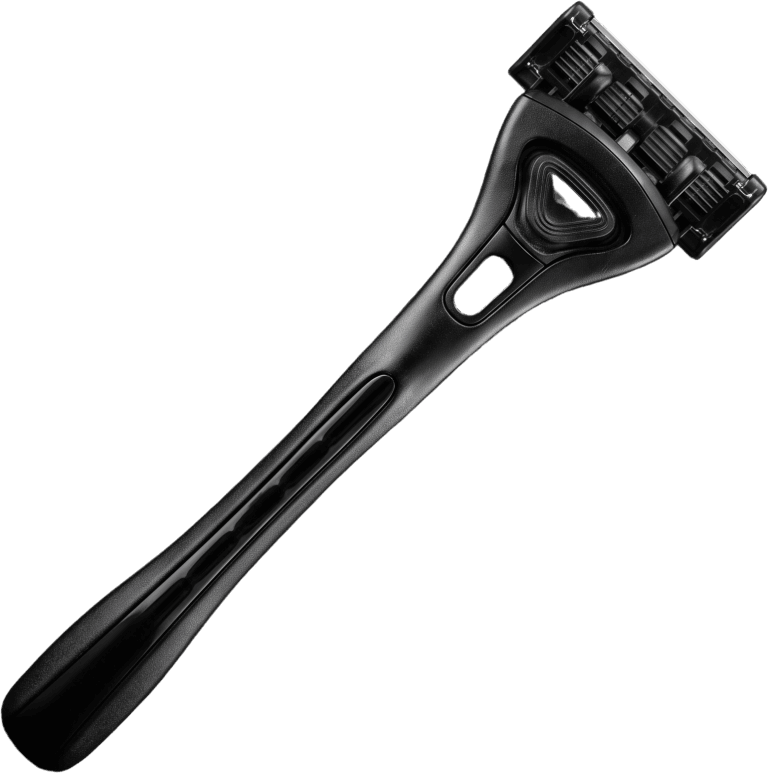
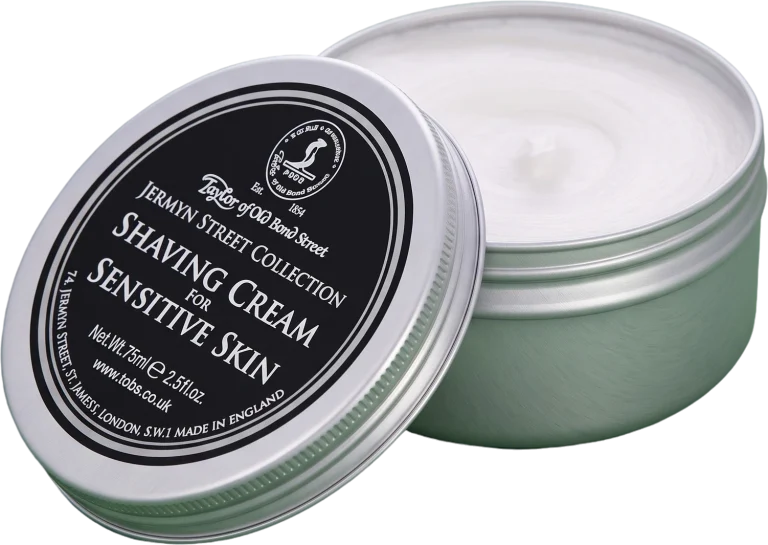
Every first Classic or VIP order comes with 30 days money back. Shave with it for a month, and if it is not for you, we refund it in full with nothing to send back.
Ingredients that help, and what to avoid
The basics (a sharp blade, shaving cream and a daily moisturiser) do most of the work. A few skincare ingredients can help on top, as long as you go gently.
| Ingredient | What it does |
|---|---|
| Glycolic acid and lactic acid (AHAs) | Chemical exfoliants that loosen dead skin |
| Salicylic acid (a BHA) | A chemical exfoliant for clogged pores |
| Glycerin, hyaluronic acid and ceramides | Help the skin attract and hold water |
| Aloe vera and oatmeal | Soothe irritated, freshly shaved skin |
The acids can make skin more sensitive to the sun.[1] Start with one product at a time so you can tell what is helping, and stop if you notice skin irritation. Things to avoid include strong acne treatments spread over large areas of your legs, high-strength peels, heavy oils that sit in the pores, and fake tan on skin that has not been exfoliated first.
When to see a pharmacist or GP
Most strawberry legs can be managed at home. Speak to a pharmacist or GP if you notice:
- painful, hot or swollen skin
- spots filled with pus, or a rash that is spreading
- patches that are very itchy and do not settle, or anything that could be a fungal infection
- no improvement after a few weeks of a good routine
A pharmacist can suggest a suitable cream or wash for mild cases. Your GP can check whether something like folliculitis or keratosis pilaris is behind it and suggest further treatment if it is needed.
If you get ingrown hairs over and over, it is also worth asking about other hair removal methods. Laser hair removal usually takes two to six sessions, it costs money, and it can cause burns, scars or changes in skin colour.[1]
How to stop strawberry legs coming back
Once your legs look clearer, a few habits keep them that way.

- Exfoliate once or twice a week, including in winter.
- Moisturise every day, not just after shaving.
- Keep a sharp blade in the drawer so you are never tempted to stretch an old one.
- Shave a little less often if your skin is irritated, to give the follicles time to settle.
- Wear looser clothing over freshly shaved legs to cut down friction.[7]
- Wear sunscreen on bare legs in summer, especially if you use acid exfoliants.[1]
Questions people ask
What are strawberry legs?
Strawberry legs are small dark or red dots in the pores and hair follicles on your legs. They are caused by things like clogged pores, hair just under the skin, ingrown hairs or keratosis pilaris, and they are harmless.
How do you get rid of strawberry legs fast?
There is no overnight fix. The quickest improvement comes from shaving with a sharp blade and plenty of shaving cream, exfoliating gently twice a week and moisturising every day. Most people see a difference in a few weeks.
Can you get rid of strawberry legs permanently?
For many people they fade until they are barely visible, but the tendency can stay, because it depends partly on your hair and skin. Keeping up the routine is what stops them coming back.
Are strawberry legs the same as keratosis pilaris?
Not exactly. Keratosis pilaris is a specific skin condition where keratin blocks the follicles.[3] It can cause the strawberry look, but so can shaving, dry skin and clogged pores. If you also have rough bumps on the backs of your arms, ask a pharmacist or GP.
Should I stop shaving if I have strawberry legs?
You do not need to. A short break helps if the skin is very irritated, but most people can carry on shaving with a sharper blade, better prep and a moisturiser afterwards.
Does exfoliating help strawberry legs?
Yes, as long as it is gentle. Once or twice a week clears dead skin from the pores and helps you get rid of strawberry skin over a few weeks. Scrubbing hard every day irritates the follicles and can make it worse.
Sources
- Cleveland Clinic, Strawberry Legs: Causes and Treatment
- DermNet, Dry skin (xeroderma)
- NHS, Keratosis pilaris
- Harvard Health Publishing, 9 ways to banish dry skin
- British Association of Dermatologists, Pseudofolliculitis (patient information leaflet)
- American Academy of Dermatology, Hair removal: How to shave
- Cleveland Clinic, How To Get an Ingrown Hair Out at Home
Missed a spot?
More from Hair and skin

How to Get Rid of Ingrown Hairs (and Get One Out Safely)
An ingrown hair is a hair that has curled back or grown sideways into the skin instead of coming straight out of the hair...

Razor Burn: What It Is and How to Get Rid of It
Razor burn is the hot, stinging redness that turns up within minutes of a shave.

Buzz Cut Styles for Men: The Looks Worth Trying
A buzz cut is a short, low-maintenance hairstyle made with clippers, where the hair is clipped very short using a guard to...