
The Colonel’s Journal / Grooming & Guides
Bikini Line Shaving: How to Get a Smooth Bikini Line Without the Rash
Last updated on

Shaving the bikini line sounds simple, and then the rash turns up a few hours later, followed by itchy regrowth and the odd ingrown hair. We are a shaving company that started out making razors for men’s faces, and the skin under a jawline is just as fussy as the skin along a bikini line. The same things that prevent shaving rash and razor burn on the neck prevent them here. Below is the prep, the technique and the aftercare that make the difference.
On this page
Key takeaways
- Shaving your bikini line is a choice. Trimming, waxing or leaving it natural are all fine. This guide is for when you do want to shave.
- Never dry shave. Warm water and a proper shaving cream do more to prevent shaving rash on the bikini line than anything you put on afterwards.
- Use a sharp blade and change it often. A blunt blade tugs, and tugging is a common cause of redness and bumps.
- Shave with the direction of hair growth, with light pressure and short strokes. Bikini hair grows in several directions, so check first.
- Exfoliate gently a couple of times a week, not straight before a shave, to help stop ingrown hairs on the bikini line.
- Do not leave your razor in the shower. Let it dry completely between shaves so bacteria do not grow on it.
What counts as the bikini line?
The bikini line is the hair that shows at the edges of swimwear or underwear: the top of the inner thighs, the crease where the leg meets the groin, and the area just below the waistband. Bikini area hair removal can mean tidying just those edges, shaping a little more, or removing most of the pubic hair. This guide covers the bikini line itself, but the same technique works however much you take off.
Most bikini line rash starts with a blunt blade. The Bearded Colonel posts fresh five-blade refills through your letterbox on the schedule you choose, so a sharp one is always in the drawer.
See the plansThere is no right amount. Shaving, trimming with an electric trimmer, waxing, laser hair removal and leaving hair natural are all personal choices, and there is no health reason to remove pubic hair. Wet shaving is simply the quickest hair removal method to do at home.
Why the bikini line gets irritated
The bikini line area is one of the most sensitive areas you shave. The skin folds and moves, and tight clothing rubs against it all day. The hair is also often coarser and curlier than leg hair, and coarse or curly hair is more likely to grow back in.[1] Put those together and you get the two classic problems:
- Shaving rash on the bikini line (bikini line rash). Razor burn: a red, irritated rash that burns, stings or itches and turns up within minutes of shaving, usually from a dull blade, dry shaving, rushing or shaving against the grain.[2]
- Ingrown hairs on the bikini line. A shaved hair curls back or grows sideways into the surrounding skin instead of out of the hair follicle, leaving a sore, raised spot that can look like a pimple.
Both are mostly preventable. Most of the fixes happen before the blade touches your skin.
How to shave your bikini area, step by step

This is the full routine, from the shower to getting dressed.
- Shave at the end of a warm shower or bath. Five to ten minutes of warm water softens the hair and the skin, so the blade cuts instead of tugging.[3] Wash the area first with a mild, unperfumed wash.
- Trim long hair first. If the hair is longer than about a centimetre, take it down with clean scissors or a trimmer. Long hair clogs the blades and pulls.
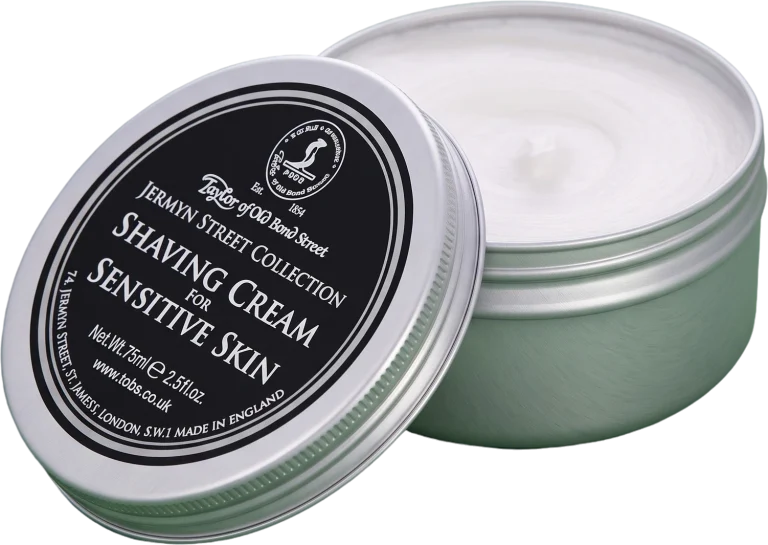
- Apply shaving cream to wet skin. A thin layer of a shaving cream made for sensitive skin. It improves razor glide, cushions the blade and lets you see where you have already shaved.
- Use a fresh, sharp blade. More on this below. It is the single biggest factor.
- Keep the skin flat, not tight. Use your free hand to smooth out the crease at the top of the thigh, but do not pull the skin taut. Stretching the skin tight is one of the things dermatologists advise against if you get ingrown hairs.[4]
- Shave in the direction of hair growth. Use short, slow strokes with the grain, with almost no pressure. Let the blades do the work.
- Rinse the blades after every stroke or two. Coarse hair clogs a cartridge quickly.
- One or two passes, no more. Going over the same patch again and again scrapes away the top layer of skin and is a fast route to a bikini line rash.
- Rinse warm, then cool. A warm rinse clears the cream and loose hairs. A cool rinse helps calm freshly shaved skin and makes the area feel less hot.[5]
- Gently pat dry and moisturise. Pat, do not rub. Then a thin layer of a fragrance free, alcohol-free moisturiser.
If you want extra smoothness, you can make a careful pass across the grain on a patch that is still rough. Only do it if your skin is happy with it, and never against the grain on skin that already tends to react. Shaving against the grain can cut the hair so short that it slips below the surface, which is how ingrown hairs start.[4]
The best razor for the bikini area
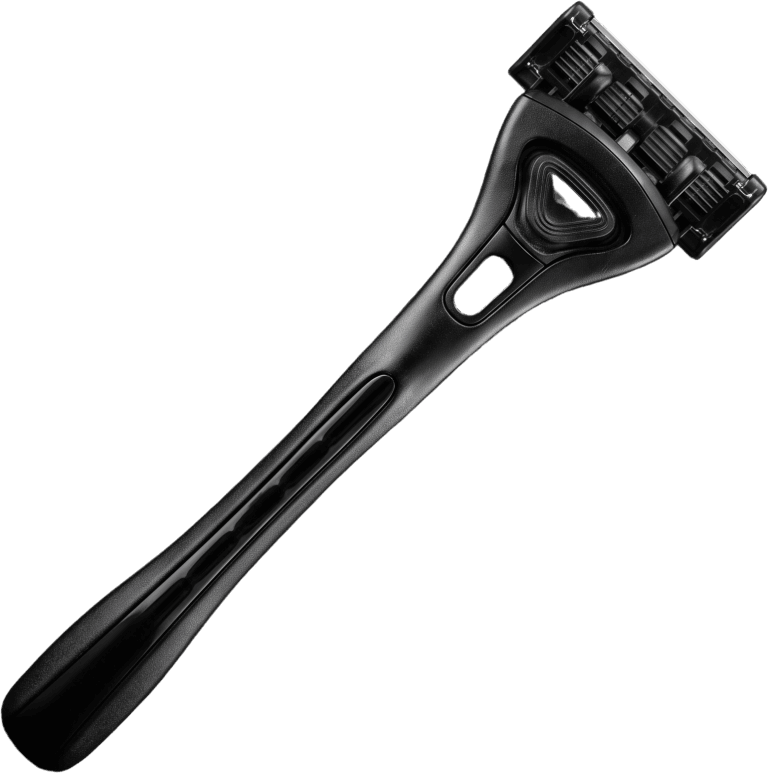
You want a sharp blade, a head that follows curves, and a handle you can control. That points to a good multi-blade cartridge razor, not a cheap disposable that went blunt after its second use. A dull razor is a common cause of a rash in these delicate areas.
A razor built for faces is made for exactly this kind of job. It has to cope with the jawline, the chin and the neck, which are all tight curves with hair growing in odd directions. That makes it well suited to the bikini line, knees and ankles too. We have written before about why women can use men’s razors, and they are often cheaper as well, thanks to the pink tax.
Whatever razor you use:
- Change the razor blade as soon as it drags. A blunt blade tugs at the hair instead of cutting it, and that tug is what irritates the follicle. Our guide on how often to change your razor has the signs to look for.
- Do not leave it in the shower. A razor that never dries is a good home for bacteria.[6] Rinse it, shake it dry and store it head up somewhere dry.
- Keep a separate cartridge for the bikini line if you also shave your legs. Same handle, fresher head.
Our cartridge has five blades with a roller on the leading edge. The roller rolls over the shaving cream instead of pushing it away, so more cream stays between the blades and your skin.
From the Colonel’s shelf
Two things that keep the bikini line calm
Every first Classic or VIP order comes with 30 days money back. Shave with it for a month, and if it is not for you, we refund it in full with nothing to send back.
Why shaving cream matters so much here
Dry shaving drags the blade over bare skin and leaves tiny cuts you cannot see, and those cuts are what sting and redden later. Soap, shower gel and hair conditioner are better than nothing, but they are not made to cushion a blade, and soap can leave the skin dry.
A proper shaving cream does three jobs. It holds water in the hair so it softens, it puts a slick layer between the blade and the skin, and it shows you where you have already been, so you do not go over the same spot twice. For the bikini area, pick one made for sensitive skin and go easy on strong fragrance. Look for moisturising ingredients such as glycerin or shea butter. Our Sensitive Shaving Cream is made for sensitive skin and has an allergen-free fragrance.
Exfoliating to prevent ingrown hairs

Dead skin cells can build up over the follicles and leave trapped hairs under the surface. Exfoliate regularly, once or twice a week, to clear them and prevent ingrown hairs.
- Use something gentle. A soft flannel, a fine body scrub, or a low-strength lotion with lactic, glycolic or salicylic acid. Skip harsh scrubs with large, jagged grains.
- Do it a day or two before you shave, not immediately before. Exfoliating and then shaving straight away is a lot for this skin to take.
- Leave it a couple of days after shaving before you exfoliate again.
- If the skin is sore or broken, skip it until it settles.
Our guide on whether to exfoliate before or after shaving goes into the timing in more detail.
Aftercare for a calm bikini line
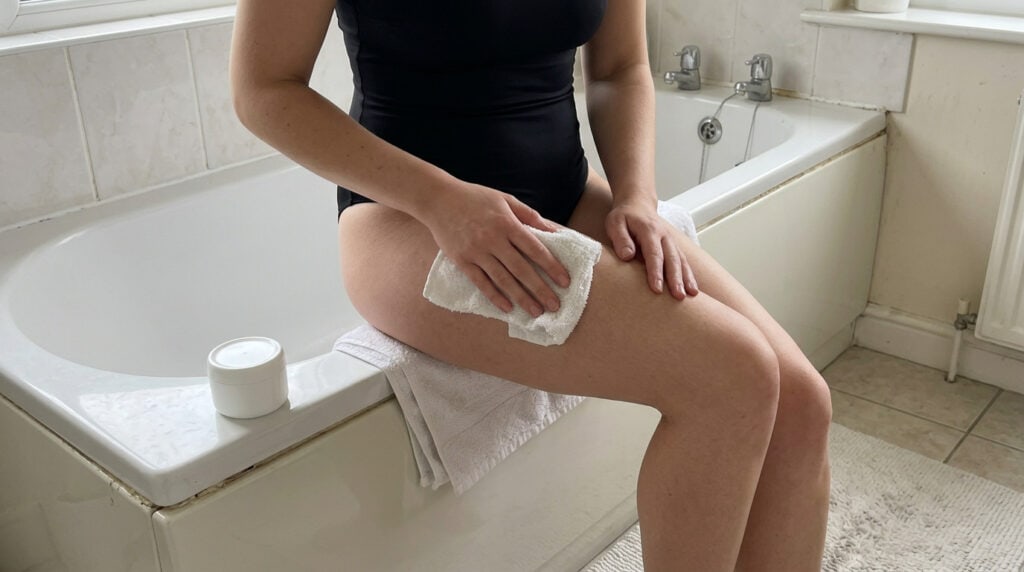
What you do in the hours after shaving matters nearly as much as the shave.
- Moisturise with something plain. A fragrance free, alcohol-free lotion, a little aloe vera gel, or a few drops of coconut oil or jojoba oil. Avoid perfumed body lotions and alcohol-based products on freshly shaved skin, as they sting and can exacerbate irritation.
- Wear loose cotton underwear. Looser clothing over areas you shave cuts down friction[7], and many people find soft cotton kinder than synthetics on freshly shaved skin. It is one of the simplest fixes there is.
- Avoid tight clothes and hard exercise straight after shaving if you can. Shaving at night, then sleeping in something loose, gives the skin a few calm hours.
- Give it a day before hot tubs and chlorinated pools, which can sting freshly shaved skin.
- A cool, wet cloth held on the skin after shaving helps reduce irritation.[1]
How to treat an ingrown hair on the bikini line
If you do get an ingrown hair on your bikini line, the main rule is to leave it alone.
- Stop shaving over it until it has settled. Shaving over a bump only irritates it more.
- Use a warm compress, a warm, damp flannel for 10 to 15 minutes, three or four times a day.[7] Most ingrown hairs go away on their own within a few days.[8]
- Do not squeeze, pick or dig at it with tweezers or needles. That can damage the skin and lead to infection.[1]
- Gently exfoliate once the area has calmed down to help stop the next one forming.
See a pharmacist if bumps keep coming back or itch for days. See your GP if a spot becomes hot, very painful, swollen or full of pus, or if redness starts to spread. Our article on razor bumps and shaving rash covers the face and neck version of the same problem.
Common bikini shave mistakes
Most bikini line rash comes down to the same few habits:
- Dry shaving, or shaving with just water.
- Using a blunt or rusty blade, often one that lives in the shower.
- Pressing hard to get a closer shave. A sharp blade does not need it.
- Rushing, especially in poor light.
- Shaving every day. The NHS advice for avoiding ingrown hairs is not to shave every day if you can help it.[1]
- Tight clothing and synthetic underwear straight after shaving.
- Skipping exfoliation, which leaves dead skin over the follicles.
How often should you shave your bikini line, and when to try another hair removal method
As often as you are comfortable with, and no more. Many people find every few days keeps a smooth bikini line while giving the skin time to recover. If your skin is sensitive or you are prone to ingrown hairs, once a week, or just before a holiday, may be kinder.
Watch for the signs you are overdoing it: redness that never quite goes away, stinging from products that used to be fine, or a steady crop of new bumps. If that keeps happening despite good technique, trimming instead of shaving close, or asking a GP about laser hair removal or another hair removal method, is a perfectly sensible choice.
Questions people ask
How do I get a smooth bikini line without a rash?
Shave at the end of a warm shower, use a shaving cream made for sensitive skin, and shave with the grain using a sharp blade and light pressure. Then rinse cool, pat dry, moisturise with something unperfumed and wear cotton underwear.
What is the best razor for the bikini area?
A sharp multi-blade cartridge razor with a head that pivots over curves and a handle you can control. Change the blade as soon as it starts to drag, and do not store it in the shower.
Why do I get red bumps after shaving my bikini line?
Usually a blunt blade, dry shaving, pressing too hard or going over the same patch too many times. Coarse, curly hair also makes ingrown hairs more likely. Fix the prep and the blade first.
Should I shave my bikini line at night or in the morning?
Night often works better. You are less rushed, and the skin has hours to settle in loose clothing before anything tight rubs against it.
Can I use the same razor for my legs and bikini line?
You can use the same handle, but keep a fresher cartridge for the bikini line, and rinse and dry the razor well after each use.
Does shaving make bikini hair grow back thicker?
No. Shaving cuts the hair at the surface and does not change the root.[9] The regrowth has a blunt tip, which can feel stiffer, but it is not thicker.[5] Our post on whether shaving makes hair thicker explains why.
Sources
- NHS, Ingrown hairs
- Cleveland Clinic, Razor Burn: Causes and Treatment
- American Academy of Dermatology, Dermatologists’ top tips for relieving dry skin
- British Association of Dermatologists, Pseudofolliculitis (patient information leaflet)
- DermNet, Shaving
- American Academy of Dermatology, Hair removal: How to shave
- Cleveland Clinic, How To Get an Ingrown Hair Out at Home
- Cleveland Clinic, Ingrown Hair: What It Looks Like, Causes, Treatment and Prevention
- Cleveland Clinic, Will Shaving Make Your Hair Grow Back Thicker?
Missed a spot?
More from Grooming & Guides
Shaving Cream vs Gel vs Foam: Which Gives the Better Shave?
Walk down the shaving aisle and you get three choices: a can of shaving foam, a can of shaving gel, or a tub of shaving cream.
How to Shave Your Back: Solo, With Help, and Without the Rash
Your back is the one part of your body you cannot see and can barely reach, which is why back hair removal goes wrong more often...
Should Men Shave Their Armpits? Pros, Cons and How to Do It Without the Bumps
Plenty of men shave or trim their armpits now, and plenty leave them alone. Neither is more hygienic than the other.