
Le journal du colonel / Soins et guides
Should You Shave Before or After a Shower?
Dernière mise à jour le
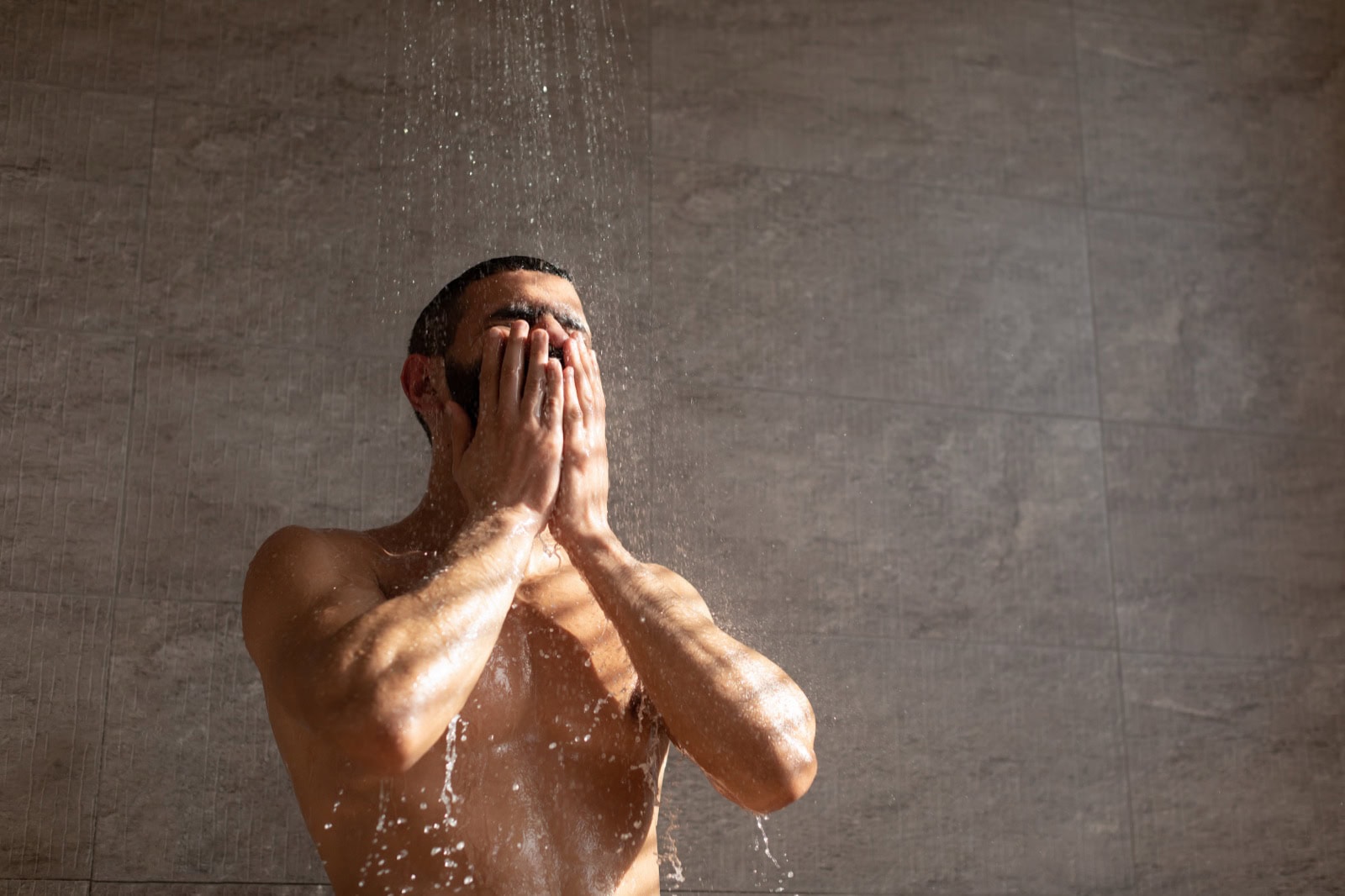
Most of us run the morning routine on autopilot, and the order of shower and shave is usually whatever we did as teenagers. It is worth a second thought, because it changes how the blade feels on your skin and how your face feels for the rest of the day. The short answer is to shave after a warm shower, or at the end of it. Here is why, when shaving before a shower still makes sense, and how to shave in the shower without making a mess of it. The right tools matter too, so we cover those along the way.
Sur cette page
Points clés à retenir
- Rasez-vous après une douche chaude. With a cartridge razor and shaving cream, shaving after (or at the end of) a warm shower gives the most comfortable shave.
- Warm water does the work. A few minutes of warm water softens the hair, so the blade cuts with less tugging and fewer passes.
- Shaving in the shower is fine too, if you can see what you are doing and keep your razor and cream within reach.
- Before a shower makes sense for dry electric shavers, or if you are short of time. With a blade, it is usually rougher.
- Sensitive skin gains the most from shaving after a shower, with a proper shaving cream and a sharp blade.
Se raser avant ou après la douche : la réponse en bref
Shave after. Or, if you prefer, at the very end of the shower, once you have washed.
Warm water softens the hair; a sharp blade does the rest. Le colonel barbu vous envoie des recharges de lames neuves à cinq lames selon la fréquence que vous choisissez, à partir de 1,75 £ la recharge.
Consultez les plansDry facial hair is surprisingly tough. Soak it in warm water for a few minutes and it softens and swells, which makes the hair easier to cut.[1] That means less pull on each hair, fewer passes over the same patch and less irritation afterwards, so a smooth shave takes less effort. The shower also washes away the excess oil and dead skin cells that would otherwise clog the blades.[2]
Shaving before a shower is only really the better choice if you use a dry electric shaver, which prefers dry hair. For a blade and cream, shaving after a shower wins.
Quelles sont les différences entre se raser avant et après la douche ?
Before the shower, stubble is stiff. Hair that has not been near warm water resists the razor. You get more friction, more tugging and a higher risk of nicks, and you usually need more passes to get it smooth. More passes means more discomfort and a greater chance of razor burn.
After a few minutes of warm water, the hair is soft. It takes on moisture and becomes noticeably easier to cut. The razor glides with less pressure, and one or two passes is usually enough to achieve a close shave.
The skin is clean. Washing first clears away oil, sweat and loose dead skin cells, so the blades stay clearer and there is less for them to drag over. Gentle exfoliation helps for the same reason; our guide on s'il vaut mieux exfolier avant ou après le rasage covers when.
What about pores and steam? You will often read that steam “opens your pores” ready for a shave. Dermatologists put large pores down to how much oil your skin makes, how firm the skin around each pore is and the size of the hair follicle.[3] Hot water is no help to them either. The American Academy of Dermatology says it can irritate the skin and make pores look larger.[4] For a shave, the pores are beside the point. What warm water does is soften the hair, and that is the part that matters.

There is a sweet spot. You want warm, not scalding, and a normal shower length, not a long soak. The American Academy of Dermatology suggests five to ten minutes in warm water, and shaving at the end of it.[5] Hot water can wash away the skin’s natural oils[6], which leaves it tight and dry after shaving.
Les avantages du rasage après la douche
These are the biggest advantages of putting the shave at the end of your shave routine rather than the start.
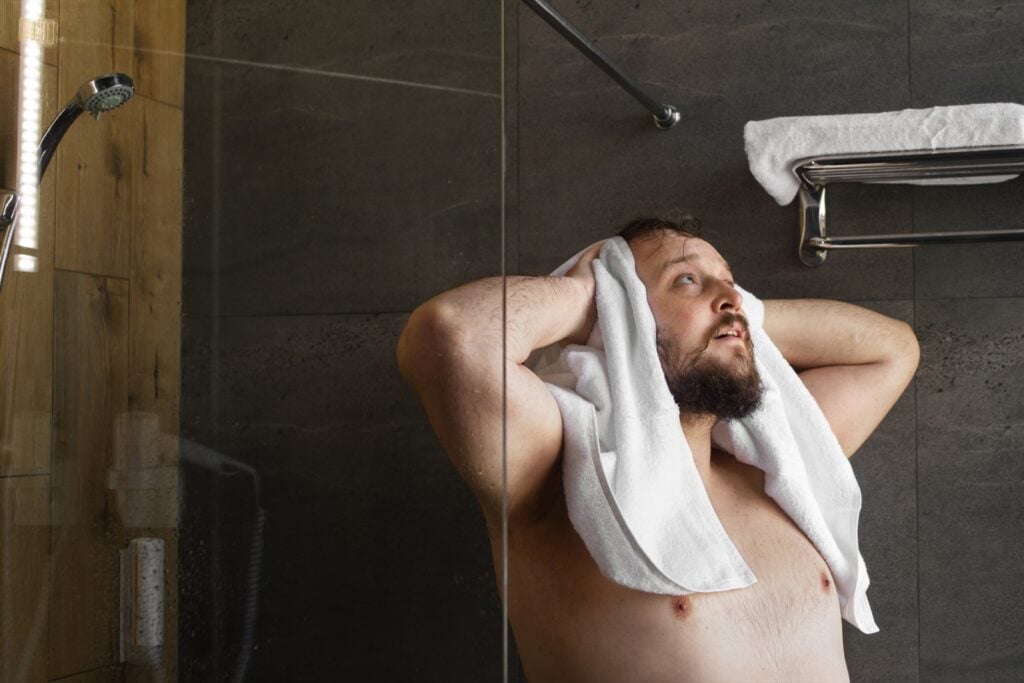
- Comfort. Softer hair needs less force to cut, so there is less redness and less sting, especially on the neck.
- Fewer strokes. Soft, hydrated hair lets a sharp cartridge cut cleanly in fewer strokes. Warm water first and as few strokes as possible are both on the NHS list for avoiding ingrown hairs.[7]
- Cleaner blades. Washed skin means less oil and debris clogging the cartridge.
- Better hydration. Shaving damp, warm skin with a proper shaving cream leaves it feeling fresh and comfortable rather than tight.
- One simple routine. Wash your body and hair, cleanse your face, then shave at the end, either in the shower or straight after at the basin.
If you cannot shower first, a warm, damp flannel held on the skin softens the hair in much the same way.[1] Our serviette chaude artisanale pour barbier guide shows how.
Quand se raser avant la douche reste une bonne idée
- You use a dry electric shaver. Many electric shavers are designed to work on dry hair, so shave before water touches your face. Our guide to rasoirs électriques ou rasage à l'eau ? explique la différence.
- You are short of time and want the mess gone. Shaving first means the shower rinses away stray hairs and cream.
If you do shave with a blade before your shower, still prepare the skin. Splash on plenty of warm water, or hold a warm flannel on your face for a minute or two, then use a proper shaving cream. Never drag a razor over dry skin. And expect it to feel a bit rougher than shaving afterwards.
Comment se raser sous la douche
Shaving in the shower counts as an after-shower shave, since your face has already had plenty of warm water. Plenty of men prefer it. A few things make it work.
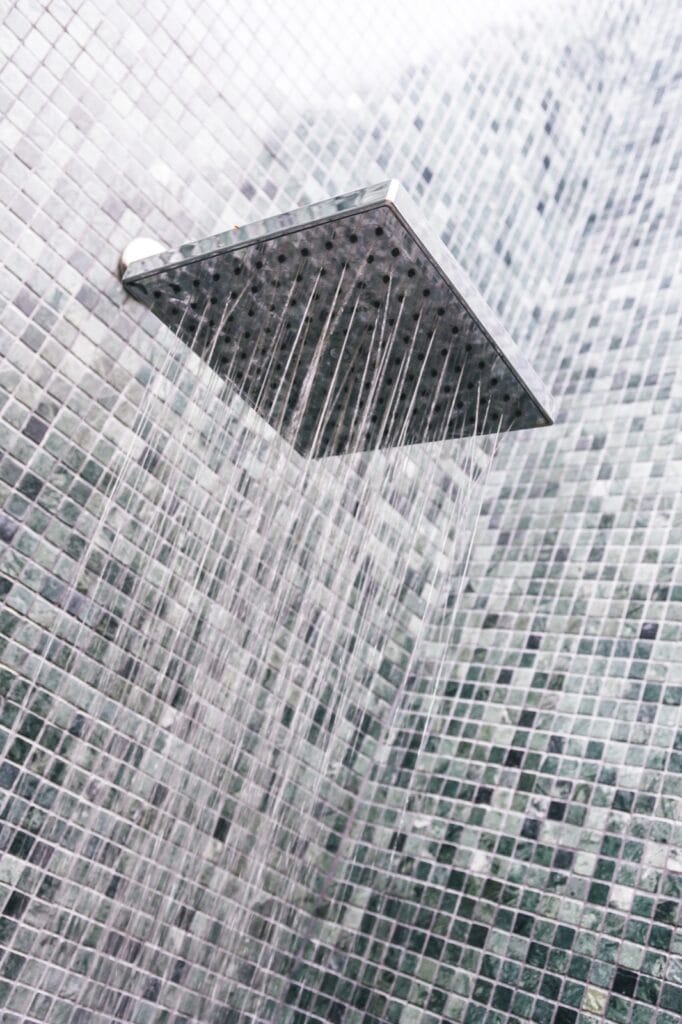
- Be able to see. A small anti-fog mirror on the wall helps, especially for the neck and around the mouth and nose. If you cannot see, shave at the basin straight after instead.
- Keep everything in reach. A shelf or rack for your razor and shaving cream saves bending and dropping things.
- Turn the heat down a touch. Warm water to soften the hair, then slightly cooler while you shave, so the skin does not dry out.
- Keep the cream on. Shower spray can rinse shaving cream off before you get to it. Face away from the water while you lather and shave, and reapply on any patch that needs a second pass.
- Rinse the blade often. Hold it under the showerhead for a second after every stroke or two.
- Stand steady. Wet floors and wet hands are a poor mix. A handle with some weight and grip helps.
- Save water. Turn the flow down, or off, while you shave.
Le rasage après la douche quand on a la peau sensible
If your skin reacts easily, shaving after a shower is almost always the better option whatever your skin type. A little extra care helps keep your skin healthy.
- Use warm, not hot, water. Hot water can wash away the skin’s natural oils[6], and dry skin is quicker to sting.
- Laver délicatement. A mild, fragrance-free wash, no harsh scrubs on shave days.
- Use a cream made for sensitive skin. A thick, cushioning shaving cream without heavy fragrance protects the skin far better than soap or a thin shaving foam from a can.
- Go with the grain. Shave in the direction the hair grows, with light pressure, and keep to as few passes as you can. Here is why shaving against the grain causes trouble.
- Finish calmly. Rinse with cool water to calm the skin[8], pat dry with a clean towel and use a simple, fragrance-free, alcohol-free moisturiser or balm.
Dans la bibliothèque du colonel
What to take into the shower
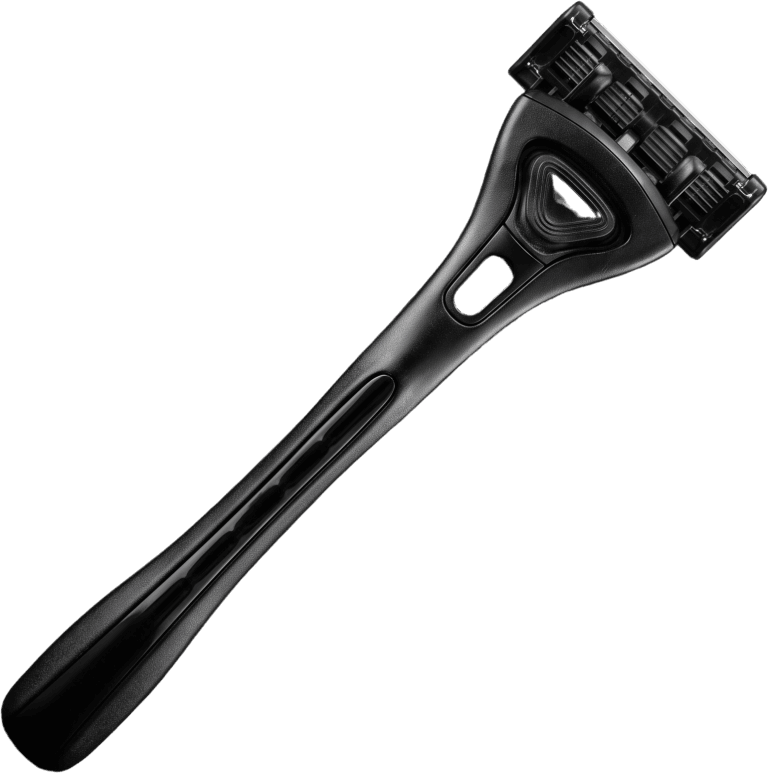
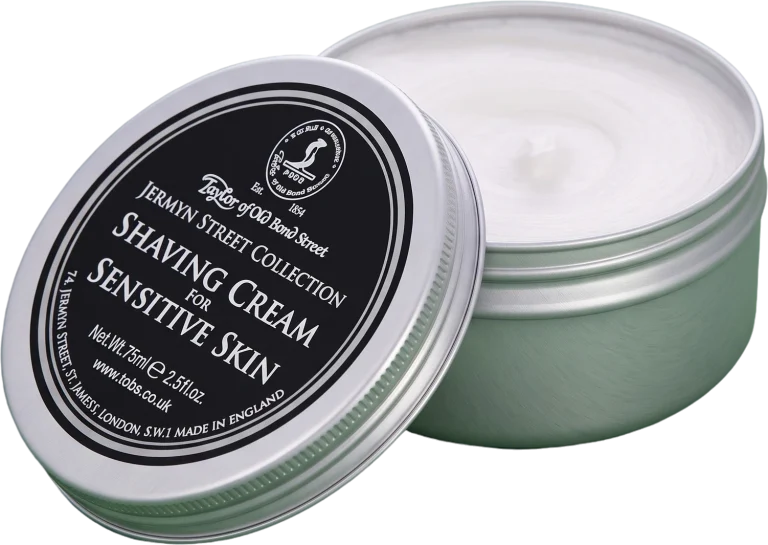
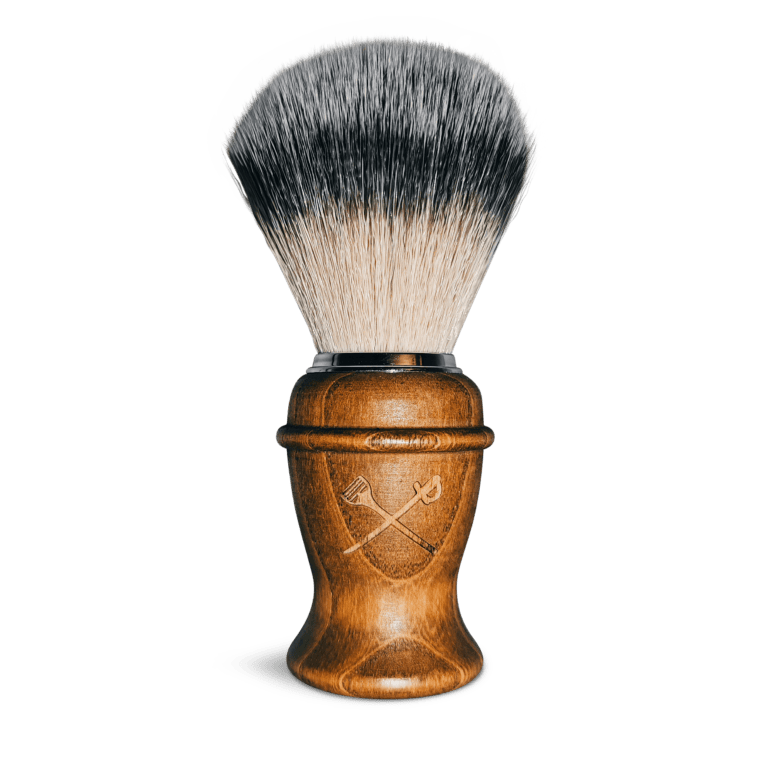
Chaque première commande « Classic » ou « VIP » bénéficie d'une garantie « satisfait ou remboursé » de 30 jours. Testez-le pendant un mois, et s'il ne vous convient pas, nous vous rembourserons intégralement votre achat sans que vous ayez à nous renvoyer le produit.
Étape par étape : le rasage après la douche
- Shower in warm water for a few minutes. Wash your face to clear oil and dead skin.
- Leave your face damp. Pat it lightly so it is still wet, not dripping.
- Lather up. Work an almond-sized amount of shaving cream into the beard with your fingertips or a blaireau de rasage, which lifts the hairs and builds a thicker lather.
- Commencez par vous raser dans le sens du poil. Short, light strokes. On the cheeks and jaw that is usually downwards; on the neck, check your hair growth direction before you start.
- Rinse the razor often under hot running water so hair and cream do not build up between the blades.
- Second pass only if you need it. Re-lather, then go across the grain gently.
- Rinse with cool water, pat dry and moisturise. Once you have finished shaving, leave the razor somewhere it can dry, not in the wet shower tray.[2]
A sharp blade matters as much as the timing. Soft hair cut with a blunt edge still drags. Our guide on À quelle fréquence faut-il changer de rasoir ? explains when it is time, and our guide on how to shave properly covers the full routine.
Questions fréquentes
Vaut-il mieux se raser avant ou après la douche ?
Ensuite. L'eau chaude assouplit les poils, ce qui permet à la lame de les couper plus facilement, en réduisant les tiraillements et les irritations. Seul le rasoir électrique à sec fait exception : il est plus efficace sur des poils secs, avant la douche.
L'eau chaude ouvre-t-elle les pores ?
Not really, though it is a common belief. Pore size is mostly down to your genes and how much oil your skin makes, and it cannot be changed for good.[3][9] Warm water helps your shave in a different way: it softens the hair so the blade cuts cleanly. Very hot water can irritate the skin and make pores look bigger.[4] A cold splash afterwards tightens the look of the skin for a few minutes, but it does not close anything.[9]
Est-ce mauvais de se raser sans avoir pris de douche au préalable ?
Cela ne présente aucun risque si vous vous y préparez correctement, mais raser des poils secs et raides demande plus d'efforts et provoque généralement davantage d'irritations. Si vous ne prenez pas de douche, appliquez un gant de toilette chaud sur votre visage pendant une minute ou deux, puis utilisez une crème à raser adaptée sur une peau légèrement humide.
Combien de temps dois-je rester sous la douche avant de me raser ?
Une douche normale suffit amplement, que ce soit pour se raser le visage, le corps ou les jambes. Quelques minutes d'eau tiède suffisent à ramollir les poils. Une douche très longue et très chaude peut dessécher la peau et provoquer une sensation de tiraillement après le rasage.
Puis-je me raser à l'eau froide si je suis pressé ?
C'est possible, mais l'eau froide n'assouplit pas les poils, ce qui rend le rasage plus rugueux. Veillez au moins à humidifier d'abord votre barbe avec de l'eau tiède et laissez agir la crème à raser pendant quelques instants.
Est-ce que je devrais me raser sous la douche ou devant le lavabo ?
L'une ou l'autre, pourvu que cela vous permette de bien voir ce que vous faites. Sous la douche, votre visage reste chaud et humide, ce qui est idéal. Au lavabo, vous disposez d'un miroir comme il faut. Les deux solutions conviennent, à condition que le rasage ait lieu après l'eau chaude.
Does shaving in the shower waste water?
It can if the shower runs at full flow the whole time. Turn the flow down or off while you shave, and turn it back on to rinse.
Sources
- Académie américaine de dermatologie, 6 razor bump prevention tips from dermatologists
- Académie américaine de dermatologie, Épilation : comment se raser
- Lee SJ and others, Dermatologic Surgery (2016), Facial Pores: Definition, Causes, and Treatment Options
- Académie américaine de dermatologie, What can treat large facial pores?
- Académie américaine de dermatologie, Les meilleurs conseils des dermatologues pour soulager la peau sèche
- Harvard Health Publishing, 9 astuces pour venir à bout de la peau sèche
- NHS, Poils incarnés
- DermNet, Rasage
- Cleveland Clinic, 7 Dermatologist Approved Tips to Shrink Your Pores
Vous avez raté un spot ?
Plus d'articles de Soins et guides
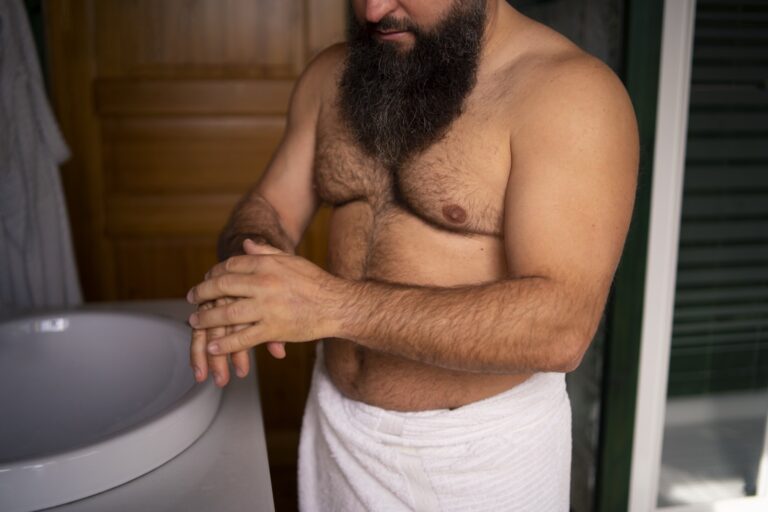
Les hommes devraient-ils se raser les bras ? Quels sont les effets et comment s'y prendre correctement ?
Most men never think about their arm hair until something makes them. A new tattoo you want people to see.
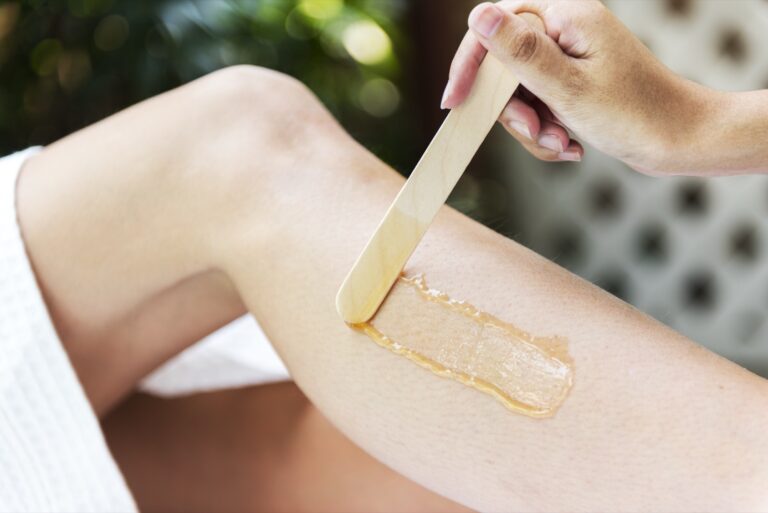
Rasage, épilation à la cire ou crème dépilatoire : les avantages et les inconvénients en toute honnêteté
Shaving, waxing and hair removal cream all get rid of unwanted hair, and each one is the right answer for somebody.

Après-rasage ou baume : que mettre sur le visage après le rasage ?
La plupart des hommes possèdent un flacon d'après-rasage, mais bon nombre d'entre eux n'ont aucune idée de son utilité.