
The Colonel’s Journal / Grooming & Guides
Aftershave vs Balm: What to Put on Your Face After Shaving
Last updated on
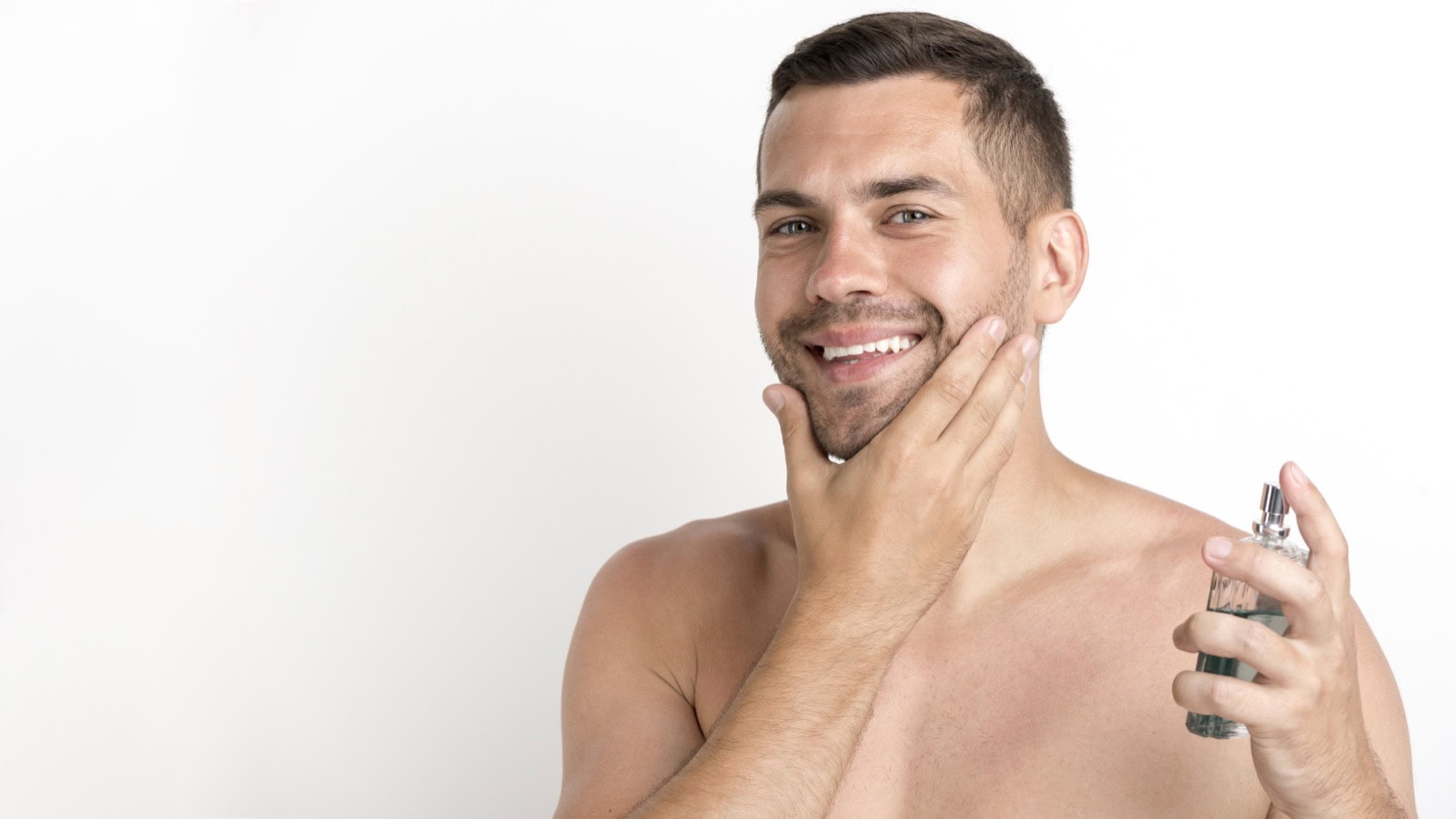
Most men own a bottle of aftershave, and plenty of them have no idea what it is meant to do. Is it a disinfectant, a perfume, or a moisturiser? Should it sting? Is a balm better? Here is what aftershave actually is, how an aftershave balm differs from a splash and a moisturiser, and the short routine that leaves your skin calm after a shave.
On this page
Key takeaways
- Aftershave is anything you put on freshly shaved skin to clean, calm or protect it. It comes as a splash, an aftershave lotion, a balm or a light gel.
- A splash is mostly alcohol and scent. It disinfects small nicks and smells good, but it can sting and dry the skin out.
- An aftershave balm is thicker and gentler. A post shave balm soothes and moisturises, and is usually the better daily choice for sensitive or dry skin.
- A moisturiser does a different job. It looks after your skin every day, shaved or not. You can use one after a balm if your face still feels tight.
- The shave matters more than the bottle. A sharp blade and a proper shaving cream leave less damage for any aftershave to fix.
What is aftershave?
Aftershave is a product you apply to your face and neck straight after shaving. Its job is to clean the skin, calm it down and leave it feeling comfortable, and most also add a scent.
The best aftershave is a shave that needs less fixing. The Bearded Colonel posts fresh five-blade refills on your schedule, so a blunt blade never gets the chance to drag.
See the plansThe classic version is the splash: a thin liquid, mostly alcohol, that you pour into your palms and pat on. The alcohol acts as an antiseptic on the tiny nicks a blade leaves behind, and it evaporates quickly, which gives that cold, tight feeling. That is also why it stings. Alcohol on freshly shaved skin hurts, and used every day it can leave skin dry and flaky.
Over the years the word has stretched to cover gentler products too. Today “aftershave” covers splashes, aftershave lotions, aftershave balms, aftershave creams and gels. They are all post shave products. They differ in texture, how much alcohol they contain and how much moisture they put back.
Aftershave is not the same as cologne or eau de toilette, even if some splashes smell like them. A fragrance is made to be worn. Aftershave is a skincare product made for skin that has just had a blade dragged across it.
What is aftershave for?
Shaving takes off more than facial hair. Each stroke also scrapes across the surface of the skin. On a good day that leaves skin feeling fresh. On a bad day it shows up as:
- redness, heat and stinging (razor burn)
- small nicks and cuts
- dryness and tightness, especially in winter
- ingrown hairs, where hairs grow back into the skin, usually on the neck
A post shave product helps with the skin after shaving. An antiseptic splash deals with the nicks. A balm with soothing ingredients helps reduce redness and puts moisture back. Both are there to tidy up, and neither can fully undo a rough shave. If you regularly come out of the bathroom red and sore, the problem usually sits earlier in the routine, which our guide to razor bumps and shaving rash walks through.
Aftershave balm vs splash vs lotion
The four main types do slightly different jobs, and the right one depends on your skin type. This table sums them up before we go through each one.
| Type | Texture | Best for | Watch out for |
|---|---|---|---|
| Splash | Thin liquid, high alcohol | Tough or oily skin, fresh scent | Stinging, dryness with daily use |
| Lotion | Light, runny cream | Normal skin, quick absorption | Some still contain a lot of alcohol |
| Aftershave balm | Thicker cream | Dry or sensitive skin, daily shavers | Heavy balms can feel greasy on oily skin |
| Gel | Light, cooling | Oily or combination skin, hot weather | Can contain menthol, which some skin dislikes |
Read the ingredients rather than the name on the front. A “lotion” from one maker can be as harsh as another’s splash.
Aftershave splash
A splash is the old-fashioned kind. It is cooling, smells strong and dries in seconds. It suits people whose skin rarely reacts. If yours goes red easily, a splash every morning is likely to make things worse.
Aftershave lotion
An aftershave lotion (or after shave lotion) sits between a splash and a balm. It usually has some alcohol but also some moisturising ingredients, and it soaks in fast without leaving a greasy residue. A good middle ground if you want a bit of scent and do not like heavy creams.
Aftershave balm
An aftershave balm (you will also see it sold as a post shave balm, after shave balm, shave balm or shaving balm) is a thicker cream made to soothe irritation and hydrate. Most aftershave balms use little or no alcohol, and many aftershave balms contain calming plant extracts, aloe vera or vitamin E. It is the one to pick if you shave daily, have dry skin, or get red patches on the neck.
Aftershave gel
An aftershave gel is light and cooling, and leaves no greasy residue. It suits oily or combination skin and summer weather. Some get their cooling effect from menthol, which feels good on some faces and irritates others.
What is aftershave balm, and is it better?
For most people who shave often, yes. A post shave balm is specifically formulated for skin post shave. It does the comfort part of aftershave without the stinging part. It puts moisture back into skin that has just lost some, calms redness, and leaves a soft finish instead of a tight one.
The trade-off is scent and that brisk, awake feeling a splash gives. If you love the ritual of a splash and your skin is fine with it, there is no reason to stop. If it stings every time, that sting is telling you something. Switch to an alcohol free, fragrance-free aftershave balm[1] and see how your skin looks a week later. Skin irritation from a splash puts plenty of men off aftershave altogether, when a gentler product would have suited them fine.
Should you moisturise after shaving?
You should, but the right product depends on what you already use.
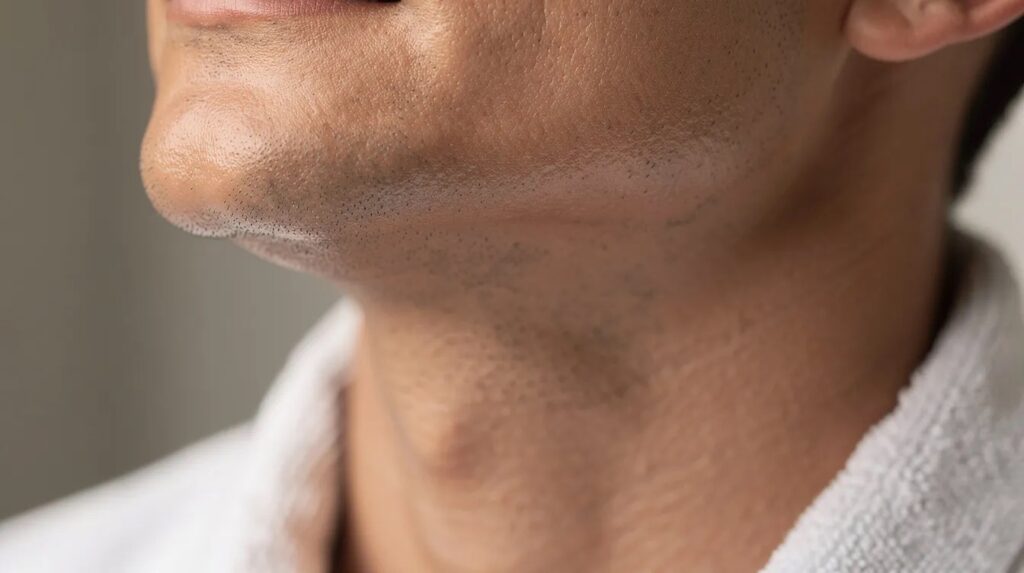
A moisturiser (or facial moisturizer, if you shop online) is part of your everyday skincare routine. It keeps skin hydrated and protects the barrier whether you shaved that morning or not. An aftershave balm is aimed at the hour after shaving: calming, softening and putting moisture back where the blade took it.
There is a lot of overlap. A simple, fragrance-free moisturiser on a freshly shaved face is better than nothing, and some men use nothing else. If your skin still feels tight or looks red after that, add a balm on shave days, then the moisturiser on top once the balm has soaked in. In a dry, heated office through the winter months, that extra layer makes a noticeable difference.
What you should not do is skip post shave care entirely and head straight out into cold wind.
What to put on your face after shaving
The whole post shave routine takes two minutes, and it slots onto the end of your shaving routine.
- Rinse with cool water. It washes off the leftover shaving cream and helps calm the skin.[2] Cool, not icy.
- Pat skin dry with a clean towel. Pat, do not rub. Rubbing drags across skin that has just been shaved.
- Apply your aftershave. For a splash, put a little in your palms and pat it on. When applying aftershave balm, warm an amount about the size of a 5p coin between your fingers and gently massage it over your cheeks, chin and neck. A balm or moisturiser does most good on skin that is still slightly damp.[3]
- Moisturise if you need to. Give the balm a minute to absorb, then add a moisturiser if your face still feels tight.
Less is more. A thick layer of balm just leaves you shiny, and stacking three scented products at once is asking for irritation. One post shave product and, if needed, one moisturiser is plenty.
Alcohol free aftershave balm for sensitive skin
If your skin reacts to almost everything, start with an alcohol free aftershave balm that says it is made for sensitive skin. Fragrance-free or very lightly scented is safer, because fragrance allergy is second only to nickel as a cause of allergic contact dermatitis.[4] Be wary of “unscented” on the label, as some unscented products still contain a masking fragrance.[4]
Aloe vera and oatmeal are both used to soothe razor burn, and some people like witch hazel for that toned feeling.[1] Things to go easy on are strong perfume, menthol and anything high in alcohol.
Test something new on a small patch first. The American Academy of Dermatology suggests a coin-sized spot on the inside of your arm or the crook of your elbow, twice a day for seven to ten days.[5] If it causes redness, itching or swelling, it is the wrong product for you. You do not have to push through it. Our post on essential oils for sensitive skin covers some gentle plant ingredients in more detail.
If redness or bumps last for days, or a patch looks infected, stop shaving that area for a while and speak to a pharmacist or your GP.
The shave matters more than the aftershave
The best way to prevent razor burn and ingrown hairs is a smooth shave in the first place. Aftershave cleans up after a shave. The less there is to clean up, the less it has to do. Most stinging, redness and bumps come from three things: a blunt blade that tugs instead of cuts, too little lubrication, and too many passes over the same patch.
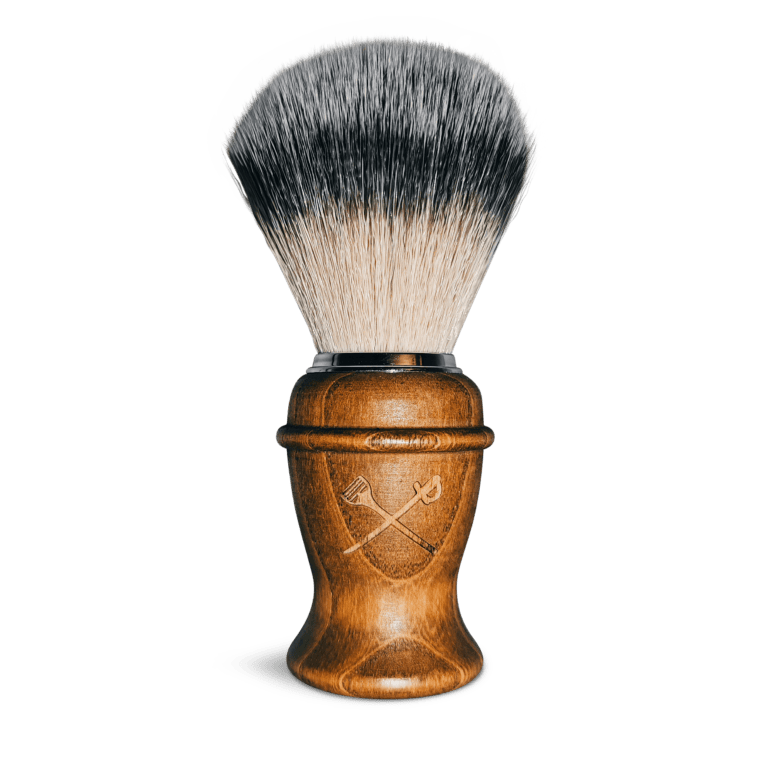
So start there. Soften the beard hair with warm water. Use a proper shaving cream, worked into a lather with a brush, so the blade glides instead of scraping. A good cream softens beard hair and cushions the skin, which is why it does more for a smooth and comfortable shave than any bottle you use afterwards. Shave with the grain, which our guide on why you should not shave against the grain explains. And change your blade before it starts to pull. How often you should change your razor depends on your beard, but a dragging blade is always a sign.
Our cartridge has five blades and a roller on the leading edge. The roller rolls over the cream instead of pushing it aside, so more of it stays between the blades and your skin, and you finish the shave with less to calm down.
From the Colonel’s shelf
Less to calm down after the shave
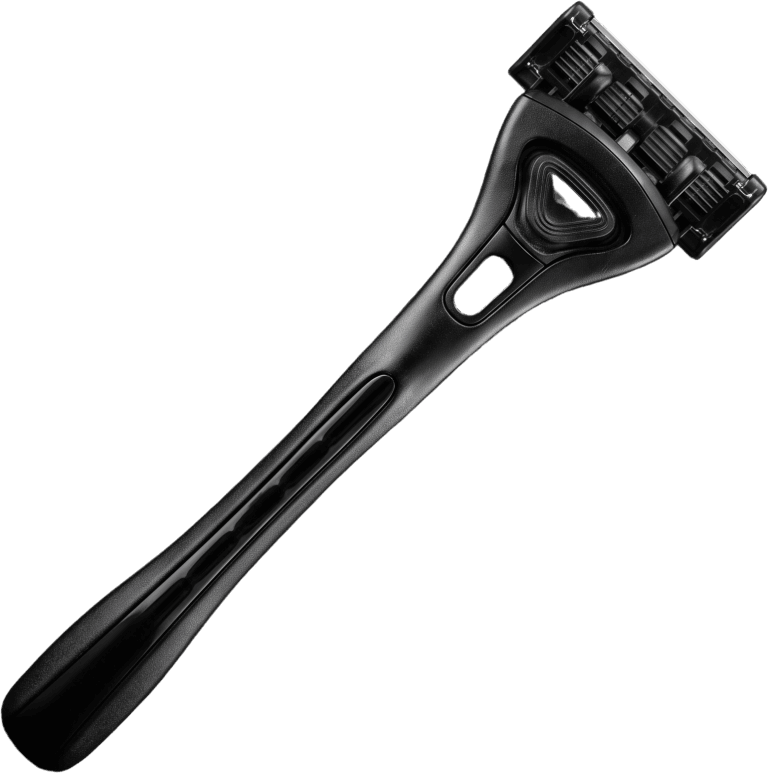
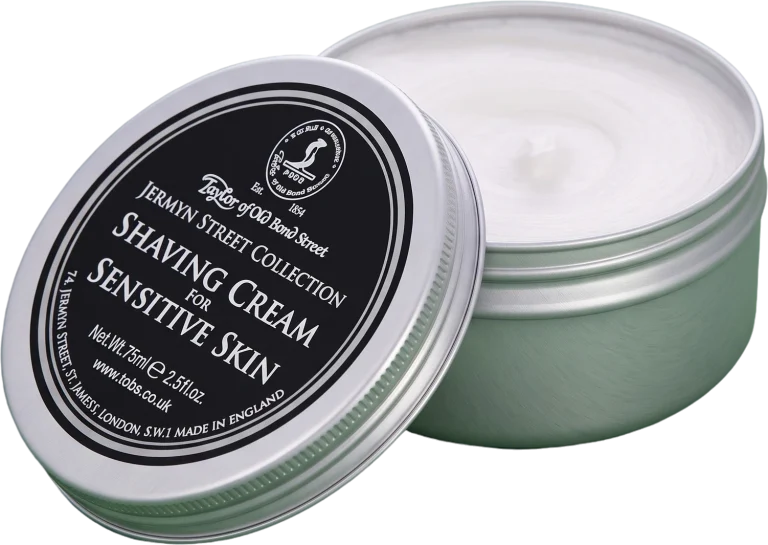
Every first Classic or VIP order comes with 30 days money back. Shave with it for a month, and if it is not for you, we refund it in full with nothing to send back.
Common aftershave mistakes
A few habits keep irritation going even with a good product:
- Rubbing a splash in hard. Pat it on. Rubbing reopens small nicks and spreads redness.
- Using too much balm. A thick layer does no more than a thin one and leaves the skin greasy.
- Splashing alcohol on dry skin twice a day. If your face already feels tight, alcohol makes it tighter.
- Treating aftershave as a fix for a bad shave. If you need a strong balm every time just to feel normal, look at your blade and your shaving cream first.
- Skipping the rinse. Leftover cream under a balm can leave skin feeling greasy and congested.
Aftershave is optional. Plenty of men use only a moisturiser and are perfectly happy. But if your skin feels uncomfortable after a shave, the right post shave product, used lightly, makes a real difference.
Questions people ask
What is aftershave for?
Aftershave cleans and calms freshly shaved skin. A splash disinfects small nicks and adds a scent. A balm soothes redness and puts back moisture the shave took out.
Is aftershave balm better than aftershave?
For most men who shave often, or who have dry or sensitive skin, a balm is the better daily choice because it soothes without the sting. A splash suits tougher skin and people who like a strong, fresh scent.
Should you moisturise after shaving?
Yes. Shaving can leave skin feeling dry and tight. Use an aftershave balm, a moisturiser, or a balm followed by a moisturiser if your skin still feels tight.
Why does aftershave sting?
Most splashes are high in alcohol, and alcohol stings on the tiny cuts a blade leaves. If it stings every time, try an alcohol free aftershave balm instead.
Can I use moisturiser instead of aftershave?
You can. A plain, fragrance-free moisturiser works well for many people. Aftershave balms are made for the hour after a shave, so they tend to be better at calming redness, but they are not essential.
Can I use aftershave balm on a shaved head?
Most gentle, alcohol-free balms are fine on a shaved head. Start with a small amount, as the scalp can react differently from your face, and see our guide to shaving your head for the shave itself.
Sources
- Cleveland Clinic, Razor Burn: Causes and Treatment
- DermNet, Shaving
- American Academy of Dermatology, Dermatologists’ top tips for relieving dry skin
- DermNet, Fragrance allergy
- American Academy of Dermatology, How to test skin care products
Missed a spot?
More from Grooming & Guides
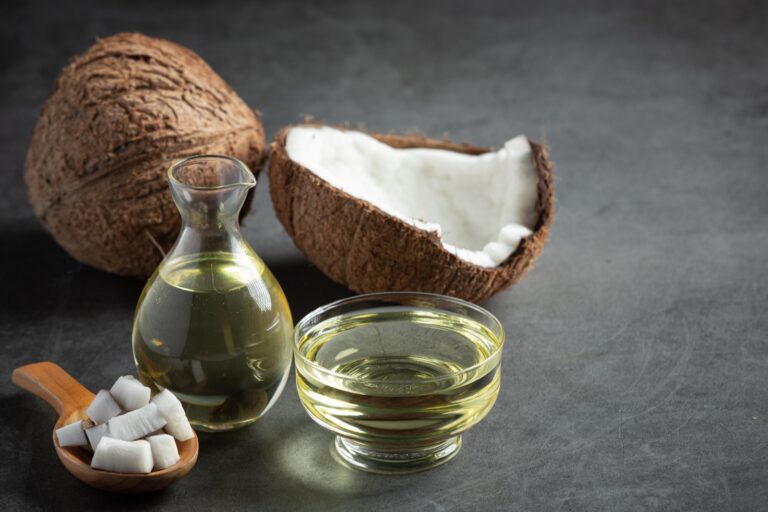
What to Use Instead of Shaving Cream (When You Have Run Out)
You reach for the shaving cream and the tin is empty, or it is still sitting at home and you are in a hotel bathroom.
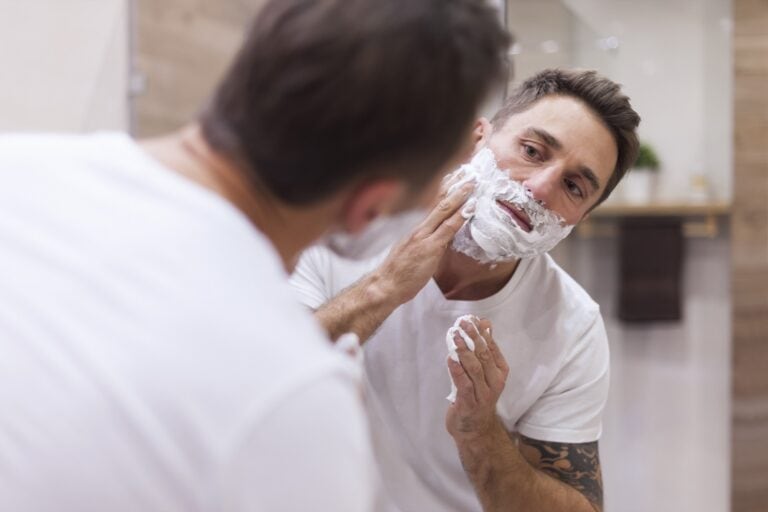
How to Shave Properly: A Step-by-Step Guide to a Close, Clean Shave
Most shaving problems have nothing to do with the razor. They come from rushing the prep, pressing too hard, or going over the...

What Age Should You Start Shaving? Your First Shave, Start to Finish
There is no set age to start shaving. Most lads start in their early to mid teens, when the hair gets dark enough to notice.