
The Colonel’s Journal / Beards and facial hair
The Complete Guide to the Stages of Beard Growth and How to Optimize Them
Last Updated on 25 September 2026

Want to know the stages of beard growth and what you can expect at each step? Here is what happens from the clean-shaven start to a full beard, with tips for each phase.
Key Takeaways
Beard growth is a gradual process requiring patience, proper skin care, and maintenance through various stages, from clean-shaven to full beard.
Factors like genetics, hormones, and lifestyle significantly influence beard growth, with nutrition, exercise, and sleep playing key roles in optimising health.
Using high-quality beard care products like oils, balms, and specialised washes is crucial for maintaining beard health, comfort, and appearance throughout the growth journey.
The Initial Stages of Beard Growth
Growing a beard requires time, patience, and proper care. The initial stages set the foundation for a healthy beard, as hair follicles prepare for growth and light, soft hairs resembling peach fuzz begin to emerge. If you are starting from scratch, our guide on how to grow a beard covers the practical side: what to do in the first month, where to set your neckline, and when to pick up a trimmer. Managing skin health from the start by incorporating proper care routines and being patient is key to beard’s growth.
The initial stages include two main phases: the clean-shaven start and the stubble phase. Each phase presents unique challenges and care requirements.
Clean-Shaven Start (Week 0)
The clean-shaven start marks the beginning of your beard growth journey. At this stage, hair follicles are preparing for growth, and laying the groundwork for a healthy beard is vital. Exfoliate your facial skin to prevent clogged pores and ensure a clean slate. Regularly cleanse and moisturise to keep skin hydrated and avoid discomfort and dryness.
Frequent moisturising and cleaning dead skin cells will help prevent dry skin and unhealthy beard follicles. Establishing a solid skincare routine from the start sets the stage for a healthier beard.
Growing a beard is a marathon, not a sprint. Early skin care will pay off in the long run.
The Stubble Phase (Week 1)
After one week, you’ll start to see initial stubble appear. This phase is characterised by uneven growth, with darker, bristly terminal hair and lighter vellus hair. Managing beard itch is a common challenge during this phase. To alleviate discomfort, use a high-quality product designed to soothe the skin and soften the hair, while avoiding the temptation to scratch.
Maintaining skin health during the stubble phase is important. Gentle care routines, like using mild cleansers and moisturisers, can prevent irritation and ensure comfortable hair growth. Proper care during this phase sets a solid foundation for the following stages of beard growth.
The Patchy Phase
The patchy phase is a common hurdle in the beard growth journey, indicating uneven growth patterns influenced by genetics, hormones, nutrition, stress, and lack of exercise. Experiencing a patchy beard is a normal test of patience, and it’s important not to compare your beard with others during this phase.
To navigate through the patchy phase, consider the following tips:
Introduce a beard comb into your care routine to help train hair growth direction.
Avoid trimming too much to allow hair to grow more evenly.
Use beard oil to keep the hair soft and the skin underneath comfortable.
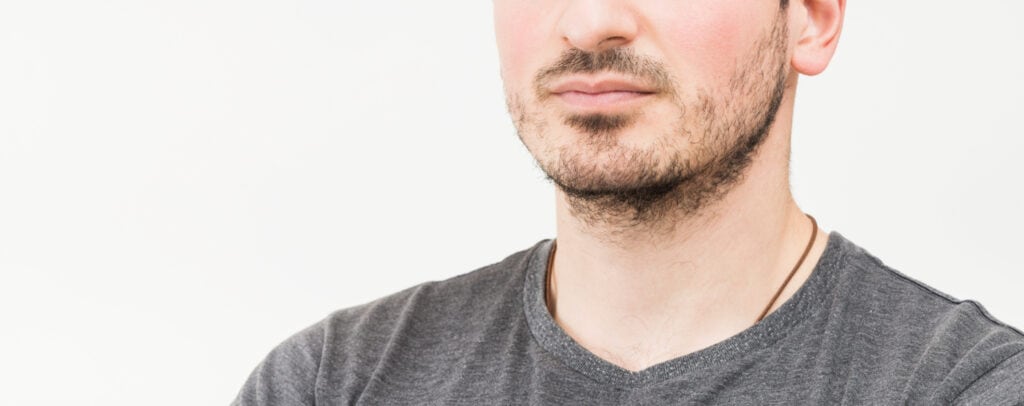
Early Patchiness (Weeks 2-3)
During the early patchy phase, some areas of your beard may grow faster than others, leading to a patchy look. Uneven growth is characterised by some areas being more concentrated while others remain sparse. It’s important to be patient and allow the beard to grow, avoiding trimming during these early stages.
Using beard oil to moisturise the skin beneath the beard can ease itching and discomfort. It won’t grow new hair, but it softens the hairs you have so they lie better, which makes the beard look fuller.
Filling In Patches (Months 1-3)
Through months 1 to 3, proper care and specific grooming tips can significantly enhance beard growth during the patchy phase. Use beard balm and oil to moisturise the skin and beard, preventing itchiness. Regular grooming techniques, such as brushing and trimming, help to evenly distribute oils and promote an overall healthy look.
Patience is what gets you through the patchy phase. Many patches fill in given time, and a regular grooming routine keeps things looking tidy while they do.
Developing Your Beard
Around the 3 to 6 month stage, your beard will begin to develop a natural thickness and texture. This stage is often a turning point for many men to achieve their desired beard style. As your beard grows, common challenges like itchiness and patchiness may arise, but proper care can help manage these issues.
This stage focuses on two aspects: defining shape and achieving thickness. Both are essential for developing a well-groomed and impressive beard.
Defining Shape (Months 3-6)
During months 3 to 6, you can start to shape your beard into a goatee or full beard, reflecting the progress in growth. At this stage, the beard typically has thicker hair with distinguishable dark and light patches, allowing for more defined shaping. Establishing a grooming routine through regular combing and brushing, along with consistent use of beard oil and balm, is crucial.
Good-quality beard grooming products, including beard balm, help reduce frizz and maintain shape. By focusing on defining the shape of your beard during this stage, you’ll be able to achieve a more polished and impressive look.
Achieving Thickness (Months 6-12)
Achieving thickness in your beard during months 6 to 12, the point at which most medium beard styles become possible, involves regular trims to maintain a fuller look, prevent split ends, and promote healthier growth. Beard oil moisturises the beard and promotes healthy hair texture, while beard balm helps in styling and maintaining shape, providing additional moisture.
Regular use of beard wash keeps facial hair clean and prevents beard itch, contributing to overall beard health. Following these tips will help you achieve and maintain a thick, healthy beard.
Reaching Full Beard Potential
Most men reach a full beard somewhere around the six-month mark, though genetics mean some get there sooner and some take closer to a year. A six-month beard is usually full, thick, and well-defined. A full beard is characterised by complete coverage of the cheeks, jaw, lip, and chin. It is a beard that leaves no areas of skin exposed.
Full Beard Maintenance (Months 6-12)
Regular trims maintain the shape of a full beard. The correct beard length can be achieved using a beard trimmer or scissors. Washing your beard every three days helps maintain cleanliness and prevents irritation. A dedicated beard wash gently cleans facial hair without stripping moisture from the skin.
Regularly brushing and conditioning the beard helps distribute natural oils, enhancing its fullness. To prevent knots, comb and brush your beard regularly. Consistent grooming is essential for maintaining a full beard.
The Epic Beard (1 Year+)
After the one-year mark, the defining factor of beard growth is its length. Your beard can grow indefinitely, which is where the long beard styles start to open up. However, it may also reach a natural terminal length based on genetic factors. Factors that may influence the decision to trim your beard include occupation and workplace grooming rules.
At the 10 to 12 month stage, achieving a full beard means trimming becomes optional. By maintaining regular grooming practices, you’ll be able to achieve and sustain an epic beard.
Factors Influencing Beard Growth
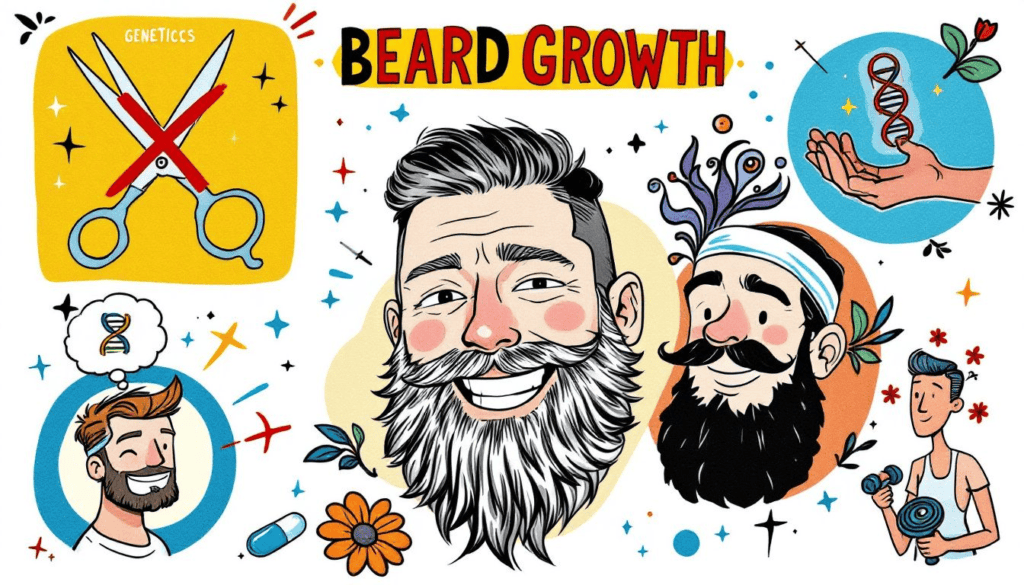
Several factors influence beard growth, including genetics, hormones, and lifestyle. Genetics significantly determine the density and evenness of beard growth. Hormonal levels, particularly testosterone and dihydrotestosterone, influence beard growth patterns. Hormonal variations can contribute to patchiness in beard growth.
A decent skincare routine keeps the skin under your beard clear and comfortable, which matters more as the hair gets thicker.
Genetics
Genetic factors can greatly determine an individual’s beard growth pattern and density. Genetics can affect the likelihood of growing a full beard. Family history is the best guide: if your dad and grandad grew thick beards, you have a decent chance too.
Knowing the role genetics plays lets you set realistic expectations and get the best out of the beard you can grow.
Hormones
Testosterone and dihydrotestosterone (DHT) impact growth speed and thickness. DHT, derived from testosterone, influences beard growth rate. Weight training may boost testosterone levels, supporting hair growth.
Incorporating weight lifting and sprint workouts into your routine is recommended to boost testosterone.
Lifestyle
Diet, exercise, sleep, and stress significantly influence beard growth. A balanced diet with adequate vitamins and minerals is essential. Regular exercise enhances blood circulation, beneficial for beard growth. Adequate sleep aids in cellular repair processes, crucial for overall health and beard growth.
Poor sleep and high stress can both hold growth back. Maintaining a healthy lifestyle supports your beard growth journey and helps achieve the best results.
The Hair Growth Cycle
The hair growth cycle consists of multiple stages crucial for understanding how the beard growth cycle occurs and how beards grow and change over time.
The Anagen Phase is the active growth stage where hair follicles are actively producing hair.
During the Catagen Phase, hair growth slows, and follicles prepare to move into the resting phase.
The Telogen Phase is the resting stage where hair is not actively growing, and follicles await the next growth cycle.
Understanding the hair growth cycle helps optimise your beard growth process by aligning grooming practices with natural hair growth phases.
Anagen Phase
The Anagen Phase is characterised by active hair growth. On the scalp it can last years; for beard hair it is generally much shorter, and its length is what sets how long your beard can grow before it tops out. During this phase, facial hair grows approximately half an inch per month, maintaining a consistent human hair growth pattern.
Factors such as age and hormonal levels, particularly testosterone, influence the rate of beard growth.
Catagen Phase
During the Catagen Phase, the follicle shrinks and the hair detaches from its base, so it stops growing.
The Catagen Phase is a transitional stage where hair growth effectively stops. These changes result in the hair entering a state preparing for shedding, indicating the cycle continues with the next phase of hair growth.
Telogen Phase
The Telogen Phase is the resting phase where follicles are dormant. During this phase, old hair falls out as new hair pushes in. The Telogen Phase typically lasts for 2 to 4 months.
After the Telogen Phase comes the Anagen Phase, and the cycle starts again.
Optimising Beard Growth
Sufficient nutrient intake, including vitamins and minerals, is essential for optimal beard health and growth. Overall health, including diet and lifestyle habits, plays a significant role in how effectively facial hair grows. Some people try massage or microneedling on patchy areas, though the evidence for beards is limited, so speak to a GP or pharmacist before trying anything more than a massage. Regular exercise can enhance blood flow, promoting the health of hair follicles and supporting beard growth.
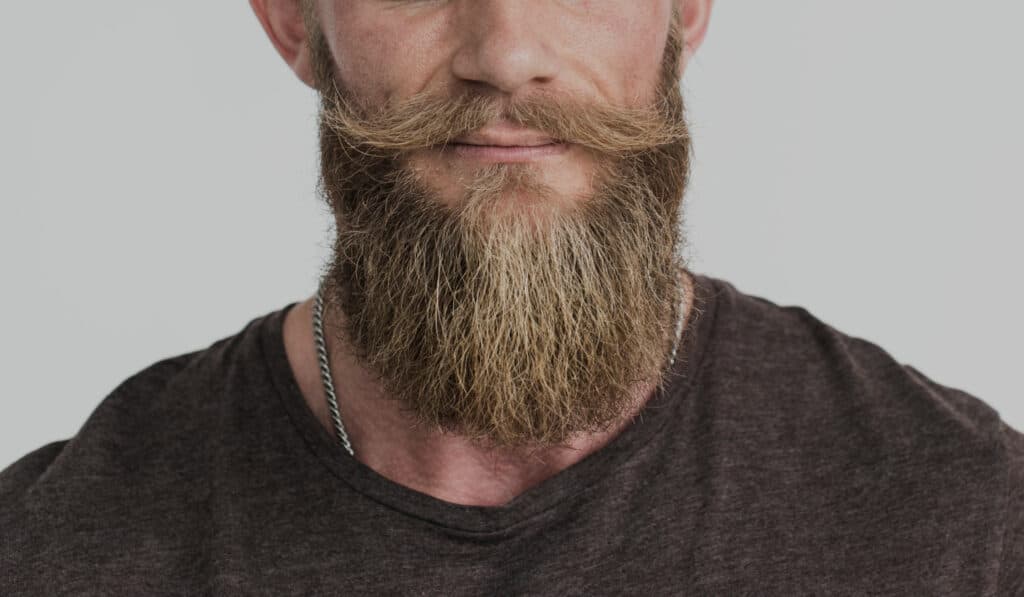
Good grooming products won’t make hair grow faster, but they keep what you’ve grown soft, tidy and in good condition.
Diet
A healthy diet can significantly influence the speed and quality of beard growth. Key nutrients such as biotin, zinc, protein, and B vitamins play an essential role. Foods like fish, chicken, eggs, yogurt, spinach, and broccoli are excellent choices for supporting optimal beard growth.
Incorporating these nutrient-rich foods into your diet encourages healthier growth and helps achieve a fuller beard.
Exercise
Regular physical activity enhances blood circulation, benefiting beard growth. Exercise boosts testosterone levels, enhancing growth abilities, which is vital for a thicker and fuller beard.
Integrating exercise into your lifestyle optimises beard growth. Maintaining a regular exercise routine supports overall health and enhances the beard growth journey.
Sleep
Lack of sleep takes a toll on your general health, and your beard growth along with it.
Prioritising adequate sleep supports your body’s natural repair processes and promotes healthier beard growth.
Essential Beard Care Products
A well-groomed beard requires daily maintenance such as washing, conditioning, and applying oils. Beard cream and oils keep facial hair soft and manageable. Conditioning with beard butter or a hydrating mask is recommended for weekly maintenance.
Regular washing and moisturising are important to manage beardruff. Products like beard balm and specialised treatments nourish the beard and keep it in better condition.
Beard Oil
Beard oil moisturises hair and skin, promoting a healthier appearance while reducing dryness. It helps moisturise the skin underneath as well, reducing issues like beard itch and dandruff. It can make a beard appear thicker and smoother, improving its overall appearance.
Beard oil nourishes the hair and skin, reducing dryness and flakiness. By incorporating beard oil into your grooming routine, you can enhance the health and appearance of your beard.
Beard Balm
Beard balm is crucial for shaping and controlling the beard, offering hold and nourishment. Beard balm provides a thicker consistency than oil, helping to style and hold the beard’s shape.
Using quality grooming products like beard balms is essential for maintaining the thickness and health of the beard. By using beard balm, you can achieve a well-groomed and stylish beard.
Beard Wash
A dedicated beard wash is worth using for cleaning both the beard hair and the skin underneath. Keeping your beard and the skin underneath clean is essential for preventing buildup of dirt and oil. Using beard wash regularly helps to minimise itchiness and irritation during the growth phases.
A clean beard looks healthier and is less likely to itch.
Summary
Growing a beard takes patience, commitment, and proper care. When it does fill in, the beard styles directory covers 52 shapes with a diagram for each, so you can decide what you are growing towards. Understanding the stages of beard growth and how to optimise each phase is crucial for achieving a full and healthy beard. From the clean-shaven start to the epic beard, each stage presents its own set of challenges and care requirements.
Frequently Asked Questions
How long does it take to grow a full beard?
Most men have a full beard at around six months, though it can take up to a year, depending on your genetics and how fast your hair grows. Patience is key!
What can I do to fill in patchy areas of my beard?
Give it time, as many patches fill in as the beard grows. In the meantime, beard oil and balm soften the hair and help it lie better, so the beard looks fuller, and letting the hair around a patch grow a bit longer helps cover it.
How can I reduce beard itch during the growth phases?
To reduce beard itch during growth, try using a high-quality beard oil to keep your skin and hair moisturised. This will help prevent dryness and make the process much more comfortable.
What factors influence beard growth the most?
Genetics and hormonal levels are the biggest players in beard growth, but don’t underestimate the impact of a healthy diet, regular exercise, and good sleep. Focusing on these areas can really make a difference!
What are the essential beard care products I should use?
To keep your beard healthy and looking great, make sure to use beard oil, beard balm, and beard wash. These essentials will help you maintain a well-groomed appearance!

Missed a spot?
More from Beards and facial hair
How to Grow a Beard: A Practical Guide
Key Takeaways Genetics set the ceiling. Lifestyle, grooming and patience decide how close you get to it, and that means at least...
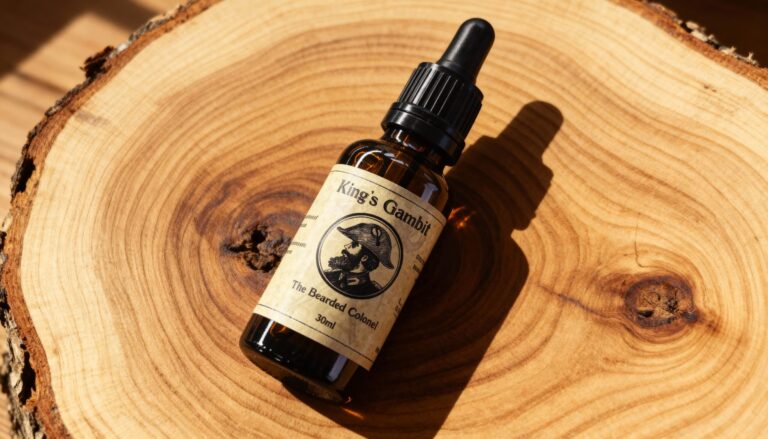
What Does Beard Oil Do? Benefits and Tips for a Healthier Beard
Wondering what beard oil does? Simply put, it moisturises your beard and the skin underneath, preventing dryness and itchiness.

The Barber Pole: History, Symbolism, and Cultural Significance
Key Takeaways Walking down any main street, the sight of a spinning barber pole immediately signals where to find professional...