
Amish beard
The Chin Curtain Worn Without a Moustache
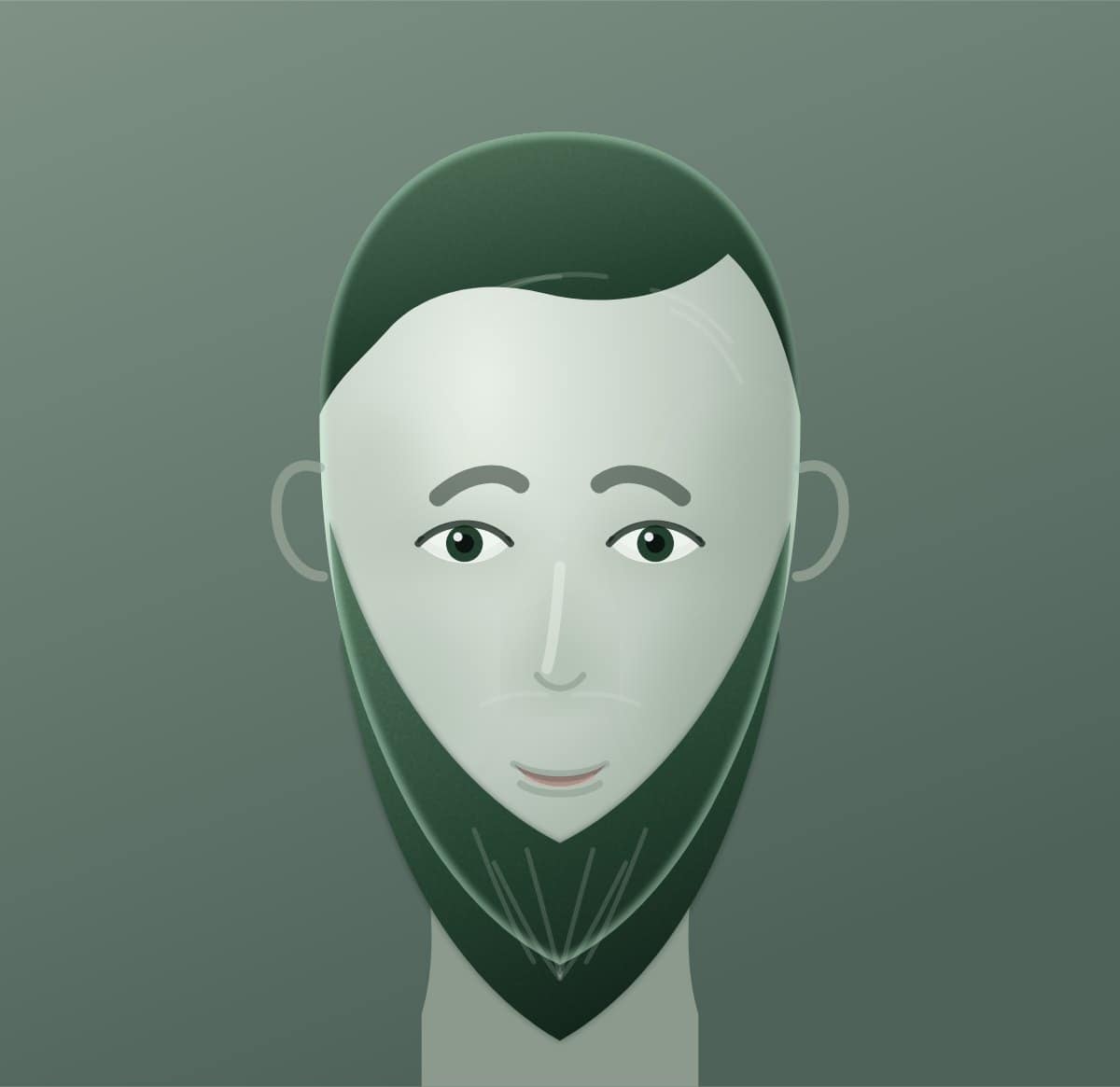
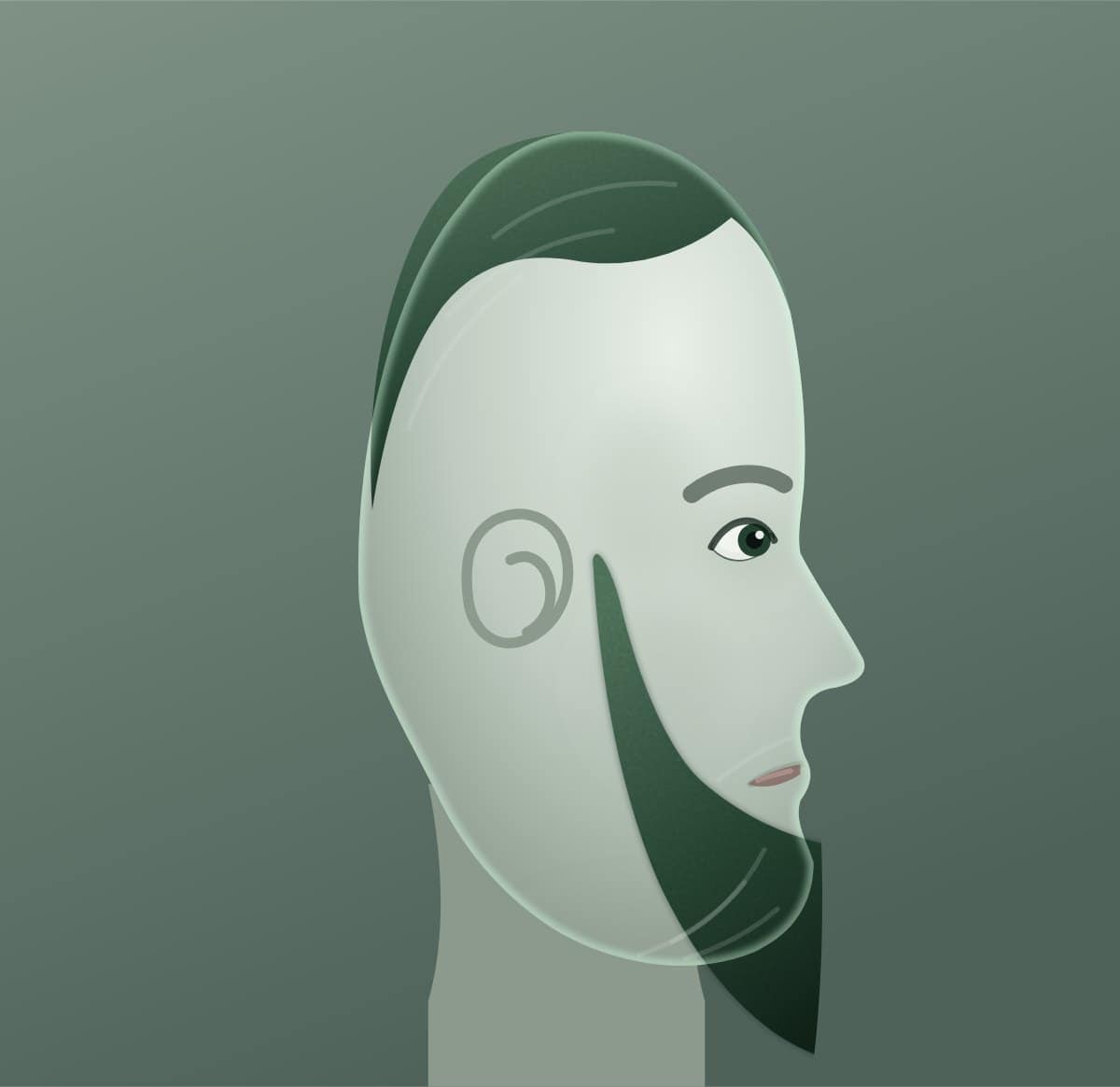
An Amish beard is a full beard grown along the jaw and under the chin, with the upper lip kept shaved. It is a religious practice before it is a beard style, and understanding why it looks the way it does explains every part of the shape.
At a glance
- Also known as
- quaker beard
- What it is
- A chin curtain with no moustache, worn for religious reasons.
- Length
- Long, three inches and up
- Growing time
- 4 to 6 months or more
- Trim how often
- Every week or two
- Best face shapes
- Any
- Moustache
- No
£5 off your first delivery
The bare top lip is the defining feature, and it needs shaving daily against a long beard line.
Valid on your first order of blades. We send the newsletter rarely, and you can unsubscribe in one click.
The variations
The same shape, worn differently. What changes is length, density and how much you take off at the edges.
Will it suit your face?
Where a style puts weight, and where it takes it away, is what decides whether it suits you. The table below is the short version.
| Oval | Works | Works, though it is doing less than it would on a softer face. |
|---|---|---|
| Redondo | Ideal | A defined line along the jaw gives the face an edge it does not have. |
| Quadrado | Avoid | Traces a jaw that is already sharp and reads as heavy. |
| Oblongo | Works | Keep it low and wide rather than deep. |
| Heart | Works | Adds definition to a narrow jaw. |
| Diamante | Works | Widens the jaw, which is usually what a diamond face wants. |
How to cut one, in four steps
- Grow it out4 to 6 months or more. You need enough along the jaw to see the line before you cut it.
- Mark the lineFollow the jawbone with your fingers first. The line sits on the bone, not below it.
- Cut the top edgePrecision trimmer, working from the ear forward on both sides, a little at a time.
- Shave everything elseCheeks, neck and, on a chin curtain, the moustache. The style only reads if the bare skin is properly bare.
Full detail, tools and the common mistakes are in the guide below.
What an Amish beard is
Hair on the jaw, the chin and the neck, grown long and left largely unshaped. The cheeks are often left natural. The moustache is shaved, and that absence is the defining feature.
Structurally it is a chin curtain: the facial hair follows the jawline and fills in beneath it, with none above the lip. What separates the Amish style beard from a chin curtain worn for fashion is the reason behind it, and the fact that an Amish beard is generally worn much longer.
The tradition behind it
An Amish man does not grow a beard until he marries. The beard is a public marker of married status, which matters more in a community where wedding rings are not generally worn. A clean-shaven adult and a bearded one are communicating something to everyone around them, and among Amish people that signal is read instantly.
The shaved upper lip has a specific history. Through the nineteenth century a moustache was strongly associated with military service. The British Army required soldiers to wear one from 1860 to 1916, and across Europe the moustache read as a soldier's marking. The Amish are a pacifist tradition, and rejecting the moustache was a deliberate way of separating themselves from militarism while still keeping the beard their reading of scripture calls for.
So the Amish beard style carries two statements at once: married, and not a soldier. Both are visible from across a room, which is the point.
The beard is generally left uncut once grown. Trimming is limited, and the flowing beard that results is part of the Amish beard tradition rather than an accident of neglect.
The Shenandoah and other relatives
A Shenandoah beard is essentially the same shape worn outside Amish culture: long chin curtain, no moustache. The name comes from the Shenandoah valley, and the shenandoah beard is associated with nineteenth century America generally. If you want the look without the religious context, this is the more accurate word for it.
A chin curtain is the shorter, tidier version, and it usually stops at the jaw rather than flowing.
A Lincoln beard is a chin curtain worn by Abraham Lincoln, so also moustache-free, but kept much shorter and closer to the face.
Amish, in other words, describes who wears it and why. The other names describe the shape.
Who the shape suits
Worn as a beard style rather than a practice, this shape frames the face with a hard edge along the jaw and leaves the middle bare. An Amish man is not choosing it for his face shape, but anyone adopting the look outside that context reasonably will.
Round. Good. The jawline definition gives structure where there is not much.
Oval. Works.
Square. Be careful. Outlining a strong jaw doubles up on it.
Long. Keep it shorter. Length below the chin stretches the face.
The bare upper lip is the thing to consider honestly. Most men have never seen their own face with a full beard and no moustache, and the missing facial hair above the mouth is a distinctive look that some find severe. It is worth being sure you want it rather than discovering it at week eight.
Growing it
Four to six months for real length, though the shape is recognisable within about six weeks.
Grow everything except the moustache. Shave the upper lip from the start, because that is what makes the shape read, and keep the neck decision until later.
The cheeks are a choice. Left natural, the beard is fuller and closer to the traditional look. Cut to a line, it reads tidier and more contemporary.
Looking after it
The beard itself needs very little, which is true of an Amish beard and of the shape generally. The upper lip needs shaving every day or two, and that is the whole maintenance story.
That daily shave is the part people underestimate. A moustache-free beard only reads as deliberate when the lip is properly bare, and stubble above the mouth undoes the effect entirely. It is a small area shaved very frequently, right up against a long beard edge, which is fiddly work.
Beard oil once there is length, into the skin as much as the hair. At this length the skin underneath dries out and the itch that follows is the commonest reason men abandon long beards.
Comb it downward daily. Wash it two or three times a week rather than daily.
What goes wrong
The upper lip gets neglected. The single thing this style depends on.
The moustache is allowed to grow back in. At which point it is simply a full beard, and a rather unkempt one.
The neck is left entirely. Even a traditional beard benefits from some definition under the jaw.
It gets washed daily. Long beard hair dries out fast, and daily shampoo makes it brittle.
Questions we get asked
Why do Amish men shave their moustache?
Because a moustache was historically associated with military service, and the Amish are a pacifist tradition. Shaving the upper lip separated them visibly from militarism while keeping the beard their faith calls for.
When does an Amish man start growing a beard?
At marriage. The beard signals married status within the community, which is why a clean-shaven adult and a bearded one are read differently.
What is the difference between an Amish beard and a Shenandoah beard?
Shape, none really. The words differ: Amish describes the religious practice, Shenandoah describes the same long, moustache-free chin curtain worn outside that context.
How long does it take to grow?
Six weeks to read as the right shape, four to six months for a genuinely flowing beard.
Is it high maintenance?
The beard is not. The upper lip is, since it needs shaving every day or two, and that is what the style actually asks of you.
Can you wear the shape without the religious meaning?
Yes, and many do. Shenandoah or chin curtain are the more accurate names for it in that case, and using them avoids implying a connection to Amish culture that is not there.
Other jaw line styles
Same shape, different length or moustache.
If this one is too much work
Same idea, less of your morning.
Browse by what matters to you
The same directory, cut a different way.