
The Colonel’s Journal / Grooming & Guides
The Pink Tax: Women Also Pay More Than Men
Last Updated on 25 September 2026
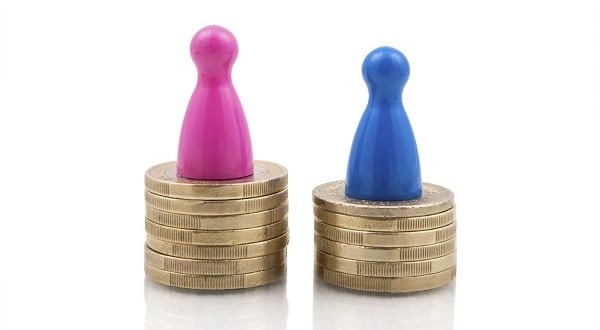
The pink tax is not a literal tax on pink things, the reality may be worse. Instead, products aimed at women often sell for as much as double the price of their male counterparts (even when nothing has changed except for a little pink dye).
Don’t believe us? A 2016 investigation by The Times found that women paid on average 37% more for similar products.
Key Takeaways
- The pink tax refers to gender based price discrimination where women pay higher prices for products and services that are substantially similar to those marketed to men.
- Studies have found women paying more for similar everyday items, from razors and deodorant to children’s toys.
- Companies frequently justify higher prices for women’s products by citing different production costs or product features, but research shows these differences do not fully explain the price disparities.
- The tampon tax (VAT on period products) added to the burden in the UK until it was scrapped in January 2021, and still applies in some other countries.
- The UK has zero-rated period products and Scotland now provides them free to anyone who needs them, while in the US a Pink Tax Repeal Act has been proposed in Congress.
- Choosing gender neutral products or men’s versions of personal care items can help consumers save money and avoid paying the pink tax.
- Gendered marketing and bias continue to drive price disparities, reinforcing broader issues of gender inequality and economic disadvantage for women.
- Awareness and informed consumer choices are vital to challenging the pink tax and promoting greater economic equality in the marketplace.
Quick Links
From razors to deodorant and even children’s toys! Body wash and women’s deodorant are also examples of personal care products where gender based marketing leads to different prices for men’s and women’s versions.
Razors, personal care items and toys are common examples of the pink tax, where similar items differ only in colour or packaging.
Some of the big brands (such as certain razor companies) will claim that it’s because razors for women are different, more complicated, and more expensive to manufacture. Companies often use gender based marketing to justify charging women more, even when comparable products for different genders are nearly identical.
That may seem believable at first; after all, a pair of legs has much more surface area than a face, so surely they must have to make the blades tougher, right?
Nope, that’s wrong. Razors for men and for women are built on the same technology. In both cases, the goal is to make a set of blades that are as sharp and with the longest lifespan possible. Often the main difference is the colour of the plastic in the handle.
We decided to put this to the test.
We’ve got a great razor and a club with 1,000s of men singing our praises; if they’re happy surely women would be too? We got our razors into the hands of both men and women and then waited to see what they said. Sure enough, they loved it!
And of course, they would be, high-quality blades are high-quality blades whether they’re shaving legs or a face!
Men can also be affected by gender pricing, sometimes referred to as the ‘blue tax’, though the pink tax is more widespread.
If you’re tired of being charged 37% more, give us a look. You’ll get a nice tin with your first delivery in which you can store the razors (no wasteful plastic cassettes). The razors always fit through your letterbox so you’ll always get them. Plus, with the extra bonus of regular deliveries, you don’t need to worry about forgetting to buy new ones; you’ll always have fresh blades, and for that your legs will thank you!
Some companies are beginning to address the pink tax by offering gender neutral or fairly priced products, but many still charge different prices for similar items marketed to different genders.
Introduction to Gender Based Pricing
Gender based pricing, often referred to as the pink tax, is a form of gender based price discrimination where women are charged more for consumer products and services that are substantially similar to those marketed to men.
It means women pay more for everyday necessities and personal care items because of who they’re marketed to.
From personal care products to basic consumer goods, women are often faced with higher prices for items that are nearly identical to those sold to men, except for minor differences like color or packaging.
In the US, a proposed Pink Tax Repeal Act (reintroduced in Congress in 2021) would prohibit companies from pricing substantially similar products and services differently based on gender. The UK has no equivalent law. Despite growing awareness, price discrimination persists, impacting women’s wallets and reinforcing gender inequality in the marketplace.
Cost Difference Between Men’s and Women’s Products
The cost difference between men’s and women’s products affects women every time they shop, and it shows up most in toiletries and personal care.
Companies claim that different production costs, such as adding colors or unique designs to products marketed to women, justify these higher prices.
However, these minor differences don’t account for the size of the price gap.
Add the gender pay gap on top (ONS figures still show women earning less than men per hour, on average) and the pink tax bites harder.
International Prevalence and the Tampon Tax
Gender based price discrimination happens around the world. In the UK, research shows that women and girls pay on average 37% more for toys, cosmetics, and clothing than boys and men. The so-called tampon tax, which is a tax on menstrual products, further illustrates this inequality.
While many countries, including the UK, have abolished the tampon tax to reduce price disparities and improve access to menstrual products, some US states still impose this additional cost, making essential items less affordable for women.
A 2015 study by the New York City Department of Consumer Affairs found that women’s products cost 7% more on average than comparable men’s products, and were the more expensive option 42% of the time.
The largest price difference was found in the personal care category, where products marketed to women cost 13% more on average.
Period Products and Pricing
Period products like tampons and pads are essential items for women’s health and menstrual hygiene, yet in many countries they are still taxed as non-essential items, and that tax adds up over a woman’s lifetime.
In the UK, the tampon tax (5% VAT on period products) was scrapped in January 2021. Scotland has gone further and now requires local authorities, schools, colleges and universities to provide free period products to anyone who needs them.
Companies can also play a role by offering free menstrual hygiene products to employees, helping to reduce the extra cash women must spend on essential goods. For those looking to save money, choosing gender neutral products or even men’s versions of personal care items can be a smart way to avoid paying more for substantially similar products.
Why It Happens and How to Avoid It
The pink tax is rooted in gender bias and gendered marketing, which drive up prices for products and services marketed to women. This form of gender discrimination means that female consumers often pay more for personal care items, beauty products, and other consumer products, even when the items are comparable to those sold to men.
Companies often cite higher production costs or special features as reasons for the price gap, but these claims rarely justify the consistent pattern of higher prices for women.
To avoid paying it, look for gender neutral products, compare prices, and watch out for gendered marketing.

Missed a spot?
More from Grooming & Guides
The Perfect Beard Neckline: How to Find It, Trim It and Keep It Clean
Set your beard neckline two finger widths above the Adam's apple, in a soft curve from ear to ear.
Can You Take a Razor on a Plane? The UK Rules for Hand Luggage
Cartridge and disposable razors are fine in UK hand luggage. Loose blades and loaded safety razors are not.
How to Shave Your Chest Without the Itch That Follows
Trim first, exfoliate, shave with the grain and moisturise while the skin is damp.