
Le journal du colonel / Soins et guides
Should Men Shave Their Arms? What Happens, and How to Do It Properly
Dernière mise à jour le
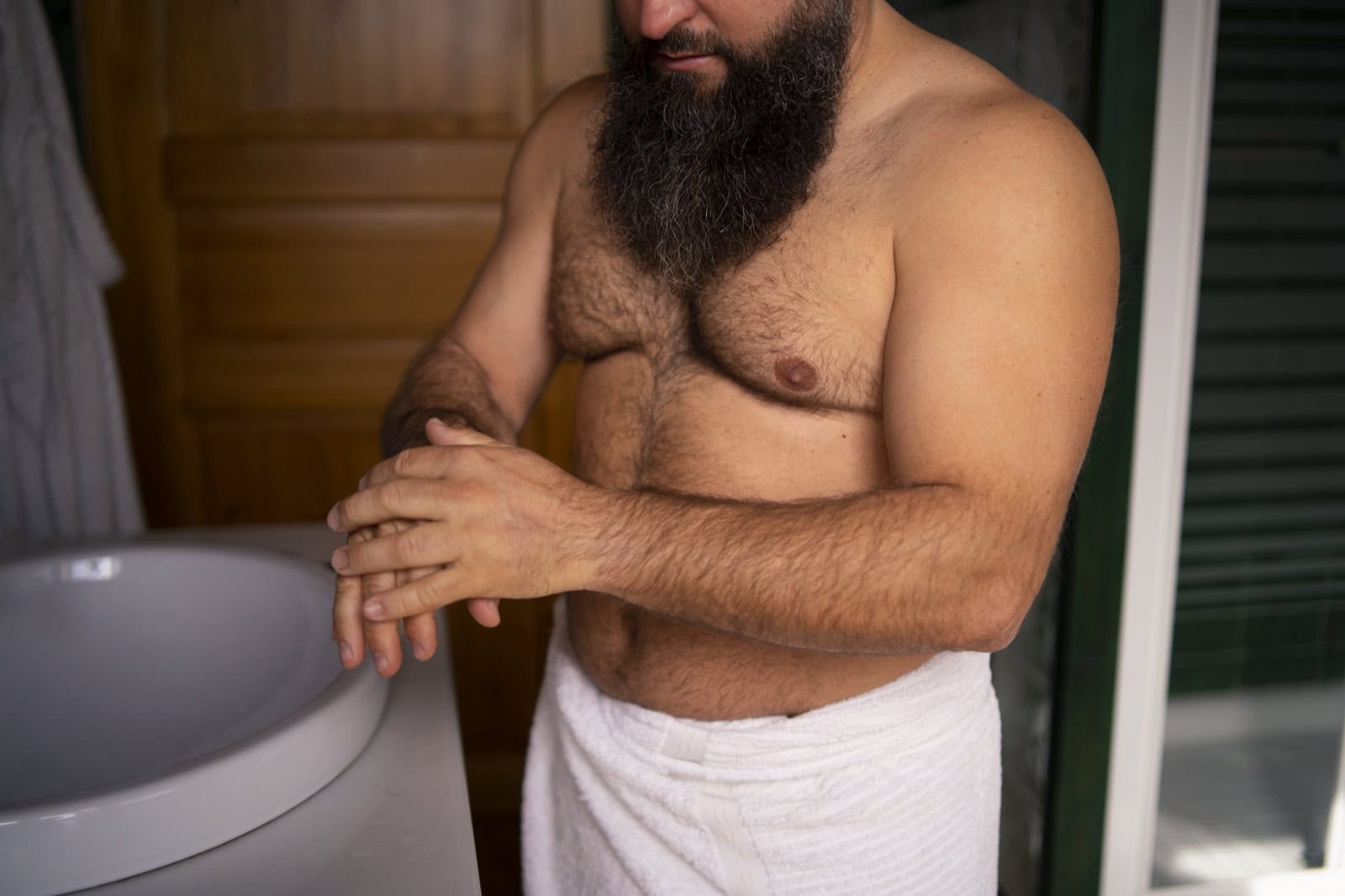
Most men never think about their arm hair until something makes them. A new tattoo you want people to see. A cycling club where everyone else has smooth forearms. A chest you have just shaved, sitting above a pair of hairy arms that suddenly look like they belong to someone else. So, should you shave your arms? There is no rule either way. It comes down to how it looks, how it feels and how much upkeep you are willing to take on, and the shave itself is easier than most people expect.
Sur cette page
Points clés à retenir
- It is your call. Hairy arms and smooth arms are both normal, and plenty of men switch between the two.
- Shaving does not make arm hair grow back thicker or darker. The stubble feels coarser because the tips are cut blunt, but the hair itself has not changed.[1]
- The upsides: a cleaner look, tattoos and muscle definition that show properly, and easier taping and cleaning for sport.
- Les inconvénients : regular upkeep, a prickly regrowth phase, and the risk of razor burn, nicks, dry skin and ingrown hairs if you rush it.
- A sharp blade, a proper shaving cream and a bit of aftercare prevent most of the skin irritation people blame on shaving.
Faut-il se raser les bras ? La réponse en bref
Shave them if you want smooth arms, if your sport makes it easier, or if you want a tattoo to read clearly without a layer of hair over the linework. Leave them if you have delicate skin that reacts badly to a razor, if you would rather not spend ten minutes on it once or twice a week, or if you like them as they are. There are no real health benefits either way. It is about looks and comfort, for men and women alike.
Arms wear a blade down faster than a face. Le colonel barbu posts fresh five-blade refills on the schedule you choose, so the next one is always in the drawer.
Consultez les plansThere is no wrong answer, and you are not committed to anything. Not shaving is a perfectly good choice and nobody sensible reads it as poor grooming. Shaving your arms is just as reasonable. The question people actually want answered is usually “what happens if I shave my arms, and can I go back?”, and the answers are reassuring. Nothing changes permanently, and if you stop, the hair grows back to how it was.
Pourquoi les hommes se rasent les bras (et pourquoi certains arrêtent)
Men who shave their arms tend to give the same handful of reasons:
- Tattoos. Ink looks sharper on smooth skin, with no layer of hair blurring the linework.
- Muscle definition. Bodybuilders and anyone who trains hard often shave so the arms look leaner. Hair softens the outline of a muscle.
- Sport. Cyclists and swimmers shave for comfort, and because taping, bandaging, massage and cleaning out a gravel graze are all easier on hairless arms.
- Matching the rest. If you already shave or trim your chest, hairy arms can look odd next to it. Our guide to se raser le torse covers the bit above the sleeves.
- Feel. Some people prefer the feel of smooth skin against shirt cuffs and watch straps.
The reasons people stop are just as practical. The upkeep gets old, the regrowth itches, or the skin around the elbow never quite settles. Some men try it for a summer, decide hairy arms suit them better, and let it grow back without a second thought.
Que se passe-t-il quand on se rase les bras ?
This is the part most people are curious about, so here is what to expect, in order.
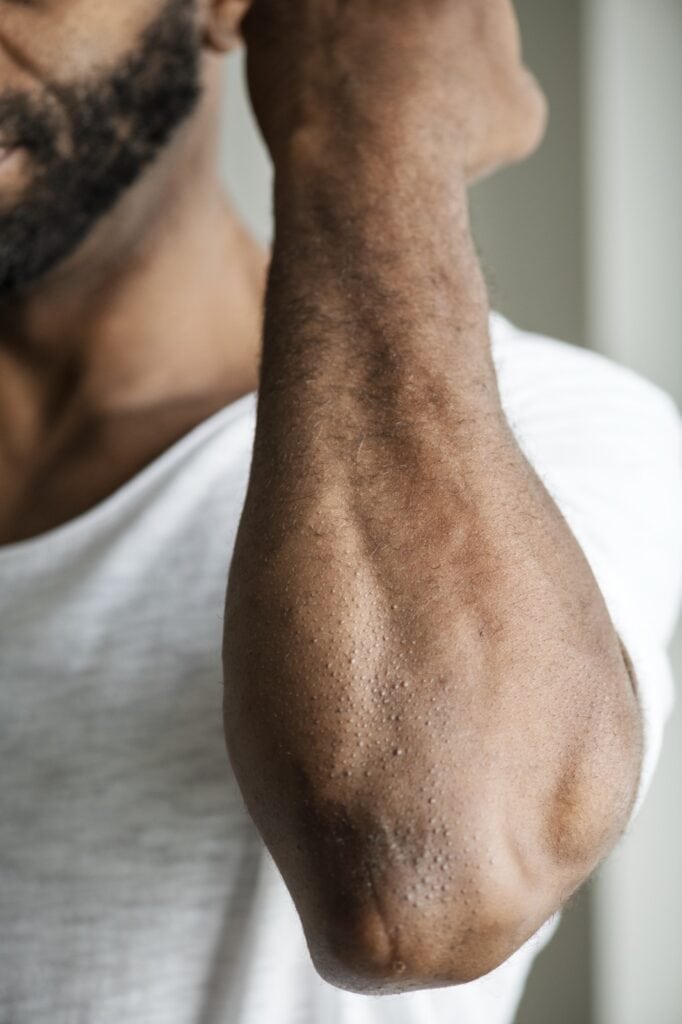
The first day or two. Your arms will feel strikingly smooth, and they may look a shade paler where the hair used to be. If you went too fast or used a tired blade, you may see some red bumps or feel a little itch.
Days three to seven. The stubble arrives. Because the razor cut each hair straight across, the tips are blunt rather than tapered, so they feel rough and catch on sleeves. This is the stage that puts most people off, and it is the same with any part of the body.
After that. If you keep shaving, you settle into a routine. If you stop, you may notice an uneven, patchy phase whilst the hair grows back, then it reaches its natural length over the following weeks and the blunt ends wear soft again.
Does shaving arm hair make it grow back thicker?
No. This is the most common myth in hair removal, and it does not hold up. Nothing you do with a razor will make hair grow back thicker, darker or faster. The stubble looks thicker because you are seeing the wider base of each hair rather than its fine tip, and a razor cuts the shaft without touching the root.[2] The cut end is blunt rather than tapered, which is why it feels stiffer.[1] We go into the detail in Est-ce que le rasage rend les poils plus épais ?
Avantages et inconvénients du rasage des bras
Here is the trade-off laid out side by side, so you can decide whether shaved arms fit your life.
| Pros | Cons |
|---|---|
| Smooth arms that look cleaner in short sleeves | Needs redoing every few days to a week to stay smooth |
| Tattoos and muscle definition show clearly | Prickly stubble whilst it grows back |
| Easier taping, massage and cleaning for sport | Risk of razor burn, nicks and ingrown hairs |
| Creams and sun lotion spread more easily | Dry skin can feel itchier after shaving |
| Quick, cheap, and easy to stop | Easy to end up with a hard line at the wrist or shoulder |
None of the downsides are serious if you are careful. Razor burn, skin irritation and ingrown hairs mostly come from technique: a blunt blade, too much pressure, no lather, or going over the same patch again and again. Coarse or curly hair is more likely to grow back into the skin[3], so if that describes your arm hair, take extra care with prep and aftercare.
Comment se raser les bras
Arms are one of the easier parts of the body to shave. The skin is fairly flat and you can see what you are doing. The awkward spots are the elbow, the wrist and the inside of the upper arm, where the hair can change direction near the armpits. The whole process takes about ten minutes once you have done it a couple of times.
1. Trim first if the hair is long
If your arm hair is more than a few millimetres long, take it down with a body trimmer or clippers first. A razor clogs quickly on long hair and you end up pulling rather than cutting. Scissors work too, but they are slow. An electric razor or trimmer on its own will tidy arm hair but will not achieve the smooth finish of a blade.
2. Shave in or after a warm shower
Warm water softens the hair and the skin, and soft hair cuts cleanly instead of bending away from the blade. Five minutes of soaking under the shower is plenty. Wash your arms with a mild body wash first. Our guide on s'il vaut mieux exfolier avant ou après le rasage explains when a scrub helps and when it just makes the skin sore.
3. Use a proper shaving cream
Apply a thin, even layer of shaving cream over the whole arm, forearms first, then the upper arm and the elbow. A good cream cushions the blade and lets it glide, which is what stops the drag that leads to razor burn. People often grab whatever is in the cupboard, including a can of shaving gel, but a rich cream does the job better on a big area like an arm, and it shows you exactly where you have already shaved.
4. Shave with the grain
On most forearms the hair grows from the wrist towards the elbow, so shave in the same direction. Use short strokes with light pressure, and rinse the blades in warm water every few strokes so they do not clog. Shaving against the grain gets a closer result, but it is where most of the irritation comes from.
5. Take care around the elbow and wrist
Bend your arm so the skin over the elbow is stretched flat, then go slowly and be careful. The skin there is thin and bony, which is where most nicks happen. At the wrist, rotate your arm rather than angling the razor.
6. Blend the edges
Decide where you are stopping. A hard line at the wrist or halfway up the upper arm is the most obvious sign of a rushed job. Either shave right up to the shoulder or fade the edge with a trimmer so it does not look like a border.
7. Rinse with cool water and check
Rinse off the leftover cream and loose hairs with cool water, then run your hand over each arm. Touch up any missed patches with a single pass rather than going over the whole arm again.
Your razor choice matters more than any of these steps. A sharp, multi-blade cartridge with a pivoting head follows the curve of the forearm and the elbow far better than a cheap disposable, and it needs fewer passes. The real problem is keeping the razor blades sharp. Arm hair is fine but there is a lot of it, and a blade that has done a week of faces and arms starts to tug sooner than you would think.
Dans la bibliothèque du colonel
Smooth arms, without the drag
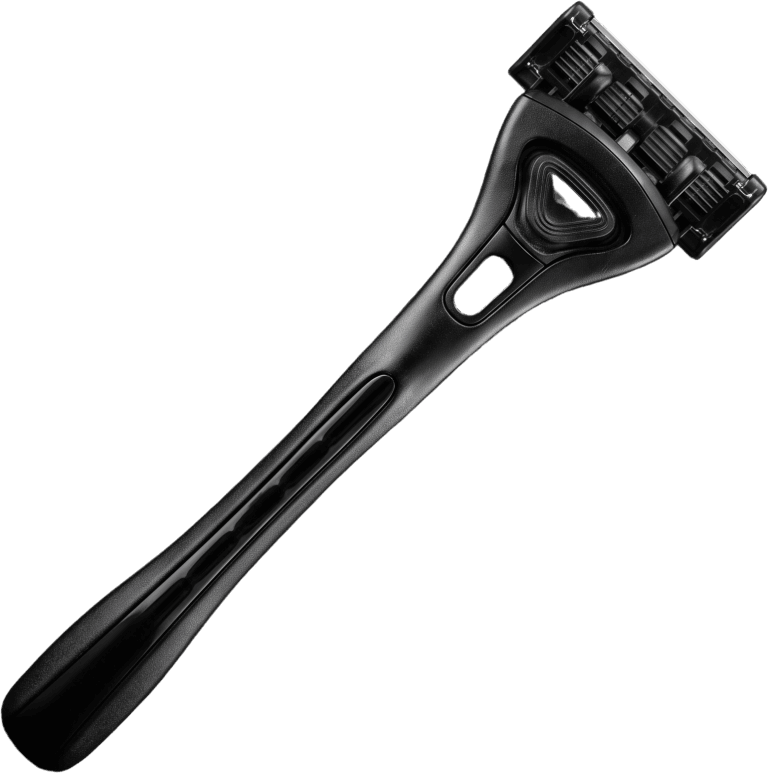
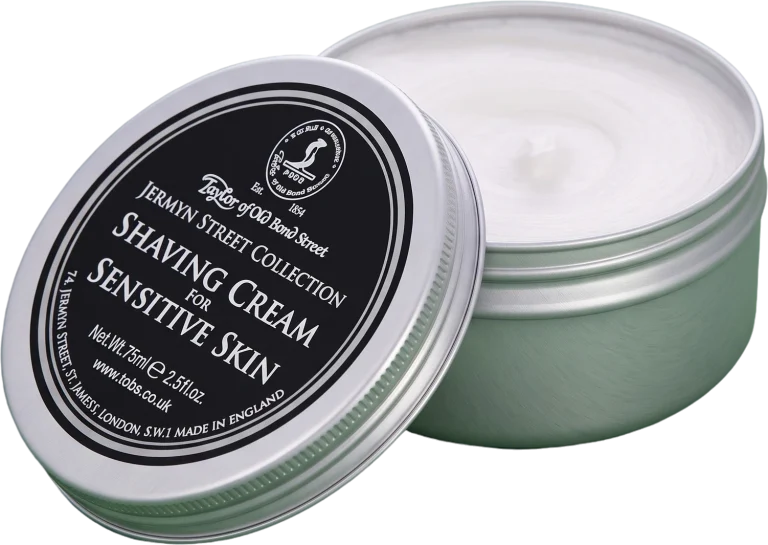
Chaque première commande « Classic » ou « VIP » bénéficie d'une garantie « satisfait ou remboursé » de 30 jours. Testez-le pendant un mois, et s'il ne vous convient pas, nous vous rembourserons intégralement votre achat sans que vous ayez à nous renvoyer le produit.
Soins après le rasage des bras : comment éviter les irritations dues au rasoir et les poils incarnés
Pat dry, then moisturise. Use a clean towel and pat, do not rub. Then apply an unscented, alcohol-free moisturiser. Dry skin is a common reason freshly shaved arms itch.
Give it a few hours. Avoid tight, scratchy sleeves straight after, and skip strong fragrance on the area.
Exfoliate between shaves, gently. A flannel or exfoliating mitt once or twice a week can help release trapped hairs.[3] Do not overdo it, as hard scrubbing inflames the skin.[4] If you do get them, our guide to boutons dus au rasage et éruption cutanée due au rasage explique comment les calmer.
Look after the blade. Rinse it well, shake off the water, and store it head up out of the shower. Change it as soon as it starts to drag. Our guide on À quelle fréquence faut-il changer de rasoir ? recouvre les panneaux.
Mind the sun. Bare arms need sun cream in summer or on holiday, shaved or not. The NHS advises at least SPF 30 with 4-star UVA protection.[5]
Shaving can lead to folliculitis, where bacteria infect a hair follicle and turn a bump into an infected spot.[1] If you see spots that are painful, spreading or full of pus, or a rash that does not settle within a few days, stop shaving the area and see a pharmacist or your GP. The same goes if you have eczema or another skin condition on your arms: avoid shaving over broken or inflamed skin.
Autres méthodes d'épilation pour les bras
Shaving is the quickest and cheapest form of hair removal, but it is not the only one. Our comparison of rasage, épilation à la cire ou crème dépilatoire goes through the trade-offs in more detail.
- Trimming. Taking arm hair down short with a body trimmer is the middle ground between hairy and hairless arms. Very little skin irritation and you can do it once every week or two.
- Crème dépilatoire. It dissolves the hair at the surface. Always patch test first, as some people react to it.
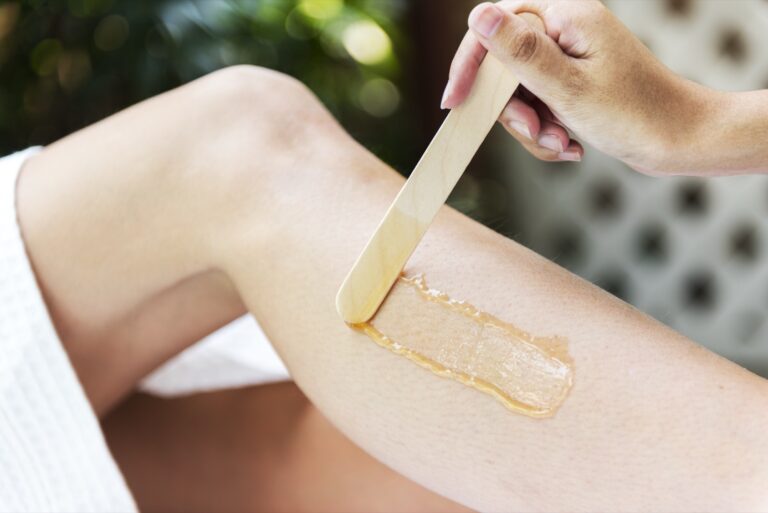
- Épilation à la cire. Hot or strip wax pulls the hair from the root, so it lasts longer than a shave, but it hurts and can still cause ingrown hairs.
- Laser and IPL. A course of sessions over months that can reduce hair long term. Far more expensive than a razor.
- Leave it. The easiest option of all, and a fine one.
Les bras, les jambes et le reste
If you are working your way down the body, legs follow the same basic method with a lot more ground to cover. We have written that up separately in Les hommes doivent-ils se raser les jambes ?, and for your face, our guide on how to shave properly has the step-by-step routine. Armpit hair is its own topic, because the skin is more sensitive, sweat sits there all day, and the hair grows in several directions at once.
Questions fréquentes
Dois-je me raser les bras ou simplement les tailler ?
Si vous souhaitez un résultat plus soigné sans passer par la phase de barbe naissante, la coupe est plus simple et plus douce pour la peau. Si vous voulez des bras parfaitement lisses, que ce soit pour un tatouage ou pour le sport, rasez-vous.
Que se passe-t-il si on se rase les bras ?
Ils sont doux au toucher pendant quelques jours, puis les poils repoussent et deviennent rugueux, car leurs pointes sont coupées à plat. Rien ne change de façon définitive. Si vous arrêtez, les poils repoussent comme avant.
Est-ce que les poils de mes bras repousseront plus épais si je les rase ?
No. Shaving cuts the hair at the surface and does not touch the root.[2] The stubble only feels thicker because of its blunt ends.[1]
À quelle fréquence dois-je me raser les bras ?
Pour avoir les bras lisses, épilez-vous tous les trois à sept jours, selon la vitesse à laquelle vos poils repoussent. Si quelques poils courts ne vous dérangent pas, une fois par semaine ou toutes les deux semaines suffit.
Peut-on se raser les bras avec un rasoir pour le visage ?
Oui. Un rasoir à cartouche bien affûté, doté d'une tête pivotante et d'une crème à raser, est exactement ce qu'il te faut pour les bras. Sache simplement que la lame s'usera plus vite, il faudra donc la changer un peu plus tôt.
Est-ce que c'est bizarre pour un homme de se raser les bras ?
Non. Les femmes se rasent les bras depuis des années sans que cela ne choque personne. Les cyclistes, les nageurs, les culturistes et les hommes tatoués le font depuis tout aussi longtemps, et beaucoup d’autres hommes le font simplement parce qu’ils préfèrent l’aspect et la sensation que cela procure.
Sources
- DermNet, Rasage
- Cleveland Clinic, Est-ce que le rasage fait repousser les cheveux plus épais ?
- NHS, Poils incarnés
- Cleveland Clinic, Comment éliminer un poil incarné chez soi
- NHS, Sunscreen and sun safety
Vous avez raté un spot ?
Plus d'articles de Soins et guides
Rasage, épilation à la cire ou crème dépilatoire : les avantages et les inconvénients en toute honnêteté
Shaving, waxing and hair removal cream all get rid of unwanted hair, and each one is the right answer for somebody.

Faut-il se raser avant ou après la douche ?
La plupart d'entre nous suivons notre routine matinale en pilote automatique, et l'ordre dans lequel nous prenons notre douche et nous rasons correspond généralement à celui que nous avions à l'adolescence.

Après-rasage ou baume : que mettre sur le visage après le rasage ?
La plupart des hommes possèdent un flacon d'après-rasage, mais bon nombre d'entre eux n'ont aucune idée de son utilité.