
Dyddiadur y Cyrnol / Trefnu a Chanllawiau
Sut i gael gwared ar fympiau rasel a brech eillio'n gyflym (ac atal nhw rhag dychwelyd)
Diweddarwyd ddiwethaf ar

Fel arfer, mae bympiau coch, brech sy'n llosgi neu griw o smotiau ar ôl eillio yn ganlyniad i'r un ychydig o bethau: llafn di-fin, gormod o bwysau, dim digon o hufen, neu eillio yn erbyn y graen. Y newyddion da yw bod pob un ohonynt yn clirio ar eu pen eu hunain unwaith y byddwch yn rhoi'r gorau i ysgogi'r croen, ac nid yw'r rhan fwyaf byth yn dychwelyd unwaith y byddwch yn newid sut rydych yn eillio.
Ar y dudalen hon
Prif gasgliadau
- Bylchau rasel yw blew sy'n tyfu'n ôl i mewn i'r croen. Mae brech eillio a llosg rasel yn groen wedi'i iritadu. Maen nhw'n edrych yn debyg, ond maen nhw'n broblemau gwahanol ac yn gwella ar gyflymderau gwahanol.
- Y drwsian cyflymaf ar gyfer codiadau rasel Y peth gorau i'w wneud yw rhoi'r gorau i eillio'r ardal am ychydig ddyddiau, defnyddio cywasgiad cynnes, a gadael y codennau'n llonydd. Peidiwch â'u pigo na'u gwasgu.
- Fel arfer, mae llosg rasel yn clirio ymhen diwrnod neu ddau. Gallai brech y rasel gymryd un i bythefnos, yn hirach os bydd y blew yn parhau'n gaeth.
- I atal nhw rhag dod yn ôl: llafn miniog, hufen eillio da, pwysau ysgafn, ac eillio yn gyfeiriad twf y blew.
- Gwelwch feddyg teulu neu fferyllydd os bydd y clwyfau'n llenwi â phwysiwn, yn lledaenu, yn mynd yn ofnadwy o boenus, neu'n gadael marciau tywyll neu friwiau codiadol.
Bumpiau rasel, brech eillio neu losg rasel: pa un sydd gennych chi?
Mae pobl yn defnyddio'r tri enw ar gyfer unrhyw beth coch ar ôl eillio, ond problemau gwahanol yw nhw gydag atebion gwahanol. Y tabl isod yw'r ffordd gyflymaf o'u gwahaniaethu.
| Sut mae'n edrych | Pan ddaw i'r amlwg | Prif achos | |
|---|---|---|---|
| Llosg rasel | Croen coch, llosglyd, weithiau cosi, dim tolciau | Yn syth ar ôl eillio | Llafn di-fin, pwysau, eillio sych |
| Brech eillio | Patsh o ddotiau coch bach neu frech llygadog | O fewn ychydig oriau | Llosg gan y llafn neu gynnyrch |
| Bumpiau rasel | Bympiau coch neu lliw croen wedi'u codi, weithiau gyda gwallt i'w weld yn y canol | Ddiwrnod neu ddau'n ddiweddarach | Gwallt yn cyrlio'n ôl i'r croen wrth iddo ail-dyfu |
Os yw'ch un chi'n ymddangos ar unwaith ac yn llosgi, llosg rasel neu frech eillio ydyw, a'r croen sydd angen ei dawelu. Os yw wedi ymddangos ddiwrnod neu ddau'n ddiweddarach fel codennau caled, cosi, yn enwedig ar y gwddf, blew wedi'u tyfu i mewn ydynt, a'r blew sydd angen eu rhyddhau.
Mae'r rhan fwyaf o ddoluriau a brech yn dechrau oherwydd cadw'r llafn am un eilliad yn rhy hir. Un tocyn i ddau yn postio ailgyflenwadau pum llafn ffres drwy eich blwch llythyrau yn ôl yr amserlen a ddewiswch, fel bod un miniog bob amser yn y drôr.
Gweler y cynlluniauPam mae bympiau afael, blew wedi'u gwraiddio'n ddwfn a brech eillio yn digwydd
Mae llafn rasel yn torri'r gwallt ar yr wyneb ac yn llusgo ar hyd haen uchaf y croen ar yr un pryd. Gwnewch hynny gydag ymyl ddall, gyda phwysau, neu heb ddigon o hufen rhwng y llafn a'ch wyneb, a chaiff y croen ei grafu yn hytrach na'i eillio. Llid y croen hwnnw yw llosg rasel a brech eillio.
Mae codennau afael yn wahanol. Yr enw meddygol yw pseudofolliculitis barbae. Pan gaiff gwallt ei dorri'n fyr iawn ac ar ongl, gall y blaen miniog blygu'n ôl a thyfu i mewn i'r croen, neu gilio o dan yr wyneb a gwthio drwy ochr ffoligl y gwallt wrth iddo dyfu. Mae'r corff yn ei drin fel sblint, ac rydych chi'n cael bymp coch, poenus. Tudalen DermNet ar bseudoffolliculitis barbae Mae'r manylyn clinigol.
Mae rhai pobl yn eu cael nhw lawer mwy na'i gilydd:
- Gwallt cyrliog neu arw yn cyrlio'n ôl i'r croen yn llawer haws. Mae Pseudofolliculitis barbae yn gyffredin iawn mewn dynion â blew barf wedi'i droelli'n dynn, a dyna pam y gwelir ef yn aml mewn dynion o dras Affricanaidd a Charibïaidd.
- Y gwddf yw'r man trafferth arferol, oherwydd bod y gwallt yno'n tyfu i gyfeiriadau gwahanol ac mae'r croen yn deneuach.
- Troeon yn erbyn y graen yn torri'r gwallt o dan yr wyneb, a dyna'n union lle mae'n cael ei ddal wedyn.
- Cannu'n rhy aml nid yw'n rhoi amser i'r croen wella rhwng eilliadau. Ein canllaw i pa mor aml y dylech chi eillio sy'n mynd i mewn i hyn.
- Croen sensitif, neu hanes o ecsema neu acne, yn tueddu i ymateb i'r llafn gyda mwy o lid i'r croen a mwy o flew wedi'u gwreiddio.
- Dillad tynn Mae rhwbio dros groen sydd newydd ei eillio yn parhau â'r llid, yn enwedig ar linell y bicini, yr ardal gyhoeddus a dan y breichiau.
Sut i gael gwared ar fympiau rasel yn gyflym
Does dim ateb dros nos, ond mae'r camau hyn yn datrys y rhan fwyaf o'r rhwystrau o fewn dyddiau yn hytrach na wythnosau.
- Peidiwch â thorri'r ardal yr effeithir arni am ddau neu dri diwrnod. Mae pob eilliad dros yr ardal yr effeithir arni yn ailddorri'r gwallt ac yn crafu'r croen llidus. Dyma'r un peth sy'n helpu fwyaf. Os yw'r tolciau'n ddrwg, rhowch wythnos neu ddwy iddo.
- Oerwch ef yn gyntaf. Os yw'r croen yn boeth ac wedi chwyddo, bydd cywasgedd oer (fflanel lân wedi'i redeg o dan y tap oer) a ddelir am bum munud i ddeg munud yn helpu i leihau llid ac yn tynnu'r sting.
- Yna defnyddiwch gywasgiad cynnes. Unwaith y bydd y chwydd wedi lleihau, trochwch fflanel lân mewn dŵr cynnes a'i ddal ar y codiadau am ychydig funudau, ddwy neu dair gwaith y dydd. Mae'n meddalu'r croen ac yn helpu gwallt sydd wedi'i ddal i ddod allan.
- Gadewch lonydd iddyn nhw. Mae pigo a gwasgu yn gwthio bacteria'n ddyfnach ac felly mae bympiau'n troi'n smotiau heintiedig, creithiau a marciau tywyll.
- Os gwelwch chi dolen wallt ar yr wyneb, gallwch godi'r pen allan yn ysgafn gyda gweill glân. Peidiwch â chloddio amdano.
- Defnyddiwch ecsfoliant ysgafn unwaith y bydd y tendrwydd yn lleihau. Mae cynnyrch ag asid salicilig neu asid glycolig yn helpu i gael gwared ar gelloedd croen marw o'r ffoliglau gwallt fel y gall blew sydd wedi tyfu i mewn dorri drwodd. Unwaith y dydd ar y mwyaf, a pheidio â'i ddefnyddio ar groen sydd wedi torri.
- Tawelu'r cochni. Mae gel aloe vera neu leithydd di-arogl yn lleddfu'r croen. Ar gyfer codennau sy'n goch ac yn cosi iawn, gall fferyllydd eich cynghori am hufen hydrocortisone ysgafn dros y cownter. Nid yw'r rhan fwyaf o'r rhain wedi'u bwriadu ar gyfer yr wyneb heb gyngor, felly gofynnwch yn gyntaf.
Mae rhai pobl yn canfod bod ychydig o olew coeden de wedi'i wanhau yn helpu gyda gochni. Peidiwch byth â'i roi ar groen glân, a'i brofi ar darn bach o groen yn gyntaf, oherwydd gall annog croen sensitif.
Sut i dawelu brech eillio a llosg rasel
Mae llosg rasel a brech eillio yn arwydd bod y croen yn gwrthwynebu, felly'r ateb yw rhoi'r gorau i'w gythruddo a gadael iddo setlo.
- Rinsiwch â dŵr oer a sychu'n ysgafn. Peidiwch â rhwbio â thywel.
- Rhowch aloe vera neu losin hydradol plaen i leihau llid ac oeri llosg y rasel.
- Lleithio gyda rhywbeth plaen a di-arogl, a dal ati am ychydig ddyddiau.
- Peidiwch â defnyddio ar ôl-affeithiau sy'n cynnwys alcohol. Mae'n brathu am reswm.
- Rho ddiwrnod neu ddau iddo cyn i ti eillio'r ardal honno eto.
Mae'r rhan fwyaf o losg rasel yn diflannu o fewn diwrnod neu ddau. Os bydd brech yn lledaenu, yn achosi pothelli, neu'n dal i ddod yn ôl pa mor ofalus bynnag ydych chi, efallai mai'r cynnyrch yw'r broblem yn hytrach na'r rasel, felly newidiwch un peth ar y tro i weld beth sy'n achosi'r broblem.
Am faint o amser mae bympiau rasel yn para?
Fel arfer, mae llosg rasel yn diflannu o fewn diwrnod neu ddau. Mae tolciau poenus o flew wedi'u gwreiddio'n ddwfn yn cymryd mwy o amser: yn aml un i bythefnos, cyn belled â'ch bod yn rhoi'r gorau i eillio drosodd a throsodd drostynt. Gall gwallt sy'n aros yn gaeth achosi i'r bwmp barhau am fwy o amser, a dyna pryd mae cywasgedd cynnes a sgrub ysgafn yn ddefnyddiol. Gall unrhyw farciau tywyll sy'n aros, sy'n fwy cyffredin ar groen tywyllach, gymryd ychydig fisoedd i bylu.
Sut i atal cwtsh a llosg rasel
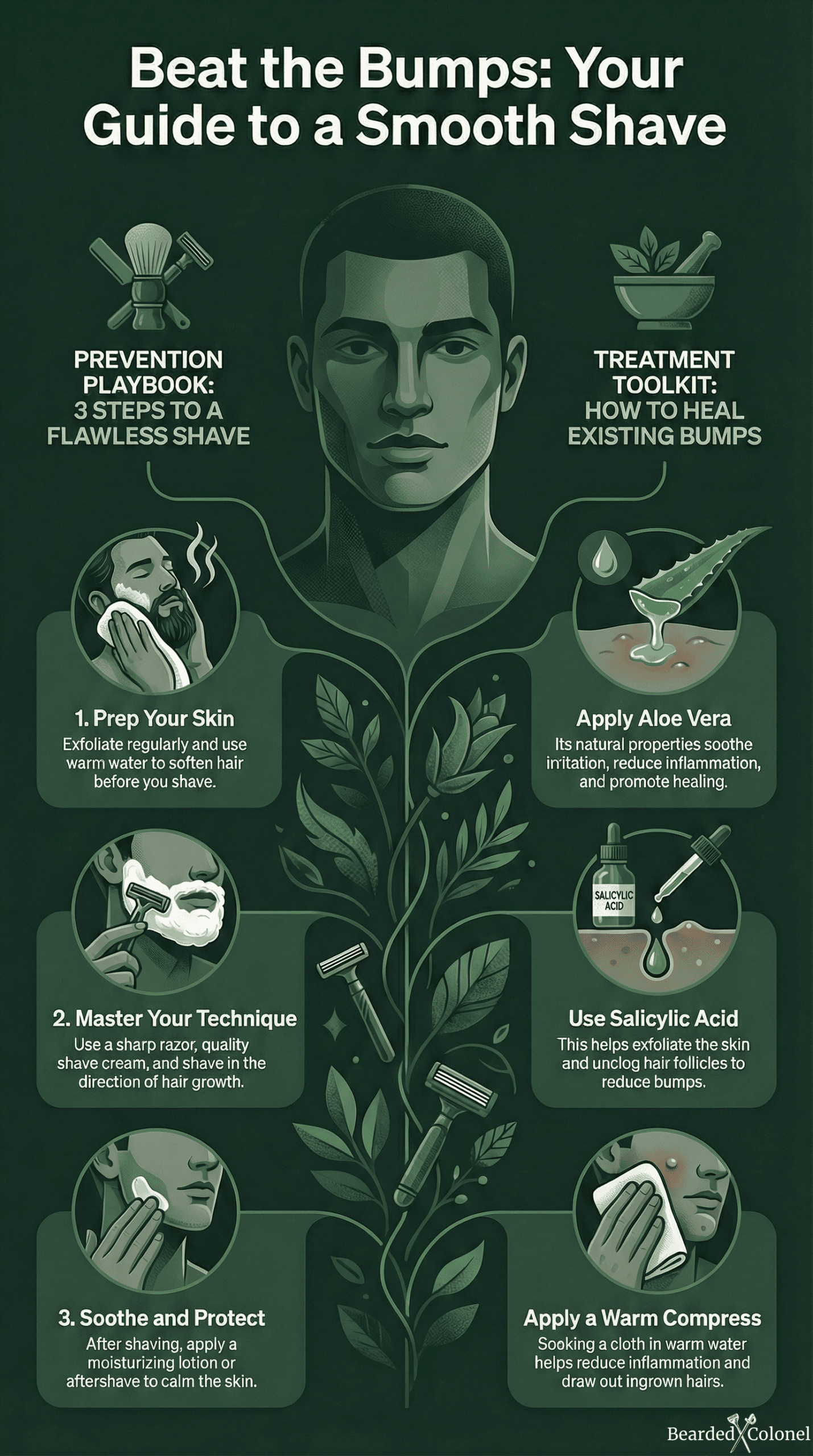
Atal yw techneg eillio a llafn rasel miniog yn bennaf. Mae'r un camau'n atal llosg rasel, blew wedi'u tyfu i mewn a briwiau rasel newydd, felly dilynwch nhw bob tro.
- Eillwch ar ôl cawod gynnes, neu daliwch flanced boeth wrth eich wyneb am funud. Mae gwallt gwlyb, cynnes yn torri'n lân. Mae barf sych, oer yn un o brif achosion llosg rasel, felly osgowch eillio'n sych gyda llafn.
- Defnyddiwch hufen eillio priodol., a'i weithio i mewn yn dda. A brws eillio mae'n werth chweil yma: mae'n codi'r blew ac yn creu ewyn mwy trwchus na'ch bysedd.
- Defnyddiwch lafn miniog. Mae llafn diflas yn tynnu yn lle torri, a'r tynniad hwnnw sy'n achosi llid i'r croen a llosg rasel. Newidiwch ef cyn gynted ag y bydd yn dechrau tynnu, sydd ein canllaw ar pa mor aml i newid eich rasel sy'n mynd i mewn i.
- Gad i'r rasel lithro. Daliwch ef yn ysgafn, eofwch yn araf, a gadewch i bwysau'r handlen wneud y gwaith. Peidiwch â thynhau'r croen, gan fod hyn yn caniatáu i'r llafn dorri'n isel o dan yr wyneb.
- Eillwch yn gyfeiriad twf y blew. Mae mynd yn ei erbyn yn rhoi torriad tynnach a llawer mwy o ddirgryniadau. Ein canllaw ar pam na ddylech chi eillio yn erbyn y graen yn esbonio pam.
- Rinsiwch y llafnau rasel bob ychydig strôc. fel nad yw gwallt a hufen yn clocsio rhyngddynt. Mae llafnau sydd wedi clocsio yn tynnu.
- Gwna un pas, yna stopia. Os ydych chi ei eisiau'n agosach, ail-sgwfftwch ac ewch ar draws y graen yn hytrach nag yn ei erbyn.
- Rinsiwch â dŵr oer, sychwch yn ysgafn a lleithwch.
- Cadwch rasel yn lân a'i storio â'i phen i fyny. Mae ei osod ar ei ymylon yn dal dŵr o amgylch yr ymyl ac yn ei ddallu'n gyflymach.
Mae'r rasel yn bwysig hefyd. Mae'r rhan fwyaf o gardiau'n llusgo stribed plastig solet drwy'r hufen cyn i'r llafnau ei gyrraedd, gan wthio'r hufen o'r ffordd. Mae gan ein un ni roler ar yr ymyl flaen sy'n rholio dros yr hufen yn lle hynny, felly mae mwy ohono'n aros rhwng y llafnau a'ch croen.
A ddylech chi ecsfoliadu cyn eillio?
Ie, ond yn ysgafn, a pheidio â'i wneud bob dydd. Mae ecsfoliadu ddwy neu dair gwaith yr wythnos yn cael gwared ar y celloedd croen marw sy'n dal gwallt sy'n aildyfu, sy'n un o'r ffyrdd gorau o atal gwallt wedi'i wreiddio'n fewnol. Mae brwsh meddal neu sgwb ysgafn yn gweithio, ac felly hefyd ecsfoliant cemegol gydag asid salicilig neu asid glycolig ar ddiwrnodau nad ydych yn eillio. Gall ei wneud yn galed ychydig cyn eillio adael y croen yn amrwd. Mae mwy am amseru yn ein canllaw i p'un ai i ecsbloedio cyn neu ar ôl eillio.
Brychau ar ôl eillio: codennau neu ddannedd?
Nid pob smotyn ar ôl eillio yw brech rasel, ac nid pob brech yw llid croen o'r llafn. Os ydych chi'n cael smotiau eisoes, gall eillio drostynt eu hollti a lledaenu'r bacteria, felly rydych chi'n cael llond bol o rai newydd ddiwrnod yn ddiweddarach. Yr un ateb yw hwn ag ar gyfer tolciau: eillio o amgylch smotiau yn hytrach nag ar eu tros, cadw'r llafn yn lân ac yn finiog, a pheidio â rhannu raselau. Mae rasel sydd wedi'i ddefnyddio ar smotyn yn trosglwyddo bacteria i'r un nesaf.
Bumpiau rhes ar y gwddf, llinell y bicini a'r corff
Mae'r gwddf yn dioddef fwyaf, oherwydd bod y gwallt yn tyfu i gyfeiriadau gwahanol a bod y croen yn denau. Teimlwch i ba gyfeiriad mae'r gwallt yn gorwedd cyn i chi eillio, eillwch y gwddf yn llai aml na'ch wyneb os yw'n parhau i lidio, ac peidiwch byth â mynd yn erbyn y graen yno. Os ydych chi'n cadw barf, ein canllaw i Cael llinell wddf eich barf yn iawn yn dangos ble i roi'r gorau i eillio.
Mae'r coesau, y frest, y celc, llinell y bicini a'r ardal gyhoeddus yn dilyn yr un rheolau. Mae gwallt y corff yn aml yn fwy garw a chwyrn, felly os oes unrhyw beth, mae angen llafn mwy miniog a mwy o hufen arno na'ch wyneb, a dillad cotwm llac wedyn i leihau'r ffrithiant. Ein canllawiau i brech eillio ar y coesau ac ardal y bicini, Cannu dy goesau a Cannu dy frest Trafod y gwahaniaethau.
Bumpiau afael ar groen tywyllach
Ar donau croen tywyllach, gall y cochni fod yn anoddach i'w weld, felly mae'r codennau yn aml yn ymddangos fel marciau brown neu borffor yn lle hynny. Mae Pseudofolliculitis barbae hefyd yn fwy cyffredin ar groen tywyllach, a gall y marciau y mae'n eu gadael (hyper-bigmentiad ôl-lidiol) bara am fisoedd ar ôl i'r cwtsyn ei hun ddiflannu, felly mae'n werth delio â chwtsynnau'n gynnar a pheidio byth â'u pigo.
Byddwch yn ysgafn wrth ecsbloetio: mae asid glycolig neu laethol cryfder isel unwaith neu ddwy'r wythnos yn well na sgrubiau llym, a all achosi mwy o dywyllu. Ar gyfer marciau sy'n aros, gall fferyllydd neu feddyg teulu awgrymu rhywbeth addas.
Os ydych chi'n dal i gael cnwd: technegau eraill ar gyfer tynnu gwallt
Os ydych chi'n dal i gael brychni afael hyd yn oed gyda llafn miniog a thechneg dda, efallai mai'r broblem yw pa mor agos rydych chi'n torri'ch gwallt wyneb neu wallt eich corff, yn hytrach na'ch techneg eillio.
- Tocio yn lle eillio. Mae towr barf neu rasel drydan yn gadael y blew ychydig uwchben y croen, felly ni all droelli'n ôl i mewn. Ein canllaw i Peiriannau eillio trydan yn erbyn eillio gwlyb cymharu'r ddau.
- Gadewch iddo dyfu. Mae gadael i'r gwallt dyfu am ychydig wythnosau yn rhoi gorffwys priodol i'r croen. Mae barf fer yn un o'r triniaethau mwyaf dibynadwy ar gyfer bympiau ar y gwddf. Ein canllaw i'r cyfnodau twf barf yn ymdrin â'r hyn i'w ddisgwyl.
- Hufenau tynnu blew. Mae'r rhain yn hydoddi'r gwallt ar yr wyneb yn lle ei dorri, ond gallant annog croen sensitif, felly gwnewch brawf clwt bob amser yn gyntaf.
- Tynnu gwallt â laser. Ar gyfer achosion hirdymor, mae tynnu blew â laser yn lleihau faint o flew sy'n tyfu'n ôl dros sawl sesiwn. Os oes gennych groen tywyllach, dewiswch glinig sydd â laser sy'n addas ar gyfer lliw eich croen.
Pryd i weld meddyg teulu neu fferyllydd
Mae'r rhan fwyaf o fympiau rasel a brechau eillio yn clirio ar eu pen eu hunain. Y Canllawiau'r GIG ar flew wedi'u gwreiddio dywed yr un peth. Mynnwch iddyn nhw gael eu gweld os:
- bympiau'n llenwi â phwysiwn, yn lledaenu, neu'n mynd yn boenus iawn neu'n boeth, a all fod yn arwydd o haint
- Daw twymyn gyda nhw
- maen nhw'n gadael marciau tywyll neu friwiau codi, caled, sy'n digwydd yn amlach ar groen tywyllach
- maen nhw'n dal i ddod yn ôl bob tro dwi'n eillio, pa mor ofalus bynnag dwi
Mae fferyllydd yn fan cychwyn da am hufenau. Gall meddyg teulu bresgripsiynu triniaethau cryfach os oes eu hangen arnoch, a gall ddweud wrthych os oes rhywbeth arall yn digwydd, sy'n bwysicaf ar gyfer bympiau yn yr ardal gyhoeddus.
Beth fydden ni'n ei ddefnyddio
Bydden ni'n dweud hyn, oherwydd mai ein hystod ein hunain ydyw, ond dyma'r tri pheth sy'n gwneud y gwahaniaeth mwyaf i ddoluriau a brech.
O silff y Cyrnol
Tri pheth sy'n atal y tolciau
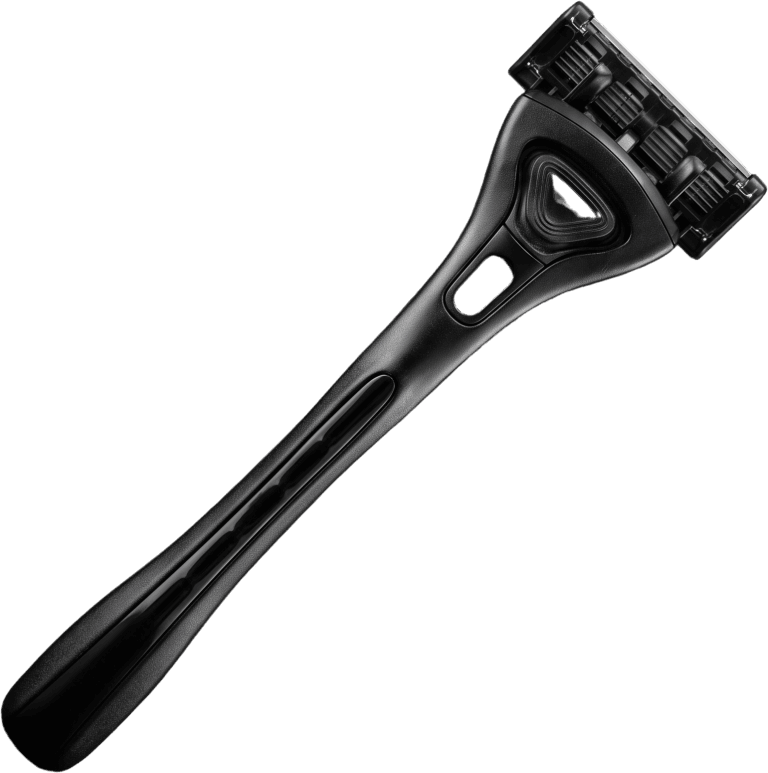
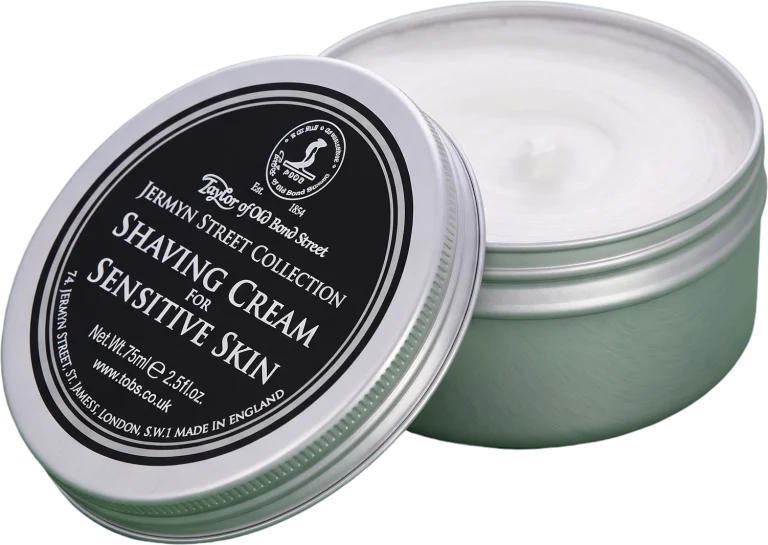
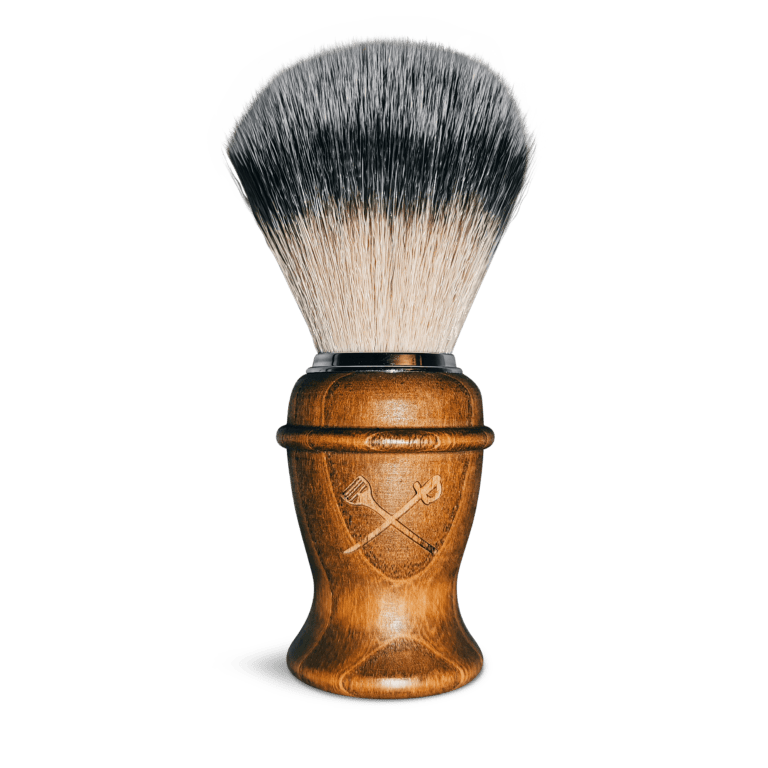
Daw pob archeb Classic neu VIP gyntaf gyda gwarant arian yn ôl am 30 diwrnod. Eillwch ag ef am fis, ac os nad yw'n addas i chi, byddwn yn ad-dalu'r swm llawn heb fod angen anfon dim byd yn ôl.
Y llafn yw'r peth pwysicaf. Mae'r rhan fwyaf o ddoluriau croen a'r rhan fwyaf o frychni yn dechrau o ddefnyddio llafn am un eilliad yn ormod, a dyna'r union reswm. Ailgyflenwadau ffres yn cyrraedd drwy'r post Mae'n gweithio mor dda ar groen sensitif: mae un newydd bob amser yn y drôr.
Cwestiynau mae pobl yn eu gofyn
Beth yw'r ffordd gyflymaf i gael gwared ar fympiau rasel?
I drin brychni afael, peidiwch â thorri'r ardal am ddau neu dri diwrnod, daliwch gywasgiad cynnes ar y brychni ychydig o weithiau'r dydd, a'u gadael ar eu pen eu hunain. Mae'r rhan fwyaf yn clirio o fewn wythnos neu ddwy. Mae cynnyrch asid salicilig ysgafn yn helpu unwaith y bydd y dolur wedi lleihau.
Ydy dolur rasel yr un peth â llosg rasel?
Nac ydw. Mae llosg rasel yn groen wedi'i iritadu sy'n ymddangos yn syth ar ôl eillio ac fel arfer yn diflannu o fewn diwrnod neu ddau. Mae codennau rasel yn flew wedi'u tyfu i mewn sy'n ymddangos ddiwrnod neu ddau'n ddiweddarach ac sy'n para'n hirach.
Alla i eillio dros bympiau rasel?
Mae'n well peidio â gwneud hynny. Mae eillio drostynt yn ailddorri'r blew sydd wedi'u dal ac yn crafu'r croen llidus, sy'n eu cadw i fynd. Rhowch ychydig ddyddiau o seibiant i'r ardal, neu trimio'r blew yn fyr gyda thrimiwr barf yn lle hynny.
Pam dwi wastad yn cael codennau ar fy ngwddf?
Mae'r gwallt ar y gwddf yn tyfu i sawl cyfeiriad ac mae'r croen yn deneuach, felly mae'n hawdd eillio yn erbyn y graen heb sylweddoli. Teimlwch i ba gyfeiriad mae'n tyfu cyn i chi eillio, defnyddiwch bwysau ysgafn, ac eillwch y gwddf yn llai aml na'ch wyneb.
Ydy ôl-eillio yn helpu gyda chreithiau afael?
Nid y math alcohol. Mae'n llosgi ac yn sychu'r croen, sy'n gwaethygu'r llid. Mae lleithydd di-arogl neu ychydig o gel aloe vera yn fwy buddiol.
Pa mor aml ddylwn i newid fy llafn i osgoi bympiau?
Cyn gynted ag y bydd yn dechrau tynnu yn lle llithro, sy'n digwydd bob pum i saith eilliad yn ôl Academi Ddeietoleg America. Llafn di-fin yw'r achos mwyaf cyffredin o losg eillio a chwarennau.
Ydy raseli trydan yn well ar gyfer codennau rasel?
Gallant fod. Mae rasel drydan yn torri'r gwallt ychydig uwchben y croen, felly mae'n llai tebygol o dyfu'n ôl yno. Y pris am hyn yw cneifiad llai trwyadl. Os ydych chi'n cael cnewyllyn waed poed bynnag mor ofalus ag y byddwch yn cneifio'n wlyb, mae'n werth rhoi un cynnig am ychydig wythnosau.
Sut alla i wybod a yw cwtsh yn rhywbeth mwy difrifol?
Mae brech rasel fel arfer yn fach ac yn gadarn, wedi'i ganoli ar wallt, ac yn ymddangos ddiwrnod neu ddau ar ôl eillio. Nid brech rasel yw clwstwr o fwlbiau poenus, brechau sy'n lledaenu'n gyflym, neu frechau gyda dwymyn, ac mae angen meddyg teulu, yn enwedig o amgylch yr organau cenhedlu.
Wedi methu sbot?
Mwy gan Trefnu a Chanllawiau
A ddylai dynion eillio eu breichiau? Beth sy'n digwydd, a sut i'w wneud yn iawn
Dydy'r rhan fwyaf o ddynion byth yn meddwl am eu blew braich nes bod rhywbeth yn gwneud iddyn nhw. Tatŵ newydd rwyt ti eisiau i bobl ei weld.
Troeon vs Cwyrio vs Hufen Tynnu Gwallt: Y Manteision a'r Anfanteision Onest
Mae eillio, gwyr a hufen tynnu blew i gyd yn cael gwared ar flew diangen, ac mae pob un yn ateb cywir i rywun.
A ddylen nhw eillio cyn neu ar ôl cawod?
Mae'r rhan fwyaf ohonom yn dilyn ein trefn foreol ar awtobeilot, ac fel arfer mae trefn y cawod a'r eillio'n union yr un fath â'r hyn a wnaethom yn ein harddegau.